
A Responsible, Honest Conversation for American Hunters
Last updated: February 2026
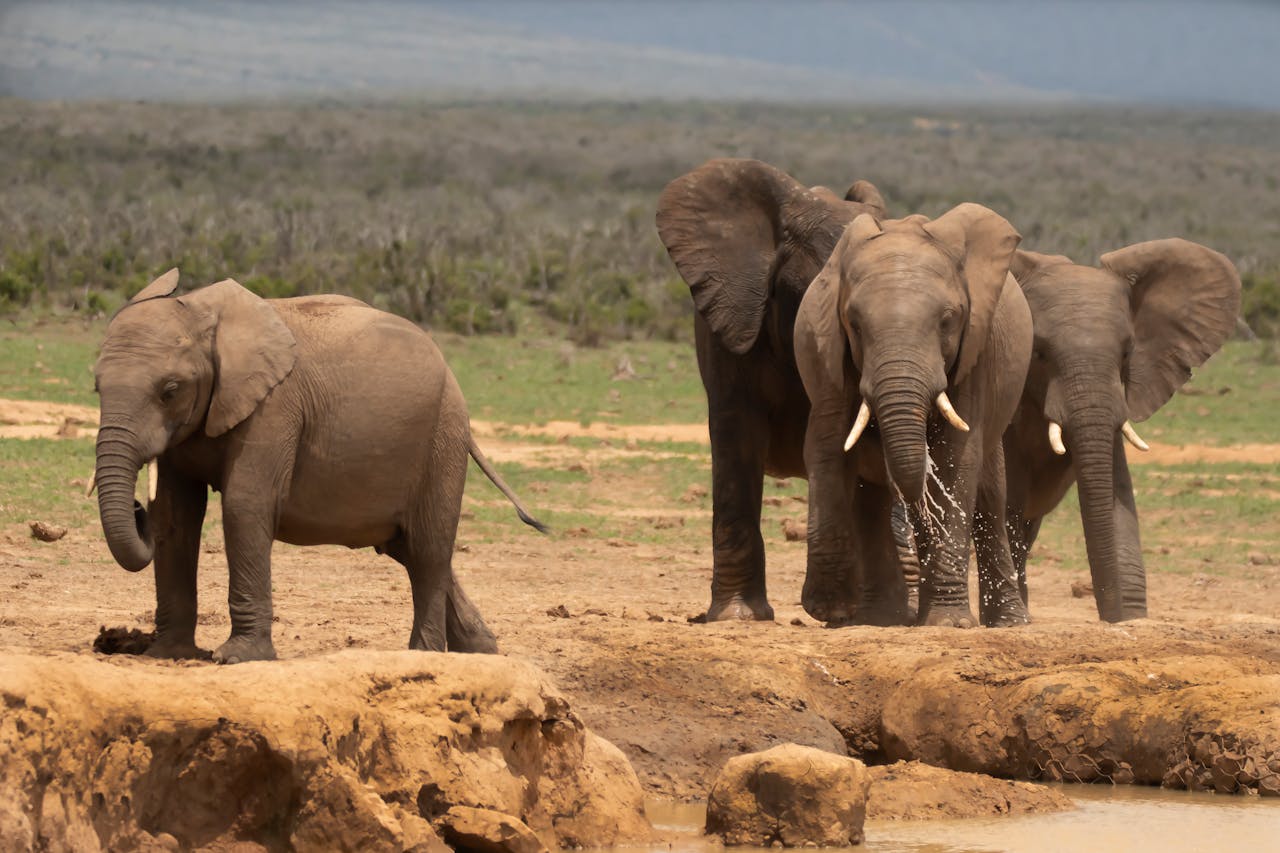
Elephant hunting in Africa is not like any other African hunt.
Not Cape buffalo.
Not lion.
Not leopard.
For American hunters considering elephant hunts, the decision is heavier, slower, and more permanent — and it should be. This is not a hunt defined by challenge alone, but by consequence. Every choice carries weight, far beyond the individual pulling the trigger.
This article is not here to persuade.
It is not here to sell.
And it is not here to simplify something that should never be simple.
It exists for one reason only:
To help American hunters decide, honestly, whether elephant hunting is a responsibility they are prepared to accept.
Elephant Hunting Is Not a Trophy Decision
Elephants are not difficult to hunt because they are elusive or aggressive. They are difficult because they exist at the intersection of conservation, politics, community livelihoods, and global scrutiny.
When an elephant is hunted:
- Governments are accountable
- Communities are affected
- Conservation programs are funded or questioned
- International attention follows
Unlike most hunts, the outcome extends well beyond the field.
This is why elephant hunting should never begin with availability or price. It must begin with responsibility.

Why Elephant Is Different From All Other Dangerous Game
Dangerous game hunting tests discipline. Elephant hunting tests judgment.
Elephants are:
- Highly intelligent
- Socially complex
- Long-lived
- Integral to ecosystems
Mistakes in elephant hunting are not measured only in yards or seconds — they are measured in consequences.
For American hunters used to personal autonomy, this can be a difficult adjustment. Elephant hunting requires acceptance that:
- Decisions are shared
- Restraint is expected and required
- Walking away is success, not failure
This mindset shift is not optional. It is fundamental.
Elephant hunting sits at the extreme end of what Africa offers, both physically and mentally. To better understand how it compares to other species, explore our guide to dangerous game hunts in Africa, where the realities, risks, and expectations of these safaris are explained in more detail.
Conservation Is Not a Talking Point — It’s the Foundation
African elephant hunting exists today only in places where it still serves a clear management purpose — and even then, it operates under pressure, scrutiny, and constant review by numerous bodies.
In the countries where it is legal, regulated elephant hunting:
- Funds anti-poaching operations
- Supports rural communities
- Manages human-wildlife conflict
- Protects habitat
But these outcomes depend entirely on how hunting is conducted and who participates in the elephant hunt.
Ethical elephant hunting is conservative by design and involves:
- Limited quotas
- Strict age and gender selection
- Heavy oversight
- Long-term monitoring
If any of those systems fail, elephant hunting fails with them.
The American Hunter’s Responsibility Abroad
Hunting elephant as an American means carrying two responsibilities at once:
- Acting ethically in Africa
- Representing hunting responsibly at home
Elephant hunting is scrutinized in a way that very few hunting activities are. Public perception, political pressure, and international regulation are always present.
That reality demands:
- Patience
- Humility
- Willingness to defer to local expertise
- Being comfortable with saying “not today”
The hunters who are best suited to elephant hunting are not those seeking validation, but those comfortable with restraint and resolve — for in that discipline lies the true reward: an encounter earned through patience, respect, and careful judgment.

When Not Hunting Is the Right Decision
This is the part most websites avoid like the plague.
There are times when the correct outcome of an elephant hunt is that no elephant is taken.
Examples include:
- The wrong animal presented
- Herd dynamics that create unacceptable risk
- Community concerns overriding opportunity
- Conditions that compromise ethical standards
Many experienced hunters I’ve met only truly understand elephant hunting after the moment they choose not to pull the trigger.
Experienced Professional Hunters respect clients who can accept these outcomes calmly. In elephant hunting, maturity is often demonstrated through decisions not to act, but rather to walk away from the situation. In situations like these, judgment matters more than anything else. Understanding elephant shot placement and how these animals react under pressure is critical, as even small mistakes can lead to difficult and dangerous outcomes.
Is Elephant Hunting Right for You?
Elephant hunting may be appropriate for American hunters who:
- Have extensive African hunting experience
- Understand conservation beyond slogans and sayings
- Are comfortable deferring authority
- Value long-term impact over personal outcome
- Accept scrutiny without defensiveness
It may not be appropriate for hunters who:
- Feel pressure to justify cost with success
- Seek recognition or status
- Struggle with delayed or denied outcomes
- Expect control in complex environments
Choosing not to hunt elephant — or choosing to wait — is often the most responsible decision a hunter can make. This decision has lasting consequences.

A Decision That Must Be Earned
Elephant hunting is not a progression. It is not a final level. And it is not a measure of credibility.
It is a responsibility that must be earned through experience, restraint, and understanding.
For those who decide that elephant hunting is a responsibility they are prepared to accept, understanding how elephant hunts in Africa are structured is the next step — but only after the harder decision has been made.
Frequently Asked Questions
Q: Is elephant hunting legal in Africa?
A: Yes it is, but only in specific countries under tightly regulated systems designed to support conservation and community management.
Q: Is elephant hunting ethical?
A: Ethics depend on context, regulation, and execution thereof. Where elephant hunting directly supports conservation and communities, it can play a role. Where it does not, it should not occur.
Q: Should first-time African hunters pursue elephant?
A: In most cases, no. Elephant hunting is best suited to hunters with extensive African experience and a deep understanding of conservation systems.
Q: Is it acceptable to return without harvesting an elephant?
A: Yes. In many cases, that outcome reflects responsible decision-making rather than failure.
About the Author
Pierre has spent years working alongside professional hunters, conservation managers, and rural communities across multiple African countries. His involvement with elephant hunting has focused less on the hunt itself and more on understanding how regulation, conservation pressure, international scrutiny, and human–wildlife conflict intersect. His role centers on helping American hunters make informed, responsible decisions that respect both Africa’s wildlife and the people who live with it every day.