
Hunting in Africa is the dream for many a hunter, whether they’re beginning their hunting career or have a few trophies under their belt. And with Africa offering some of the best hunting territories, trophy species, and exotic animals found nowhere else, it is not hard to see why so many sportsmen research African hunting safaris before committing to a trip.
But taking that dream from the drawing board to reality can raise a few questions about logistics and planning. Game Hunting Safaris offers information and resources to ease these concerns. Read on for an introduction to each of our current destinations and their requirements.
[DYNAMIC-BLOGTABLEOFCONTENT]
Key Takeaways
- Hunting trips in Africa vary depending on the destination chosen
- American hunters must be aware of the travel and hunting-related paperwork to be done
- Each African hunting destination operates according to its own set of legislation
- Some destinations require specific vaccines and/or medication before entry
- Hunters can contact their outfitter or broker for the most current information available
African Safari Hunting Destinations and Their Requirements
Well-planned African hunting trips are built around realistic expectations, timelines, and logistics. Hunting in Africa can take place in almost every corner of the continent, with each destination offering its own unique climate, landscape, challenges, and trophy species. And in a similar way, each destination operates its hunting industry in a way that’s unique to them.
Each destination also has its own ruling bodies that decide on and influence important factors like quotas, seasonal tags, hunting areas, or concessions available, and even the paperwork needed. Hunters need to familiarize themselves with how their chosen destination operates and what paperwork is needed to ensure that hunting trips in Africa remain legal, ethical, and enjoyable.
Botswana
Game hunting overview
African safari hunting in Botswana is set to be expanded for the 2026 season, and over the next 2 – 3 years, the country’s Community-Based Natural Resource Management (CBNRM) program will have a higher level of influence and involvement, which will both benefit communities and play a vital role in population control. Key points for the 2026 season include an increased Elephant quota and the return of Lion hunting with a proposed 10-lion quota.
Permits and Paperwork for American hunters
Hunting licenses in Botswana are applied for through the country’s Department of Wildlife and National Parks (DWNP). The application for these licenses will require copies of ID documents/passports and firearm certificates, as well as the relevant fees. Certain licenses can call for references of past hunts, as well as the paperwork of the PH or guide involved.
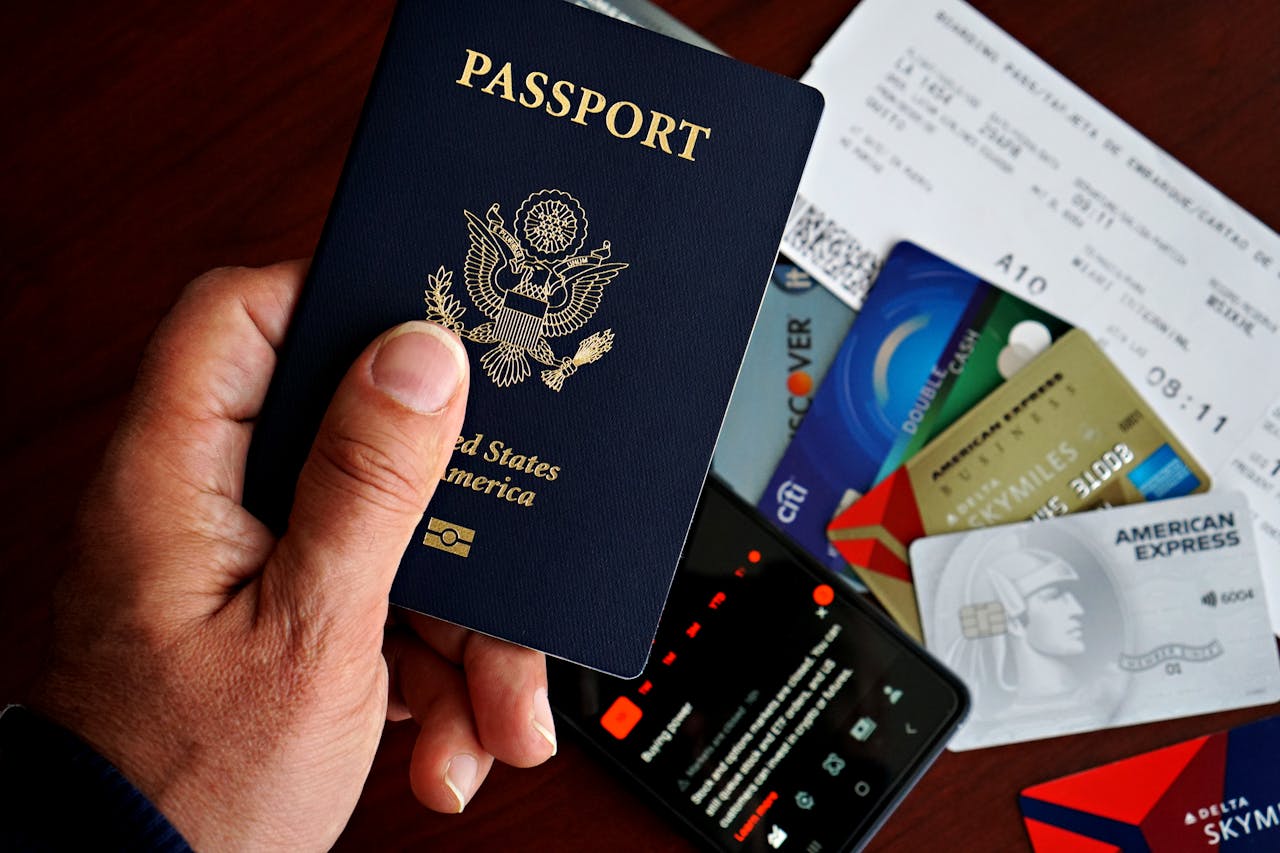
In terms of travel documents, stays under 90 days don’t require a visa; however, the traveler must have a US passport valid for 6 months post-visit with at least 3 blank pages left. No specific vaccines are required, but the Typhoid and Rabies vaccines are recommended. Alongside Malaria medication, especially for those traveling to the Delta.
Arms and artillery
Botswana allows the import of 3 firearms per hunter of some rifle and shotgun combination. If more than 1 rifle is brought in, they must be of different calibers. A maximum of 100 rounds of ammunition per firearm is allowed. Each weapon requires its own permit, which the PH can apply for beforehand. A tax fee on both firearms and ammunition applies.
Botswana does not allow handguns, semi-automatics, or military-class firearms.
Cameroon
Game hunting overview
The 2025/2026 hunting season in Cameroon runs differently depending on what concession or zone you find yourself in. The country’s general hunting season runs from 1 December to 31 May; in designated forest areas, this season is extended to 31 July, and in the savannah regions, this period runs from January to April.
Permits and Paperwork for American hunters
Cameroon’s hunting licenses fall into 3 categories: Group A, Group B, and Group C. Big game and large antelope fall under Group A, while medium and small plains game fall under Groups B and C. Each license allows for a different combination of these species.
Americans entering the country must have a pre-arranged visa, as visas are not issued upon entry. Passports must be valid for six months beyond your stay and contain at least one blank page. A Yellow Fever vaccine is mandatory. It is also recommended to consider the Meningitis vaccine and Malaria medication.
Arms and artillery
All rifle and shotgun permits must be arranged through the Cameroonian consulate. A maximum of 2 rifles per hunter is allowed, and special permits will be needed should a shotgun be brought in as well. A maximum of 50 rounds per firearm is permitted, and no handguns or military-class firearms may be brought into the country.
Ethiopia
Game hunting overview
Ethiopia’s hunting season runs year-round; the dry season (October to June) carries the bulk of hunting opportunities. The country boasts a wide variety of species commonly found while hunting in Africa, and is also home to endemic and exotic species, like the Mountain Nyala and Bongo. Fun fact – Ethiopia issues the most leopard tags out of all the African safari hunting destinations.
Permits and Paperwork for American hunters
All US citizens entering Ethiopia must have a visa, which can be obtained either online or at an embassy before arriving in the country. Anyone holding an E-visa (obtained online) must travel through and check in at Addis Ababa International Airport; a passport valid for 6 months post-visit is mandatory, as well as a Yellow Fever vaccination and Malaria medication, should you be active in the country’s low-lying regions.
Arms and artillery
Your outfitter will need to apply for firearms permits 1 – 2 months in advance of your trip, and these are done through the Ministry of National Security. Ethiopia allows for a maximum of 3 firearms per person, with 120 rounds of ammunition allowed for rifles and 200 rounds for shotguns. Unlike other destinations, Ethiopia allows for the use of hunting-grade handguns and semi-automatic shotguns.
Gabon
Game hunting overview
Gabon’s hunting season runs from 16 March to 14 September 2026, and the country has strict quotas and permits surrounding some of its species and specific hunting areas. The country’s Ministry of Water & Forests (MINEF) is the main controlling body, and all permits/licenses must be applied for through them, which can be handled by your outfitter. Some permits can be area and season-specific, so check which ones you need to arrange for with your outfitter or broker.
Permits and paperwork for American hunters
Currently, no visa is required for entry to Gabon; it’s recommended to check this with a Gabon embassy as these regulations can change. Like other African countries, Gabon requires a passport valid for 6 months post-visit, and a minimum of 2 blank pages is required. Medically, Americans are required to get a Yellow Fever vaccination a minimum of 10 days prior to departure, as well as use Malaria prophylaxis medications due to the area's high-risk category.
Arms and artillery
The firearms allowed will depend on the concession visited; however, the general rule of thumb is 2 – 3 firearms per hunter in a rifle/shotgun mix, with 50 – 100 rounds of ammunition allowed per firearm, depending on the type. Gabon requires that ammunition be stored separately from firearms when travelling, and the Ministry of the Interior in Libreville is responsible for the issuing of firearms permits.
Mauritius
Game hunting overview
Mauritius may be an island paradise of beaches and resorts, but hunting opportunities are available, provided you aren’t looking for big game. The island’s main game species are Wild Boar and Javan Rusa Deer, as well as wing shooting for Pheasant, Partridge, Guinea fowl, and Pigeon.
Permits and Paperwork for American hunters
US citizens entering the country for tourism and hunting purposes don’t require a visa, provided their stay is less than 90 days. Required documents include a passport valid for 6 months after departure, an onward or return ticket, and proof of sufficient funds for the duration of your stay. The country’s All-In-One travel form must be completed 72 hours prior to arrival, and your temperature will be taken upon entry. No specific vaccinations are required, but those who recently travelled through a Yellow Fever territory will need to produce the vaccination certificate.
Arms and artillery
Similar to Gabon, the island allows for up to 3 firearms per person with 50 – 100 rounds per weapon. Mauritius’ Commissioner of Police must pre-authorize the permits, and US hunters must be in possession of their import permit, competency certificate, and a letter or other document proving their arranged hunting trip. It’s often suggested that hunters hire firearms for their trip, rather than bringing their own.
Mozambique
Game hunting overview
Mozambique’s April to November 2026 hunting season makes the most of the tropical nation’s dry season. The country is a big game hunter’s dream with some of the most exciting hunting trips in Africa. Mozambique still has areas that are largely untamed and inhabited by few, giving hunters a real and rough safari experience.
Mozambique is home to all members of the Dangerous 7, although the Rhino is not available to hunt, as well as varied plains game species that make the most of the country’s plains and waterways.
Permits and Paperwork for American hunters
Presently, US citizens can enter the country visa-free for up to 30 days while engaging in business and tourism. A passport valid for 6 months post-visit is required, as well as proof of return trip bookings, and proof of accommodation is also needed. Mozambique’s Electronic Travel Authorization was suspended at the end of 2025, but always confirm if this ruling has changed.
US hunters require a general hunting permit as well as a specialized permit for each trophy taken. These permits are generally applied for 3 months before the planned hunt, and payment is required 30 days in advance.
Arms and artillery
Mozambique allows 3 firearms per hunter in a rifle/shotgun combination with a maximum of 100 rounds of ammunition per firearm. Gun and weapons permits are arranged by the Ministry of Interior and are normally handled by the outfitter. The country allows for hunting-related handgun imports, but these require a separate, specialized license.
Namibia
Game hunting overview
As one of the continent's top destinations, Namibia offers hunters a choice array of big game, plains species, and some exotic opportunities set in some of Africa’s most desolate and awe-inducing environments. The 2026 season has limited spots available and runs from February to November, with the popular hunting period being April to October.
Permits and Paperwork for American hunters
Every hunter requires a general permit from Namibia’s Ministry of Environment and Tourism, along with a letter from their outfitter; while Leopard, Lion, and Cheetah require their own separate special permit. As of 1 April 2025, all US citizens require a visa to enter Namibia; this visa can either be prearranged online or obtained on entering the country at a “major entry point” or embassy. Travelers also need to be in possession of a passport valid for 6 months post-visit with 6 blank pages, proof of their itinerary and accommodation, proof of funds available, and medical insurance/information.
Arms and artillery
Firearms permits are issued on arrival at the airport, and Namibia allows for 2 firearms per hunter. Black powder rifles are allowed in the country, but their ammunition must be bought locally and not imported. 80 rounds per firearm is permitted; handguns, semi-automatic, and automatic weapons are illegal, alongside crossbows.
Republic of Congo
Game hunting overview
Considered a hidden gem in the crown of hunting trips in Africa, Congo-Brazzaville is home to a variety of diverse and interesting species, some of which are found in very limited spaces. The area is renowned for specialized and high-end hunts in the rainforest region, targeting Forest Buffalo and the highly elusive Bongo. Due to its environment, hunting in the Congo requires trekking old and abandoned logging routes to scout possible trophies, and employing boats to navigate the country’s swamps in search of Sitatunga.
Permits and Paperwork for American hunters
Americans entering Congo-Brazzaville are required to possess a passport valid for 6 months after departing with up to 2 blank pages, a visa (either from an embassy or online application), a Yellow Fever vaccination certificate, return tickets, and a letter from your host or confirmation of accommodation. Proof of financial status or support is needed for entry to the Republic.
Congo-Brazzaville’s hunting permits are structured differently from those of other countries, as they can either be daily or seasonal. Hunting permits and quotas can be restricted on a region-to-region basis, so keep in touch with your outfitter to be up to date.
Arms and artillery
The type of firearms allowed in the Republic depends on the region being hunted. A consensus of 2 rifles per hunter with 50 – 100 rounds per firearm is the standard. Certain areas may allow for bolt-action weapons, but handguns and military-style firearms are illegal. Your outfitter will be the one to arrange necessary weapons permits, and these will need to be carried at all times alongside proof of ownership and license.
South Africa
Game hunting overview
South Africa offers 9 provinces, each home to their own landscape and hunting opportunities; from hunting big cats in the savannah, to tracking antelope in the rainforest. SA is considered Africa’s entrance, and for many, it’s the gateway to hunting in Africa.
Permits and Paperwork for American hunters
South Africa requires a passport valid for 30 days post-departure with 2 blank pages; no visa is needed for stays less than 90 days. In terms of hunting, permits and licenses are governed provincially, so regulations of the Western Cape may differ from those of Kwa-Zulu-Natal vs Mpumalanga. Regardless of whether you’re hunting the Big 5, plains species, or an exotic animal, permits and licenses will be needed for each one.
Arms and artillery
Bringing firearms into South Africa requires the SAPS 520 form, which can be arranged in advance or on arrival at an International airport. Up to 4 firearms are allowed per hunter, with 200 rounds per weapon being the maximum. If firearms are brought in as multiples, they MUST be of different calibers. Handguns and semi-automatic shotguns are allowed, but require a separate Statement of Motivation to be arranged and cleared in advance of arrival.
Tanzania
Game hunting overview
Considered the pinnacle destination for hunting trips in Africa, Tanzania has a storied history of producing some of the best and most well-known African safari hunting legends. The July – December season allows hunters to tackle an assortment of big game and plains species across varied landscapes and concessions, such as Rungwa, the Masaailand, and Selous reserves.
Permits and paperwork for American hunters
The Tanzania Wildlife Management Authority (TAWA) is responsible for the provision of hunting permits in Tanzania. These licenses are famously available in 3 options: Regular (10 days), Major (14 days), and Premium (21 days), with certain animals available on specific licenses only. US citizens must present a passport valid for 6 months post-departure with at least 1 blank page, as well as a visa, which can be applied for online and is usually processed in around 15 days. If you are arriving from, or have recently travelled through, a Yellow Fever country, you will need to show proof of vaccination.
Arms and artillery
Tanzania allows for up to 3 rifles and 1 shotgun with 100 rounds each or 100 rounds per caliber. Your outfitter will begin the permit process with Tanzanian officials, and these permits must be presented on arrival, where all firearms and ammunition will be inspected. It’s advised that hunters carry copies of their permit and proof of ownership for the duration of their trip.
Uganda
Game hunting overview
Uganda’s year-round hunting season gives hunters the opportunity to tackle a selection of both large and plains game in many famed locations. The country offers Leopard, Nile buffalo, Waterbuck, Topi, Hartebeest, and even exclusive swamp-based hunts for Sitatunga. Other smaller game on offer includes Warthog, Duiker species, and Vervet monkey, as well as Dik-Dik and Reedbuck.
Permits and paperwork for American hunters
Hunting in Uganda is managed by the Uganda Wildlife Authority, and permits or licenses are arranged through the outfitter. Prior to arrival, US hunters must have arranged hunting licenses and firearms import permits, also handled through the outfitter. American travelers must have a passport valid for 6 months after departure with 1 blank page minimum. Visitors from the US must also produce a visa (obtained online and available in different formats) and a Yellow Fever vaccination certificate.
Arms and artillery
Uganda allows for 2 rifles per hunter, and although there are no stipulated limits on ammunition, the airline standard of 11 pounds applies. The firearms license process requires passport copies, firearms specs and information, proof of ownership, and a letter of invitation from your outfitter or concession.
Zambia
Game hunting overview
While Zambia does not have a designated hunting season, hunters generally plan their excursions for May to November, thus avoiding the troublesome rainy season, which can affect transport, accommodation, and safety. The country offers a wide range of large game like Leopard, Lion, Elephant, and Buffalo; as well as plains specials like Lechwe, Puku, Chobe bushbuck, and Sable.
Permits and Paperwork for American hunters
All non-resident hunters must apply for their licenses through a registered outfitter, and similar to Tanzania, they also come in 3 classes. Mini licenses run for 7 days and cover most plains game and antelope, the Special license covers 5 – 7 days and includes SPECIFIC antelope like Lechwe, while the Classic license runs 10 – 28 days and is required for all big game hunts like Leopard, Elephant, and certain buck species. Zambia requires a minimum of 3 blank passport pages, and a validity of 6 months post departure; US travelers don’t need a visa and are exempt from these fees. Yellow Fever vaccines are needed if travelling from or through a country at risk.
Arms and artillery
Zambia allows for no more than 3 firearms per hunter, with 100 rounds maximum per firearm. Each firearm requires a Temporary Firearm Import Permit (TIP), which is applied for through the outfitter; the hunter will need to provide firearm serial numbers, caliber, model, and make, as well as their personal details, passport copy, and proof of ownership.
Zimbabwe
Game hunting overview
Zimbabwe is a premier destination under the African safari hunting banner. The country offers hunters all members of the Dangerous 7 (save for Rhino), as well as a variety of large and small plains species like Eland, Kudu, Zebra, Hyena, Civet, Genet, Klipspringer, and Steenbok. Zimbabwe also offers prime wing shooting availability for Quail, Geese, Duck, Partridge, and more.
Permits and Paperwork for American hunters
Every hunter must apply for and secure a Zimbabwean hunting license known as the TR2, and this is arranged through the Zimbabwe Parks and Wildlife Management Authority (ZPWMA). All foreign hunters must work through a registered and accredited hunting outfitter or professional hunter. Special permits are required for certain species (CITES and/or TOPS), and these are subject to extra cost.
Arms and artillery
Zimbabwe does not have a set limit on the number of firearms a hunter can import; no semi-automatic, automatic, or military-style weapons are allowed. Handgun permits must be arranged separately and require special approval. 100 rounds per firearm can be imported, as long as the airline limit of 11 pounds is not exceeded. Firearm permits require passport copies, copies of the itinerary, and flight details; these must ideally be sent to your outfitter a couple of weeks in advance.
Frequently asked questions about African safari hunting
How affordable are hunting trips in Africa?
The cost of a hunt in Africa largely depends on the destination chosen and what game is hunted. Big game species like those under the Dangerous 7 can be costly due to their scarcity and the skill or work that goes into the hunt itself. Some destinations, such as Tanzania, Ethiopia, South Africa, and Namibia, can be more expensive than other destinations due to the cost of licenses, concession fees, accommodation used, and the setup of the hunt.
Are there restrictions on American hunters in Africa?
The main restrictions that hunters can face in Africa are linked to the permits and bureaucracy involved in the hunting experience itself, and in the trophy phase thereafter. America does not allow certain trophy imports due to CITES legislation, the Endangered Species Act, and even state laws back in the US that can impact which trophies are allowed and what format they need to be in.
Can anyone try their hand at hunting in Africa?
African safari hunting has something for everyone, regardless of their skill level. Beginner hunts are traditionally shorter (less than 10 days) and focus on African plains game like Impala, Wildebeest, Zebra, and even Warthog for a unique experience. These hunts are designed to give that unmistakable African hunt experience, while catering to the skills and experience of beginners. Intermediate hunters often tackle larger plains game like Kudu, Nyala, and even Buffalo. Experienced hunters can take on the Big 5 family, as these hunts require a lot of knowledge that can only come from experience.