Cape Buffalo & Plains Game Hunting Safari in Zimbabwe
Booking Season: 2026
Hunt Difficulty: Difficult

Available Cape Buffalo Hunts
Cape Buffalo & Plains Game Hunting Safari in Zimbabwe
Booking Season: 2026
Hunt Difficulty: Difficult
7-Day Cape Buffalo Hunting Safari | Matetsi, Zimbabwe
Booking Season: 2026
Hunt Difficulty: Difficult
Free-Range Cape Buffalo Safari in Matetsi East
Booking Season: 2026
Hunt Difficulty: Difficult
Zimbabwe Lowveld Cape Buffalo Safari | 10 Days
Booking Season: 2026
Hunt Difficulty: Difficult
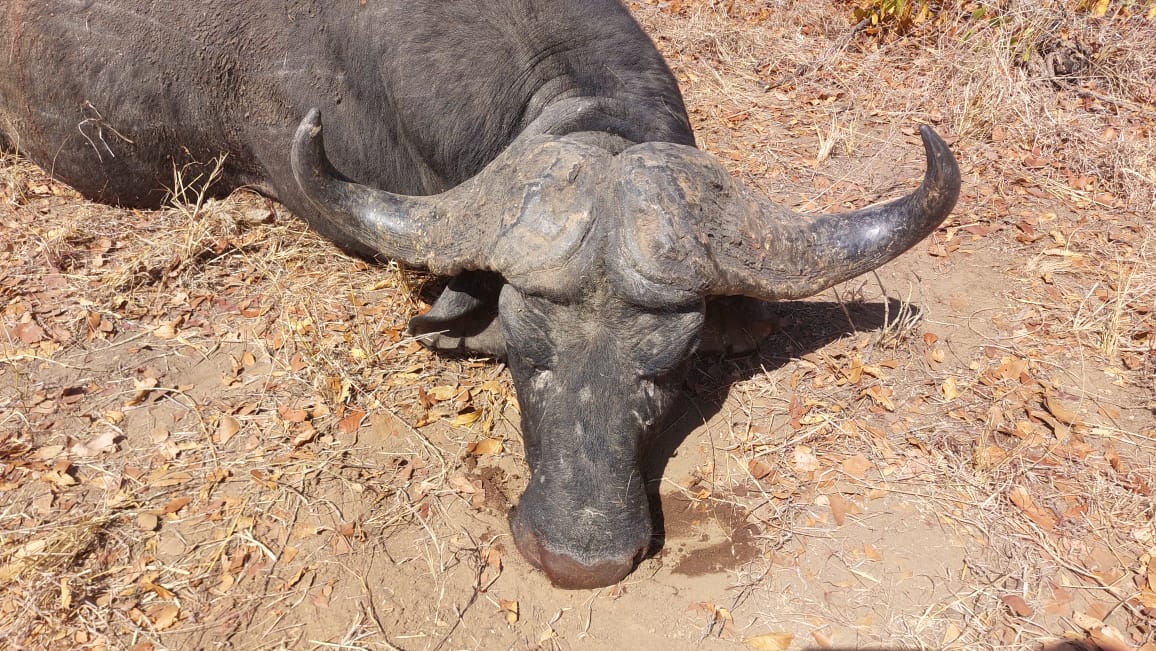
Cape Buffalo Hunt Plus Lioness in Hammond, Zimbabwe
Booking Season: 2026
Hunt Difficulty: Difficult
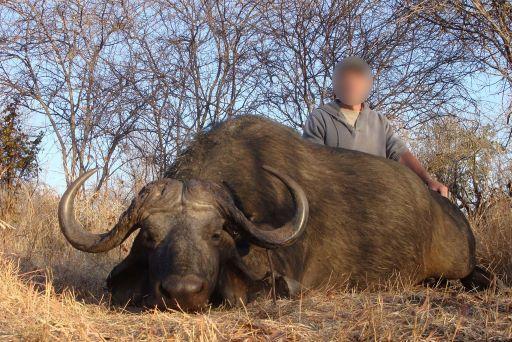
10-Day Cape Buffalo Safari | Matetsi Unit 2, Zimbabwe
Booking Season: 2026
Hunt Difficulty: Difficult
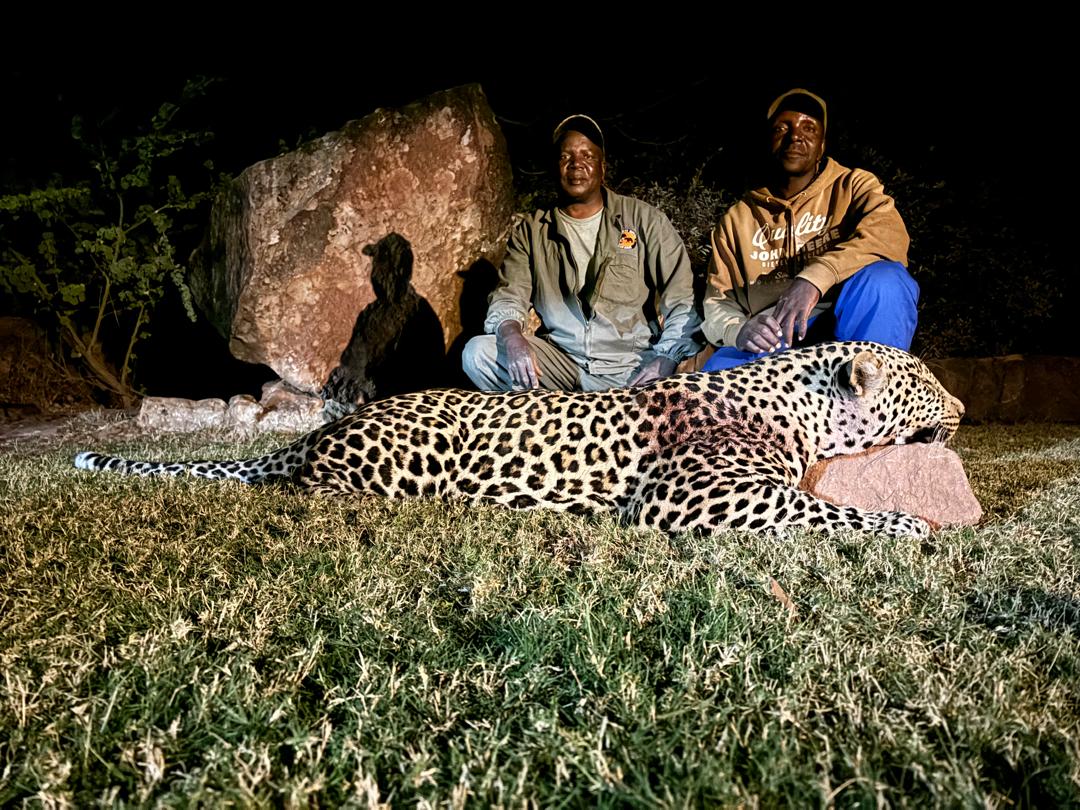
Hunt Leopard and Cape Buffalo in Zimbabwe, Save Valley
Booking Season: 2026
Hunt Difficulty: Difficult
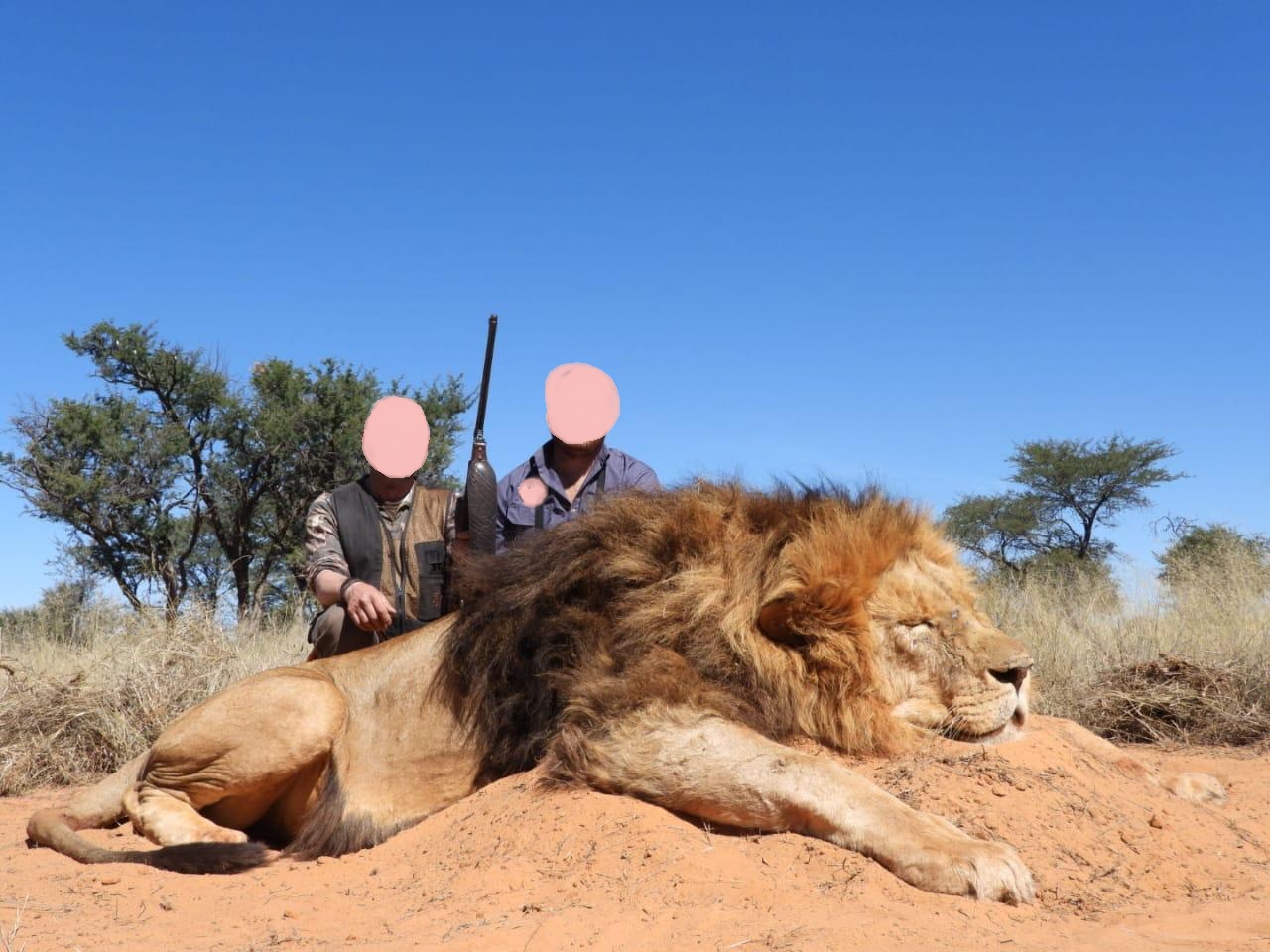
Hunt Lion, Leopard and Cape Buffalo in Zimbabwe, Save Valley
Booking Season: 2026
Hunt Difficulty: Difficult
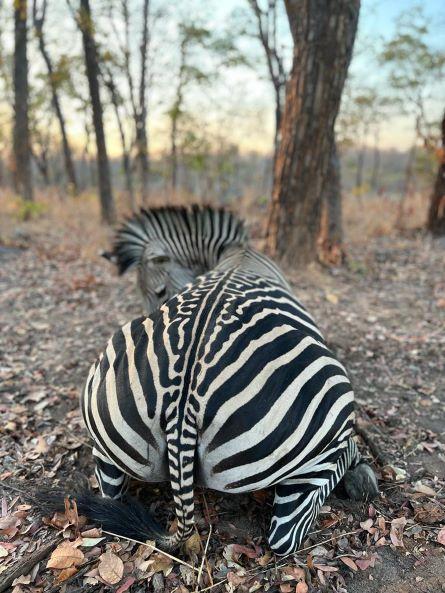
Save Valley Cape Buffalo & Plains Game Safari
Booking Season: 2026
Hunt Difficulty: Difficult
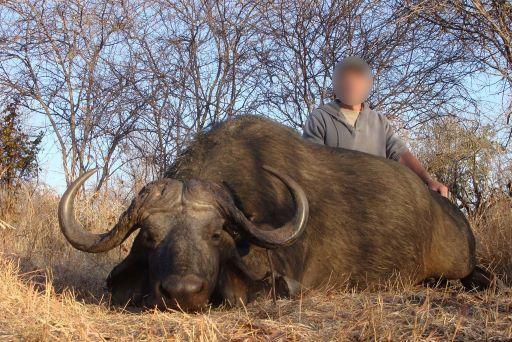
Lowveld Cape Buffalo Hunt, Zimbabwe
Booking Season: 2026
Hunt Difficulty: Difficult
Buffalo hunting in Zimbabwe is predominantly conducted on foot, with professional hunters and trackers following fresh spoor through bushveld, woodland and riverine country. Depending on the concession, hunters may spend several hours tracking before locating a suitable bull, and not every day produces an opportunity for a shot.
The physical demands vary between areas, but hunters should be prepared for extended periods on foot, changing conditions and the possibility of spending several days locating a mature bull.
A hunter who shoots comfortably from a bench at 100 yards may find the first morning on buffalo rather different. The sticks are rarely standing on perfectly level ground, the bull seldom presents himself exactly where you would like, and there may be considerably less time to settle than there was on the practice range.
That is worth discussing with your professional hunter before the safari. Find out what shooting distances are realistic in the area you're hunting, practise from sticks and make sure you're comfortable handling your rifle without a bench. Our Cape buffalo shot placement guide is also worth reviewing before you leave for Zimbabwe.
The cost of a Zimbabwe buffalo safari depends on the hunting area, the number of hunting days and how the outfitter structures the quotation. Some safaris are sold as complete packages, while others are quoted using daily rates with the buffalo trophy fee charged separately.
As a broad planning guide, dedicated Zimbabwe buffalo safaris can fall around US$15,000–US$18,000, with premium concessions, longer expeditions and combination hunts potentially costing US$18,000–US$28,000 or considerably more. These are indicative figures rather than fixed prices or guarantees of current availability. The advertised hunts on this page provide a more immediate picture of the packages currently being offered.
Two quotations can look remarkably similar until you examine what is included. A seven-day hunt that includes the buffalo trophy fee, government charges and airport transfers may represent better value than a cheaper advertised package where these are additional expenses. It is also worth checking whether seven days means seven full hunting days or a safari that includes arrival and departure days.
Before paying a deposit, confirm the buffalo trophy fee, available quota, hunting dates, observer rates, transfers and any additional species you might want to pursue. Our guide to African hunting safari prices explains the broader costs of planning an African safari.
Zimbabwe has some of Africa's best-known buffalo hunting country, but a hunt in the Zambezi Valley is not the same proposition as one in Save Valley, Matetsi or the woodland surrounding Hwange. The ground underfoot, the distance travelled each day, where buffalo find water and how much country the professional hunter can cover all have a bearing on the safari.
A hunter who enjoys following buffalo through rugged, broken country may be perfectly happy in the Zambezi Valley. Someone else may prefer the extensive bushveld of a large conservancy or the teak forests of northwestern Zimbabwe. Before choosing an area, it pays to understand what the hunting actually involves.
The Zambezi Valley has a long reputation for traditional dangerous-game hunting. Around Lake Kariba, particularly in the Omay and surrounding hunting areas, the country can be steep, rocky and heavily wooded. River valleys, ridges and thick cover can make following buffalo physically demanding, especially when a herd moves away from the more accessible ground.
Elsewhere in the valley, the terrain changes considerably. Some concessions include more open woodland and river frontage, while others require long walks through broken country. Buffalo may move between feeding areas, water and neighbouring concessions, and a professional hunter's access does not necessarily extend everywhere the animals travel.
Before choosing a Zambezi Valley hunt, find out what the terrain is like, how much walking is normally involved and where buffalo have been spending their time during the period you intend to hunt.
Save Valley Conservancy is one of Zimbabwe's major wildlife conservancies, with extensive bushveld, river systems and large areas managed for wildlife. The southern Lowveld also includes other hunting properties and wildlife areas, so it would be a mistake to assume that every safari advertised in the region takes place under the same conditions.
The size of the hunting property and how the buffalo population is managed deserve particular attention. Some operations have access to extensive country and established buffalo populations, while others work within more restricted areas. Both may offer worthwhile hunting, but they are not necessarily the same product.
For a conservancy hunt, the important questions concern the number of mature bulls realistically available, recent hunting pressure and whether the operator offers a traditional tracking safari or a more managed hunting arrangement.
The hunting areas surrounding Hwange National Park include some excellent buffalo country. Gwayi ECA and Sikumi are particularly associated with teak woodland, sandy tracks and thick bush, where trackers may spend much of the morning following spoor before the hunting party ever sees a buffalo.
Much of this country is relatively flat compared with the broken terrain around parts of Lake Kariba, but that does not automatically make the hunting easier. Sandy ground can be tiring, thick woodland limits visibility, and buffalo may cover considerable distances between feeding and watering areas.
Buffalo move through the wider Hwange ecosystem, but the hunting rights belong to particular concessions. A safari advertised as being near Hwange should therefore identify the actual hunting area. That is especially important when animals move out of the ground the outfitter is authorised to hunt.
Matetsi lies northwest of Hwange, towards Victoria Falls, and has been associated with Zimbabwe's dangerous-game hunting industry for decades. The Safari Area is divided into hunting units, and the unit in which a hunter books his safari can make a substantial difference.
Some parts of Matetsi contain open woodland and relatively accessible hunting country, while others have thicker vegetation and different patterns of wildlife movement. Buffalo numbers, available quota and the amount of hunting pressure are not necessarily identical between units.
The Matetsi name alone is not enough reason to choose a particular buffalo safari. Ask which unit the safari will use, whether the buffalo are resident or moving through from neighbouring areas, what the recent hunting results have been and how many buffalo remain on quota for the season.
We've travelled extensively through Zimbabwe on numerous trips over the years, spending time in different hunting regions and getting to know the country beyond the safari brochures. Those visits have given us a firsthand understanding of the distances involved, the terrain and how conditions differ between hunting areas.
One of our more recent trips took us through Matetsi, the ECA community hunting areas and Gwayi, where we spent time with professional hunters and explored the country surrounding the greater Hwange ecosystem. Moving between these areas gave us another opportunity to see how much the landscape, access and surrounding communities can change within relatively short distances.
That familiarity is useful when helping a hunter choose between Zimbabwe buffalo safaris. We understand that two hunts advertised in the same broad region can involve very different ground, travelling arrangements and hunting conditions. Our Zimbabwe expedition through Matetsi, ECA and Gwayi includes photographs and observations from the trip.
Zimbabwe offers opportunities to hunt mature Cape buffalo, whether you're following the tracks of solitary old dagga boys, looking for bulls travelling in small bachelor groups or working around larger breeding herds. The type of hunting varies between concessions, and an outfitter's recent experience in that particular area will tell you far more than a general promise of good buffalo numbers.
Trophy expectations are worth discussing before paying a deposit. An old bull with a hard boss and worn horns may measure considerably less than a younger animal carrying a wider spread, yet be exactly the buffalo an experienced hunter wants. Ask your professional hunter what constitutes a suitable trophy in that area, whether the package includes a mature bull without a horn-size restriction, and whether different trophy categories or upgrade fees apply.
A buffalo hunt in Zimbabwe does not necessarily have to be limited to one species. Depending on the hunting area, available quota and safari duration, hunters may be able to add kudu, zebra, impala or other plains game to their buffalo safari. Some concessions also offer opportunities for elephant, leopard or other dangerous game, although these require separate arrangements and suitable hunting permits.
The important point is to establish what's genuinely available in the particular concession before booking. An animal appearing on the area's species list doesn't automatically mean it can be hunted during your safari. If you intend to pursue more than buffalo, discuss the additional trophy fees, hunting days and quota with the outfitter before confirming your dates.
Hunters considering a combination of dangerous-game species can also explore our guide to Big Five hunting in Africa to understand the different hunting opportunities and arrangements involved.
Zimbabwe offers opportunities to combine buffalo and leopard on the same safari, particularly in established dangerous-game hunting areas where both species occur. However, a concession holding leopard does not automatically mean an outfitter has leopard quota available. The combination must be arranged around the hunting rights, available quota, suitable hunting dates and enough time to pursue both animals properly.
Buffalo hunting generally involves active tracking on foot, while leopard hunting requires a different approach and often considerably more preparation. Hunters considering both species should allow for the additional hunting days, trophy fees and arrangements involved. Our guide to leopard hunting in Zimbabwe covers that part of the safari in greater detail.
May through October is generally the preferred period for buffalo hunting in Zimbabwe , although hunting dates can extend beyond these months depending on the concession and its operating arrangements. The cooler months of May, June and July can make long days on foot more comfortable, particularly in the hotter Zambezi Valley and Lowveld hunting areas.
As the dry season progresses, natural water becomes less widespread and buffalo movements can become more closely associated with permanent water sources. August, September and October can offer good tracking conditions, but temperatures rise considerably towards the end of the season, especially around Lake Kariba and the Zambezi Valley. What looks like a comfortable day's walking in June can be a very different proposition in October.
A month with a reputation for excellent buffalo hunting is not necessarily the best time to hunt every concession. Ask the outfitter when mature bulls are normally found in the area, how conditions change through the season and whether the dates being offered coincide with good hunting opportunities. The answer may be different for Matetsi, Save Valley and the Zambezi Valley.
Zimbabwe is particularly well suited to hunters who want to track free-ranging Cape buffalo on foot, often within a shorter safari than they might need in some of Africa's more remote hunting destinations. Seven to ten hunting days can be sufficient for a dedicated buffalo hunt, although longer safaris may be appropriate when additional species are involved.
The choice comes down to the hunting area, the outfitter and what you expect from the safari. A hunter who enjoys long days following spoor in the Zambezi Valley may have different priorities from someone considering a large Lowveld conservancy. Neither is automatically the better hunt.
If you're considering a Zimbabwe buffalo safari, contact Game Hunting Safaris with your preferred dates, approximate budget and the type of buffalo hunt you're looking for. We can help you compare suitable hunting areas, available safaris and what each quotation includes.
If you're still considering other destinations or species, browse our African hunting trips to explore a wider selection of safaris.
Search from our range of Hunts across various popular destinations in Africa.

Book Your Hunt