
Lake Kariba Hippo & Giant Crocodile Safari
Booking Season: 2026
Hunt Difficulty: Difficult

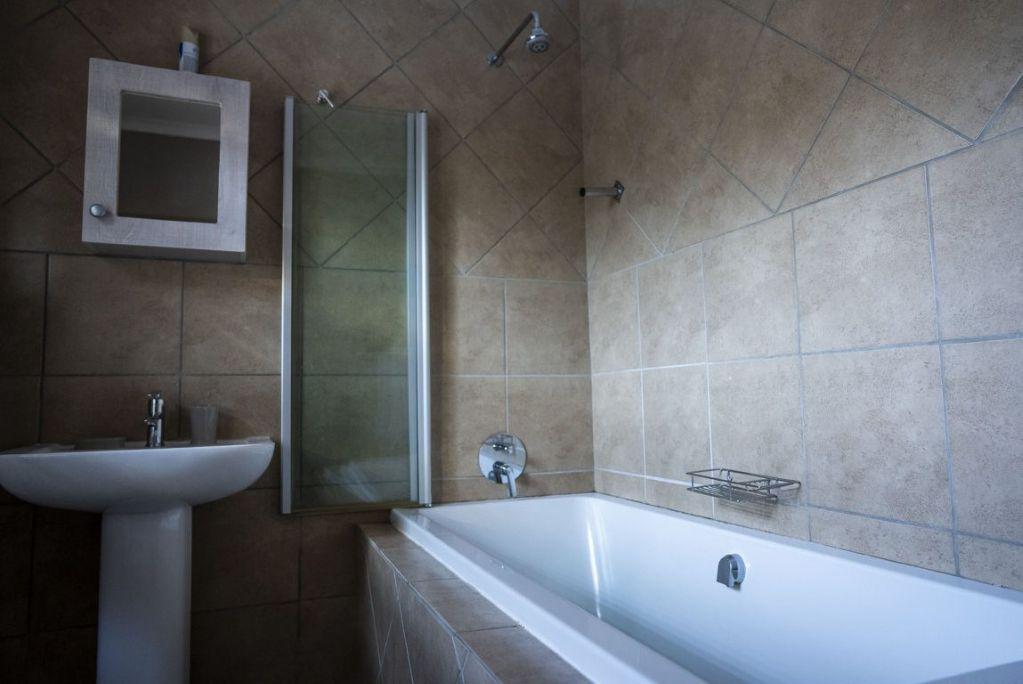
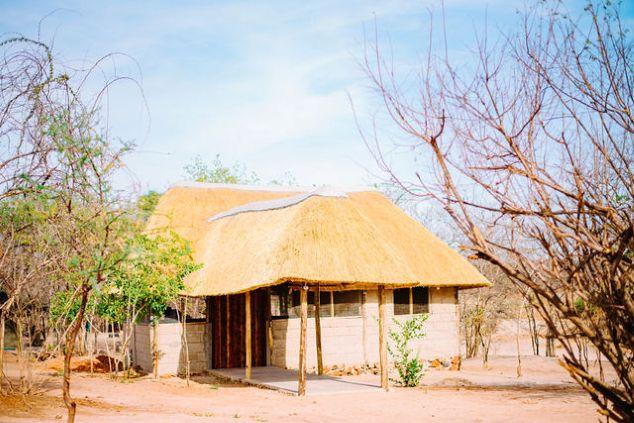
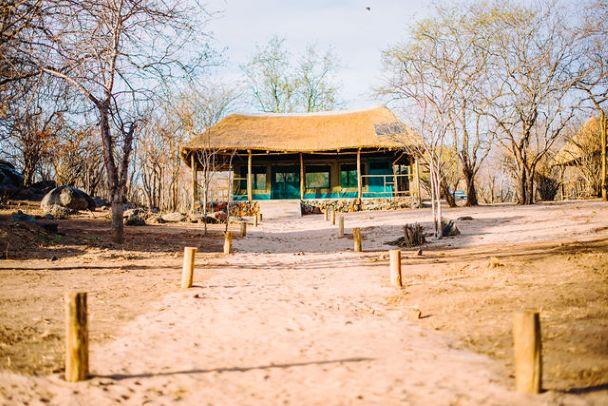
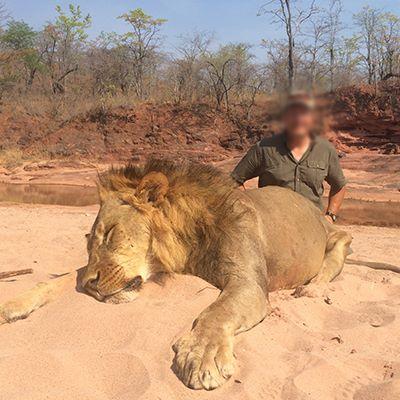
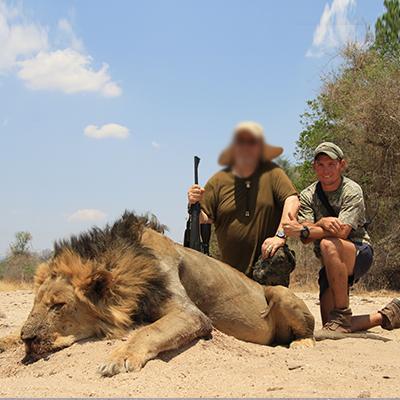
The camp offers comfortable traditional safari accommodation with daily housekeeping, laundry service, WiFi, hot showers, and central dining and entertainment areas.
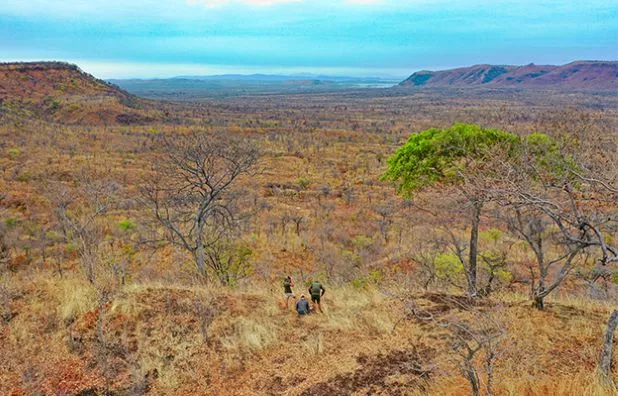
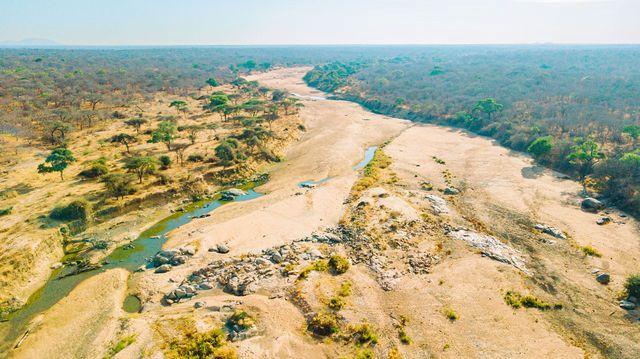
The hunting terrain in the Zambezi Valley consists of thick riverine bush, mopane woodland, dry river systems, and rugged wilderness areas stretching along the shores of Lake Kariba, creating classic free-range dangerous game hunting conditions.
| Fence Type: | Free-range |
| Hunting Ground Size: | 2000000 ha |
| Nearest Airport Name: | Harare International Airport (HRE) |
| Transfer From Airport: | Yes |
| Air Charter Available: | Yes |
This full bag safari hunting safari takes place in Zimbabwe’s legendary Zambezi Valley, one of Africa’s last truly wild free-range hunting regions. For hunters planning hunting in Zimbabwe, this extended safari offers the rare opportunity to pursue multiple members of Africa’s Dangerous 7 within a single traditional African hunting expedition.
With trophy species including elephant, buffalo, lion, leopard, hippo, and crocodile, this exceptional safari combines classic dangerous game hunting with vast unfenced wilderness, remote river systems, and the authentic safari atmosphere that has made the Zambezi Valley famous among professional hunters worldwide.
This safari is designed as a traditional "Full Bag" Dangerous Game Hunt, offering hunters the opportunity to pursue multiple members of Africa’s Dangerous 7 on a single expedition.
Additional plains game hunts may be added to the safari, with trophy fees and applicable government levies charged according to the species selected.
The Hunting Concession in Zambezi Valley
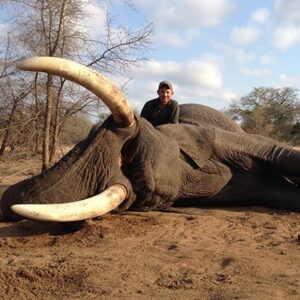
Dalton and his team have been conducting free-range hunting safaris throughout Zimbabwe, Cameroon, and Mozambique for more than a decade, building a strong reputation for professionally managed hunts in some of Africa’s most remote wilderness areas. Their experience spans elephant, Cape buffalo, lion, leopard, hippo, crocodile, and a wide variety of plains game species across multiple dangerous game concessions.
Committed to ethical hunting, conservation, and traditional safari values, Dalton and his team focus on delivering authentic African hunting experiences tailored to each hunter’s goals and expectations. Safaris are conducted with experienced Professional Hunters, trackers, and camp staff who understand the demands of pursuing dangerous game under genuine free-range conditions.
Depending on quota availability and target species, hunters will typically be accommodated at either Ume Camp or Chifudzi Camp, both strategically positioned within Zimbabwe’s legendary Zambezi Valley ecosystem.
International hunters will generally arrive via Robert Gabriel Mugabe International Airport (HRE) in Harare, Zimbabwe’s primary international gateway. Major airlines including Qatar Airways, Ethiopian Airlines, and South African Airways offer convenient connections through hubs such as Doha, Addis Ababa, and Johannesburg.
Depending on flight schedules, many hunters choose to overnight in either Harare or Johannesburg before continuing to the concession. Airlink remains a popular regional carrier for hunters traveling with rifles and ammunition and is well regarded for safari logistics throughout southern Africa.
From Harare, hunters may continue to the hunting area either by road transfer or charter flight, depending on safari arrangements and personal preference. As the journey progresses into the Zambezi Valley, the landscape gradually transitions into remote wilderness, with escarpments, river systems, thick bushveld, and the shoreline of Lake Kariba defining one of Zimbabwe’s most iconic dangerous game hunting regions.
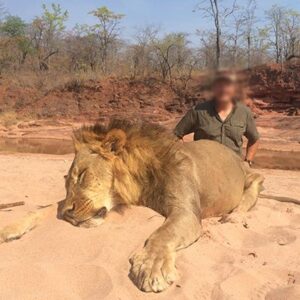
Hunting six of Africa’s Dangerous 7 species in Zimbabwe’s remote Zambezi Valley offers a rare opportunity to experience multiple dangerous game hunts within a single safari. Pursuing lion hunting in Zimbabwe, leopard hunting in Zimbabwe, Cape buffalo hunts, elephant hunting in Zimbabwe, hippo hunting, and crocodile hunts on one expedition demands patience, discipline, adaptability, and a deep respect for both the animals and the environment in which they are hunted.
Lion hunting in Zimbabwe is often built around patience and decision-making. Mature males must be carefully assessed, and opportunities can take days to develop. When they do, hunters must remain composed and disciplined, particularly when following up wounded animals in thick cover.
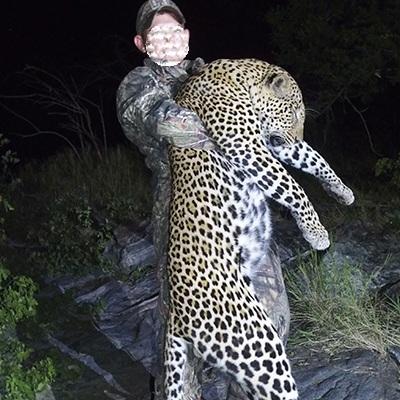
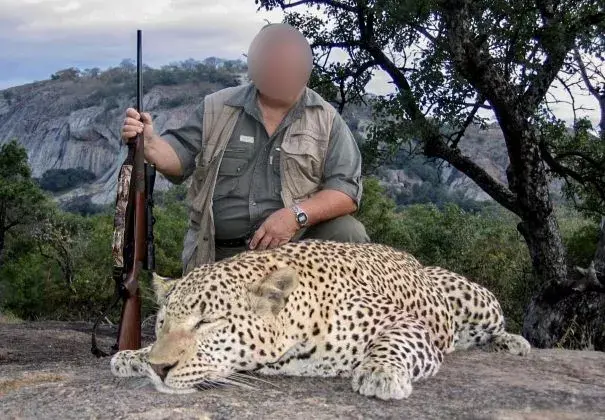
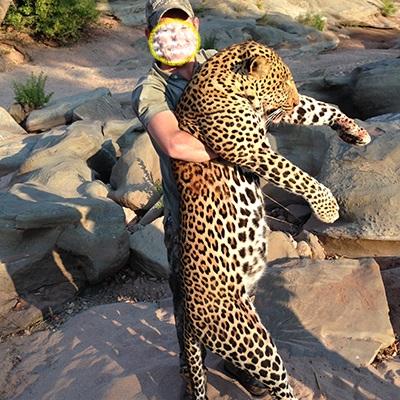
Leopard hunting in Zimbabwe presents a very different challenge. Success relies heavily on preparation, baiting, observation, and patience while waiting for a mature tom to commit. Few dangerous game animals test a hunter's discipline quite like a leopard.
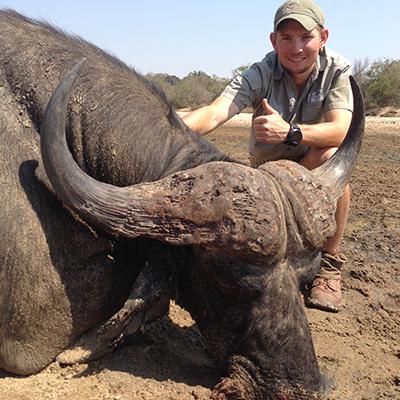
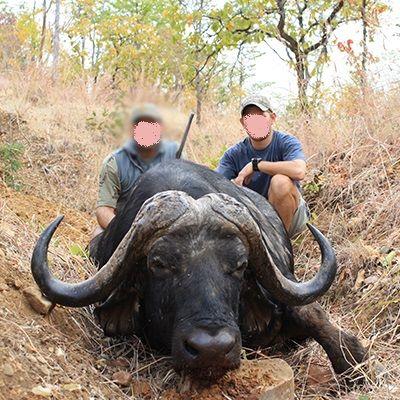
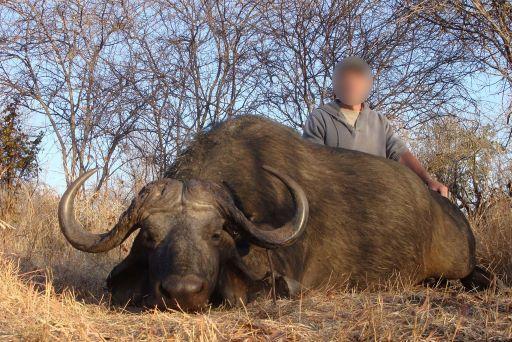
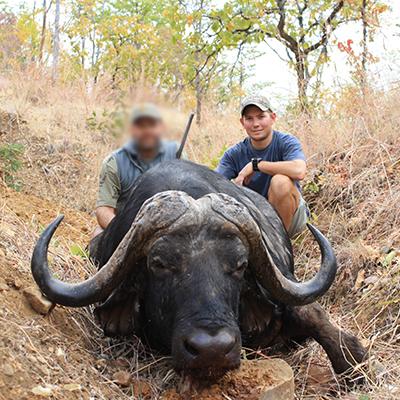
Cape buffalo hunts in the Zambezi Valley are conducted in classic free-range country where large herds and old dagga boys move through thick bush and river systems. Buffalo are respected throughout Africa for their resilience, unpredictability, and ability to absorb punishment, making them one of the continent’s most challenging dangerous game species.
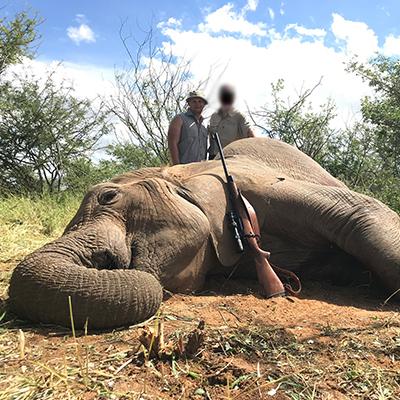
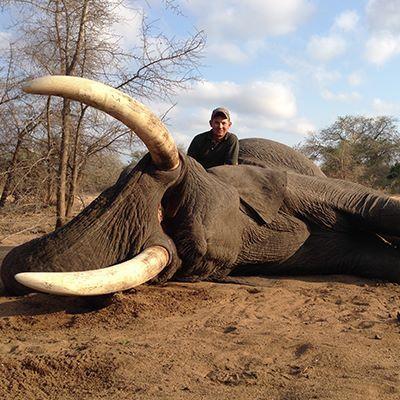
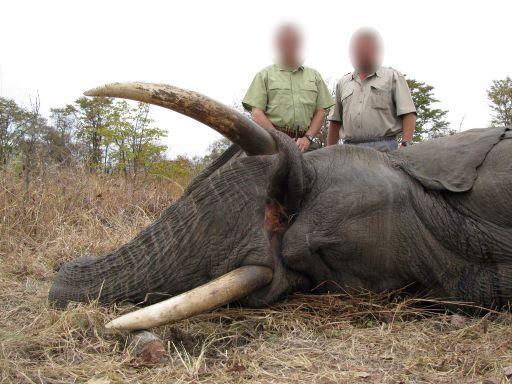
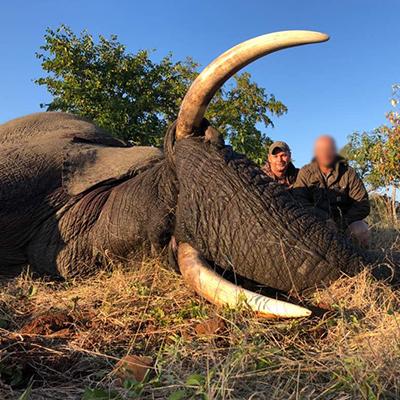
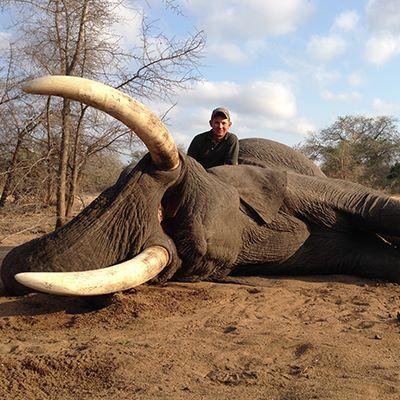
Elephant hunting remains one of Africa’s most physically demanding safari experiences. Tracking mature bulls through the Zambezi Valley often involves long hours on foot through mopane woodland, river systems, and rugged wilderness terrain where persistence and good judgment are rewarded.
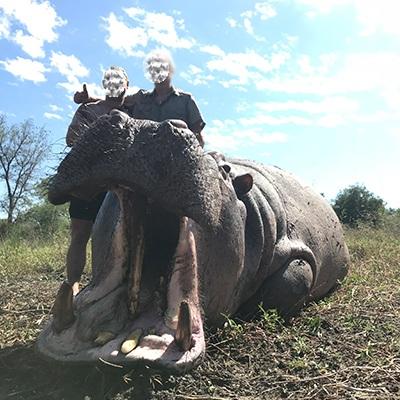
Traditional hippo hunting is conducted along river channels, lagoons, and the shoreline systems of Lake Kariba. Despite their appearance, hippos are responsible for numerous dangerous encounters throughout Africa and require careful shot placement and experienced guidance.
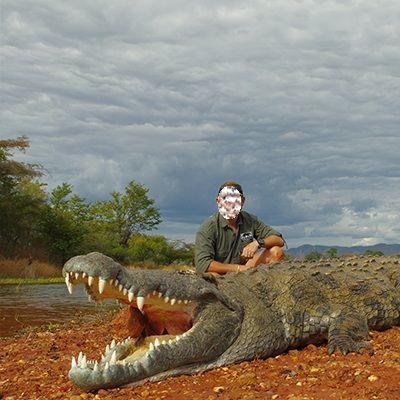
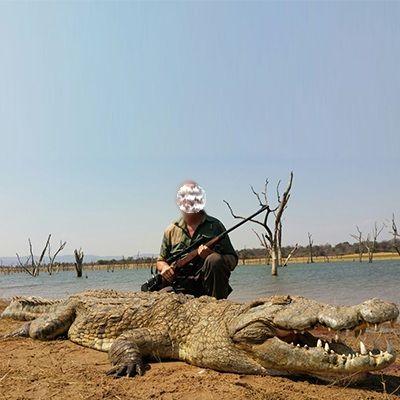
Likewise, crocodile hunts demand patience, precision, and attention to detail. Mature Nile crocodiles may expose themselves for only brief moments while basking along the riverbanks, often requiring hunters to wait for the perfect opportunity before taking a shot.
Completing a safari of this nature is about far more than collecting trophies. It is an opportunity to experience the diversity of Africa’s dangerous game, the challenges of different hunting styles, and the wilderness landscapes that make the Zambezi Valley one of the continent’s most respected safari destinations.
Dangerous game safaris in Zimbabwe’s Zambezi Valley can be conducted throughout much of the year, although the cooler and drier months between April and October are generally considered the preferred hunting season. During this period, vegetation becomes less dense, tracking conditions improve, and wildlife tends to concentrate more consistently around permanent water sources.
As the season progresses and water becomes scarcer, animal movement often becomes more predictable, creating excellent opportunities for elephant, buffalo, lion, leopard, hippo, and crocodile hunting. Cooler temperatures also make long days on foot more comfortable for both hunters and trackers.
During the hotter summer months, temperatures rise significantly, vegetation thickens, and insect activity increases, particularly in riverine areas and mopane woodland. While hunting remains possible, conditions can be more physically demanding and require greater attention to hydration and preparation.
American and international hunters traveling to Zimbabwe for dangerous game safaris may temporarily import sporting firearms and ammunition for use during their hunt. Temporary firearm permits are generally issued on arrival, with ammunition normally restricted to a maximum of 100 rounds per rifle.
Zimbabwe regulations prohibit the use of automatic and semi-automatic rifles for dangerous game hunting. Black powder rifles may be used where legal minimum caliber requirements are met.
As regulations and import requirements can change, hunters should always confirm current firearm, ammunition, and permit requirements before traveling.
Regardless of the species being hunted, proper rifle selection, preparation, and an understanding of dangerous game shot placement remain essential for a safe, ethical, and successful safari.
Regardless of the species being hunted, proper rifle selection, preparation, and an understanding of dangerous game shot placement remain essential for a safe, ethical, and successful safari.
This safari is best suited to hunters looking to experience multiple dangerous game species within a single free-range African hunting expedition. The combination of elephant, buffalo, lion, leopard, hippo, and crocodile creates a challenging and varied safari where no two hunting days are ever the same.
For hunters who value authentic wilderness hunting, experienced Professional Hunters, and the opportunity to pursue some of Africa’s most respected dangerous game species in one of the continent’s last great free-range ecosystems, the Zambezi Valley remains difficult to surpass.
If any further information is required re this plains game hunt in Zimbabwe, contact our team at Game Hunting Safaris.
Please note that terms, conditions and price are subject to change without notice and rates at the time of the hunt will apply
You can speak directly with the outfitter before booking. GHS remains available throughout the process.
Needing assistance with firearm permits and international travel services, or good taxidermists? View our affiliated companies
View Affiliated Services