Lake Kariba Hippo & Crocodile Hunting Safari in Zimbabwe
Booking Season: 2026
Hunt Difficulty: Difficult

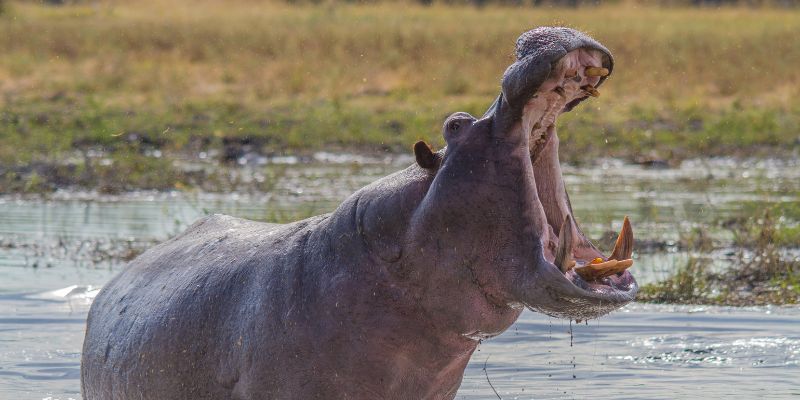
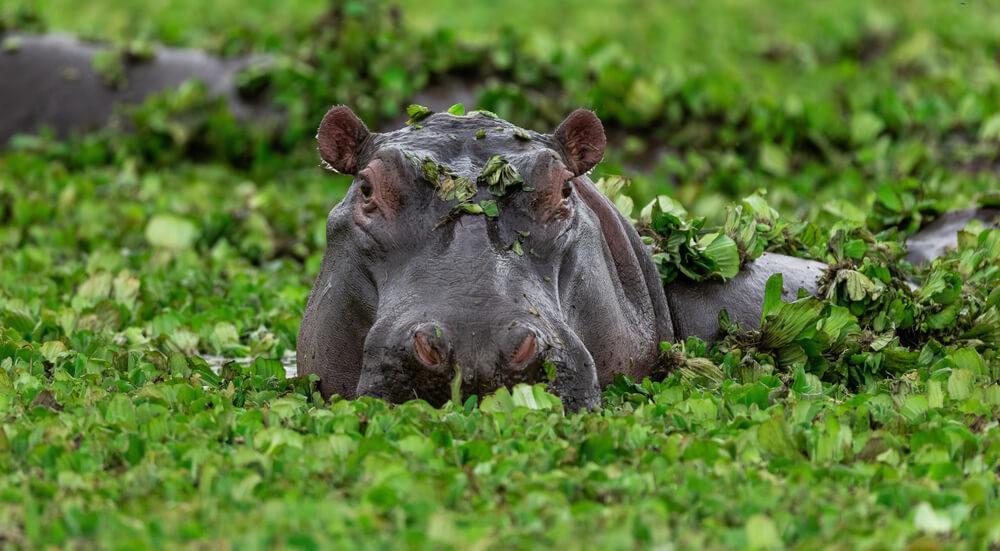
Hippo hunts in Africa are one of the most underestimated and frequently misunderstood dangerous game hunts on the continent.
Most hunters arrive expecting a straightforward add-on to a safari, and quickly realize it is anything but.
A mature hippo offers one of the smallest vital targets in dangerous game hunting, often with only seconds to take the shot before it disappears beneath the water. If that shot is not perfect, your trophy can be lost entirely. Within African Big Game Hunting, few species demand the same level of precision, patience, and execution under pressure as the hippo.
This guide breaks down exactly where to hunt hippo in Africa, what it really costs, how these safaris are conducted, and what actually determines whether your hunt is successful or ends in frustration.
Hippo hunts also became a past time for certain African cultures and then developed into big game hunting safaris as this mega trophy grew in popularity. Through the years, many Hippos have fallen prey to poachers wanting their ivory tusks, much like Elephants are also poached for their long tusks.
Today, regulated hippo hunting contributes to conservation funding across several African countries. Revenue from these hunts helps support anti-poaching programs, rural communities, and habitat protection in areas where hippo populations remain stable.
Hippos can be targeted both on land and in water. On land, the best shot placement would be the broadside shot to ensure a quick and humane kill, aiming for the heart and lungs. Be prepared with quick, accurate follow up shots to anchor the animal, as it will head straight to the water and can be extremely aggressive.
In the water, where only a small section of the Hippo is visible as it bobs up and down, a brain shot is needed. This shot placement requires intense skills and the utmost patience to successfully pinpoint the tiny target area in the brief window the Hippo is visible.
Professional hunters recommend a minimum caliber of .375 H&H for hippo hunting, using solid bullets to ensure adequate penetration through the animal’s thick skin and heavy skull.
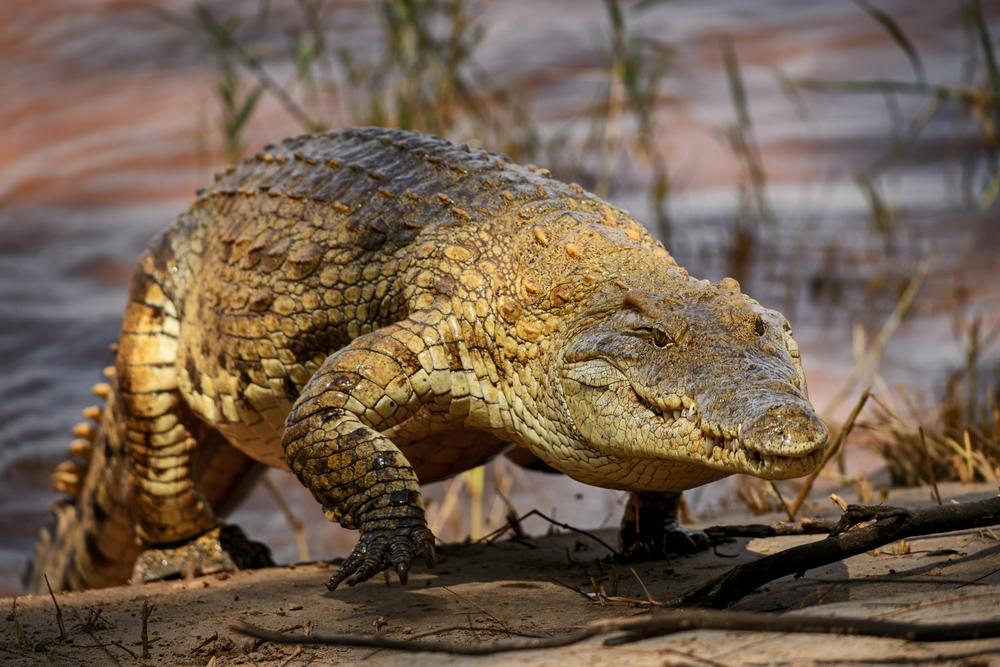
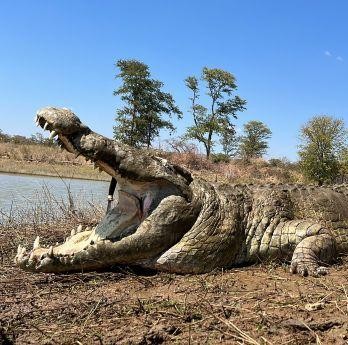
Hippo hunts are usually conducted on a dangerous hunting safari of 7-days or more and are often combined with Nile Crocodile hunts, as these two members of the Dangerous 7 share the same river systems and habitats. International transport of hippo trophies is subject to CITES documentation, together with the export and import requirements that apply to the hunter’s destination.
Hunters often combine hippo hunts with Nile crocodile hunts, since both species are often found in the same river systems and lakes across southern Africa.
Available Hippo Hunts
Lake Kariba Hippo & Crocodile Hunting Safari in Zimbabwe
Booking Season: 2026
Hunt Difficulty: Difficult

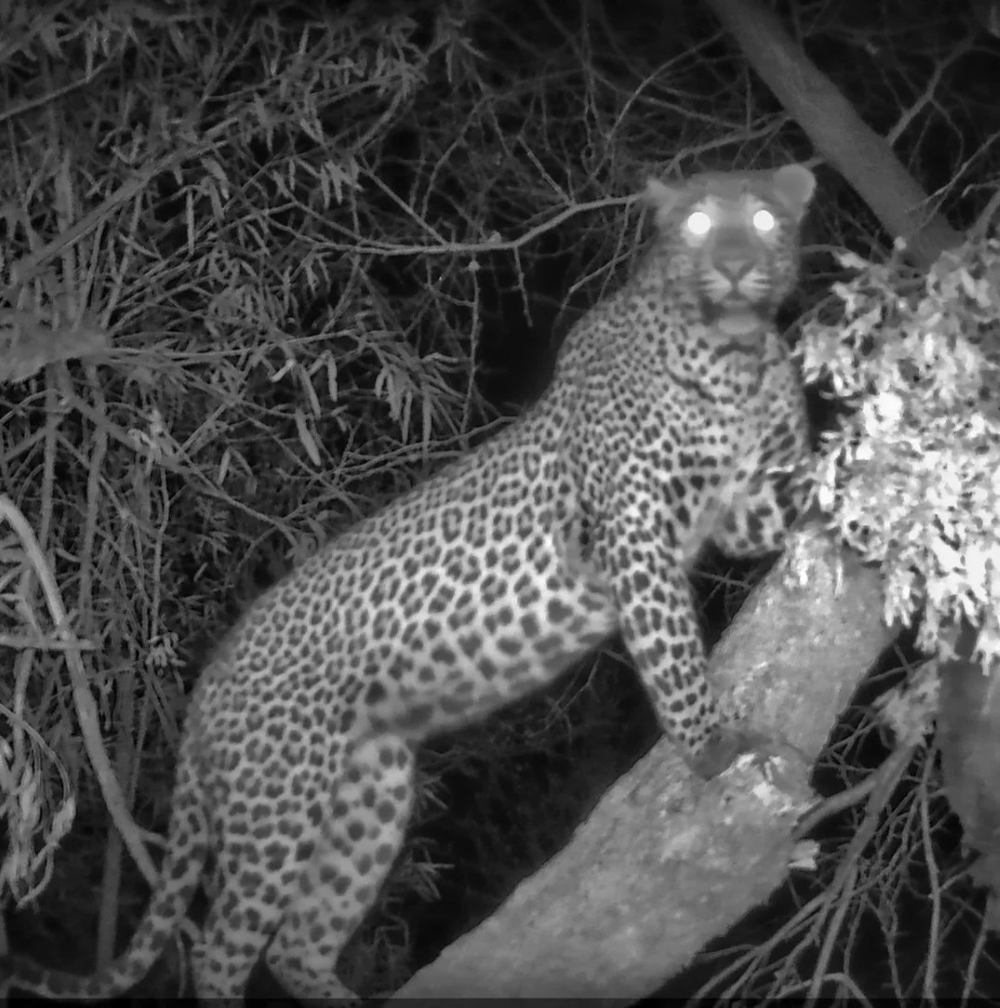
Hunting in Zambia: Leopard, Plains Game Plus Croc OR Hippo
Booking Season: 2027
Hunt Difficulty: Difficult
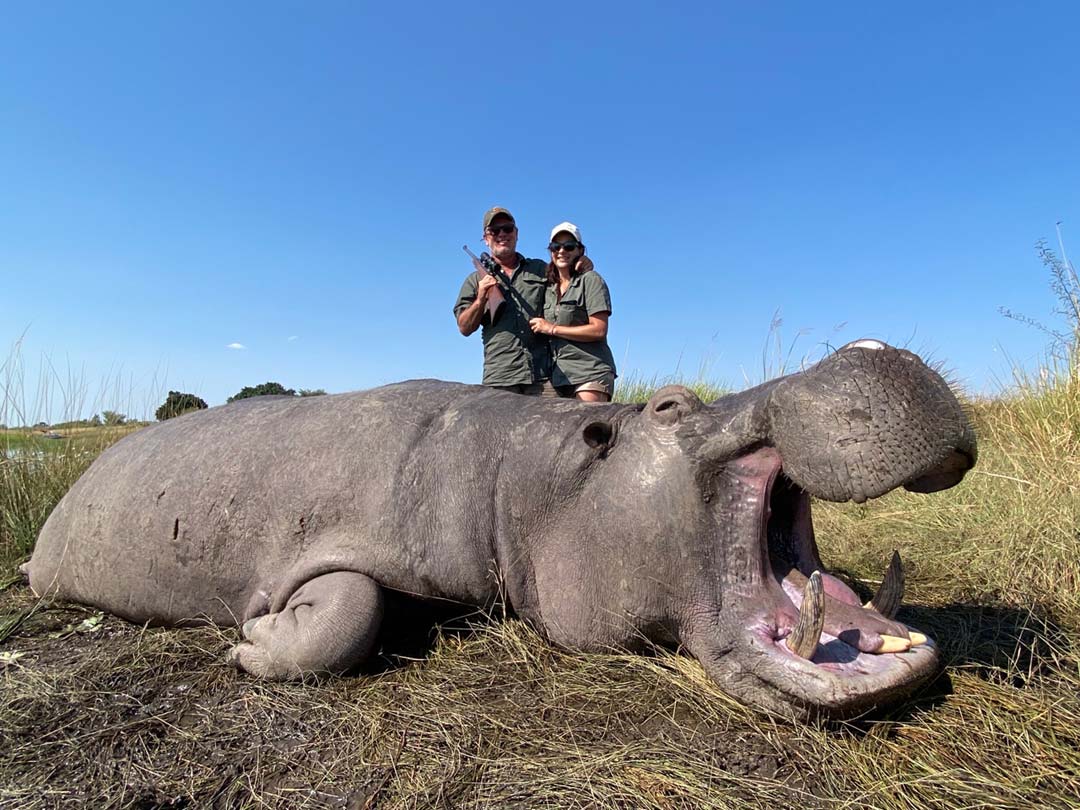
Non-Exportable Hippo Hunt Namibia | Zambezi (Caprivi Strip)
Booking Season: 2026
Hunt Difficulty: Difficult
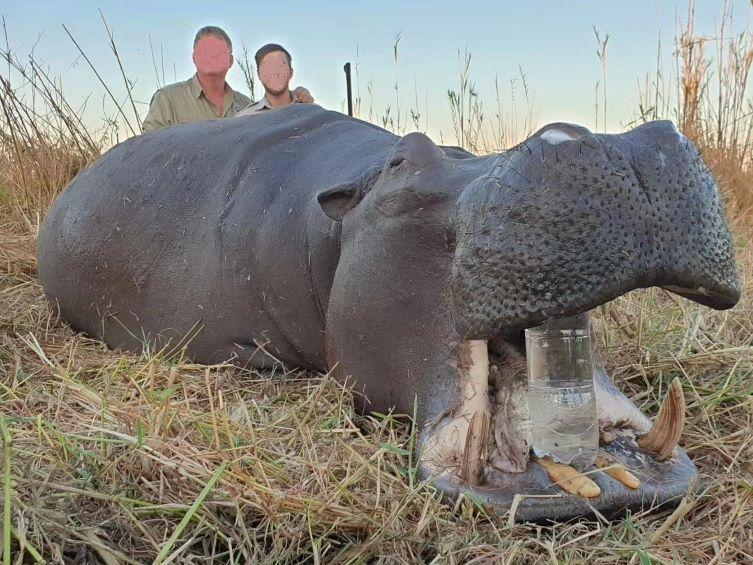
5-Day Exportable Hippo Hunt in Namibia’s Caprivi
Booking Season: 2026
Hunt Difficulty: Difficult
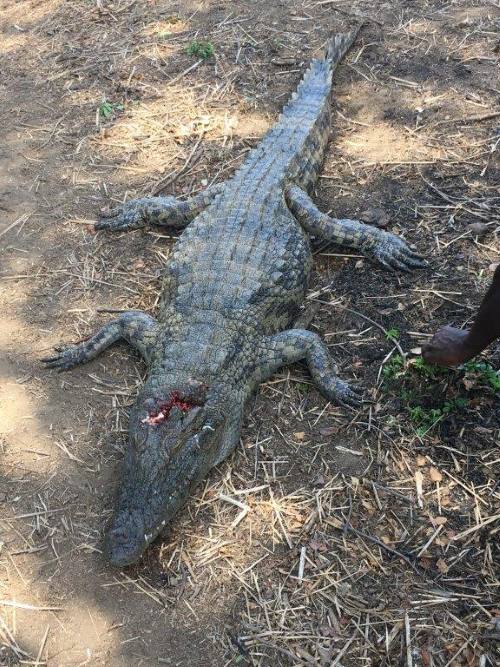
Hippo & Nile Crocodile Hunting Safari in Zimbabwe
Booking Season: 2026
Hunt Difficulty: Difficult
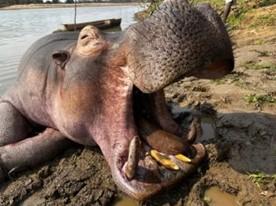
7-Day Dangerous Game & Plains Game Safari in Zambia
Booking Season: 2026
Hunt Difficulty: Difficult
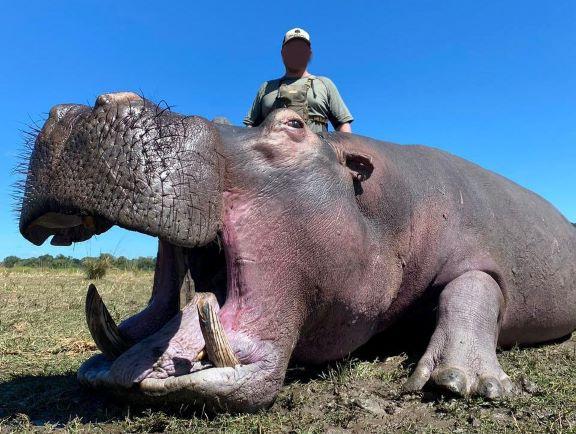
South Africa Dangerous Game & Nocturnal Hunting Safari
Booking Season: 2026
Hunt Difficulty: Moderate, Difficult
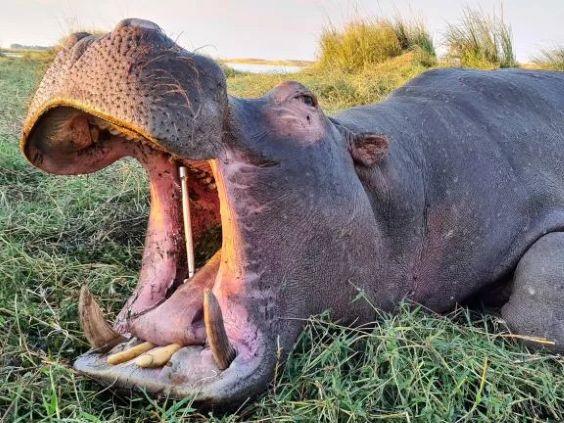
The Save Valley Hippo Combination Safari
Booking Season: 2026
Hunt Difficulty: Moderate, Difficult
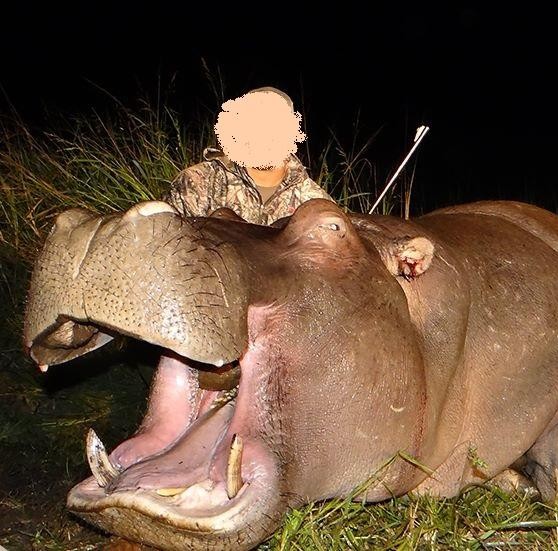
A 10-Day Hippo & Nocturnal Hunting Safari in South Africa
Booking Season: 2026
Hunt Difficulty: Difficult
14-Day Dangerous Game & Plains Game Safari in South Africa
Booking Season: 2026
Hunt Difficulty: Difficult
Most hunters assume hippo hunts are a simple add-on to a dangerous game safari, this is where many hunts go wrong.
Hippos are not difficult because they are hard to find, they are difficult because they leave no margin for error.
In water, you are often waiting for a few seconds at a time for a partial head to appear. The brain target is small, angles change constantly, and if the shot is slightly off, the animal can sink immediately.
Recovery is not always guaranteed.
This is why experienced professional hunters approach hippo hunting as a precision hunt, not an opportunity hunt.
Africa is alive with possibilities in terms of dangerous game hunting destinations, with numerous countries offering adrenaline-filled Hippo hunting adventures.
Prime destinations for a hippo hunting safari include Zambia’s Luangwa Valley, South Africa’s Limpopo region, Lake Kariba on the Zimbabwe–Zambia border, Botswana’s Okavango Delta, Mozambique’s Lake Cahora Bassa and Tanzania’s major river systems. Namibia offers a particularly distinctive floodplain hunt in the Zambezi Region, where hunters can explore our complete guide to hippo hunting in Namibia.
Lake Kariba on the Zimbabwe-Zambia border has become one of Africa’s most recognized locations for dangerous game hunting, particularly for hunters interested in Zimbabwe hunting safaris targeting hippo and crocodile along the Zambezi River system.
These areas are renowned for their unique hunting conditions and abundant Hippo populations, allowing for a challenging and thrilling dangerous game adventure.
Tanzania has long been considered one of Africa’s premier dangerous game hunting destinations. Areas such as the Selous ecosystem (now part of Nyerere National Park) and the Rungwa region provide vast wild landscapes where hippos thrive along major river systems. For hunters seeking a traditional East African safari experience, Tanzania offers some of the most authentic hippo hunting opportunities on the continent.
Mozambique has also become a highly respected destination for hippo hunting, particularly in regions surrounding Lake Cahora Bassa and the Zambezi Delta. These areas provide true wilderness hunting conditions and strong hippo populations, making them increasingly popular among American hunters looking for remote dangerous game safaris.
Each region offers its own unique style of hunt. River systems like the Zambezi and Luangwa often involve glassing pods of hippos and waiting patiently for the right opportunity, while floodplain environments like Namibia’s Zambezi region sometimes allow spot-and-stalk opportunities when hippos move out to graze at night.
The best time to hunt Hippos is during the early morning or late afternoon when these animals are more active, so time your hunt accordingly. In terms of season, Hippo hunts are best during the dry season (May to October/November), when the water levels are lower and the animals are more concentrated in a specific area.
Hippo hunts require skilled marksmanship, as these animals have thick hides and often remain partially submerged, challenging the hunter even more. The preferred shot placement is a broadside heart and lung shot when the hippo is on land, or a precise brain shot if the animal is in the water.
Hippo hunting is available throughout the year in South Africa and Zimbabwe, with Namibia’s hunting season running from February to December. Zambia’s hippo hunting season runs from May to November, while hippo hunting in Tanzania can be enjoyed from July to December. Hippo hunts in Mozambique run from April to November.
Dry season conditions are generally preferred because falling water levels concentrate hippos into smaller sections of river and lake systems, making it easier to identify mature bulls.
Hippo hunting is one of the more technical dangerous game hunts in Africa.
On land, shots are more forgiving. In water, everything changes. You’re often working with seconds to take a precise brain shot on a partially visible animal.
The biggest challenges are small targets, limited shot windows, and the real risk of losing the animal if it sinks.
Success comes down to preparation, shot placement, and working with an experienced professional hunter.
Hippo hunting provides hunters with the opportunity to harvest one of Africa’s most dangerous species. It is an iconic trophy for hunters wanting to showcase the diversity in their hunting prowess, hunting one of Africa’s largest land animals, apart from the Rhino and Elephant.
Traditionally Hippo hunting involves a walk-and-stalk approach, ambushing the Hippo from a blind, or using a canoe on the river to search for this large dangerous game species.
Hippo hunting takes place on land or on water. Land hippo hunts target the animal as it heads away from or towards the water as they enjoy some grazing on land. Water hippo hunts are extremely dangerous and challenging, with a very real chance that an angry Hippo can overturn your Mokoro or canoe, leaving you at the mercy of the elements, as well as Hippos, and the other dangerous game species that shares its habitat, namely the Nile Crocodile.
For hunters pursuing Africa’s Dangerous 7, the hippo stands out as one of the most unique trophies available. The combination of river hunting, large-caliber rifles, and precise shooting makes it a hunt unlike any other dangerous game safari.
A standard Hippo hunting safari in Africa will include the basic service offerings such as accommodation, meals, drinks, professional hunter, camp staff, trackers, on-territory transport, and field preparation of the Hippo trophy.
Many outfitters also offer additional plains game opportunities during the safari, allowing hunters to pursue species such as kudu, impala, or warthog while hunting hippo. The overall cost of a hippo hunt varies depending on the country, hunting area, trophy fees, and whether the safari includes additional dangerous game or plains game species.
Hunters comparing different safari options can also explore our African Hunting Safari Prices guide to better understand how hippo hunts compare with other African safaris.
Exclusions and optional extras when Hippo hunting in Africa:
Yes. Hippos are powerful, territorial animals that can become extremely dangerous around water or when encountered on land.
They are extremely territorial, unpredictable, and aggressive, especially in water where they feel most secure. Encounters can escalate quickly, often with very little warning.
Boat-based hunts carry real risk. Hippos can and do charge, and in some cases overturn small boats if they feel threatened or cornered.
On land, they are just as dangerous. A hippo can cover short distances quickly and will not hesitate to charge if it perceives danger, particularly around water or calves.
This is why hippo hunts are tightly controlled and always conducted under the guidance of experienced professional hunters who understand their behavior and how to manage these situations safely.
A hippo hunt is slow, patient, and often repetitive.
Most of the time is spent watching pods from a distance, waiting for a mature bull to surface in the right position. When the opportunity comes, it may only last a few seconds.
In river systems, you can spend hours on the same group, trying to read movement and predict where the animal will surface next.
On land, hunts usually happen early morning or late afternoon as hippos move to and from feeding areas. This is not a high-action hunt, it’s a waiting game where timing matters more than movement.
Success comes down to a few key factors.
Shot placement is the biggest one. In water, there is almost no margin for error. A slightly misplaced shot can mean a lost animal. The experience of your professional hunter matters as, especially when it comes to reading behavior and setting up the shot.
Patience is just as important. Rushing an opportunity is where most hunts go wrong.
Hunters who wait for the right moment consistently have better outcomes.
For many hunters, a hippo is not just another trophy, it’s a test of precision and control under pressure.
Unlike plains game or even species like buffalo, a hippo hunt often comes down to a few seconds of opportunity after long periods of waiting. The challenge is not finding the animal, it’s executing when it counts.
There is also real risk involved. In water, a poor shot can result in the animal sinking, making recovery difficult or even impossible.
What makes hippo hunting worth it is how different it is. River systems, limited shot windows, and the need for exact placement create a completely different experience from a typical safari.
If you want constant action, this isn’t that hunt.
But if you value precision, discipline, and a hunt where execution matters, hippo is one of the most rewarding trophies in Africa.
Hippo hunting suits hunters who are comfortable taking precise shots under pressure and who understand that opportunities may be limited.
It appeals to those who enjoy the mental side of hunting, patience, timing, and waiting for the right shot instead of forcing one.
Hunters with dangerous game experience or strong rifle confidence tend to get the most out of this hunt.
This is not a good fit for hunters expecting frequent opportunities or a fast-paced safari. Long waiting periods combined with short, demanding shot windows can be frustrating if expectations are off.
It is also not a forgiving hunt, small mistakes can have real consequences, especially in water.
If you understand that going in, the hunt becomes far more rewarding.
The biggest mistake hunters make is taking the shot too early.
After hours of watching a pod, when a hippo finally surfaces, the instinct is to shoot immediately. That pressure builds, and that’s where things go wrong.
Most of the time, the first opportunity isn’t the right one. The angle may be off, the head not fully exposed, or the animal already dropping back under.
If you rush that shot and it’s not exact, the hippo can sink, and recovery becomes difficult or, in some cases, impossible.
Experienced hunters understand this. They wait, even if it means passing on multiple chances. They are looking for one thing, a clean, controlled shot under the right conditions.
On a hippo hunt, patience is what determines whether you recover your animal or lose it.
Practicing quick follow-up shots before your safari can make a real difference, as hippos can disappear into the water quickly if the first shot is not perfectly placed.
Planning a hippo hunt involves far more than selecting a destination. Water levels, hunting methods, permit availability, and the experience of the professional hunting team all influence the success of the safari. Hunters comparing available Hunting Trips can explore safari options across Africa before choosing the destination that best matches their hunting goals.
Responsible, regulated hunting plays an important role in funding conservation programs and supporting the long-term management of hippo populations across Africa.
Search from our range of Hunts across various popular destinations in Africa.

Book Your Hunt