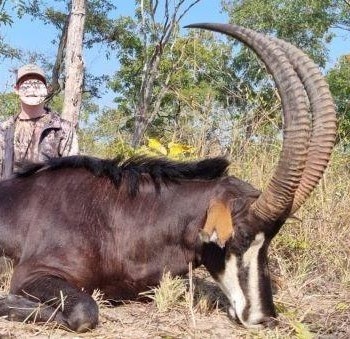
Rhino, Cape Buffalo & Sable Hunting Safari | South Africa
Booking Season: 2026
Hunt Difficulty: Difficult

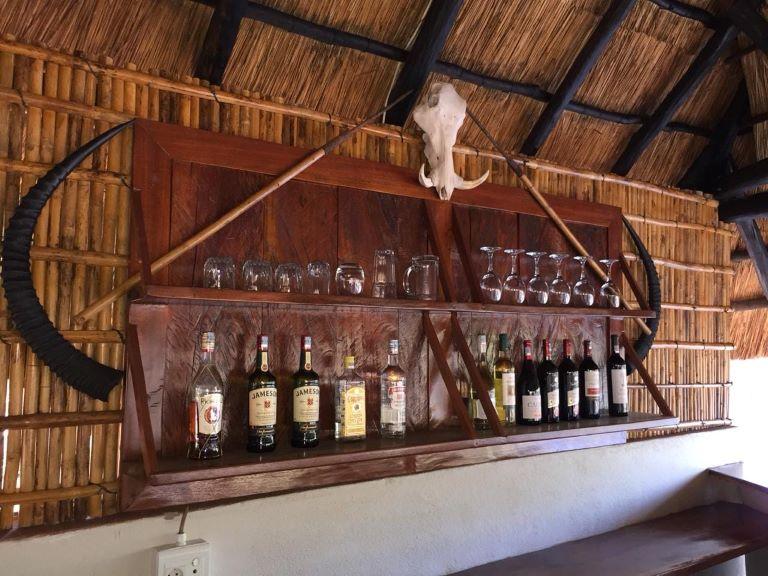
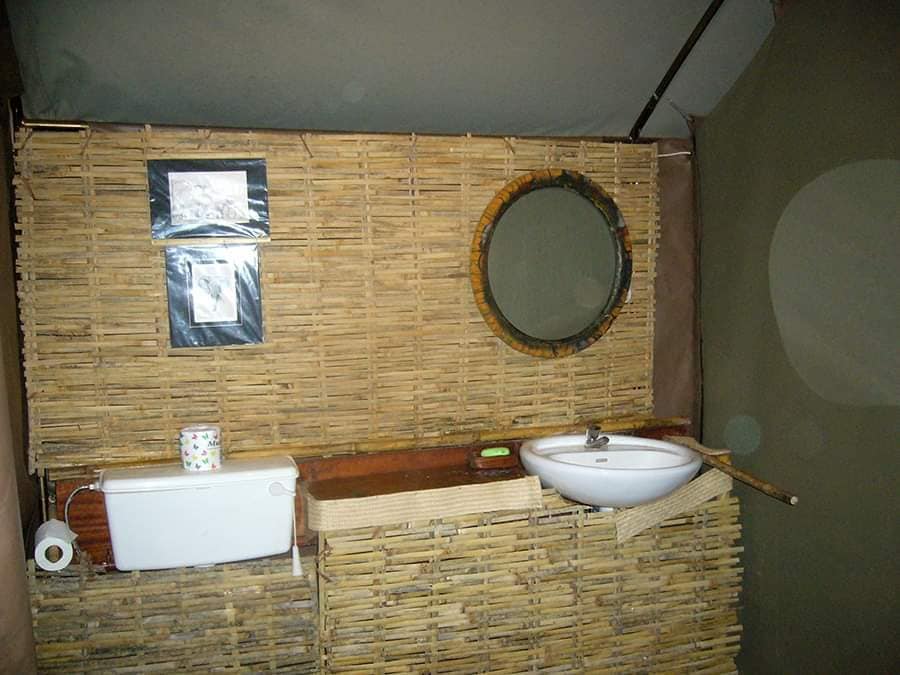
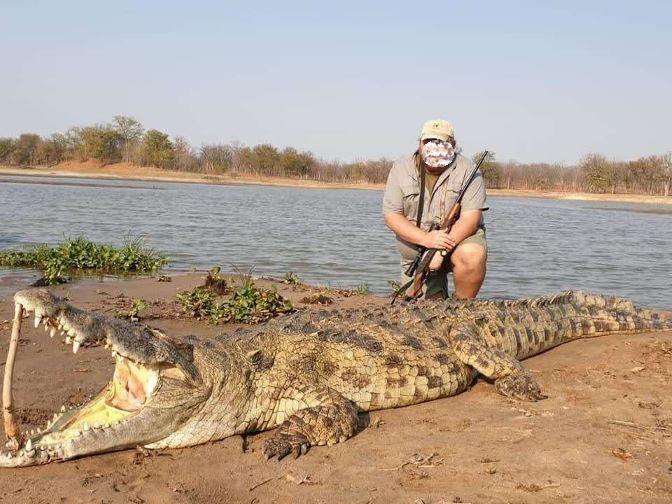
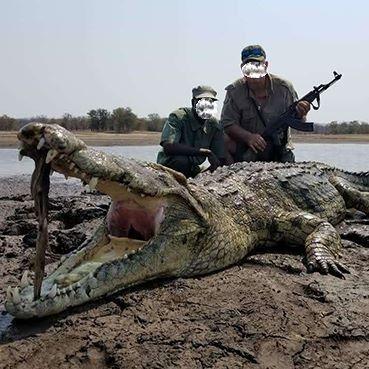
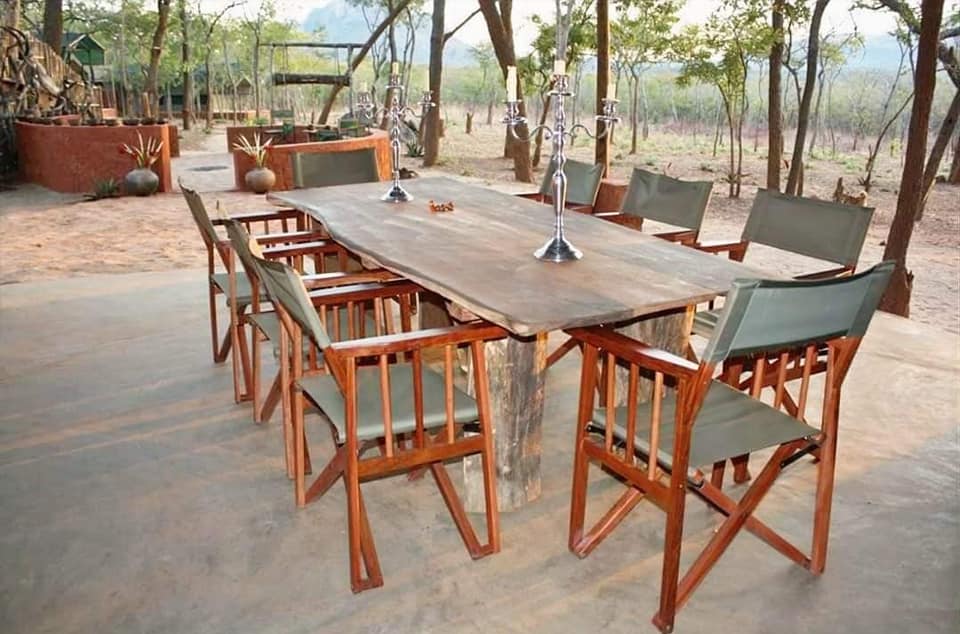
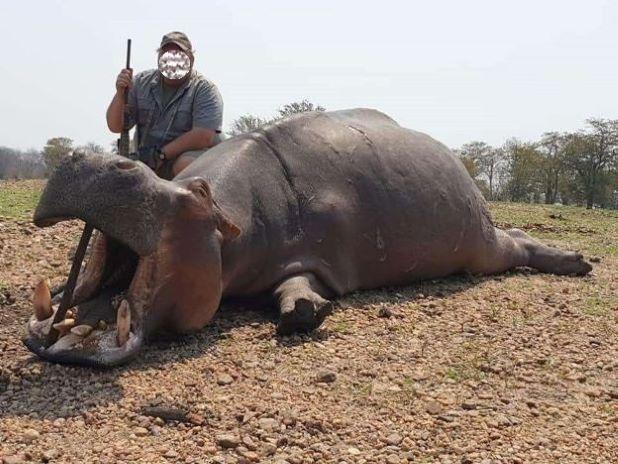
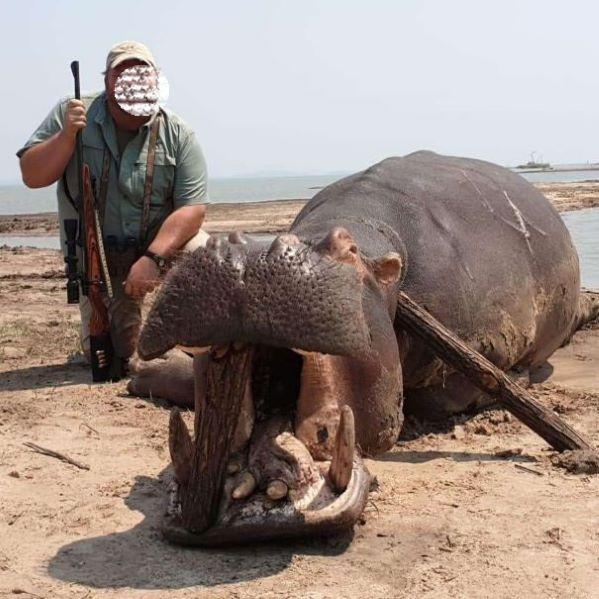
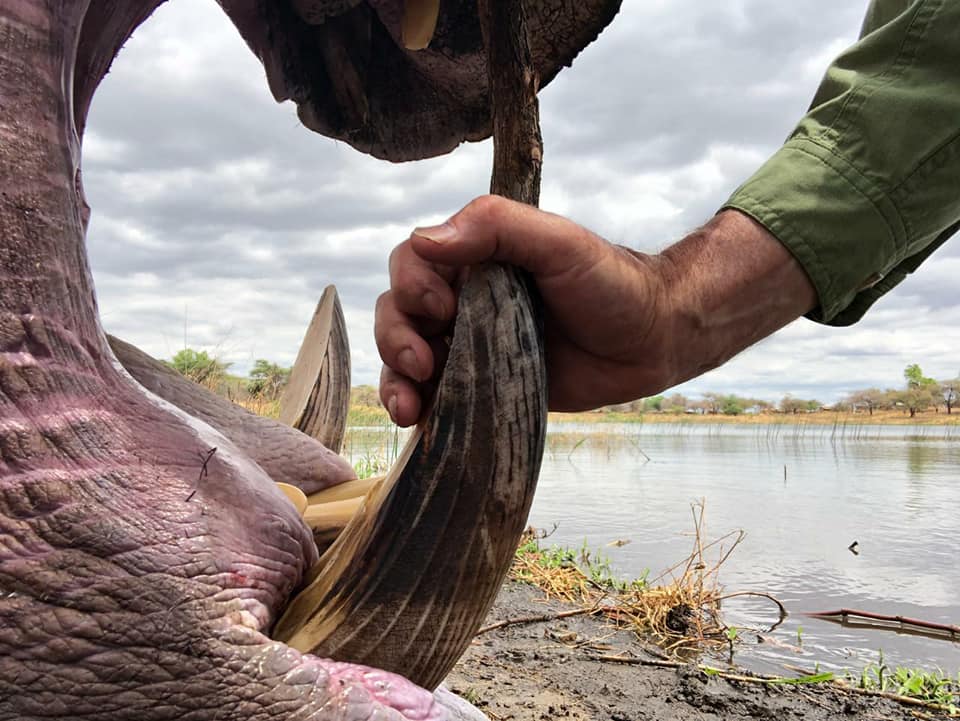
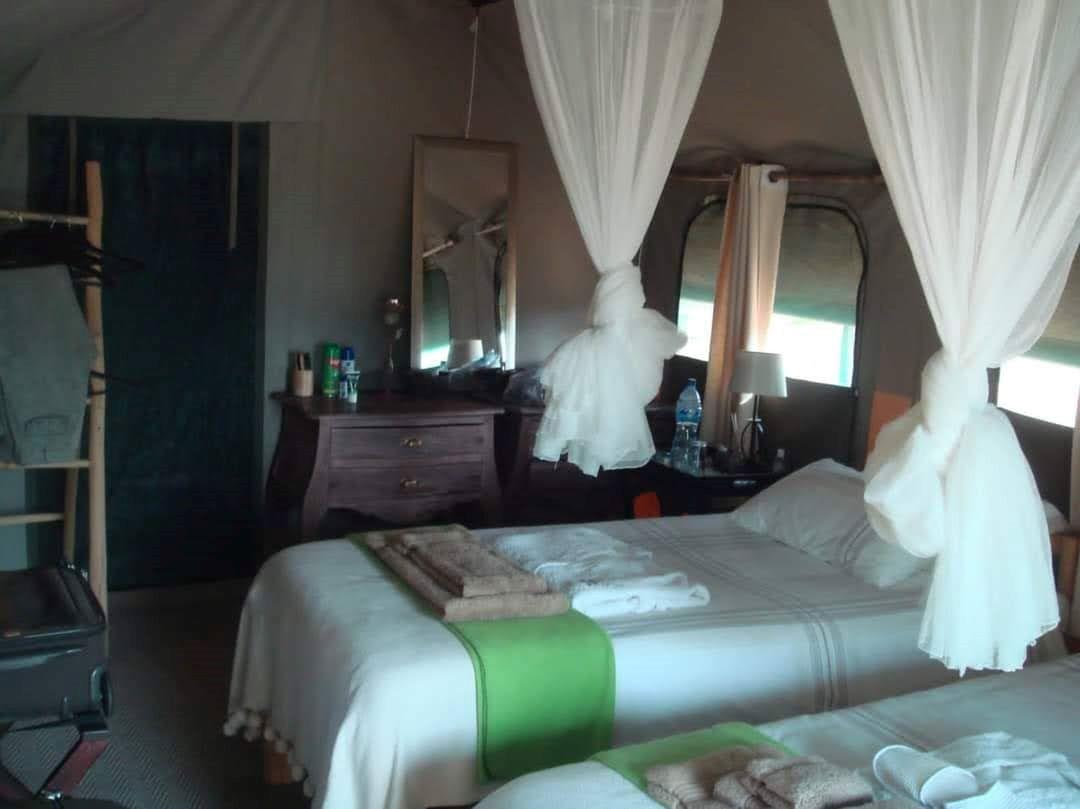
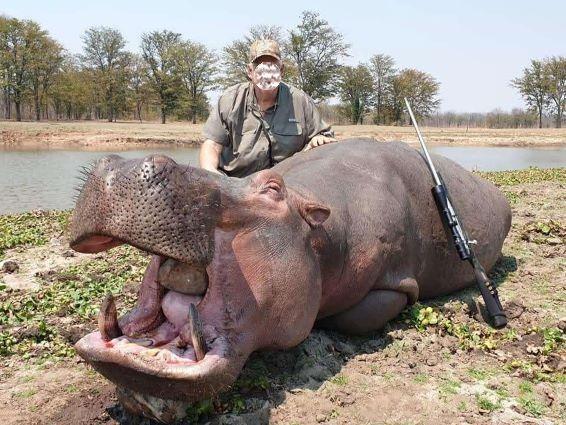
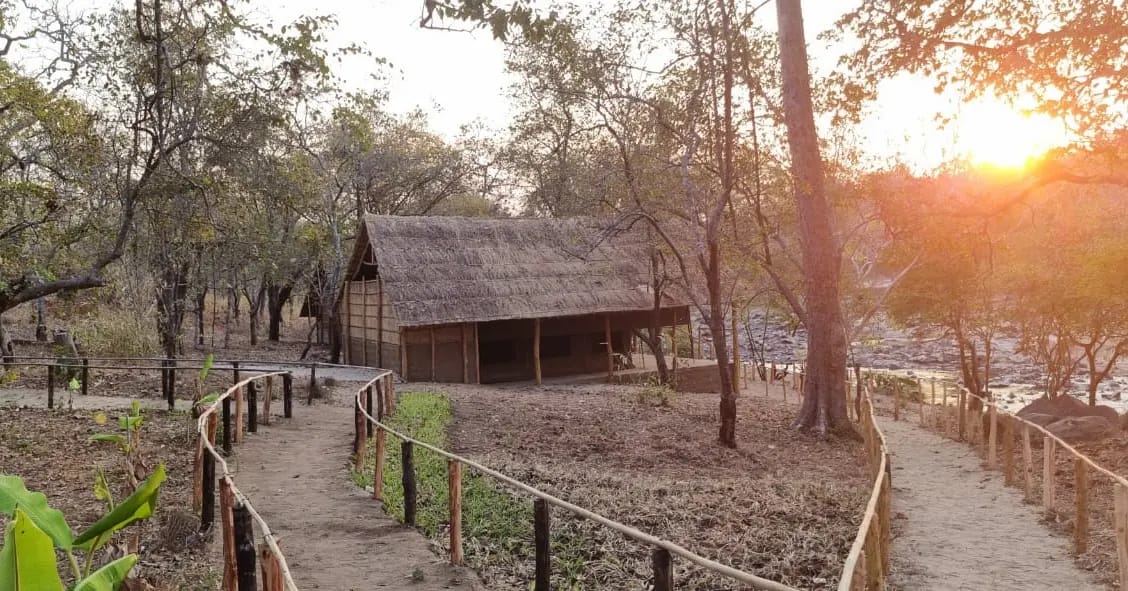
The Mozambique hunting camp offers comfortable tented accommodation suited to a remote safari. Hunters can expect proper beds, good meals, daily laundry, generator-powered electricity and WiFi access. The camp has a relaxed bush atmosphere, giving you the basic comforts needed after a long day hunting on Lake Cahora Bassa.
This hunt takes place on Lake Cahora Bassa in Mozambique, a large free-range hunting area with extensive shorelines, bays and waterways. Hippo and crocodile are hunted mainly by boat, with stalks conducted along the banks and surrounding shoreline areas. The area offers a remote, wild hunting experience with experienced professional hunters who know the lake and local conditions.
| Fence Type: | Free-range |
| Nearest Airport Name: | Tete Airport |
| Nearest Airport Distance: | 3–4 hours by road |
| Nearest Town Name: | Tete |
| Nearest Town Distance: | 3–4 hours by road |
| Transfer From Airport: | Yes |
This 10-day Lake Cahora Bassa safari is built for hunters who want a serious dangerous game experience in wild Mozambique. For hunters looking at Hippo hunts, this package offers a dedicated opportunity to pursue hippo on one of Africa’s most productive waterways. For those considering Crocodile hunts, Lake Cahora Bassa is well known for large Nile crocodiles along its remote shorelines. Hunting in Mozambique remains a true free-range adventure, making this safari especially appealing to American and international hunters looking for an authentic African dangerous game hunt.
Price: US$26,950 per Hunter (1×1)
Duration: 10 Hunting Days / 11 Nights
Location: Lake Cahora Bassa, Mozambique
Hunting Style: Free-range river and shoreline safari
Trophy Package Includes:
Observers: US$375 per person, per night
Rifle Rental: US$100 per day
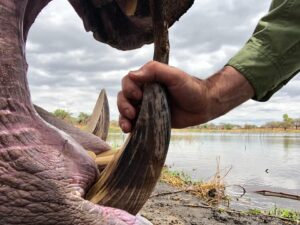
This Mozambique safari takes place on Lake Cahora Bassa, a vast Zambezi-fed water system known for strong hippo and Nile crocodile populations. It is a practical combination hunt, giving hunters the chance to pursue both species from one camp with experienced professional hunters who know the lake, shorelines and feeding areas.
Hippo Hunting in Mozambique on Lake Cahora Bassa is a serious free-range hunt where patience, shot placement and local knowledge matter. Crocodile Hunting in Mozambique is equally demanding, with long hours spent glassing remote shorelines for mature crocodiles before making a careful stalk into shooting distance.
This is a focused dangerous game safari without unnecessary extras, just wild country, big water, and two of Africa’s most challenging trophies.
The best time to hunt Lake Cahora Bassa is generally from May to July. The cooler weather makes long days on the water more comfortable, and lower water levels can improve access to both hippo and crocodile. Crocodiles are also more active during this period, giving hunters better opportunities to glass the banks and plan a careful stalk.
Selected Plains Game hunts can be added to this safari at the listed trophy fee. Please note that travel from Lake Cahora Bassa to Niassa would be required, as these additional species are hunted in a different area.
| Species | Trophy Fee | Species | Trophy Fee |
| Duiker common | US$1450 | Hyena | US$4250 |
| Hartebeest Lichtenstein | US$3250 | Kudu | US$3500 |
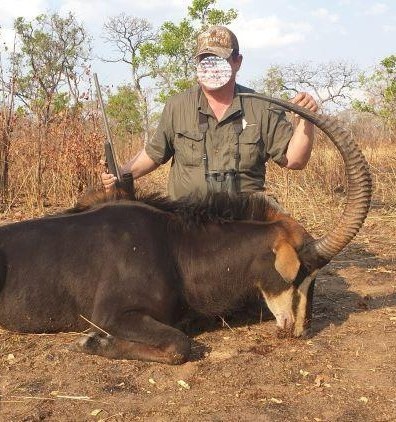
| Impala Johnstons | US$1350 | Sable Roosevelt | US$5500 |
| Warthog | US$990 | Waterbuck Defassa | US$3750 |
| Zebra Boehms’ | US$4250 | Baboon | US$395 |
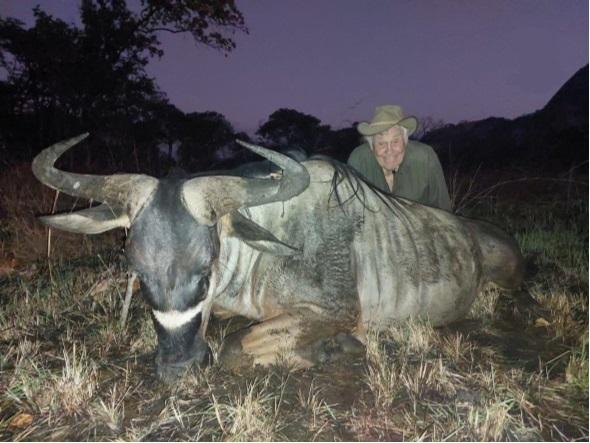
| Wildebeest Niassa | US$4500 | Reedbuck Common | US$1400 |
| Bushpig | US$1250 |
To reach the hunting area on Lake Cahora Bassa, most hunters fly commercially to Johannesburg, South Africa, and then connect with Airlink to Tete, Mozambique. Another option is to fly into Maputo and connect to Tete with Airlink or LAM.
From Tete, hunters can either take a 3–4 hour road transfer to camp or arrange a one-hour air charter to a nearby landing strip. The road transfer is the more common option, while the charter offers a quicker route into the hunting area.
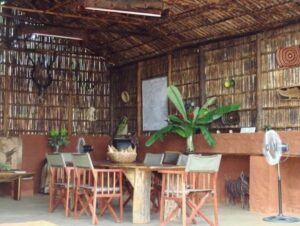
The hunting camp offers simple, comfortable accommodation suited to a remote Mozambique safari. After a long day on Lake Cahora Bassa, hunters can return to clean rooms, good meals, and a relaxed camp atmosphere.
The camp has generator-powered electricity and WiFi access, giving hunters the basic comforts needed without taking away from the feel of a true African hunting camp.
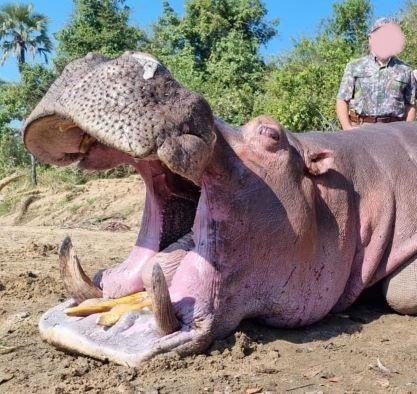
Hippo Hunting in Mozambique on Lake Cahora Bassa is usually conducted by boat, with stalks taking place along the lake’s shorelines, bays and estuaries. Your professional hunter will know the water system well and will guide the approach based on wind, distance, visibility and the position of the hippo.
Because a trophy hippo may be taken on land or in the water, understanding Hippo Shot Placement is essential. The brain is protected by heavy skull bone, so precision matters. A correctly placed shot gives the best chance of a quick, ethical kill and successful recovery.
If the hippo is taken in the water, hunters may need to wait for the animal to surface before recovery. This can take anything from an hour to several hours, depending on water depth, temperature and conditions.
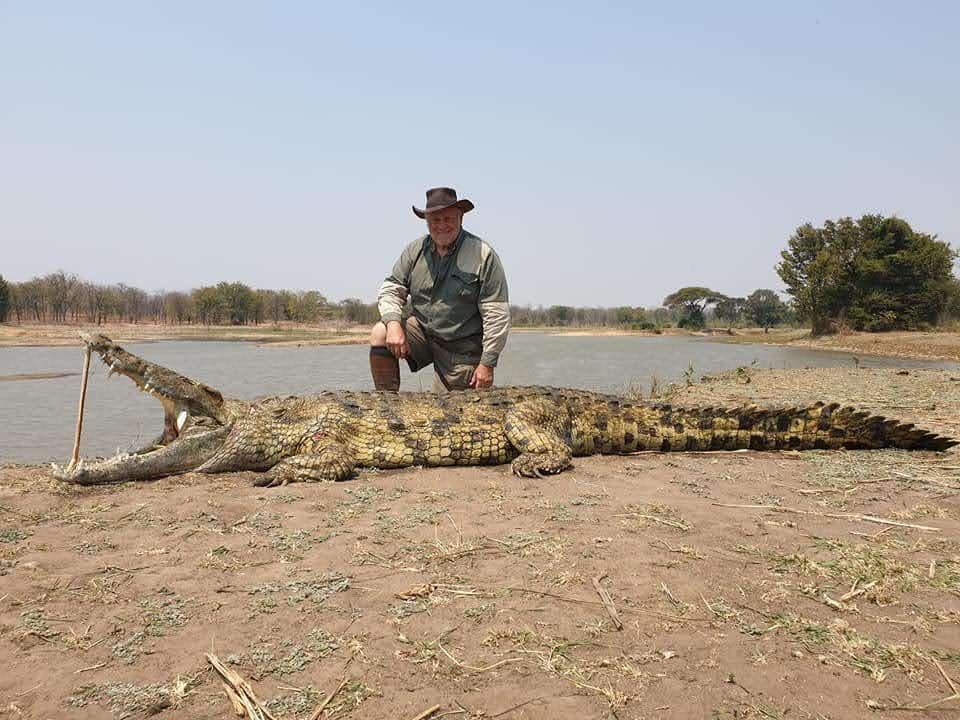
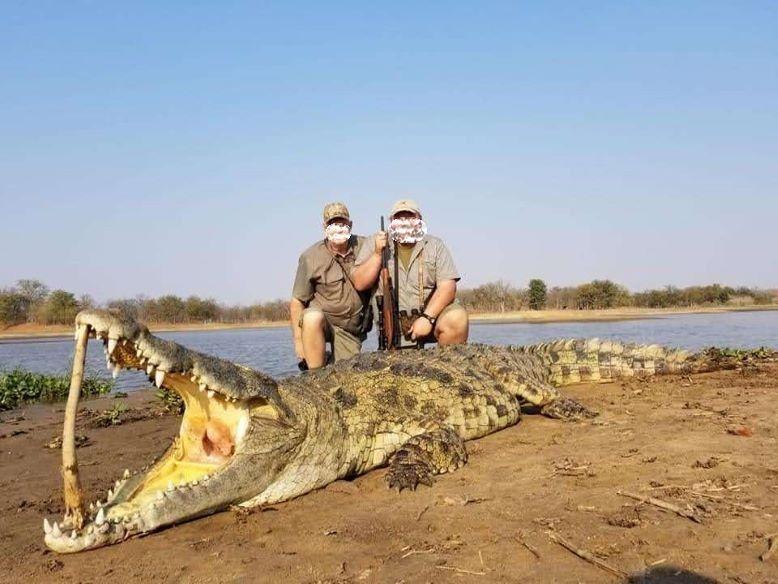
Boats are used to cover the long shorelines of Lake Cahora Bassa, glassing for mature crocodiles sunning themselves on the banks. This style of Crocodile Hunting in Mozambique takes patience, good spotting, and a careful approach once a suitable trophy has been identified.
The stalk is planned around distance, wind, cover and the crocodile’s position. Shots can range from 30 to 100 yards, but getting into position is often the hardest part. Crocodiles have sharp eyesight, good hearing and are extremely sensitive to movement and vibration. A careless step can send a trophy crocodile back into deep water before the hunter is ready.
Good Crocodile Shot Placement is critical. The target area is small, and a poor shot can result in the crocodile sliding back into Lake Cahora Bassa with little chance of recovery. Your professional hunter will guide the setup carefully, but the shot must be precise.
For hippo and crocodile, bullet penetration and shot placement are critical. Most shots are aimed at a small target area protected by heavy bone, so hunters should use a suitable dangerous game calibre with quality ammunition.
A minimum calibre of .375 with 300-grain premium bullets is recommended. Swift A-Frame, Hornady and other well-constructed bullets are commonly used, provided they offer reliable penetration and weight retention.
Good optics are just as important as calibre. Shots on hippo and crocodile must be placed with precision, especially when hunting around water. For hippo on land, larger calibres such as .416, .458 or a suitable double rifle are also well suited.
Yes you can. You will need a valid firearm permit before you arrive in Mozambique, which Juan and his team will arrange.
They will need a scanned color copy of your passport, a color copy of a passport size photograph in Jpeg format, US Citizens, a copy of the customs declaration form 4457, or a copy of the firearm license, proof of travel itinerary, details such as: home address, contact numbers, email etc.
If you are going to travel through South Africa and overnight, you will need to complete a SAPS 520 form on arrival. Each hunter is allowed a maximum of three firearms to Mozambique, with a maximum of 100 rounds per firearm.
Mozambique is a malaria area, so hunters should speak to their doctor or travel clinic before departure about suitable malaria medication. Routine vaccinations, including tetanus and hepatitis, should also be checked before travelling. A yellow fever certificate may be required depending on the countries visited before entering Mozambique.
Because the hunting areas can be remote, it is sensible to pack a small personal medical kit. Include any prescription medication, contact lens solution if needed, headache tablets, rehydration sachets, insect repellent, sunscreen, basic stomach medication and an anti-rash or antihistamine cream.
Mozambique is a good destination to extend your trip before or after the hunt, especially for hunters travelling with observers. The country offers warm beaches, island lodges, fishing, diving and cultural stops that pair well with a hunting safari.
Popular places to visit include the Bazaruto Archipelago, Gorongosa National Park, the Island of Mozambique, Tofo Beach, Maputo Special Reserve, Inhambane and the Quirimbas Archipelago.
Activities include deep-sea fishing, rock and surf fishing, diving, snorkelling, dhow trips, bird watching and beach-based sightseeing.
This safari is designed for hunters looking to pursue two of Africa's most challenging aquatic dangerous game species in a genuine free-range environment. Days are spent on the water and along remote shorelines, where patience, careful observation, and precise shot placement are essential to success. It is a hunt that rewards hunters who appreciate traditional safari methods rather than predictable opportunities.
If you're searching for Big Game Hunting that combines classic hippo and Nile crocodile hunting in one of Mozambique's most productive wilderness areas, Lake Cahora Bassa is an outstanding choice. For hunters planning future Hunting Trips across Africa, this safari offers an authentic dangerous game adventure that remains true to the traditions of African hunting while providing the opportunity to pursue two iconic trophies during a single professionally guided safari.
Please note that terms, conditions and price are subject to change without notice and rates at the time of the hunt will apply
You can speak directly with the outfitter before booking. GHS remains available throughout the process.
Needing assistance with firearm permits and international travel services, or good taxidermists? View our affiliated companies
View Affiliated Services