Rhino, Cape Buffalo & Sable Hunting Safari | South Africa
Booking Season: 2026
Hunt Difficulty: Difficult

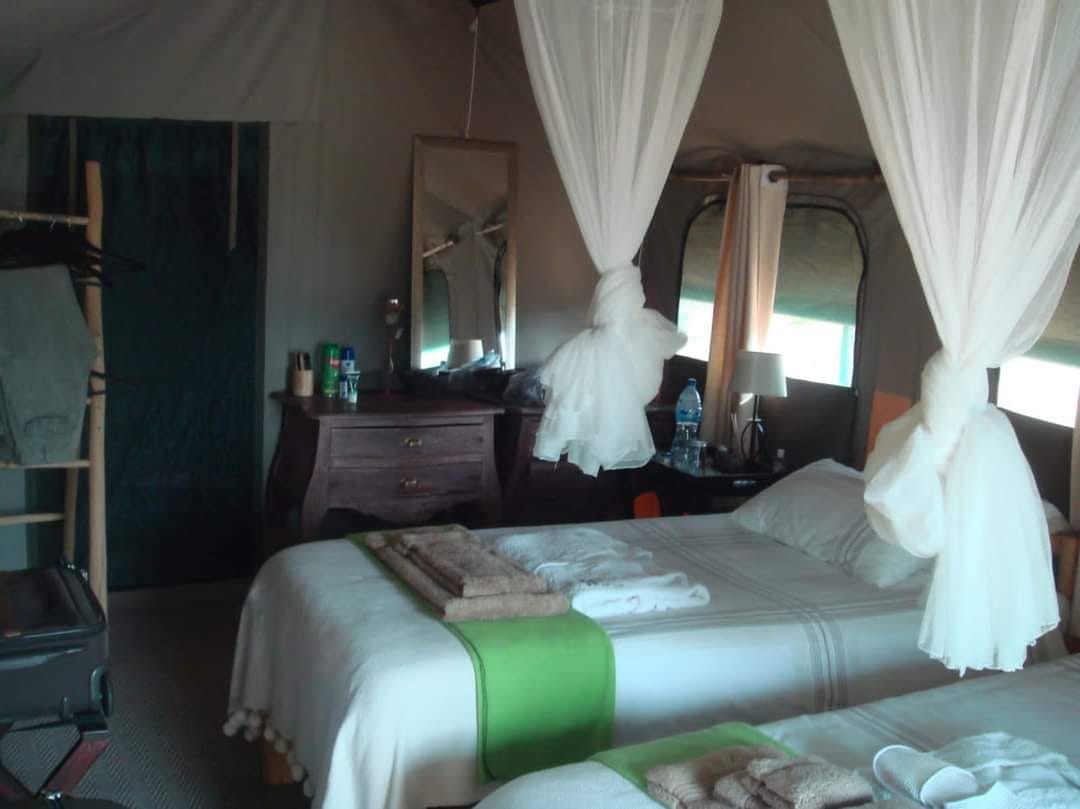
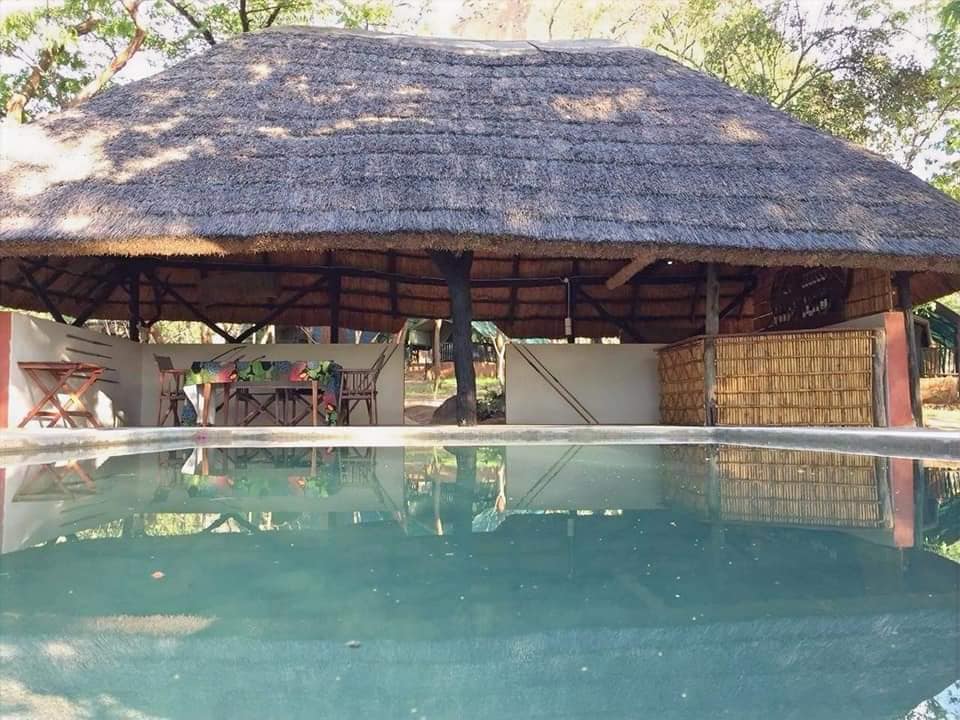
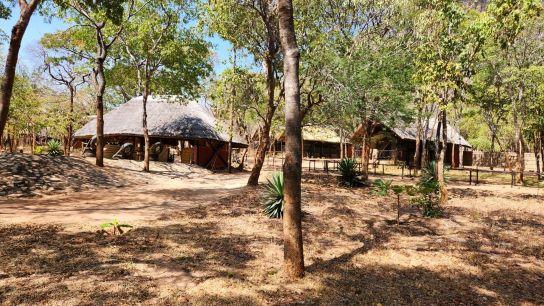
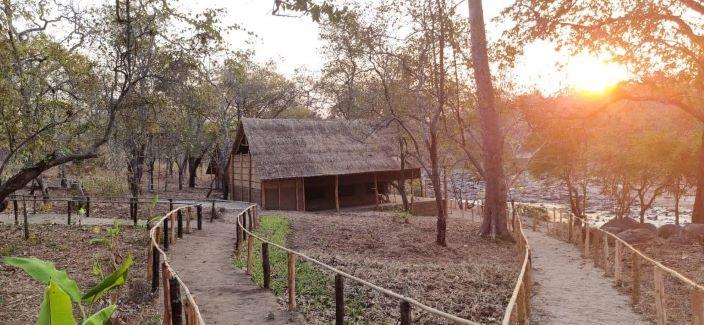
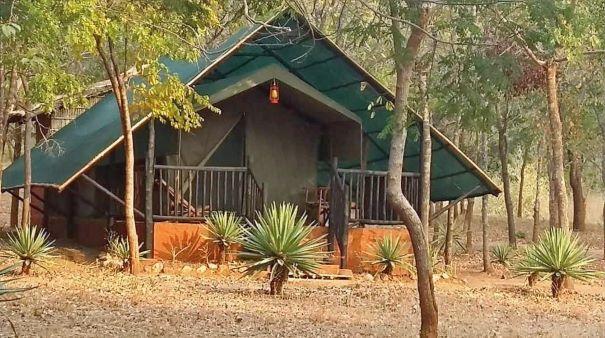
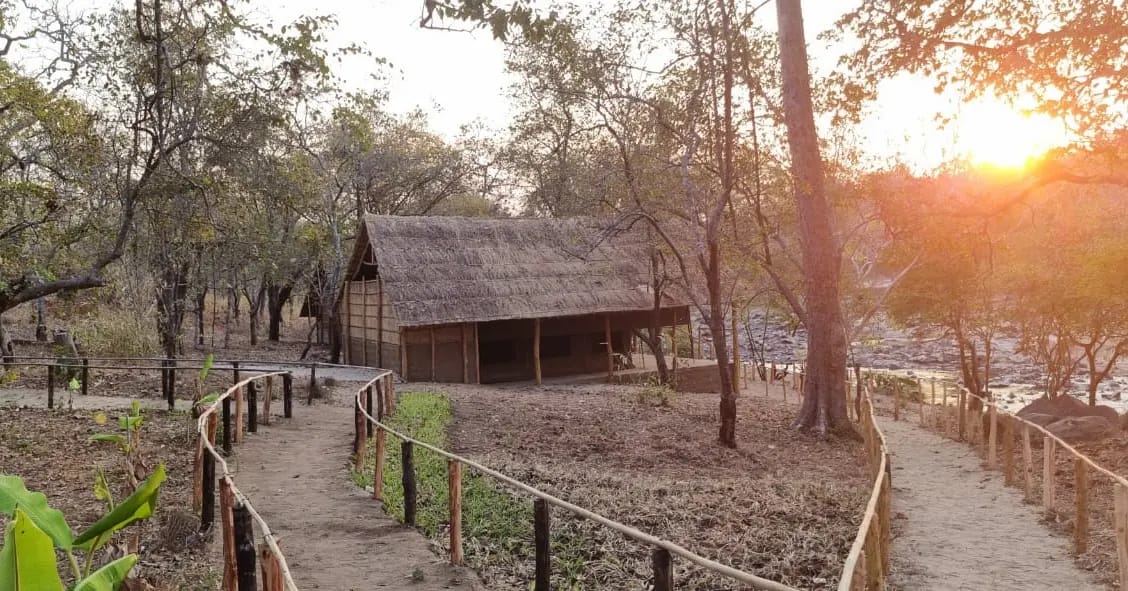
Accommodation is provided in a comfortable main camp and a network of fly camps positioned throughout the concession, allowing hunters to stay close to productive buffalo hunting areas. After long days in the bush, hunters can enjoy hearty meals, daily laundry service, hot showers, and relaxed evenings around the campfire beneath the African stars.
Niassa is classic buffalo country, consisting of vast miombo woodlands, seasonal river systems, thick cover, and open grasslands that support healthy populations of dangerous game and plains game alike. The varied terrain creates challenging tracking conditions, with hunts often covering considerable distances on foot through some of the wildest country remaining in Africa.
| Fence Type: | Free-range |
| Nearest Airport Name: | Pemba Airport (POL) if hunters use the charter option. Lichinga Airport (VXC) if hunters choose the road-transfer option. |
There are buffalo hunts, and then there is Niassa.
Located along Mozambique's remote northern frontier, Niassa represents one of Africa's last great buffalo hunting wildernesses. Famous for authentic Hunting in Mozambique, the region encompasses enormous unfenced concessions where buffalo, lion, leopard, elephant, and plains game continue to roam freely across a landscape that has changed little over generations.
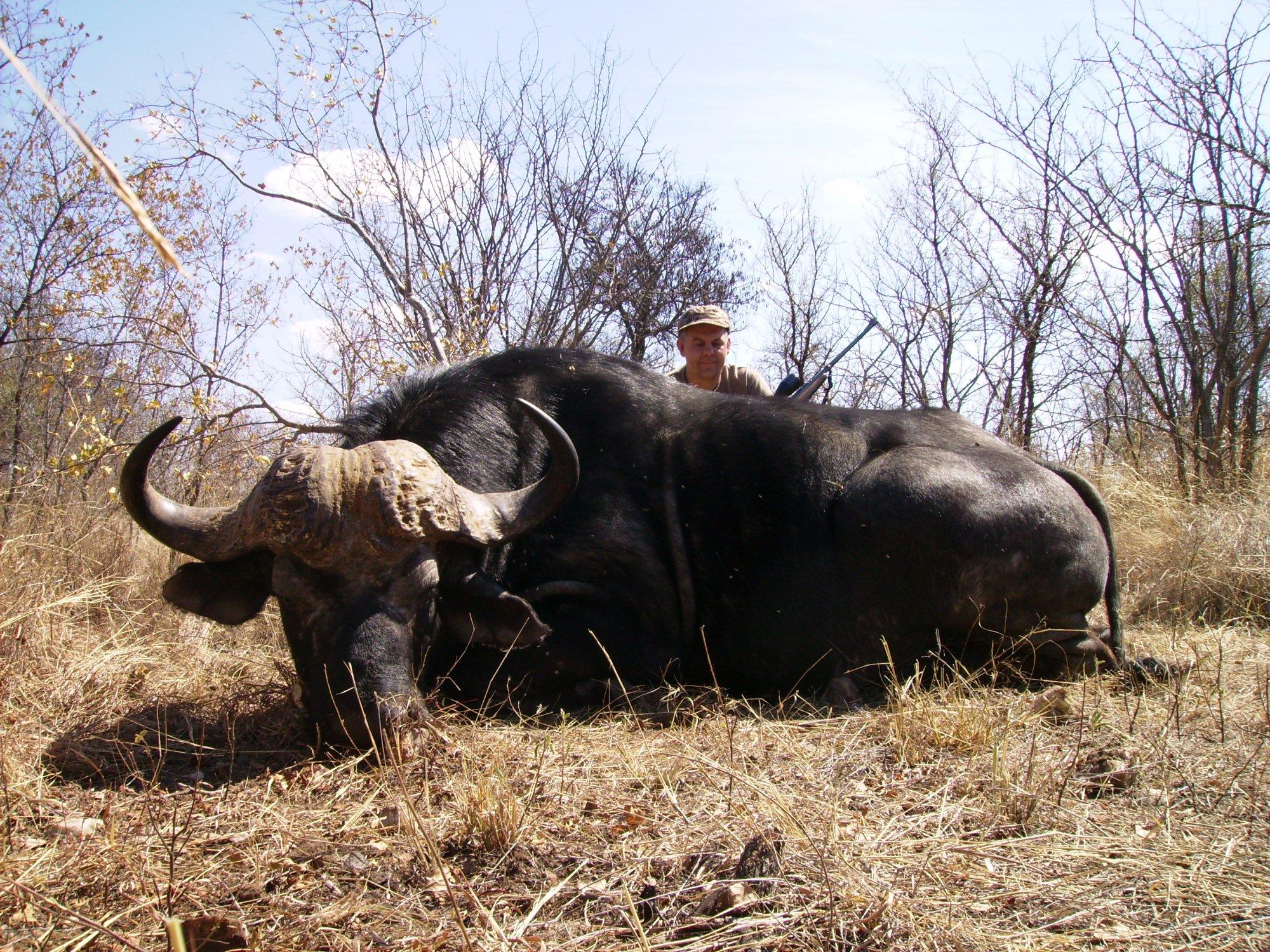
A buffalo hunt in Niassa is not a hunt conducted from roads or vehicles. Most days begin at first light, searching for fresh tracks in sandy riverbeds or along game trails before setting off on foot behind experienced trackers. Once spoor is found, the hunt becomes a test of patience, endurance, and determination.
The terrain is classic buffalo country. Vast miombo woodland, thick cover, seasonal rivers, and scattered grasslands provide ideal habitat for old bulls. Visibility can change from open shooting lanes to dense bush in a matter of yards, making every stalk different from the last.
By midday, hunters often find themselves deep in buffalo country, surrounded by the sounds of the African bush. Tsetse flies are a constant companion in parts of Niassa, reminding hunters that this remains a remote wilderness rather than a managed game ranch. It is part of the experience and one of the reasons buffalo hunting here feels so authentic.
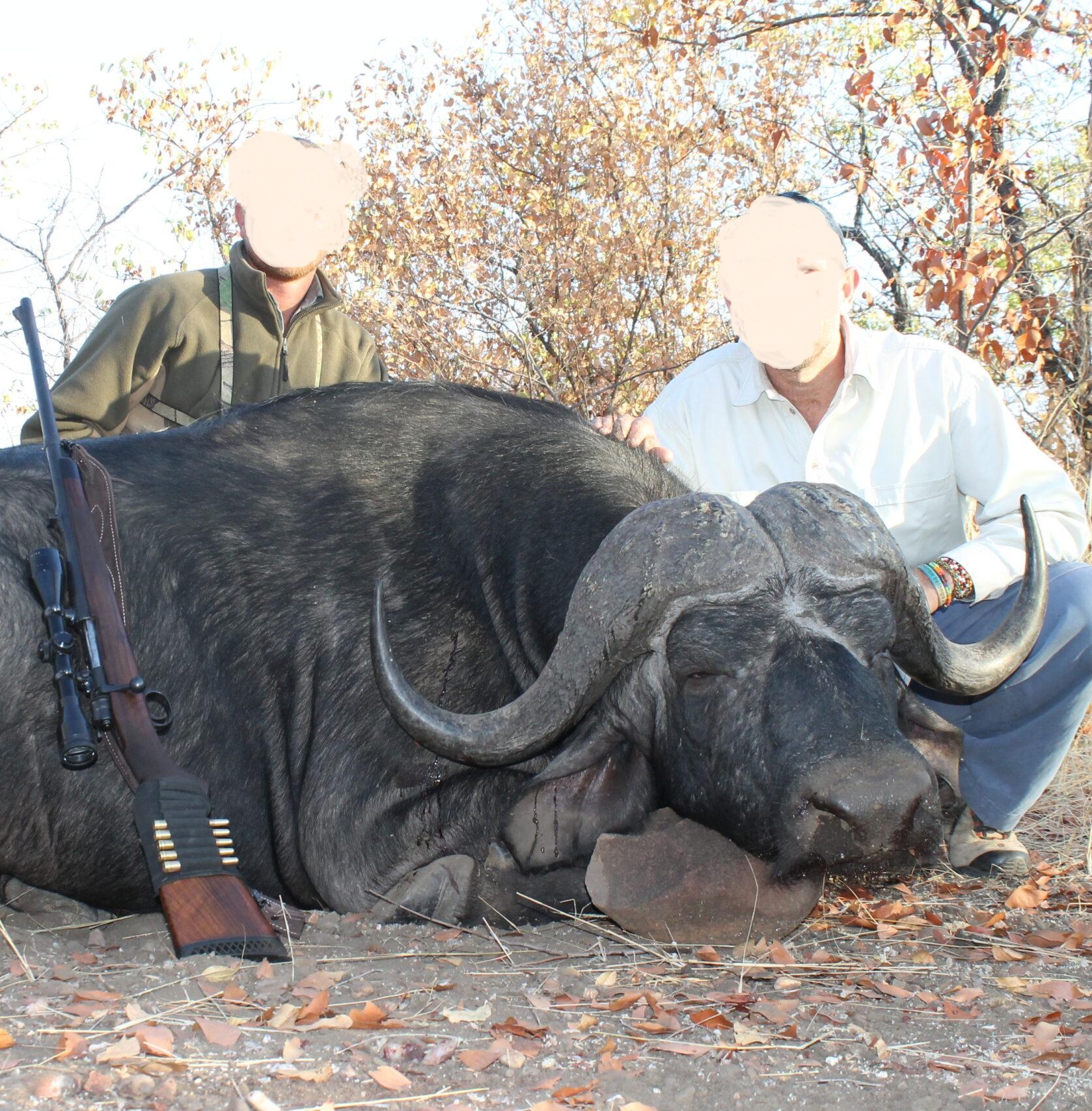
Many hunters choose to carry traditional dangerous game rifles such as the .416 Rigby, .458 Lott, or classic double rifles chambered in .470 Nitro Express. In thick cover, where encounters with buffalo can happen quickly and follow-up shots may be required, these rifles continue to earn their reputation.
The old dagga boys that make buffalo hunting so addictive are masters of survival. They spend their lives avoiding predators, hunters, and other dangers, often retreating into the thickest cover available. Tracking one of these mature bulls through Niassa's vast wilderness is a challenge that demands concentration from the first track of the morning until the last light of the day.
Hunters pursuing Cape Buffalo Hunts in Mozambique often describe Niassa as one of the closest experiences remaining to the classic East African safaris of old. The scale of the country, the abundance of wildlife, the long days on foot, and the feeling of genuine remoteness combine to create a buffalo hunting experience that is becoming increasingly rare elsewhere in Africa.
US$15,950 per Hunter (2 Hunters / 1 Professional Hunter)
Duration: 12 Days / 13 Nights
Included Trophy Fees:
Observer Rate: US$375 per person, per night
A buffalo born in Niassa grows up in one of Africa's last truly intact wilderness ecosystems. Here, buffalo share the landscape with elephant, crocodile, leopard, and large populations of lion, creating an environment where only the strongest and most cautious animals survive to old age.
For a mature dagga boy, life is a constant battle. Lions patrol the river systems and woodland edges, targeting calves, cows, and weakened bulls. During the dry season, buffalo herds may travel considerable distances between feeding areas and water, often moving through thick cover where predators hold every advantage. By the time an old bull separates from the herd and begins living a more solitary existence, he has already survived years of droughts, predators, injuries, and competition from younger bulls.
This is one of the reasons Niassa buffalo have earned such a reputation among experienced dangerous game hunters. These are not animals accustomed to roads, vehicles, or frequent human activity. Most have spent their entire lives in remote wilderness where survival depends on instinct, caution, and an intimate knowledge of the country they inhabit.
A typical hunting day begins shortly after first light when trackers search for fresh spoor along sandy roads, river crossings, and game trails. Once a suitable track is found, the vehicle is left behind and the hunt becomes a matter of patience, persistence, and miles on foot. Some days the buffalo are located quickly. Other days may involve hours of tracking through miombo woodland, thick cover, and dry river systems before the first glimpse of black hide is seen ahead.
The further a hunter follows a buffalo through Niassa, the more obvious it becomes why this region remains so highly regarded. The distances are immense. The bush is often thick. Tsetse flies are a constant companion. Fresh elephant tracks may cross the spoor being followed, while lion tracks in the sand serve as a reminder that these buffalo are part of a much larger ecosystem.
Many hunters describe Niassa as one of the closest experiences remaining to the classic East African safaris of old. It is a place where hunting still revolves around tracking, bushcraft, and determination rather than vehicles and convenience. Success is measured in effort, not miles driven.
For hunters seeking authentic Buffalo Hunting in Mozambique, few destinations still offer the combination of wilderness, free-range hunting, and genuinely wild buffalo that Niassa provides.
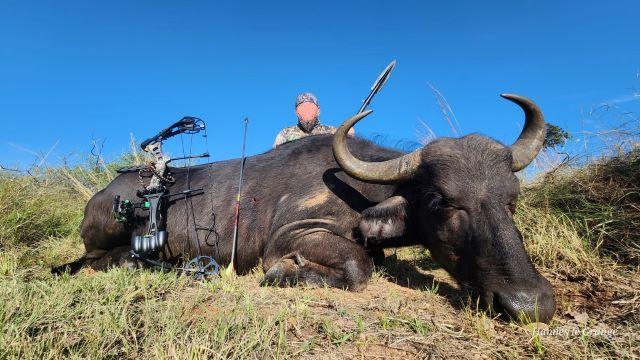
Among Africa's iconic Dangerous Game Hunts, few animals command the respect of the Cape buffalo. Known for their toughness, unpredictable nature, and willingness to disappear into the thickest cover available, buffalo have earned a reputation as one of the continent's most challenging animals to hunt.
Yet experienced buffalo hunters rarely spend much time talking about horn measurements.
Instead, they talk about old bulls.
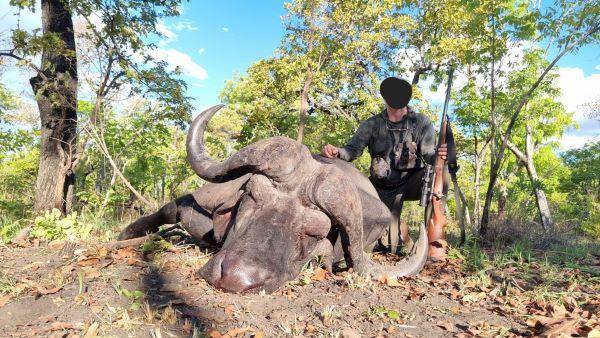
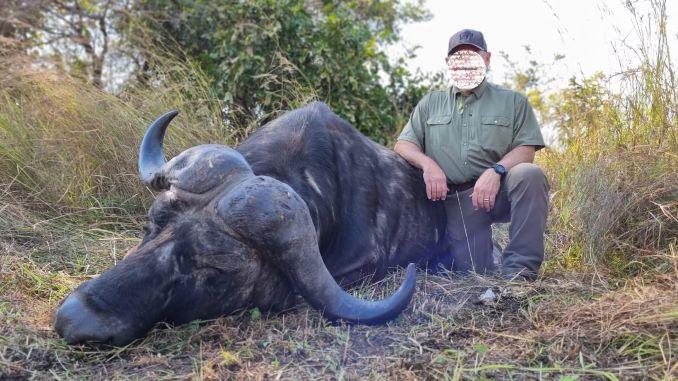
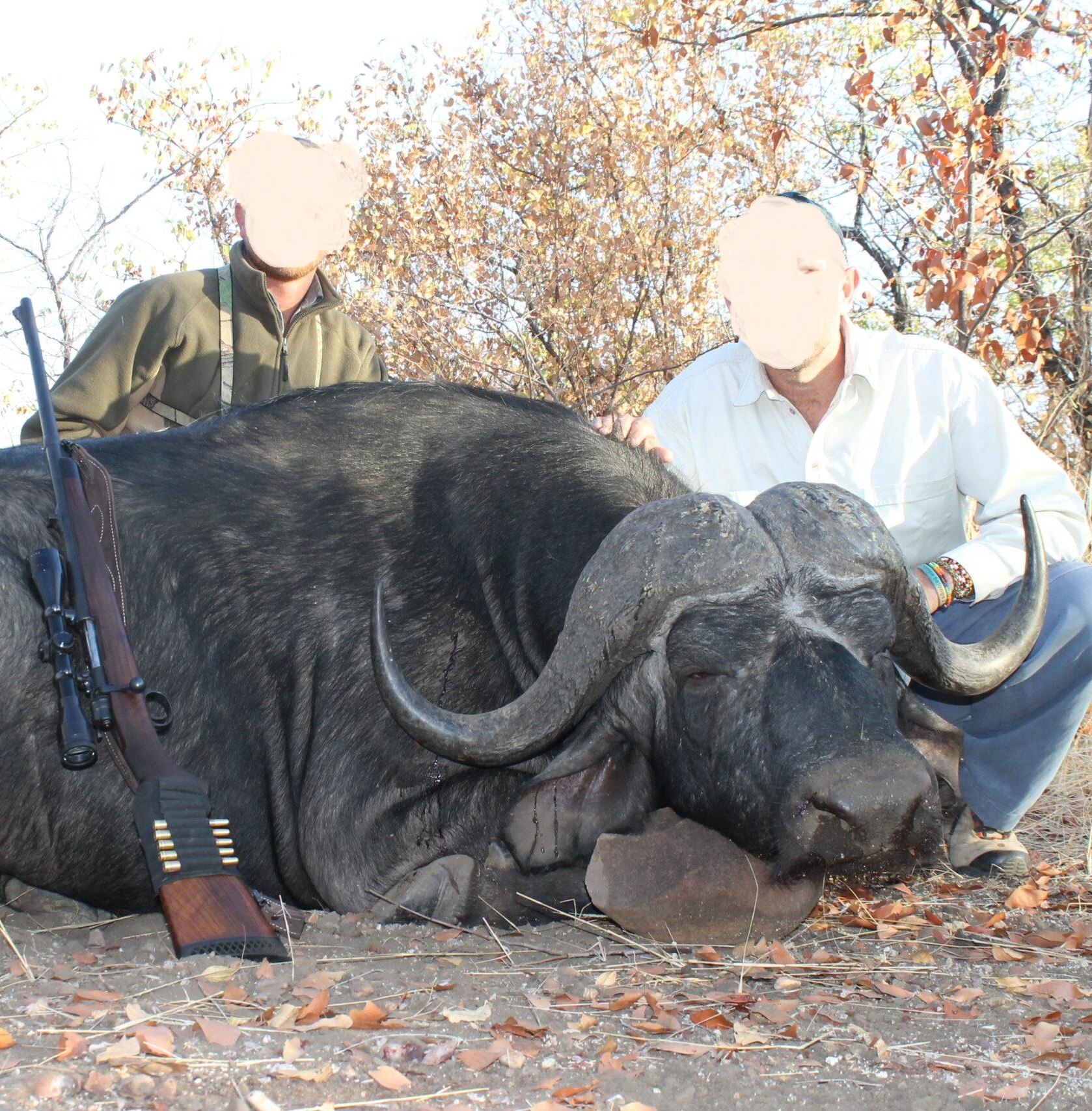
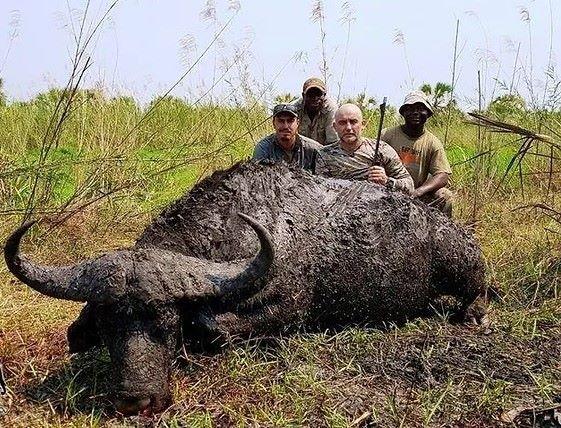
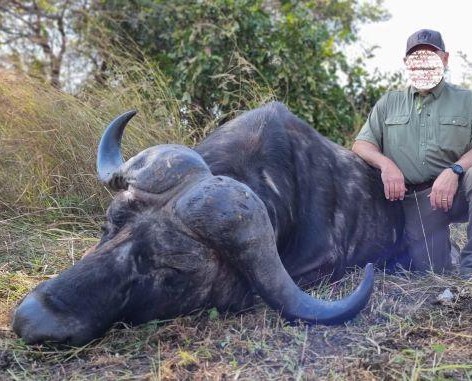
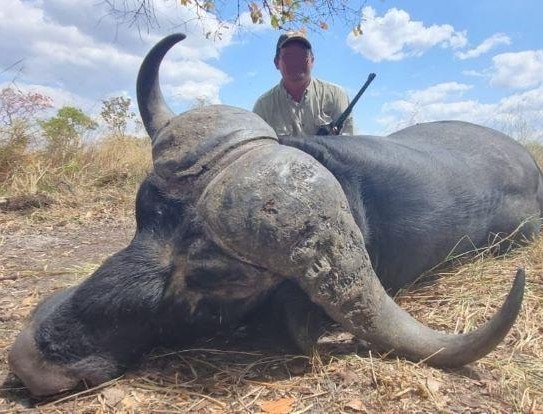
The kind of bulls that have survived decades in the African bush. Bulls with worn bosses polished smooth by age, broomed horn tips broken through years of fighting, scarred faces, torn ears, and the heavy "scrum cap" appearance that develops only after years of battling rivals, predators, drought, and disease.
Niassa is well known for producing these hard old survivors.
Living in a wilderness shared with lion, leopard, elephant, and countless other species, buffalo here face pressures that many animals elsewhere never encounter. Every scar tells a story. Every broken horn has been earned. Every old dagga boy standing quietly in the shade of a miombo thicket has spent a lifetime learning how to survive.
Finding such a bull is one challenge. Getting close enough for a shot is another entirely.
Old buffalo are masters at using thick cover to their advantage. In the dense bush common throughout Niassa, opportunities can appear and disappear in seconds. A mature bull may stand broadside for only a moment before melting back into the vegetation, leaving the hunter with little time to assess the trophy and prepare for the shot.
This is where experience, preparation, and accurate Cape Buffalo Shot Placement become critical. Buffalo hunting often unfolds at close range, under pressure, and in conditions where follow-up shots may be required. The combination of thick bush, limited visibility, and the possibility of a wounded buffalo disappearing into cover is precisely what makes buffalo one of Africa's most respected dangerous game animals.
Years later, many hunters struggle to remember the exact horn measurements of their buffalo.
What they do remember is the red dust hanging in the air, the constant buzz of tsetse flies, the hours spent following tracks through the miombo, and the sudden appearance of an old black bull standing silently ahead.
Those are the memories that continue drawing hunters back to Niassa long after the safari is over.
While Cape buffalo are the primary focus of this safari, one of the reasons Niassa has developed such a loyal following among dangerous game hunters is the sheer diversity of wildlife found throughout the region.
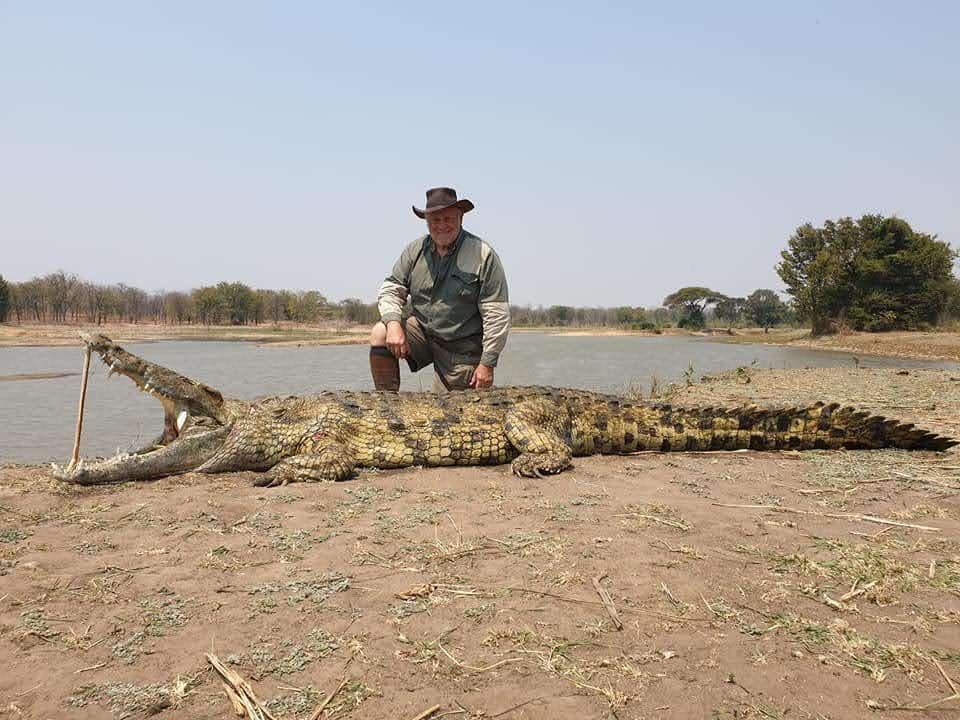
The same wilderness that supports exceptional buffalo hunting is also home to healthy populations of lion, leopard, elephant, crocodile, and a variety of sought-after plains game species. It is not uncommon to encounter fresh lion spoor while tracking buffalo or discover leopard tracks along a river crossing during the course of a day's hunt. For many hunters, this constant reminder that they are operating within a complete dangerous game ecosystem is part of what makes Niassa so special.
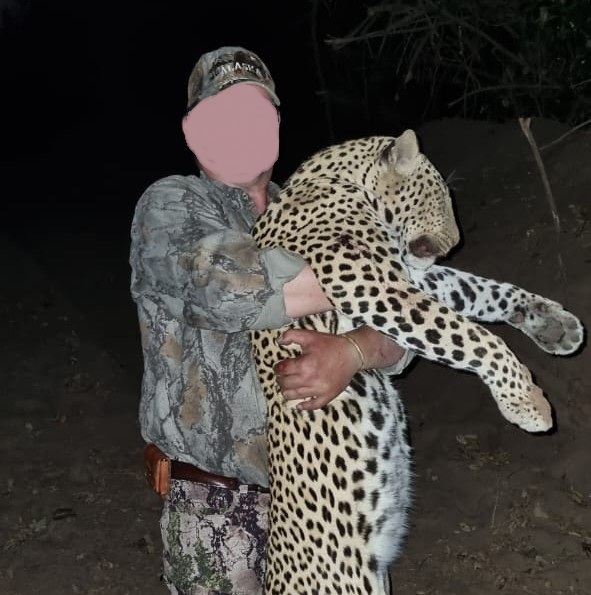
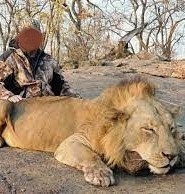
The region has long been regarded as one of Africa's premier destinations for Lion Hunting in Mozambique and remains highly respected for Leopard Hunts conducted in vast unfenced wilderness areas. Knowing these predators share the same country adds an entirely different dimension to every day spent following buffalo tracks through the bush.
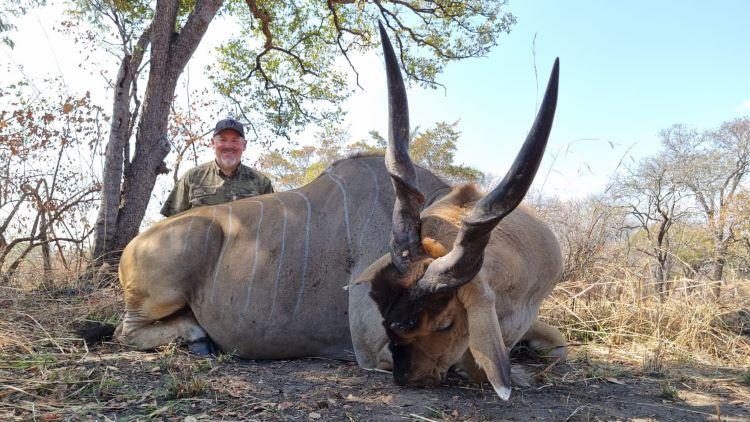
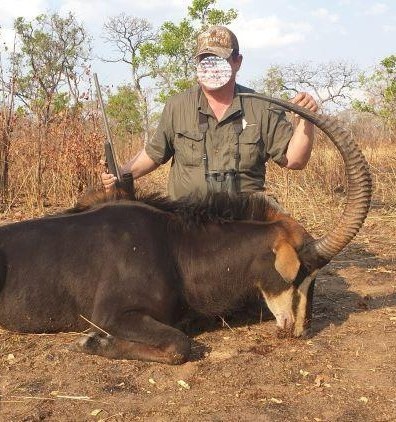
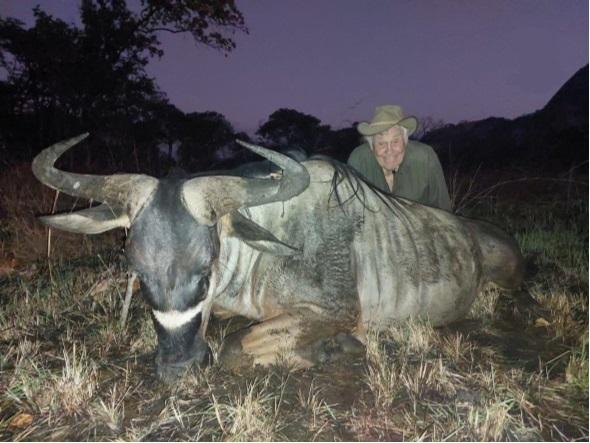
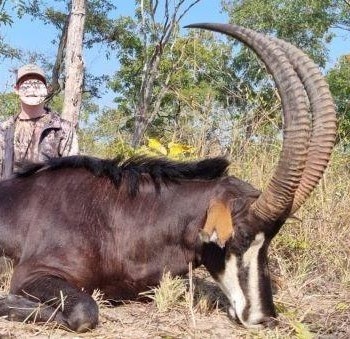
Niassa is equally attractive to hunters interested in adding additional species to their safari. The area supports excellent populations of sable, Livingston's eland, zebra, waterbuck, hartebeest, and the distinctive Niassa Wildebeest, a subspecies found within this part of northern Mozambique and southern Tanzania. Many hunters arrive focused solely on buffalo, only to find themselves considering additional opportunities once they experience the quality and diversity of game available.
For hunters looking beyond a single trophy animal, Niassa offers something increasingly difficult to find elsewhere in Africa: the opportunity to experience authentic Plains Game Hunts and dangerous game hunting within one of the continent's last truly wild ecosystems.
Part of what makes Niassa so special is its remoteness. Most hunters travel via Johannesburg before connecting to Pemba, Mozambique. From there, a charter flight takes you deep into the concession, where the roads become fewer, the villages become scarcer, and the wilderness begins to take over.
Hunters looking to reduce charter costs may also travel through Lichinga before continuing by road to camp. Either route ultimately leads to the same destination—one of Africa's last great buffalo hunting wildernesses.
Accommodation is comfortable, practical, and designed around the realities of a remote safari rather than unnecessary luxury. After long days spent tracking buffalo through the miombo, camp becomes a place to enjoy a hot meal, a cold drink, and stories around the fire while listening to the sounds of wild Africa beyond the lantern light.
The concession operates a main camp as well as several fly camps, allowing hunters to access different areas of this enormous wilderness while remaining close to the game they are pursuing. Electricity is provided via generator and WiFi is available in camp when needed, although most hunters find themselves paying far more attention to the next day's buffalo tracks than their inbox.
This safari is best suited to hunters seeking a genuine free-range buffalo hunting experience in one of Africa's last great wilderness areas. Long days on foot, thick bush, tsetse flies, and mature bulls that have spent a lifetime avoiding predators all form part of the challenge.
Success here is not measured solely by horn length. It is found in the tracks followed at first light, the miles covered behind experienced trackers, the close encounters in thick cover, and the satisfaction that comes from earning an opportunity on an old buffalo bull in truly wild country.
Niassa is not the easiest place in Africa to hunt buffalo.
That is precisely why so many experienced hunters consider it one of the best.
If this safari sounds like the type of Africa you have been searching for, contact Game Hunting Safaris to discuss availability, additional trophy opportunities, or other Hunting Trips available throughout Mozambique and the rest of Africa.
Please note that terms, conditions and price are subject to change without notice and rates at the time of the hunt will apply
You can speak directly with the outfitter before booking. GHS remains available throughout the process.
Needing assistance with firearm permits and international travel services, or good taxidermists? View our affiliated companies
View Affiliated Services