Cape Buffalo, Roosevelt Sable & Niassa Wildebeest Hunt in Mozambique
Booking Season: 2026
Hunt Difficulty: Difficult

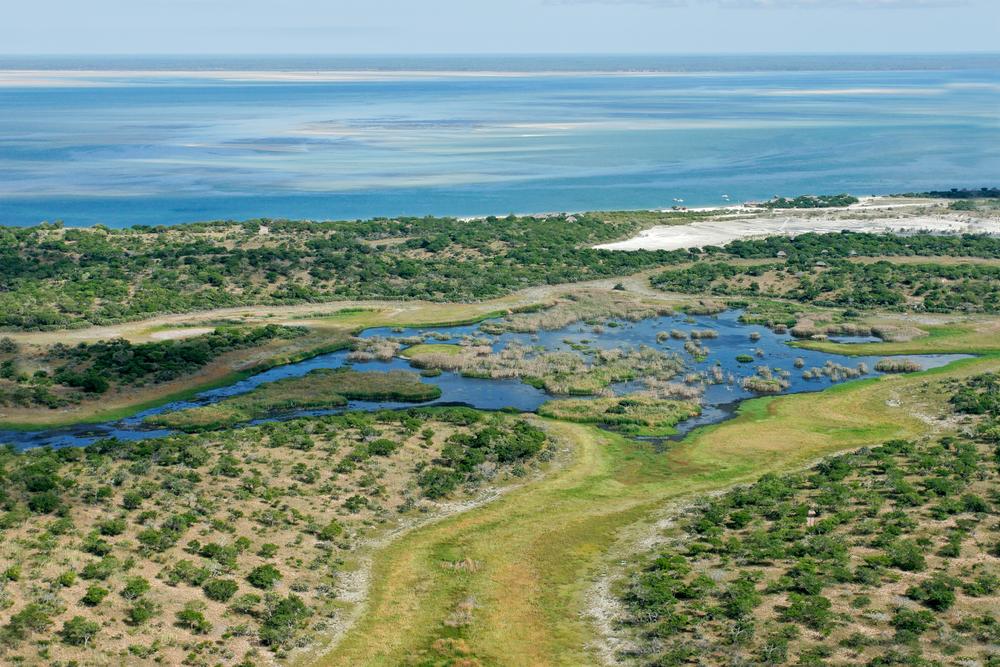
Mozambique offers some outstanding free-range Cape buffalo hunts , from the vast herds of the Zambezi Delta to the remote woodland concessions of Niassa. The hunting can be very different between these areas, and choosing the right concession matters just as much as choosing the right outfitter.
The Mozambique buffalo safaris below offer different durations, prices and species combinations, giving you a starting point for finding a hunt that suits your expectations and budget.
Some are dedicated buffalo safaris, while others offer the opportunity to combine buffalo with additional game. Whether this is your first African buffalo hunt or you're returning for another, the aim is to find a safari that matches what you actually want from the experience.
Available Cape Buffalo Hunts
Cape Buffalo, Roosevelt Sable & Niassa Wildebeest Hunt in Mozambique
Booking Season: 2026
Hunt Difficulty: Difficult
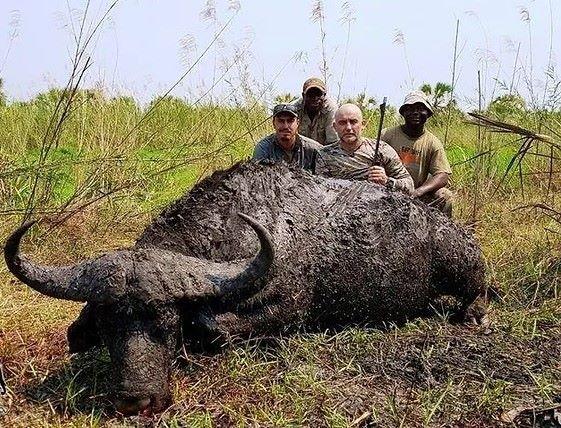
10-Day Cape Buffalo Hunt in Niassa, Mozambique + Plains Game
Booking Season: 2026
Hunt Difficulty: Difficult
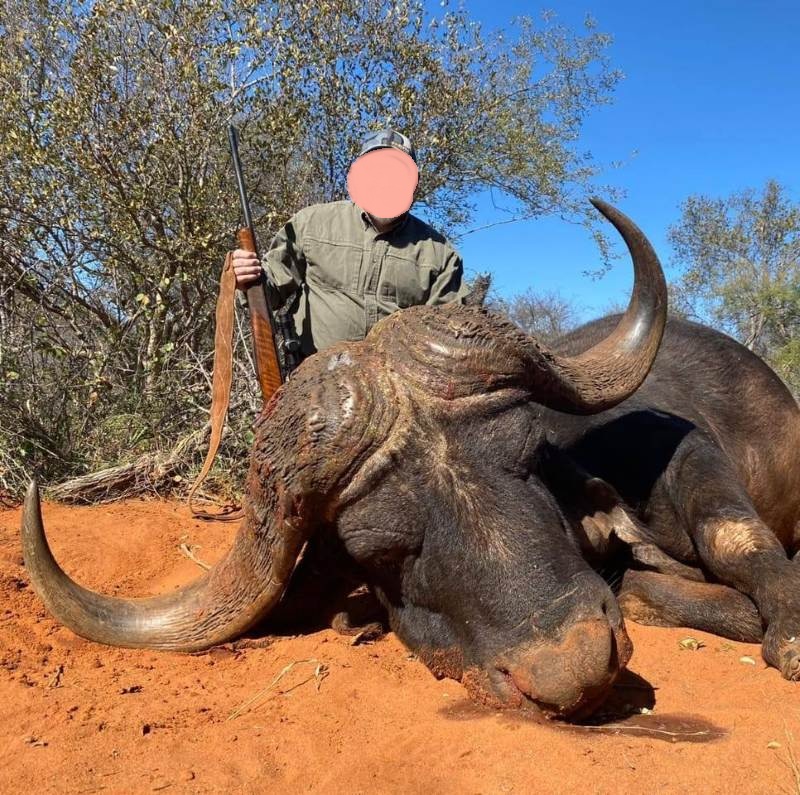
12-Day Cape Buffalo Hunting Safari in Mozambique
Booking Season: 2026
Hunt Difficulty: Difficult
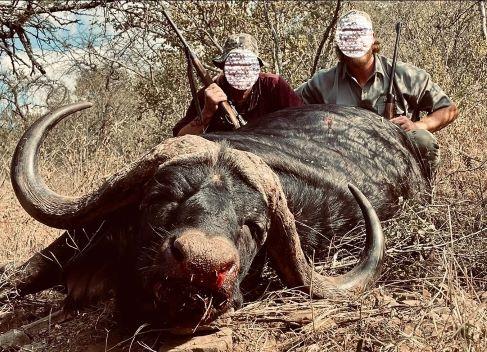
Leopard & Cape Buffalo Safari in Niassa
Booking Season: 2026
Hunt Difficulty: Difficult
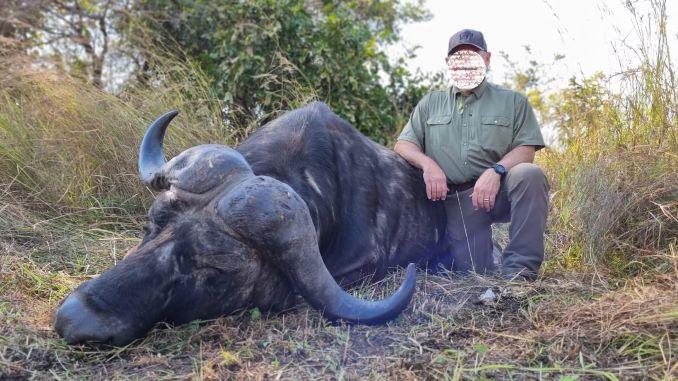
12-Day Cape Buffalo & Plains Game Safari in Niassa
Booking Season: 2026
Hunt Difficulty: Difficult
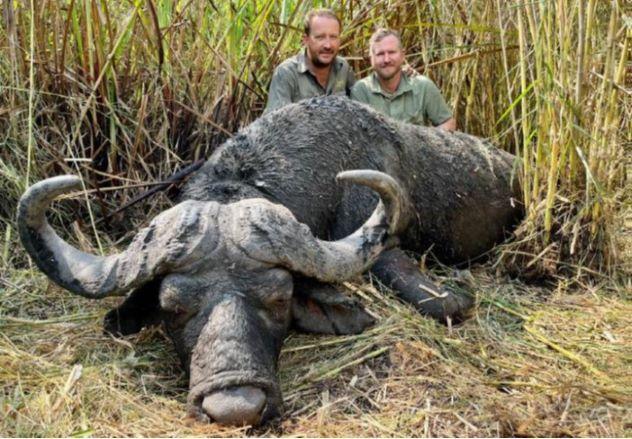
10-Day Free-Range Cape Buffalo Safari in Mozambique's Zambezi Delta
Booking Season: 2026
Hunt Difficulty: Difficult
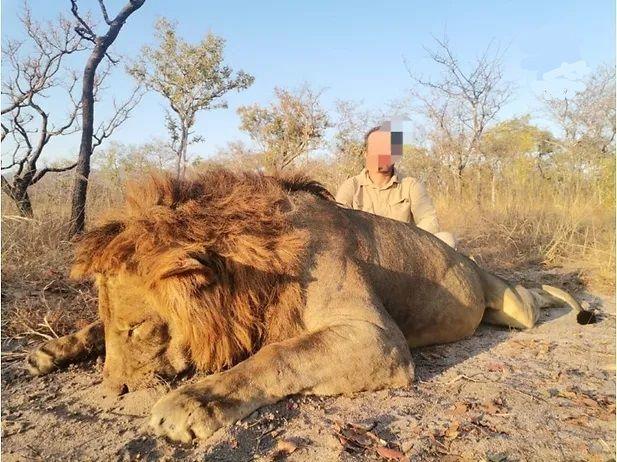
Niassa Full Bag Safari: Lion, Leopard & Buffalo
Booking Season: 2026
Hunt Difficulty: Difficult
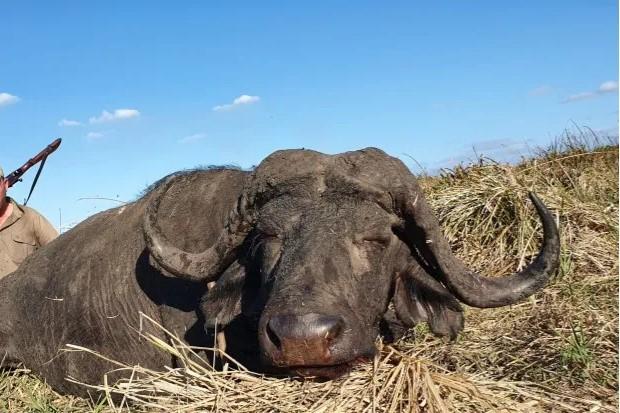
18 Day Lion, Cape Buffalo & Sable Hunt in Niassa
Booking Season: 2026
Hunt Difficulty: Difficult
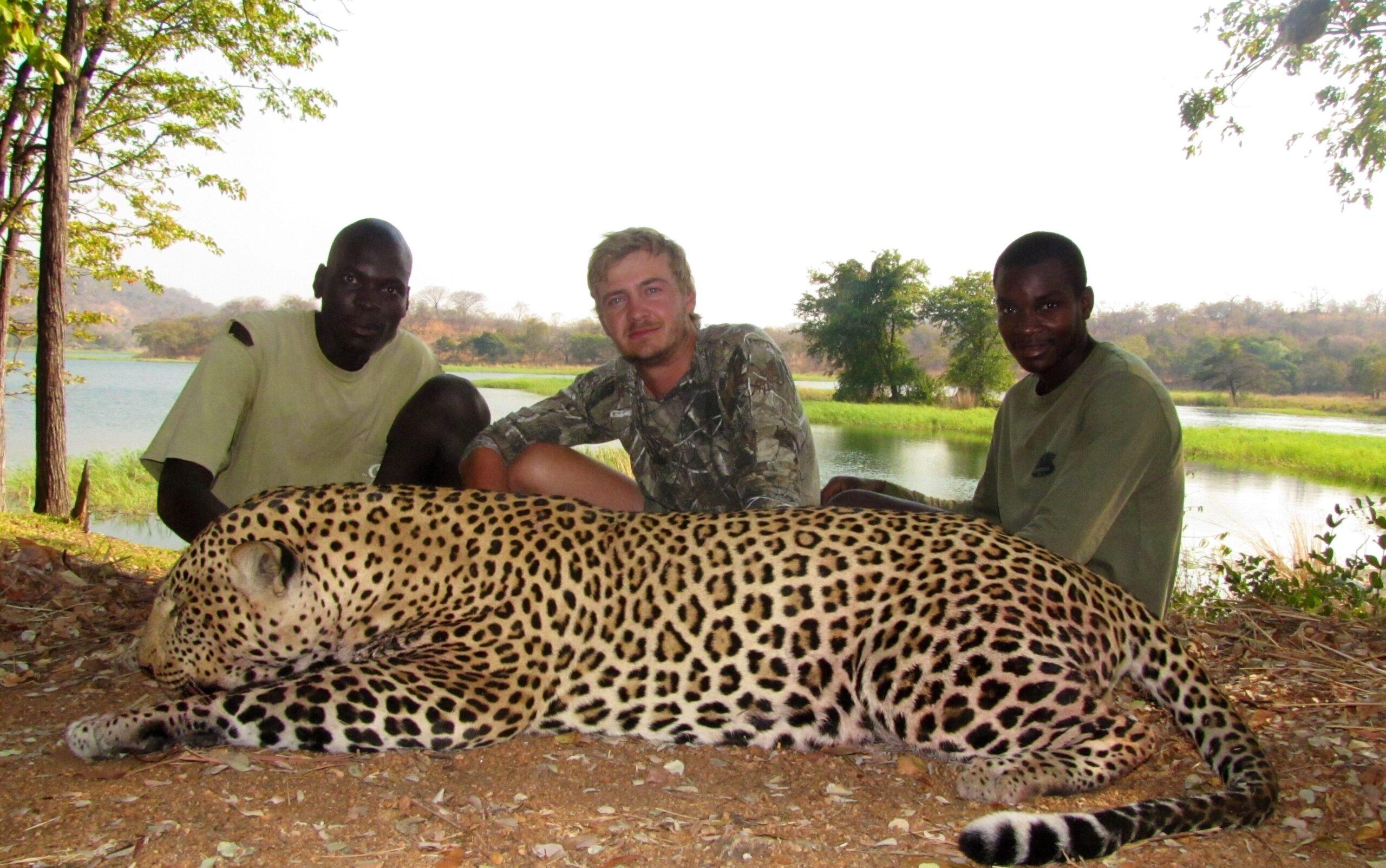
Lion, Leopard & Buffalo Safari in Niassa
Booking Season: 2026
Hunt Difficulty: Difficult
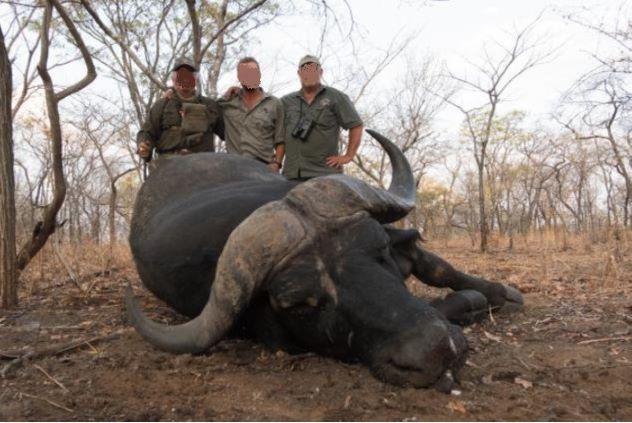
10-Day Free-Range Cape Buffalo Safari in Mozambique's Niassa Reserve
Booking Season: 2026
Hunt Difficulty: Difficult
Most Mozambique buffalo safaris involve considerable time on foot, but the amount of walking, how hunters locate buffalo and even how they reach the hunting grounds can differ considerably. In some concessions, the day begins by driving roads and checking for fresh crossings. Elsewhere, reaching the area where buffalo are feeding may involve a boat trip or a long walk before the tracking even begins.
Once a promising track is found, there is still the question of whether it belongs to a bull worth pursuing. Following a herd is one thing; finding a mature bull, identifying him correctly and getting into a position for a clear shot can take considerably longer. In the Delta, large herds can complicate that decision, while in woodland country the challenge may be staying with the tracks long enough to catch up.
Hunters should also be realistic about the physical demands of the particular concession. Walking through wet ground and tall grass is different from covering miles through dry woodland, and neither tells you much about the difficulty of a hunt until you understand the conditions in the area you're booking. It's worth discussing those conditions with your outfitter before deciding how many hunting days you need.
As a general guide, Cape buffalo hunting safaris in Mozambique typically cost approximately US$16,000 to US$28,000, with many hunters allowing around ten hunting days. Prices depend on the concession, safari duration and whether buffalo trophy fees and other services are included. Certain packages may also include selected plains game species, making it important to understand exactly what you're comparing.
The advertised duration also deserves attention. A 10-day hunt should not be confused with a trip that includes travelling days within those ten days. Establish how many full hunting days you'll have in the field, particularly when reaching a remote concession may involve lengthy road transfers or a charter flight.
Transfers are another expense that can change the overall price considerably. Road transfers, charter flights and overnight accommodation may be included in one package but charged separately in another. The same applies to rifle permits, rifle hire, government charges and trophy-related expenses. Field preparation of trophies, export documentation, shipping and taxidermy are not necessarily covered by the advertised safari price, so these arrangements should be clarified before booking.
Combination safaris require a different comparison. Adding leopard or lion can change the duration, hunting arrangements and total cost substantially. Even when additional plains game is included, hunters should establish which species are covered by the package and which attract separate trophy fees. The availability of additional species also depends on the concession and its allocated quota.
Our African Hunting Safari Prices guide explains how safari rates, trophy fees and other charges fit together. When comparing Mozambique buffalo hunts, the figure that matters is the total cost of the safari you intend to book, with the hunting days, trophy fees, transfers and exclusions clearly established.
A collection of some of our most unforgettable moments in the wild. From the sweeping plains to the dense
forests, these photos showcase the landscapes, wildlife, and experiences that have defined our hunting
expeditions.
GHS in the Field
Wild Hippo Hunting In The Zambezi Region, Namibia
View Expedition Details
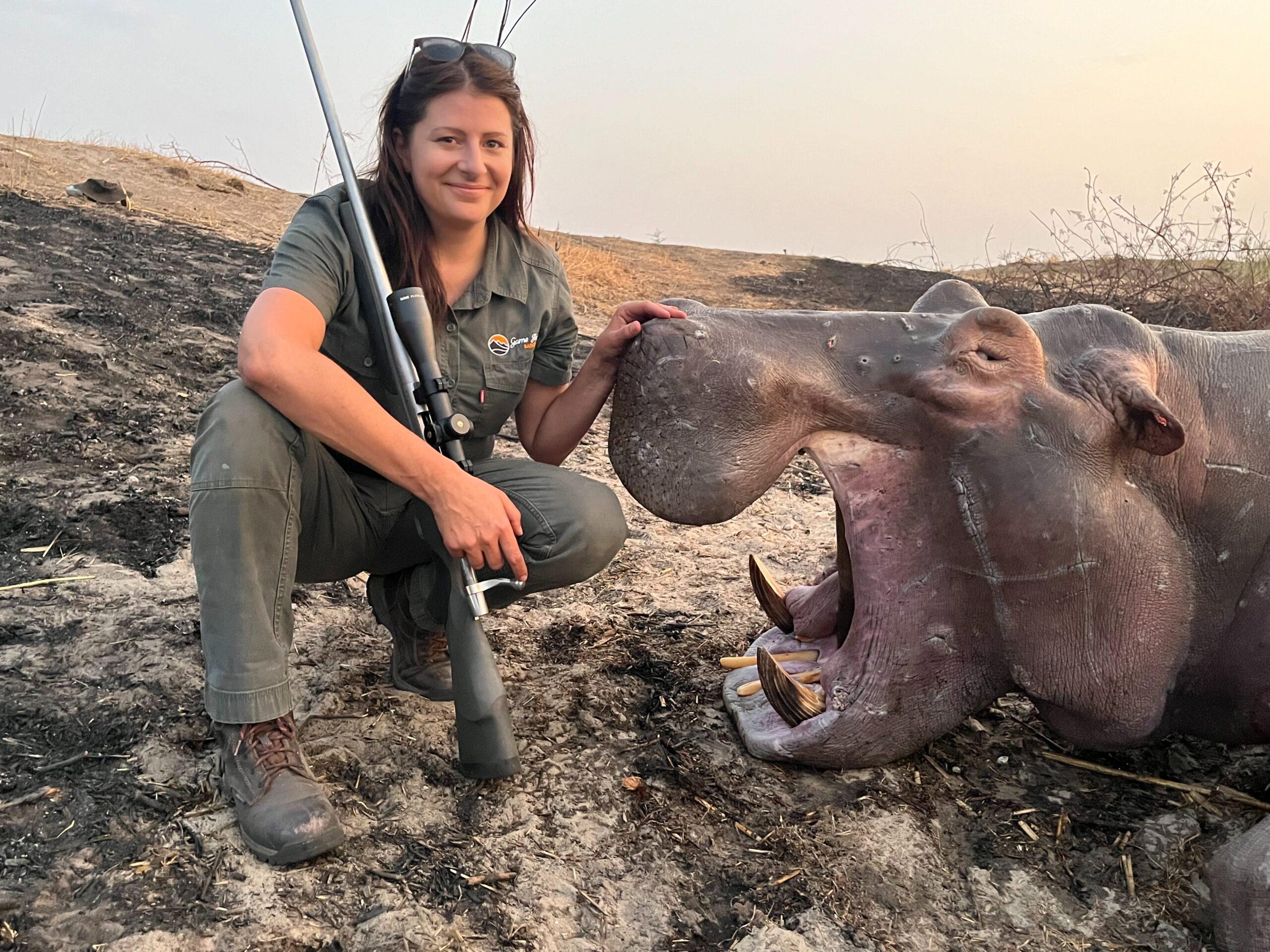
Hippo Hunting In The Zambezi Region (Caprivi Strip) Namibia
View Expedition Details
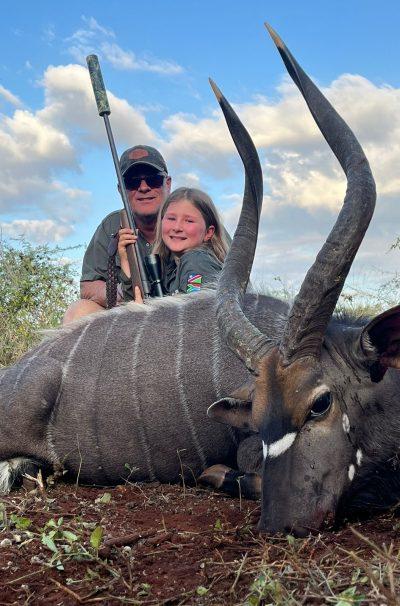
The Africa Plains Game safari, Trophy Nyala In KZN, SA
View Expedition Details
Hyena Hunting in South Africa | Safari Experience
View Expedition Details
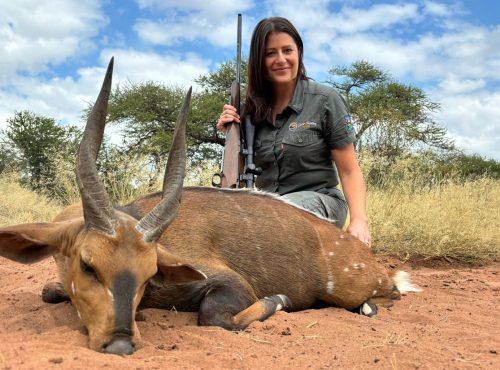
Bushbuck Hunting Safari in Limpopo | Stalking Africa’s Most Elusive Antelope
View Expedition Details
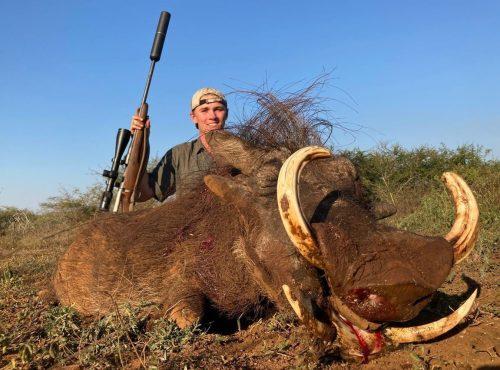
Warthog Hunting in Pongola, KwaZulu-Natal, South Africa
View Expedition Details
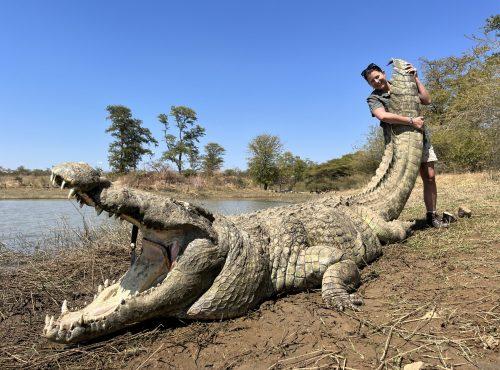
Monster Crocodile Hunting in Mozambique | Lake Cahora Bassa Safari
View Expedition Details
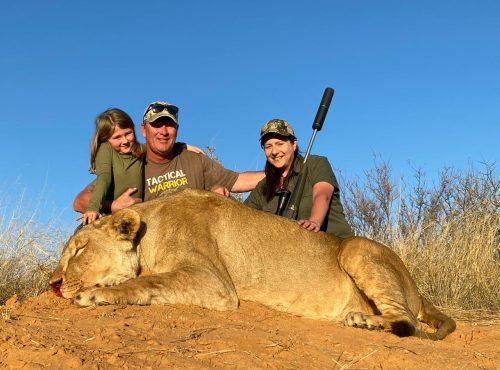
Lion Hunting In South Africa, Kalahari Desert Safari
View Expedition Details
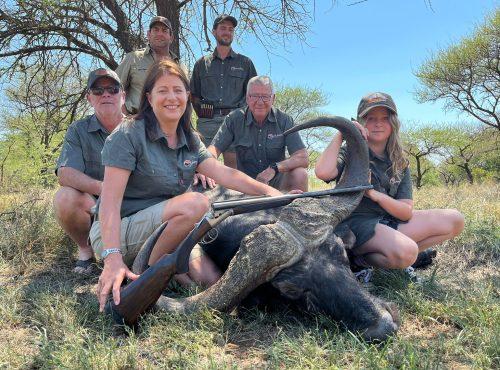
Dangerous Cape Buffalo Hunting Safari in Limpopo
View Expedition Details
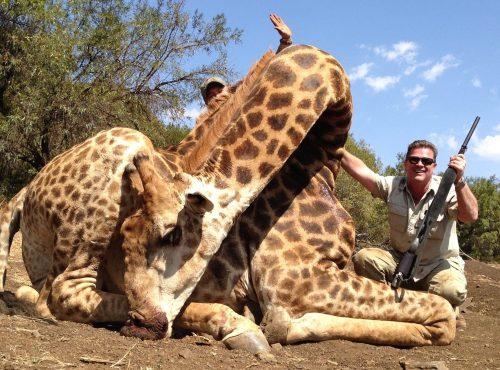
Giraffe Hunting Safari | North West Province, South Africa
View Expedition Details
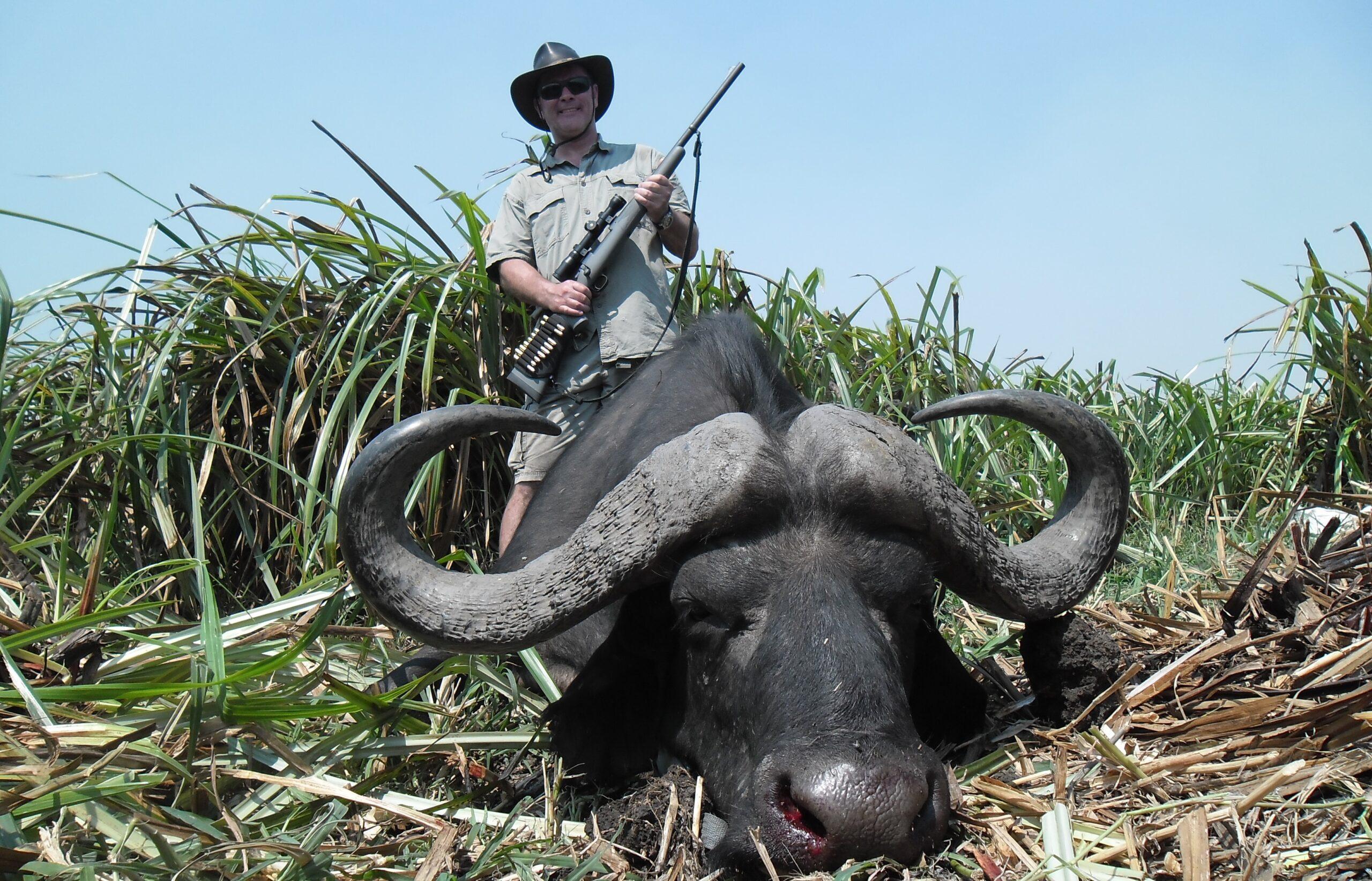
Dangerous Game Buffalo Hunting in Mozambique
View Expedition Details
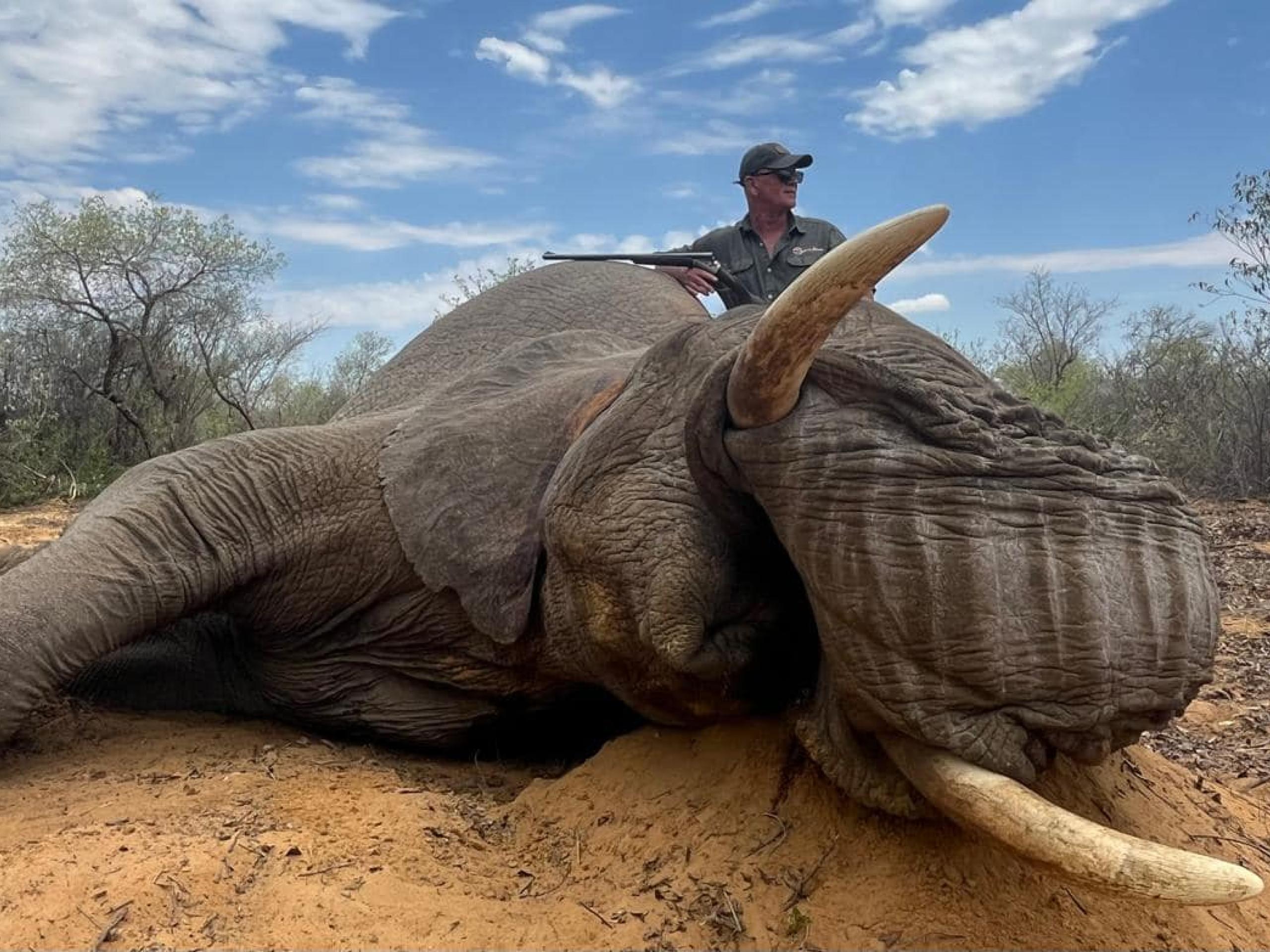
Drought Relief Elephant Hunting in Bushmanland, Namibia
View Expedition Details
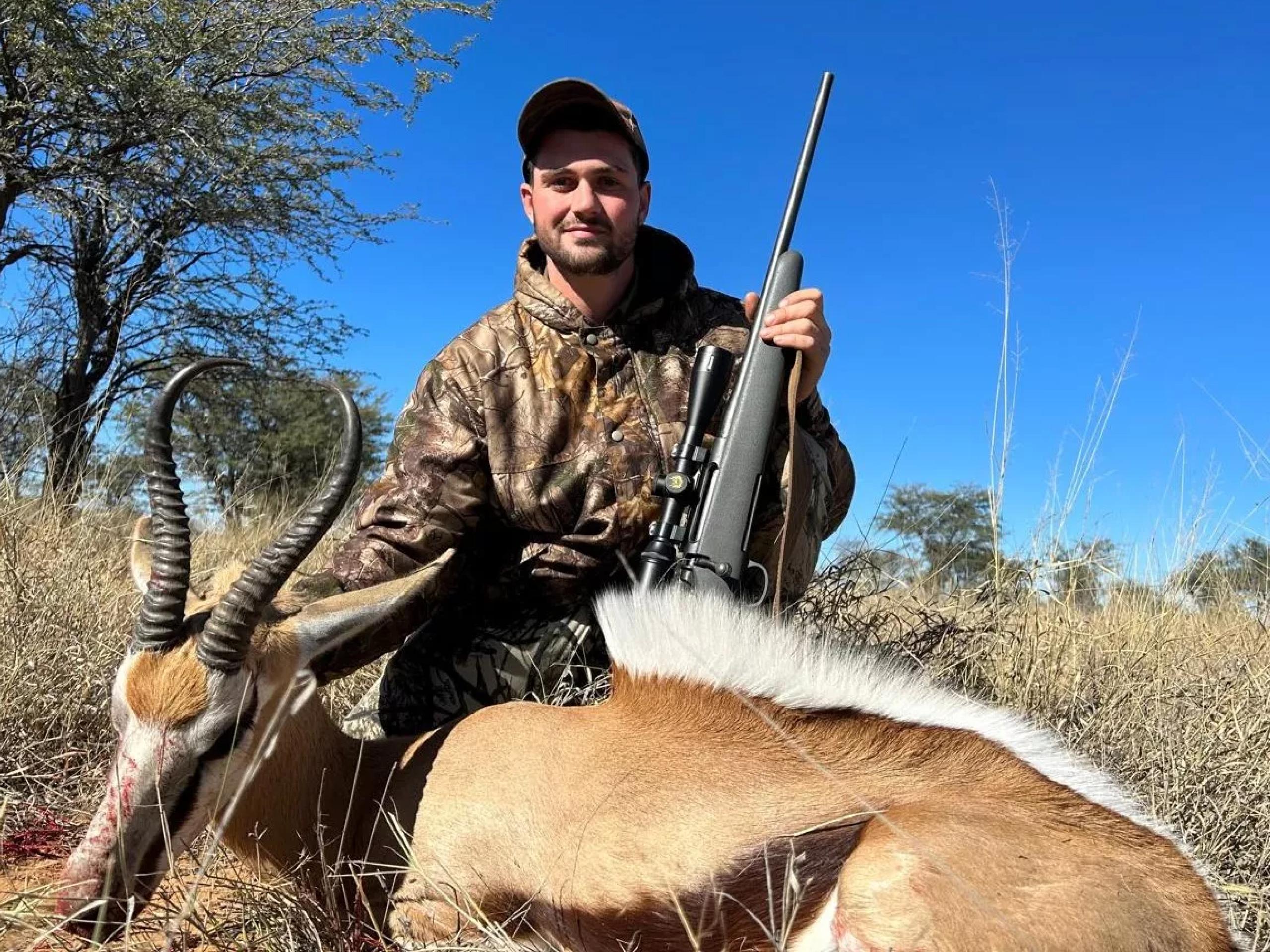
Rustic Kalahari Hunting Safari In South Africa
View Expedition Details
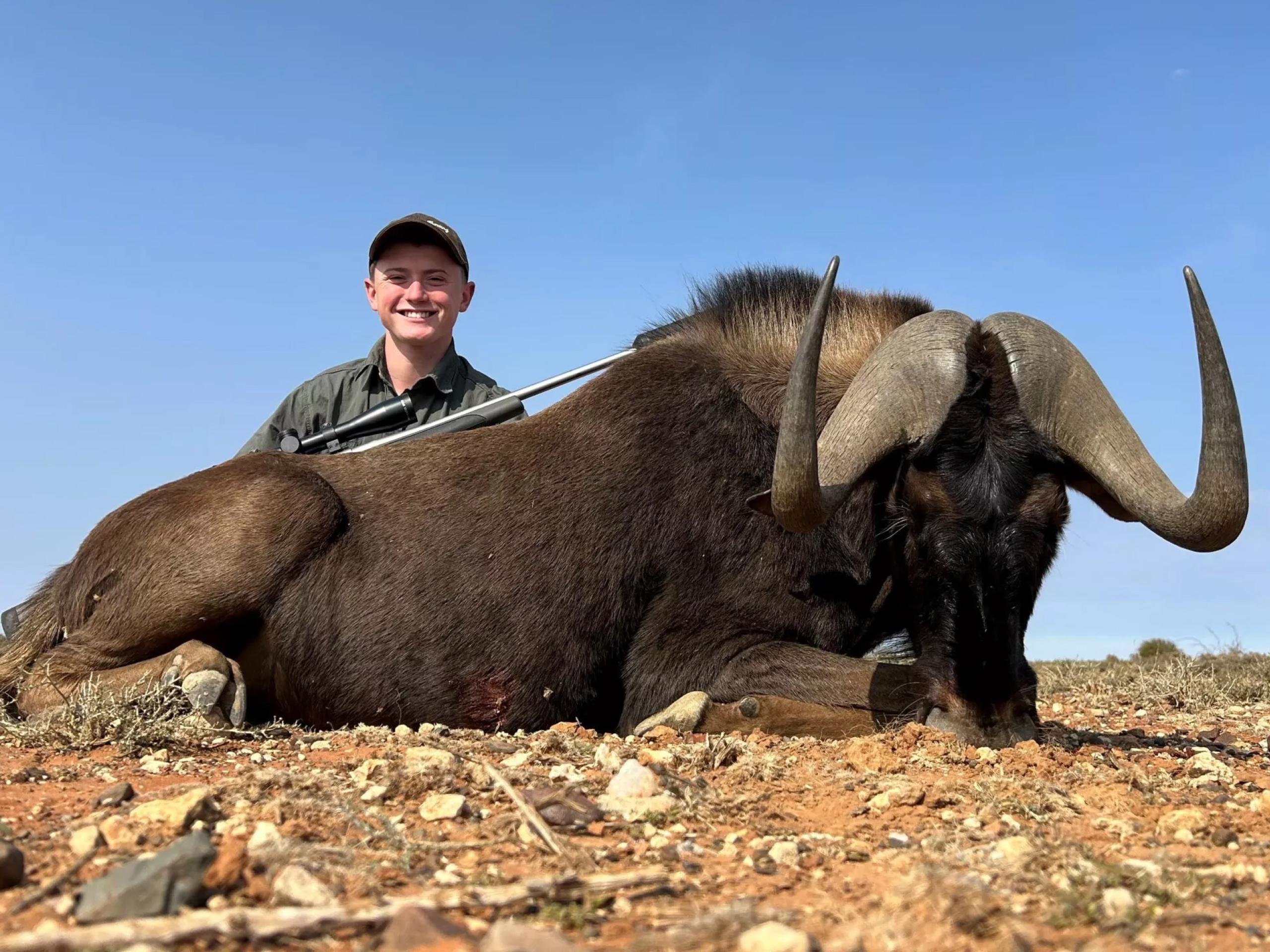
Karoo Hunting Safari In South Africa | Gemsbuck & Springbuck Hunt
View Expedition Details
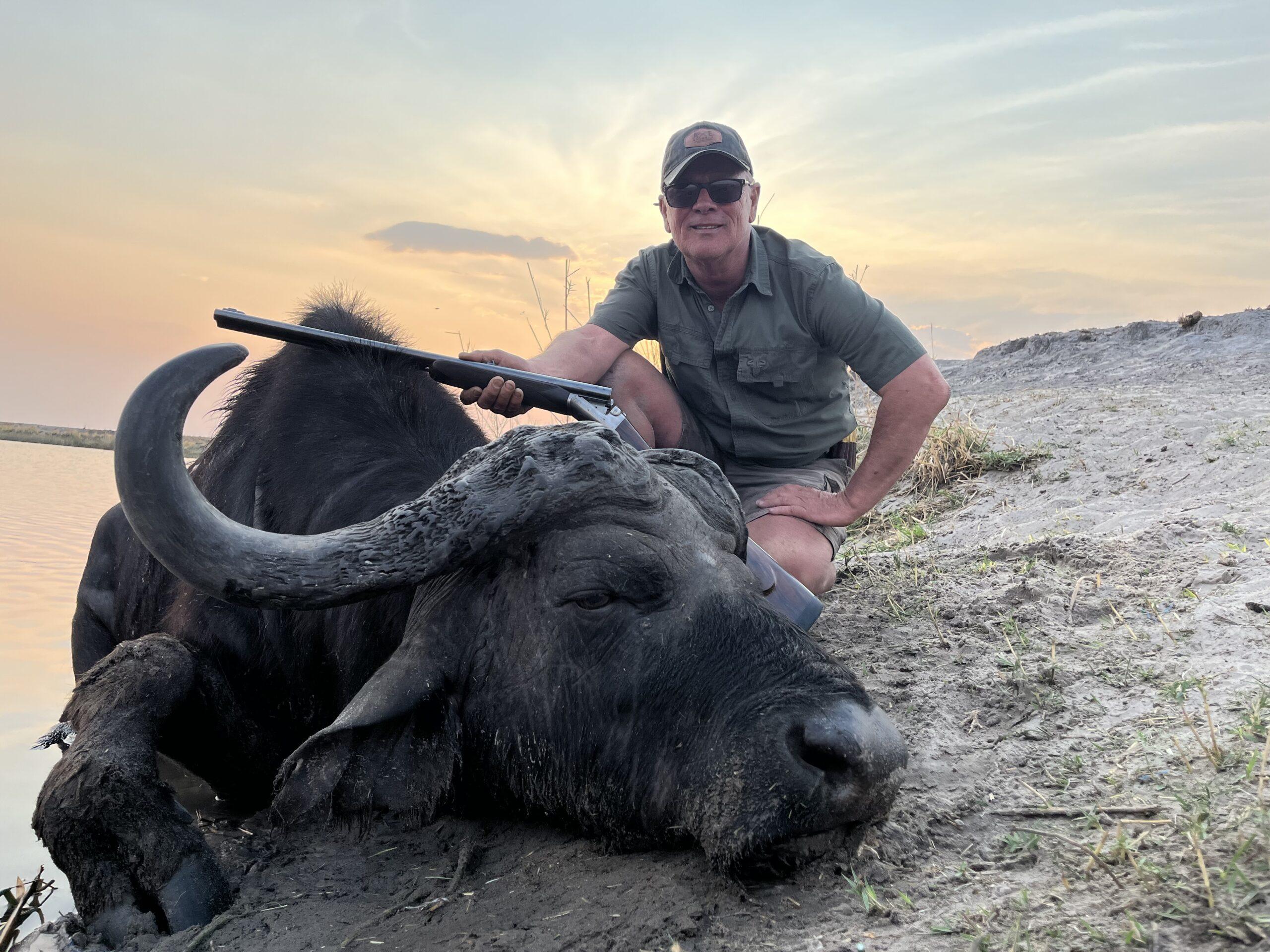
Cape Buffalo Hunting In Namibia’s Caprivi Strip
View Expedition Details
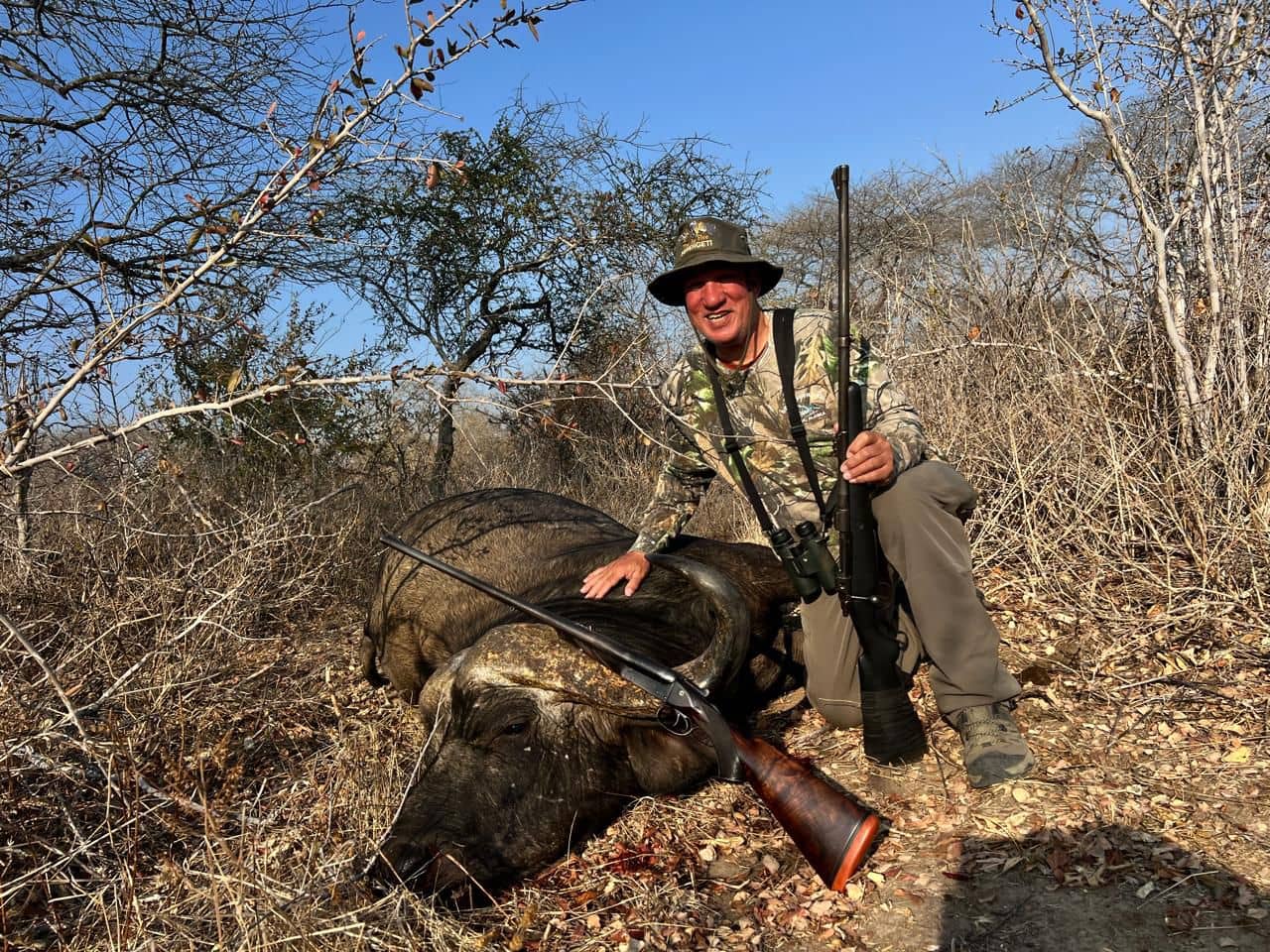
Following Mr Chapman’s Cape Buffalo Hunt in Lunda Nkwamb
View Expedition Details
Tsavo Kenya Safari, Home Of Africa’s Big Tuskers
View Expedition Details
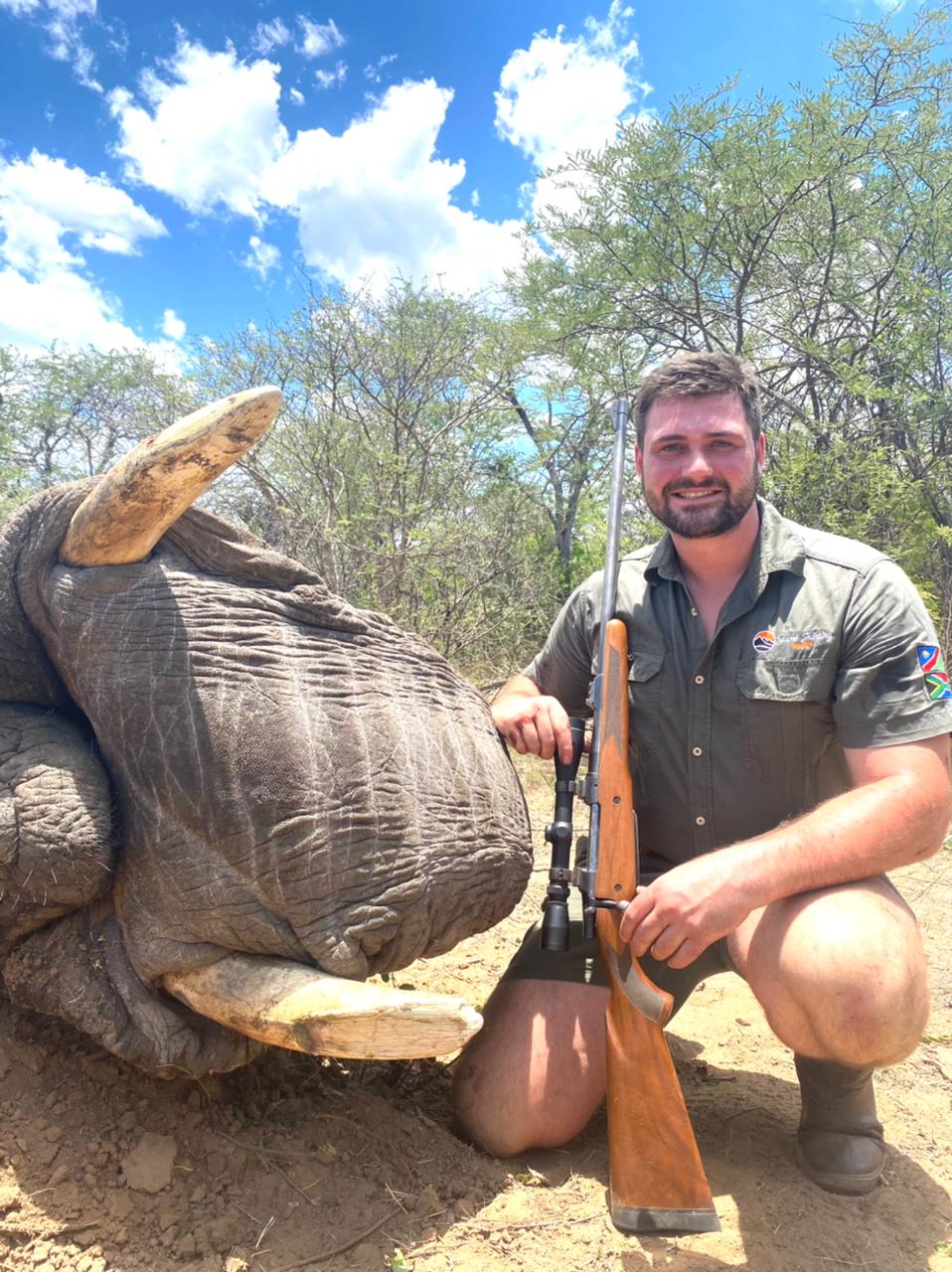
Problem Elephant Hunting Safari In Namibia
View Expedition Details
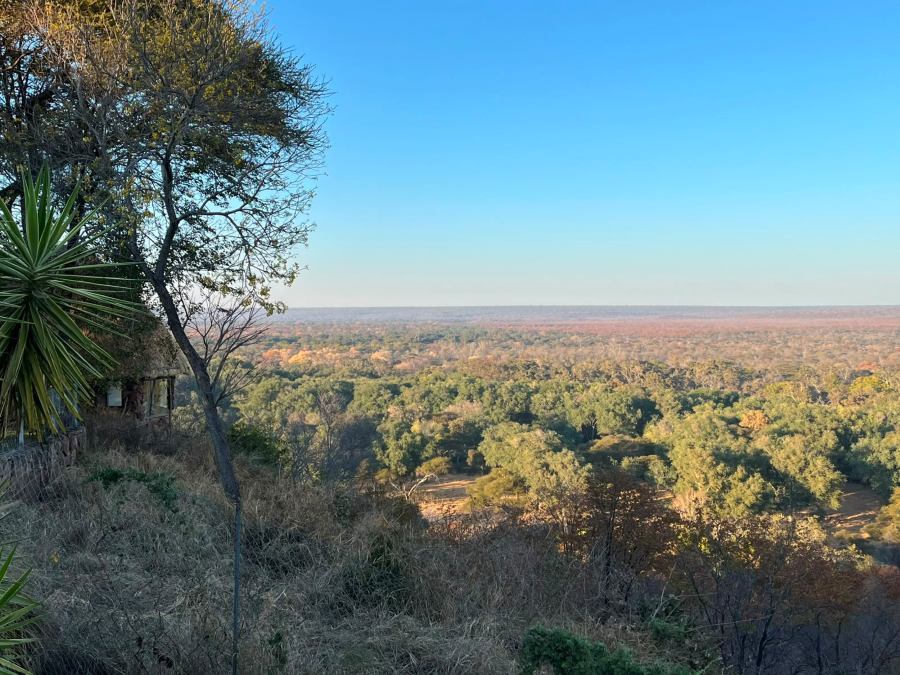
Exploring Zimbabwe's Matetsi, Gwayi & ECA Hunting Areas
View Expedition Details
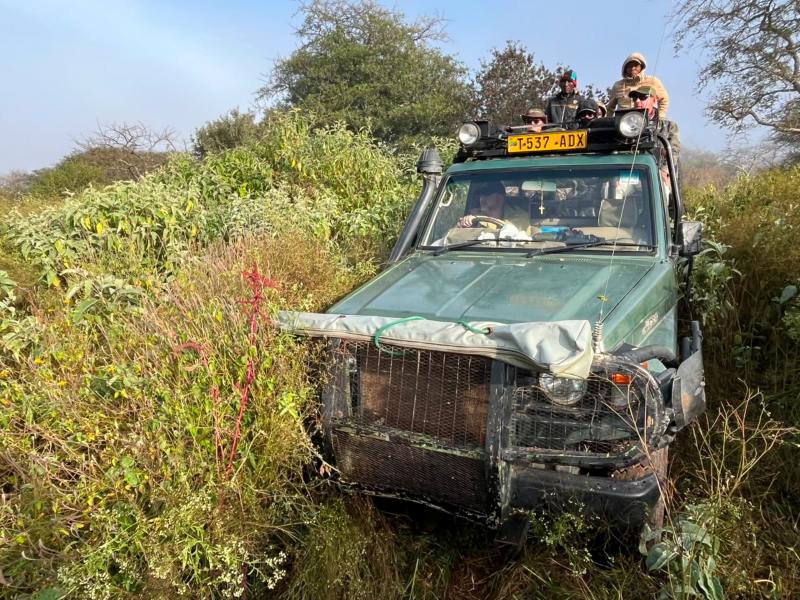
Exploring Tanzania's Simanjiro & Naberera Hunting Areas
View Expedition Details
Mozambique offers several distinct buffalo hunting areas, and the experience can change considerably between them. The Zambezi Delta and Niassa are the best-known examples, but there are other concessions worth considering.
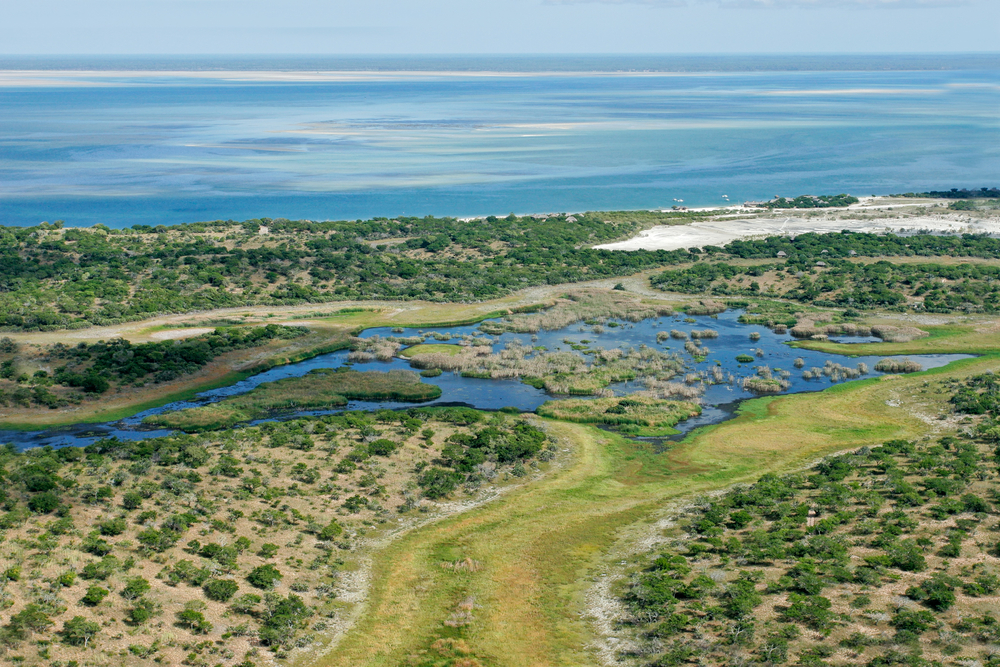
The Zambezi Delta is known for its substantial buffalo herds, particularly around Marromeu and the surrounding hunting concessions. Much of this country consists of floodplains, grasslands, reed beds and seasonal wetlands, with water levels influencing where buffalo move and how hunters reach them. Depending on the concession and conditions, a day's hunting may involve travelling by vehicle or boat before setting off on foot.
Finding buffalo and getting a suitable old bull are two different matters. Large herds can make identifying an individual bull difficult, particularly when animals are continually changing positions or disappearing into the reeds. Some stalks take place across relatively open floodplains, while others involve working through thick vegetation where visibility becomes limited. Hunters should not assume that every buffalo shot in the Delta will be at close range.
Niassa offers a different style of buffalo hunting. Its extensive woodland, river systems and remote concessions provide opportunities to track buffalo over considerable distances, often spending much of the day on foot. This is country where patience, good trackers and a willingness to cover ground can make a considerable difference.
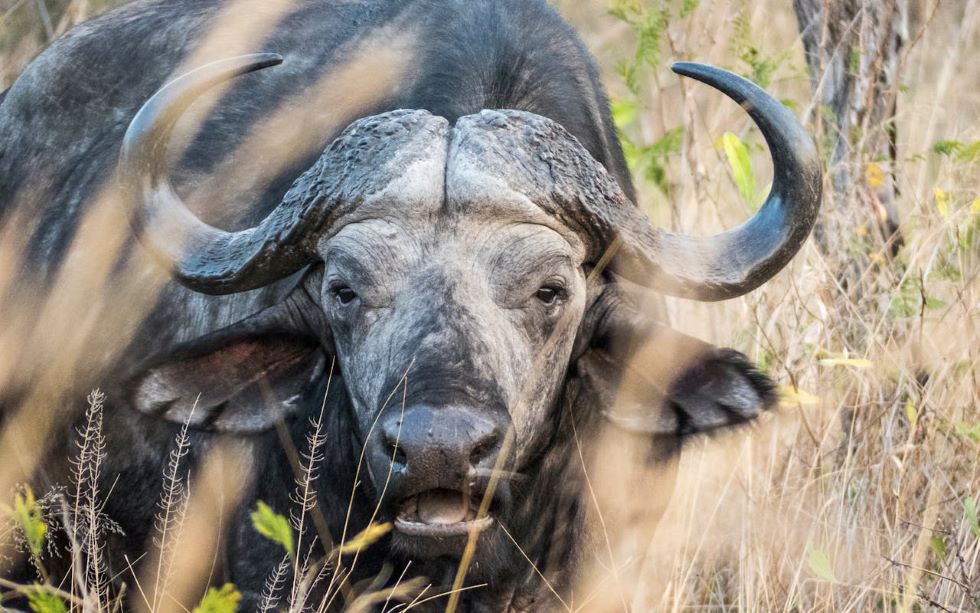
Niassa is also known for mature dagga boys, including older bulls carrying worn bosses and heavy, well-developed horns. For hunters who value the character and age of a buffalo more than a particular horn measurement, these bulls are part of the attraction.
We've hunted Cape buffalo in the Marromeu swamps, and that experience taught us not to make assumptions about how a hunt will unfold. Pierre went there expecting shots at 40 or 50 yards, only to find himself taking a shot at over 200 yards across the floodplains. The terrain, enormous buffalo herds and methods used to locate them were quite different from the woodland buffalo hunting Pierre was accustomed to.
It's a useful reminder that rifle choice and preparation should suit the actual hunting area, not simply the species. We've shared the full story, including a few lessons learned the hard way, in our buffalo hunting expedition in Marromeu, Mozambique .
Mozambique has a reputation for producing good, mature Cape buffalo, but hunters should be careful about judging a concession solely by the biggest bull taken there in recent years. Trophy quality varies between hunting areas, and the availability of older bulls depends on the particular concession and how it has been managed.
In Niassa, hunters may encounter old dagga boys with heavy, worn bosses and horns that show their age. The Zambezi Delta offers opportunities to hunt mature bulls among substantial buffalo herds, although identifying and separating the right animal can take patience.
Before booking, discuss your trophy expectations with the outfitter. If a particular horn measurement matters to you, say so. If your priority is an old, hard-bossed bull, make that equally clear. Recent photographs of buffalo taken in the actual concession, together with an honest assessment of what the area has been producing, are more useful than promises based on a region's reputation.
Many hunters travelling to Mozambique for Cape buffalo also consider adding another species to their safari. Depending on the concession and available quota, leopard, lion, hippo, crocodile and various plains game animals may be possibilities. However, an area offering excellent buffalo hunting will not necessarily have the other species you want available to hunt.
A buffalo and plains game safari is a different proposition from combining buffalo with leopard or lion. If you're considering big game hunting in Mozambique involving several dangerous game species, the safari may require considerably more hunting time, different hunting arrangements and additional trophy fees. Even adding hippo or crocodile can affect which concession is suitable and how the safari needs to be planned.
If you're considering more than buffalo, it's worth comparing our leopard hunting in Mozambique and lion hunting in Mozambique opportunities before choosing your hunting area. The important thing is to establish which species are actually available on quota and build the safari around your main objective.
A well-known hunting area does not automatically guarantee a good safari. Before booking, it is worth establishing who manages the concession, how long the operator has been hunting there and what recent buffalo hunting has been like. The reputation of Niassa or the Zambezi Delta tells you something about the wider region, but not necessarily about the particular block where you'll spend your hunting days.
Ask about recent buffalo sightings and hunting results, the number of buffalo safaris conducted each season, the availability of mature bulls and the professional hunter who will guide your hunt. Anti-poaching activity and wildlife management are also worth understanding, particularly in remote concessions where maintaining healthy game populations requires considerable effort.
The important thing is to compare the actual concession and hunting arrangements being offered, rather than relying on the reputation of a famous hunting region.
Getting to a buffalo hunting concession in Mozambique often requires more planning than the international flight itself. Most American hunters travel through Johannesburg before connecting to Mozambique, but reaching camp may involve another flight, a private charter or several hours on the road. Confirm the exact route with your outfitter, particularly whether transfers and any overnight accommodation are included in the safari price. Travel days should also be accounted for separately from your actual hunting days.
If you're bringing your own rifle, arrange the necessary import documentation well before departure. American hunters should also check their U.S. Customs Form 4457, airline firearm requirements and any transit arrangements. Your outfitter should be able to explain the documentation required for your particular journey, including the current Mozambique requirements.
Mozambique's hunting regulations place Cape buffalo in the Class IV rifle-ammunition category, with minimum bullet-weight and energy requirements. The .375 H&H Magnum is widely accepted by Mozambique dangerous-game outfitters, although the regulations also list other suitable cartridges. Before travelling, confirm that your particular rifle and ammunition meet the current requirements and are acceptable to your professional hunter. Rifle choice should also suit the hunting area: the thick woodland of Niassa and the open floodplains around Marromeu can present different shooting opportunities.
Finally, establish what the hunting conditions will demand physically. Discuss expected walking distances, terrain, temperatures and any limitations with your outfitter before booking. The objective is not simply to arrive fit, but to book a hunt that suits your abilities and gives you enough time in the field.
Mozambique's official hunting season runs from 1 April to 30 November, although hunters should confirm the applicable annual regulations and species quotas when booking. The best time for Cape buffalo hunting depends on the concession and local conditions.
In the Delta, water levels are particularly important. Early in the season, flooded ground can restrict access to certain hunting areas, while receding water later in the year may make it easier to reach buffalo on foot. Conditions can change from one season to the next, however, and hunters should discuss current water levels and access arrangements with the outfitter rather than assuming the same dates will produce identical hunting conditions every year.
In Niassa, the progression of the dry season affects vegetation, tracking conditions and the availability of water. Later in the season, reduced vegetation may improve visibility, although temperatures can also become demanding during long days on foot. Before choosing dates, ask your outfitter when the particular concession has historically offered its best buffalo hunting and whether those dates suit the type of safari you have in mind.
Mozambique is well suited to hunters looking for a free-range buffalo safari where tracking, time on foot and the experience of hunting remote country are important parts of the trip. It may be less suitable for someone wanting a shorter hunt, easier access to camp or a wider selection of plains game alongside their buffalo.
Choosing between Niassa, the Zambezi Delta and other hunting concessions comes down to more than the country’s reputation. Consider how much time you have available, the type of terrain you want to hunt, your physical capabilities and what you expect from your buffalo trophy. Those decisions should guide your choice of concession and outfitter.
If you're considering Mozambique, contact Game Hunting Safaris with your preferred dates, approximate budget and hunting priorities. We'll help you compare suitable buffalo hunting opportunities and work through the practical details before you commit.
If you're still weighing up destinations, our African Hunting Trips page provides a broader selection of safaris across Africa.
Search from our range of Hunts across various popular destinations in Africa.
Book Your Hunt