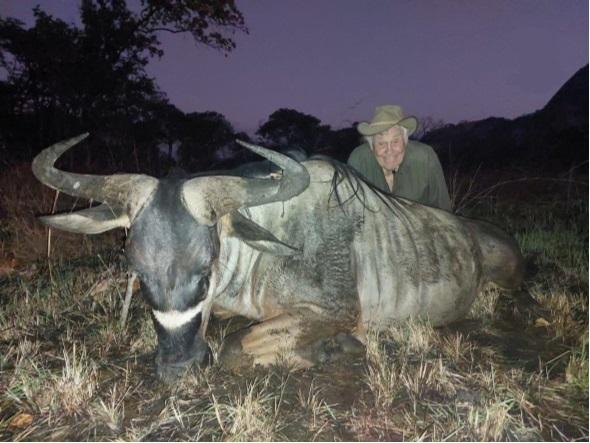
Cape Buffalo, Roosevelt Sable & Niassa Wildebeest Hunt in Mozambique
Booking Season: 2026
Hunt Difficulty: Difficult

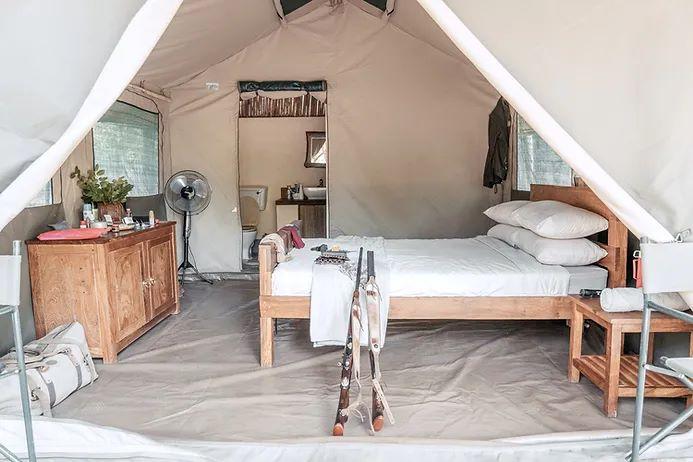
Luxury East African safari camp with spacious en-suite tents, excellent meals, daily laundry service, reliable solar power, and attentive camp staff deep within the Niassa wilderness.
Vast unfenced miombo woodland, river forests, open floodplains, and dense bushveld, with dangerous game hunted primarily on foot across more than three million acres.
| Fence Type: | Free-range |
| Nearest Airport Name: | Pemba Airport (POL), Mozambique |
| Transfer From Airport: | Yes |
| Air Charter Available: | Yes |
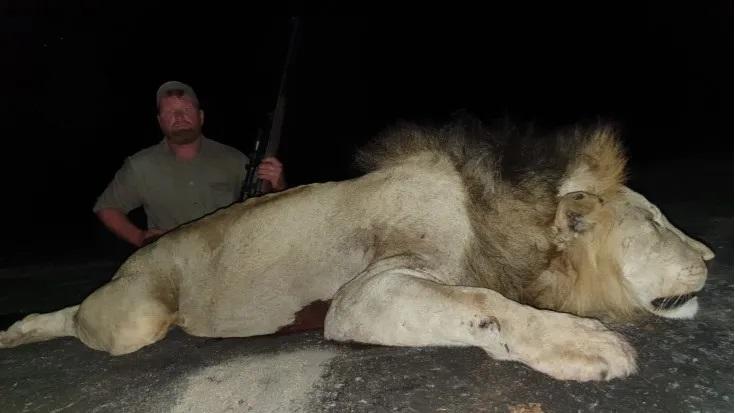
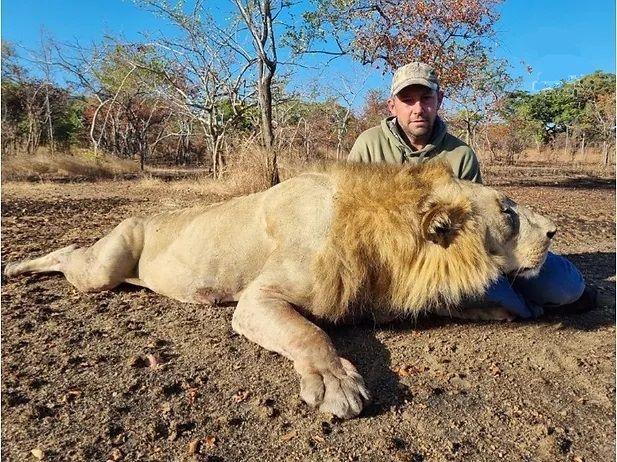
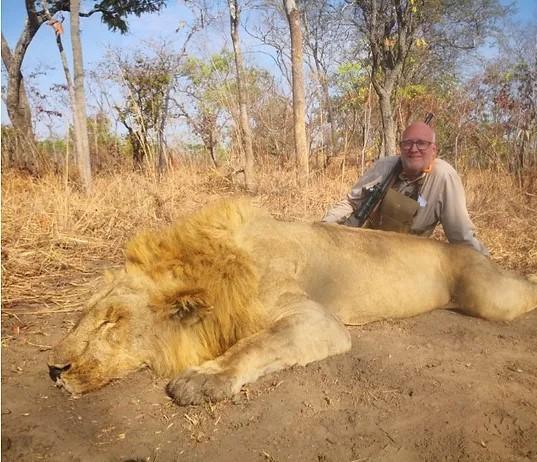
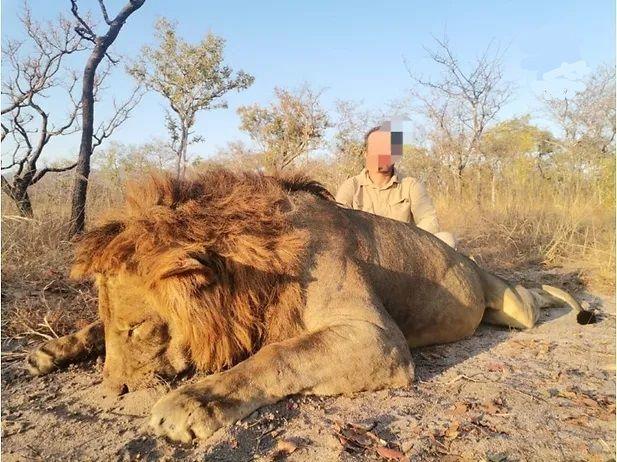
This 21-day Niassa safari is built for hunters looking for a serious full-bag dangerous game hunt in Mozambique. It includes lion hunts in big, wild country where tracking and patience matter from day one.
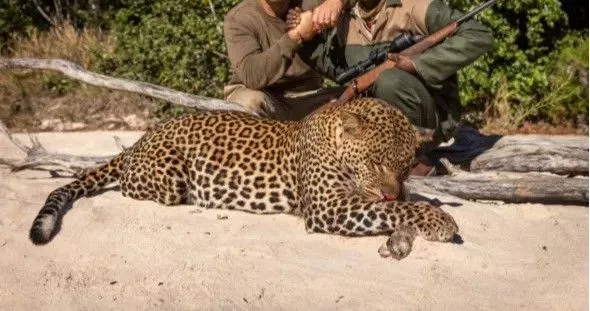
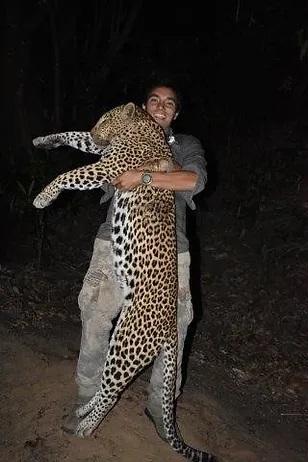
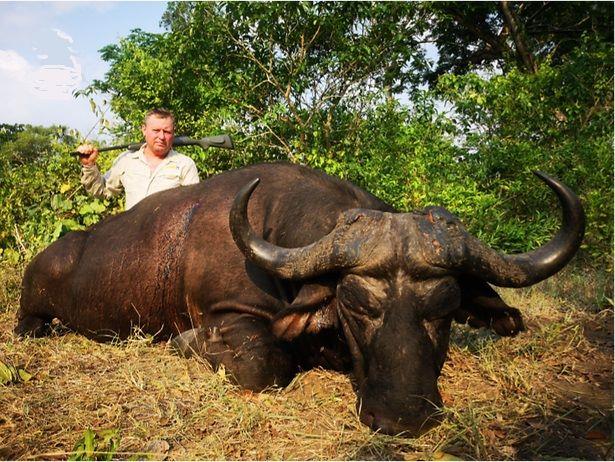
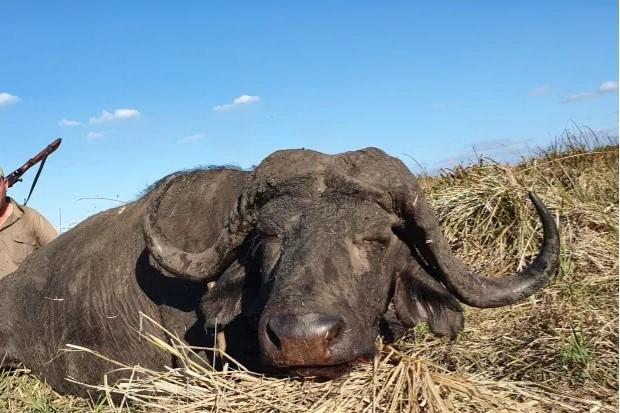
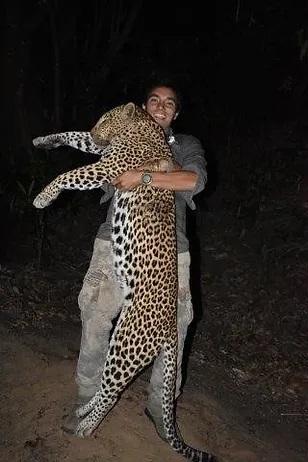
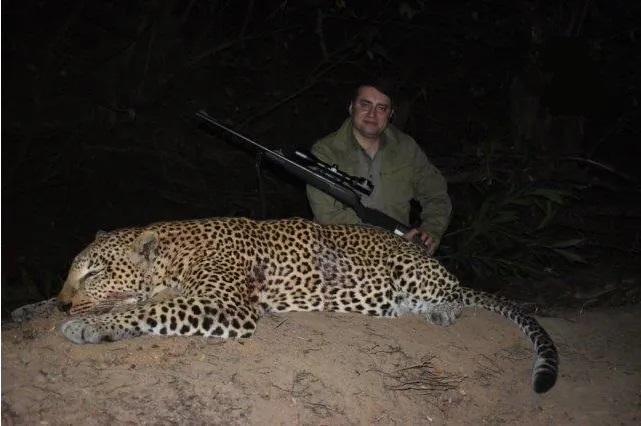
The safari also includes leopard hunts, with bait work, trail cameras, and long hours in the blind all part of the process. Cape buffalo hunts add the tracking element on foot, with old dagga boys doing what they do best, usually not making things easy.
Duration: 21 Full Hunting Days
Hunter Ratio: 1 Hunter : 1 Professional Hunter (1×1)
Species: Lion, Leopard & Cape Buffalo
Safari Price: US$97,150 (Trophy Fees Included)
Observers: Welcome at US$350 per person per day
Hunting Season: 1 April – 30 November
Export Status: Lion, Leopard, and Cape Buffalo trophies from Mozambique are currently exportable to the United States and the European Union.
The "Full Bag" Big Game Hunt in Mozambique
This 21-day safari takes place in northern Mozambique’s Niassa Province, one of Africa’s largest and most remote hunting areas. The hunt combines lion, leopard, and Cape buffalo in unfenced country where tracking, bait work, and time in the field matter. It forms part of our wider hunting in Mozambique offering, with trophies fully exportable to the USA and EU.
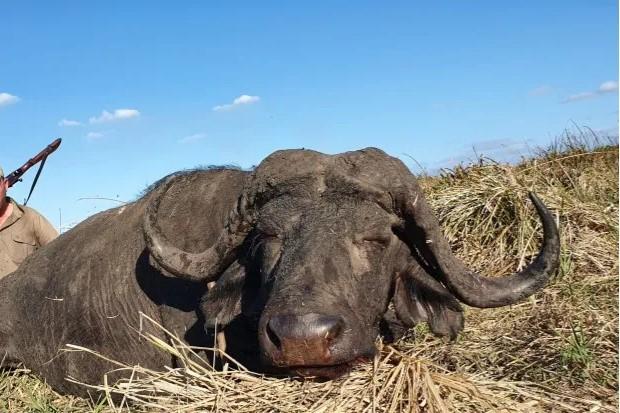
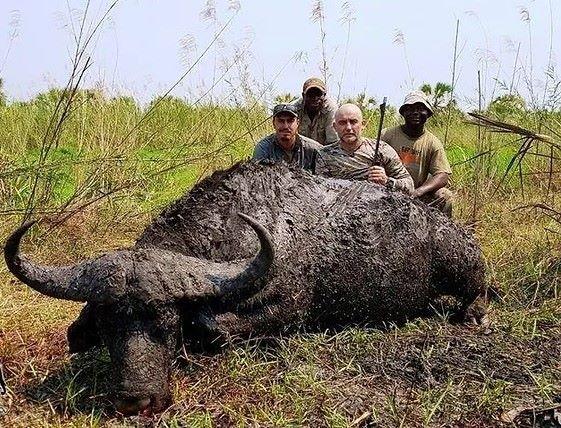
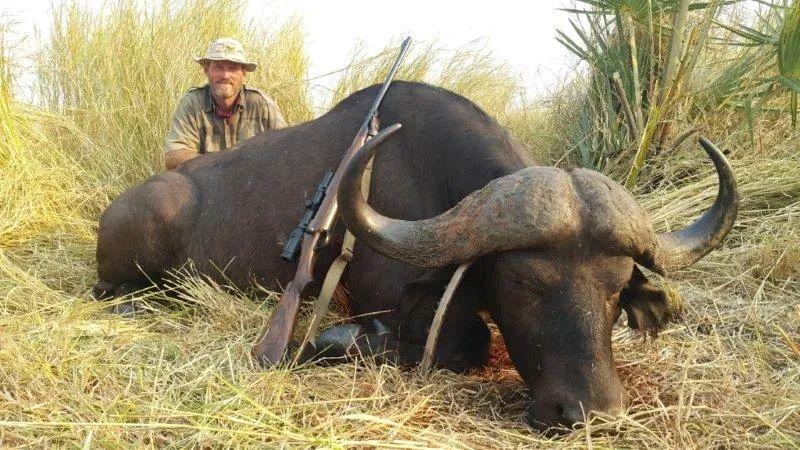
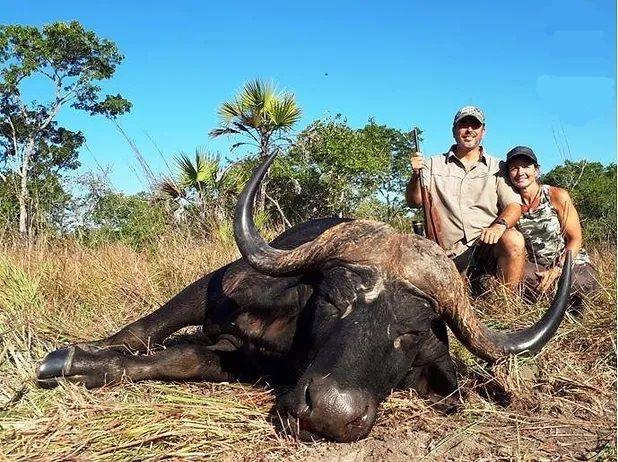
Niassa is known for strong trophy quality, including big cats and Cape buffalo. Mature dagga boys are a major part of this safari, and a second Cape buffalo can be added at a trophy fee of US$ 8,000. They are not called “widow makers” because they are charming conversationalists.
These are wild, dangerous animals, so hunters should understand proper shot placement for hunting game in Africa before arriving in camp. They should also be comfortable with their rifle and ready to follow the PH’s instruction in the field.
The Niassa Reserve is well managed, with moderate quota allocations and age-appropriate harvesting. The hunting areas are remote, with very little human activity, and the reserve borders Tanzania to the north. At more than 26,000 square miles, Niassa is the largest conservation area in Mozambique. Niassa is part of the same broader ecosystem as Tanzania’s famous Selous region, giving it a similar wild, old-Africa feel without needing to dress it up too much.
This is a strong option for hunters comparing dangerous game hunting in Mozambique, especially if they want lion, leopard, and buffalo in one remote safari.
The African Outfitter
Grant and his team have been operating since 2005 and are well known in the hunting industry. They manage concessions in several parts of Mozambique and have strong experience in dangerous game hunting, especially in remote areas like Niassa.
Niassa also offers a good variety of plains game, from larger antelope to tiny ten species and specialty animals such as spotted hyena. This is a well-run hunting operation with a team that understands both the logistics and the field work needed for a proper safari.
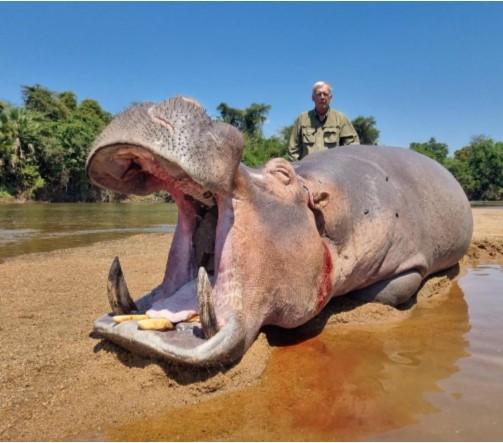
Grant also offers crocodile and hippo hunts in the Lake Cahora Bassa area, which is fed by the Zambezi River. These hunts are usually available during April, May, and June.
The big game hunting season in Mozambique runs from 1 April to 30 November.
Niassa Province
In Niassa, there are not any fences or borders, and this outfitter has access to more than 3 million acres of hunting rights. The terrain is a mixture of Miombo woodlands, river forests, open grasslands and floodplains.
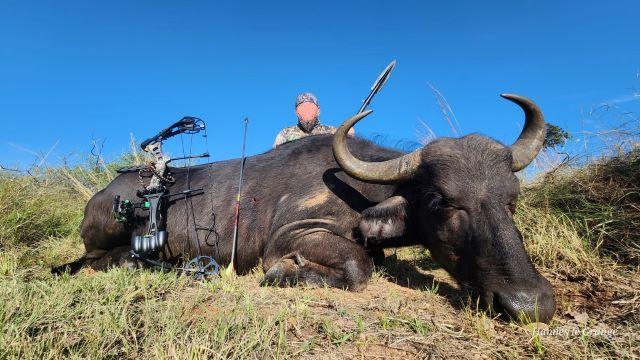
Cape buffalo are hunted on foot, following fresh tracks through the wilderness. For hunters interested in buffalo hunting in Mozambique, this is exactly the kind of country where tracking, patience, and a steady nerve matter.
Lion are hunted by baiting selected areas across the concession, with tracks, trail cameras, and local knowledge guiding the process. For lion hunting in Mozambique, Niassa offers the kind of big, remote country where time in the field makes a real difference.
Leopard follow a similar baiting process, but with their own set of frustrations, habits, and late-night opinions. Leopard hunting in Mozambique takes patience, good bait placement, and the ability to sit quietly when every noise suddenly sounds suspicious. For hunters wanting a true leopard hunting safari in Mozambique, Niassa offers the space, cover, and time needed to do the hunt properly.
Niassa also boasts healthy populations of Lichtenstein’s Hartebeest, Zebra (Bhoem’s), Livingstone Eland. Sable, Kudu, Nyala, Waterbuck, Bushbuck (Chobe) and tiny ten members, Duiker (red/blue and Grey), Sharpes Grysbok and the infamous Niassa Wildebeest are also available. All these antelope can be added to the hunting safari for an additional trophy fee.
Few dangerous game safaris demand as much adaptability as pursuing lion, leopard, and Cape buffalo during the same expedition. Although all three species share the same wilderness, they require completely different approaches, and hunters quickly learn that yesterday's success often has little bearing on tomorrow's challenge.
Lion hunting rewards patience and discipline. Days may be spent checking baits, reading tracks, and waiting for the right mature male to commit before an opportunity presents itself. Leopard hunting asks even more of a hunter's patience, where careful bait placement, attention to detail, and long hours in the blind often determine success. Buffalo hunting changes the pace completely, replacing stillness with miles of tracking on foot through thick miombo woodland, where every fresh spoor has the potential to end in a close encounter.
One day may test your patience. The next may test your nerve. By the end of three weeks in Niassa, most hunters discover that the greatest challenge was never the animals themselves, but learning to think differently each day as the safari unfolds. It is not simply about collecting three remarkable trophies. It is about mastering three entirely different styles of dangerous game hunting in one of Africa's last truly wild ecosystems.
Trophy Fees for Popular Plains Game/Specialty Species
Travelling to Niassa in Mozambique
Hunters usually fly into OR Tambo International Airport in South Africa, then connect with Airlink to Pemba, Mozambique. The flight from Johannesburg to Pemba takes about two hours.
On arrival in Pemba, a charter flight is arranged with the outfitter to take you directly to the hunting lodge. The Niassa hunting areas are remote and rugged, so road transport to camp is not practical, unless you enjoy turning travel days into character-building exercises.
The return charter is approximately US$ 5,000, subject to change, and may be reduced if shared with other hunters. The charter should be booked at least two months in advance and must be paid either in cash on the day of the flight or by pre-paid transfer.
The Hunting Lodge
Each camp has comfortable safari tents with en-suite bathrooms and hot and cold running water. Power is supplied by solar systems or generators, and camps are equipped with high-speed satellite internet and the essentials needed for a comfortable stay.
Daily laundry is included. Each camp also has an Iridium satellite phone for emergencies. Hunters who want regular contact with home may choose to hire a satellite phone before the safari, although some camps do have cell signal and data coverage.
Few hunting destinations still offer the opportunity to pursue free-range lion, leopard, and Cape buffalo during a single safari. Niassa remains one of those rare places where dangerous game is hunted across millions of acres of unfenced wilderness, with every opportunity earned through patient tracking, careful planning, and time spent in the field.
For hunters comparing different African Hunting Trips, this safari represents one of the continent's most complete dangerous game combinations. It brings together two iconic Big Five species, one of Africa's most elusive cats, and the type of wilderness that has become increasingly difficult to find. Every day offers a different challenge, whether checking lion baits, waiting for a mature leopard to appear, or following the tracks of an old Dagga Boy through the miombo woodland.
If you're still comparing destinations or planning your budget, our guide to African Hunting Safari Prices explains how daily rates, trophy fees, travel costs, and hunting areas influence the overall investment. For hunters who value authentic wilderness, experienced Professional Hunters, and traditional fair-chase dangerous game hunting, Niassa remains one of Africa's finest safari destinations.
Please note that terms, conditions and price are subject to change without notice and rates at the time of the hunt will apply
You can speak directly with the outfitter before booking. GHS remains available throughout the process.
Needing assistance with firearm permits and international travel services, or good taxidermists? View our affiliated companies
View Affiliated Services