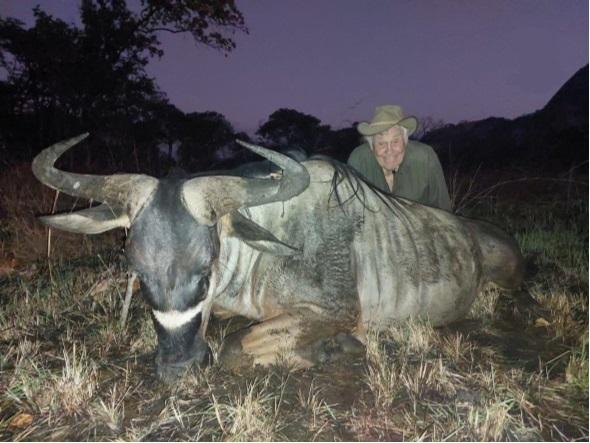
Cape Buffalo, Roosevelt Sable & Niassa Wildebeest Hunt in Mozambique
Booking Season: 2026
Hunt Difficulty: Difficult

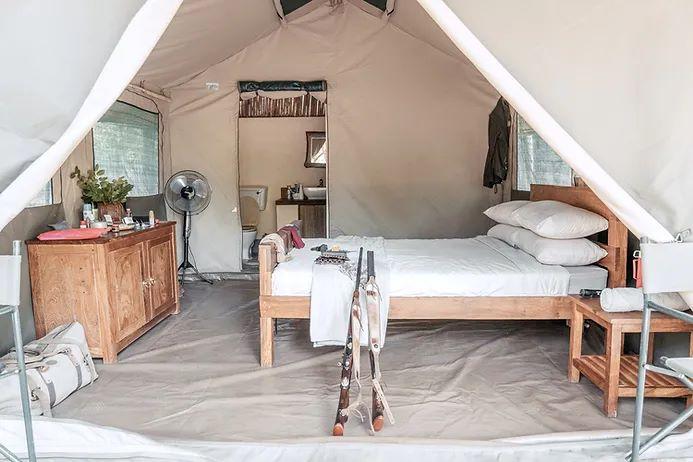
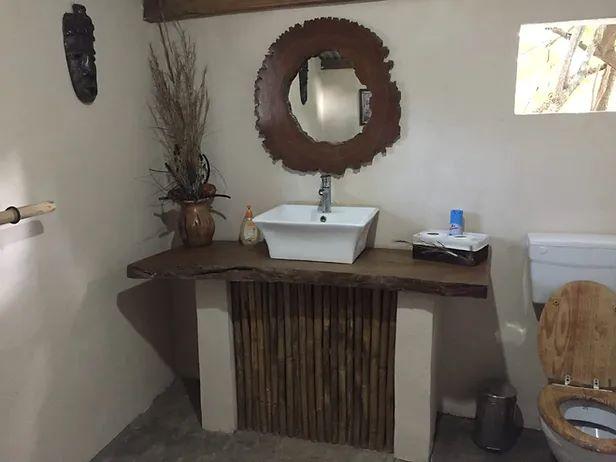
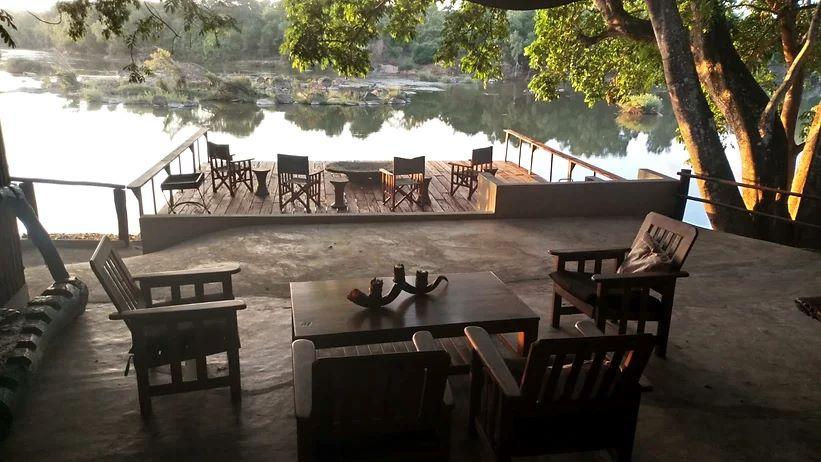
Accommodation in Niassa is comfortable without taking away from the wilderness experience. Hunters stay in well-appointed safari tents with private bathrooms, hot and cold running water, daily laundry service, and reliable power supplied by solar systems or generators.
The Niassa landscape is a diverse mix of Miombo woodland, riverine forests, open floodplains, and thick bushveld. This varied terrain creates ideal habitat for both leopard and Cape buffalo while providing hunters with a challenging and authentic free-range hunting experience.
| Fence Type: | Free-range |
| Nearest Airport Name: | Home → Johannesburg (OR Tambo) → Pemba, Mozambique → Charter Flight → Niassa Camp |
| Air Charter Available: | Yes |
Niassa is one of the last places in Africa where a hunter can still experience dangerous game hunting on a truly wild scale.
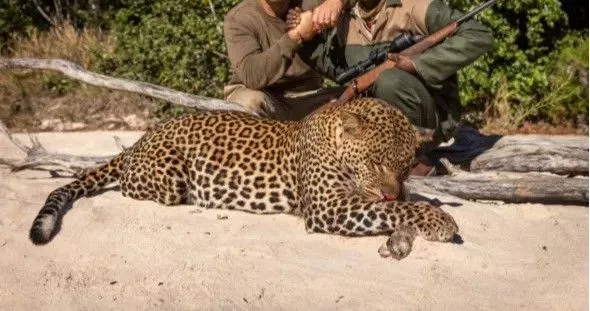
This 14-day leopard and Cape buffalo safari takes place in northern Mozambique's Niassa Province, a vast unfenced wilderness bordering Tanzania. With millions of acres of free-range hunting concessions, low hunting pressure, and healthy populations of both leopard and buffalo, Niassa has earned a reputation as one of Africa's premier destinations for leopard hunting in Mozambique.
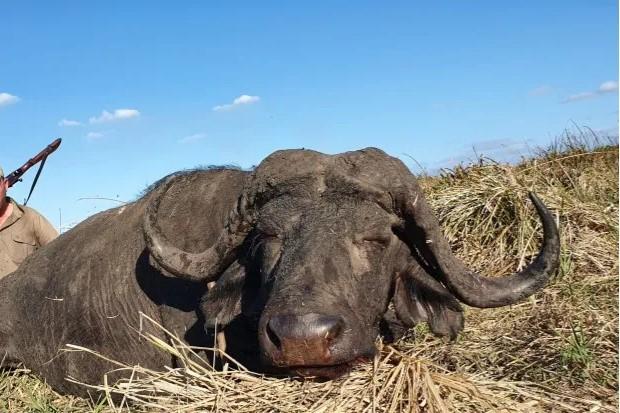
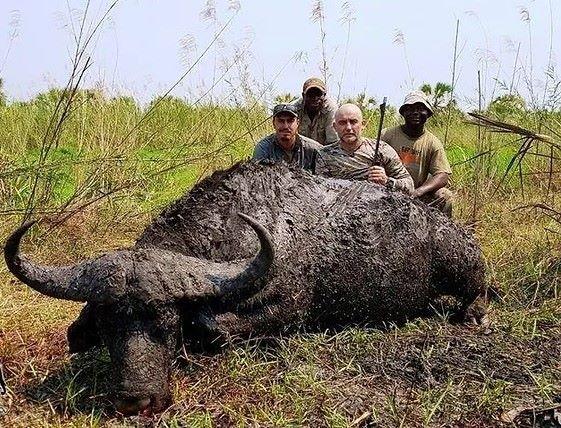
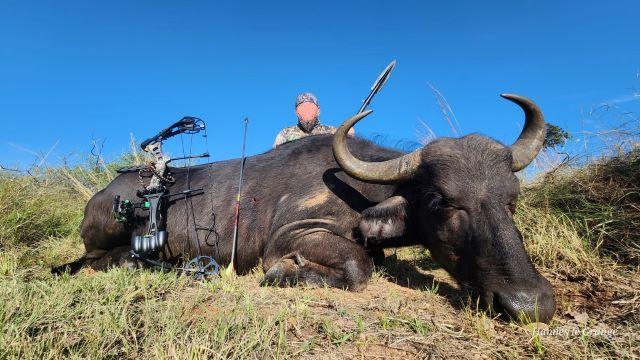
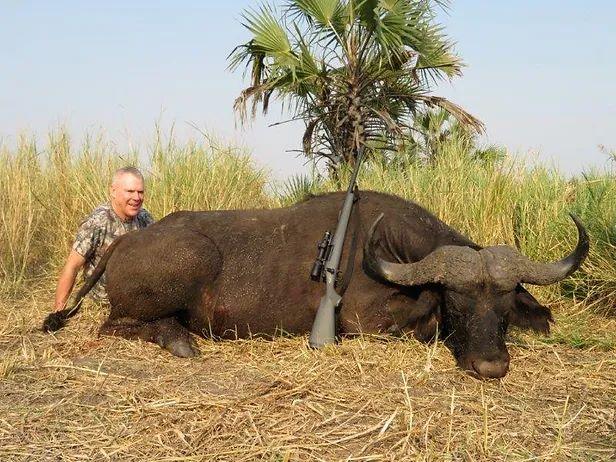
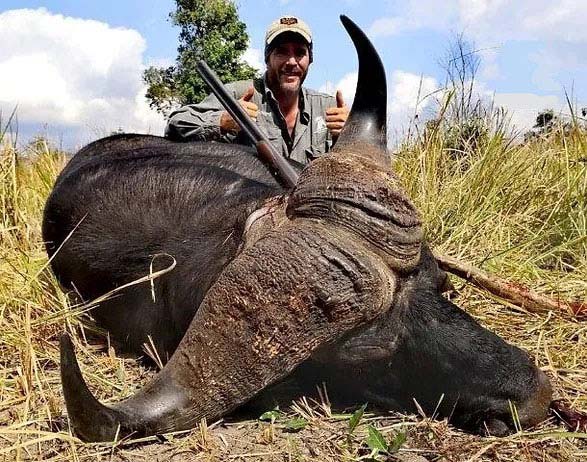
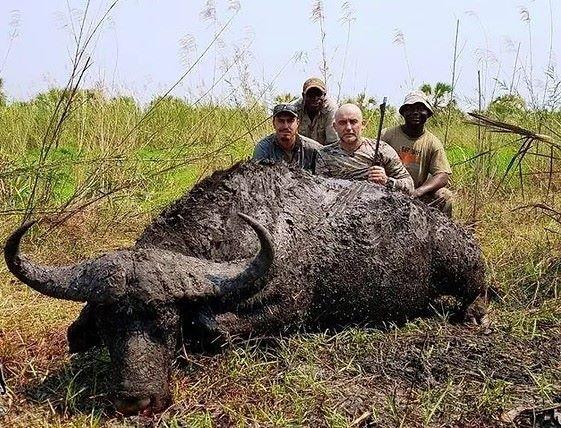
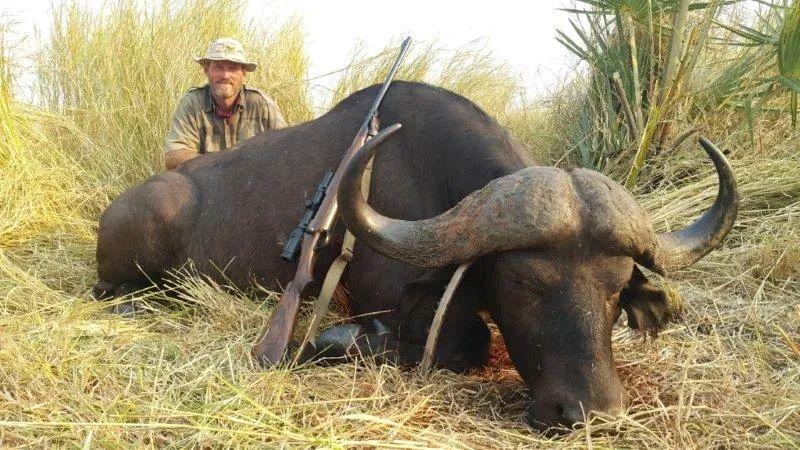
Buffalo hunting here is conducted on foot, tracking old dagga bulls through Miombo woodland, river systems, and open floodplains. Hunters pursuing Cape buffalo in Niassa can expect long days on fresh tracks, often covering significant ground before finding the right old bull.
For hunters looking for an authentic dangerous game experience rather than a managed ranch hunt, few areas in Africa can match what Niassa offers. Encounters with elephant, sable, kudu, zebra, and other plains game are common, and every day in camp feels like a genuine wilderness safari. For those considering hunting in Mozambique, Niassa remains one of the continent's last great free-range hunting destinations.
14-Day Leopard and Cape Buffalo Hunt
US$ 39,350 per hunter
This safari includes a leopard trophy fee, one Cape buffalo trophy fee, accommodation, meals, laundry service, local beverages, hunting vehicles, professional hunting staff, field preparation of trophies, government hunting licence fees, community levies, and transport of trophies for export.
Observers are welcome at US$ 250 per day.
Hunters wishing to pursue a second Cape buffalo may do so for an additional trophy fee of US$ 8,000.
Often referred to as Africa's "Black Death," old dagga bulls are renowned for their unpredictable temperament and are among the most respected dangerous game animals on the continent.
The following costs are not included in the safari price:
The Niassa hunting concession is one of Africa's last truly wild hunting areas. Covering millions of acres of unfenced wilderness in northern Mozambique, it offers the type of free-range dangerous game hunting that has become increasingly difficult to find elsewhere on the continent.
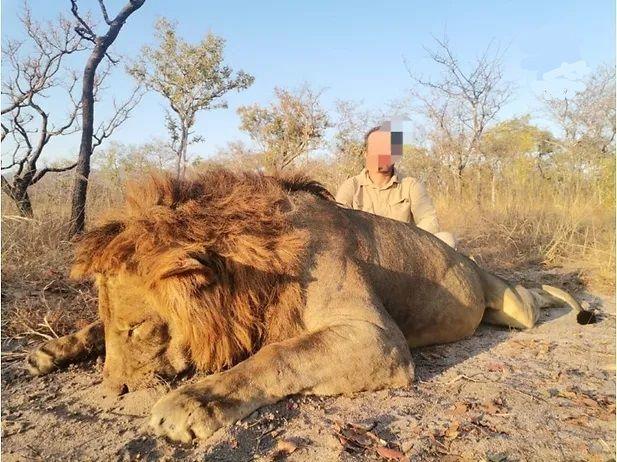
Bordering Tanzania and sharing many characteristics with the famous Selous ecosystem, Niassa supports healthy populations of leopard, Cape buffalo, elephant, sable, kudu, zebra, and numerous other plains game species. Hunting pressure remains low, and the vastness of the area allows wildlife to behave naturally, creating an authentic safari experience.
The terrain is a mixture of Miombo woodland, river systems, open floodplains, and thick cover. This variety provides ideal habitat for both buffalo and leopard while also producing excellent opportunities for hunters wishing to add plains game species to their safari.
Unlike many modern hunting destinations, there are no game fences, artificial boundaries, or confined hunting areas. Every hunt takes place in genuine wilderness where tracking skills, patience, and fieldcraft remain essential parts of the experience.
For American and international hunters, Niassa represents the Africa they have dreamed about for years. Vast unfenced hunting concessions, free-range dangerous game, traditional tracking on foot, and low hunting pressure combine to create an experience that feels increasingly rare in the modern hunting world. Hunters looking for an authentic African safari rather than a managed ranch hunt often place Niassa at the top of their bucket list.
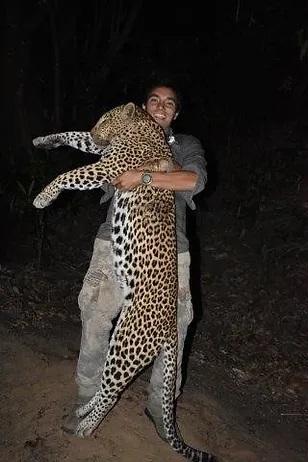
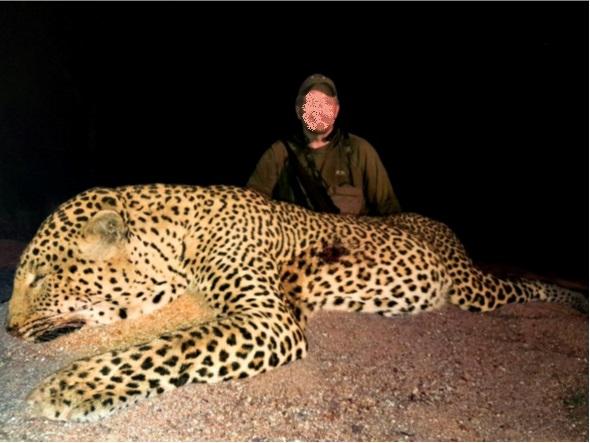
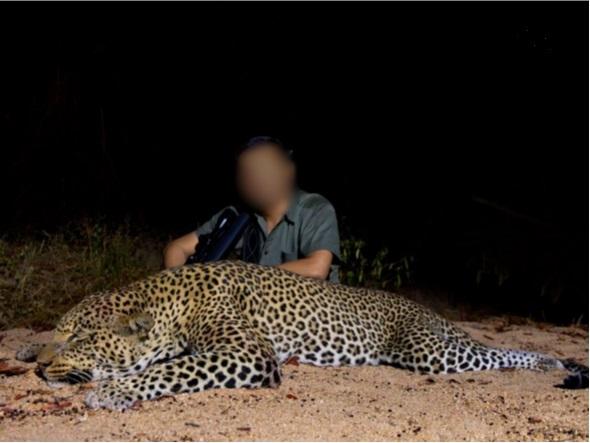
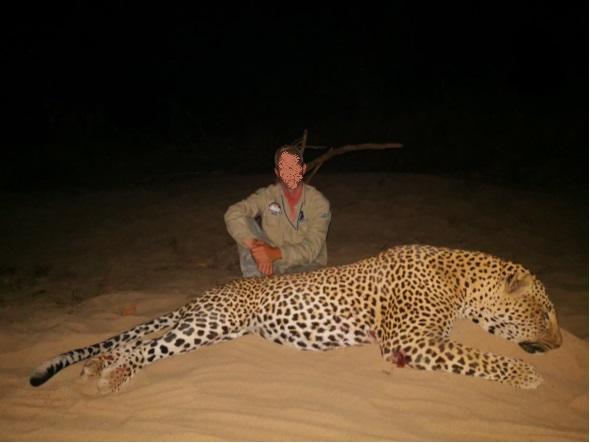
Niassa has earned a reputation as one of Africa's premier destinations for leopard hunting in Mozambique. The combination of vast wilderness, low human pressure, and healthy prey populations creates ideal conditions for mature toms to reach exceptional age and size.
Unlike many dangerous game hunts, leopard hunting is rarely a test of physical endurance. It is a test of patience.
The process begins with identifying active leopard areas and establishing bait sites throughout the concession. Trail cameras and track inspections help determine which cats are regularly using an area and, more importantly, whether the tracks belong to a mature tom worth pursuing.
Once a suitable leopard is located, the pace of the hunt changes completely. Days can be spent checking baits, studying tracks, and waiting for a cat to make a mistake. Hunters quickly learn that success is often determined by patience and discipline rather than miles walked.
What makes Niassa particularly appealing is the scale of the concession. These are free-range leopards moving through an enormous wilderness area, not animals restricted by fences or artificial boundaries. Every leopard encounter is earned.
When the moment finally comes, it usually happens quickly. A few seconds of hesitation can be the difference between success and another long night in the blind. In the thick cover commonly found around bait sites, a mature tom may only present a narrow shooting window before melting back into the darkness. Good leopard shot placement is critical, and experienced hunters know that waiting for the right angle is often more important than taking the first opportunity presented.
For many hunters, that combination of preparation, anticipation, patience, and intensity is what makes leopard hunting one of Africa's most addictive pursuits.
For many hunters, Cape buffalo remain the ultimate dangerous game animal. They are tough, unpredictable, and have an uncanny ability to disappear into thick cover despite weighing close to a ton.
Hunters pursuing Cape buffalo hunts in Niassa should expect a traditional safari experience built around tracking on foot. Fresh spoor is located at first light and the day often unfolds behind experienced trackers as they follow a herd or old dagga bull through Miombo woodland, river systems, and thick cover.
This is not a hunt conducted from the back of a vehicle, nor is it a hunt where shots are commonly taken at long range. Encounters can develop quickly and often at surprisingly close distances. A buffalo bull standing broadside at 10 or 20 yards has a way of making even experienced hunters pay very close attention to the sights of their rifle.
Many hunters choose to carry classic dangerous game calibres such as a .470 Nitro Express, .500 Nitro Express, or a trusted bolt-action rifle chambered in .416 Rigby or .458 Lott. In terrain like Niassa, where visibility can be limited and follow-up shots may need to be delivered quickly, reliable equipment and confidence in your rifle matter.
Buffalo hunting in northern Mozambique can also be physically demanding. Temperatures can be high, tsetse flies are a constant companion, and tracking may require covering several miles in a day. Hunters should arrive in reasonable physical condition and be prepared for long periods on foot through uneven terrain.
When an opportunity finally presents itself, there is little room for error. Sweat in your eyes, tsetse flies buzzing around your face, a racing heartbeat, and a buffalo bull staring directly through you are all part of the experience. The hunters who enjoy Niassa most are usually those who appreciate the challenge as much as the trophy itself.
Shot placement becomes particularly important when hunting buffalo in thick cover. Unlike open-country hunts where there may be time to settle in behind the rifle, opportunities in Niassa often develop quickly and at close range. Hunters should be comfortable shooting off sticks and understand the vital anatomy of a buffalo from multiple angles. A well-placed first shot is the goal on every dangerous game hunt, especially when following a wounded bull into thick cover is the alternative. Hunters unfamiliar with Cape buffalo shot placement should spend time preparing before arriving in camp.
For sportsmen seeking the type of buffalo hunting that helped build Africa's reputation generations ago, Niassa remains one of the few places where that experience can still be found.
While leopard and Cape buffalo are the primary focus of this safari, Niassa also offers some exceptional plains game hunting opportunities for hunters wishing to add additional species to their trophy list.
Several of the animals found here are not commonly encountered in southern African hunting destinations. Species such as the Roosevelt Sable Hunts (US$5,000), Böhm's Zebra Hunts (US$3,200), Lichtenstein's Hartebeest (US$3,200), Livingstone Eland, Chobe Bushbuck, Sharpe's Grysbok (US$1,100), and Livingston's Suni (US$1,500) give hunters the opportunity to pursue animals that are seldom available outside specific regions of East and Central Africa.
The Roosevelt sable is considered by many hunters to be one of Africa's most beautiful antelope species, combining impressive horn length with striking dark coloration. Böhm's zebra, another regional specialty, is rarely encountered outside northern Mozambique and neighbouring Tanzania, making it a unique addition to any African trophy room.
Other popular additions include Greater Kudu (US$3,500), Waterbuck (US$3,000), Warthog (US$750), and Spotted Hyena (US$1,750). Healthy populations of nyala, bushbuck, duiker, grysbok, and other plains game species further add to the appeal of hunting in this remote corner of Mozambique.
For hunters already investing the time and expense required to reach Niassa, adding one or two of these unique species can turn an outstanding dangerous game safari into a truly exceptional African hunting experience.
Reaching Niassa is part of the adventure. Most international hunters fly into Johannesburg, South Africa, before connecting to Pemba, Mozambique on a scheduled commercial flight. From Pemba, a charter flight arranged by your outfitter will transfer you directly into the hunting concession.
Because of the remoteness of the area, road travel to camp is generally not practical. Charter costs are approximately US$5,000 return (subject to change) and can often be shared when multiple hunters are travelling together. Charter arrangements should be confirmed well in advance of the safari.
Once in camp, hunters can expect comfortable safari-style accommodation designed for life in the African bush. Spacious safari tents feature private bathrooms, hot and cold running water, daily laundry service, and reliable power supplied by generators or solar systems.
Despite the remote location, most camps offer satellite internet access, while emergency communications are available through satellite phones. Some areas may also have limited cellular coverage depending on location.
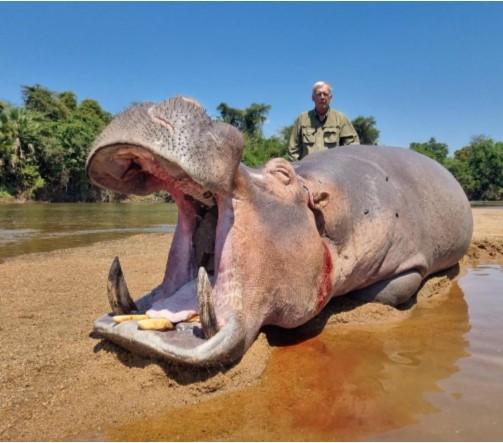
One of the attractions of hunting in Mozambique is the variety of opportunities available throughout the country. Hunters interested in extending their African safari may wish to consider adding a crocodile hunting in Mozambique or hippo hunts experience on a future trip. The famous Cahora Bassa region on the Zambezi River has earned an international reputation for producing exceptional Nile crocodiles and hippos, with some crocodiles exceeding 16 feet in length.
Whether sitting around the campfire after a successful day on buffalo spoor or discussing the previous evening's leopard activity over dinner, camp life in Niassa remains one of the highlights of the safari experience.
This safari is designed for hunters looking for a traditional African dangerous game experience rather than a highly managed hunting environment.
Niassa is best suited to hunters who enjoy tracking on foot, spending long days in the field, and embracing the uncertainty that comes with hunting truly wild animals. Success here is not measured only by trophies but also by the experience of following buffalo spoor through remote wilderness, waiting patiently for a mature leopard to commit to a bait, and sharing stories around the campfire at the end of the day.
The hunt can be physically demanding at times. Buffalo hunting often requires several miles of walking through uneven terrain, while temperatures, humidity, and tsetse flies are all part of daily life in northern Mozambique. Hunters should arrive in reasonable physical condition and comfortable shooting from sticks at realistic hunting distances.
This safari may not be the best fit for hunters seeking easy hunting, short walks, or guaranteed opportunities. It is, however, an excellent choice for those who value authentic free-range hunting and want to experience one of Africa's last great wilderness areas.
For hunters who have always dreamed of pursuing leopard and Cape buffalo the traditional way, Niassa remains one of the finest dangerous game destinations on the continent.
If you have questions about this leopard and Cape buffalo hunt in Niassa, Mozambique, contact the team at Game Hunting Safaris.
Please note that terms, conditions and price are subject to change without notice and rates at the time of the hunt will apply
Needing assistance with firearm permits and international travel services, or good taxidermists? View our affiliated companies
View Affiliated Services