10x African Plains Game Trophies in 10 Days in Limpopo, SA
Booking Season: 2026
Hunt Difficulty: Moderate, Difficult

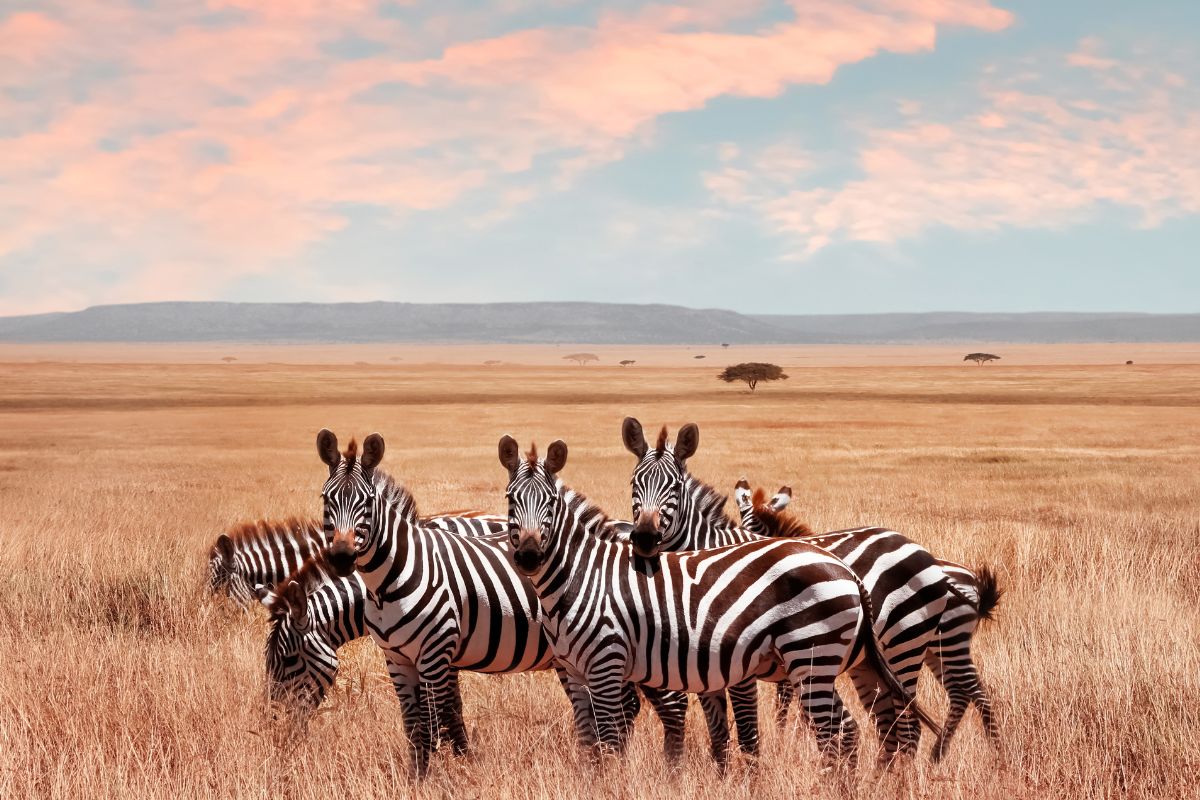
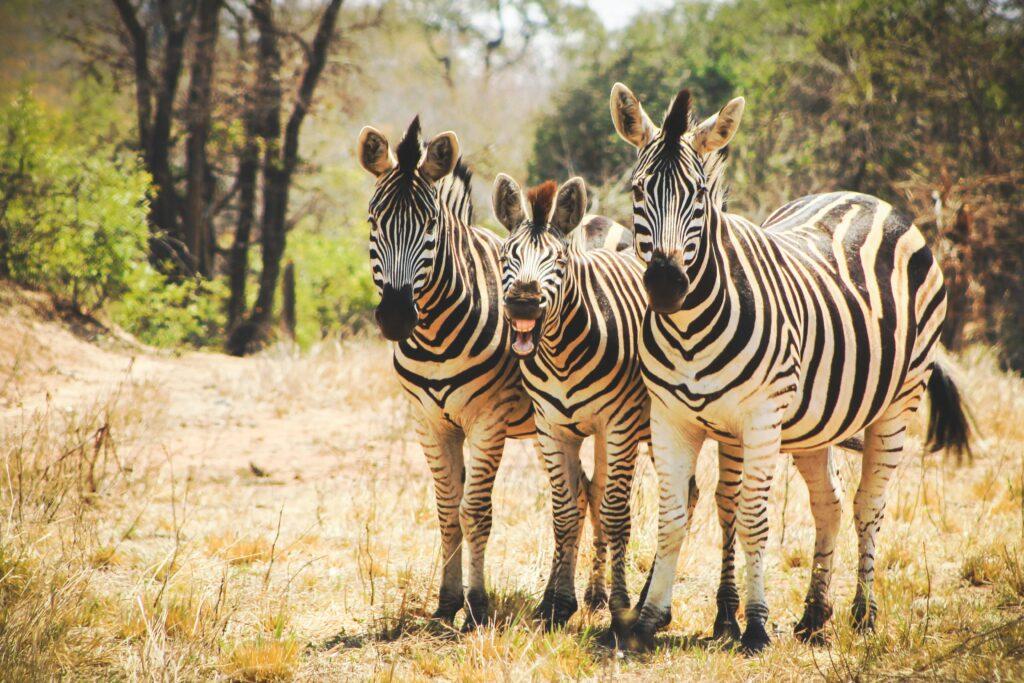
Zebra hunting in Africa is a thrilling, yet challenging, African plains game safari. These iconic plains game, with their striking black and white stripes, are one of Africa’s most distinctive species and a premier hunting trophy for many international game hunting enthusiasts.
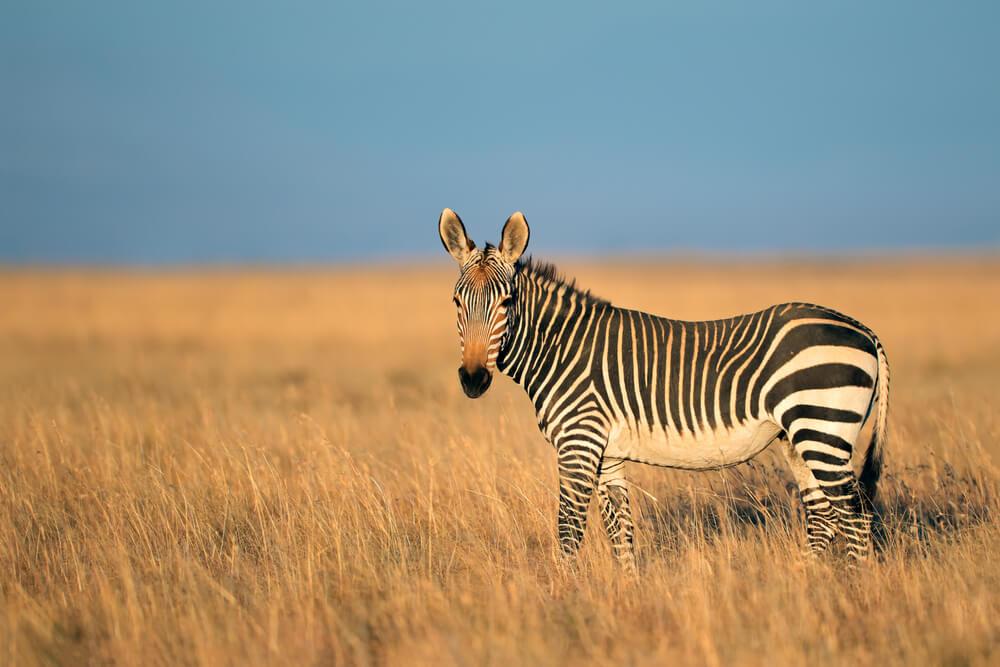
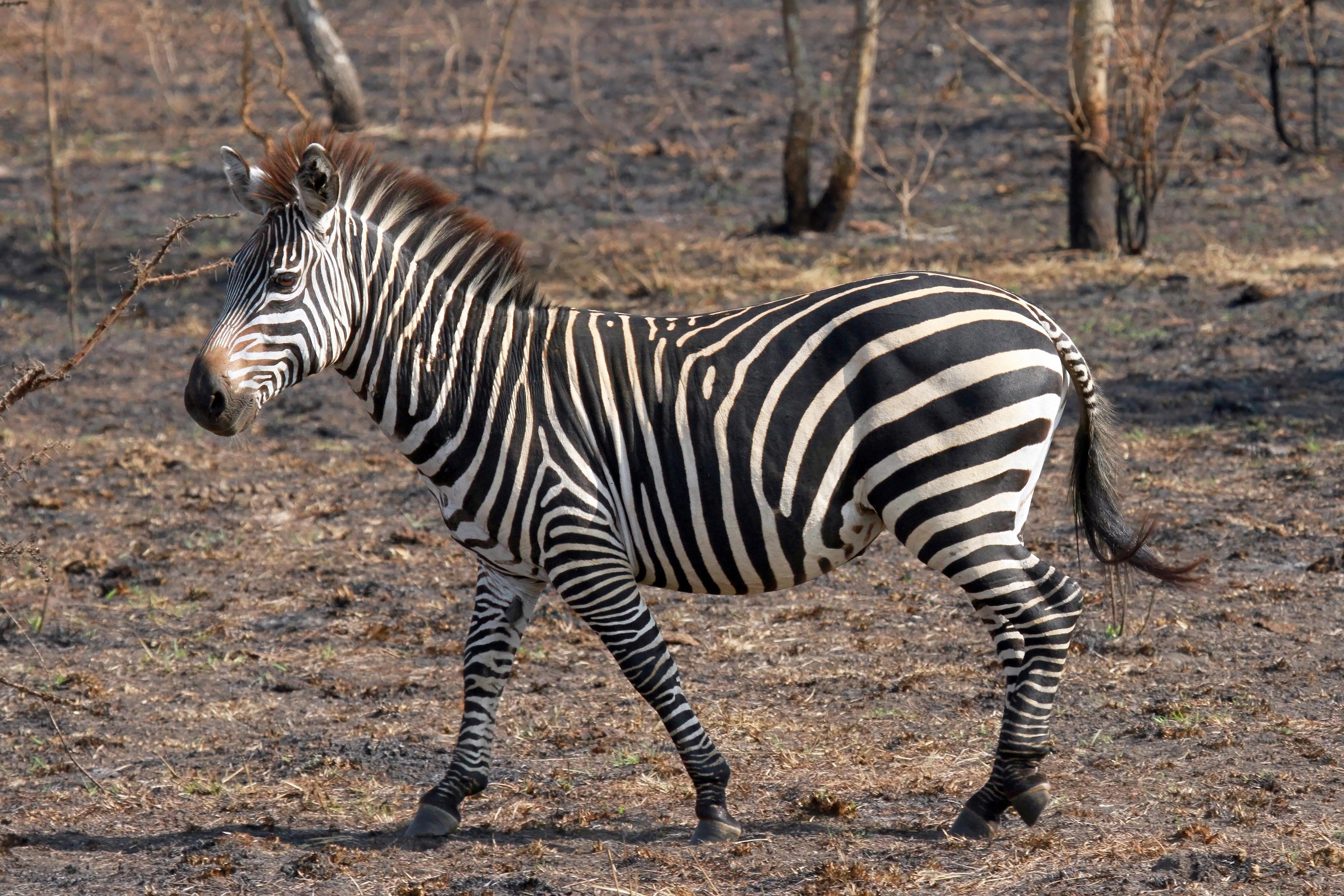
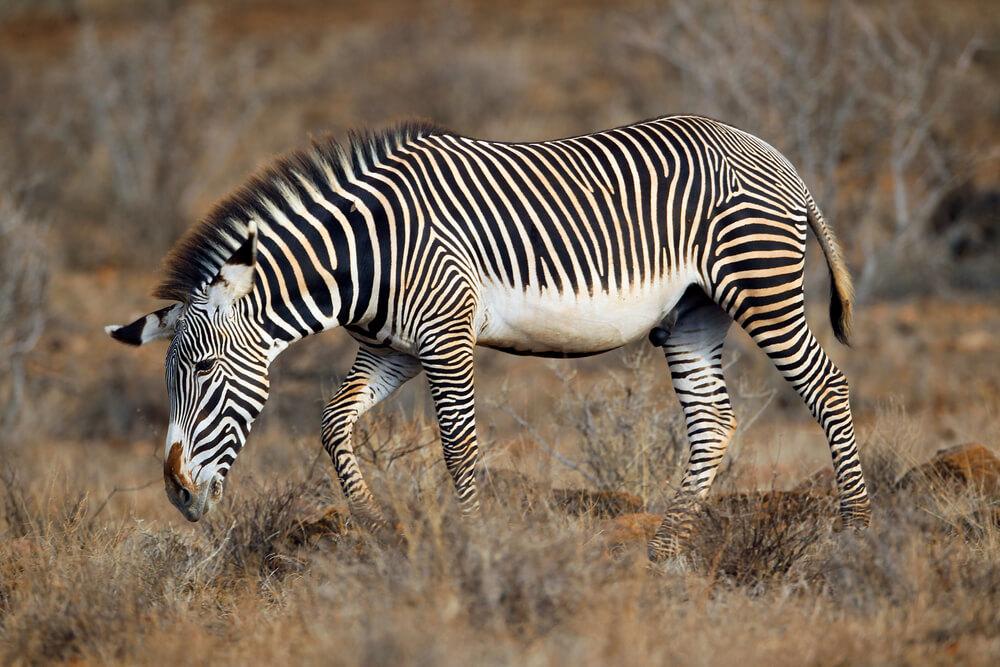
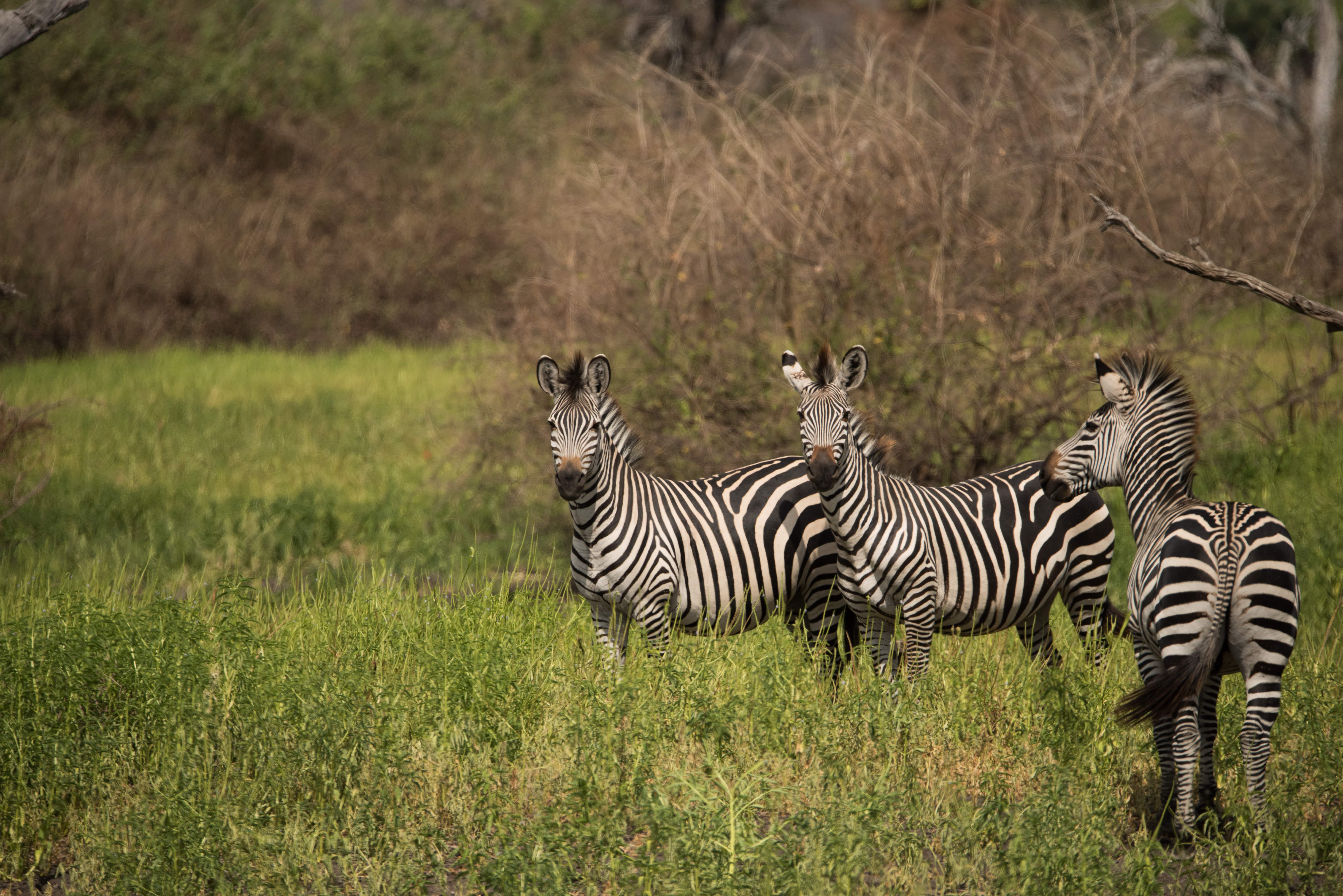
The most hunted zebras are Burchell's Zebra, with several subspecies, including Chapman's zebra, and Selous Zebra, amongst others. Other Zebra species include the Mountain Zebra with two subspecies, and the Grevy's Zebra.
Zebra hunts require patience and perseverance. Many hunters consider this plains game species one of Africa’s most beautiful trophies, and the inclusion of Zebras in African plains game safaris is welcomed.
While many hunters set out to hunt Africa’s Big 5, African plains game hunting is growing in popularity, with exquisite species such as the Zebra becoming increasingly sought after. Hunts take careful planning, with the utmost patience required to stalk and successfully hunt this species.
Whether a hunter plans on harvesting the Plains Zebra on Africa’s open savannas and plains or heading to the hilly, rocky, and mountainous regions to hunt the Mountain Zebra species, Zebra hunting is a challenging safari requiring a good level of fitness.
Zebra hunts usually form part of an African plains game safari, which generally starts from 5 hunting days upwards, depending on the species targeted.
Available Zebra Hunts
10x African Plains Game Trophies in 10 Days in Limpopo, SA
Booking Season: 2026
Hunt Difficulty: Moderate, Difficult
Hunt Kudu, Sable, Zebra, Gemsbok & 4 More Species in Limpopo
Booking Season: 2026
Hunt Difficulty: Moderate
South African Plains Game Hunt: Warthog, Blesbok, Zebra & Impala
Booking Season: 2026
Hunt Difficulty: Moderate
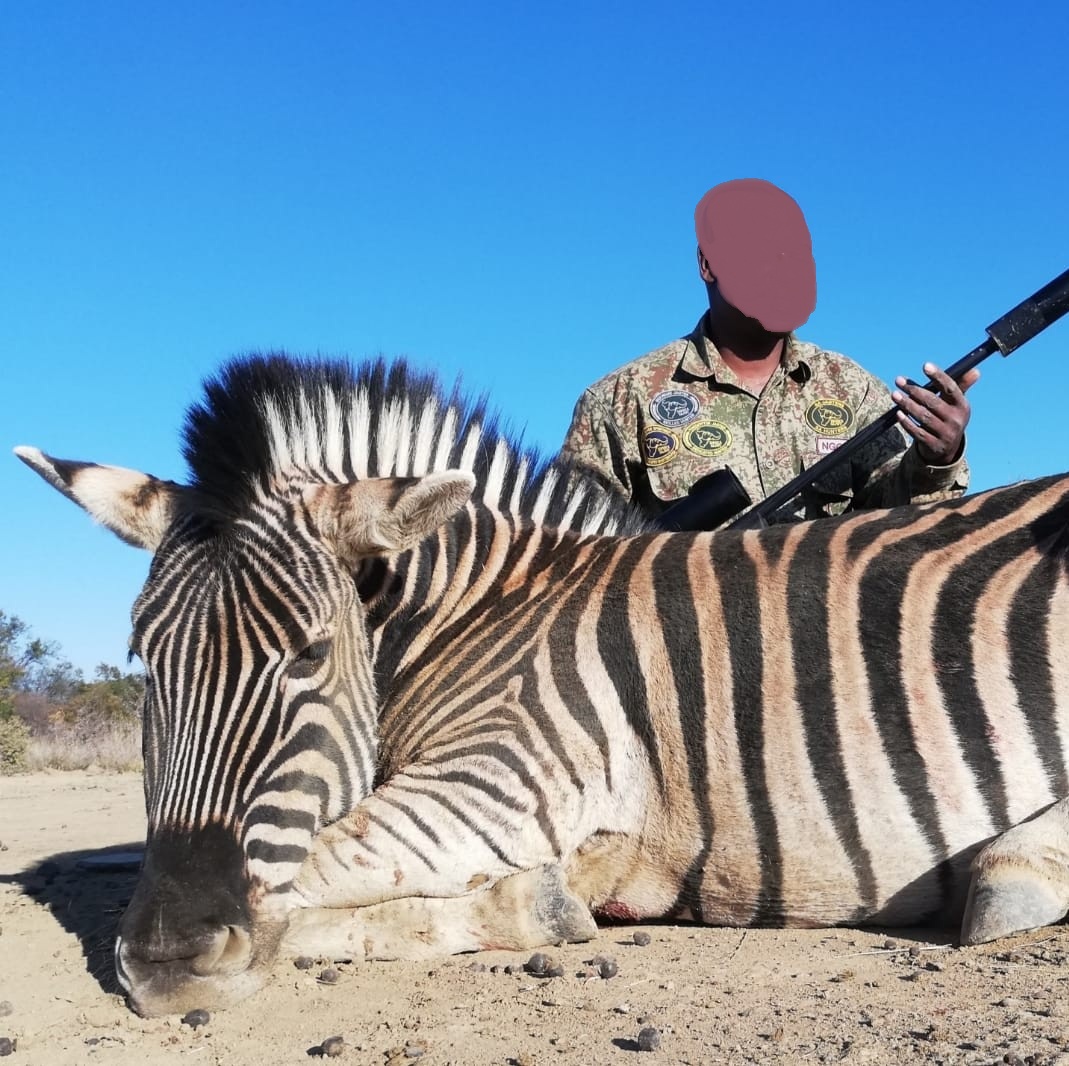
Hunt Eland, Zebra, Sable & 3 More Plains Game Species in SA
Booking Season: 2026
Hunt Difficulty: Moderate
Hunting Safari in SA 10 x Nights Plains Game Combination
Booking Season: 2025
Hunt Difficulty: Difficult
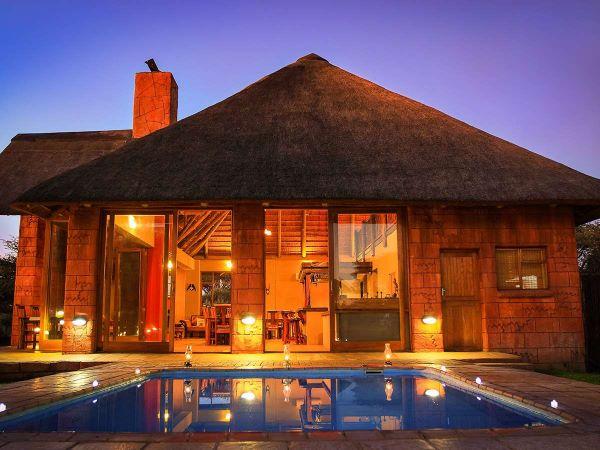
Plains Game Hunting in South Africa 5 Star Luxury 4 x 2
Booking Season: 2026
Hunt Difficulty: Moderate, Difficult
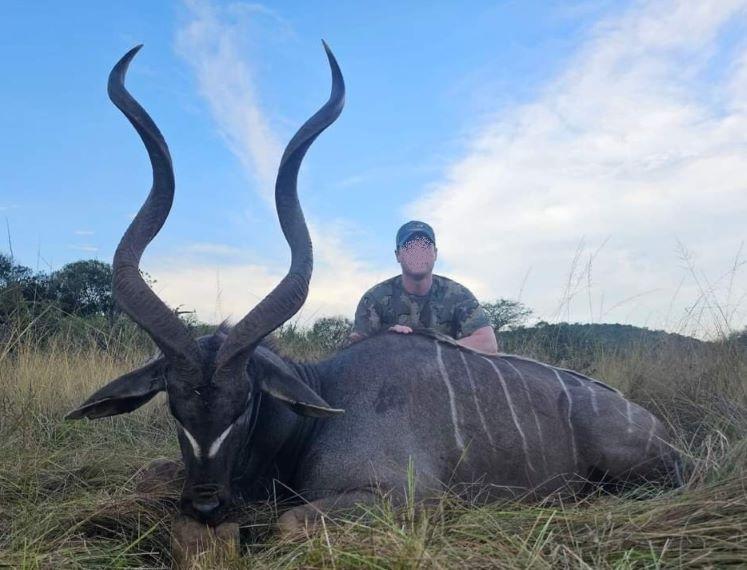
Zebra & Kudu Hunting plus 5 additional Species: 8 x Days in KZN
Booking Season: 2026
Hunt Difficulty: Moderate, Difficult
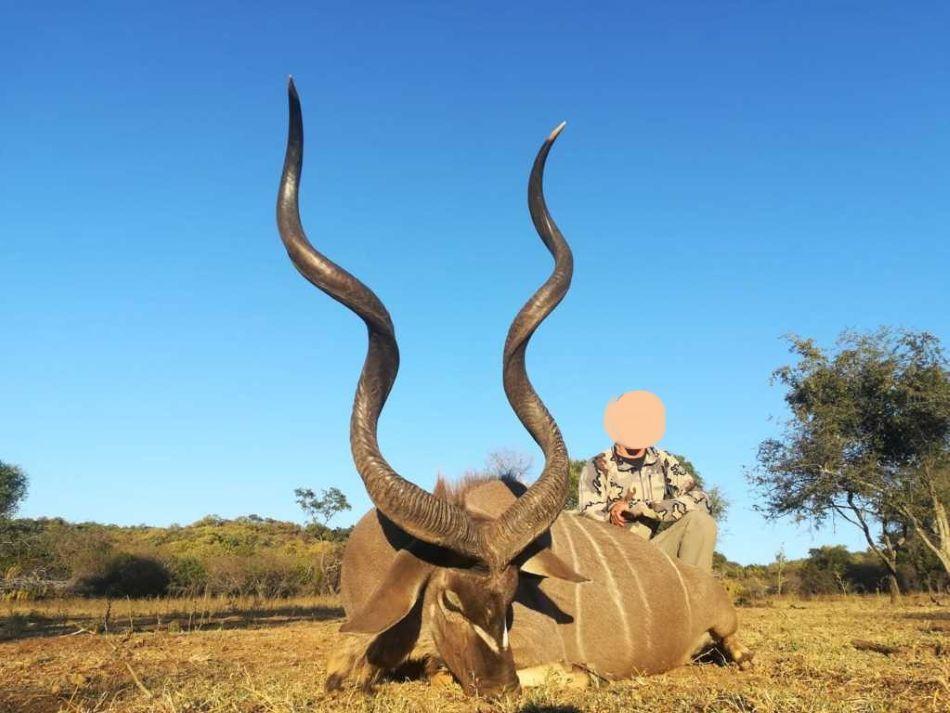
10-Day Plains Game Extravaganza Hunting in South Africa
Booking Season: 2026
Hunt Difficulty: Moderate
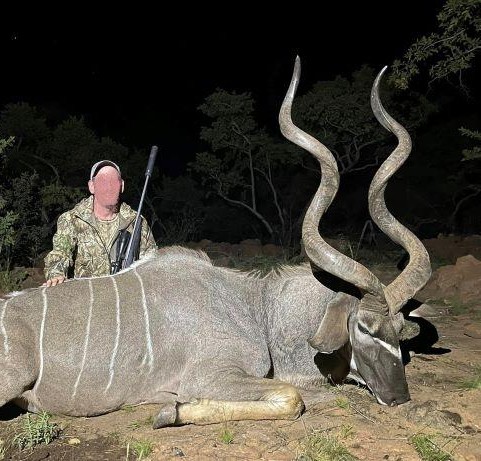
10 Day Packaged Plains Game Hunt in South Africa
Booking Season: 2026
Hunt Difficulty: Moderate, Difficult

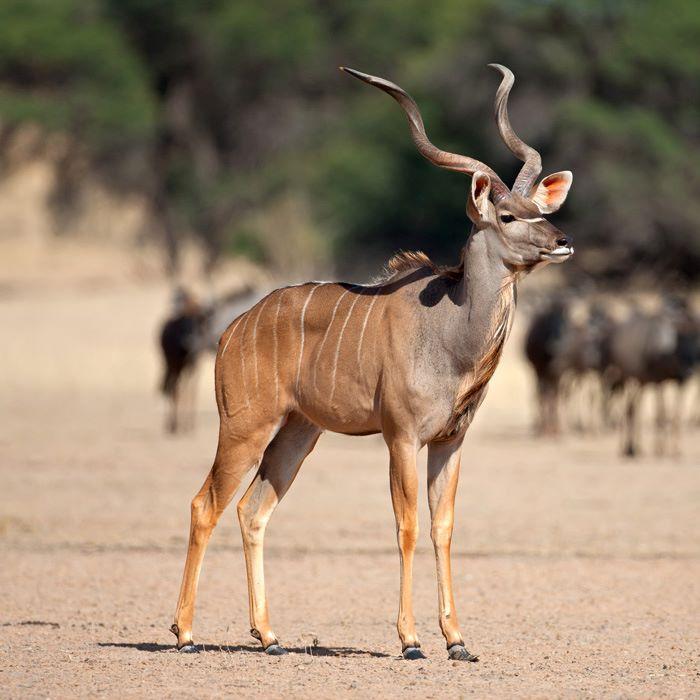
10 Days Kudu hunting bonanza and more for 2 Hunters in SA
Booking Season: 2026
Hunt Difficulty: Difficult
Zebra hunts are undertaken throughout several African countries, with main hunting destinations including:
South Africa is famous for its wide array of African plains game, as well as its exceptional trophies, with the Zebra being one of them. Prime zebra hunting grounds include the Eastern Cape, Limpopo, and Free State provinces. The country offers both Plains Zebra and Mountain Zebra hunting safaris.
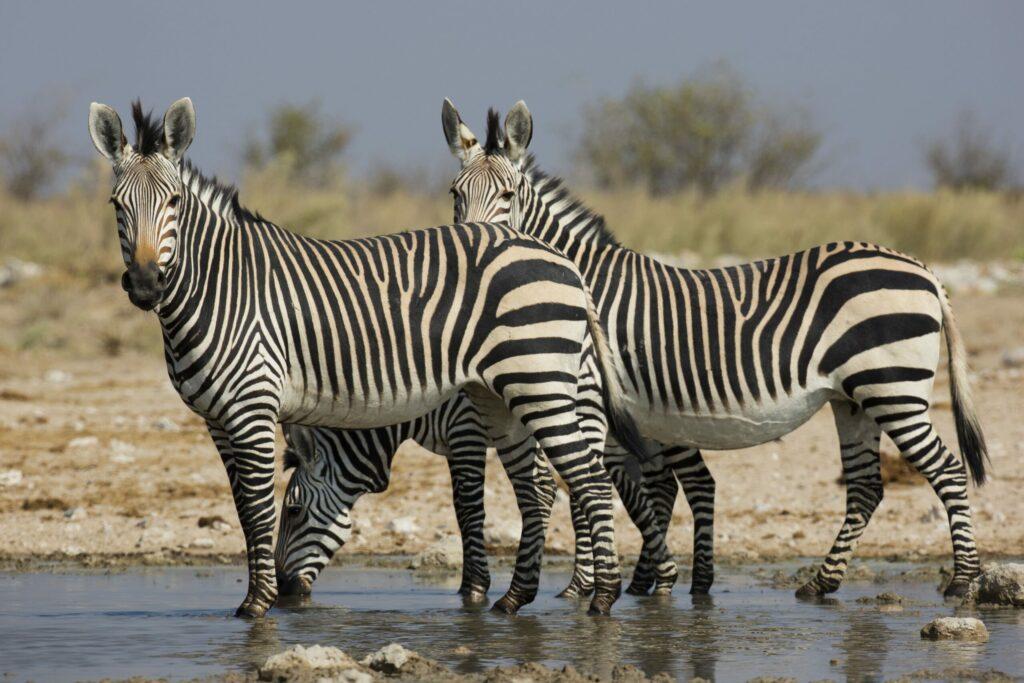
Namibia is renowned for the Hartmann’s Mountain Zebra, a subspecies of the Mountain Zebra that is hunted in the Khomas region, as well as private concessions in the vicinity of Etosha National Park.
The Burchell’s Zebra, a subspecies of the Plains Zebra, is hunted in Botswana’s private concessions.
Zimbabwe boasts some exceptional Burchell’s Zebra hunts in the Save Valley and Hwange National Park regions.
Zambia’s Luangwa Valley is renowned for its Plains Zebra hunts.
Tanzania’s Selous region is renowned for Grant’s Zebra, offering some premier trophies in the region.
Zebra hunting in southern and eastern Africa is best conducted during the cooler, drier months, when there is less chance of critters and bugs, when the vegetation is lower, allowing better visibility for hunters, and when animals are more likely to be congregated around dwindling waterholes.
These hunts are best conducted during the early morning or late afternoon when Zebras are more active, grazing or drinking at local waterholes.
These African plains game species are extremely attentive and quick to alert the herd of any perceived danger. A slow approach is needed, with popular calibers for Zebra hunting including the .270 and larger.
When it comes to hunting iconic African plains game, the Zebra is one of the most sought-after trophies around. Its striking striped pattern is as unique as a human’s fingerprints and proves to be a popular trophy amongst hunters.
While a full-mounted zebra would be a welcome addition to any trophy room, this African plains game species is usually displayed as a floor rug or hung on the wall.
Zebra hunting is often undertaken as a form of conservation, with culling hunts assisting in the population management of local zebra populations. Revenue from zebra hunts supports conservation, anti-poaching initiatives, and local community development. Meat from Zebra hunts is also often distributed to local communities in need, providing vital protein for those who can ill-afford it.
A standard African plains game safari will include the basic service offerings such as accommodation, meals, drinks, a professional hunter, camp staff, trackers, on-territory transport, and field preparation of the Leopard trophy.
Exclusions and optional extras when Zebra hunting in Africa:
Zebra hunting offers a challenging and rewarding plains game experience, with most hunts conducted as part of multi-species safaris in countries like South Africa and Namibia. Known for their strong herd instincts and resilience after the shot, zebra require careful stalking and precise shot placement. For most hunters, zebra are an ideal species that combines accessibility with a level of difficulty that keeps the hunt engaging from start to finish.
Understanding the cost of a zebra hunt upfront helps you plan properly and avoid surprises. Pricing can vary depending on where you hunt, who you hunt with, and how your safari is structured.
In most cases, zebra are included as part of a plains game package, which offers better overall value and allows multiple species to be hunted in a single trip. Standalone zebra hunts are less common but are available in certain areas.
The overall cost is shaped by the location, the duration of the safari, the quality of the outfitter, and whether additional species are included. Trophy handling and export logistics also contribute to the final investment.
Hunters traveling from the United States or Canada should also plan for additional expenses such as international travel, firearm permits, and customary gratuities.
Zebra are tougher than many first-time hunters expect. Their thick skin, dense muscle, and strong will to keep moving after the shot make proper caliber selection and precise shot placement essential.
Recommended calibers include the .270 Winchester as a minimum, with the .308 Winchester, .30-06 Springfield, and .300 Winchester Magnum all offering reliable performance. The .300 Winchester Magnum is often considered an ideal balance of power and versatility.
Larger calibers can also be used effectively, particularly when loaded with solid or premium controlled-expansion bullets. These setups are useful where deeper penetration is required, especially on quartering shots or when heavier bone is encountered.
Zebra are not dangerous game, and there is no need to overgun the hunt. The priority should always be a rifle you can shoot accurately, paired with the right bullet construction for consistent penetration.
A well-placed shot from a suitable caliber will always outperform a larger rifle that is poorly handled.
Shot placement is critical when hunting zebra. Despite being classified as plains game, zebra are tough animals, and poor shot placement often leads to long tracking jobs.
The primary aiming point is the bottom third of the body, just above the front shoulder, which targets the heart and lungs for a quick and ethical kill.
Broadside shots offer the highest margin for error and should always be preferred when possible. On quartering animals, the shot should be adjusted slightly forward to ensure proper penetration into the vital organs. Head and neck shots are generally not recommended unless conditions are ideal, as they carry a higher risk of wounding.
Zebra are known for absorbing poorly placed shots and continuing to move with the herd, which makes shot discipline especially important. Hunters should always be prepared to take a follow-up shot if needed.
For a more detailed breakdown of angles, anatomy, and real hunting scenarios, see our guide to shot placement for hunting game in Africa.
Zebra hunting is generally considered moderately challenging, but it is often underestimated by first-time African hunters. While not classified as dangerous game, zebra are alert, resilient, and quick to react when something feels off.
Their excellent eyesight and hearing, combined with strong herd instincts, make approaching undetected more difficult than many expect. With multiple animals constantly watching, even small movements or a shift in wind direction can alert the entire group. Zebra also tend to spend time in open terrain where natural cover is limited, which adds another layer of difficulty when trying to close the distance.
Most shots are taken between 75 and 175 yards, depending on the terrain and conditions, requiring steady shooting and good judgment.
Zebra offer a level of challenge that sits comfortably between entry-level plains game and more demanding hunts, making them a rewarding species for both first-time and experienced hunters.
There are three main species of zebra hunted in Africa, each offering a different style of hunt depending on terrain, availability, and level of difficulty.
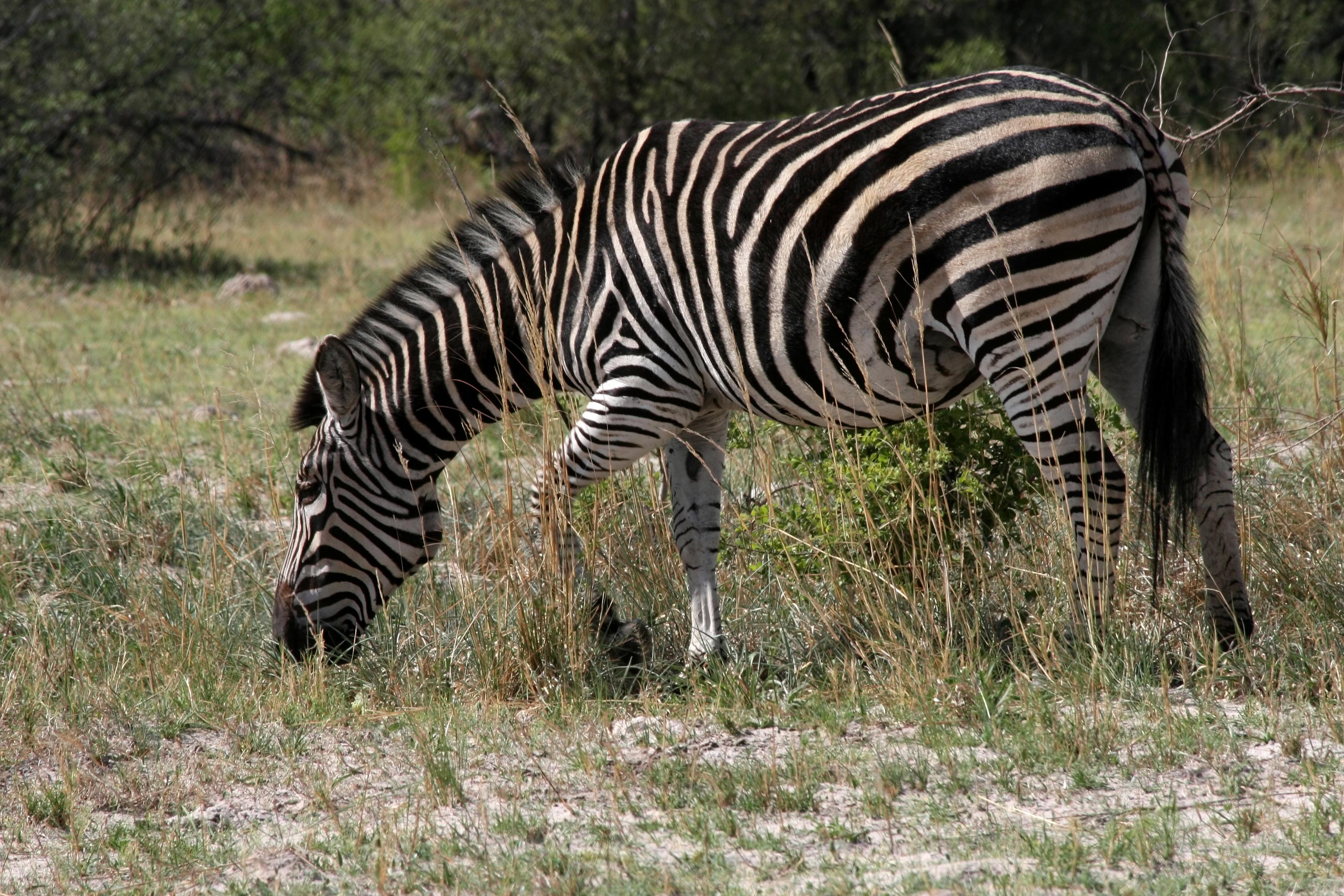
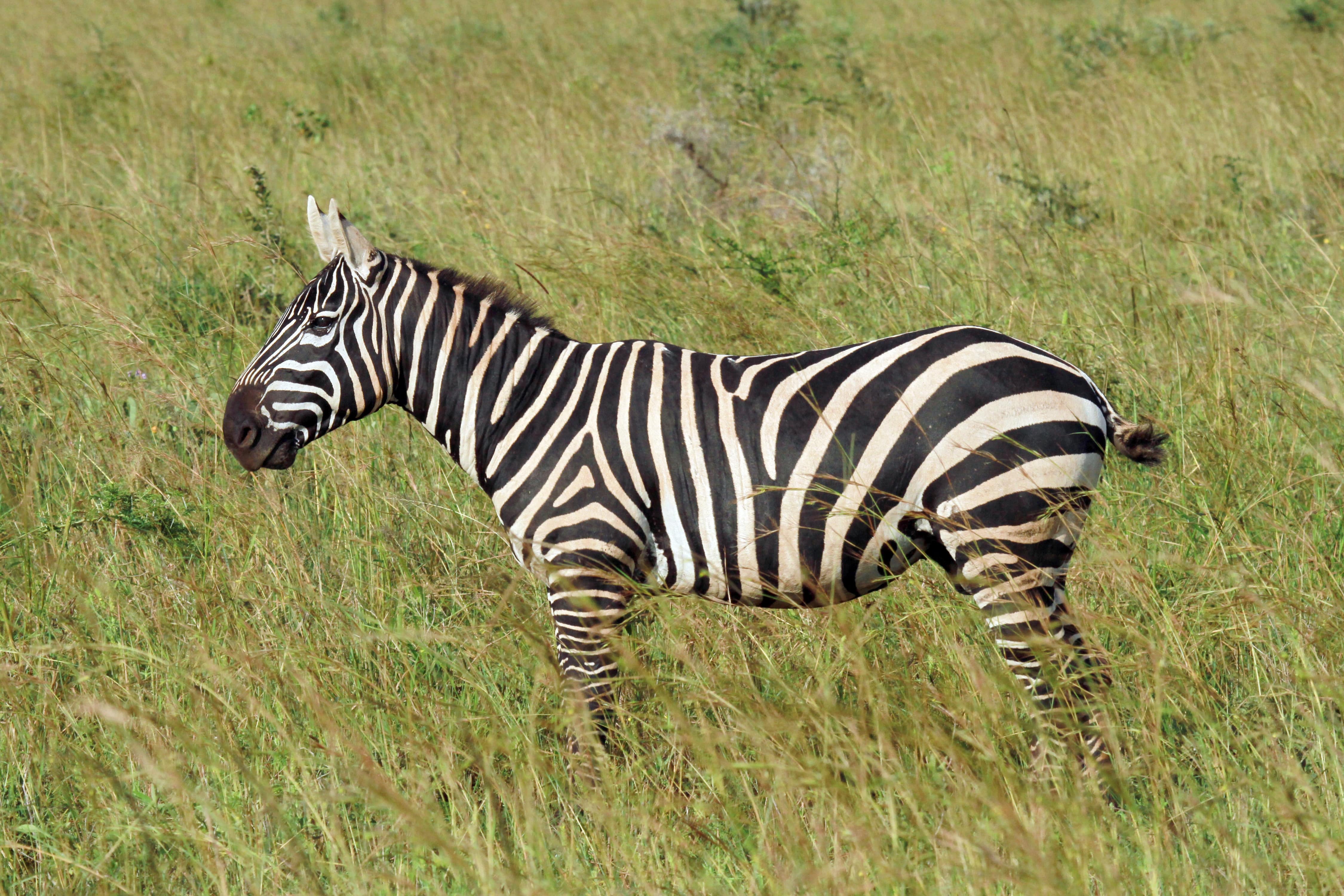
The Plains Zebra, also known as Burchell’s zebra, is the most common and widely available. It is found across countries such as South Africa, Namibia, and Zimbabwe, and is typically the most practical option for first-time zebra hunters.
Hartmann’s Mountain Zebra are found primarily in Namibia and offer a more physically demanding hunt. These animals live in steep, rocky terrain, requiring good mobility and careful stalking. The challenge is higher, and success often depends as much on navigating the terrain as it does on locating the animal.
Cape Mountain Zebra are less commonly hunted and are found in more limited areas of South Africa. In many cases, these hunts are linked to conservation-driven management programs, making them more specialized and less widely available.
Choosing the right species depends on your preferred terrain, the level of challenge you are looking for, and what is realistically available in your chosen hunting area.
Unlike most African game species, zebra are not judged by horn size but by the quality of the hide. The value of the trophy lies in how clean, balanced, and visually striking the skin appears once mounted or prepared as a rug.
High-quality trophies typically show strong contrast between the black and white stripes, with clear, well-defined patterns and minimal scarring or damage. Symmetry across the body also plays a role, particularly for hunters planning a full mount or rug.
Some hunters prefer a clean, high-contrast hide with minimal imperfections, while others value older animals that carry scars and character, reflecting a more natural and hard-lived life in the wild. The right choice ultimately depends on personal preference and how the trophy will be displayed.
Zebra hunting is legal and regulated in several African countries, including South Africa and Namibia, where it forms part of structured wildlife management programs.
In many regions, zebra populations are stable or increasing, and controlled hunting contributes to maintaining that balance. It supports habitat conservation and provides income to landowners and local communities who rely on wildlife as a sustainable resource.
When conducted under proper regulation and with responsible outfitters, zebra hunting is considered a legitimate and ethical component of modern conservation in Africa.
Zebra can be hunted year-round in many regions, but conditions tend to be more favorable during the dry season. Reduced vegetation improves visibility, and animals become more predictable as they concentrate around water sources.
Cooler months also make for more comfortable hunting conditions and better overall movement during the day. While opportunities exist throughout the year, timing your hunt to coincide with drier conditions generally improves your chances of success.
A zebra hunt is shaped by animal movement, wind conditions, and terrain rather than a fixed schedule. Days typically begin early, with time spent glassing open areas and locating herds while conditions are still calm.
Once zebra are found, the focus shifts to positioning for a stalk. This often involves using limited cover, reading the wind carefully, and moving slowly to avoid detection. With multiple animals in a herd, getting within range without being seen requires patience and careful timing.
Midday is often less productive and is usually spent repositioning or waiting for better opportunities. Activity tends to increase again later in the afternoon as zebra begin moving toward feeding or water, which is often when the best shot opportunities present themselves.
Success depends on patience, discipline, and making the most of the opportunity when it presents itself.
Zebra are often underestimated, and small mistakes can quickly lead to missed opportunities or difficult recoveries. One of the most common issues is rushing the shot, especially when the herd becomes alert. This often results in poor placement and longer tracking.
Another frequent mistake is underestimating how many eyes are watching. Focusing on a single animal while ignoring the rest of the herd can quickly give away your position. Wind direction is equally important, and even slight changes can end a stalk if not managed carefully.
Choosing a rifle that is too powerful to handle comfortably can also work against the hunter. Accuracy and shot placement are far more important than raw power when hunting zebra.
Most zebra hunts range from $4,000 to $8,000 depending on the structure of the safari and the number of hunting days.
A .30-06 or .300 Winchester Magnum offers an ideal balance, though calibers such as .270 and .308 are also effective with proper shot placement.
The dry season generally offers the best conditions, with improved visibility and more predictable animal movement.
Zebra are not classified as dangerous game, but they are tough animals that require accurate shooting and proper shot placement.
Yes. Zebra are a suitable species for first-time African hunters, provided they follow professional guidance and focus on shot placement.
Whether it’s finding zebra hunts, stalking, or walking and stalking at dawn, we’re here to deliver the experience of a lifetime with integrity and precision.
✉️ Contact us today to speak with an expert and plan your tailored zebra hunting adventure.
🌍 Browse our active hunting listings and secure your preferred species and dates.
Search from our range of Hunts across various popular destinations in Africa.

Book Your Hunt