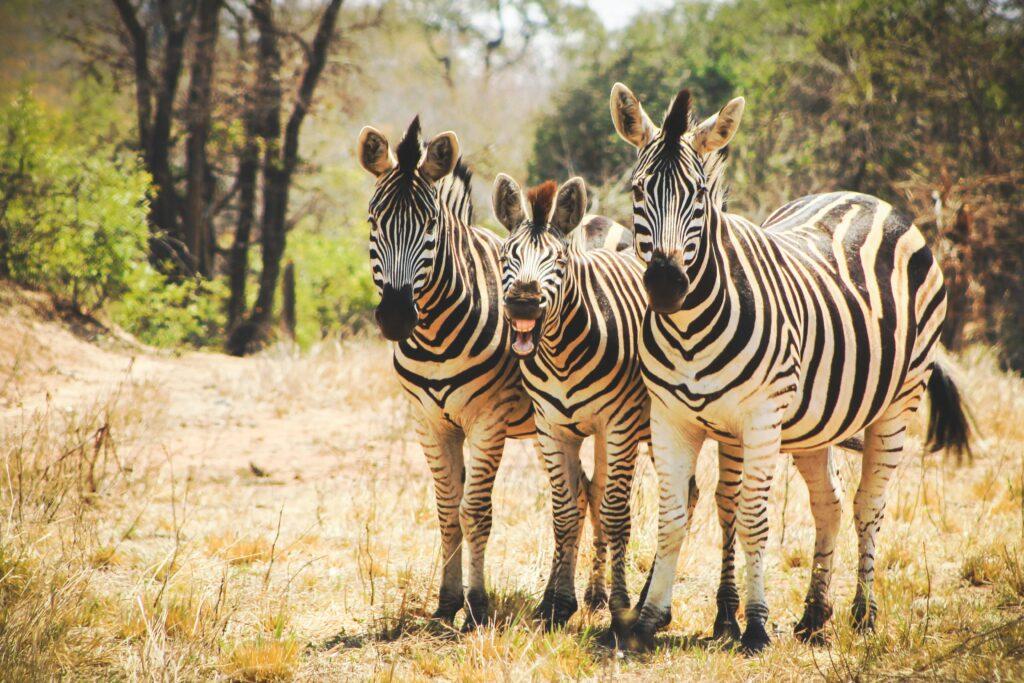
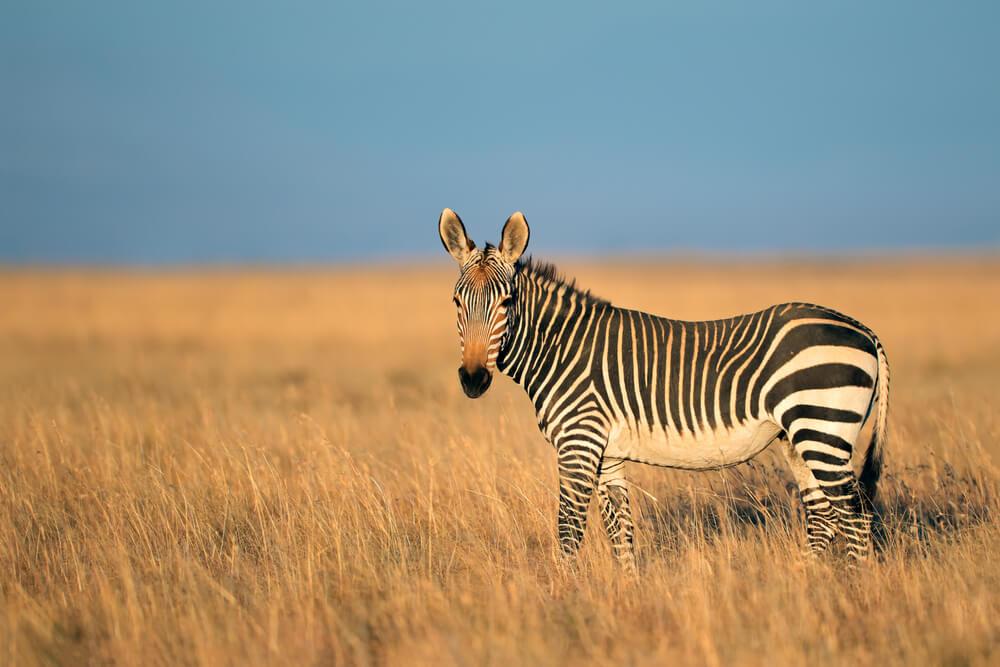
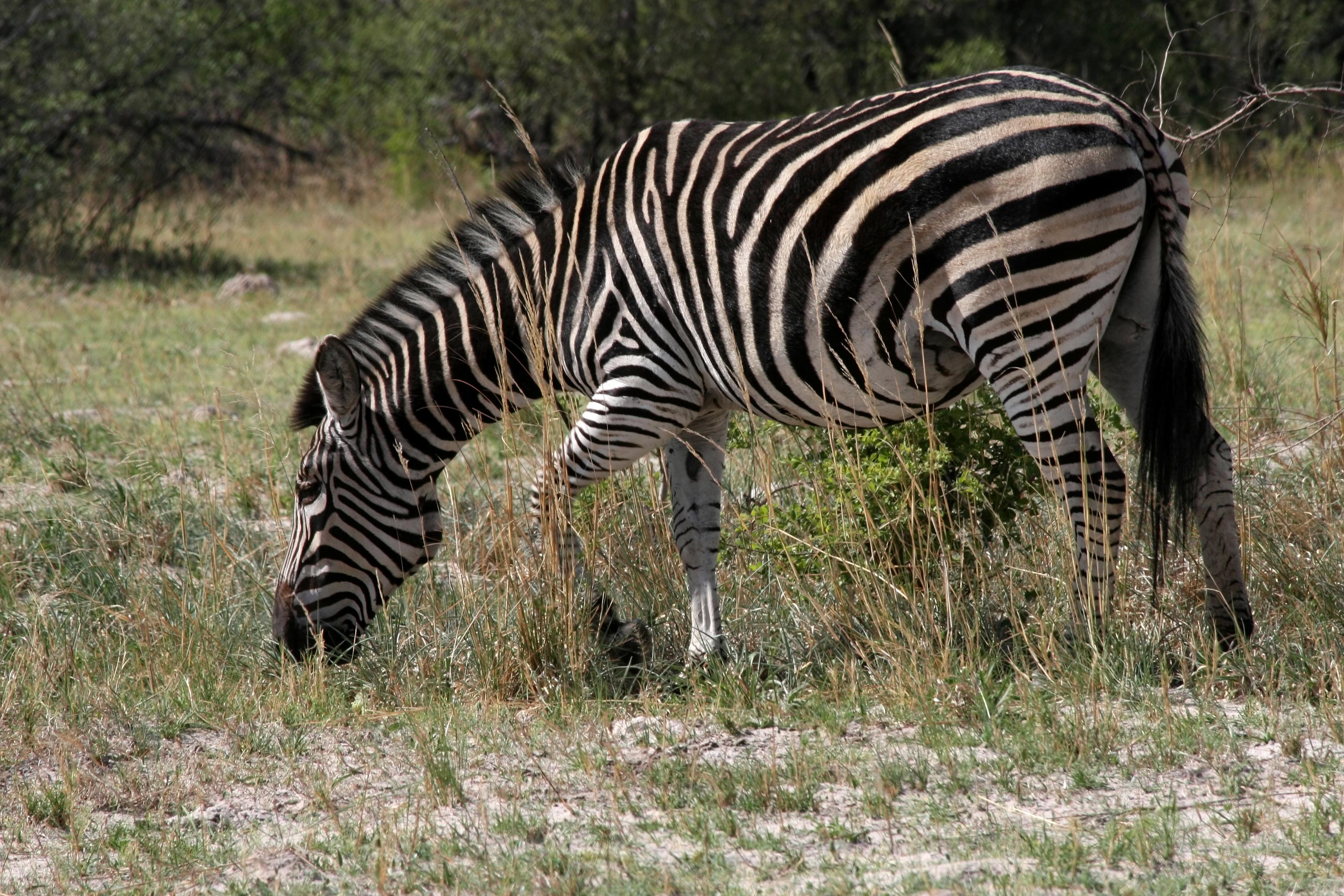
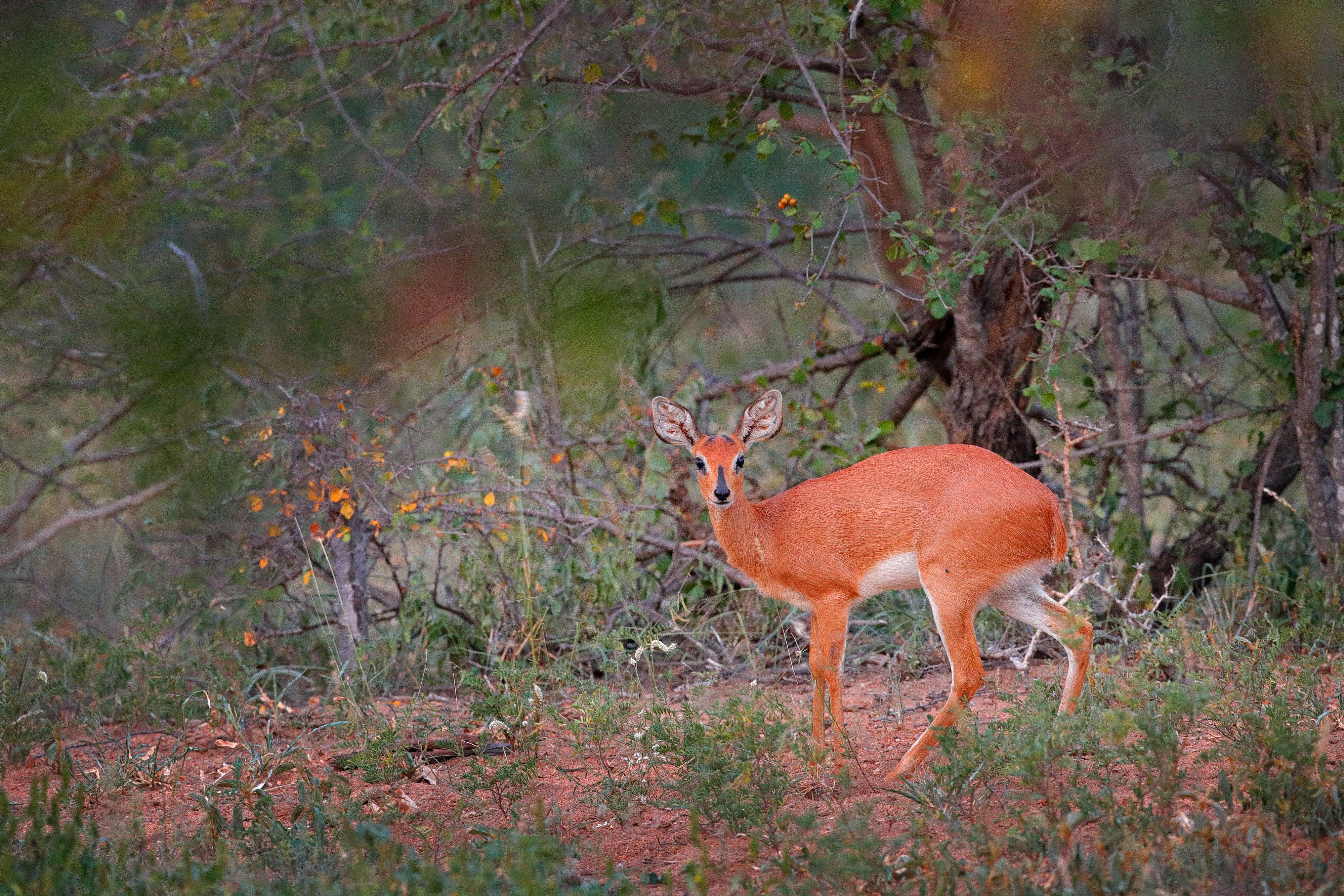
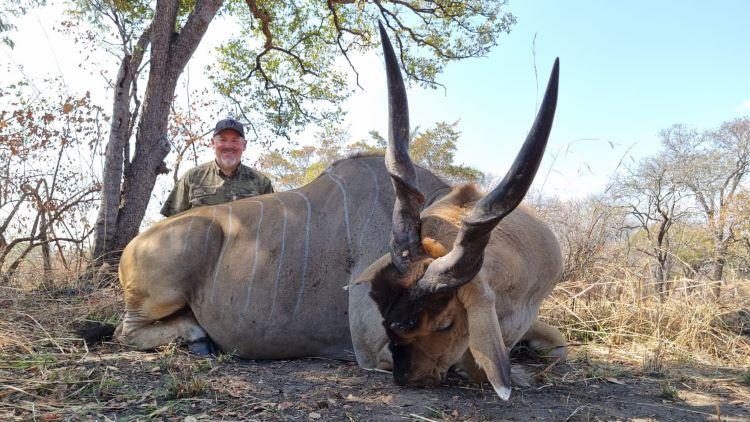
10x African Plains Game Trophies in 10 Days in Limpopo, SA
Booking Season: 2026
Hunt Difficulty: Moderate, Difficult

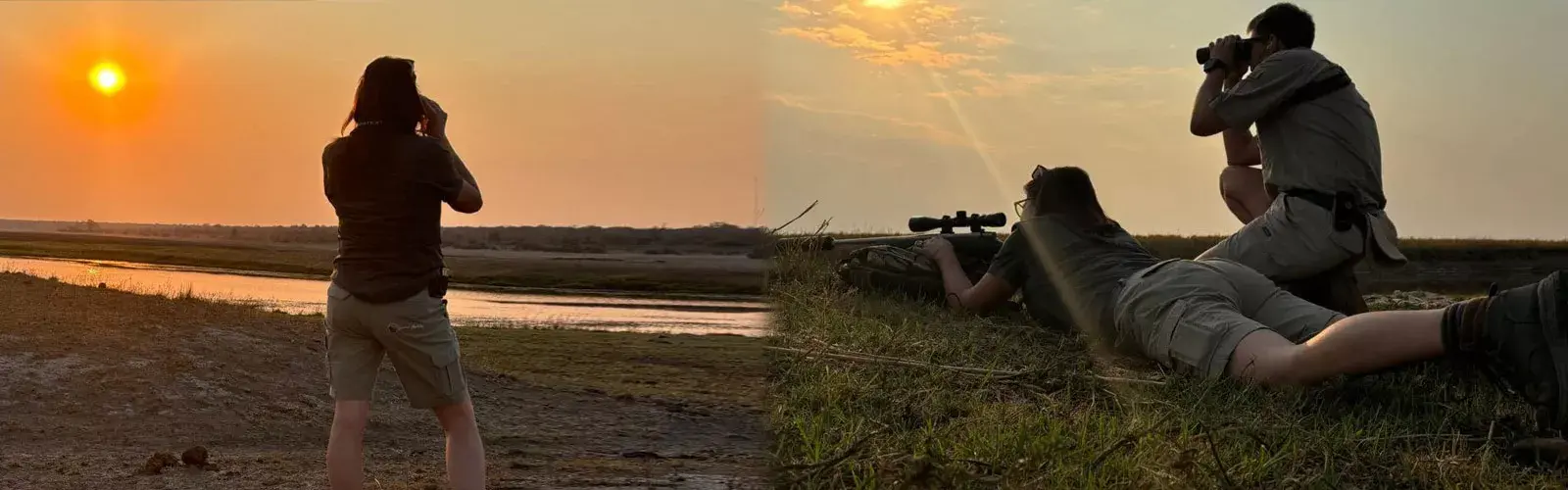
Plains game hunting is the foundation of African hunting. For hunters from the United States and Canada, it offers one of the most rewarding and practical ways to experience an African safari, combining exceptional species diversity, outstanding value and the opportunity to hunt multiple species during a single safari. Despite its name, the term "plains game" is often misunderstood. It does not simply refer to animals hunted on open plains.
In African hunting terminology, it describes non-dangerous game species, primarily antelope and other hoofed animals that are not classified as dangerous game, such as Cape buffalo, lion or elephant. It is a wildlife management category, not a measure of difficulty, prestige or hunting quality.
Plains game includes dozens of species across South Africa, Namibia, Zimbabwe, and parts of East Africa. The exact species available depend on country, habitat, and how the land is structured and managed. But what matters more than the species list is the experience. Unlike most North American hunts built around a single tag, a plains game safari moves differently, you are hunting within a system. Conditions shift. Herds move. Wind changes. A stalk that looked perfect can disappear in seconds.
The first time you walk behind trackers who can read sign in ground you barely notice, you understand quickly that Africa doesn’t operate on your pace. It operates on its own. That realization is often the beginning of a good safari. For a broader breakdown of daily rates, trophy fees and other safari expenses, see our African hunting safari prices.
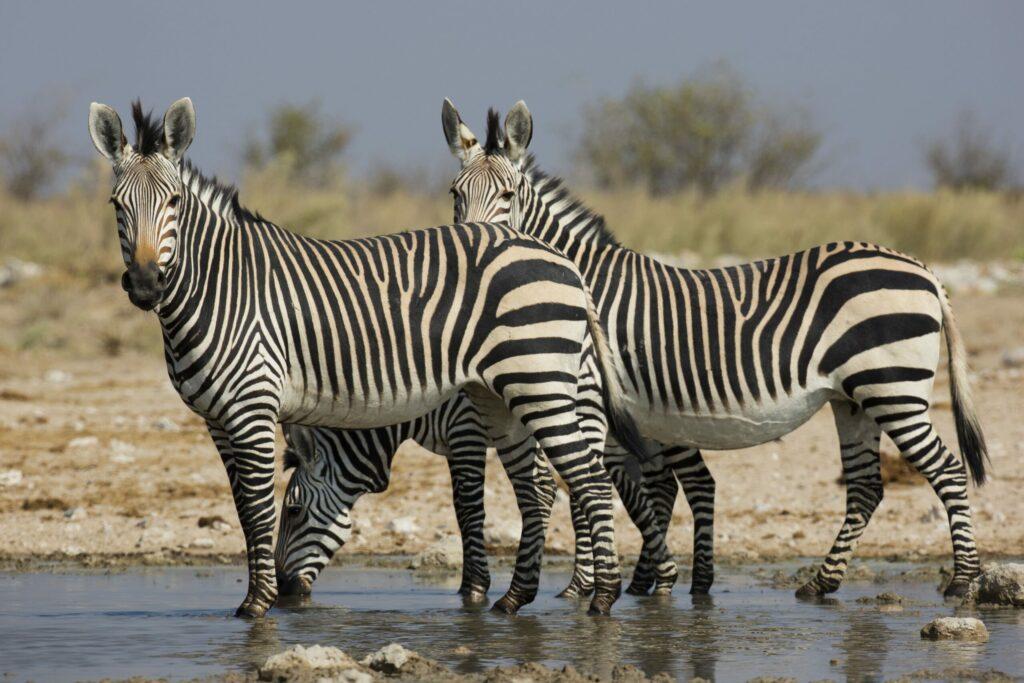
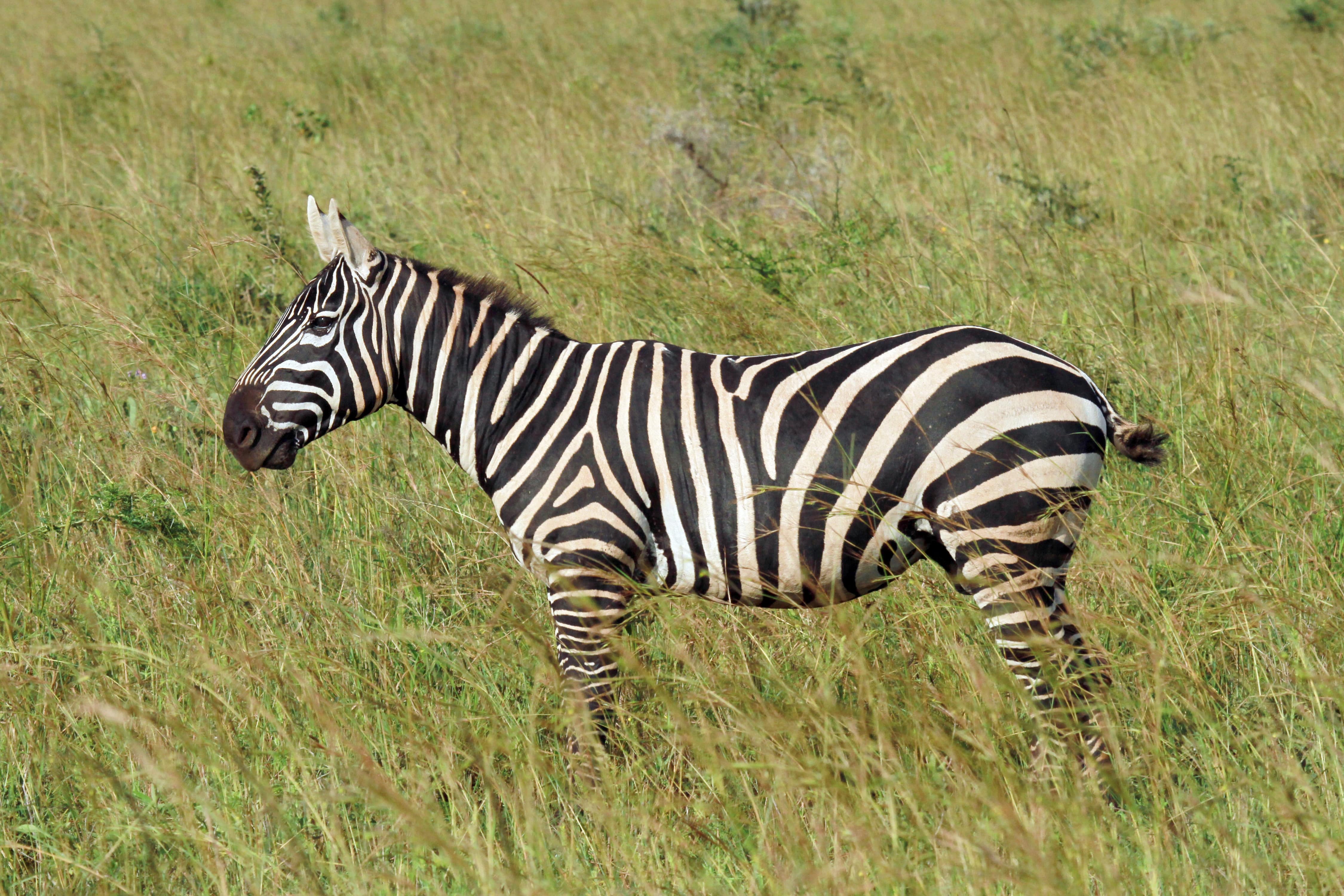
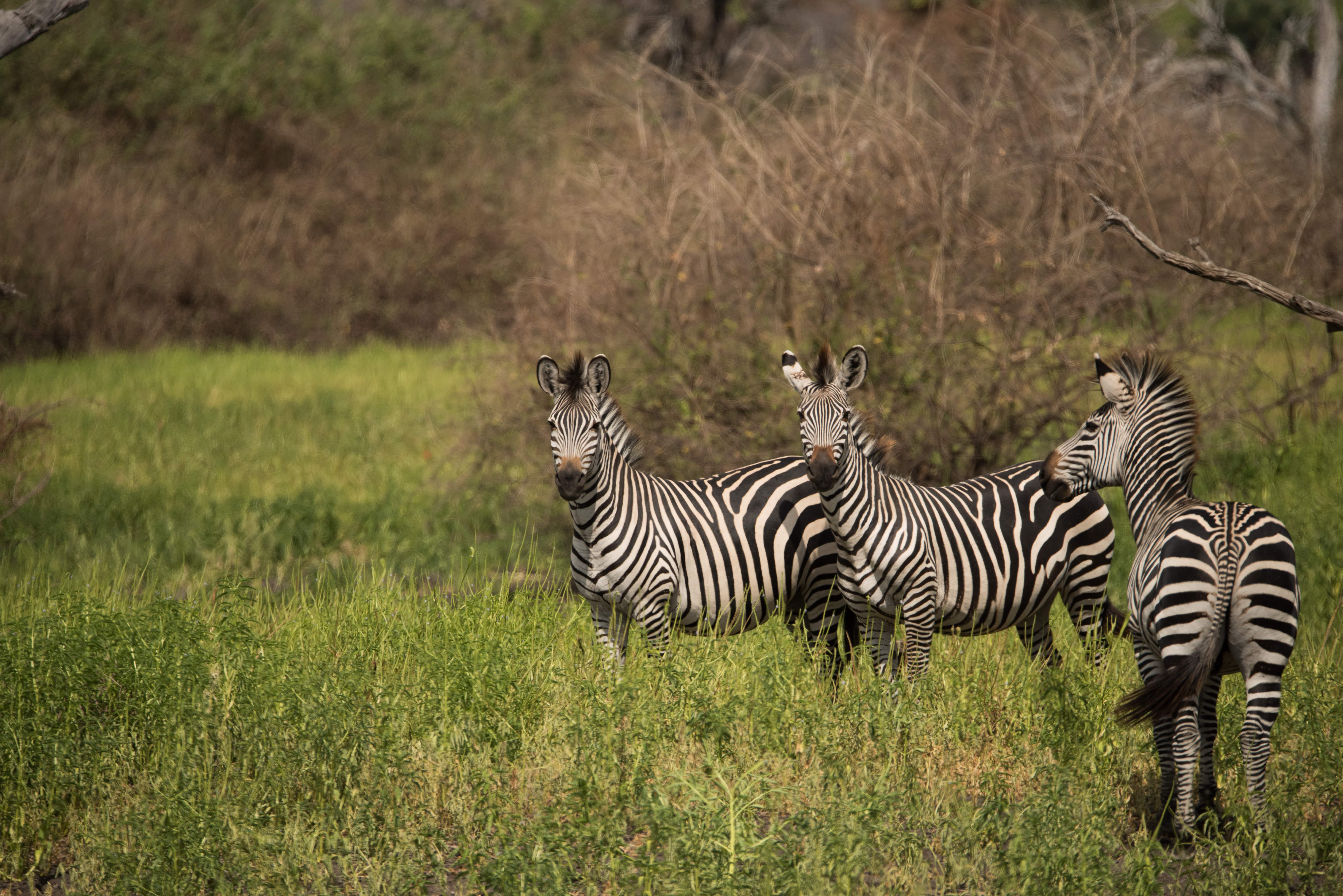
There is a misconception that plains game is for beginners. It’s not. Kudu hunts are not easy and Eland can test endurance more than most people expect. Bushbuck and Zebra hunts require patience in thick cover where things happen quickly and mistakes show immediately. Plains game hunting rewards hunters who pay attention. It doesn’t demand bravado, it demands discipline. That’s why many experienced hunters return to it. Dangerous game carries intensity. Plains game carries rhythm. And rhythm is often more satisfying in the long run.
Most North American hunters are physically capable of plains game hunting. The adjustment is mental. You spend hours walking, glassing, repositioning. You learn to wait when you want to move. You learn to move when you’d prefer to wait. Decisions are often made quietly between trackers and the professional hunter, sometimes without explanation in the moment. That can be uncomfortable for hunters used to controlling every step of the plan. Africa asks you to trust a system that existed long before you arrived.
Shots are commonly taken inside 200 yards, depending on terrain. Follow-ups are taken seriously. Shot placement matters. Patience matters more than speed. Plains game hunting is rarely dramatic. It is deliberate. And that deliberateness is what separates a meaningful safari from a rushed one.
A structured 7–10 day plains game safari in Southern Africa commonly ranges between $6,000 and $15,000 USD before international airfare. When airfare, internal transfers, dip and pack, shipping, and gratuities are included, total investment for many U.S. hunters typically falls between $12,000 and $25,000, depending on species selection and country.
Plains game hunts are not inexpensive. But that system requires structure, and structure has value.
Plains game hunting is not built for everyone. It may frustrate hunters who need constant action, want guarantees, treat Africa as a checklist, rush through species without understanding the land, or resist taking direction from local knowledge. Many plains game hunts are marketed around numbers. The better ones are built around experience.
In some private land systems, particularly in parts of South Africa, certain plains game species may be introduced outside of their original historical range. That does not automatically make a hunt unethical or artificial. But it is something serious hunters should understand. Some hunters prefer pursuing indigenous species in their traditional habitat. Others are comfortable hunting introduced populations if the hunt remains fair, ethical, and well managed.
The key is transparency. Before booking a plains game hunt, ask:
Clear answers matter more than marketing language.
Plains game also includes cull or management hunts in certain areas. These hunts are structured around herd management rather than trophy size, they help maintain population balance and age structure within concessions. They are not lesser hunts. They are part of how sustainable African wildlife systems function.
There is no universal “best.” There is only what fits your expectations and hunting style. Not sure which destination suits you? Tell us your top three species and travel month and we’ll rank the fit and send the best two options.
Below you will find current plains game hunting opportunities across Southern and East Africa. Each listing reflects a specific outfitter, land structure and available species. Hunters comparing broader safari formats can also review our Hunting Trips page before choosing between countries, hunt lengths and species combinations.
Before selecting a hunt, make sure duration, country, species goals, and total safari cost align with your expectations.
Plains game hunts are not a stepping stone. They are the foundation. For many hunters in the United States and Canada, they become the most balanced and repeatable African hunting experience available. Over time, you realize something simple: it isn’t about how many animals you take. It’s about how well you hunted them. And plains game has a way of revealing that clearly.
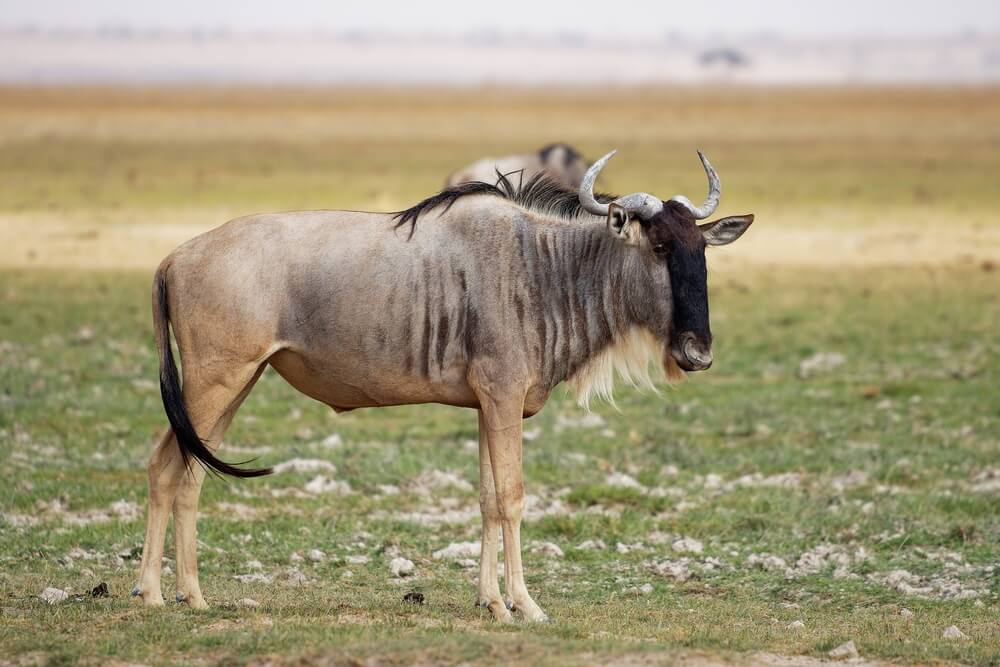
Plains game is the term used in African hunting for non-dangerous game species, primarily antelope and other hoofed animals not classified as dangerous game such as Cape buffalo, lion, or elephant. It is a wildlife management category, not a difficulty level. Plains game includes species like kudu, gemsbok, impala, warthog, wildebeest, springbok, eland, nyala, and many others depending on the country and habitat.
No. Plains game hunting is not a beginner’s category. Kudu are notoriously difficult to hunt. Eland can test physical endurance more than most hunters expect. Bushbuck and nyala require patience in thick cover where decisions happen quickly. Many seasoned hunters with decades of experience return specifically for plains game, not because they cannot hunt dangerous game, but because plains game demands something honest and deliberate from a hunter that other hunts do not.
A structured 7–10 day plains game safari in Southern Africa typically ranges between $6,000 and $15,000 USD before international airfare. When airfare, internal transfers, dip and pack, shipping, and gratuities are factored in, total investment for most U.S. hunters falls between $12,000 and $25,000 depending on species selection and country. Canadian hunters should note that most hunts are priced in USD, so exchange rates affect the final number.
There is no single “best” country, the right choice depends on your species goals, hunting style, and budget. South Africa is the most accessible entry point with wide species variety and excellent lodge infrastructure. Namibia offers expansive open terrain ideal for gemsbok and springbok. Zimbabwe provides a wilder atmosphere in certain concession areas. Tell us your top three species and travel month and we will rank the best fit for you.
A trophy hunt focuses on selecting mature animals for their horn or antler size as a hunting achievement. A management or cull hunt is structured around herd management, maintaining population balance and age structure within a concession. Cull hunts are not lesser experiences. They are a legitimate and important part of how sustainable African wildlife systems function, and for some hunters they are deeply satisfying because the emphasis is on time in the field rather than horn measurements.
Search from our range of Hunts across various popular destinations in Africa.
Hunts Currently Available
10x African Plains Game Trophies in 10 Days in Limpopo, SA
Booking Season: 2026
Hunt Difficulty: Moderate, Difficult

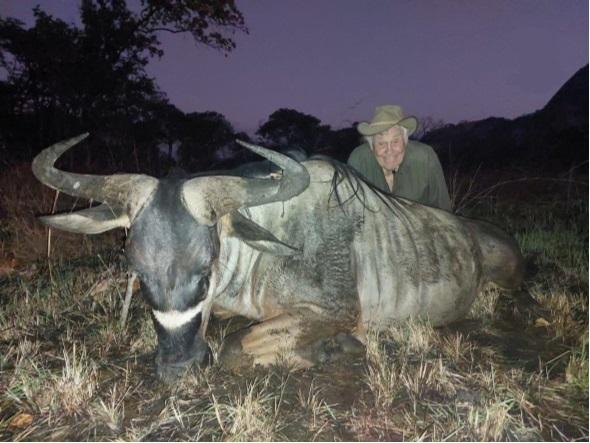
Cape Buffalo, Roosevelt Sable & Niassa Wildebeest Hunt in Mozambique
Booking Season: 2026
Hunt Difficulty: Difficult
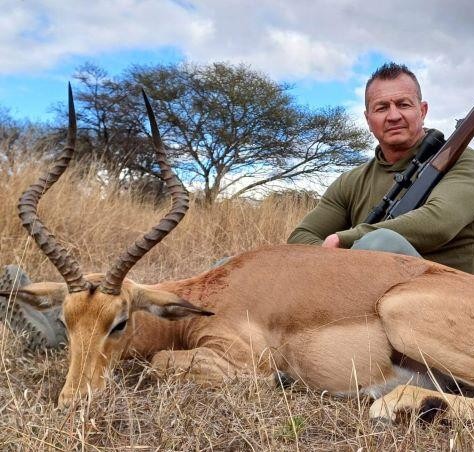
South Africa Hunting Trip, Plains Game Special in Limpopo
Booking Season: 2025
Hunt Difficulty: Moderate

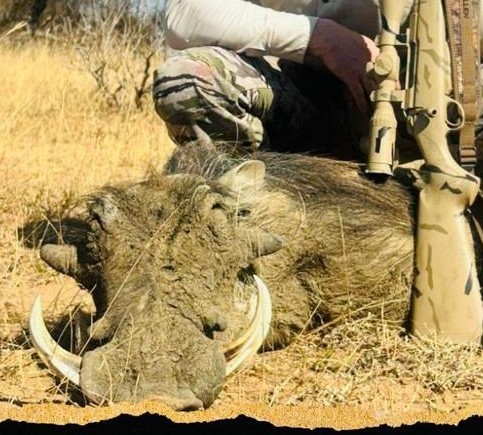
Safari Hunting in SA, 9 Nights and 5 x Plains Game Species
Booking Season: 2026
Hunt Difficulty: Moderate
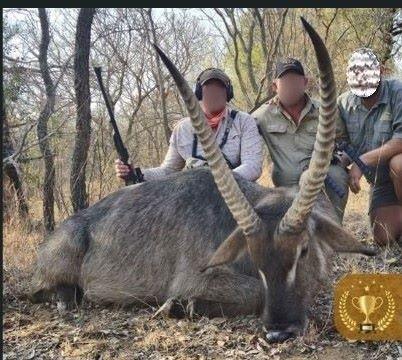
African Hunting Safari SA Golden Wildebeest plus 4 Species
Booking Season: 2026
Hunt Difficulty: Moderate
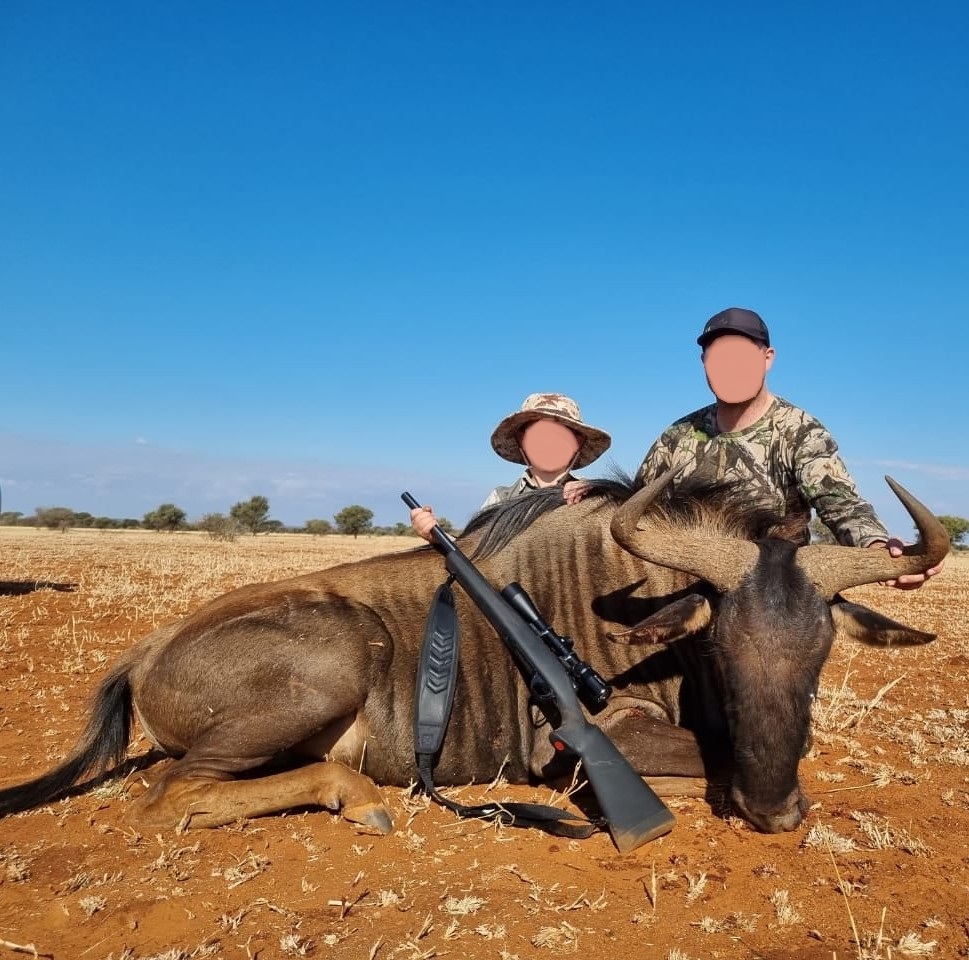
Hunt Waterbuck, Wildebeest & Impala in South Africa
Booking Season: 2026
Hunt Difficulty: Moderate
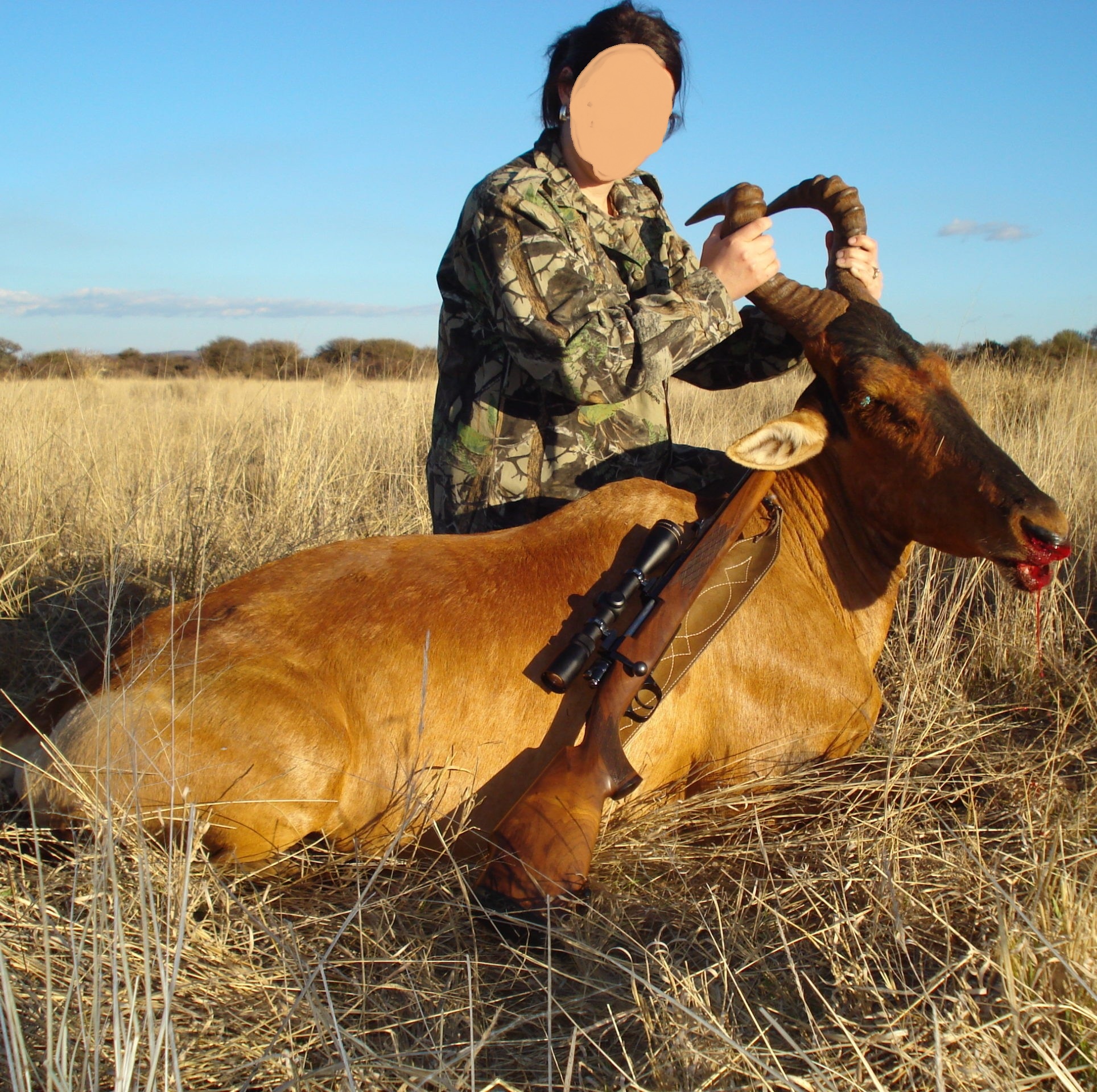
Hunting in South Africa: Tsessebe, Impala, Waterbuck & 2 More Species
Booking Season: 2026
Hunt Difficulty: Moderate
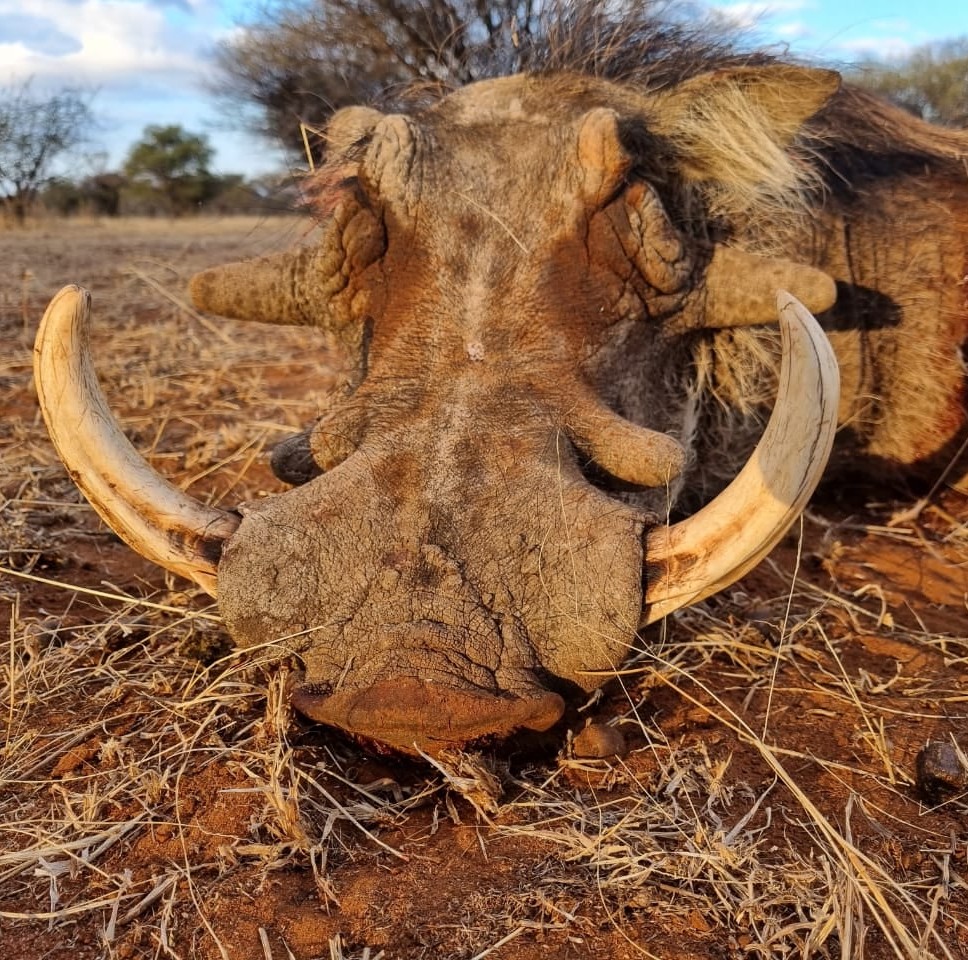
African Plains Game in Limpopo: Sable, Impala & Warthog Hunts
Booking Season: 2026
Hunt Difficulty: Moderate
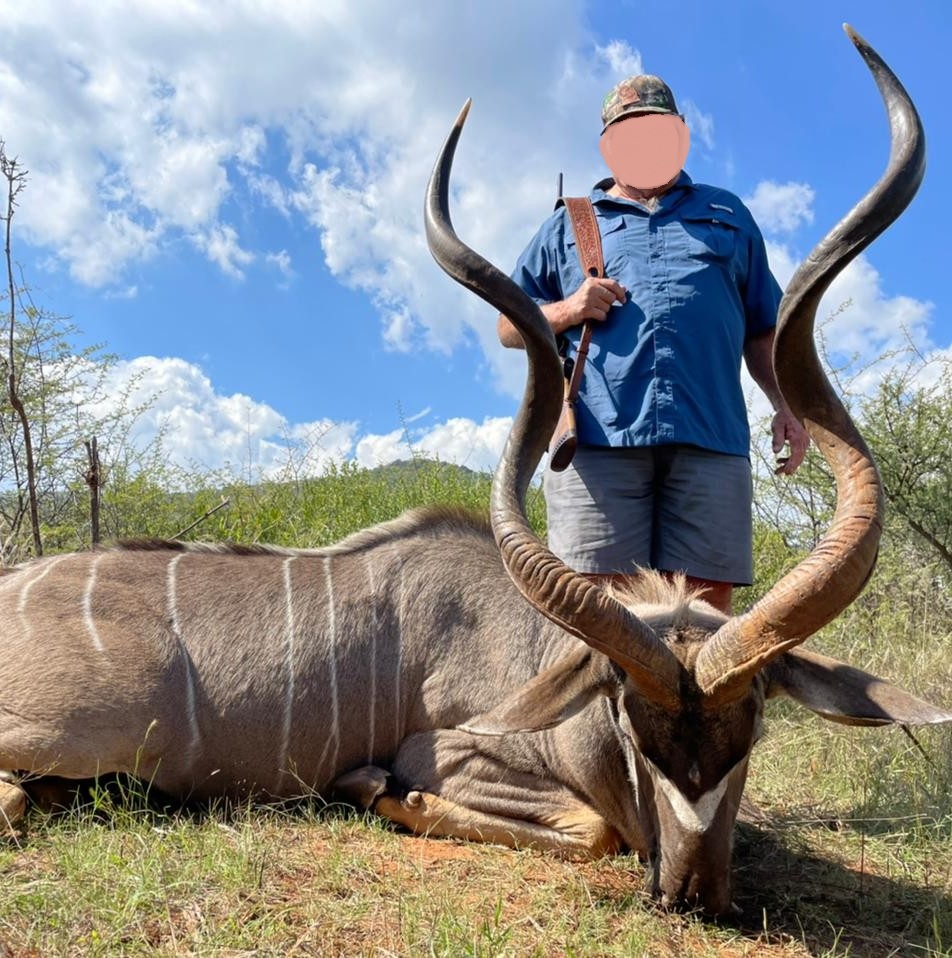
Plains Game Hunts in SA: Sable, Kudu, Warthog & 2 More Trophies
Booking Season: 2026
Hunt Difficulty: Moderate
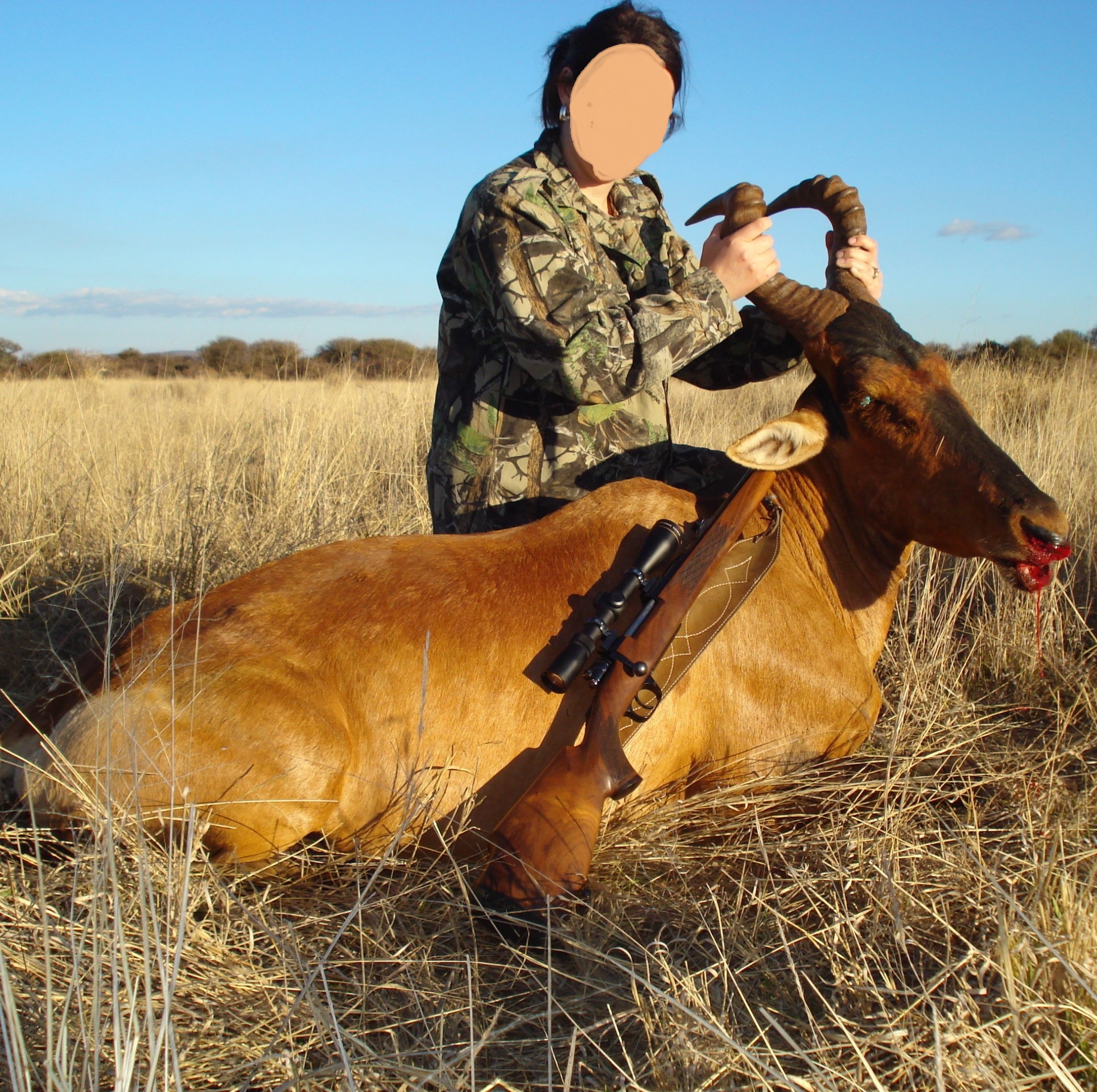
Hunt Kudu, Sable, Zebra, Gemsbok & 4 More Species in Limpopo
Booking Season: 2026
Hunt Difficulty: Moderate

Book Your Hunt