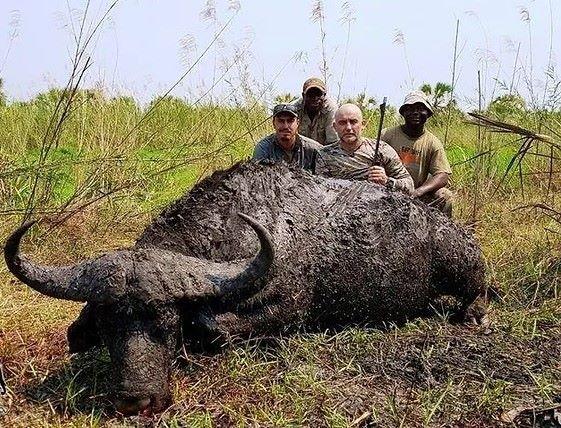
10-Day Cape Buffalo Hunt in Niassa, Mozambique + Plains Game
Booking Season: 2026
Hunt Difficulty: Difficult

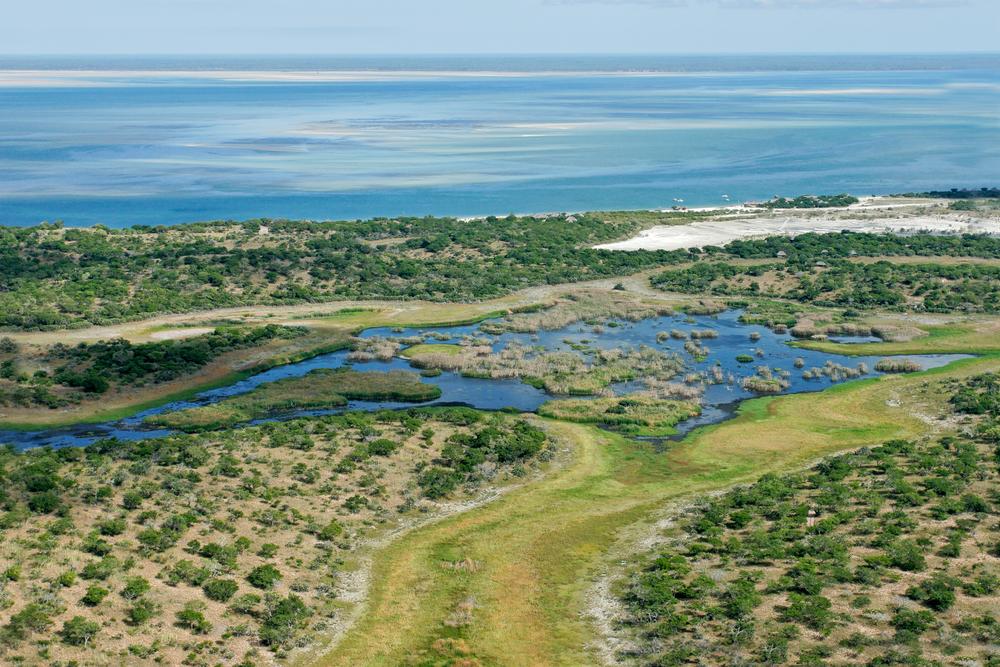
Mozambique remains one of the few African hunting destinations where safaris still revolve around tracking, distance, and time spent in the field rather than convenience. For hunters considering broader African hunting safaris, Mozambique represents something very different from more structured destinations like South Africa or Namibia.
This is a country of vast concessions, thick bush, floodplains, and remote camps where wildlife moves freely across unfenced landscapes. Success is not driven by volume or predictability, but by time in the field, tracking ability, and adapting to changing conditions.
For American and Canadian hunters, Mozambique is often not a first safari, but for those who understand what they are stepping into, it can offer one of the most authentic dangerous game hunting experiences still available in Africa.
Mozambique is not a destination built around luxury lodges or high-volume plains game packages. Instead, it attracts hunters looking for something closer to the original idea of an African safari, long days tracking on foot, difficult terrain, and the understanding that success may take time.
Hunts Currently Available
10-Day Cape Buffalo Hunt in Niassa, Mozambique + Plains Game
Booking Season: 2026
Hunt Difficulty: Difficult
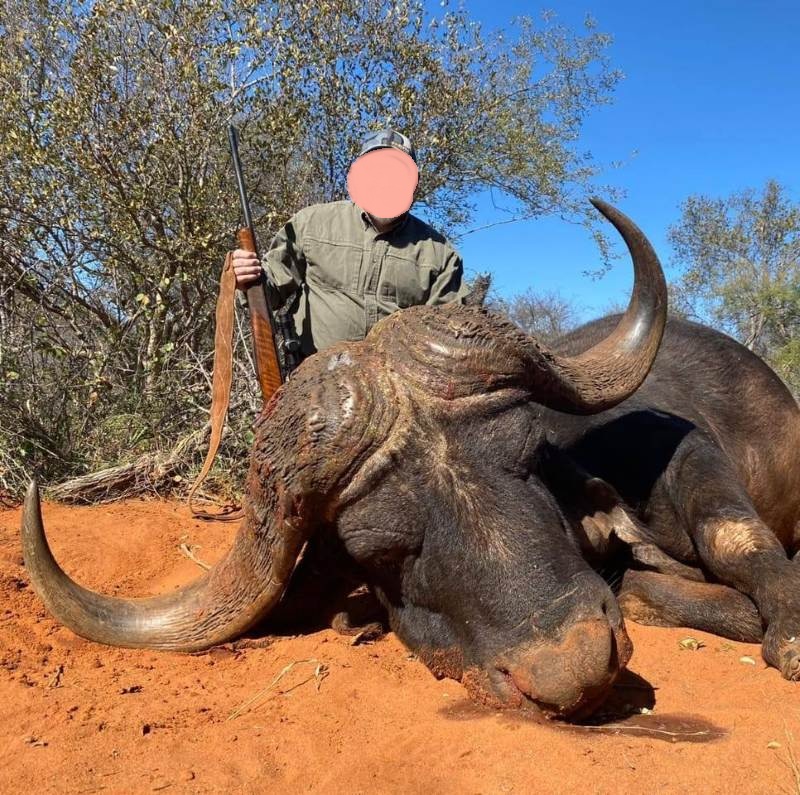
12-Day Cape Buffalo Hunting Safari in Mozambique
Booking Season: 2026
Hunt Difficulty: Difficult
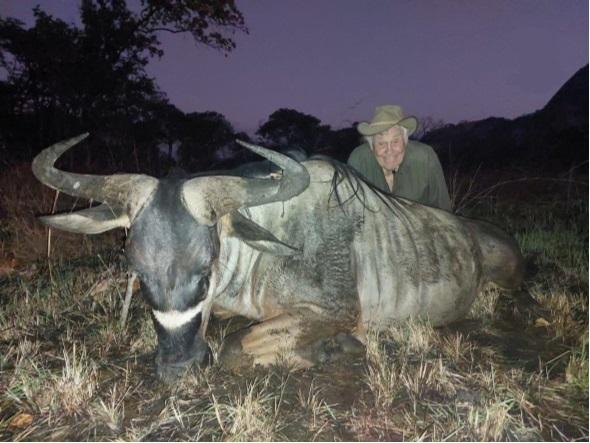
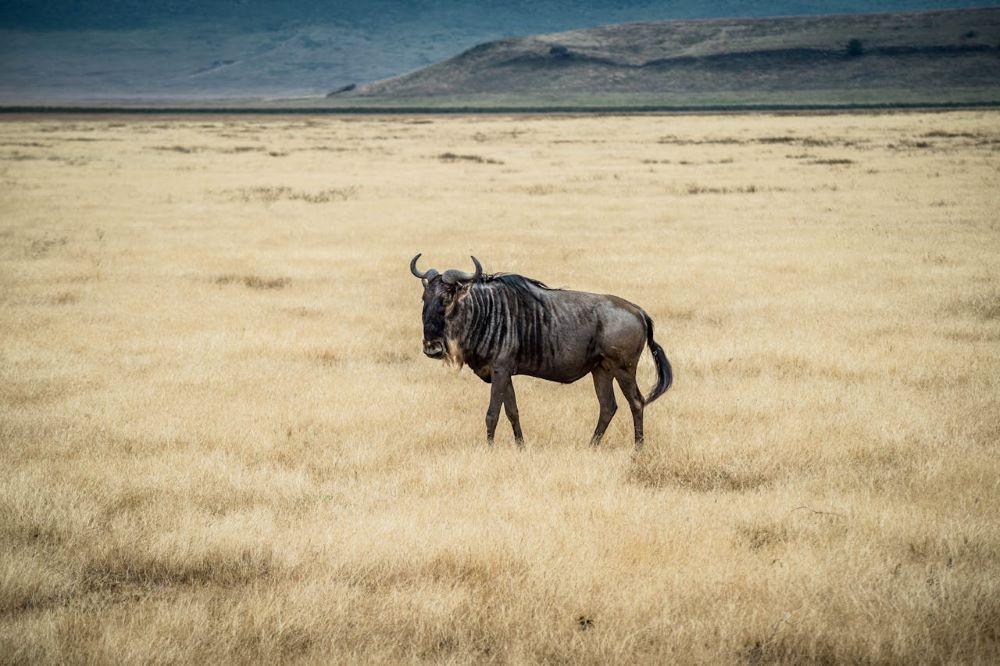
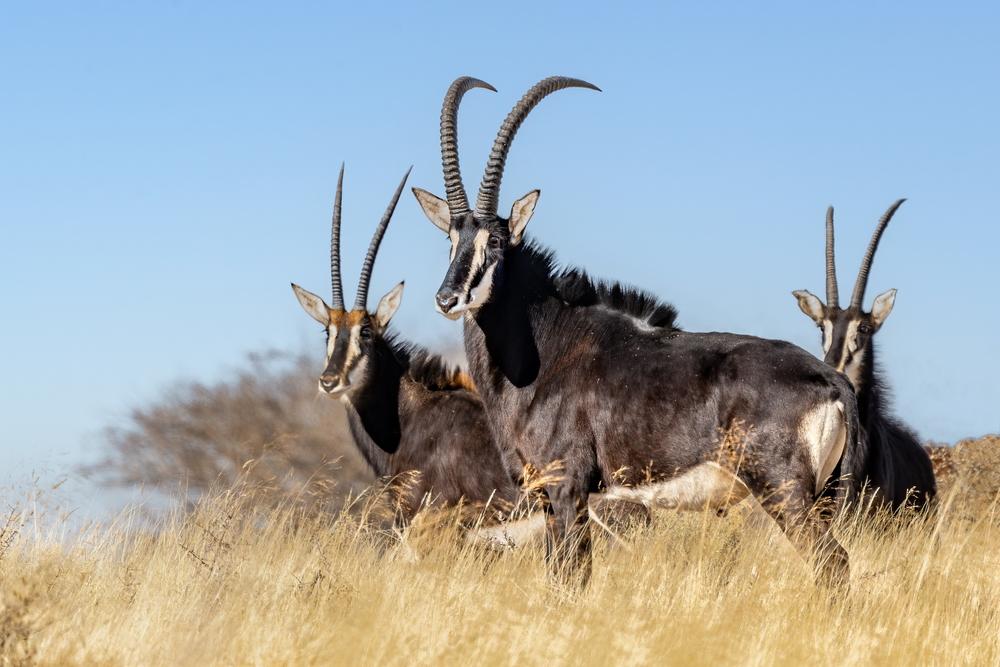
Cape Buffalo, Roosevelt Sable & Niassa Wildebeest Hunt in Mozambique
Booking Season: 2026
Hunt Difficulty: Difficult
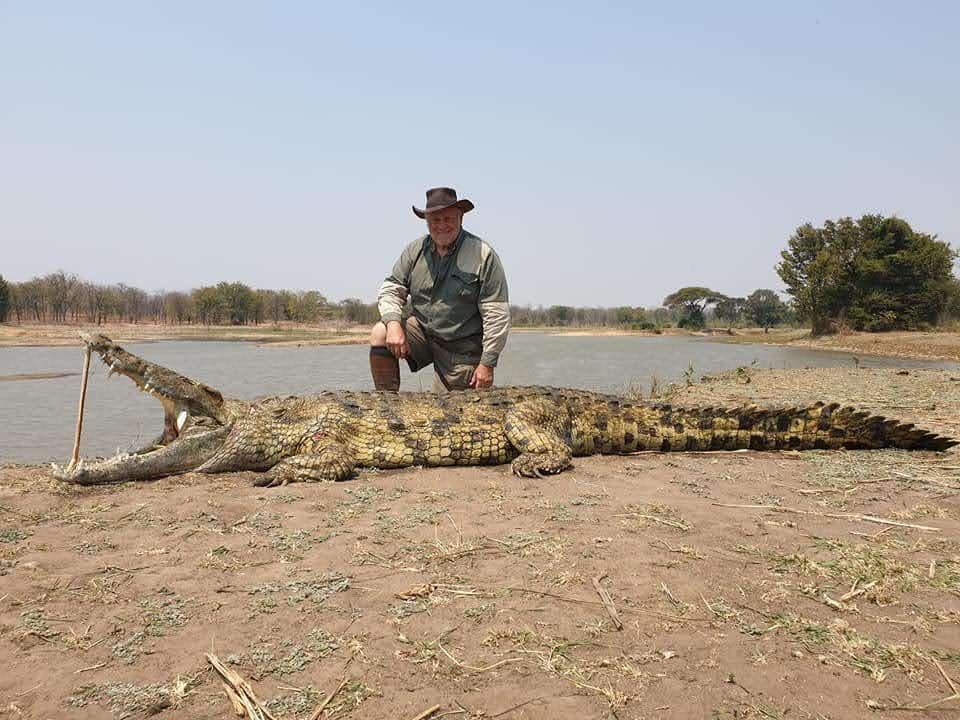
Lake Cahora Bassa Nile Crocodile Hunting Safari
Booking Season: 2026
Hunt Difficulty: Difficult
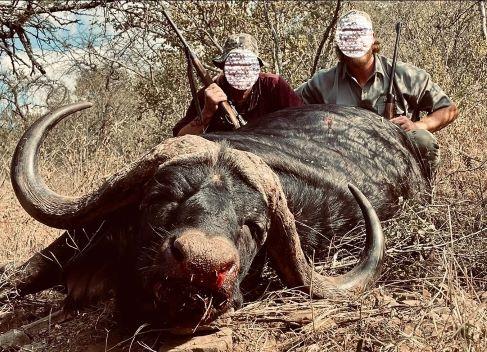
Leopard & Cape Buffalo Safari in Niassa
Booking Season: 2026
Hunt Difficulty: Difficult
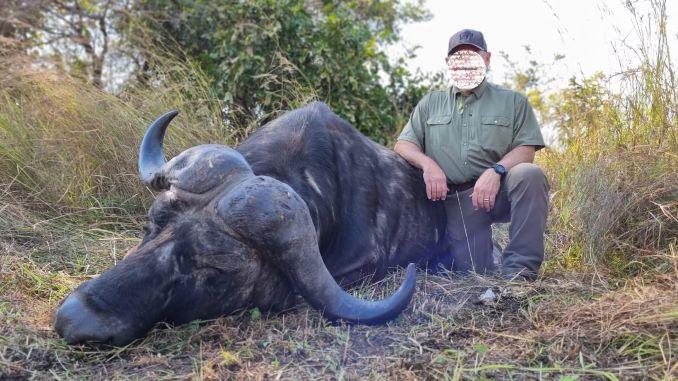
12-Day Cape Buffalo & Plains Game Safari in Niassa
Booking Season: 2026
Hunt Difficulty: Difficult
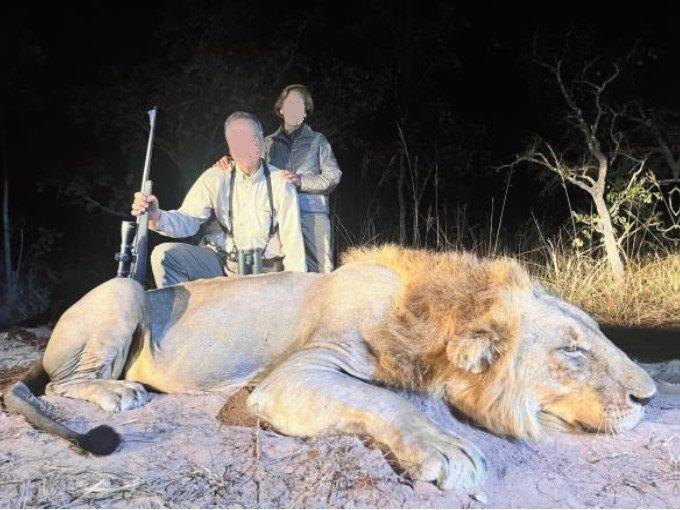
Free-Range Lion & Buffalo Safari in Niassa
Booking Season: 2026
Hunt Difficulty: Difficult
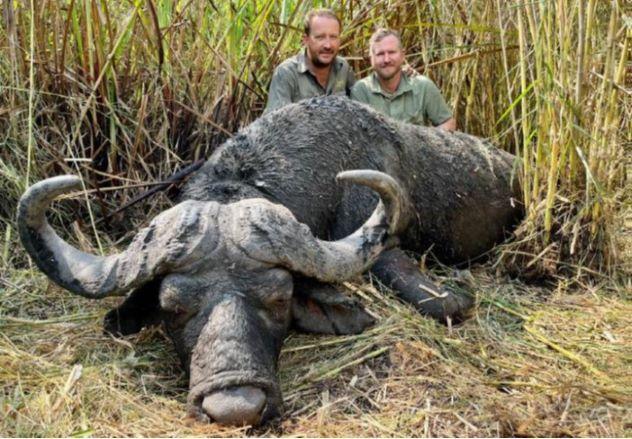
10-Day Free-Range Cape Buffalo Safari in Mozambique's Zambezi Delta
Booking Season: 2026
Hunt Difficulty: Difficult
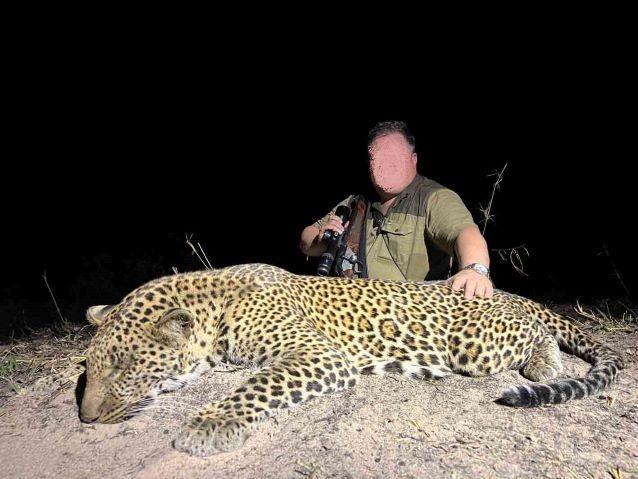
14-Day Free-Range Leopard Hunt | Niassa Reserve, Mozambique
Booking Season: 2026
Hunt Difficulty: Difficult
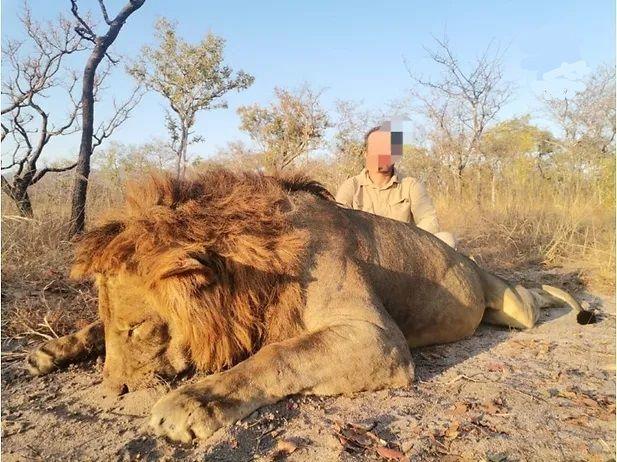
Niassa Full Bag Safari: Lion, Leopard & Buffalo
Booking Season: 2026
Hunt Difficulty: Difficult
Mozambique offers one of the most traditional dangerous game hunting environments remaining in southern Africa. Large wilderness concessions, low hunting pressure, and the need to track animals across unfenced landscapes create a safari experience that appeals strongly to experienced hunters.
What is hunting in Mozambique?
Hunting in Mozambique takes place in large, unfenced wilderness concessions where safaris focus on tracking dangerous game on foot over extended periods.
How much does a Mozambique hunting safari cost?
Most safaris range from $1,500 to $2,500 per day, with total costs depending on species, safari length, and concession location.
Is Mozambique good for hunting safaris?
Mozambique is widely considered one of the best destinations in southern Africa for traditional dangerous game hunting in remote, low-pressure wilderness areas.
Mozambique On Map
You Might Also Like
Mozambique hunting safaris are best known for dangerous game, remote free-range concessions, and traditional tracking hunts.
Mozambique is best suited for hunters looking for remote, traditional dangerous game safaris rather than structured or lodge-based hunting experiences.
Mozambique has long been known for large unfenced concessions, big game hunting, and long tracking safaris conducted far from roads and settlements. Concessions can cover hundreds of thousands of acres of unfenced habitat, and it is entirely possible to spend days hunting without encountering another camp or vehicle.
Dangerous game hunting is the primary draw. The country is particularly well known for Cape buffalo, leopard, crocodile, and hippo, and several regions have produced outstanding buffalo hunting for decades. A typical buffalo hunt might begin shortly after sunrise, when trackers begin following fresh spoor through thick bush or across open floodplains. Depending on conditions, it can take hours of steady tracking before the herd is located and the professional hunter begins planning the final approach.
Mozambique operates largely under a concession system, where large hunting blocks are leased from the government and managed by safari operators. The quality of a hunt can depend greatly on how well a concession is managed, including wildlife populations, anti-poaching efforts, and responsible quota management. Well-run concessions can offer exceptional hunting, while poorly managed areas can provide a very different experience. Travel and logistics can also be more demanding than in some other African destinations.
Camps are located in remote areas that require additional flights or long road transfers after arriving in the country. Camps themselves are usually comfortable but practical, designed around the needs of a working safari rather than luxury tourism.
Mozambique is a large country, and hunting opportunities are spread across several very different regions. Understanding how these areas differ is important when planning a safari, because the environment, species availability, and hunting style can vary significantly from one concession to another. Most hunting in Mozambique takes place in large government-leased concessions, commonly known as coutadas. These concessions operate under wildlife management quotas issued by the Mozambican government. Annual quotas determine how many animals of specific species may be taken within each hunting block, based on wildlife surveys and conservation assessments.
Responsible operators work within these limits while investing heavily in anti-poaching patrols and wildlife monitoring programs, creating a system where regulated hunting contributes directly to the protection and management of wildlife populations across remote wilderness regions. These areas can cover hundreds of thousands of acres and are managed by safari operators responsible for wildlife management, anti-poaching efforts, and the organization of hunting safaris. In well-run concessions, hunting revenue plays an important role in maintaining wildlife populations and supporting conservation efforts in remote regions where few other economic activities exist.
One of the characteristics of Mozambican concessions is low hunting pressure. Some areas host only a limited number of safaris each season, allowing wildlife to move across concessions with relatively little disturbance. Hunting quality in Mozambique can vary depending on the region and how individual concessions are managed. Some areas are known for strong buffalo populations, while others are better recognised for crocodile, leopard, or the chance to hunt in extremely remote wilderness country.
The Zambezi Delta and Marromeu regions are best known for Cape buffalo hunting, while Niassa has developed a strong reputation for leopard and tracking safaris through woodland areas. The Cahora Bassa system is well known for Nile crocodile and hippo, and some central concessions also produce sable and Livingstone eland.
In northern Mozambique, the Niassa Reserve is one of the largest free-range conservation areas in Africa. The landscape consists of miombo woodland, remote river systems, and vast stretches of lightly populated country. For hunters who value true wilderness hunting, Niassa is often considered one of the most remote safari environments in southern Africa.
Distances in Niassa can be considerable, and hunting areas may go hours without crossing another road or settlement. Niassa has long been known for Cape buffalo and leopard hunting, and hunts here often involve extended periods of tracking through thick woodland and dry river systems. Because of the size of the reserve, it is not unusual to spend full days following fresh tracks before the right opportunity develops. For hunters looking for a traditional wilderness safari environment where the hunt unfolds slowly and often far from camp, Niassa is frequently regarded as one of the most authentic hunting regions remaining on the continent.
Central Mozambique contains a series of large hunting concessions known as coutadas, many of which lie within the Zambezi Delta ecosystem. These areas include floodplains, river forests, and bushveld that provide excellent habitat for dangerous game. Several of these concessions have developed solid reputations for Cape buffalo hunting, supported by large buffalo populations and extensive wilderness habitat. Buffalo hunts in these areas often involve long periods of tracking on foot across floodplain terrain before herds move into thicker cover. The combination of open ground and dense vegetation can create challenging conditions for closing the final distance.
Leopards are also commonly hunted in these concessions, while the river systems provide opportunities for crocodile and hippo. Many hunters consider central Mozambique one of the most consistent destinations in southern Africa for traditional Cape buffalo hunting, where mature bulls are pursued on foot across large, unfenced landscapes.
Within the broader delta region, the Marromeu area has historically been known for significant buffalo populations and productive hunting concessions. The combination of floodplains, grasslands, and river systems creates ideal conditions for large buffalo herds, and the region has long been associated with classic buffalo hunting safaris. Buffalo hunts in Marromeu involve long days on foot across open floodplains and tall grasslands where visibility can vary dramatically depending on the season.
Tracking herds through this terrain may require several hours of steady walking, particularly when temperatures are high or animals are moving between feeding areas. Hunters who have spent time pursuing buffalo in the Marromeu region often remark on the amount of ground that may be covered in a single day of tracking. For hunters specifically interested in pursuing Cape buffalo in Mozambique, this part of the Zambezi Delta has developed a strong reputation over many years.
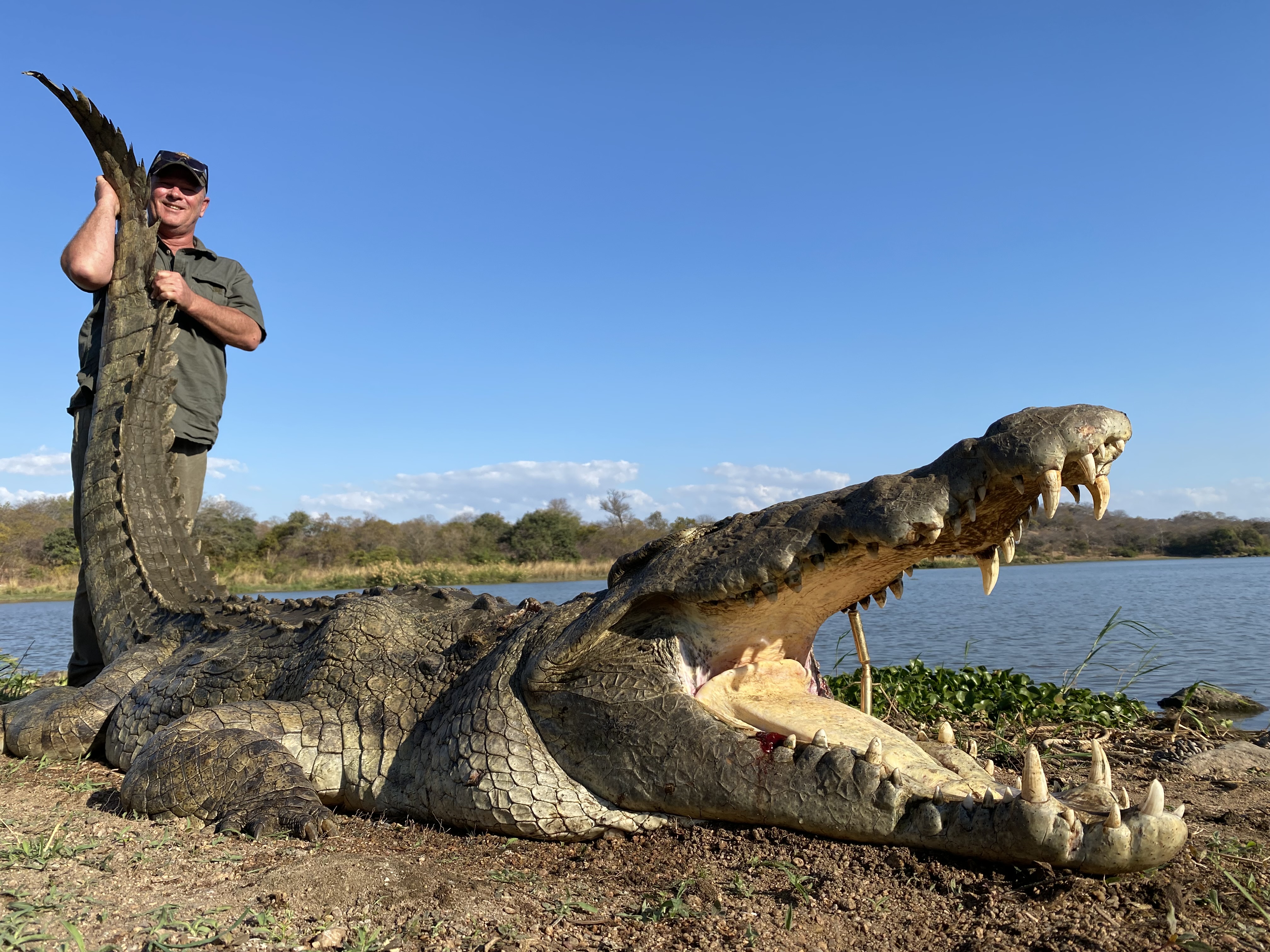
Further inland, the region surrounding Lake Cahora Bassa is known among safari hunters for producing large Nile crocodile and hippo. The reservoir and surrounding river systems provide excellent habitat for these species, and many crocodile safaris in Mozambique take place along these waterways. Crocodile hunts typically involve long periods of observation along riverbanks or sandbars where animals come out to bask during the day. Opportunities often depend on patience and precise shot placement when the crocodile positions itself correctly along the water's edge. Hunters also recognise the Cahora Bassa system as one of the areas where exceptionally large Nile crocodiles have historically been taken, contributing to Mozambique's reputation as a strong destination for this species.
Mozambique has developed a reputation among safari hunters as a destination for dangerous game hunting in rugged concessions. While plains game hunts are available in several regions, most hunters travel to Mozambique specifically for the opportunity to pursue dangerous game in remote country where wildlife moves freely across unfenced landscapes.
The country is particularly well known for Cape buffalo, leopard, crocodile, and hippo, with certain concessions producing consistent hunting opportunities for these species. Because hunting typically takes place in large concession areas rather than smaller private properties, dangerous game hunts in Mozambique rely heavily on traditional tracking, patience, and careful fieldcraft.
Animals are not confined to smaller properties, and encounters often depend on locating fresh spoor and gradually working closer to the animal through bush, woodland, or floodplain terrain. For hunters, this is precisely the appeal, safaris where success depends less on predictability and more on the experience of the professional hunter and trackers working the ground.
Cape buffalo are one of the primary dangerous game species pursued in Mozambique, particularly in the Zambezi Delta ecosystem and northern wilderness areas such as Niassa. After severe wildlife declines during the Mozambican Civil War, several major hunting regions underwent substantial recovery through long-term concession management, anti-poaching programs, and conservation investment. Today, Mozambique is again regarded as one of the stronger destinations in southern Africa for traditional buffalo hunting in large unfenced concessions.
Cape buffalo hunts are conducted on foot, with trackers following fresh spoor through woodland, bushveld, and floodplain terrain until suitable bulls are located. In well-managed concessions with low hunting pressure, buffalo often behave naturally and move across large areas, creating the kind of tracking-focused safari many experienced hunters seek.
Several regions, particularly within the Zambezi Delta and Marromeu systems, have developed reputations for mature bulls and authentic wilderness hunting conditions.
Several environmental factors contribute to Mozambique's reputation for Cape buffalo hunting. Large floodplain ecosystems, particularly within the Zambezi Delta, provide extensive grazing areas and year-round water that support large herds. In addition, many hunting concessions cover enormous unfenced landscapes where buffalo move naturally across woodland, river systems, and open floodplains with relatively little hunting pressure. This combination of habitat, space, and controlled hunting quotas allows bulls to reach older age classes, which is one of the reasons mature buffalo are regularly encountered in well-managed Mozambican concessions.
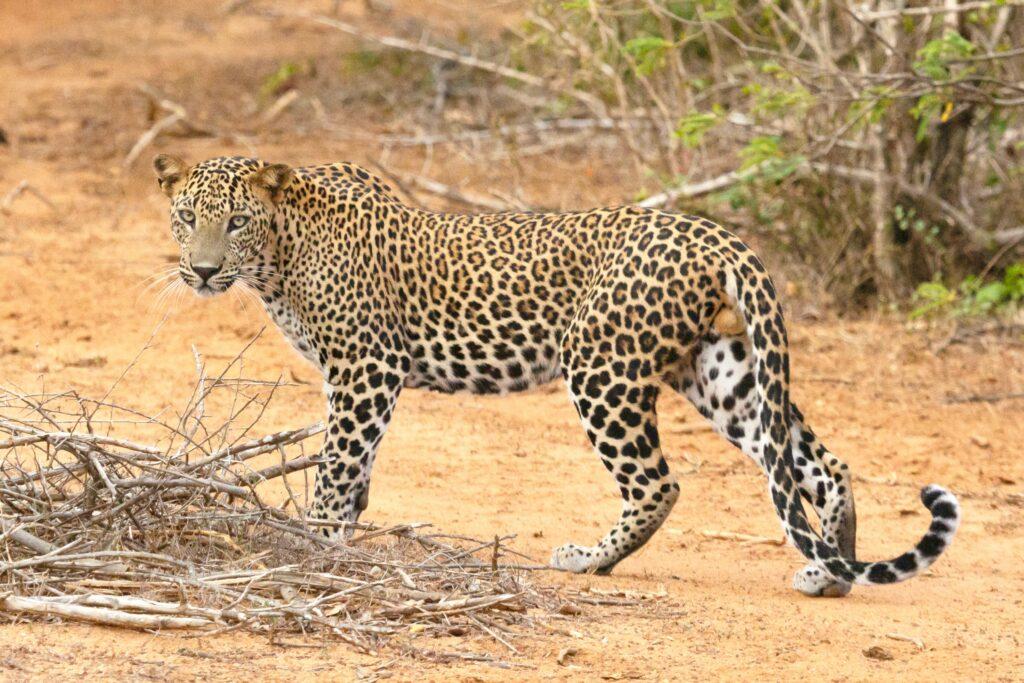
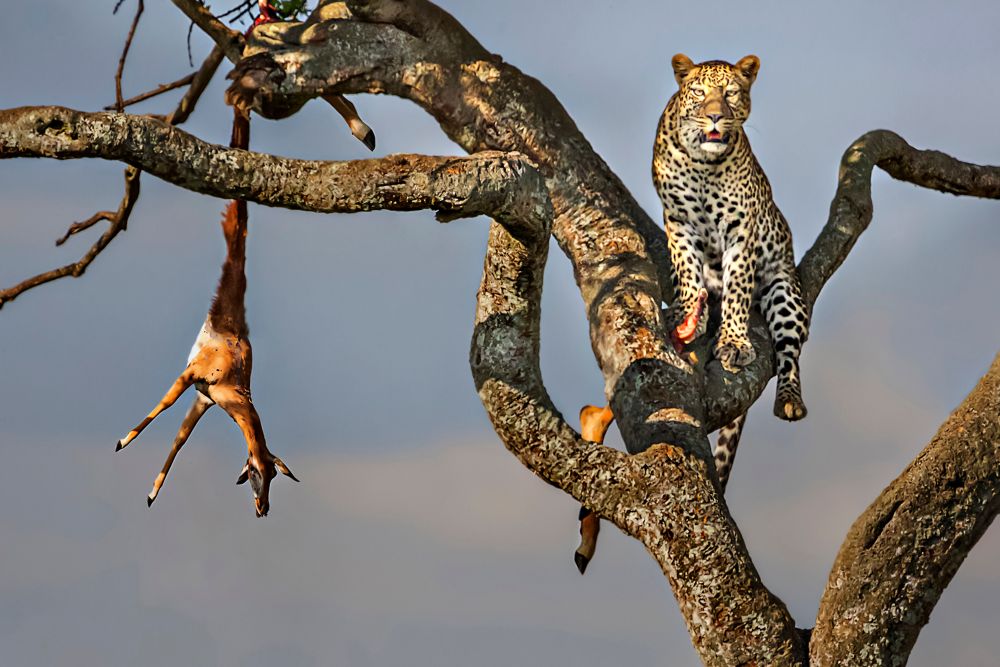
Leopard hunting forms an important component of dangerous game safaris in several Mozambican concessions. The species occurs in areas where healthy prey populations and adequate cover allow mature toms to establish territories. In suitable concessions, leopard densities can be strong enough to support consistent hunting opportunities. Leopard hunts generally rely on baiting strategies, with bait sites placed in areas where leopard activity is known or suspected. Once a mature tom begins visiting a bait regularly, hunters may spend evenings waiting in a blind for the right opportunity. Successful leopard hunting often depends on patience and careful bait placement, and professional hunters typically prefer to wait for a mature tom rather than rush an opportunity on a younger animal. When conditions align, good bait activity, the right wind, and a disciplined approach in the blind, Mozambique can offer strong leopard hunting opportunities for hunters patient enough to wait for the right cat.
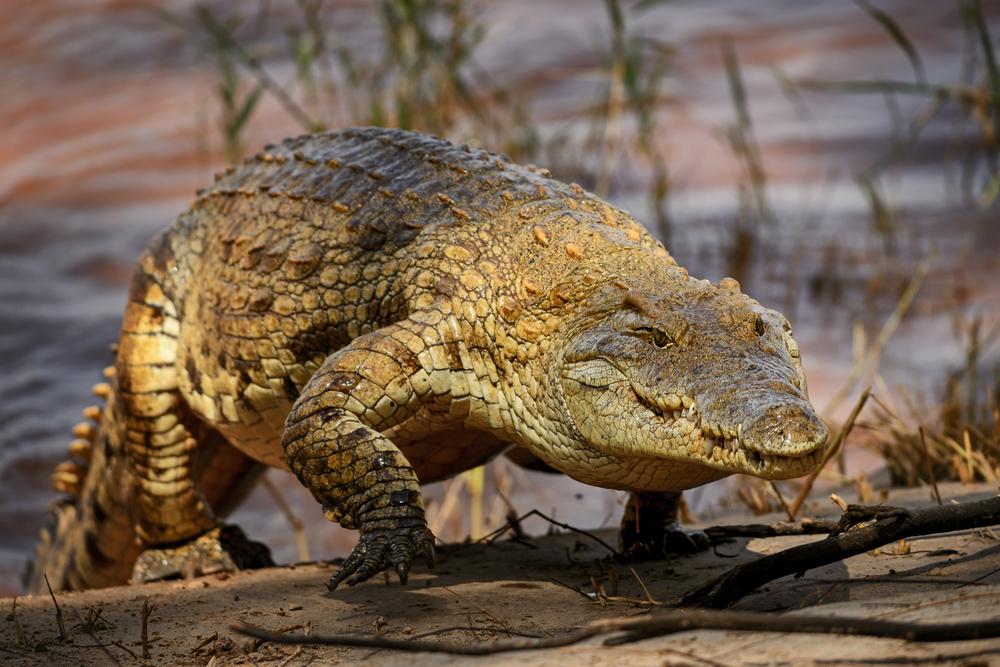
Mozambique has long been known for producing large Nile crocodiles, particularly in river systems and reservoirs such as those surrounding Cahora Bassa. Crocodile hunts often involve long periods of observation along riverbanks and sandbars where animals come out to bask during the day. Hunters and professional hunters may spend hours watching shorelines, waiting for a crocodile to settle into a position where a precise shot can be taken. Crocodiles spend much of their time partially submerged or close to water, so shot placement and timing are vitally important. The professional hunter usually waits until the animal is positioned correctly before allowing the hunter to take the shot. In several Mozambican hunting areas, crocodiles exceeding fifteen feet have occasionally been taken, contributing to the country's reputation as a strong destination for trophy Nile crocodiles.
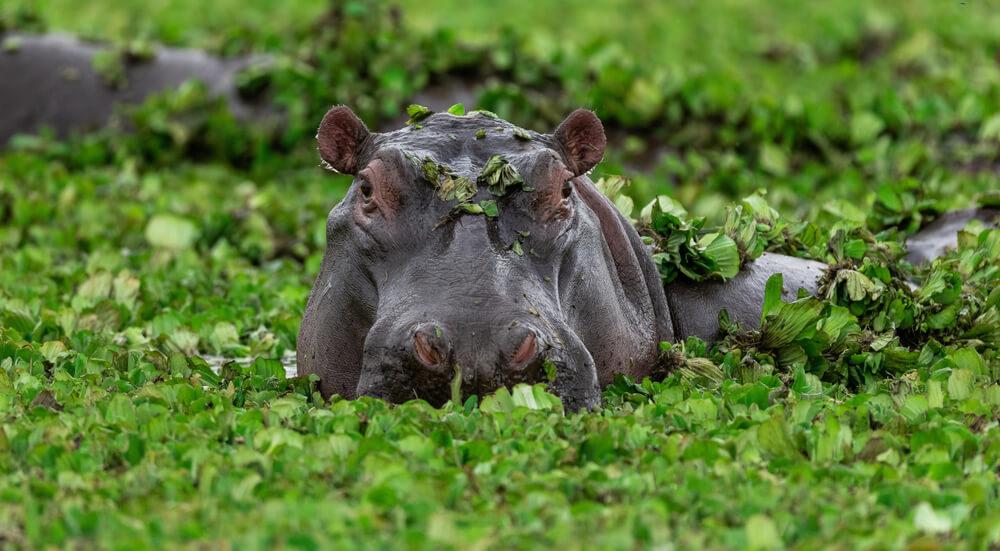
Hippo hunting mostly takes place along river systems, floodplains, and reservoirs where these animals spend much of their time in the water. Depending on the conditions, hippo may be taken either in the water or when they emerge along riverbanks to feed during the evening or early morning hours. Because hippo are large and powerful animals, accurate shot placement is essential, and hunts are conducted carefully under the guidance of the professional hunter. In river systems that support stable hippo populations, these hunts can provide an additional dangerous game opportunity during safaris focused primarily on buffalo or crocodile.
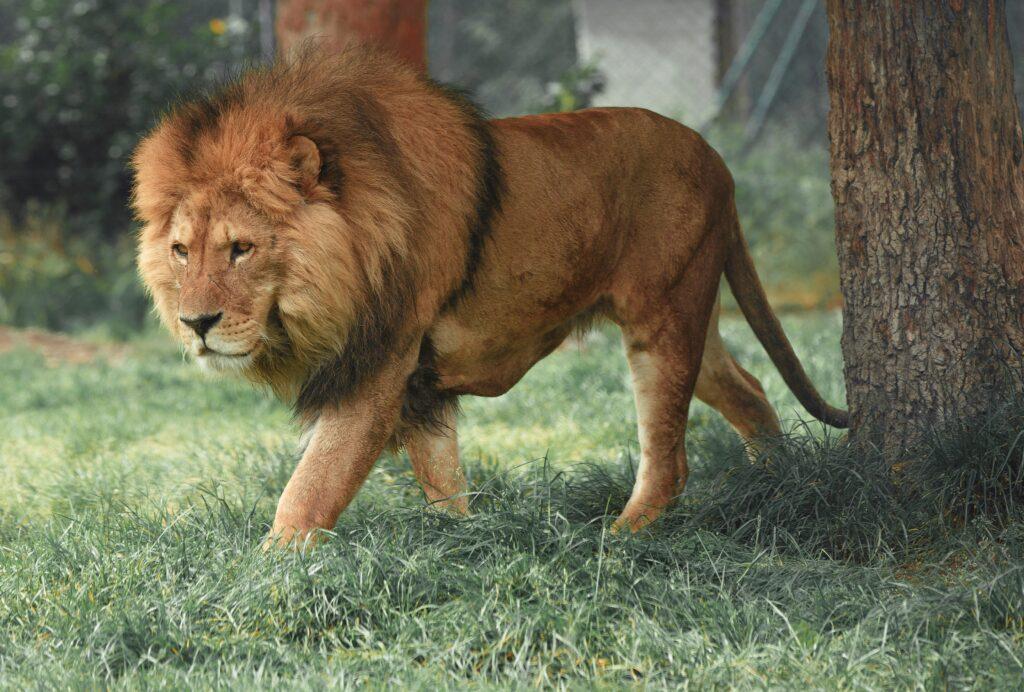
In certain concessions and under specific quota allocations, Mozambique may offer limited opportunities for elephant or lion hunts. These safaris are highly regulated and depend on government management policies, wildlife population assessments, and conservation considerations. For that reason, elephant and lion are generally considered occasional opportunities rather than the primary focus of most Mozambique safaris. Hunters interested in these species typically need to plan well in advance and work with outfitters operating in concessions where quotas are available.
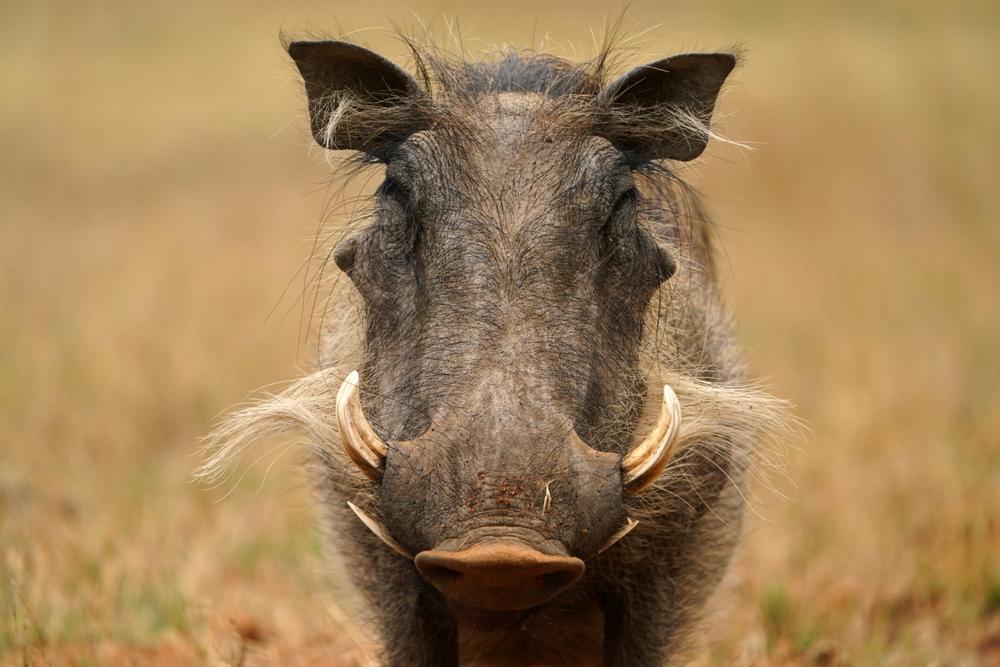
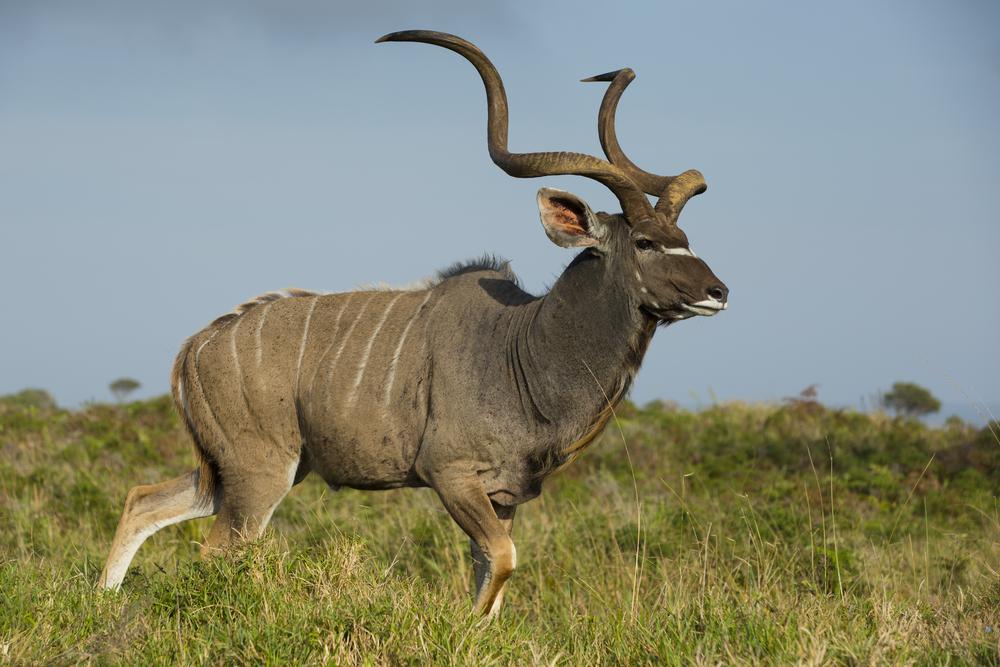
While Mozambique is primarily known for dangerous game hunting, several plains game species are also encountered in certain concessions. Animals commonly taken on plains game hunts include Livingstone eland, waterbuck, bushbuck, warthog, reedbuck, and sable in suitable woodland areas. Although Mozambique is not regarded as a high-volume plains game destination, hunters often take additional trophies while pursuing Cape buffalo and other dangerous game species.
While every safari differs depending on the species pursued and the concession where the hunt takes place, most Mozambique buffalo safaris follow a fairly predictable structure.
Day 1 — Arrival and Travel to Camp
Hunters typically arrive in Mozambique through cities such as Maputo, Beira, or Pemba before continuing to camp by charter aircraft or road transfer into the hunting concession.
Day 2–6 — Tracking and Hunting
Daily hunts begin early in the morning when trackers search for fresh spoor left during the night. Once tracks are located, the hunting party follows the spoor on foot through woodland, bushveld, or floodplain terrain until the herd or animal is found.
Day 7–9 — Final Hunting Opportunities
Later days may focus on locating mature buffalo bulls, checking leopard bait sites, or pursuing additional species such as crocodile, hippo, or plains game depending on the concession and the hunter's objectives.
Final Day — Departure
Hunters travel back toward the regional airport before connecting onward to Johannesburg or other international departure points. Although every safari differs, many hunts in Mozambique revolve around tracking on foot, covering ground slowly, and working closer to dangerous game over several hours. Planning a safari in Mozambique often requires slightly more preparation than hunts in some other African destinations. Travel planning, timing, and realistic expectations are all important parts of a successful Mozambique safari, particularly in remote hunting concessions.
Unlike more developed hunting destinations where camps may be relatively easy to reach, many Mozambican safaris involve traveling deep into wilderness concessions where infrastructure is limited. For many hunters, however, this remoteness is exactly what makes the experience appealing. Those who arrive with realistic expectations about travel, terrain, and the pace of a traditional safari generally find Mozambique to be one of the most rewarding hunting destinations in Africa.
Mozambique safaris are priced similarly to dangerous game hunts in Zimbabwe, although final costs can vary depending on the concession, species pursued, and length of the safari. Cape buffalo hunts are typically conducted on 7- to 10-day safaris. Daily rates for these hunts often range between $1,500 and $2,500 per day, with trophy fees for Cape buffalo commonly falling between $3,500 and $6,000 depending on the concession and the operator. Leopard hunts are usually booked as longer safaris to allow time for baiting and monitoring bait sites. These hunts often involve daily rates similar to buffalo safaris, with leopard trophy fees commonly ranging between $5,000 and $8,000. Crocodile and hippo hunts can be combined with buffalo safaris or booked as specialised river hunts in concessions where strong populations exist.
Additional costs may include charter flights to reach remote concessions, firearm permits, trophy preparation and export fees, and international shipping of trophies. Hunters comparing these costs across different destinations can find a broader breakdown in our African Hunting Safari Prices guide.While Mozambique is not generally considered a budget hunting destination, it is often viewed as more accessible than Tanzania, where government licensing fees and mandatory safari durations can significantly increase the cost of a dangerous game hunt. For hunters, the appeal of Mozambique lies in the ability to pursue dangerous game in vast wilderness concessions while still keeping safari costs below those typically associated with East African safaris.
International hunters begin their journey by flying to Johannesburg, South Africa, which serves as the primary travel hub for southern Africa. From Johannesburg, hunters typically connect to Mozambican cities such as Beira, Pemba, or Maputo, depending on the location of the concession where the safari will take place. After arriving in Mozambique, reaching camp may involve additional charter flights or several hours of road travel.
Many hunting areas are intentionally remote, and the final stage of travel often takes hunters deep into wilderness concessions where roads may be rough and settlements are few. For many hunters, the long journey into camp becomes part of the overall safari experience. As infrastructure gradually disappears and the landscape opens into larger wilderness areas, hunters often begin to understand just how remote some of these concessions truly are. Hunters traveling with their own rifles will typically complete temporary firearm import documentation upon arrival. Most professional outfitters assist clients with the required paperwork in advance so the process runs smoothly.
The hunting season in Mozambique runs from April through November. Early season hunts often benefit from cooler temperatures and greener landscapes following the rainy season. Wildlife may still be widely distributed across the concessions during this period. As the season progresses and conditions become drier, animals often concentrate closer to water sources and tracking conditions can improve as vegetation thins and ground conditions make spoor easier to follow.
Buffalo hunting is conducted throughout the season, although some hunters prefer the later dry months when tracking conditions can be particularly favourable. Crocodile and hippo hunting may depend more directly on local water levels and habitat conditions within specific concessions. Hunters prefer the later dry season for buffalo and leopard hunting when tracking conditions improve and vegetation becomes thinner.
Hunting days begin early, often before sunrise, when trackers begin searching for fresh tracks left during the night. Once suitable spoor is found, the hunting party follows the tracks on foot through bush, woodland, or floodplain terrain. Depending on the species being pursued and the conditions on the ground, this tracking process can take several hours before animals are located.
When pursuing Cape buffalo, much of the day may be spent following herds as they move between feeding and resting areas. Professional hunters carefully study the wind and terrain before attempting the final approach. Midday is often the hottest part of the day, and hunters may return to camp for a short rest before continuing the hunt in the afternoon.
Evenings may involve checking bait sites when leopard hunting, watching riverbanks for crocodile activity, or glassing open areas where animals may emerge late in the day. While every safari unfolds differently, many hunters find that the rhythm of tracking, observing wildlife, and moving slowly through remote country becomes one of the most memorable parts of the experience.
Most hunting in Mozambique takes place inside large private concessions operated by experienced outfitters and professional hunters. These camps are located in remote areas far from major population centres and are focused almost entirely on the hunting operation. Outfitters manage camp logistics, staff, transportation, and security within the concession. Hunters generally spend the majority of their time inside these controlled hunting areas rather than travelling through populated regions. Hunting revenue also contributes directly to wildlife management and anti-poaching patrols, which help protect wildlife populations in remote areas. As with travel anywhere in the world, hunters should follow normal travel precautions and work with reputable outfitters who have experience operating in the region.
Mozambique is often compared with Tanzania hunting safaris, particularly by hunters looking for large free-range concessions, while Zimbabwe, Namibia, and South Africa each offer very different hunting styles. Zimbabwe is widely respected for its professional hunting tradition and strong dangerous game opportunities. Hunting areas in Zimbabwe also have relatively well-developed safari infrastructure, making travel logistics somewhat easier in some regions. Tanzania offers enormous wilderness concessions similar in scale to Mozambique.
Safaris there, however, tend to be more structured and significantly more expensive due to government licensing requirements and longer mandatory safari durations. Namibia and South Africa offer excellent hunting opportunities as well, but most hunts in those countries take place on privately owned ranches or conservancies rather than vast wilderness concessions.
Mozambique tends to appeal most to hunters who are specifically looking for remote concessions, low hunting pressure, and traditional tracking safaris, particularly for Cape buffalo and other dangerous game. For hunters who value large landscapes and the feeling of hunting in country that remains largely wild, Mozambique occupies a unique place among African safari destinations.
Among African hunting destinations, Mozambique tends to attract hunters looking for remote free-range safaris rather than highly structured lodge-based hunts. Zimbabwe hunting safaris have long been respected for their dangerous game hunting tradition, experienced professional hunters, and relatively straightforward travel logistics. Mozambique, however, occupies a slightly different niche among African hunting destinations. Concessions can cover huge unfenced landscapes where wildlife moves freely across woodland, floodplains, and river systems with relatively little hunting pressure.
Hunts often rely heavily on traditional tracking and may involve covering large distances on foot before animals are located. Mozambique is particularly well suited to anyone looking for a remote, free-range safari where the hunt itself remains the central experience. It can be one of the most rewarding destinations in southern Africa.
Hunters may arrive in Mozambique expecting a hunt similar to other African destinations, only to realise quickly that the country demands a slightly different mindset. One of the first things hunters notice is the scale of the concessions. In many Mozambican hunting areas, wildlife moves across extremely large landscapes with very little pressure. Animals are not confined to smaller properties, and once tracks are found, hunters may spend several hours following spoor before the herd or animal is finally located.
The terrain can also be more physically demanding than some hunters expect. Thick bush, floodplains, high temperatures, and long tracking sessions mean that days in the field often involve steady walking and careful stalking rather than short vehicle-based approaches. Buffalo hunting in particular can test patience. Herds may travel long distances during the day, and it is not unusual to follow tracks for hours before the professional hunter feels conditions are right to attempt the final approach.
These challenges are exactly what make Mozambique memorable. Safaris here often feel closer to the traditional tracking hunts that shaped the reputation of African dangerous game hunting decades ago, hunts where patience, persistence, and good tracking matter far more than speed or convenience. Hunters who arrive prepared for that slower, more deliberate style of safari usually find Mozambique to be one of the most rewarding hunting experiences in Africa.
Mozambique is often considered a more demanding hunting destination than several other countries in southern Africa. Because many concessions cover extremely large, unfenced wilderness areas, animals are not concentrated in smaller properties and hunts depend heavily on tracking skill, persistence, and time in the field. Experienced professional hunters generally view Mozambique as a destination where the hunt itself is the central experience rather than a guaranteed outcome.
Success rates for species such as Cape buffalo remain strong in well-managed concessions, but hunts may involve several days of tracking before the right opportunity develops. Hunters who arrive expecting a traditional wilderness safari, where patience, physical effort, and careful stalking are part of the process, usually find the experience exceptionally rewarding.
Hunting in Mozambique can be tough going, particularly on buffalo and elephant safaris where long hours of tracking on foot are common. Depending on the concession, hunters may spend many hours walking through thick bush, floodplains, sand, or woodland before animals are located. Heat later in the season can also make full days in the field more tiring, especially in remote areas where daily hunting often starts before sunrise and continues until late afternoon.
Some safaris are less physically demanding than others, particularly crocodile or hippo hunts conducted near river systems, but many dangerous game hunts in Mozambique still involve a significant amount of walking. Hunters with injuries, mobility limitations, or difficulty covering long distances should discuss this openly with their outfitter before booking so the safari can be matched to their physical ability and expectations.
Like any remote wilderness hunt, safaris in Mozambique do not always unfold exactly as planned. Hunters considering the country should understand that the same factors that make Mozambique appealing, large concessions, low hunting pressure, and free-ranging wildlife, can also introduce challenges. Travel logistics can occasionally be unpredictable.
Flights into smaller regional airports may change schedules, and reaching camp often requires additional charter flights or long road transfers through remote areas. Experienced outfitters usually manage these logistics well, but hunters should still expect travel to take time. Weather and seasonal conditions can also influence the hunt. Heavy rains earlier in the year can affect road access in certain concessions, while late-season heat can make tracking physically demanding for both hunters and trackers.
Wildlife behaviour is another factor. Because animals move freely across extremely large areas, encounters are never guaranteed on a specific day. Even in strong buffalo concessions, hunters may spend several days tracking before the right bull is located and the professional hunter decides conditions are right for the final approach.
These uncertainties are part of what defines a traditional wilderness safari. For hunters who expect a structured or predictable hunting schedule, Mozambique may feel demanding. For others, however, the unpredictability is exactly what makes the experience memorable, hunts where success comes through patience, persistence, and the skill of experienced trackers working the ground.
Hunting in Mozambique is often slower, less predictable, and far more dependent on tracking than safaris in many other African countries. In many countries, wildlife populations are concentrated in smaller areas and hunts may involve shorter tracking distances before animals are located. In Mozambique, however, the scale of the concessions often means that animals move across enormous landscapes with very little pressure. It is not unusual for a hunting party to spend several hours following fresh tracks before even seeing the herd or animal being pursued.
Professional hunters and trackers may cover long distances in thick bush or across floodplain terrain before the final approach becomes possible. For hunters accustomed to faster-paced safaris, this can be a surprising adjustment. The experience often demands patience, physical stamina, and a willingness to spend long hours working tracks through difficult country. At the same time, this slower pace is exactly what many experienced dangerous game hunters value. After several hours of tracking, even getting close to a buffalo herd can feel like a significant part of the hunt. Mozambique tends to appeal most to hunters who value the process of the hunt itself, the tracking, the terrain, and the unpredictability of truly wild country.
Mozambique can offer an exceptional safari experience, but it is not necessarily the right destination for every hunter. Hunters who prefer luxury lodge environments, short travel times, or high-volume plains game hunts may find other countries more suitable. Destinations such as South Africa or Namibia often provide easier logistics, shorter travel times between hunting areas, and a wider variety of plains game species within relatively small areas. Mozambique, by contrast, tends to attract hunters who are specifically looking for wilderness hunting, dangerous game safaris, and large unfenced concessions where tracking animals on foot remains a central part of the experience. Those who appreciate remote landscapes, traditional tracking, and safaris that unfold at a slower pace often find Mozambique to be one of the most rewarding hunting destinations in Africa.
One advantage of hunting in Mozambique is the opportunity to combine a safari with time along the country's Indian Ocean coastline. The Bazaruto Archipelago is one of Mozambique's most well-known coastal destinations, offering white sand beaches, excellent diving, and deep-sea fishing opportunities. Some hunters choose to spend several days along the coast after completing their safari, allowing time to relax before returning home. Depending on travel routes, hunters may also spend time exploring nearby regions of southern Africa before returning home.
Mozambique occupies a very specific place among Africa’s hunting destinations. It is not the easiest country to hunt, nor the most developed in terms of infrastructure, but it remains one of the few destinations where dangerous game can still be pursued across extremely large, unfenced wilderness concessions with relatively low hunting pressure. In regions such as the Zambezi Delta and Niassa, safaris often involve long days tracking Cape buffalo through remote bush where animals behave naturally and encounters develop slowly.
Mozambique still offers something increasingly difficult to find elsewhere in Africa: large unfenced concessions and tracking-based dangerous game safaris. Hunters ready to compare available safaris can explore our current African Hunting Trips across Mozambique and other leading hunting destinations.
Mozambique is widely considered one of the stronger destinations in southern Africa for traditional Cape buffalo hunting, particularly in large wilderness concessions within the Zambezi Delta and northern regions of the country.
Hunts involve long days of tracking animals on foot across bushveld, floodplains, or woodland terrain. Hunters planning a safari should arrive in reasonable physical condition.
Receiving trophies from Mozambique can take considerable time, particularly when export permits, dip-and-pack services, taxidermy preparation, and international shipping are involved.
The main hunting season generally runs from April through November, with the dry season often providing favourable tracking conditions.
Yes. While Mozambique is primarily known for dangerous game hunting, several plains game species such as sable, waterbuck, bushbuck, and Livingstone eland can be encountered in certain concessions.
12 October 2026 25 August 2026
Latest Blogs About Mozambique
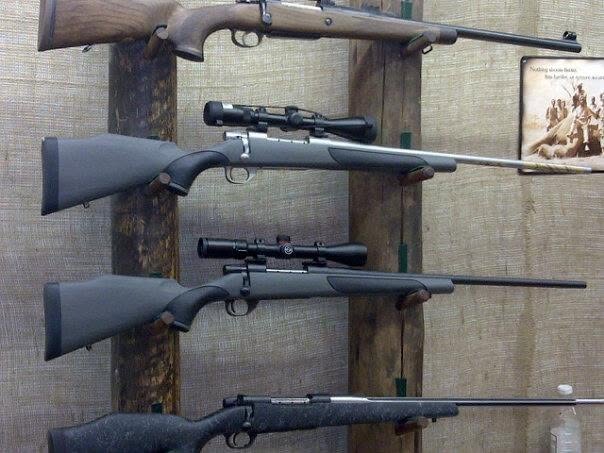
Does Rifle Choice in Mozambique Depend on Where You Hunt?
Why Mozambique Produces Giant Nile Crocodiles
Search from our range of Hunts across various popular destinations in Africa.

Book Your Hunt