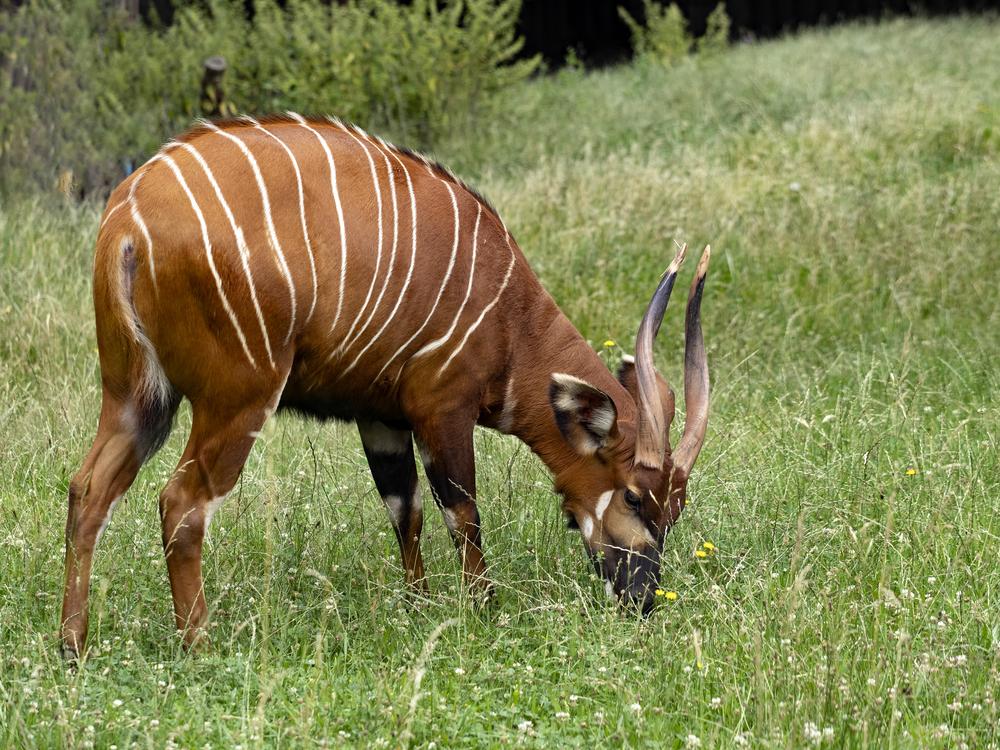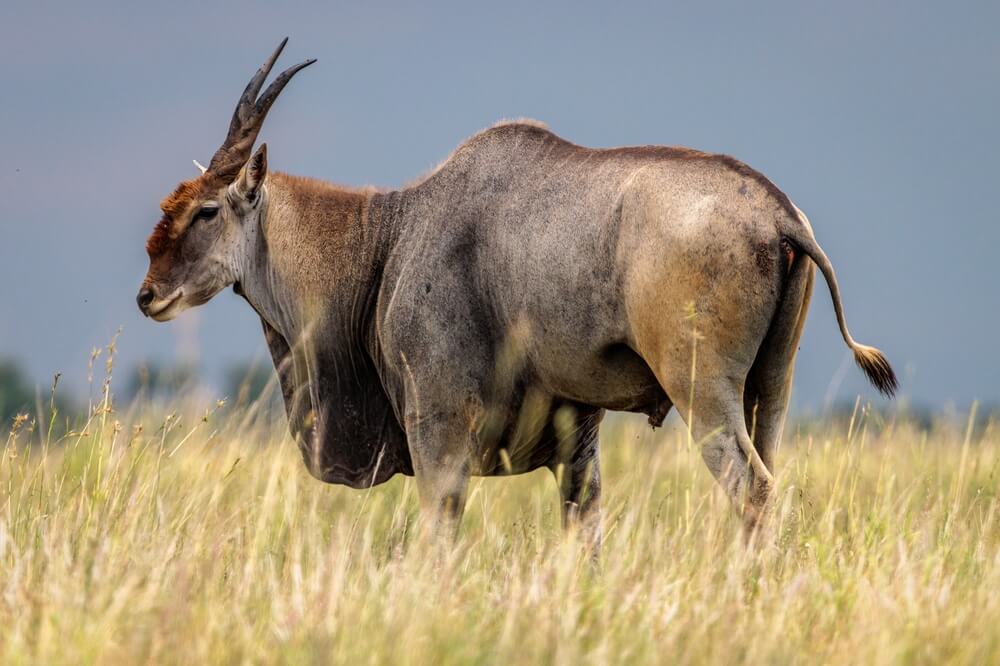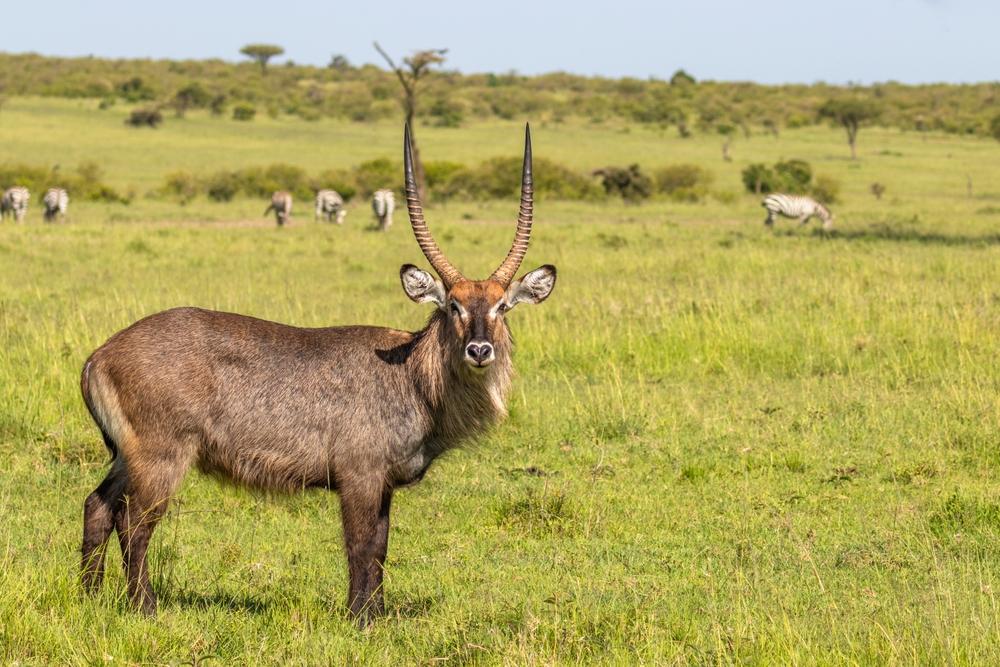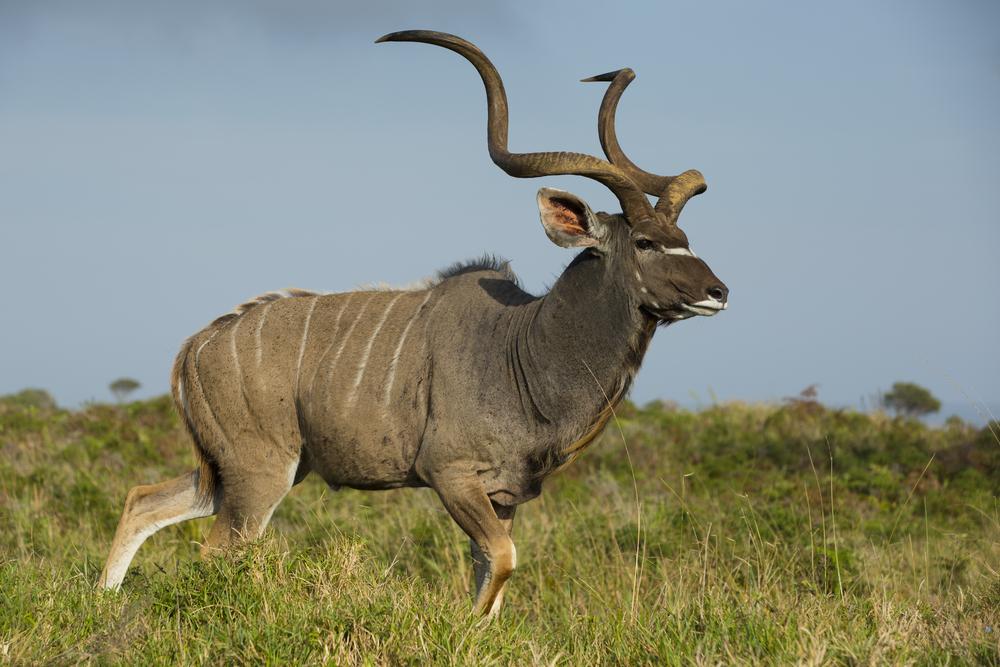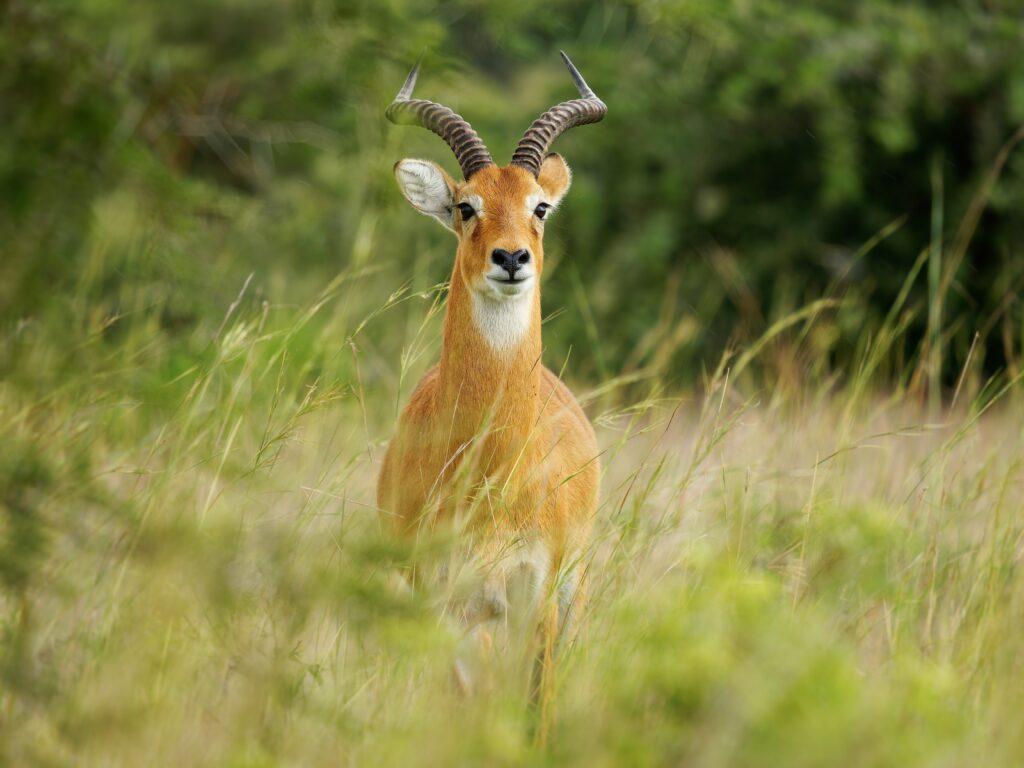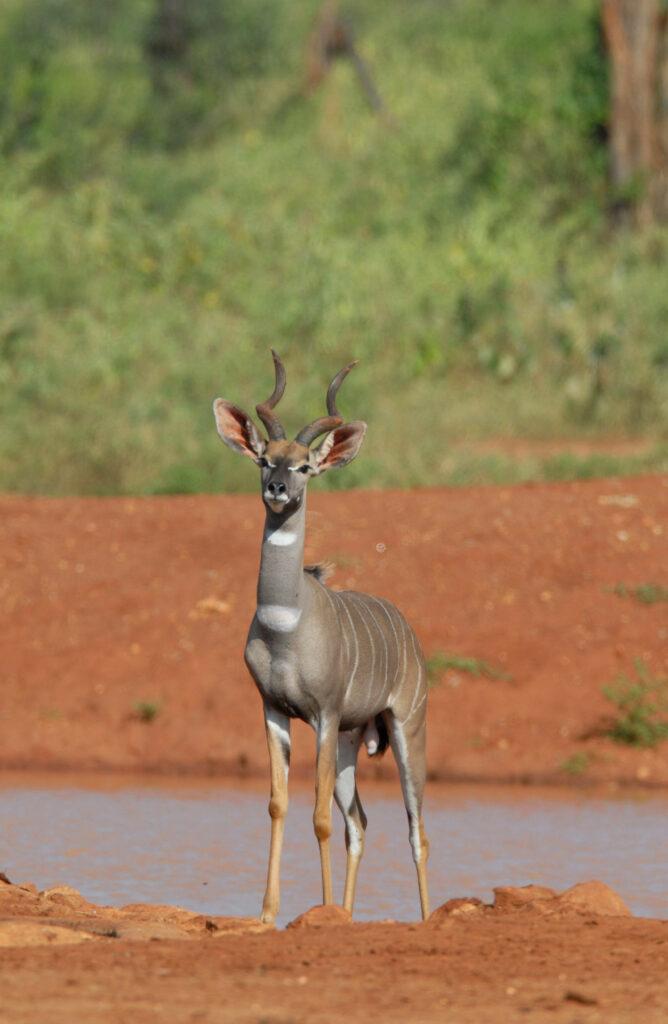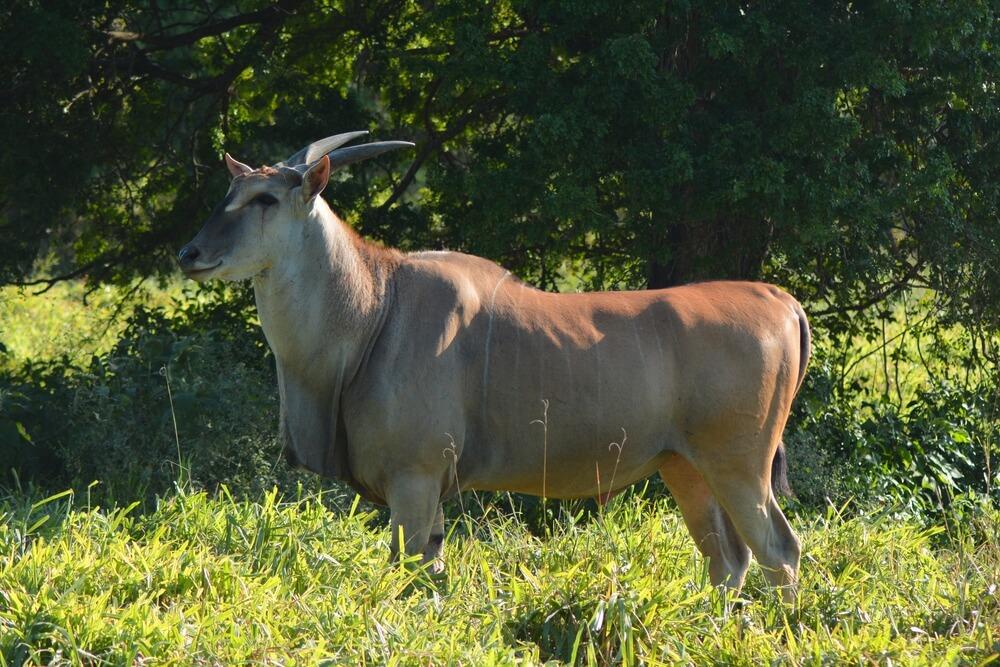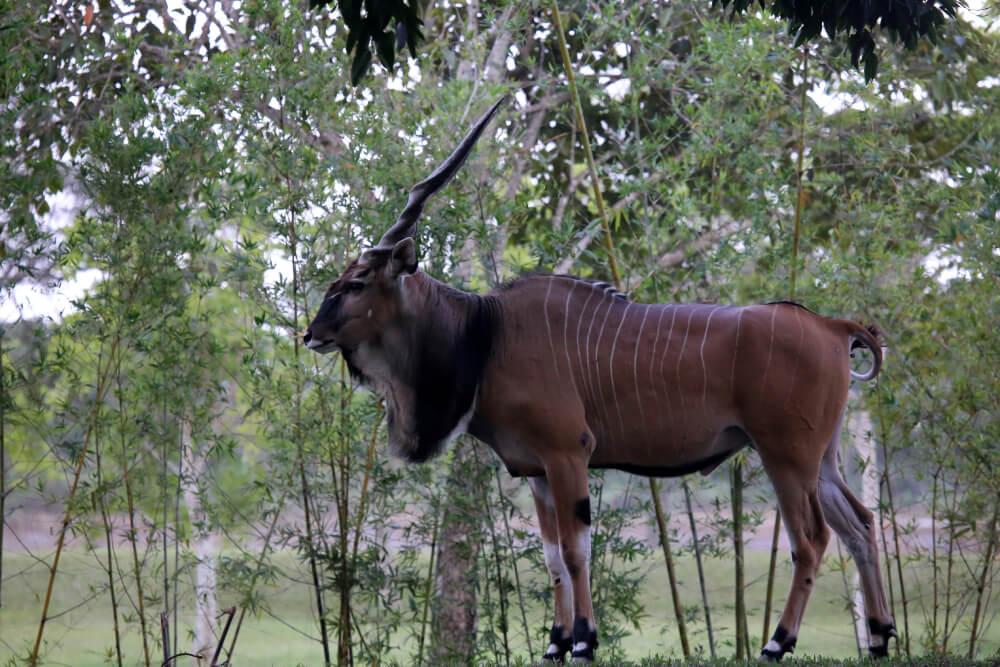
Hunt Eland, Zebra, Sable & 3 More Plains Game Species in SA
Booking Season: 2026
Hunt Difficulty: Moderate

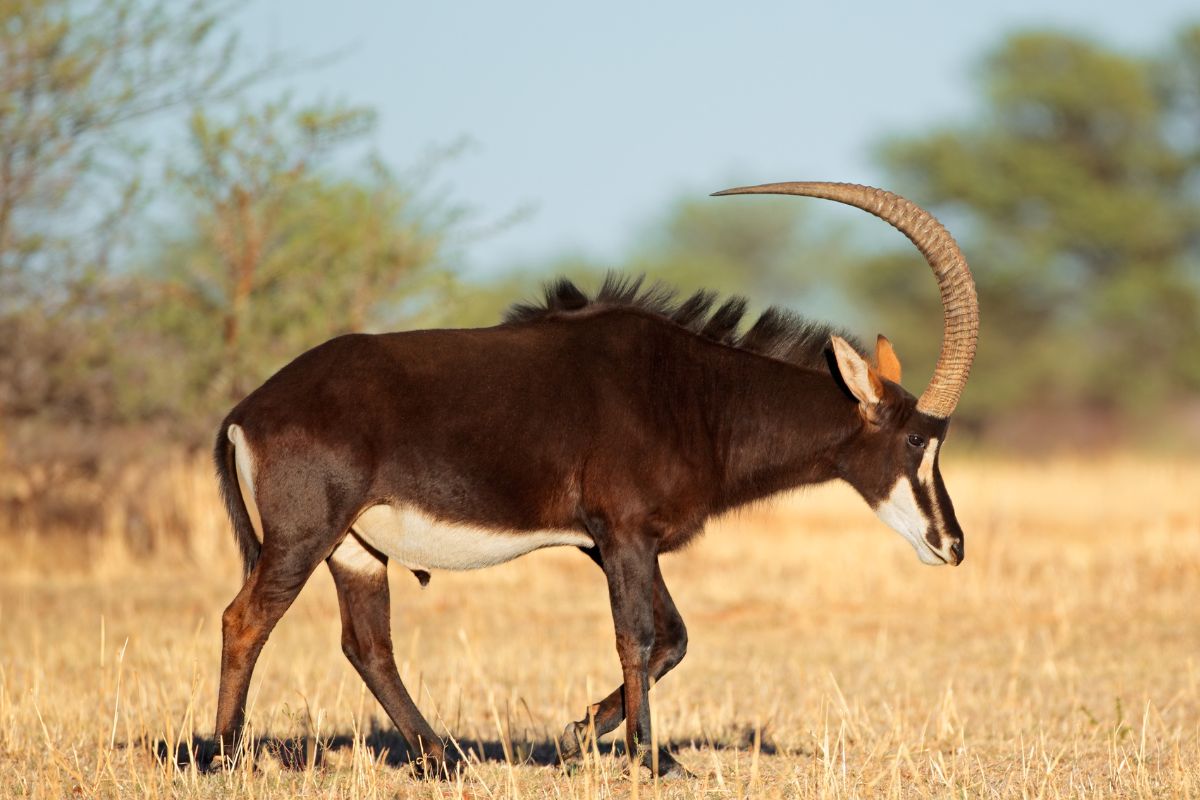
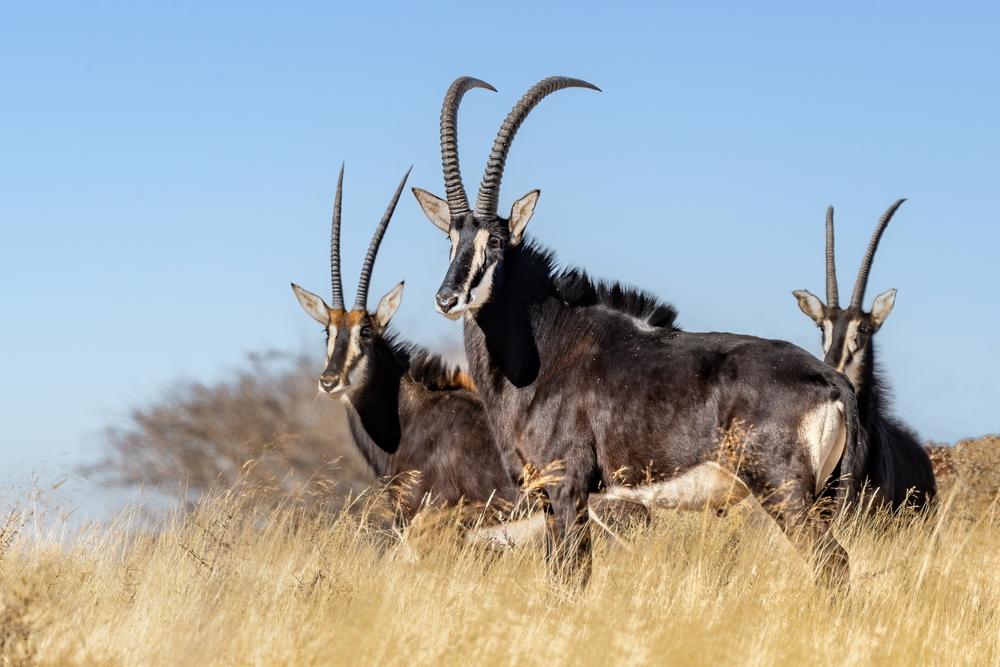
The Sable antelope is surely one of the most impressive plains game hunting trophies in Africa! With its deep brown to black coat, black and white face, and white underbelly, together with large ringed horns that gracefully arch backward, it is a striking vision on any African hunt and a welcome addition to any trophy room worldwide.
Sable hunting in Africa is considered one of the most prestigious plains game hunts available to international hunters.
Often referred to as one of the royal antelopes of Africa, a mature sable bull with long sweeping horns and a jet-black coat is widely regarded as one of the most beautiful trophies on the continent.
This beautiful antelope is found in various African countries, including South Africa, Namibia, Botswana, Mozambique, Zimbabwe, Tanzania, and Zambia, amongst others.
It has four subspecies, namely the Giant Sable (Hippotragus niger variani), Roosevelt Sable (Hippotragus niger roosevelti), Southern Sable (Hippotragus niger niger), and the Eastern Sable (Hippotragus niger kirkii). While most Sable species are listed as least concern by the IUCN, the Giant Sable, endemic to Angola, is listed as critically endangered.
Sable hunts demand a lot of patience from hunters, as this plains game trophy is famous for its sharp senses and is quite skittish. It is a large, tough antelope that challenges hunters from start to finish, and after it falls hunters must ensure it is truly dead, as this antelope is known to use its horns to defend itself against predators and threats.
Sable hunts can be standalone hunting safaris or form part of a large African plains game hunt, depending on the outfitter. Regardless, this tough antelope is well worth every day spent tracking, stalking, and hunting it.
For hunters planning plains game hunts in Africa, pursuing a mature sable bull remains one of the most prestigious trophies available.
Available Sable Hunts
Hunt Eland, Zebra, Sable & 3 More Plains Game Species in SA
Booking Season: 2026
Hunt Difficulty: Moderate
6-Day Roan & Sable African Plains Game Hunt in SA
Booking Season: 2025
Hunt Difficulty: Moderate
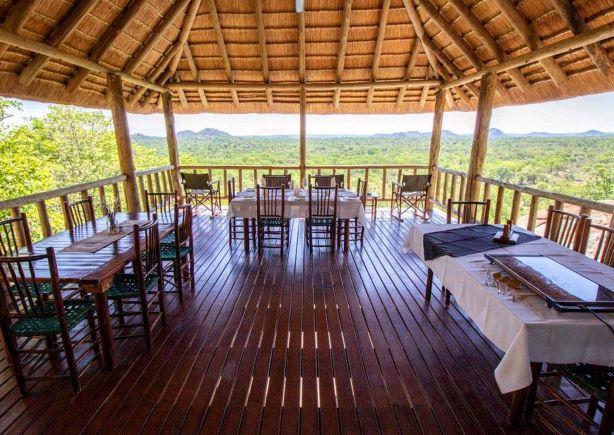
African Plains Game Hunt, plus Night Critters 10 Days in SA
Booking Season: 2025
Hunt Difficulty: Moderate, Difficult
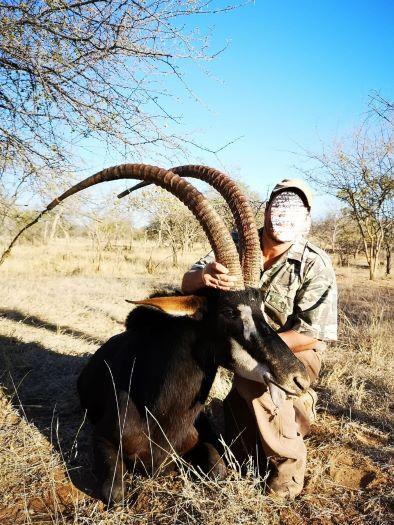
Hunting Safari in South Africa Sable & Roan Combination Hunt
Booking Season: 2026
Hunt Difficulty: Moderate

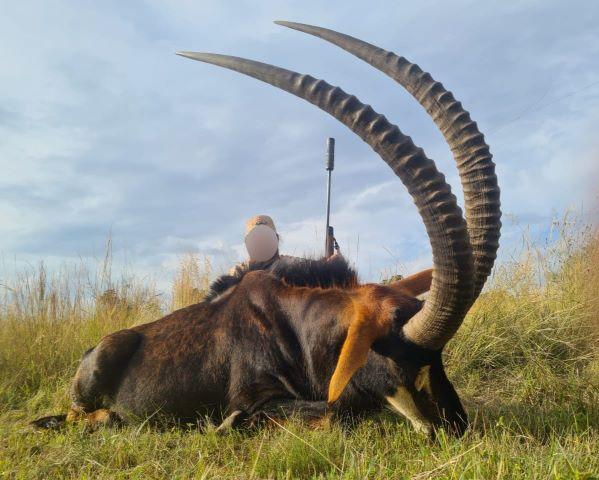
South Africa Hunting Trip Sable & Roan Combination Limpopo
Booking Season: 2026
Hunt Difficulty: Moderate
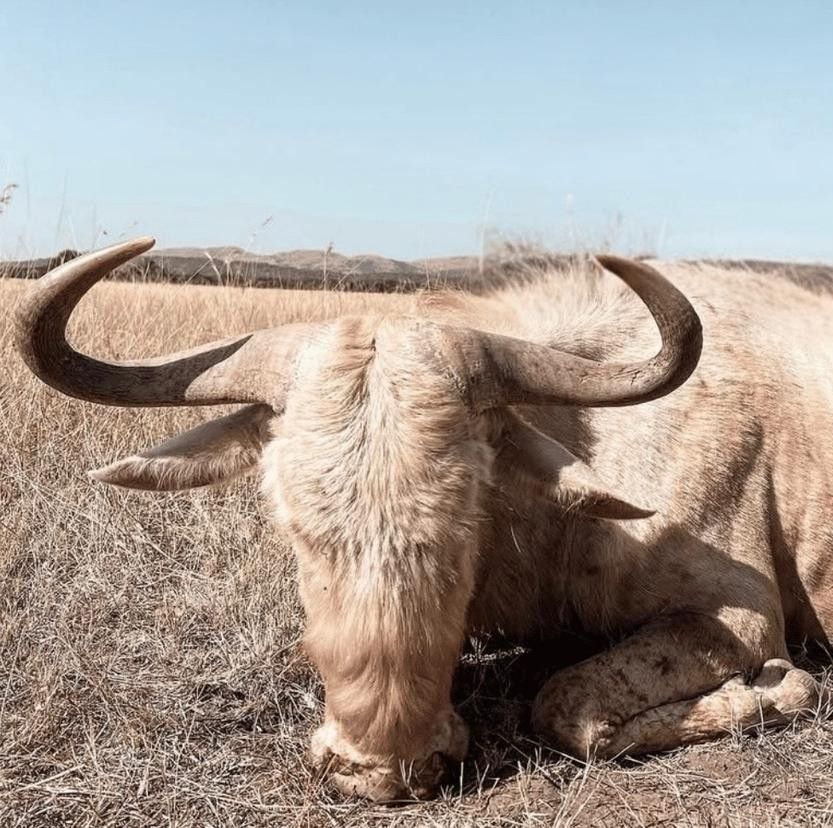
Limpopo Safaris: Sable, Nyala, Golden Wildebeest & Bushpig
Booking Season: 2026
Hunt Difficulty: Moderate
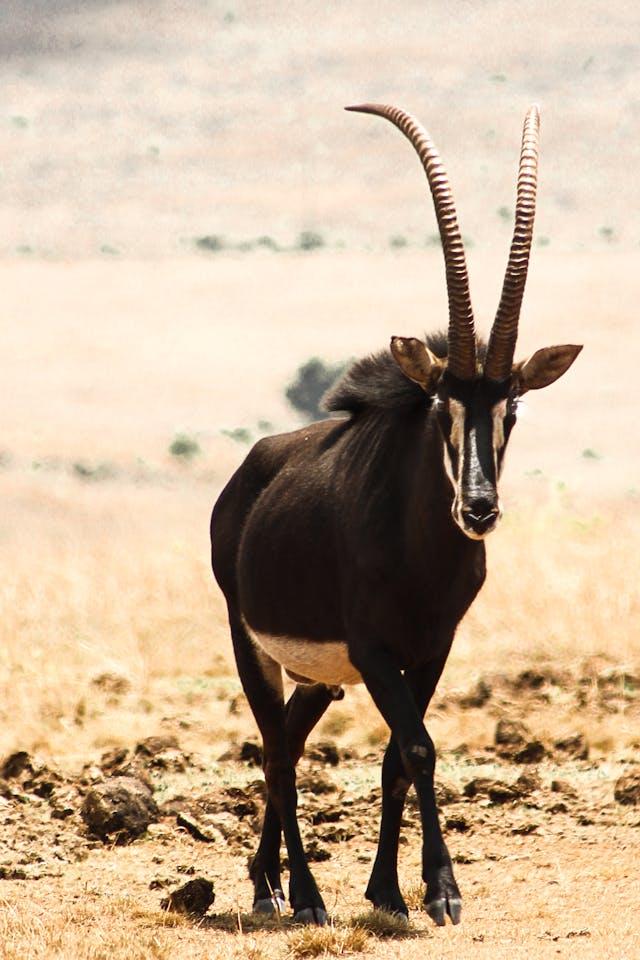
Cape Buffalo & Sable Hunting Safari in South Africa
Booking Season: 2026
Hunt Difficulty: Difficult
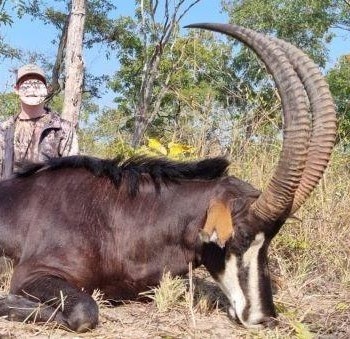
Rhino, Cape Buffalo & Sable Hunting Safari | South Africa
Booking Season: 2026
Hunt Difficulty: Difficult
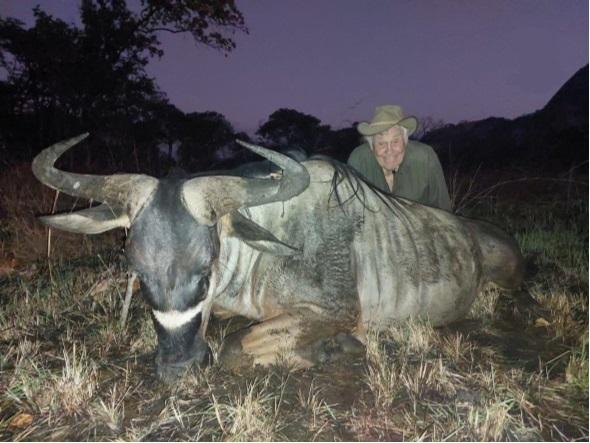
Cape Buffalo, Roosevelt Sable & Niassa Wildebeest Hunt in Mozambique
Booking Season: 2026
Hunt Difficulty: Difficult
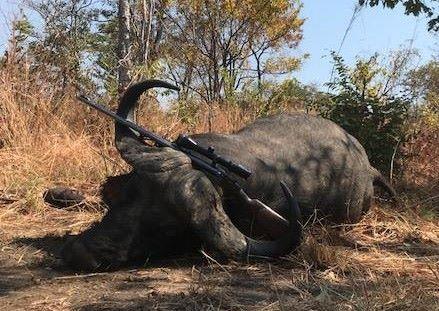
7-Day Rufunsa Cape Buffalo Hunt
Booking Season: 2026
Hunt Difficulty: Difficult
Sable antelopes are found throughout Africa, with prime hunting grounds including:
South Africa: Premier sable hunting regions include KwaZulu-Natal, Limpopo, and the North West provinces for some exceptional trophies.
Namibia: Sable hunts in Namibia are generally undertaken in the north and central regions of the country, including the Zambezi region (formerly the Caprivi Strip). Namibia’s northern regions also provide excellent opportunities for hunters pursuing Namibia sable hunting safaris, where large concessions and healthy sable populations create ideal hunting conditions.
Mozambique: Both the Niassa and Zambezi Delta are well-known for their exceptional Sable trophies.
Botswana: Prime Sable hunting grounds in the region are the fringes of the Okavango Delta, where abundant plains game species, including the Sable, live and thrive.
Tanzania: While Sable hunts occur throughout the country, the western region is known for Common Sable hunting, while Roosevelt Sable hunts are most popular in the central and southern regions.
Zambia: The country’s lush Luangwa Valley, as well as the Zambezi Valley, are premier Sable hunting locations.
Zimbabwe: Sable hunting is common throughout the country, but Zimbabwe’s Matetsi region produces some extraordinary trophies and remains one of the top destinations for Zimbabwe sable hunting safaris.
These destinations combine vast hunting concessions, healthy sable populations, and experienced professional hunters.
Hunting this striking antelope is best undertaken during the cooler, drier months when vegetation is lower, allowing better visibility for hunters and when animals are more likely to congregate around waterholes.
When hunting Sable, the best time to target them is early in the morning or late in the afternoon when they are more active.
A sable hunt will generally take the form of a walk-and-stalk or tracking expedition, while ambushing this graceful antelope from a blind as they come to drink water is also an option.
Most successful sable hunts involve long hours of glassing followed by careful stalking through thick bushveld.
Several hunting methods are commonly used when pursuing sable.
Spot and Stalk
The most common method involves glassing open areas before stalking the herd on foot. Because sable have excellent eyesight, the final approach must be slow and careful.
Tracking
In wilderness concessions hunters may track sable herds for several hours using fresh spoor.
Ambush Hunting
Sable frequently visit water sources, particularly during dry months. In some areas blinds are set up near waterholes.
The Sable antelope is seen as one of Africa’s most iconic plains game species, with its beautiful dark coat and large, elegantly curved horns making it a welcome addition to any trophy room worldwide.
Sable hunting provides hunters with the opportunity to experience an authentic African hunt targeting this striking species. These antelopes are tough animals and provide hunters with a challenging but rewarding hunting experience.
Hunting Sable through controlled and managed hunts helps in the conservation and management of the species.
Experienced professional hunters judge sable trophies primarily by horn length, horn shape, and body maturity.
A mature sable bull usually shows:
Typical trophy measurements include:
Many experienced hunters consider a 42-inch sable bull an outstanding trophy.
A standard African plains game safari will include the basic service offerings such as accommodation, meals, drinks, a professional hunter, camp staff, trackers, on-territory transport, and field preparation of the Sable trophy.
Exclusions and optional extras when Sable hunting in Africa:
Because sable are large and resilient animals, accurate shot placement is essential.
The recommended shot placement is the heart-lung area just behind the shoulder. Quartering-away shots can also be effective when the bullet enters behind the shoulder and exits through the opposite shoulder.
A well-placed heart or lung shot provides the quickest and most ethical harvest.
Whether it’s finding sable hunts, stalking through thick bushveld, or glassing open plains at sunrise, we’re here to deliver the experience of a lifetime with integrity and precision.
✉️ Contact us today to speak with an expert and plan your tailored sable hunting adventure.
🌍 Browse our active hunting listings and secure your preferred species and dates.
Search from our range of Hunts across various popular destinations in Africa.

Book Your Hunt