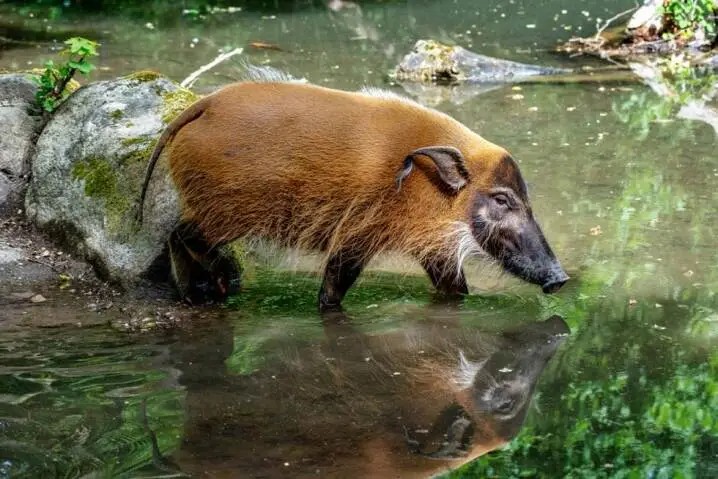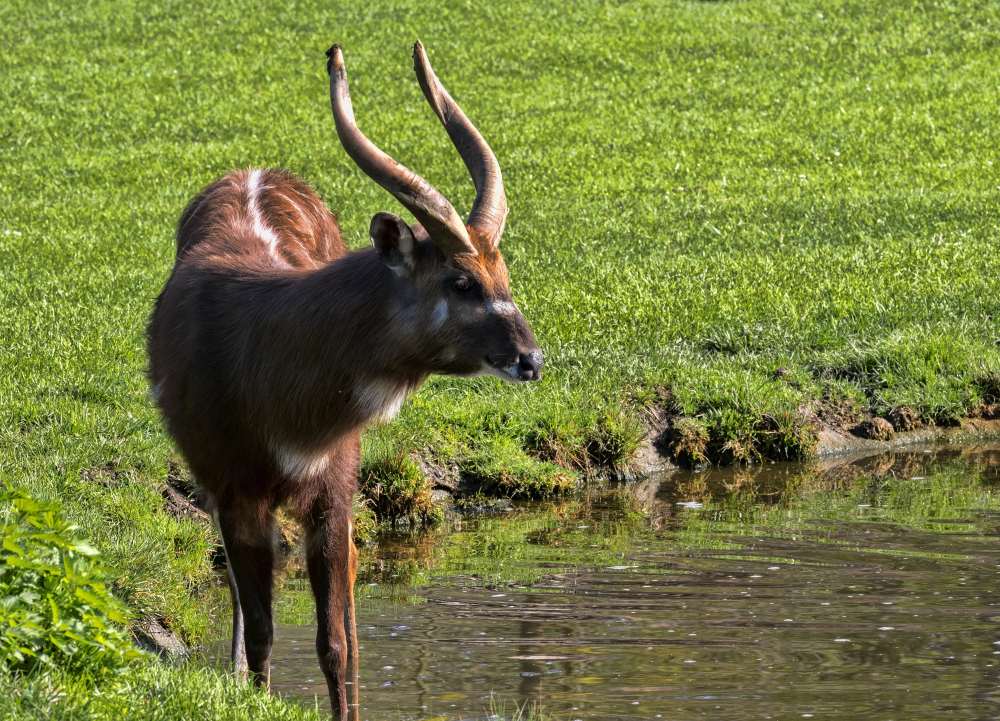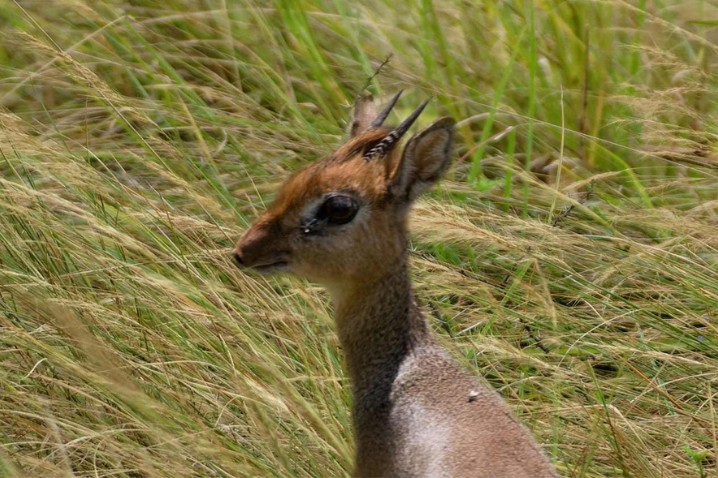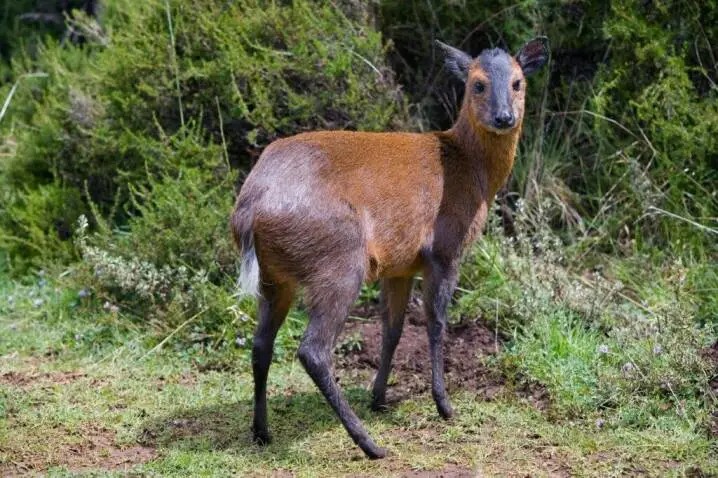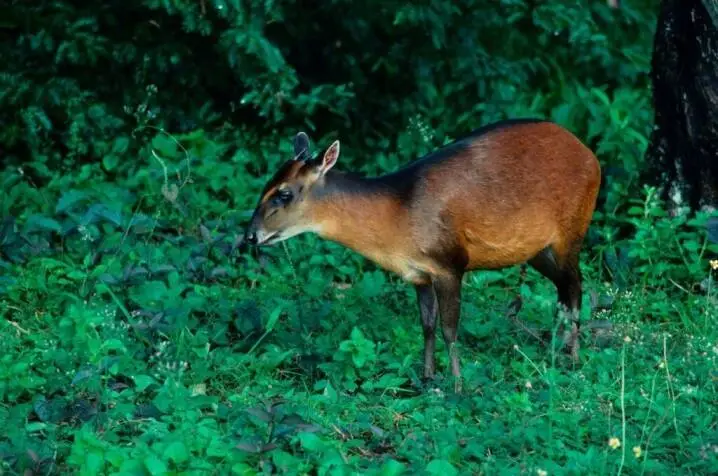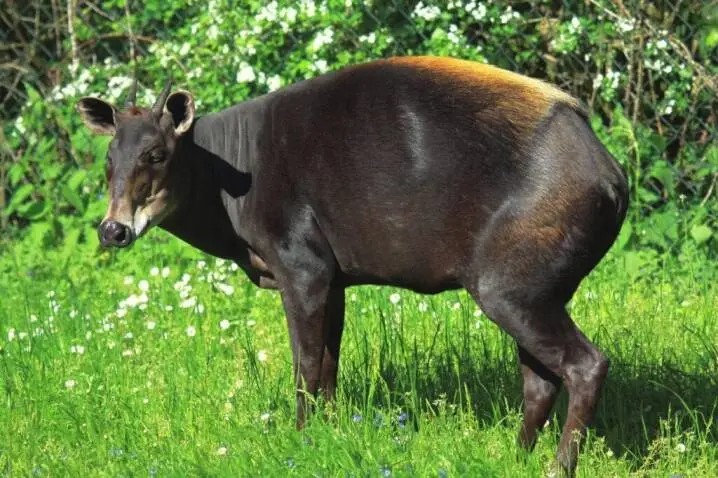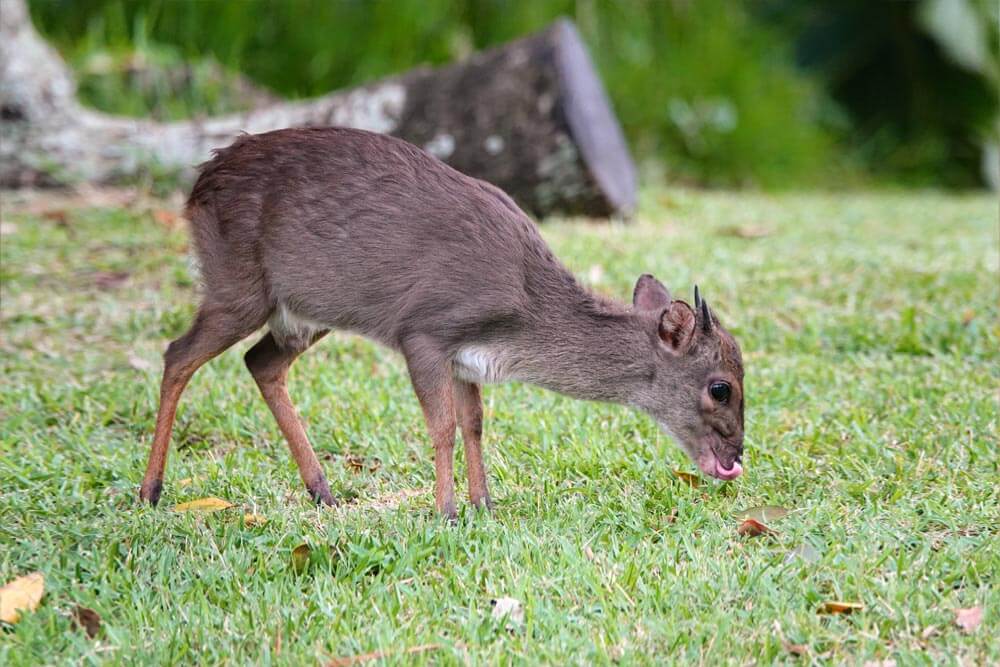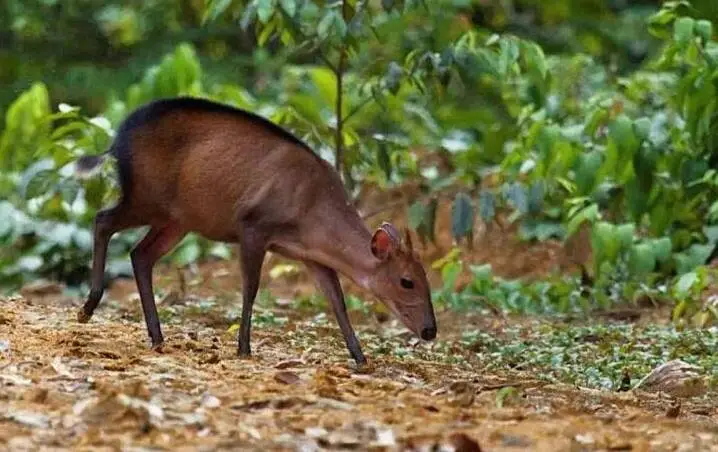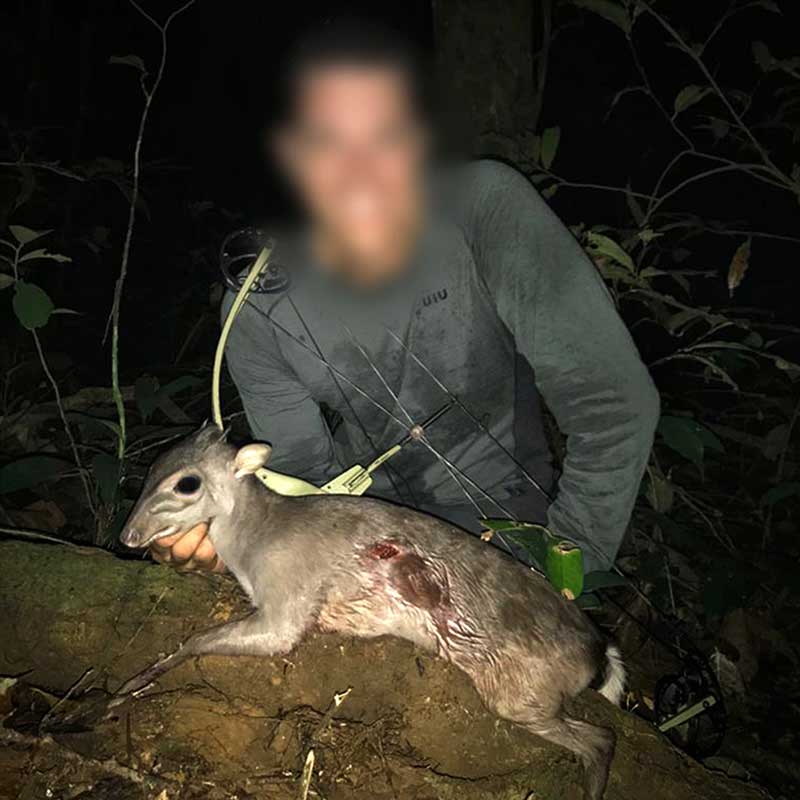
10-Day Duiker & Red River Hog Hunting Safari in the Republic of Congo
Booking Season: 2026
Hunt Difficulty: Difficult

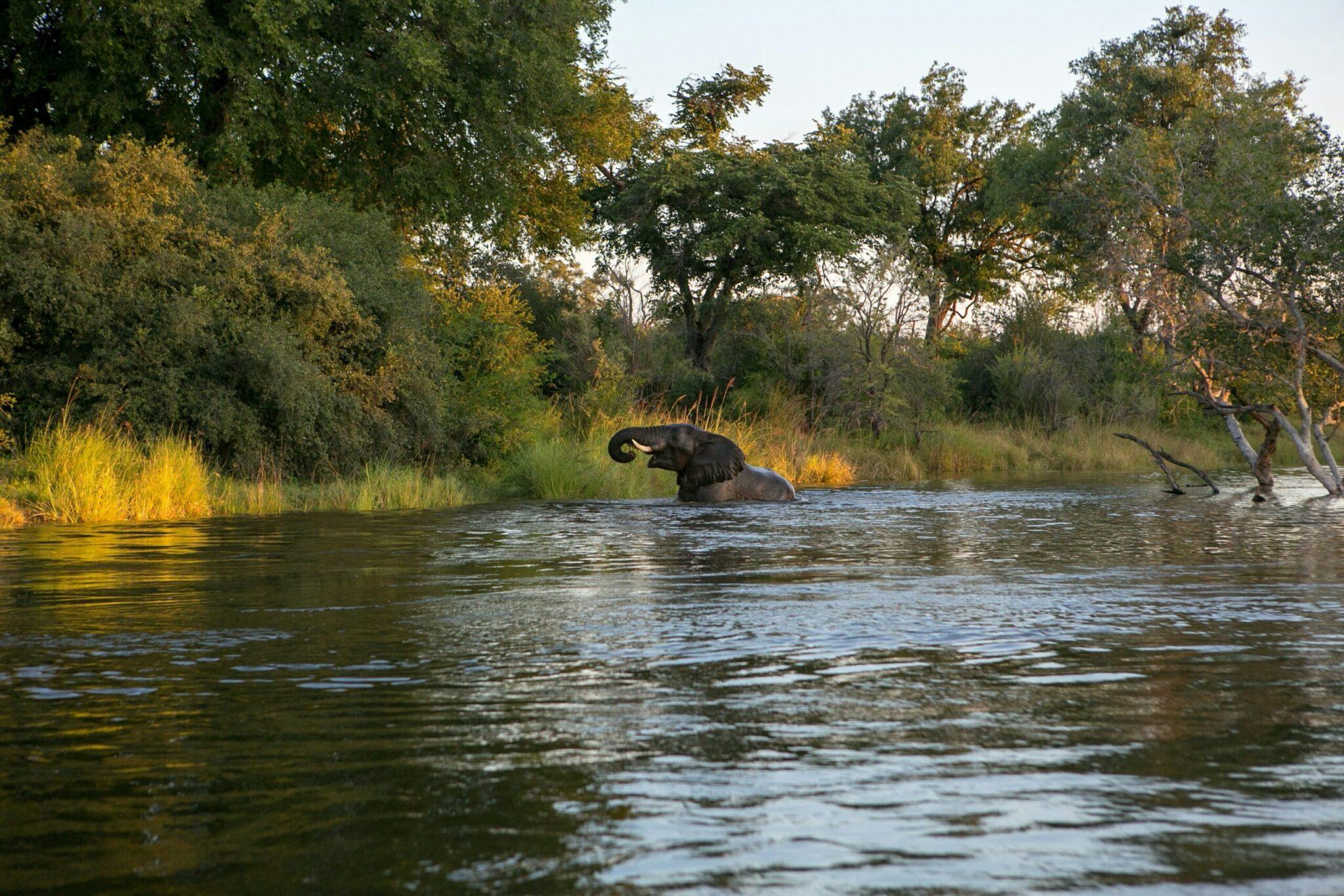
Hunting in the Republic of Congo centres on specialist rainforest safaris for bongo, forest buffalo and other forest antelope. These hunts take place in remote concessions where dense vegetation, difficult access and limited hunting quotas make careful planning essential.
Unlike many traditional African hunting safaris, hunting in Congo takes place in thick equatorial rainforest rather than open savanna or bushveld. Hunters comparing available packages across destinations can also explore our African Hunting Trips.
These forests stretch across immense areas where wildlife moves through dense vegetation. Camps are often far from towns or major roads, and reaching them can involve long drives, river travel or small aircraft.
For hunters who have already experienced traditional African safaris, the Republic of Congo offers a very different hunting environment. Success often depends on patient tracking, skilled local guides and the time needed to locate game in thick forest.
Many American and Canadian hunters first experience Africa in the open savannas of Southern Africa, where animals are often spotted from long distances across grasslands or bushveld.
Hunting in Congo Basin rainforest is different. Visibility inside the forest can be limited to only a few yards, and animals often move quietly through dense vegetation where they are rarely seen until the final moments of a stalk.
Instead of glassing wide landscapes, hunts rely heavily on trackers who follow spoor through thick forest cover. Fresh tracks, disturbed leaves, and subtle signs on the forest floor become the primary clues used to locate animals. Hunters also quickly become aware of the sounds of the forest itself. Baboons, monkeys, and other animals often give alarm calls when they detect movement or unfamiliar activity. These warning signals can alert other wildlife nearby that something unusual is happening.
Because of these conditions, encounters with game often happen suddenly and at close range. For hunters accustomed to spotting animals across open plains, the experience of tracking game through dense rainforest can feel like an entirely different style of safari. Those close-range conditions become especially important during Dangerous Game Hunts for forest buffalo and forest elephant, where visibility and reaction time may be extremely limited.
Hunts Currently Available
10-Day Duiker & Red River Hog Hunting Safari in the Republic of Congo
Booking Season: 2026
Hunt Difficulty: Difficult
13-Day Bongo Hunting Safari in the Republic of Congo
Booking Season: 2026
Hunt Difficulty: Difficult

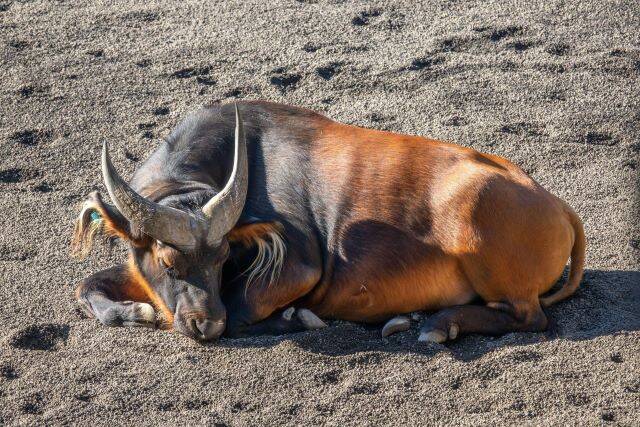
10-Day Dwarf Forest Buffalo Hunting Safari in the Republic of Congo
Booking Season: 2026
Hunt Difficulty: Difficult
Republic of Congo On Map
You Might Also Like
Hunting in Congo Basin can be physically and mentally different from hunting in other parts of Africa.
The rainforest environment is humid, dense, and often shaded by thick canopy that limits direct sunlight reaching the forest floor. Even experienced hunters sometimes find the climate more demanding than the dry savannas of Southern Africa.
High humidity, constant moisture, and dense vegetation can make long tracking days feel slow and physically tiring. Insects are part of the environment, and hunters quickly learn that lightweight clothing, patience, and a good sense of humor go a long way.
The forest can also feel surprisingly isolated. Camps are often located far from towns or roads, and once the hunting team enters the forest each morning, they may spend hours moving quietly through dense vegetation with only the trackers and professional hunter nearby.
For hunters prepared for these conditions, the rainforest becomes part of the adventure. The challenge of working through heat, humidity, and thick cover often makes the final moment of a successful hunt feel even more rewarding.
Rainforest hunting places unique demands on equipment that many hunters may not encounter in drier parts of Africa.
High humidity, constant moisture, and frequent rain can quickly affect rifles, optics, and other gear. Hunters quickly learn that keeping equipment clean and dry becomes part of the daily routine in camp.
Many professional hunters recommend covering the muzzle of a rifle with a small piece of tape or even a simple condom while walking in wet conditions. This prevents moisture or debris from entering the barrel while moving through thick vegetation and rain. The covering does not affect the bullet's path and can easily be removed or shot through if necessary.
Rifles also require regular cleaning during rainforest hunts. The combination of humidity and perspiration can cause metal surfaces to develop rust surprisingly quickly if not wiped down and oiled.
Lightweight, weather-resistant equipment and a simple daily cleaning routine usually prevent most problems. Hunters who prepare for these conditions find that their gear performs reliably even in the demanding environment of the Congo Basin.
Reaching hunting areas in the Republic of Congo often involves several stages of travel. Most international hunters arrive in Brazzaville before continuing onward toward remote forest concessions.
Depending on the hunting area, reaching camp may involve charter flights, long vehicle transfers, or travel by river through the dense rainforest landscape. Because of the distances involved and the limited infrastructure in many parts of the country, travel days are typically built into the safari schedule.
For hunters, the journey itself becomes part of the experience. Traveling deeper into the Congo Basin often reinforces just how remote these forests are and why the hunting environment remains so wild and largely unchanged.
The Republic of Congo, often called Congo-Brazzaville, offers regulated international hunting safaris in remote forest and savanna concessions. It is one of Central Africa’s established destinations for bongo and rainforest hunting.
The Democratic Republic of Congo, also called Congo-Kinshasa, is a separate country with different wildlife regulations, travel conditions and safari availability. Hunters should not assume that the opportunities or permits available in one country apply to the other.
Because the names are so similar, anyone considering a “Congo bongo hunt” should confirm that the safari takes place in the Republic of Congo and verify the exact hunting concession with the outfitter.
Understanding this difference helps avoid confusion when researching safaris in Central Africa.
Among all the animals that draw hunters to the Republic of Congo, none is more closely tied to the country than the bongo. Our complete Bongo Hunts guide explains how these specialized forest safaris work across Africa.
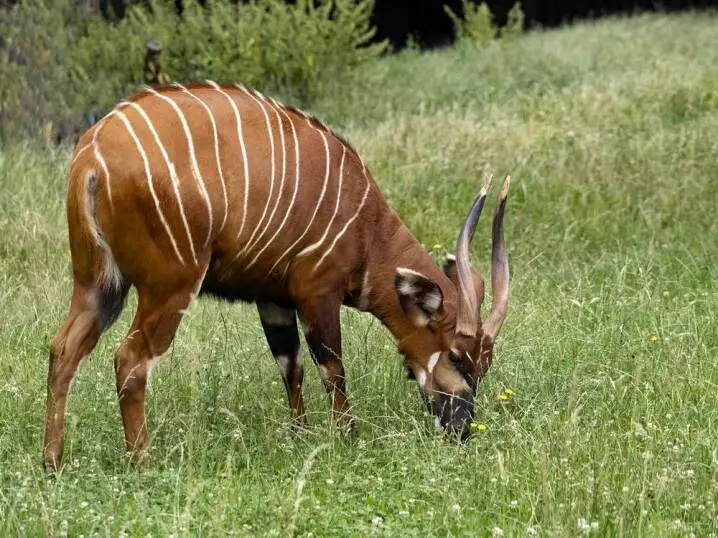
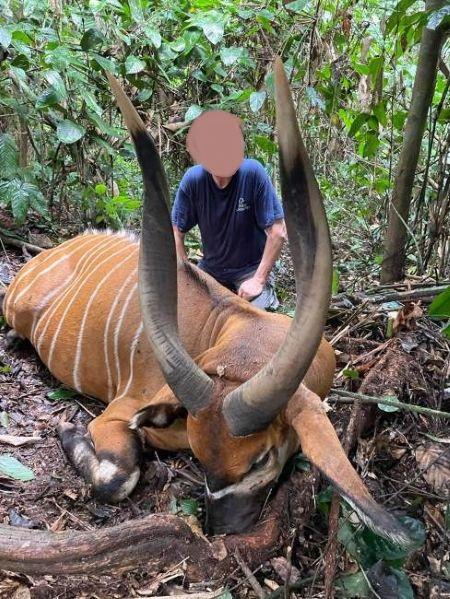
Few African antelope match the bongo for sheer presence. Mature bulls carry heavy spiral horns and a deep chestnut coat marked with narrow white stripes that stand out against the dark forest.
But what makes the bongo truly special is the environment it inhabits. These antelope live in dense rainforest where visibility is limited and animals move quietly through thick vegetation.
Hunting bongo is rarely easy. Success often depends on experienced trackers who can read faint spoor on the forest floor and follow animals through thick cover where most visitors would struggle to see sign at all.
Pursuing a mature bongo in the Congo Basin represents one of Africa's most classic and demanding forest hunts.
Hunters researching safaris in the Republic of Congo are often surprised by the cost of rainforest hunts. Compared with many plains game safaris in Southern Africa, Congo hunts tend to be more expensive.
Several factors contribute to this. Hunting concessions are located deep within the Congo Basin where infrastructure is limited and operating camps requires significant logistics. Supplies, vehicles, fuel, staff, and equipment must often be transported long distances into remote forest areas.
In addition, the number of hunting permits issued each year for species such as bongo is limited. Because only a small number of hunters can be accommodated each season, safaris are typically longer and more specialized than hunts in more developed hunting regions.
For hunters pursuing species such as bongo, the cost reflects the rarity of the opportunity and the challenges involved in operating safaris in one of Africa's most remote rainforest environments. Hunters comparing Congo with other destinations can review our African Hunting Safari Prices guide for a broader explanation of daily rates, trophy fees and safari logistics.
One fascinating aspect of hunting in Congo rainforests is the role of natural forest clearings known locally as "bais."
These clearings occur where minerals and natural salts surface in the soil, attracting a variety of animals from the surrounding forest. Species such as bongo, forest buffalo, and other wildlife often visit these openings to feed on mineral-rich soil or vegetation.
Because visibility in the rainforest is normally very limited, these clearings sometimes provide rare opportunities to observe animals in slightly more open terrain. In some areas, hunting teams may quietly watch these locations where animals are known to appear.
For visiting hunters, seeing wildlife emerge from the dense forest into one of these natural clearings is one of the most memorable moments of a Congo rainforest safari.
One of the most impressive parts of hunting in the Congo Basin is the skill of the local trackers who guide hunters through the forest.
Many of these men grew up in forest communities and have spent their lives moving through the dense vegetation of the Congo Basin. Their ability to read the forest often seems almost instinctive. A faint mark in the soil, a bent leaf, or a broken stem can reveal the direction an animal traveled hours earlier.
When pursuing species such as bongo or forest buffalo, these trackers play an essential role in the hunt. They determine whether spoor is fresh enough to follow and help guide the hunting team through terrain where visibility is extremely limited.
For many visiting hunters, watching an experienced tracker unravel a trail through miles of dense forest becomes one of the most fascinating parts of the entire safari.
The Congo Basin has long been recognized as one of the most biologically rich regions in Africa. Local communities have relied on wildlife within these forests for generations, developing a deep understanding of how animals move through the landscape.
During the early twentieth century, explorers and naturalists began documenting the remarkable diversity of animals found in the region. Species such as bongo, forest buffalo, and numerous forest antelope captured the attention of hunters and scientists alike.
Today, regulated hunting concessions operate in parts of the Republic of Congo under government oversight. These concessions help maintain large areas of intact forest habitat while supporting wildlife management and anti-poaching activities.
Although the Republic of Congo offers one of Africa's most unique hunting environments, it is generally better suited to experienced hunters who have already visited other parts of the continent.
Rainforest hunts can be physically demanding, travel logistics are often more complicated, and the dense forest environment requires patience and careful tracking rather than spotting animals from a distance.
For hunters who have previously experienced savanna safaris in countries such as South Africa, Namibia, or Zimbabwe, the Congo Basin offers a completely different kind of adventure.
But for first-time visitors to Africa, many professional hunters recommend starting in more accessible safari destinations before attempting a rainforest hunt.
For those prepared for the challenge, however, hunting in Congo Basin can become one of the most memorable experiences in an African hunting career.
Although most hunters travel to the Republic of Congo primarily for the safari itself, some choose to spend a few additional days exploring parts of the country after the hunt.
Brazzaville, the capital city located along the Congo River, offers visitors an opportunity to experience local culture, markets, and museums that reflect the country's history and traditions.
Some travelers also enjoy exploring sections of the Congo River or visiting nearby natural areas that showcase the vast rainforest landscapes that define the region.
While tourism infrastructure in the Republic of Congo is relatively limited compared with some other African destinations, hunters who extend their trip often appreciate the chance to experience a different side of Central Africa before returning home.
Hunting in the Republic of Congo takes place almost entirely in forest and swamp environments, where visibility is limited and encounters are close. Unlike open savannah hunts, success depends on tracking skill, patience, and teamwork with experienced local trackers rather than long-range shooting or high encounter rates.
The Republic of Congo is best known for bongo, forest buffalo and specialist forest antelope adapted to the dense Congo Basin rainforest. These animals are highly adapted to dense cover, making them challenging trophies that require careful tracking and close-range decision-making.
Yes. Hunting conditions are physically demanding due to thick vegetation, uneven terrain, high humidity, and slow movement through forest and swamp areas. Hunters should be prepared for long days on foot and limited vehicle access.
Hunters should expect complex logistics, including international travel, internal transfers to remote concessions, firearm permits, and preparation for humid forest conditions. Advance planning is essential to ensure smooth travel and compliance.
Due to limited hunting areas, low quotas and logistical planning requirements, aim to book your Congo hunt at least 6–12 months in advance.
Search from our range of Hunts across various popular destinations in Africa.

Book Your Hunt