Buffalo, Kob & Bushbuck Safari Hunting in Uganda
Booking Season: 2026
Hunt Difficulty: Difficult


Uganda is not usually the first destination international hunters consider when planning an African safari. Most hunters researching their first trip to Africa begin with well-known countries such as South Africa, Namibia, or Zimbabwe, typically starting with broader African hunting safaris before narrowing down to specific destinations.
Uganda remains one of the few East African countries where hunters can pursue regional species such as the Uganda kob and Sitatunga under regulated safari hunting systems.
Uganda sits slightly outside that traditional circuit, which is one reason it receives less attention during the early stages of safari planning. Yet among experienced hunters, the country has quietly built a reputation as one of Africa's more unusual hunting destinations. Uganda offers a combination of rare East African species, remote hunting concessions, and safaris that unfold slowly as trackers work fresh spoor across savanna, woodland, and wetland habitats.
Uganda offers a distinctive hunting experience that feels both traditional and refreshingly different from much of southern Africa. Those comparing Uganda with other destinations and available opportunities can explore our current African Hunting Trips.
Hunts Currently Available
Buffalo, Kob & Bushbuck Safari Hunting in Uganda
Booking Season: 2026
Hunt Difficulty: Difficult
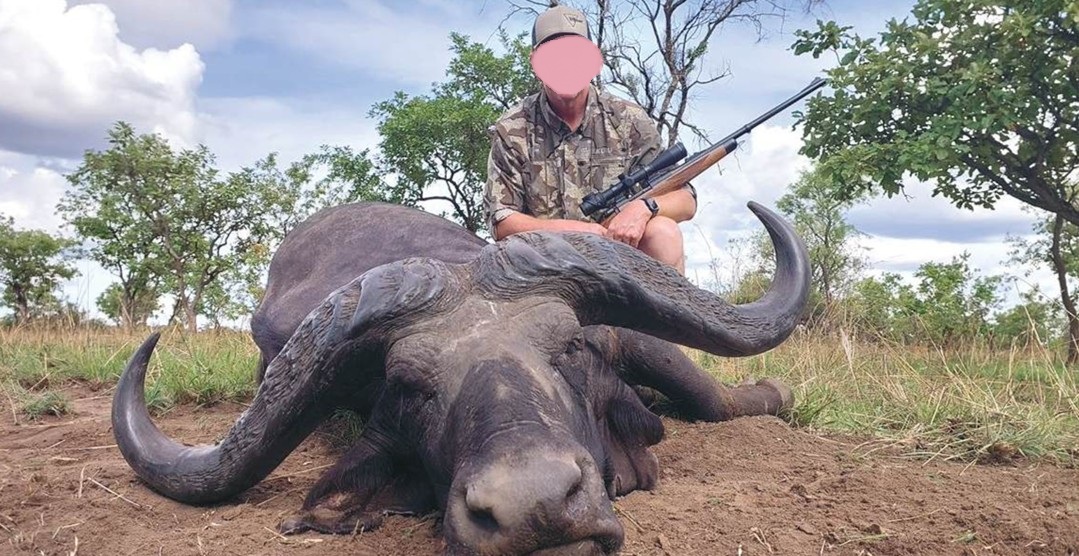
Nile Buffalo & Plains Game Safari in Karamoja, Uganda
Booking Season: 2026
Hunt Difficulty: Difficult

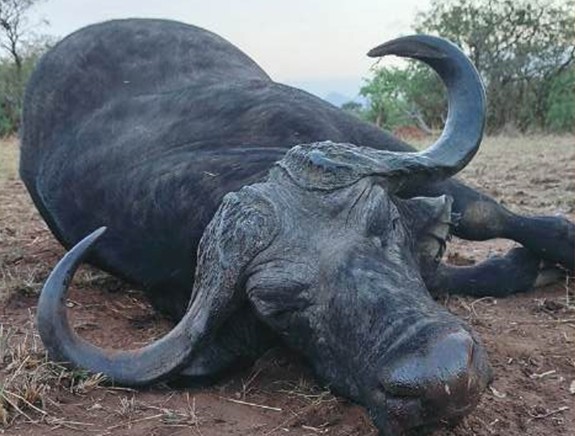
Two Nile Buffalo & Plains Game Safari in Karamoja, Uganda
Booking Season: 2026
Hunt Difficulty: Difficult
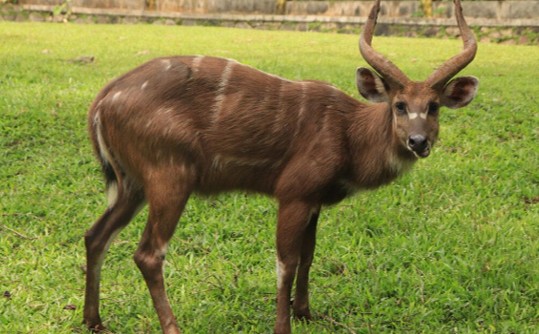
East African Sitatunga & Plains Game Hunting in Uganda
Booking Season: 2026
Hunt Difficulty: Moderate
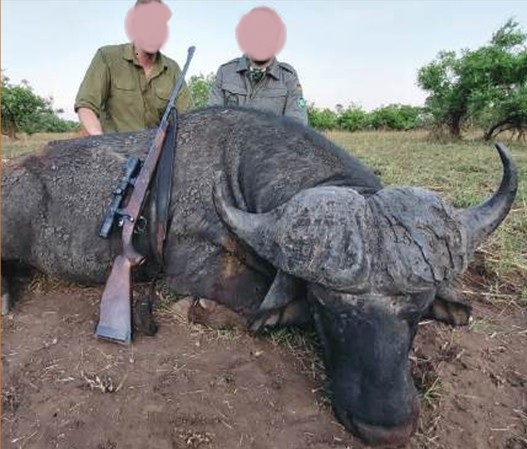
Nile Buffalo & Sitatunga Hunting in Uganda
Booking Season: 2026
Hunt Difficulty: Difficult
Ugandan safaris usually move at a slower pace, and wildlife densities can be lower in some concessions. Much of the hunt involves tracking animals across large landscapes rather than expecting frequent encounters. Wildlife densities can be lower in some concessions, and much of the hunting experience revolves around tracking animals across large landscapes rather than encountering them frequently. For experienced hunters, this slower pace is actually part of the appeal. A successful safari in Uganda often comes down to patience, careful tracking, and spending long hours moving through country that still feels largely untouched by modern hunting pressure.
You Might Also Like
Uganda rarely appears at the top of most African hunting brochures, and there are several reasons for that. The country operates on a much smaller scale than some other safari destinations, with only a limited number of licensed hunting concessions and a relatively small number of safaris conducted each year.
For outfitters focused on high-volume plains game safaris, countries such as South Africa and Namibia are often easier destinations to promote. Those countries offer large numbers of huntable species, straightforward travel logistics, and well-developed hunting infrastructure designed to accommodate international visitors.
Hunting takes place primarily in government-managed concessions located in remote parts of the country where wildlife moves freely across large landscapes rather than within privately fenced hunting properties. Camps tend to be practical working safari camps rather than luxury lodges, and hunts often involve long days in the field rather than short drives between hunting areas.
Uganda is not usually marketed as an easy or convenient safari destination. That lack of convenience is part of the appeal for those who value wilderness landscapes and unusual species.
Uganda On Map
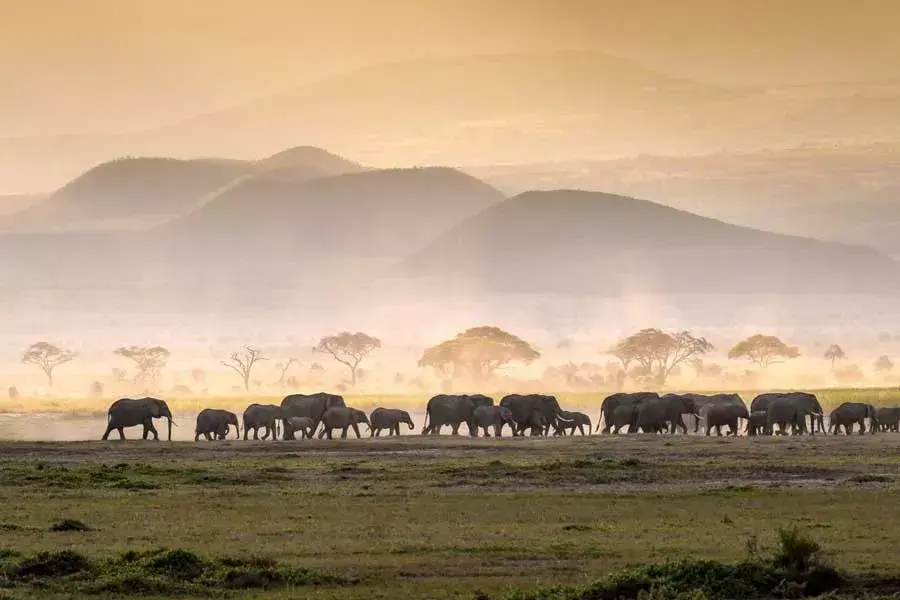
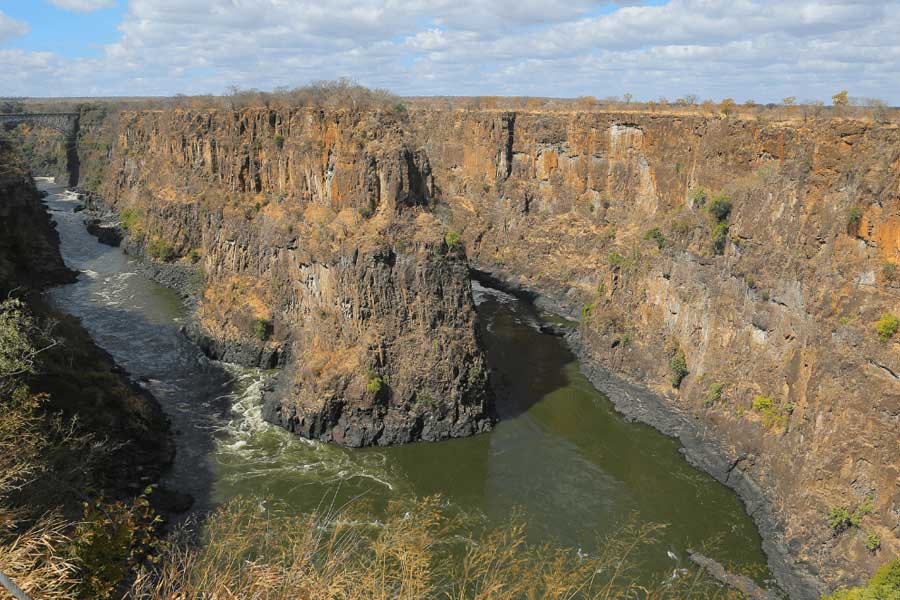
One of the first things hunters notice about Uganda is the character of the landscape itself. Hunting concessions consist of open savanna, river systems, woodland, and wetlands that support a mix of plains game and dangerous game species. In some areas, visibility stretches for miles across rolling grasslands, while in others dense vegetation and papyrus swamps create a very different style of hunting.
This variety of terrain influences how hunts unfold. Tracking animals on foot remains a central part of many safaris, particularly when pursuing species such as African buffalo. Trackers often begin searching for fresh spoor shortly after sunrise before following tracks through woodland or across open savanna until the herd is located.
Other Plains Game Hunts may take place in very different environments. The elusive Sitatunga, for example, inhabits dense swamp and marsh habitat where hunters may spend long periods watching narrow channels or swamp edges where animals move through the reeds.
Open grasslands in northern Uganda also hold herds of Uganda kob, one of the country's most recognizable antelope species. Spot-and-stalk hunting is often used in these areas, where hunters may first locate animals at a distance before beginning a careful approach across open terrain.
As hunting pressure in Ugandan concessions remains relatively low, wildlife often behaves naturally and may travel long distances during the day. This can create hunts that feel slower and more deliberate than in some other destinations, where animals are encountered more frequently.
Countries such as South Africa and Namibia may offer dozens of huntable species within relatively small areas, often allowing hunters to pursue many animals during a single safari.
Uganda operates differently. Safaris here are built around a smaller group of distinctive East African animals that attract hunters looking for species that are difficult to pursue elsewhere. Rather than focusing on long trophy lists, most hunts revolve around a handful of animals that define the Ugandan safari experience. These species are often the main reason Uganda eventually appears on the radar.
The country is particularly known for its populations of African buffalo, the distinctive Uganda kob, and the elusive swamp-dwelling Sitatunga. In addition, antelope such as Jackson's hartebeest and Defassa waterbuck are regularly encountered in several concessions and are often included as part of a safari.
Together these animals form the core of most Ugandan hunting safaris.
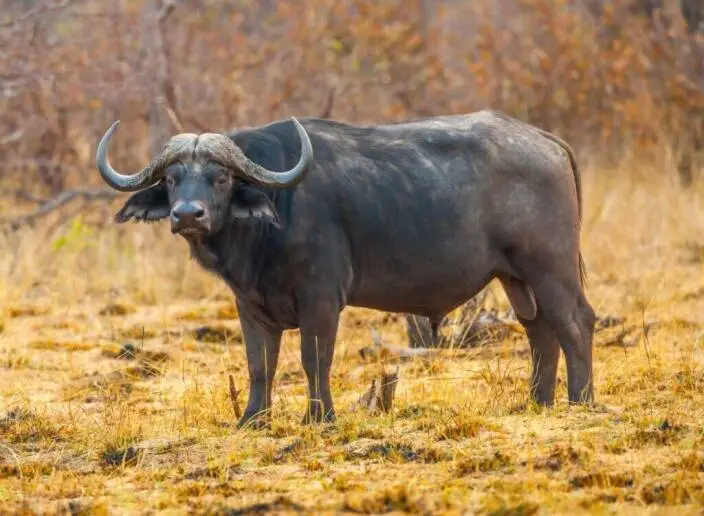
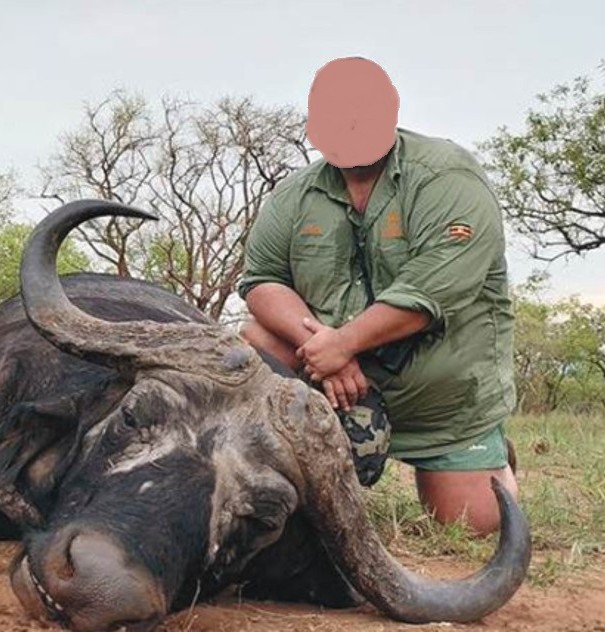
African buffalo is a primary objective on many Ugandan safaris. Buffalo hunting often takes place in large wilderness concessions, where herds move across open savannas, woodland, and river systems with relatively little hunting pressure.
Buffalo safaris in Uganda rely heavily on traditional tracking. Early in the morning, trackers begin searching for fresh spoor left during the night. Once suitable tracks are located, the hunting party follows them on foot through bush or across open ground until the herd is found.
Depending on the terrain and how recently the herd passed through an area, this process can involve several hours of steady walking before the animals are finally located. Only then does the professional hunter begin planning the final stalk.
Buffalo behavior in these concessions tends to remain relatively natural because animals are not confined to fenced properties. Herds may travel long distances between feeding areas and water sources, and encounters often depend on patient tracking rather than predictable patterns.
Uganda particularly suits those drawn to Dangerous Game Hunts built around traditional tracking and fieldcraft, preserving a style of hunt closely associated with the classic East African safari.
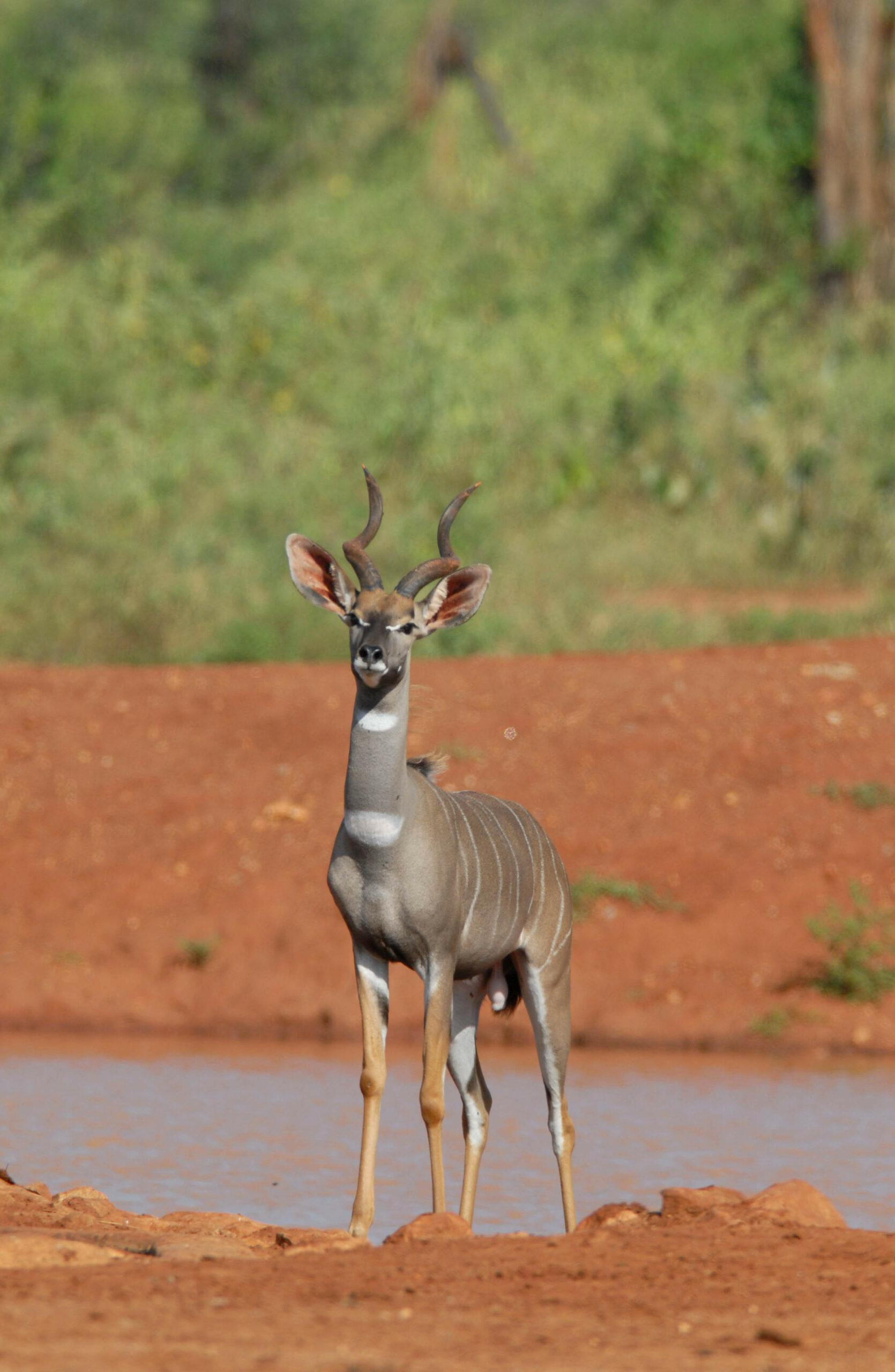
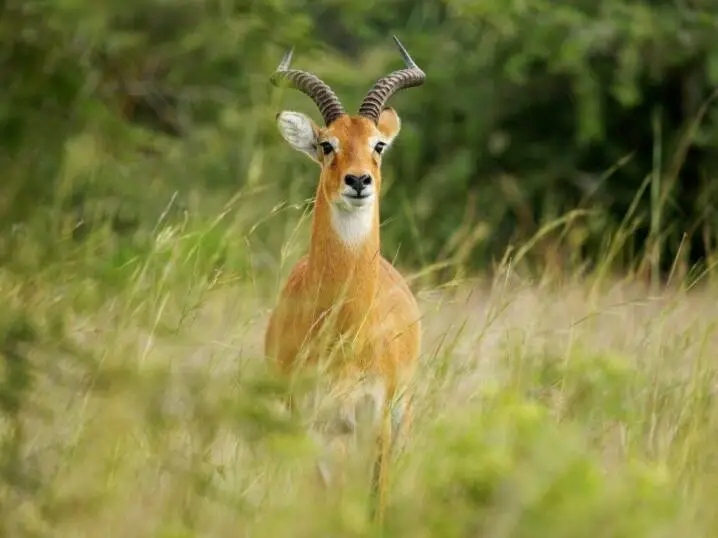
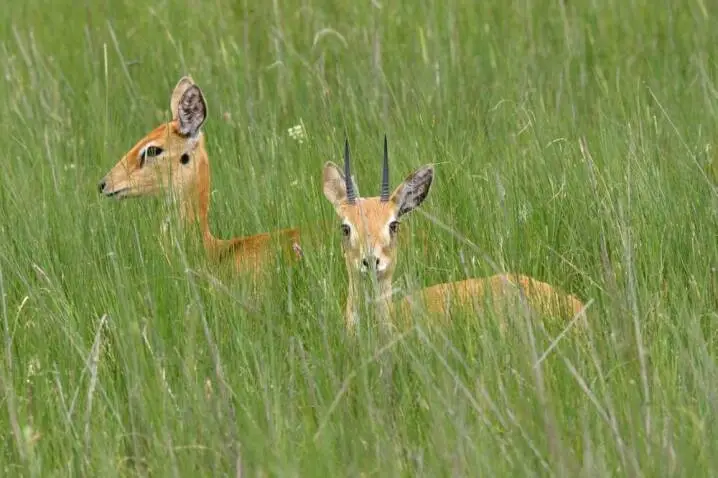
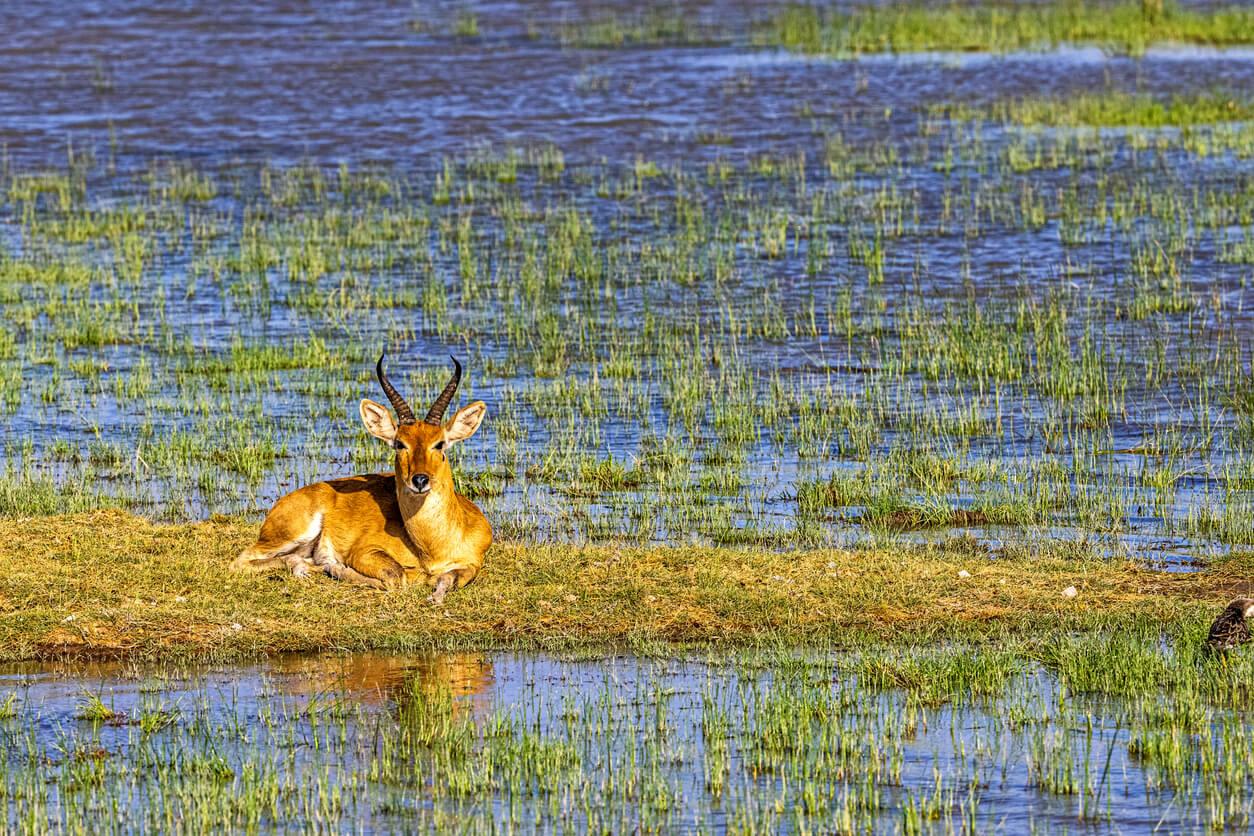
The Uganda kob is widely considered the country's most recognizable plains game species and is closely associated with Uganda itself. The animal even appears on the national coat of arms, reflecting its importance in the country's wildlife heritage.
Kob inhabit open savannas and grasslands where herds can often be seen feeding during the cooler hours of the morning or late afternoon. Mature males develop elegant lyre-shaped horns and are typically the animals hunters focus on during a safari.
Hunting kob generally involves spot-and-stalk methods. Hunters may first locate animals at a distance before using terrain features such as shallow depressions, tall grass, or scattered trees to approach within shooting range. While kob hunts are usually less physically demanding than dangerous game hunts, stalking mature animals in open terrain can still present a challenge. Visibility across these grasslands is often excellent, which means animals frequently detect movement long before the hunter reaches shooting range. Taking a mature kob remains one of the classic trophies associated with the country.
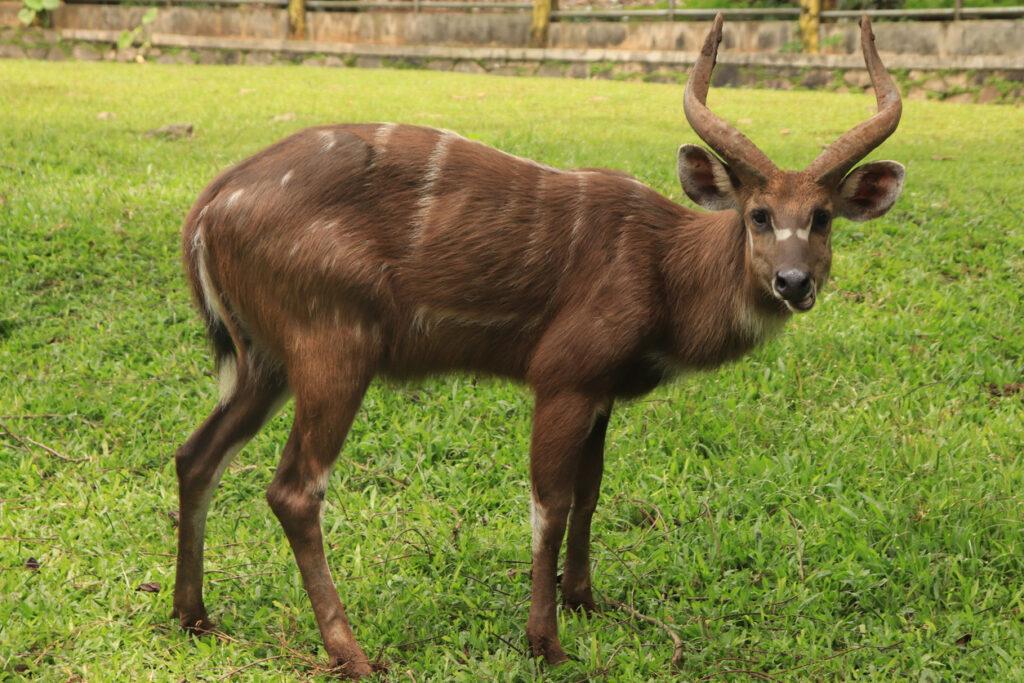
Few antelope in Africa live in habitat quite like the sitatunga. Our Sitatunga Hunts guide explains the different countries, habitats and methods associated with pursuing this specialized swamp antelope. These animals spend much of their lives in swamp and marsh environments where dense vegetation provides both food and protection.
This habitat creates a very specialized style of hunting. In many areas, hunters pursue sitatunga from raised platforms overlooking narrow swamp channels or openings in the vegetation where animals occasionally emerge from the reeds.
Because sitatunga move quietly through thick papyrus and marsh vegetation, even seeing the animal clearly can sometimes require patience. Hours may pass while watching a particular section of swamp before an opportunity develops.
Sitatunga remains one of the continent’s most distinctive trophies for collectors pursuing unusual African antelope.
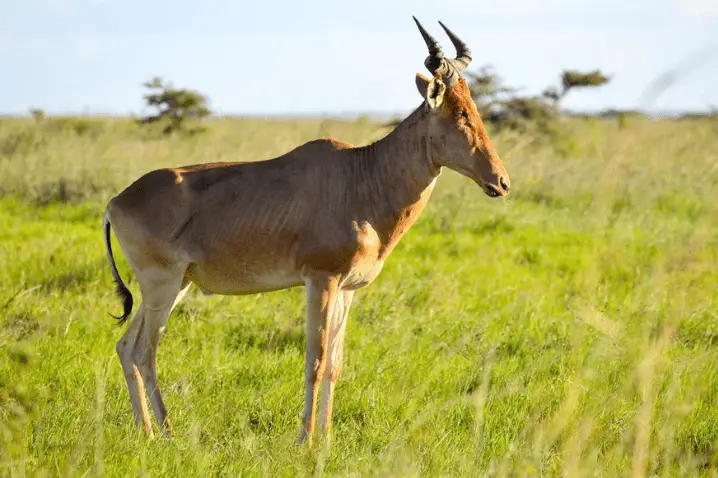
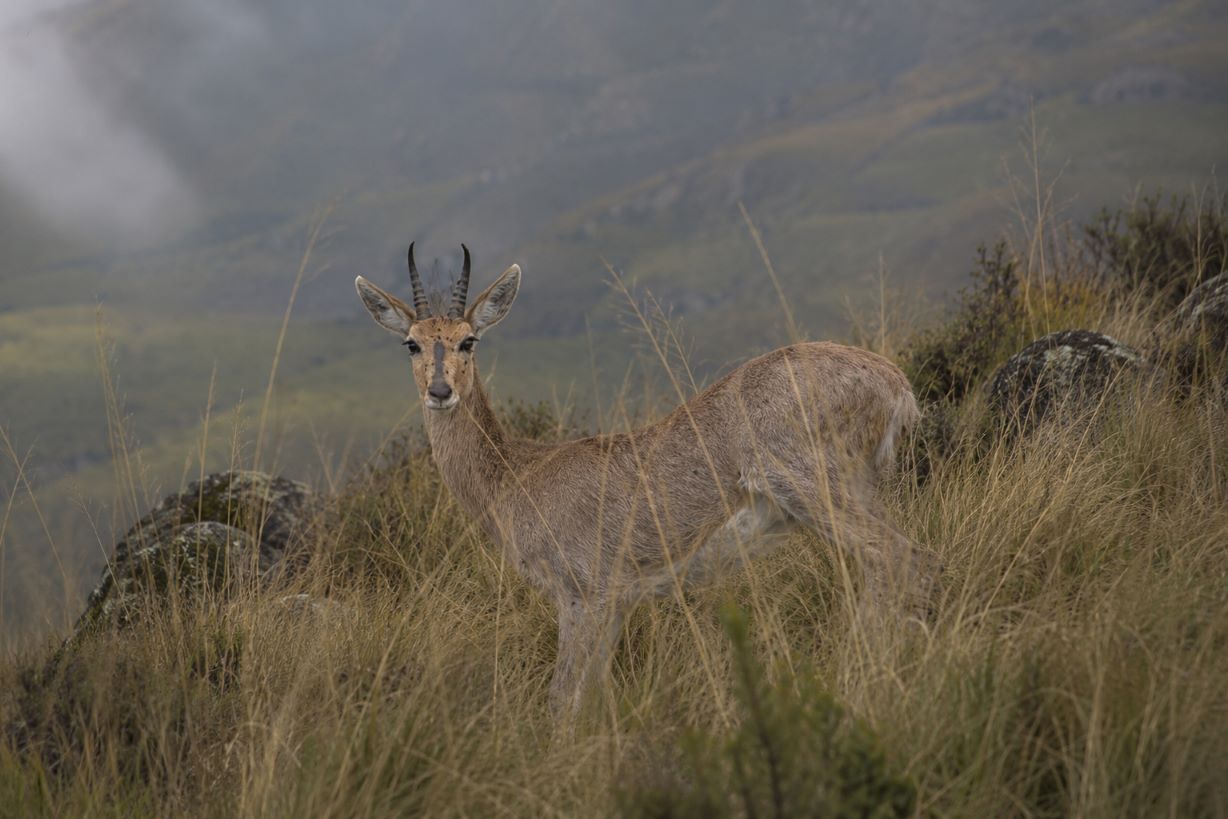
The Jackson's hartebeest is another East African antelope found in parts of Uganda. These animals are well adapted to open savanna and lightly wooded landscapes where they feed primarily on grasses.
Hartebeest are known for their alert nature and strong eyesight, which can make stalking them more challenging than their calm appearance might suggest. When disturbed, they often move quickly across open ground before stopping at a distance to watch potential threats.
Hunts typically begin by spotting animals from a distance before attempting a careful approach using available terrain features for cover. Because the terrain in some concessions is relatively open, patience and careful movement are often required to close the final distance.
A mature Jackson's hartebeest represents a distinctive trophy that many hunters associate with East African savanna hunts.
The Defassa waterbuck is a large antelope commonly found near rivers, floodplains, and areas where permanent water is available.
Waterbuck are powerful animals with heavy bodies and long, curved horns. Mature bulls often remain close to thick vegetation near water sources where they can stay hidden during the heat of the day.
Hunting waterbuck may involve tracking animals along river systems or glassing floodplain edges where herds occasionally emerge to feed. Because these animals often remain close to dense cover, the final stalk frequently takes place in thicker vegetation than many other plains game hunts.
A mature waterbuck can provide an excellent additional trophy alongside buffalo or Uganda kob.
Most Ugandan safaris take place within large government-managed wildlife areas rather than private ranches or conservancies. These concessions are located in remote parts of the country where wildlife moves freely across extensive, unfenced landscapes. These concessions are located in remote parts of the country where wildlife moves freely across unfenced landscapes.
Hunters researching African safaris often compare destinations such as South Africa, Namibia, Zimbabwe, and Tanzania before deciding where to hunt. Each of these countries offers a different style of safari experience.
In South Africa and Namibia, hunting frequently takes place on privately owned ranches or conservancies where wildlife populations are carefully managed within defined areas. Zimbabwe offers well-established safari regions with a long professional hunting tradition, while Tanzania is known for enormous wilderness concessions that host longer and more highly regulated safaris.
Uganda occupies a slightly different position among these destinations. Hunting is limited to a relatively small number of licensed concessions, and the total number of safaris conducted each year remains fairly low. Some concessions may only host a handful of hunts during a season, which helps keep hunting pressure relatively light compared with more developed safari destinations. This often creates a quieter experience where wildlife behaves naturally and tracking plays a central role in the hunt.
Several regions support most of Uganda's regulated hunting activity.
In northeastern Uganda, the Karamoja region contains some of the country's most remote hunting areas. The landscape is dominated by open savanna, rolling grasslands, and scattered woodland that stretch across large parts of the region.
The scale of Karamoja becomes immediately apparent on arrival in camp. Visibility across the plains can extend for miles, and wildlife moves freely across terrain that sees relatively little human activity.
Karamoja has developed a reputation for supporting populations of African buffalo as well as plains game species such as Uganda kob and Jackson's hartebeest.
Buffalo hunts in this region typically involve extended tracking across open ground or lightly wooded savanna. Early each morning, trackers begin searching for fresh spoor before the hunting party follows the tracks on foot.
Depending on how recently the herd passed through an area, hunters may spend several hours walking before the animals are finally located. Once the herd is found, the professional hunter studies wind direction, terrain, and herd movement before deciding how to approach.
As the dry season progresses, vegetation across the savanna often becomes thinner and visibility improves, which can make both tracking and spotting animals somewhat easier.
As hunting pressure in parts of the region remains relatively low, wildlife often behaves naturally and may travel long distances across the landscape. For hunters seeking wide open country and a traditional East African safari atmosphere, Karamoja represents one of the most characteristic hunting environments in Uganda.
Much of Uganda's remaining hunting activity also takes place in the Aswa–Lolim ecosystem in northern parts of the country. This region contains a mix of savanna, woodland, and river systems that support a variety of plains game and dangerous game species.
Compared with the open plains of Karamoja, parts of the Aswa–Lolim region contain thicker vegetation and more varied terrain. Open grasslands transition into bush and riverine habitat, creating environments where species such as Defassa waterbuck are commonly encountered.
Tracking conditions in this terrain can vary depending on the season. During the dry months, sandy soils and riverbanks often hold clear tracks that allow trackers to follow animals moving through the concession.
Buffalo are also present in several parts of the ecosystem, and hunts often involve tracking animals through a mixture of woodland and open savanna. Because vegetation can be thicker in certain areas, closing the final distance sometimes requires careful movement through bush cover while watching wind direction closely.
Hunters pursuing buffalo in these areas may also encounter plains game species during the same safari, particularly when moving between different habitat zones.
While much of Uganda's hunting takes place in savanna and woodland environments, some areas contain extensive wetlands that support species rarely encountered in other hunting destinations.
These swamp systems provide habitat for the elusive Sitatunga, an antelope specially adapted to life in marshes and papyrus swamps.
Hunting in these environments can look very different from a typical plains game safari. Instead of tracking animals across open ground, hunters may spend long periods quietly observing swamp channels or narrow openings in the vegetation where animals occasionally emerge.
Because sitatunga move quietly through dense marsh vegetation, even spotting the animal can sometimes require patience. Professional hunters often spend time studying the movement patterns of animals within these wetlands before deciding where blinds or raised platforms should be placed.
Pursuing sitatunga in swamp habitat becomes one of the most unusual experiences of an African safari, offering a style of hunting that contrasts sharply with the open-country stalking common in savanna environments.
One of the defining characteristics of hunting in Uganda is the relatively limited number of concessions available to safari operators. Unlike countries where hunting areas are widely distributed across private land, Uganda operates under a controlled system where only certain wildlife areas allow regulated hunting. The number of safaris conducted each year remains relatively small compared with many other African destinations.
Low hunting pressure creates a quieter safari with fewer encounters with other hunting parties. It is not unusual to spend several days hunting within a concession without encountering other camps or vehicles, particularly in more remote regions.
Wildlife in these areas may also behave differently from animals in more heavily hunted environments. Herds of antelope may remain in open grasslands for longer periods, while buffalo often move naturally across large sections of habitat without the pressure sometimes seen in smaller hunting areas.
This sense of space and limited human activity is one of the reasons Uganda continues to attract interest as a hunting destination.
One of the reasons hunting in Uganda remains limited is the way the country manages wildlife quotas. Unlike some destinations where large numbers of animals may be harvested each season, Uganda issues relatively small quotas that are tied to specific concessions and closely monitored by wildlife authorities.
These quotas are based on wildlife surveys and population estimates conducted within each hunting area. Only a small number of animals from each species may be taken during a season, and safari operators must follow strict reporting requirements for every animal harvested. Because of this system, the total number of hunts conducted in Uganda each year remains far lower than in many other African hunting destinations.
This management approach can have a noticeable impact on the safari experience. Lower hunting pressure often means wildlife behaves more naturally and may be less accustomed to vehicles or frequent human presence. At the same time, the limited quotas are one reason Uganda attracts hunters who are specifically interested in pursuing certain East African species under regulated conservation programs. Hunting revenue also supports wildlife management programs and anti-poaching patrols that help protect wildlife populations across large landscapes.
Planning a hunting safari in Uganda often requires a bit more preparation than hunts in some southern African destinations. Because most hunting areas are located in remote regions of the country, travel logistics, timing, and realistic expectations all play an important role in a successful safari.
Most international hunters begin their journey by flying into Entebbe, which serves as the main international gateway to Uganda. From there, hunters typically continue toward the hunting concession either by charter aircraft or by road, depending on the location of the safari area.
Hunters traveling from the United States or Canada usually reach Uganda by connecting through major international hubs in Europe or the Middle East before continuing to East Africa. While the journey can take time, many hunters find that the remoteness of the destination becomes part of the overall safari experience.
Once hunters leave the main airport and begin traveling toward the hunting areas, the landscape gradually changes. Roads become quieter, villages more scattered, and wildlife sightings more common as the journey moves closer to camp.
Hunting safaris in Uganda are structured around dangerous game or specialised plains game hunts, which means safari durations are often longer than short plains game packages commonly offered in some southern African destinations.
African buffalo hunts are typically conducted over 7 to 10 days, allowing enough time for trackers and professional hunters to locate mature bulls and plan careful approaches.
Hunts that include species such as Sitatunga may sometimes require additional patience because these animals inhabit specific swamp habitats where opportunities develop slowly.
Many safaris are designed so hunters can pursue multiple species during the same trip. A typical safari may focus primarily on buffalo while also providing opportunities to hunt animals such as Uganda kob or Jackson's hartebeest.
Because wildlife moves freely across large concessions, success usually depends on spending enough time in the field rather than expecting immediate encounters.
Most hunting days begin early in the morning, often before sunrise. Trackers usually begin searching for fresh spoor shortly after daylight, focusing on areas where animals moved during the night.
Once suitable tracks are located, the hunting party follows the spoor on foot through savanna, woodland, or riverine habitat. Depending on the species being pursued and how recently the animals passed through an area, this tracking process may involve several hours of steady walking before the herd or animal is finally located.
When hunting African buffalo, much of the morning may be spent following herds as they move between feeding and resting areas. The professional hunter studies wind direction and terrain carefully before deciding when conditions are right to begin the final stalk.
By midday, temperatures can become high in many parts of Uganda, and hunting parties often return to camp for a short rest before heading out again later in the afternoon.
Late in the day, hunters may glass open areas where plains game emerge to feed or watch swamp habitats when pursuing species such as Sitatunga.
While every safari unfolds differently, many hunters find that the rhythm of tracking, observing wildlife, and moving slowly through remote country becomes one of the most memorable parts of the experience.
Uganda's hunting season generally takes place during the drier months of the year, when vegetation becomes thinner and tracking conditions improve.
As the dry season progresses, animals often concentrate closer to reliable water sources, which can make locating game somewhat easier in certain areas. Visibility across the savanna also improves as grasses thin and leaves fall from some trees.
Dry ground conditions can make spoor easier to follow, particularly in sandy soils or along riverbanks where animal movement leaves clear tracks. While hunting conditions vary between concessions and ecosystems, many professional hunters consider the middle and later parts of the dry season to offer the most consistent tracking conditions.
As Uganda's hunting concessions are located in relatively remote regions, reaching camp may involve several stages of travel after arriving in the country.
Most international hunters first arrive in Entebbe before continuing onward to the concession by charter aircraft or by several hours of road travel.
Hunters traveling with their own rifles will usually complete temporary firearm import documentation upon arrival in Uganda. Most professional outfitters assist clients with the required paperwork in advance so the process runs smoothly.
Once in camp, daily life typically follows a simple rhythm built around the hunt. Safari camps are usually comfortable but practical, designed around the needs of a working hunting operation rather than luxury tourism. Evenings are often spent discussing the day's hunt, reviewing tracks seen during the day, and planning where the following morning's tracking will begin.
Hunters researching safaris in Uganda may eventually ask the same questions: how safe is the country, how expensive are the hunts, and how does Uganda compare with other African hunting destinations?
Uganda occupies a slightly unusual position in the African safari landscape. It is not one of the most heavily marketed hunting destinations, and the number of safaris conducted each year is relatively small compared with countries such as South Africa or Namibia.
Uganda first appears on the radar while researching species that are difficult to pursue elsewhere, especially animals such as the Uganda kob or the swamp-dwelling Sitatunga.
Understanding the country's hunting history and how modern safari operations function today helps explain why Uganda occupies this unique place among African hunting destinations.
Uganda's wildlife and hunting history is closely tied to the broader story of exploration and safari culture in East Africa. During the late nineteenth and early twentieth centuries, explorers, naturalists, and hunters traveled through the region while documenting the wildlife of East Africa.
Large parts of Uganda's savanna and woodland ecosystems supported significant populations of animals such as African buffalo along with a wide variety of antelope species.
During the colonial period, controlled safari hunting took place in several regions, and Uganda developed a reputation as a destination where hunters could pursue certain East African species in relatively remote environments.
However, political and economic instability during the latter half of the twentieth century disrupted wildlife management systems across parts of the country. In several areas wildlife populations declined and safari hunting operations disappeared for a period of time.
In recent decades, conservation programs and regulated hunting concessions have gradually restored controlled safari hunting in parts of Uganda. Today, only a small number of hunting concessions are licensed, and quotas are carefully managed through government wildlife authorities.
Uganda hosts far fewer safaris each year than many other African hunting destinations.
Safety and travel conditions should be assessed carefully when planning a safari in Uganda. Official travel advisories can change, and hunters should review current government guidance before booking and again before departure.
Most hunting activities take place in designated wildlife areas away from major urban centers. Professional safari operators generally coordinate airport transfers, travel to camp, accommodation and daily activities within the concession. However, operating in a remote hunting area does not remove the need for careful travel planning.
Hunters should work with an experienced outfitter and confirm transfer routes, communication arrangements, emergency procedures, medical evacuation cover and travel-insurance exclusions before leaving home.
Hunters planning a safari often compare Uganda with several other well-known hunting destinations across Africa.
Countries such as South Africa and Namibia are widely known for accessible plains game hunting, often conducted on privately owned ranches or conservancies where numerous species can be pursued during a single safari.
Zimbabwe has built a strong reputation for traditional dangerous game hunting supported by a long professional hunting tradition and well-established safari areas.
Tanzania offers vast wilderness concessions where safaris often take place over longer time periods and involve significant government licensing requirements.
Uganda differs from each of these destinations in several ways. Instead of offering large species lists or highly developed safari infrastructure, the country attracts hunters interested in specific East African animals and relatively remote hunting environments. Uganda tends to appeal most strongly to hunters looking for species that are not widely available elsewhere.
The cost of hunting in Uganda can vary depending on the species pursued, the length of the safari, and the concession where the hunt takes place.
In general, Uganda safaris fall somewhere between the pricing levels seen in southern African plains game destinations and the higher costs associated with large East African wilderness safaris.
Countries such as South Africa often offer some of the most accessible hunting packages because many safaris take place on privately managed properties with relatively straightforward travel logistics.
By comparison, safaris in Tanzania are usually among the most expensive in Africa due to government license fees and longer mandatory safari durations.
Uganda typically sits between these two extremes. Safaris often require travel into remote concessions and involve longer hunting periods than short plains game hunts, but costs are usually lower than many of the extended East African dangerous game safaris.
The decision to hunt in Uganda is influenced less by cost and more by the opportunity to pursue unique East African species. A broader breakdown of daily rates, trophy fees and additional safari expenses is available in our African Hunting Safari Prices guide.
Uganda is not necessarily the first destination most hunters consider when planning an African safari.
Hunters looking for high-volume plains game hunts with large species lists may find countries such as South Africa or Namibia better suited to that style of safari.
Uganda tends to attract hunters interested in pursuing a smaller number of distinctive East African animals in relatively remote hunting environments.
The opportunity to pursue species such as the Uganda kob or Sitatunga makes the country particularly appealing.
As hunts often take place in large concessions with relatively low hunting pressure, success usually depends on patience, time spent tracking, and the experience of the professional hunter and trackers working the ground.
Hunters who enjoy that slower, more traditional safari rhythm often find Uganda to be a rewarding hunting destination.
Yes, Uganda offers opportunities to hunt African buffalo in several remote concessions. These hunts are typically conducted on foot using traditional tracking methods, where professional hunters and trackers follow fresh spoor until the herd is located. Because hunting pressure in many areas remains relatively low, buffalo often move naturally across large landscapes, creating a challenging and authentic dangerous game hunting experience.
Uganda safaris are usually built around a small number of distinctive East African species. The most commonly pursued animals include the African buffalo, Uganda kob, Sitatunga, Jackson's hartebeest, and Defassa waterbuck.
Hunters often travel to Uganda specifically to pursue species such as kob or sitatunga that are not widely available in other African hunting destinations.
Hunting in Uganda can be physically demanding depending on the species pursued and the terrain of the concession. Buffalo hunts often involve several hours of tracking on foot through savanna or woodland before animals are located. Sitatunga hunts require patience while watching swamp channels where animals occasionally emerge from thick vegetation.
Hunters who arrive prepared for a traditional safari, where patience and time in the field are important, usually find the experience highly rewarding.
The main hunting season in Uganda takes place during the drier months of the year, when vegetation becomes thinner and tracking conditions improve. As the dry season progresses, animals often concentrate closer to reliable water sources and visibility across the landscape improves.
These conditions can make it easier for hunters and trackers to follow spoor and locate animals.
The cost of a Ugandan safari varies depending on the species pursued and the length of the hunt. In general, Uganda tends to fall somewhere between the pricing levels of southern African plains game safaris and the higher costs associated with large East African wilderness hunts in countries such as Tanzania. The appeal of Uganda lies less in price and more in the opportunity to pursue unique East African species in remote environments.
Travel conditions and official advisories can change. Hunters should review current government guidance and confirm security arrangements, transfer routes, emergency procedures and insurance coverage with their outfitter before booking and departure.
Search from our range of Hunts across various popular destinations in Africa.
Book Your Hunt