
Lake Kariba Hippo & Crocodile Hunting Safari in Zimbabwe
Booking Season: 2026
Hunt Difficulty: Difficult

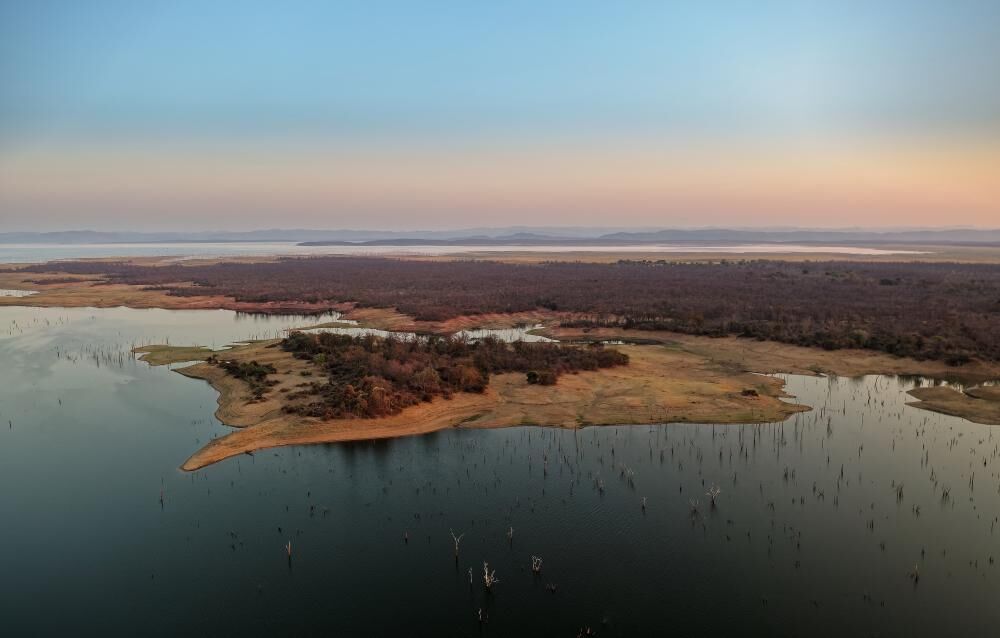

Zimbabwe is one of the last places where an African hunting safari still revolves around tracking dangerous game on foot across large unfenced wilderness areas, and this alone makes it very different from many other African hunting destinations. For hunters in the United States and Canada, hunting in Zimbabwe still represents the classic image of an African safari.
Stories of tracking buffalo through mopane woodland or following elephant spoor along the river systems of northern Zimbabwe have circulated through hunting camps for generations. Among professional hunters, Zimbabwe has long carried a reputation as one of the places where the traditions of African dangerous game hunting are still practiced much as they were decades ago. Hunters comparing destinations across the continent can also explore our Hunting Trips to see how Zimbabwe compares with other African safari opportunities.
Having hunted Zimbabwe ourselves, we have seen firsthand how strongly those traditions still shape the rhythm of a safari in many of the country’s wilderness concessions.
Across much of the country, hunting takes place on vast unfenced areas where wildlife still moves freely across the landscape. Buffalo herds follow established routes between grazing areas and water, while old elephant bulls drift quietly through thick jesse bush along the river systems of the north.
A Zimbabwe safari often unfolds slowly. Trackers study fresh spoor in dust or sand while the professional hunter watches wind direction, terrain, and how animals are likely to move through the concession. A promising set of buffalo tracks may lead the hunting party several miles through woodland before the herd is finally located.
Some days the tracks are fresh and the hunt comes together quickly. Other days the spoor fades in hard ground or shifting wind forces the trackers to circle and begin again.
For hunters who value tracking, patience, and time spent moving through genuinely wild country, Zimbabwe remains one of Africa’s most respected dangerous game


• Style: Tracking-based safari
• Terrain: Large wilderness concessions
• Focus: Dangerous game
• Pace: Slow and deliberate
• Best suited for: Experienced hunters
American and international hunters researching Zimbabwe usually want to understand the basic structure of how safaris in the country operate before exploring the finer details.
Several characteristics define the experience.
Typical safari length: 7–14 days depending on species and concession
Primary dangerous game: buffalo, elephant, lion, leopard, crocodile, hippo
Common plains game: kudu, sable, zebra, eland, waterbuck, impala
Main hunting regions: Zambezi Valley, Save Valley Conservancy, Matetsi, Hwange ecosystem
Best time to hunt: May through October during the dry season
Hunting style: tracking and stalking across large unfenced concessions
Who Zimbabwe suits best: hunters seeking traditional dangerous game safaris
Because many Zimbabwe safaris take place across large wilderness areas where animals move naturally across the landscape, the pace of the hunt is often slower and more deliberate than many hunters expect. Many of these safaris also form part of Africa's finest Big Game Hunting in Zimbabwe opportunities, particularly for hunters pursuing dangerous game in traditional wilderness concessions.
Hunters who enjoy long tracking days, working closely with experienced professional hunters and skilled trackers, and following animals across country where fences are rarely encountered, this style of safari is exactly what makes Zimbabwe so rewarding.
Zimbabwe is often compared to other hunting destinations in Africa, but the experience differs in several important ways.
• Compared to South Africa:
Zimbabwe offers a far more traditional, tracking-based safari across large unfenced areas, while South Africa provides more structured, accessible hunting with a wider range of outfitters.
• Compared to Namibia:
Namibia is often focused on plains game in semi-arid environments, while Zimbabwe is more strongly associated with dangerous game and tracking-based hunting.
• Compared to Tanzania:
Tanzania offers similar wilderness concessions and dangerous game opportunities, but typically at a higher cost and with more complex licensing structures.
A Zimbabwe hunting safari is rarely about covering a small area quickly or encountering large numbers of animals in a single morning. Instead, the hunt unfolds gradually across country that takes time to understand.
Trackers study spoor along sandy roads, dry riverbeds, and well-used game trails while the professional hunter interprets wind patterns, terrain, and how animals are likely to move through the concession. In many areas the sandy soil preserves tracks clearly enough that experienced trackers can follow animals for miles.
A hunting day often begins shortly after sunrise when fresh tracks are found crossing a road or moving along a riverbank.
From that moment the trackers begin following the spoor. Sometimes the trail leads straight to feeding animals within an hour. Other times the tracks wander across ridges and through thick bush for most of the morning before the herd is finally located. As the distance closes, the pace of the hunt changes.
Conversation stops. The wind is checked constantly. Every step forward becomes deliberate. For hunters traveling from North America, this style of hunting often feels closer to an expedition than a conventional guided hunt.
Reaching camp may involve charter flights into remote bush airstrips or long drives into wilderness concessions where camps operate far from towns or major roads.
Once in camp, daily life settles into the rhythm that has defined African safaris for generations, early mornings, long tracking days, and evenings around the fire discussing the tracks found during the day.
Many hunters arrive in Zimbabwe expecting consistent daily encounters with game, but the reality of hunting in Zimbabwe is very different.
The experience often involves long periods of tracking, interpreting spoor, and covering ground before animals are located. Success is not measured by how quickly animals are found, but by the process of tracking and the quality of the encounter when it finally comes together. For hunters who understand this before arriving, the experience becomes far more rewarding.
Zimbabwe has earned its reputation over many decades as one of the most consistent dangerous game safaris in Africa.
Part of that reputation comes from the country's wildlife management system, which maintains large hunting concessions across ecosystems where animals still move freely across the landscape. Another part comes from the professional hunter tradition that developed here.
Zimbabwe has produced many of Africa's most respected professional hunters, and the country's PH licensing programs have historically been among the most demanding on the continent. The process required to become a licensed professional hunter in Zimbabwe is extensive, and many of the men guiding safaris today have spent most of their working lives in the bush.
For big game hunters pursuing species such as buffalo, elephant, lion, or leopard, the experience and judgment of the professional hunter and trackers often shape how the safari unfolds.
Reading tracks in fine dust, estimating the age of a buffalo bull within a herd, or recognizing subtle movement patterns along a river system are skills that take years to develop. Much of this knowledge is built slowly through time spent in the field. In Zimbabwe, these skills are often passed down through generations of hunters and trackers who have spent their lives working in the same hunting areas.
Hunters visiting Zimbabwe quickly realize that the experience is shaped as much by the people guiding the safari as by the animals themselves.
Working alongside skilled trackers and experienced professional hunters often becomes one of the most memorable parts of the entire hunt.
Zimbabwe's reputation has also been reinforced by the quality of its hunting areas. Regions such as the Zambezi Valley, Save Valley Conservancy, and the concessions surrounding Hwange National Park have long been known for producing outstanding buffalo and elephant hunting. These ecosystems support strong wildlife populations and offer the kind of open wilderness landscapes that have traditionally defined African safari hunting.
For hunters interested in experiencing dangerous game hunting in truly wild environments, Zimbabwe remains one of the countries where that tradition continues today.
After speaking with hunters planning safaris in Zimbabwe, it becomes clear that Zimbabwe tends to attract a particular type of hunter.
It is not simply another destination offering a variety of species and comfortable camps. The structure of hunting in Zimbabwe, large concessions, free-ranging wildlife, and a strong dangerous game tradition, naturally appeals to hunters looking for something closer to a traditional safari experience.
Many sport hunters who travel to Zimbabwe already have some experience hunting in Africa. It is common for hunters to visit countries such as South Africa or Namibia first before eventually planning a Zimbabwe safari later in their hunting journey. They may have hunted plains game on an earlier trip and are now looking for a deeper wilderness experience.
For these sport hunters, Zimbabwe often represents the next step.
The country is particularly well known for dangerous game hunting. Buffalo hunting has developed a strong reputation among professional hunters, and the opportunity to pursue elephant, lion, and leopard in large unfenced areas continues to attract experienced hunters from around the world.
Another group that often finds Zimbabwe appealing are hunters who value the process of the hunt itself. Tracking animals for several miles through woodland, working closely with skilled trackers, and gradually learning the landscape over the course of the safari becomes a central part of the experience.
Hunters who enjoy this slower process of tracking and stalking animals across wild country, Zimbabwe offers a safari environment that can be difficult to match elsewhere in Africa.
Zimbabwe offers an exceptional hunting experience, but it is not the right destination for every hunter. The structure of hunting in the country naturally limits who will find the experience most rewarding.
Hunters hoping for a very short safari may find Zimbabwe difficult to fit into their plans. While some hunts can be conducted in shorter timeframes, many safaris are designed to allow enough time for proper tracking and careful hunting across large concessions.
Wildlife moves freely across wide landscapes and encounters with animals often require patience and persistence rather than quick success.
Hunters whose primary goal is a fast-paced plains game hunt with many animals taken in a short period of time may find other southern African destinations more suitable. Cost can also be a factor for some hunters.
Operating hunting concessions across large wilderness areas requires significant logistics, vehicles, trackers, camp staff, and aircraft support in some remote regions, and this can make Zimbabwe safaris more expensive than some other hunting destinations.
None of these characteristics should be viewed as disadvantages. They simply reflect the reality of a country that has preserved a style of safari centered on wilderness landscapes and traditional dangerous game hunting.
Hunters who understand this before arriving tend to appreciate Zimbabwe for exactly what it is, one of the places where a true African safari can still unfold at its natural pace.
One of the factors that makes hunting in Zimbabwe so distinctive is the scale and diversity of the country's hunting areas.
Unlike some African destinations where hunting takes place primarily on privately managed wildlife properties, Zimbabwe still maintains large safari areas and conservancies where wildlife moves naturally across extensive landscapes.
These hunting areas are spread across several major ecosystems, each with its own terrain, wildlife populations, and hunting style. Understanding these regions helps hunters appreciate how different a Zimbabwe safari can feel depending on where the concession is located.
Northern Zimbabwe is dominated by the vast wilderness system surrounding the Zambezi River, commonly referred to as the Zambezi Valley.
This region is widely regarded as one of the country's premier dangerous game hunting areas.
The terrain consists largely of jesse bush, riverine woodland, and mopane forest broken by dry river systems and seasonal floodplains. Visibility can change quickly. Some areas allow longer views through open woodland, while others become thick enough that hunters may find themselves closing the distance through heavy jesse at very close range.
Several well-known safari areas lie within this ecosystem, including Dande Safari Area, Chewore Safari Area, and Omay Safari Area.
These concessions have developed strong reputations for elephant and buffalo hunting.
Tracking conditions in the Zambezi Valley are often excellent. Sandy soil and dusty game trails preserve tracks clearly, allowing experienced trackers to follow animals for long distances through the bush.
Elephant bulls are frequently encountered moving along river corridors, while buffalo herds travel between feeding areas and water sources across the valley floor.
Because of the size and remoteness of the region, hunts here often feel deeply traditional, long tracking days through thick bush with little sign of human development beyond the hunting camp itself.
Western Zimbabwe contains another important hunting region surrounding Hwange National Park.
Hwange is one of the most wildlife-rich ecosystems in southern Africa, particularly known for its large elephant populations and strong buffalo numbers.
Several hunting concessions border the national park and benefit from wildlife moving between the protected park environment and surrounding safari areas.
The terrain here differs from the Zambezi Valley.
Large areas consist of Kalahari sandveld, with open woodland, grass plains, and scattered pans where animals concentrate during the dry season.
Buffalo hunting in the Hwange ecosystem often involves tracking herds through sandy woodland before eventually locating the animals near water pans or feeding areas.
Plains game species such as kudu, zebra, sable, and eland are also commonly encountered in these areas, making the region well suited for hunters interested in combining dangerous game and plains game during the same safari.
The Save Valley Conservancy represents a different type of hunting landscape.
Originally developed through the conversion of former cattle ranches into wildlife habitat, the conservancy today protects a vast area of savanna woodland and river systems that support a wide range of wildlife.
The terrain consists of rolling savanna, acacia woodland, and seasonal riverbeds that provide excellent habitat for both plains game and dangerous game species.
Buffalo hunting in the conservancy has gained a strong reputation over the years, and elephant, lion, and leopard are also present in several areas. Because the conservancy functions as a large wildlife management area, animals move naturally across the landscape rather than being confined to smaller properties. This combination of scale, wildlife diversity, and well-managed habitat has helped establish Save Valley as one of Zimbabwe's most recognized hunting regions.
Save Valley Conservancy is one of Zimbabwe's largest private wildlife conservancies and has developed a strong reputation for buffalo hunting over the past two decades.
Near Victoria Falls lies the Matetsi Safari Area. Matetsi is divided into several hunting units that extend across large areas of woodland and river systems west of the falls. The proximity of Hwange National Park contributes to strong wildlife populations in the region, particularly buffalo and elephant.
The terrain includes a mixture of woodland, grassland, and river corridors where animals move between feeding areas and water sources.
Because of its accessibility and wildlife diversity, Matetsi has long been a popular destination for hunters pursuing dangerous game while still having opportunities for plains game species during the same safari.
Two additional hunting areas in northwestern Zimbabwe, the Sengwa Wildlife Research Area and Gwaai Valley, offer another style of hunting environment.
These regions consist of open woodland, grass plains, and seasonal river systems that support strong buffalo populations along with a wide range of plains game species. Buffalo hunting in these areas often involves tracking herds through woodland corridors before eventually locating animals near feeding areas or water.
These regions receive fewer visitors than some of Zimbabwe's better-known safari areas and hunters appreciate the quiet, remote atmosphere they provide.
For those seeking a traditional free-range safari with very little outside activity, these concessions can offer a particularly rewarding hunt.
The ecosystem where a safari takes place plays a major role in shaping the experience of the hunt. Different regions support different wildlife populations, terrain types, and hunting styles. A hunter pursuing elephant in the Zambezi Valley may spend long days tracking through thick jesse bush along river corridors.
A buffalo hunt in the Hwange ecosystem may involve following large herds across sandy woodland before eventually locating them near water pans. Plains game hunts in the Save Valley Conservancy may unfold across open savanna and acacia woodland where animals are often spotted at greater distances.
Due to these differences, understanding the landscape of the concession is often just as important as the species being hunted. Hunters who take the time to learn about Zimbabwe's hunting regions before planning their safari are usually better prepared for the experience that awaits them.
Zimbabwe has long been recognized as one of Africa's most respected big game hunting destinations.
While plains game species are widely available across many concessions, the country's reputation has largely been built around safaris for buffalo, elephant, lion, and leopard conducted across large wilderness landscapes.
What makes dangerous game hunting in Zimbabwe distinctive is not simply the species available, but the style of hunting used to pursue them. We’ve seen hunters arrive expecting a faster-paced safari, only to realize within the first few days that Zimbabwe demands patience, tracking, and time in the field, and that shift in expectations often defines the entire experience.
Most hunts rely heavily on tracking. On several buffalo hunts we have personally followed tracks for hours before finally locating the herd, which is a normal part of the process in Zimbabwe's larger wilderness concessions.
A typical morning often begins shortly after sunrise when trackers and the professional hunter begin searching roads, river crossings, or game trails for fresh spoor left during the night. Buffalo tracks pressed into sandy soil or the deep impression of an elephant's foot along a riverbank can reveal where animals have moved only hours earlier.
Once promising tracks are located, the hunting party begins following the trail on foot. From that point forward the hunt becomes a process of careful interpretation.
Trackers read the ground for subtle changes in direction. The professional hunter studies wind and terrain. The hunter follows quietly behind them, aware that the animals may appear at any moment.
Tracking dangerous game in Zimbabwe can require patience. It is not unusual to follow spoor for several hours before finally catching sight of the animals.
When the opportunity eventually comes, it often arrives quickly. A buffalo herd feeding through woodland ahead, an elephant bull moving slowly through thick bush, or the flick of an ear in the brush may signal that the moment has arrived.
At that point the professional hunter carefully guides the final approach, ensuring the hunter is positioned safely and that the correct animal has been identified.
Buffalo hunting in Zimbabwe is one of the most widely pursued dangerous game experiences. Large herds still move through many of the country's concessions, and buffalo hunting has developed a strong reputation among professional hunters across Africa. These herds can number dozens or even hundreds of animals and often travel considerable distances between feeding areas and water sources.
In many Zimbabwe concessions it is common for trackers to follow a herd for most of the morning before the animals are finally seen feeding ahead in thick woodland.
On older bulls, trackers will often slow down considerably once fresh spoor begins cutting into heavier cover, knowing a wounded or solitary buffalo can remain hidden surprisingly close in thick jesse bush.
The hunt usually begins by locating fresh tracks.
Trackers may find spoor crossing a sandy road early in the morning or along dry riverbeds where herds passed during the night. Once the tracks are identified, the hunting party begins following them through woodland and across open ground.
Tracking buffalo can involve several miles of walking before the herd is finally located, particularly in larger wilderness concessions where herds may travel long distances between feeding areas and water.
When the animals are found, the professional hunter studies the herd carefully. In large herds it can take time to identify the right bull, as older animals often move toward the edge or rear of the group.
The final approach is usually slow and deliberate. Wind direction becomes extremely important during this stage. Buffalo rely heavily on their sense of smell and hearing, and even a slight change in the wind can alert the herd.
Shots are often taken at relatively close range, sometimes well under one hundred yards. Standing near a mature buffalo bull after hours of tracking through the bush becomes one of the defining moments of an African safari.
For some hunters, elephant hunting in Zimbabwe represents one of the most traditional dangerous game experiences remaining in Africa. Elephant hunting often takes place along river systems and woodland corridors where bulls move between feeding areas and water.
Tracking elephant can be physically demanding but deeply engaging, particularly when considering the role of conservation and elephant hunting in Zimbabwe within modern safari management. Their tracks are large and easy to identify, but determining which spoor belongs to a mature bull worth pursuing requires considerable experience.
Professional hunters and trackers examine the size and shape of the track, the distance between strides, and other subtle details in order to estimate the age and size of the animal. In thicker jesse, visibility can shrink to only a few yards, and trackers often have to move slowly enough that the entire hunting party naturally begins watching the bush ahead rather than the tracks themselves. Once a suitable bull is identified, the hunt may involve several hours of steady tracking before the elephant is finally located.
Elephants often move quietly through woodland while feeding, allowing the hunting party to close the distance carefully while remaining downwind. Approaches are slow and deliberate.
Elephants are extremely aware of their surroundings and wind direction becomes critical during the final stages of the stalk. Standing within close range of a mature bull in thick bush is an experience that many hunters remember for the rest of their lives.
Lion and leopard hunts in Zimbabwe follow different methods and typically require a specialized approach.
Hunters interested in pursuing dangerous game often research lion hunting in Zimbabwe, particularly in large wilderness concessions where lions still move naturally across the landscape. Lion hunts may involve tracking in certain areas, but they often rely on careful monitoring of areas where lions are known to move within the concession. Professional hunters draw heavily on their knowledge of the landscape and the behavior patterns of the lions inhabiting the area.
For hunters comparing destinations across southern Africa, leopard hunting in Zimbabwe is widely respected for producing mature toms in several of the country's well-known safari areas. Leopard hunting generally involves baiting and patient observation. Bait sites are placed in areas where leopards are known to travel. Once a leopard begins visiting the bait regularly, the professional hunter may construct a blind nearby where the hunter waits quietly for the animal to return.
These hunts require patience.
Hunters may spend several hours sitting quietly in the blind before the leopard finally appears. Because leopards are cautious animals that often move after dark, timing and careful preparation are essential.
Although this style of hunting is very different from tracking, it can be equally intense and rewarding.
Several Zimbabwe concessions also offer hunting opportunities for crocodile and hippopotamus along major river systems.
Several river systems across the country provide excellent opportunities for crocodile hunting in Zimbabwe, particularly along the Zambezi River and major tributaries. Crocodile hunts typically take place along sandy riverbanks where large crocodiles bask in the sun during the day. Professional hunters often spend time observing these animals from a distance before planning the stalk. Because crocodiles can slip into the water quickly, the approach must be careful and the shot precise.
Hunters pursuing river species often include hippo hunting in Zimbabwe as part of a dangerous game safari in the country's major river systems. Hippo hunts may occur along the same river systems or near waterholes where these animals surface regularly.
Although the shot itself may occur quickly, locating a mature animal often requires patience and careful observation.
For hunters who wish to add additional species to their safari, these hunts can provide a memorable addition to a dangerous game safari.
Although Zimbabwe is widely known for its dangerous game safaris, plains game hunting forms an important part of many hunts across the country.
Several species found in Zimbabwe are highly sought after by hunters traveling from North America, particularly those looking to focus part of their safari on taking the plains species that Zimbabwe is known for.
Common plains game encountered Zimbabwe safaris include species such as kudu, sable, eland, zebra, waterbuck, impala, bushbuck, and warthog, many of which are encountered naturally while tracking other animals across the concession.
Unlike plains game hunts conducted on smaller properties elsewhere in Africa, hunting these animals in Zimbabwe often follows the same tracking-based approach used for dangerous game.
Animals move naturally across large wilderness landscapes, and encounters frequently occur while tracking other species or exploring different areas of the concession.
It is not uncommon, for example, to encounter zebra or kudu while following buffalo tracks through woodland or while moving between river systems where animals gather during the dry season.
Because wildlife is free-ranging, each encounter tends to feel natural and unpredictable rather than staged. For many hunters, this adds a rewarding dimension to the safari experience.
Common plains game species also include impala, and impala hunts are often added as an additional opportunity during longer safaris.
Two of the most sought-after plains game species in Zimbabwe are kudu and sable antelope.
Among the most sought-after species is kudu, and many hunters specifically research kudu hunts when planning a there safari. Kudu are widely distributed across many parts of the country and are well known for their ability to disappear into thick bush with surprising ease. Mature bulls often prefer broken woodland terrain where they can move quietly through cover while remaining difficult to detect.
Hunting kudu typically involves careful glassing followed by patient stalking through woodland or along dry river systems where the animals feed.
Another highly respected species is sable, and sable hunts are particularly well known in several of the country's major conservancies. Sable antelope are another iconic species of southern Africa and are particularly associated with certain regions of Zimbabwe. These striking animals are recognized for their dark coats and sweeping curved horns. Sable often inhabit open woodland and savanna environments where they move in small herds or bachelor groups.
Professional hunters frequently locate sable by glassing open areas during early morning or late afternoon when the animals emerge to feed.
Zimbabwe also supports healthy populations of several larger plains game species.
Eland, the largest antelope in Africa, are known for their size and endurance. These animals often travel long distances through woodland and savanna and can cover surprising ground during the course of a day.
Tracking eland can involve several hours of walking as the hunting party follows their distinctive tracks across the concession.
Zebra are commonly encountered across many Zimbabwe hunting areas, particularly in more open landscapes where herds graze alongside other plains game species.
Waterbuck are typically found near river systems and water sources where thick vegetation provides cover. Their preference for these habitats often leads hunters into some of the most scenic parts of a concession.
In many Zimbabwe safaris, plains game hunting becomes part of the broader experience rather than a completely separate activity.
Hunters pursuing buffalo or elephant may encounter a variety of plains game species during the course of the hunt.
When opportunities arise, these animals may be taken depending on the hunter's interests and the species available within the concession's quota. This creates a safari experience that feels dynamic and natural. A morning spent tracking buffalo may unexpectedly present an opportunity for a mature kudu bull or a group of zebra moving across an open plain.
Because wildlife moves freely across these landscapes, every day in the bush can bring new encounters. For many hunters, this variety adds depth to the safari and contributes to the sense that they are participating in a true wilderness hunting experience.
After learning about the hunting experience Zimbabwe offers, most hunters begin asking practical questions about when to hunt, how safaris are structured, and what to expect when planning a trip.
Zimbabwe has developed a well-established safari hunting system over many decades, and understanding a few key factors can help hunters prepare for the experience.
Seasonal conditions, wildlife movement, and concession management all influence how safaris unfold during the course of the hunting season.
Zimbabwe's hunting season generally runs from May through October, aligning with the country's dry season.
During these months vegetation gradually thins, water sources become more limited, and wildlife movement becomes easier to interpret through tracks and spoor.
For hunters, these conditions often create excellent tracking opportunities. Buffalo herds begin concentrating around water sources, elephant move along predictable river systems, and visibility through woodland improves as grasses and leaves dry.
Although hunting conditions remain good throughout much of the season, different months offer slightly different experiences.
The early part of the season often brings cooler temperatures and comfortable walking conditions. Vegetation may still be somewhat thick following the rainy season, which can make spotting animals slightly more difficult but also creates a greener landscape.
Animals are usually more widely distributed across the concession during this period, and hunts may involve covering larger areas while searching for fresh tracks.
By mid-season the bush has dried considerably and tracking conditions often improve. Buffalo and elephant begin using water sources more consistently, and game trails become easier to read as animals move between feeding areas and water.
Many professional hunters consider this period an excellent balance between comfortable temperatures and strong wildlife activity.
The later part of the season often produces some of the most productive dangerous game hunting. As the dry season progresses, animals concentrate around remaining water sources, and the bush becomes more open. Tracking conditions are often excellent during this time, although temperatures can become warmer, particularly in the Zambezi Valley.
For hunters pursuing buffalo or elephant, this period frequently offers strong opportunities.
One aspect of hunting in Zimbabwe that surprises some hunters is the emphasis placed on maturity rather than strictly on measurements.
Professional hunters typically focus on harvesting animals that have already reached full maturity and contributed to the breeding population. This philosophy applies particularly to dangerous game species such as buffalo and elephant.
Older buffalo bulls often separate from breeding herds and may be found in smaller bachelor groups or moving independently through woodland areas. Elephant hunts similarly focus on mature bulls rather than younger animals.
While exceptional trophies certainly occur in Zimbabwe, the emphasis of most safaris is placed on age, character, and ethical harvest rather than record measurements alone. This approach reinforces the idea that the safari is about far more than simply pursuing the largest possible trophy.
Zimbabwe safaris are often regarded as serious dangerous game hunts, and the cost structure reflects the logistics required to operate in large wilderness concessions.
Several factors contribute to the overall cost of a safari.
Most hunts involve a daily rate, which covers the professional hunter, trackers, vehicles, camp staff, accommodations, and meals during the safari. In addition to daily rates, hunters typically pay trophy fees for animals that are successfully harvested. These fees vary depending on the species pursued. Dangerous game animals such as buffalo, elephant, lion, and leopard carry higher trophy fees than most plains game species.
Daily rates and trophy fees can vary considerably between countries, species and hunting areas. Our African Hunting Safari Prices guide provides a broader comparison of the costs involved when planning a hunt in Africa.
Some safaris may also include government permit fees or conservation levies, which contribute to wildlife management and concession administration.
Travel logistics can also influence cost. Many hunting concessions are located in remote areas that require charter flights or extended drives from international airports. Operating camps in these regions involves maintaining vehicles, equipment, staff, and supplies in environments that are often far from major towns.
For hunters planning their first safari, the most helpful approach is usually to view the experience as a full expedition rather than comparing it directly with shorter hunts in other destinations.
Zimbabwe safaris are designed to provide time in the field to track animals properly and experience the wilderness environments where these hunts take place.
Planning a Zimbabwe safari often involves substantial deposits, trophy fees, charter flights, and international travel arrangements. Many first-time hunters therefore spend time researching how African hunting safari payments and escrow services typically work before booking a hunt.
Planning an international hunting safari naturally raises questions beyond the hunt itself.
Hunters often want to understand how easy it is to reach Zimbabwe, what travel conditions are like, and how laws, permits, and hunting licenses in Zimbabwe work in practice. Zimbabwe has hosted international hunters for many decades, and the systems supporting safari travel are well established.
Understanding how travel, safety, and conservation function in the country can help hunters plan their safari with greater confidence.
Reaching Zimbabwe for a hunting safari is generally straightforward for international hunters. Most visitors arrive through either Harare or Victoria Falls, both of which receive regular international flights from several regional hubs in southern Africa.
After clearing customs and completing firearm import procedures, hunters typically travel to their concession either by vehicle or by charter aircraft, depending on the location of the safari. Many concessions located in northern Zimbabwe or the Zambezi Valley are reached by small bush aircraft flying into remote airstrips near the hunting camp.
For many hunters, this flight provides the first real sense of the scale of Zimbabwe's wilderness areas. Vast stretches of woodland and river systems extend for miles with little sign of human development.
Once hunters arrive in camp, daily life quickly settles into the rhythm of the safari itself.
Zimbabwe has experienced political and economic challenges over the past several decades, which sometimes raises questions for hunters considering a safari in the country. In practice, most hunting concessions operate in remote rural regions far from the country's major population centers.
Safari camps function as controlled environments where daily activities revolve around the hunt, camp operations, and the surrounding wilderness. Professional safari operators maintain established systems for transportation, camp management, and communication with nearby towns or airstrips.
For visiting hunters, travel generally involves moving directly from the airport to the hunting concession, where the remainder of the safari takes place in remote wildlife areas. As with any international travel, hunters should work with experienced safari operators and follow normal travel precautions.
Thousands of hunters visit Zimbabwe each year without encountering safety concerns during their safari.
Zimbabwe's hunting areas play an important role in protecting wildlife across large landscapes. Many hunting concessions lie adjacent to national parks and protected ecosystems, creating buffer zones that help maintain wildlife habitat beyond park boundaries.
Regions surrounding Hwange National Park and Mana Pools National Park provide good examples of this system. These hunting concessions help preserve large tracts of habitat where animals can move freely between protected areas and surrounding wilderness.
Safari operators and professional hunters also contribute directly to anti-poaching efforts within the concessions they manage. On many concessions these patrols operate year-round, maintaining roads, removing snares, and monitoring wildlife movement across areas that may cover hundreds of thousands of acres.
Many hunting areas maintain anti-poaching patrols responsible for monitoring wildlife movement, maintaining roads, and reporting illegal activity.
Because these concessions generate economic value through regulated hunting, the land itself remains protected as wildlife habitat rather than being converted to agriculture or settlement.
In several parts of Zimbabwe, local communities also benefit directly from wildlife conservation through programs designed to involve rural communities in the management of natural resources.
One of the best known examples is the CAMPFIRE Programme. This program allows communities living near wildlife areas to receive economic benefits from wildlife through regulated hunting and tourism.
Revenue generated from safari hunting can contribute to local employment, infrastructure projects, and community development initiatives. When wildlife provides tangible economic value to nearby communities, local support for conservation often increases.
Many safari operators also employ staff from surrounding communities, including trackers, camp attendants, drivers, cooks, and maintenance personnel.
For hunters visiting Zimbabwe, this connection between wildlife conservation and rural communities often becomes an important part of understanding how safari hunting contributes to protecting wildlife habitat.
For many hunters, some of the most memorable moments of a Zimbabwe safari occur after the day's hunting has ended. Evenings in camp often revolve around the fire, where hunters, professional hunters, and trackers gather to discuss the day's events.
Conversations may focus on the tracks seen that morning, the animals encountered during the hunt, or the strategy for the following day. These moments reflect a long tradition within Zimbabwe's hunting culture.
A safari is not defined only by the animal taken, but by the entire experience of tracking, learning the landscape, and sharing time in camp with the people who guide the hunt.
For many visiting hunters, those evenings around the fire become some of the most lasting memories of the safari itself.
Zimbabwe is best suited for hunters who:
• Want a traditional dangerous game safari
• Enjoy tracking animals on foot over long distances
• Value wilderness environments over convenience
• Are willing to trade comfort and predictability for authenticity
For hunters who prioritize efficiency, shorter safaris, or high-volume plains game, other destinations may be a better fit
For many hunters traveling to Africa, the safari itself is only part of the journey. Because Zimbabwe contains several well-known natural attractions, it is common for visiting hunters to spend a few additional days exploring the country after their hunt.
Some hunters travel with family members who join them after the safari, while others simply want to experience more of the region before returning home. Zimbabwe offers several opportunities for travelers who wish to extend their trip.
One of the most popular destinations following a safari is Victoria Falls.
Often described as one of the largest waterfalls in the world, Victoria Falls lies along the Zambezi River and is easily accessible from several hunting areas in western and northern Zimbabwe.
Visitors can walk along a series of viewpoints overlooking the falls, offering dramatic views of the water cascading into the gorge below. The surrounding town of Victoria Falls has developed into a well-known tourism hub with a variety of lodges, restaurants, and activities.
Hunters choose to spend two or three days here after their safari to relax and experience one of Africa's most famous natural landmarks.
The Zambezi River offers several memorable experiences for visitors. Boat cruises along the river are particularly popular in the evenings when wildlife often gathers along the riverbanks.
These cruises provide opportunities to see elephants, hippos, crocodiles, and a wide variety of bird species while enjoying the scenery of the river valley.
Fishing is another attraction in this region. The Zambezi is well known for species such as tigerfish, which provides an exciting challenge for anglers.
For hunters who enjoy spending time on the water, a day of fishing on the Zambezi can be an enjoyable way to conclude an African safari.
Some hunters also choose to extend their trip by visiting one of Zimbabwe's national parks for a photographic safari. Two of the best known parks are Hwange National Park and Mana Pools National Park. These parks are known for large wildlife populations and offer opportunities to observe animals in a non-hunting setting.
Photographic safaris often include guided game drives where visitors can see elephants, buffalo, antelope, and a variety of predators moving through their natural habitats.
For hunters who have just spent days tracking animals on foot, experiencing wildlife from a different perspective can be a memorable way to conclude the trip.
Traveling to Africa for a hunting safari is a significant journey, and many hunters choose to make the most of the opportunity by experiencing more of the country while they are there. Adding a few days after the hunt allows visitors to relax, reflect on the safari, and experience some of the landscapes and wildlife that make Zimbabwe such a remarkable destination.
For hunters traveling with family members or companions, these additional experiences can also turn a hunting safari into a broader African adventure.
Pierre van Wyk has spent more than three decades hunting across southern and eastern Africa and has worked closely with professional hunters and safari operators throughout the region.
Through his work with Game Hunting Safaris, he regularly assists hunters traveling from the United States and Canada in planning African hunting safaris and understanding how different destinations compare.
His experience working with international hunters has provided deep insight into the questions most hunters ask before traveling to Africa — from choosing the right country and hunting area to preparing for the realities of a traditional African safari.
Yes. Hunting in Zimbabwe is conducted under a regulated system managed by the country’s wildlife authorities. Safari operators are licensed to guide hunts within designated concessions and must operate under established wildlife quotas and regulations.
These quotas determine how many animals of each species may be harvested during a given season and are designed to ensure wildlife populations remain sustainable over time.
Zimbabwe is widely known for dangerous game hunting. Species commonly pursued include buffalo, elephant, lion, leopard, crocodile, and hippopotamus. Many concessions also offer a wide range of plains game species such as kudu, sable, eland, zebra, waterbuck, impala, bushbuck, and warthog. The exact species available on a safari will depend on the location of the concession and the quota assigned to that hunting area.
Most safaris in Zimbabwe range from 7 to 14 days, depending on the species being hunted. Buffalo hunts are often conducted as 7–10 day safaris, while elephant or lion hunts may require longer safari durations depending on the hunting area and license requirements.
Longer safaris provide more time to track animals across large wilderness concessions and increase the chances of encountering mature animals.
Zimbabwe can be an excellent destination for hunters interested in dangerous game hunting or those seeking a traditional safari experience.
However, many hunters traveling to Africa for the first time choose destinations such as South Africa or Namibia for their initial safari because those countries often offer shorter plains game hunts.
Zimbabwe tends to attract hunters who are specifically interested in dangerous game or who are looking for a more traditional wilderness hunting experience.
Many Zimbabwe safaris involve walking while tracking animals across woodland and river systems. Hunters should be comfortable walking several miles during the course of a day, particularly when pursuing species such as buffalo or elephant.
While the pace of the hunt can be adjusted depending on the hunter’s ability, a reasonable level of mobility and preparation can make the experience far more enjoyable.
Practicing from shooting sticks before the safari is also recommended, as most shots during African hunts are taken from this position.
The main hunting season typically runs from May through October during the dry season. As the season progresses, vegetation becomes thinner and animals begin concentrating around water sources, which often improves tracking conditions. Many professional hunters consider the middle to later part of the season particularly productive for dangerous game hunting.

7 October 2026

21 September 2026

21 August 2026

Search from our range of Hunts across various popular destinations in Africa.
Find A Hunt


