
American hunters planning a safari in Zimbabwe face several practical decisions before choosing a hunt. Travel routes, firearm arrangements, safari length, hunting area and the primary species all affect how the trip should be structured. Our Hunting in Zimbabwe guide covers the country’s regions, seasons and general travel considerations.
Hunters specifically considering buffalo, elephant, lion, leopard or a combination safari can explore our complete Big Game Hunting in Zimbabwe guide. This article focuses on why Zimbabwe appeals to American hunters and the practical considerations involved in travelling there for a safari.
[DYNAMIC-BLOGTABLEOFCONTENT]
Key Takeaways
- While Africa offers American hunters many choices in terms of hunting experiences, species, challenges, and rewards, Zimbabwe ticks all the boxes for an unusual, memorable, and enthralling hunting experience
- The country offers authentic, free-range African hunts
- Zimbabwe is known for its vast wilderness areas, including national parks and private conservancies
- Zimbabwe is home to the Big 5, with four of Africa’s Big 5 hunted here
- Zimbabwe remains a firm favourite hunting destination with Americans, offering authentic big game experiences, diverse species and experiences, ethical hunting and contributions to local communities, together with a range of tourist attractions well worth exploring

Why Zimbabwe Appeals to American Hunters
When it comes to African game hunting destinations, Zimbabwe rates highly as a sought-after and popular destination for an authentic hunting experience. It is, therefore, no surprise that international and American hunters rate this destination so highly, as its combination of experiences, people, services, and game makes for a truly unique and memorable hunting trip.
Why Zimbabwe Appeals to Dangerous Game Hunters
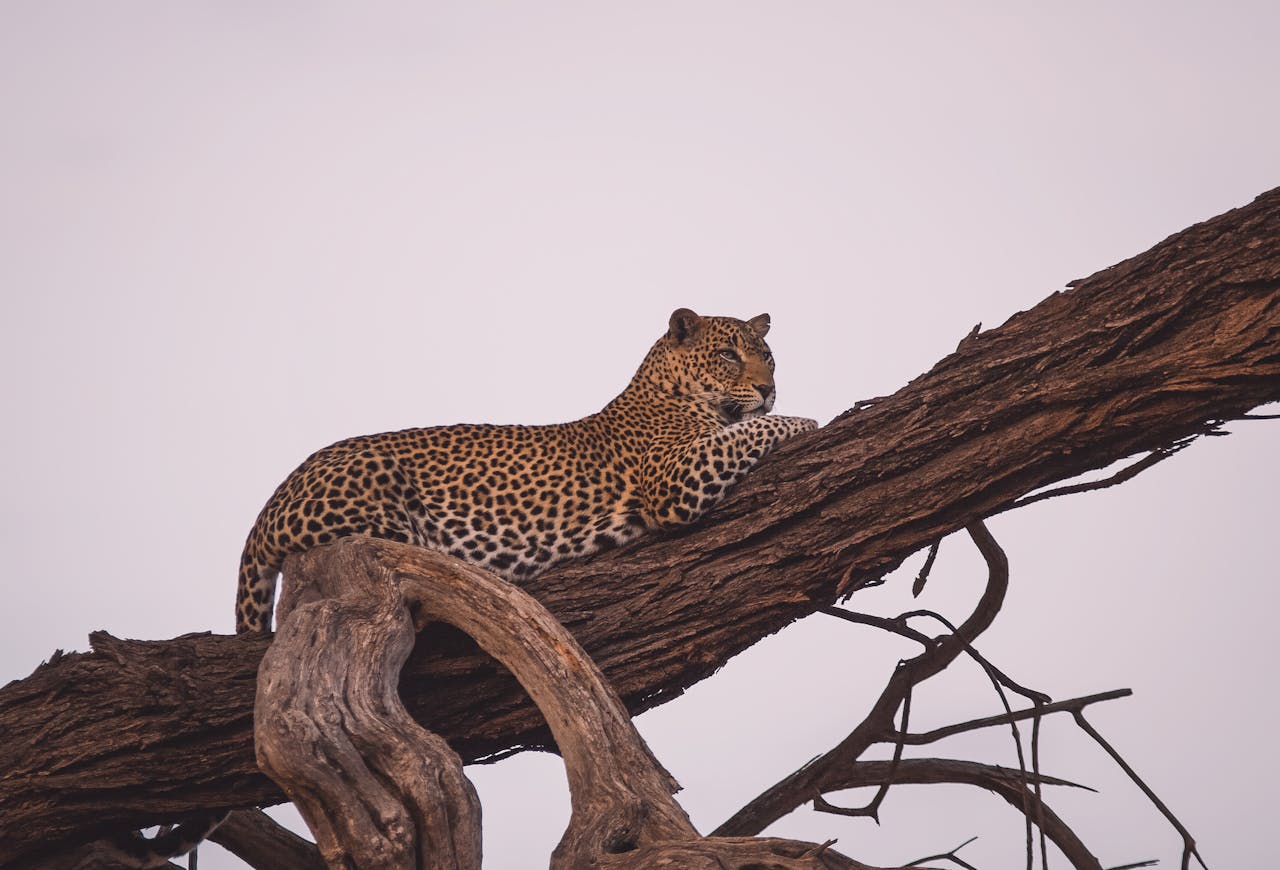
Zimbabwe ticks all the boxes when it comes to dangerous game hunting, offering the opportunity to pursue four of Africa’s Big Five: lion, elephant, Cape buffalo and leopard. Hunters considering a traditional Big Five Hunting safari will find Zimbabwe firmly established among Africa’s leading dangerous game destinations.
With the country home to the world’s largest manmade lake, Lake Kariba, the adventure of hunting two semi-aquatic dangerous game are added to the pot, namely the Nile Crocodile and Hippo. Hunters comparing Zimbabwe’s larger game species can explore our complete big game hunting guide, covering buffalo, elephant, lion, leopard, hippo and crocodile. For those interested in pursuing more challenging species, explore our guide to dangerous game hunts in Africa, which covers the realities, risks, and expectations of these iconic safaris.
Large Diversity of Species
- Zimbabwe offers dangerous, plains and specialty species when it comes to game hunting safaris, although the region is renowned for its exceptional dangerous game. The country is known for its exceptional quality and premier trophies, especially when it comes to dangerous game, such as the Elephant and Cape buffalo.

Authentic Fair-Chase Experience
Americans looking for an authentic African hunt are at the right place if they are considering Zimbabwe. Untamed. Unmatched. Pure African wildness featuring diverse landscapes, abundant species, and stunning scenery. Unfenced, free-range safaris to excite, thrill, and get that adrenaline pumping just a bit faster!
Conservation & Community Impact
Hunting in Zimbabwe provides income for rural communities near wildlife areas. A large portion of fees from hunting permits funds schools, healthcare clinics, clean water projects, and infrastructure. For example, rural districts benefit directly through Zimbabwe’s CAMPFIRE (Communal Areas Management Program for Indigenous Resources) initiative, which redistributes hunting proceeds to communities managing wildlife on their land. Job opportunities include trackers, scouts, professional hunting guides, and lodge staff. Many community members make a living working in roles related to safaris. Also, meat from local hunts is often supplied in local villages, further supporting community welfare and providing much-needed protein to the impoverished communities.
Ethical Hunting Safaris
Zimbabwe enforces ethical hunting safaris through the Parks and Wildlife Act, with professional, highly trained guides experienced in fair chase principles, sustainability, and animal selection. Animals are carefully selected for quotas, targeting only older, non-breeding animals to ensure and maintain healthy populations.
Revenue from permit fees funds anti-poaching efforts, schools, clinics, and habitat protection, while reducing human-wildlife conflict and incentivizing locals to safeguard vast conservancies. These safaris showcase responsible trophy hunting that aligns adventure with long-term ecological stewardship.
By embarking on a Zimbabwe hunting safari, American hunters’ dollars make a real difference in the bottom line of rural communities. Hunting safaris employ local community members as trackers, skinners, and camp staff during the hunting season. Not only that, but the meat harvested during hunts is often distributed amongst these rural communities, and for many, it is the only source of protein they have access to.
Skilled Outfitters & Hunting Staff
Zimbabwean outfitters are amongst some of the most knowledgeable worldwide. Their knowledge and experience in this diverse African destination are immeasurable and adds another level of depth to the safari, offering hunters the opportunity to experience a hunt being led by highly trained and skilled individuals.
Value-For-Money
While African hunting safaris are by no means “cheap,” Zimbabwe offers a broad range of safari options depending on the species being hunted, the length of the safari and the hunting area. Hunters comparing destinations can review our guide to African Hunting Safari Prices for a broader understanding of daily rates, trophy fees and the costs involved in planning a safari.
Hunters can keep costs down by opting for an African plains game hunt rather than a dangerous game hunt, as trophy fees for the former are generally more cost-effective than Big Five trophy fees.
The Chance to Add to Africa’s Legacy
Hunting in Africa is something that novels have been written about, where boys grow up yearning and dreaming of being that hunter stalking his prey in the fading light of an African sunset…It’s wanting to be part of something bigger, to add your own story to a tapestry of African tales and legends, where great hunters have enjoyed exciting hunting adventures and never-to-be-forgotten experiences that have shaped them and the way they see the world. It’s Africa, and all who visit it want to return home and share the stories of their remarkable journey and hunting safaris on this sacred hunting ground.
Adventure Beyond the Hunt
When choosing a destination for an African hunting trip, many hunters travel with their partners or families, and like to use the opportunity to enjoy some tourist activities and sightseeing as well. Zimbabwe ticks all the boxes as an exceptional tourist destination, offering adventure thrills, cultural experiences, and even some great curio shopping.
Zimbabwe is home to some exceptional tourist attractions, with the reports showing that the country generated over US$ 600 million from the tourism industry. Zimbabwe has actively been working on improving local travel and infrastructure to attractions, as most have historically been found in remote areas.
Victoria Falls
At the top of the list of attractions is only Victoria Falls. Interesting Facts about Victoria Falls:
- It’s one of the World’s Seven Wonders
- It’s the largest waterfall worldwide, which can be seen from two countries, namely Zambia and Zimbabwe.
- The Zimbabwean side has 75% more viewing points than the Zambian side.
- Over 130,000,000 gallons of water cascade over the falls every minute.
- The falls were named after the famous British explorer, David Livingstone.
- Victoria Falls International Airport allows easy access and is situated only 28 miles South of Victoria Falls. There are some fantastic hotels in the vicinity. Hunters should consider including a visit when planning their African hunting adventure.
Lake Kariba
Lake Kariba is the world’s largest artificial lake and reservoir by volume. It’s situated along the border of Zambia and Zimbabwe and covers an area of 2,150 square miles. This manmade lake is a famous dangerous game hunting destination, with hunters focusing on semi-aquatic species, such as Nile crocodiles and Hippos.
Other Attractions
There are many other attractions in Zimbabwe, including the Chinhoyi Caves and plenty of famous national parks such as the Zambezi National Park, Mana Pools National Park and Hwange National Park.
Traveling to Zimbabwe
Flights
One of the easiest routes to travel to Zimbabwe is via South Africa. Zimbabwe has three international airports, with most hunters flying into Robert Gabriel Mugabe International Airport in Harare or Victoria Falls Airport. This would be dependent on where the Zimbabwean safari would be taking place.
Daily flights depart from South Africa’s OR Tambo International Airport in Johannesburg. There are various carriers available, including Safair, Cemair, Airlink, and South African Airways.
Visas
American hunters can obtain their visas upon arrival in Zimbabwe.
Frequently Asked Questions
Can I go bow hunting in Zimbabwe?
Yes, bow hunting is legal in Zimbabwe. However, bow hunting may only take place on tribal and private land, and is illegal in National Park safari areas in Zimbabwe. While Zimbabwe specializes mostly in dangerous game hunting, plains game hunting also offers many opportunities to enjoy a bow hunting safari.
Bow hunting can be broken down as follows:
- Class A Game: Elephants, Buffalo, and Hippo. The Bow Kinetic Energy must not be less than 80ft/lbs. Arrow weight 700 grain
- Class B Game: Giraffe, Eland, and Lion. The bow Kinetic Energy must not be less than 77ft /lbs. Arrow weight 695 grain. Broadheads must only have two cutting edges.
- Class C Game: Gemsbok, Zebra, Wildebeest, Nyala, Sable, Waterbuck, Tsessebe, and Kudu. The Bow Kinetic Energy must not be less than 70ft/lbs. Arrow weight 618 grain.
- Class D Game: Impala, Reedbuck, Duiker, Jackal, Sitatunga, amongst others. The bow Kinetic Energy must not be less than 56ft/lbs, with a minimum arrow weight of 463 grain.

What is the safest country in Africa in which to hunt?
Namibia is often referred to as the safest African country in which to hunt, as it is politically stable, employs strong conservation strategies, with a well-managed hunting industry. Added to this, it sports low crime, stable government entities, large cities with good infrastructure, and easy international access from both Africa and Europe.
Is it safe to hunt in Zimbabwe?
Hunters traveling to this African destination are met at the airport by the Outfitter and transferred to the hunting concession, thereby alleviating many of the areas where crimes could occur, for example, the city, tourist attractions, and so forth.

What hunting methods are used in Zimbabwe?
Zimbabwe generally hosts safari-style hunts, with the walk-and-stalk method being largely used.
When Should American Hunters Plan a Zimbabwe Safari?
For hunters travelling from the United States, the most practical safari period generally falls between May and September, when cooler and drier conditions can make hunting and travel more comfortable. Exact timing should still be planned around the species being hunted, the safari area, available quota and the conditions expected in that region.
Which Species Do American Hunters Most Commonly Travel to Zimbabwe For?
American hunters travelling to Zimbabwe often focus on dangerous game such as Cape buffalo, elephant, leopard and lion, while hippo and Nile crocodile may also form part of a wider safari depending on the hunting area and available quota. Plains game such as kudu, sable, eland and impala can also be added to mixed-species hunts.
Conclusion
Zimbabwe remains one of Africa's great destinations for hunters seeking wild country, diverse game and the opportunity to build a safari around some of the continent's most iconic species.
Whether the goal is dangerous game, plains game or a combination of both, Zimbabwe deserves serious consideration when comparing African Hunting Trips across Africa.