10-Day Gabon Duiker and Forest Game Safari
Booking Season: 2026
Hunt Difficulty: Difficult

Check out the top-rated and featured Hunting Safaris in Africa.
Featured African Hunts
10-Day Gabon Duiker and Forest Game Safari
Booking Season: 2026
Hunt Difficulty: Difficult
Wildebeest hunting and More in SA 10 days x 2 Hunters
Booking Season: 2026
Hunt Difficulty: Moderate
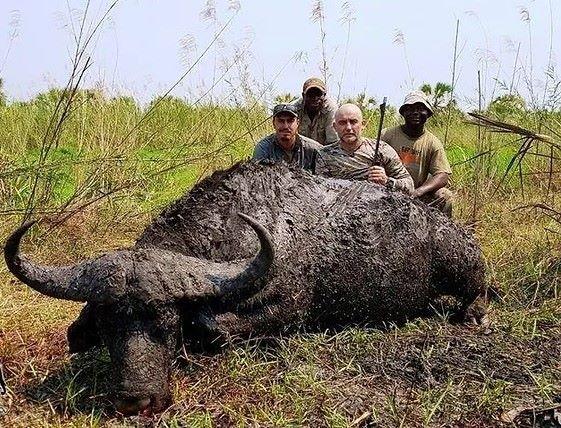
10-Day Cape Buffalo Hunt in Niassa, Mozambique + Plains Game
Booking Season: 2026
Hunt Difficulty: Difficult
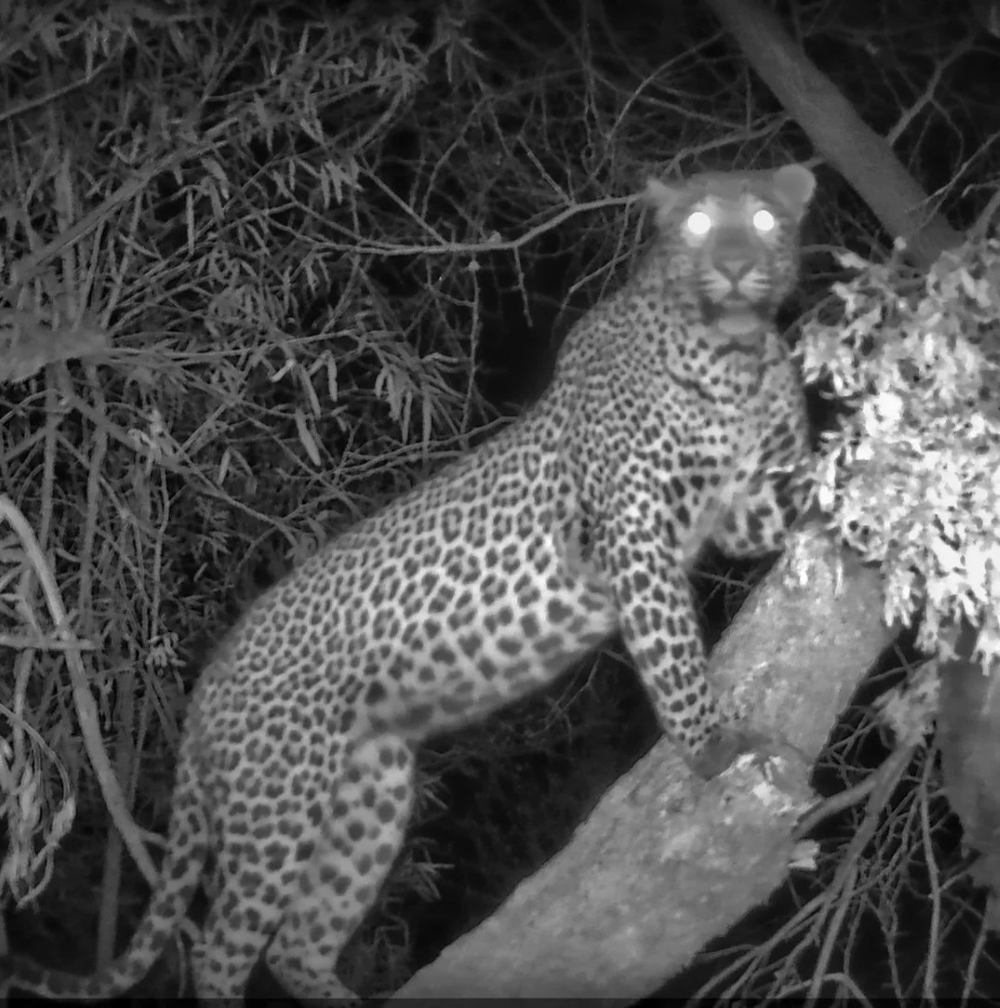
Hunting in Zambia: Leopard, Plains Game Plus Croc OR Hippo
Booking Season: 2027
Hunt Difficulty: Difficult
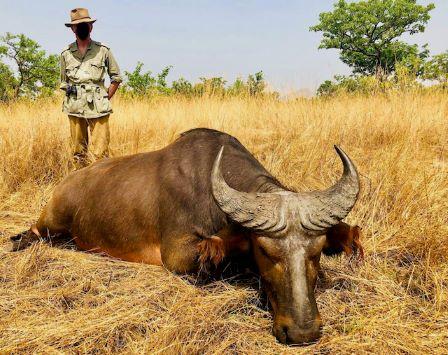
Africa Hunting Trip for Dwarf Buffalo & Sitatunga Cameroon
Booking Season: 2026
Hunt Difficulty: Difficult
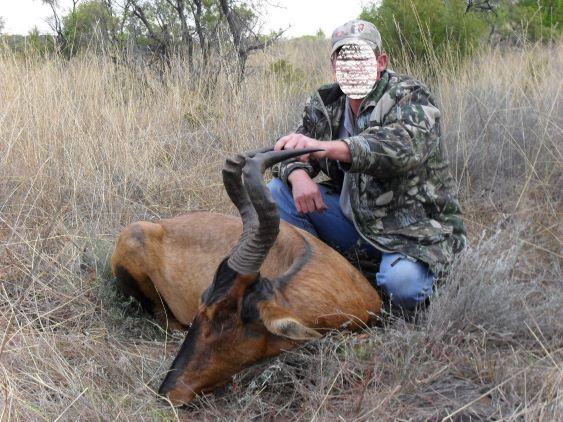
Special First Blood Hunting Safari in South Africa North West
Booking Season: 2026
Hunt Difficulty: Moderate
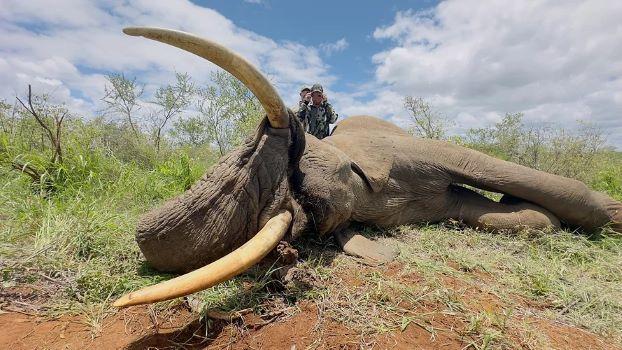
Dangerous game hunting in Botswana, Trophy Elephant
Booking Season: 2026
Hunt Difficulty: Difficult
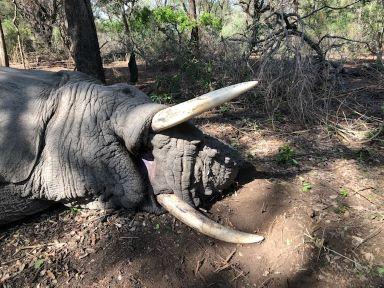
Elephant Hunting in Zimbabwe 10 Days Action in Save Valley
Booking Season: 2026
Hunt Difficulty: Difficult
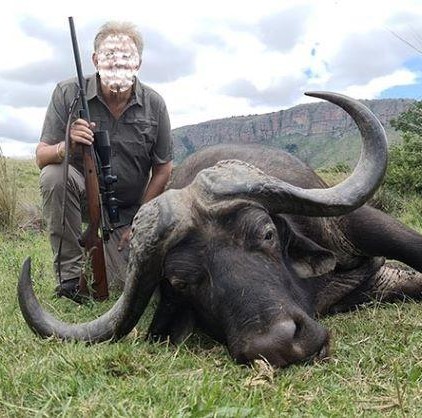
8-Night Waterberg Cape Buffalo Hunting Safari
Booking Season: 2026
Hunt Difficulty: Difficult
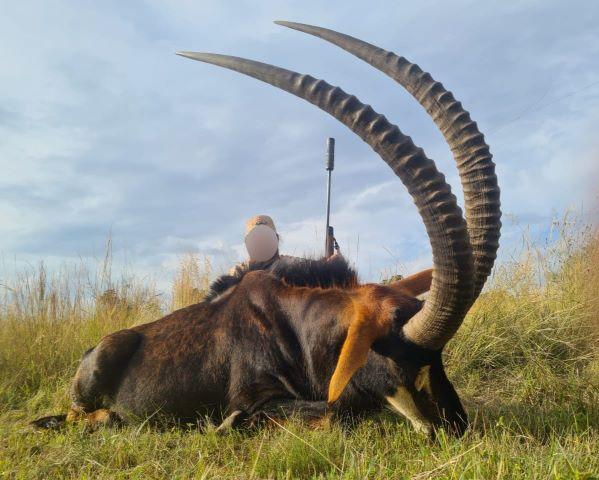
South Africa Hunting Trip Sable & Roan Combination Limpopo
Booking Season: 2026
Hunt Difficulty: Moderate
For American and international hunters, there often comes a point when collecting more antelope or adding another trophy to the wall is no longer the goal. The challenge becomes something bigger. The idea of following fresh Cape buffalo spoor at first light, listening to a lion roar after dark, or standing within yards of a wild elephant begins to replace thoughts of inches and score sheets. It is the moment many hunters start thinking seriously about Big Five Hunting.
Unlike most hunting adventures, Big Five Hunting in Africa is rarely about a single safari. For many, it becomes a personal journey completed over several years, with each hunt teaching new lessons, building confidence, and creating memories that last long after the trophies have been mounted. Every species presents a different challenge, requiring its own skills, preparation, and respect.
Planning a successful Big Five Hunting Safari involves far more than choosing a country and booking a hunt. Selecting the right professional hunter, understanding local regulations, setting realistic expectations, and matching the safari to your experience will have a far greater influence on your success than many first-time hunters realise.
At Game Hunting Safaris, we help hunters make informed decisions before they book. By working with carefully selected outfitters across African Hunting Safaris, we provide independent guidance that allows you to compare destinations, understand your options, and build a Big Five hunting journey that matches your experience, hunting goals, and budget.
Whether your ambition is to hunt your first Cape buffalo or eventually complete the entire Big Five, this guide will help you understand the challenges, choose the right destination, prepare properly, and approach one of hunting's greatest achievements with confidence.
For hunters planning their first Dangerous Game Hunt, understanding what lies ahead before booking is invaluable.
Hunts Currently Available
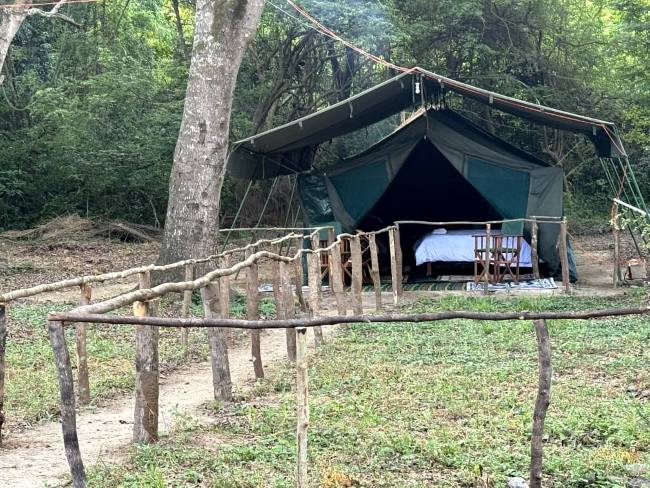
Triple Cape Buffalo Hunt in the Selous, Tanzania
Booking Season: 2026
Hunt Difficulty: Difficult
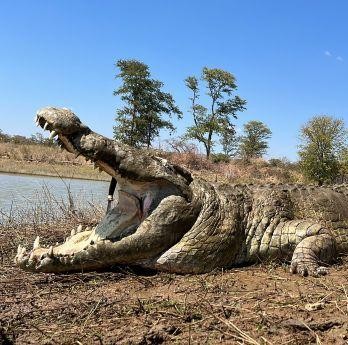
Lake Kariba Hippo & Crocodile Hunting Safari in Zimbabwe
Booking Season: 2026
Hunt Difficulty: Difficult
10-Day Cape Buffalo Hunt in Niassa, Mozambique + Plains Game
Booking Season: 2026
Hunt Difficulty: Difficult
Hunting in Zambia: Leopard, Plains Game Plus Croc OR Hippo
Booking Season: 2027
Hunt Difficulty: Difficult
Africa Hunting Trip for Dwarf Buffalo & Sitatunga Cameroon
Booking Season: 2026
Hunt Difficulty: Difficult
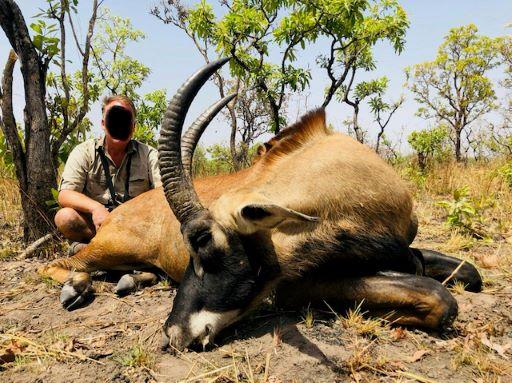
Buffalo Hunting & Roan in the Savannah Cameroon
Booking Season: 2026
Hunt Difficulty: Difficult

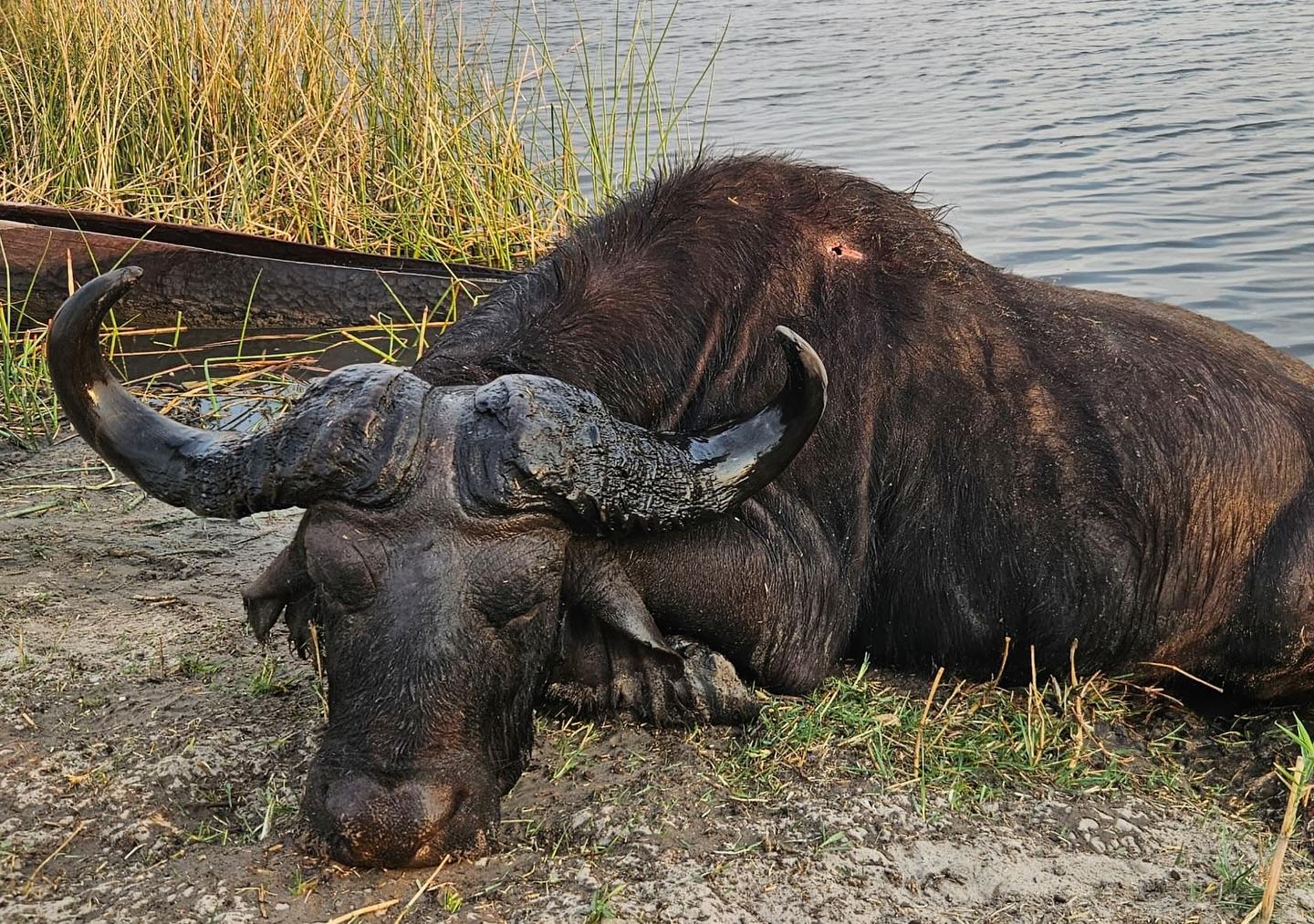
5 Full Day Zambezi Cape Buffalo Safari, Namibia
Booking Season: 2026
Hunt Difficulty: Difficult
Dangerous game hunting in Botswana, Trophy Elephant
Booking Season: 2026
Hunt Difficulty: Difficult
Elephant Hunting in Zimbabwe 10 Days Action in Save Valley
Booking Season: 2026
Hunt Difficulty: Difficult
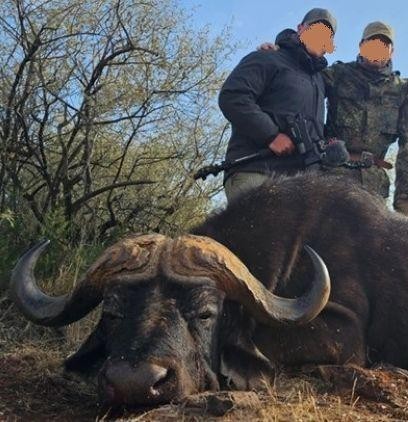
Trophy Cape Buffalo Hunt in South Africa 40” to 43”
Booking Season: 2026
Hunt Difficulty: Difficult
More than a century after the term was first introduced, the Big Five continues to represent one of the greatest achievements in the hunting world. While the original phrase was coined by early African hunters to describe the five most dangerous animals to hunt on foot, today's Big Five Hunting is about far more than danger alone. It represents the ultimate combination of skill, preparation, patience, and respect for some of the world's most iconic game animals.
Each member of the Big Five presents a completely different challenge. Cape buffalo demand determination and careful tracking through thick cover. Lion Hunts often require extraordinary patience and meticulous planning. Leopards test discipline and attention to detail, while Elephant Hunting Safaris demand sound judgement, precise shot placement, and the ability to remain calm under pressure. Where legally available, Rhino Hunts are conducted under some of Africa's strictest conservation regulations and increasingly include modern conservation-focused options such as green hunts and wildlife management programmes.
Unlike many hunting adventures, Big Five Hunting Safaris reward experience gained over time. Every hunt builds confidence, teaches new lessons, and develops skills that prepare hunters for the next challenge. It is one of the reasons so many experienced hunters return year after year, gradually working towards a goal that cannot be rushed.
Very few hunters complete the Big Five during a single safari. For most, it becomes a personal journey that spans several countries, different habitats, and many unforgettable experiences. Completing the Big Five is not simply about collecting five trophies. It is about earning five very different hunting experiences that together represent one of the greatest achievements a serious hunter can accomplish.
One of the biggest misconceptions surrounding Big Five Hunting is that it is reserved only for professional hunters or people with decades of dangerous game experience. The reality is quite different. Every experienced Big Five hunter stood exactly where you are now, planning a first safari, asking questions, and wondering whether they were ready for the challenge.
The most important requirement is not owning an expensive rifle or having a long trophy list. It is arriving with the right mindset. Successful Big Five Hunting Safaris reward hunters who are patient, willing to listen, physically prepared, and comfortable making calm decisions under pressure. These qualities often matter far more than shooting ability alone.
If this will be your first dangerous game safari, many professional hunters recommend beginning with Cape buffalo. Often referred to as "Black Death", buffalo teach lessons that cannot be learned on a shooting range. You'll learn how to track fresh spoor, trust experienced trackers, shoot confidently from sticks, understand the wind, and appreciate how quickly a hunting situation can change in thick cover. Those experiences provide an excellent foundation before pursuing lion, leopard, elephant, or rhinoceros.
Being ready also means setting realistic expectations. A successful Big Five Hunt is not measured by how quickly an animal is taken. Weather changes, fresh tracks disappear, wind shifts, and opportunities are sometimes lost. That uncertainty is not a sign that something has gone wrong, it is simply part of hunting truly wild animals.
Perhaps the best indication that you're ready to hunt the Big Five is surprisingly simple. You begin looking forward to the challenge itself more than the trophy. When that happens, you've already taken the first step towards one of hunting's greatest adventures.
Ask a dozen experienced professional hunters which member of the Big Five a hunter should pursue first, and most will give the same answer: Cape buffalo.
That recommendation has very little to do with buffalo being easier to hunt. In fact, many professional hunters regard an old dagga boy as the most dangerous animal in Africa to follow on foot. The reason buffalo is so often recommended is because it teaches lessons that carry through almost every future dangerous game hunt.
A Cape Buffalo Hunting Safari introduces hunters to the fundamentals of dangerous game hunting. You'll spend long days tracking fresh spoor, learning to read the wind, moving quietly through thick cover, trusting experienced trackers, and shooting confidently from sticks under real hunting conditions. These are skills that cannot be learned at the rifle range and become invaluable when you eventually pursue lion, leopard, elephant, or rhinoceros.
Cape buffalo also represents one of the most practical places to begin a Big Five Hunting journey. Compared to lion or elephant safaris, buffalo hunts are often more accessible, require fewer hunting days, and can frequently be combined with exceptional plains game. This allows hunters to experience the intensity of dangerous game hunting while enjoying the diversity that makes an African safari so memorable.
Perhaps the biggest surprise is how often a buffalo changes a hunter's perspective. Many arrive believing they are simply hunting another trophy. They leave with a completely different appreciation for tracking, teamwork, patience, and the unpredictable nature of dangerous game. It is often the hunt that transforms an interest in the Big Five into a lifelong pursuit.
Ironically, many hunters begin their journey believing Cape buffalo is simply the first animal on the list. By the time the safari ends, they realise it was never about being first. It was about building the experience, confidence, and respect needed for every challenge that follows.
One of the most common questions hunters ask before planning a Big Five Hunting Safari is which animal they should pursue first. The truth is surprisingly simple: there is no correct order.
Every hunter arrives in Africa with different goals, experience, budgets, and time available. Some begin with Cape buffalo because it provides an excellent introduction to dangerous game hunting. Others have dreamed of hunting elephant since childhood or decide to pursue lion while the opportunity is available in a particular country. The "right" order is simply the one that best matches your own hunting ambitions.
Your choice may also be influenced by practical considerations. Certain countries offer exceptional opportunities for specific species, while others allow hunters to combine dangerous game with outstanding plains game during the same safari. Budget, available hunting days, government quotas, and seasonal conditions can all influence which member of the Big Five makes the most sense to pursue next.
A hunter who originally planned to pursue elephant next may instead return for leopard after falling in love with tracking dangerous game. Others discover that one successful buffalo safari is enough to convince them to spend the next decade working steadily towards completing the entire Big Five.
Rather than trying to follow a predetermined checklist, focus on building experience with every safari. The most rewarding Big Five Hunting journeys are rarely the fastest. They are the ones that allow hunters to appreciate each species, each destination, and each adventure on its own merits.
Choosing the right destination is one of the most important decisions you'll make when planning a Big Five Hunting Safari. Every country offers a different combination of species, terrain, hunting methods, safari length, and overall experience. The best destination is rarely the cheapest or the one with the longest trophy list. It is the country that best matches your hunting goals and the type of safari you want to experience.
For hunters seeking the classic dangerous game experience, Hunting in Zimbabwe remains one of Africa's most respected choices. Renowned for traditional tracking on foot, experienced professional hunters, and outstanding populations of Cape buffalo, elephant, lion, and leopard, Zimbabwe has earned its reputation as one of the continent's premier Big Five destinations.
Those seeking vast wilderness concessions and the classic East African safari experience frequently choose Tanzania Hunting Safaris. Longer safari durations, exceptional dangerous game populations, and enormous hunting areas combine to create one of the continent's most iconic hunting destinations.
Hunting in Mozambique offers one of Africa's last true wilderness safaris. Vast unfenced concessions, exceptional Cape buffalo, leopard, and outstanding plains game combine to create a hunting experience that rewards patience, determination, and a genuine appreciation for wild places.
For those planning their first Big Five Hunting adventure, South Africa Hunting Safaris often provide the easiest logistics, outstanding accommodation, excellent professional hunters, and the opportunity to combine Cape buffalo with world-class plains game during the same safari.
There is no single destination that is perfect for every hunter. The best Big Five Hunting experience comes from matching the right country, the right outfitter, and the right expectations to your own hunting ambitions. Taking the time to make that decision carefully will influence your safari far more than any piece of equipment you pack.
Many hunters planning their first Big Five hunting safari ask whether it makes sense to pursue more than one species during the same trip. The answer depends on your budget, available hunting days, the country you choose, and what you hope to achieve from the safari.
In countries such as Zimbabwe and Tanzania, it is common to combine Cape buffalo with elephant, lion, or Leopard Hunts where quotas and hunting regulations allow. Mozambique is particularly well known for outstanding buffalo and leopard, while South Africa often allows hunters to combine Cape buffalo with exceptional plains game, creating a varied safari.
Although it is technically possible to hunt several members of the Big Five during one safari, many experienced hunters prefer to focus on one or two dangerous game species at a time. This allows you to fully appreciate each hunt without feeling rushed between concessions, hunting methods, or changing priorities. It also provides more flexibility if weather conditions, fresh spoor, or animal movements require additional days in the field.
There is no perfect formula for planning a Big Five hunting trip. Some hunters aim to complete the collection as efficiently as possible, while others spread their hunts over many years, returning to different countries as new opportunities arise. The right approach is the one that matches your hunting goals, available time, and budget.
The success of a Big Five Hunting Safari depends on far more than the destination you choose. The professional hunter guiding your safari, the quality of the hunting concession, the experience of the tracking team, and the way the safari is managed will often have a greater influence on your overall experience than the species itself.
An experienced professional hunter does far more than judge trophies or carry a rifle. They read changing wind conditions, understand animal behaviour, work closely with local trackers, make critical decisions when situations develop quickly, and know when not to take a shot. Those decisions can determine not only the success of the hunt but also the safety of everyone involved.
The hunting concession is equally important. Two outfitters operating in the same country can offer completely different experiences depending on the size of the hunting area, wildlife densities, management practices, hunting pressure, and the quality of their professional hunters and support staff.
This is one of the reasons many hunters choose to work with Game Hunting Safaris. Rather than simply listing outfitters, we spend time understanding the concessions they operate, the species they consistently produce, the style of hunting they offer, and the type of hunter each safari is best suited for. That allows us to recommend the right outfitter for your goals instead of expecting every hunter to fit the same safari.
A successful Big Five Hunt begins long before you arrive in Africa. Choosing the right professional hunter and hunting concession is one of the most important decisions you'll make, and it often becomes the difference between a good safari and one you'll remember for the rest of your life.
One of the biggest mistakes hunters make is believing the Big Five is something that must be completed as quickly as possible. In reality, the most rewarding Big Five Hunting journeys are often those that unfold naturally over several years, allowing each safari to become an adventure, rather than simply another animal to tick off a list.
Some hunters complete the Big Five Hunting Safari experience during a single extended trip, while others spread their hunts across multiple countries and many seasons. Both approaches can be equally rewarding. The best plan depends on your available time, budget, preferred hunting style, and the experiences you hope to take home.
Building your journey one safari at a time also provides valuable flexibility. Hunting regulations change, government quotas are adjusted, new opportunities arise, and your own priorities often evolve after every visit to Africa. Many hunters return expecting to pursue one species, only to discover that another destination or another adventure has captured their imagination.
There is also no requirement to hunt only dangerous game. Many of the finest Big Five Hunting Safaris include exceptional plains game, allowing hunters to experience the full diversity of Africa while making every safari even more rewarding. Combining species often creates a richer hunting experience and makes excellent use of the time spent in camp and in the field.
The hunters who eventually complete the Big Five rarely remember how many years it took. They remember the buffalo spoor disappearing into thick jesse, the elephant emerging silently from the mopane, the leopard finally arriving at last light, and the friendships built around countless campfires along the way. That is what transforms Hunting the Big Five from a goal into a lifetime of unforgettable experiences.
Planning a Big Five Hunting Safari is one of the biggest investments many hunters will ever make. Taking a little extra time during the planning stage can prevent costly mistakes and help ensure your safari delivers the experience you've been dreaming about.
One of the most common mistakes is choosing a safari based solely on price. A lower price may reflect shorter hunting periods, smaller concessions, fewer available species, or lower game densities. When comparing quotations, look beyond the headline price and understand exactly what is included, what is excluded, and what type of hunting experience is being offered.
Another mistake is trying to accomplish too much during a single safari. Pursuing several dangerous game species within a limited number of hunting days often creates unnecessary pressure. Building your Big Five Hunting journey over multiple safaris usually results in a more enjoyable experience and provides the flexibility to adapt when conditions, opportunities, or regulations change.
Preparation is another area that is frequently underestimated. Shooting from sticks, improving your physical fitness, and understanding how dangerous game hunts are conducted will improve both your confidence and your enjoyment once you arrive in Africa. A safari should never be the first time you practise the skills you'll rely on in the field.
Never underestimate the importance of choosing the right outfitter and professional hunter. Experience, concession quality, wildlife management, and honest communication before you book will influence your safari far more than saving a few dollars on the initial quotation. The best Big Five Hunting Safaris are built on trust long before the first track is found.
One of the most common questions asked before a Big Five Hunting Safari is whether a double rifle is essential. The simple answer is no.
Many successful Big Five Hunts are completed every year using reliable bolt-action rifles chambered in suitable dangerous game calibres. While double rifles remain a favourite among many professional hunters and experienced dangerous game hunters because of their fast second shot and traditional appeal, they are not a requirement for success.
Choosing a rifle that you shoot confidently will always be more important than the action type itself. Accuracy, familiarity, and regular practice from shooting sticks will contribute far more to a successful safari than owning an expensive double rifle. Understanding Dangerous Game Shot Placement is equally important, as precise shot placement will always have a greater influence on a successful hunt than the rifle you carry.
Completing the Big Five is an ambition shared by hunters around the world, yet relatively few ever achieve it. Surprisingly, hunting ability is rarely the reason.
Life has a way of changing even the best-laid plans. Careers become busier, families grow, priorities shift, and the time required for extended African safaris becomes harder to find. Government regulations evolve, hunting quotas change, and opportunities that exist today may not be available tomorrow. Every Big Five Hunting journey follows its own path.
Some hunters discover that one Cape buffalo safari is all they ever wanted. Others return to Africa intending to hunt elephant, only to fall in love with leopard hunting or decide to spend another week pursuing buffalo instead. The longer hunters spend in Africa, the more they realise that the experiences, friendships, and memories often become more important than completing a list.
That is perhaps the greatest lesson of Hunting the Big Five. The goal is not simply to collect five remarkable trophies. It is to experience five extraordinary adventures, each with its own challenges, landscapes, and unforgettable moments. Whether that journey takes one safari or twenty years matters very little in the end.
The hunters who speak most fondly about Africa rarely begin by talking about inches, horn length, or record books. They remember fresh spoor at sunrise, the trackers who shared every step of the journey, the campfire conversations after dark, and the friendships that brought them back to Africa again and again. Completing the Big Five is an incredible achievement, but the journey towards it is often the greatest reward of all.
Every hunter remembers the moment the dream first took hold. It may have been reading a classic hunting book, watching a buffalo disappear into thick jesse on television, or hearing stories from someone fortunate enough to have hunted Africa. However it began, the idea stayed with you.
Years later, the opportunity finally arrives. The rifles have been packed, the flights are booked, and the months of planning are over. Yet once the safari begins, something unexpected often happens. The trophies that seemed so important during the planning stage gradually become only one part of a much bigger experience.
You begin to appreciate the early mornings long before sunrise, the excitement of cutting fresh spoor, the quiet confidence of experienced trackers, and the campfire conversations that continue long after dinner. You learn that every member of the Big Five earns your respect in a different way, and that every safari teaches lessons no book or video ever could.
Whether you complete the Big Five in a single safari or over many years is ultimately far less important than the experiences you collect along the way. The friendships you build, the places you visit, the challenges you overcome, and the memories you take home will often mean far more than the number of trophies in your collection.
That is why Big Five Hunting continues to inspire hunters from around the world. It is not simply about pursuing five iconic animals. It is about challenging yourself, experiencing wild Africa at its finest, and becoming part of a tradition that has captivated hunters for generations. Long after the trophies have found their place on the wall, it is the journey that will stay with you forever.
Every hunter starts somewhere. The important part is starting with the right information.
Read the most recent articles from our Blog. 18 September 2026 18 September 2026 17 September 2026 16 September 2026 15 September 2026
From the Blog
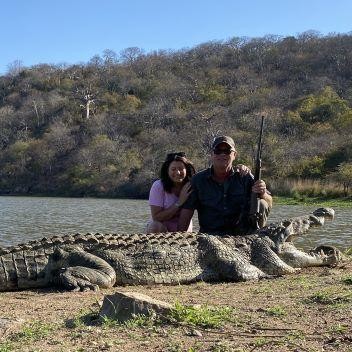
Crocodile Hunting Is Completely Different From Alligator Hunting
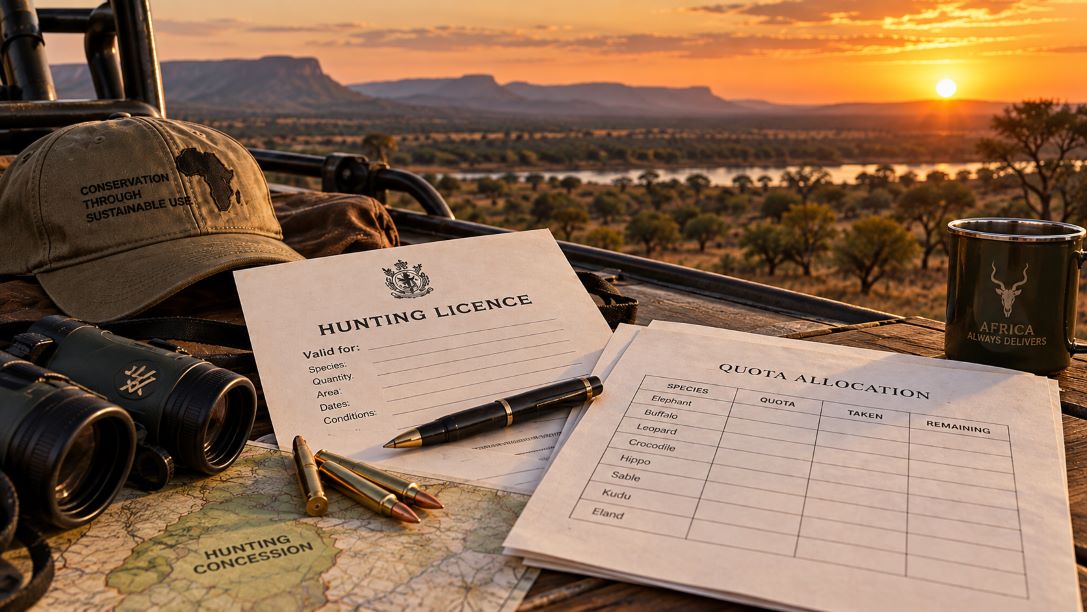
Quota on Paper vs a Realistic Hunting Opportunity
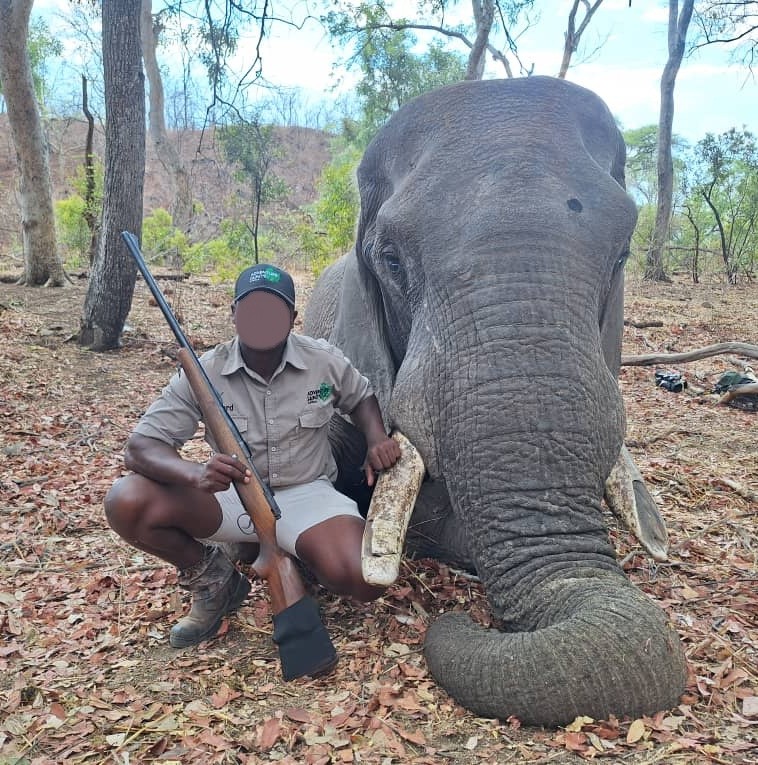
Walking Away From an Elephant Bull Can Be the Right Decision
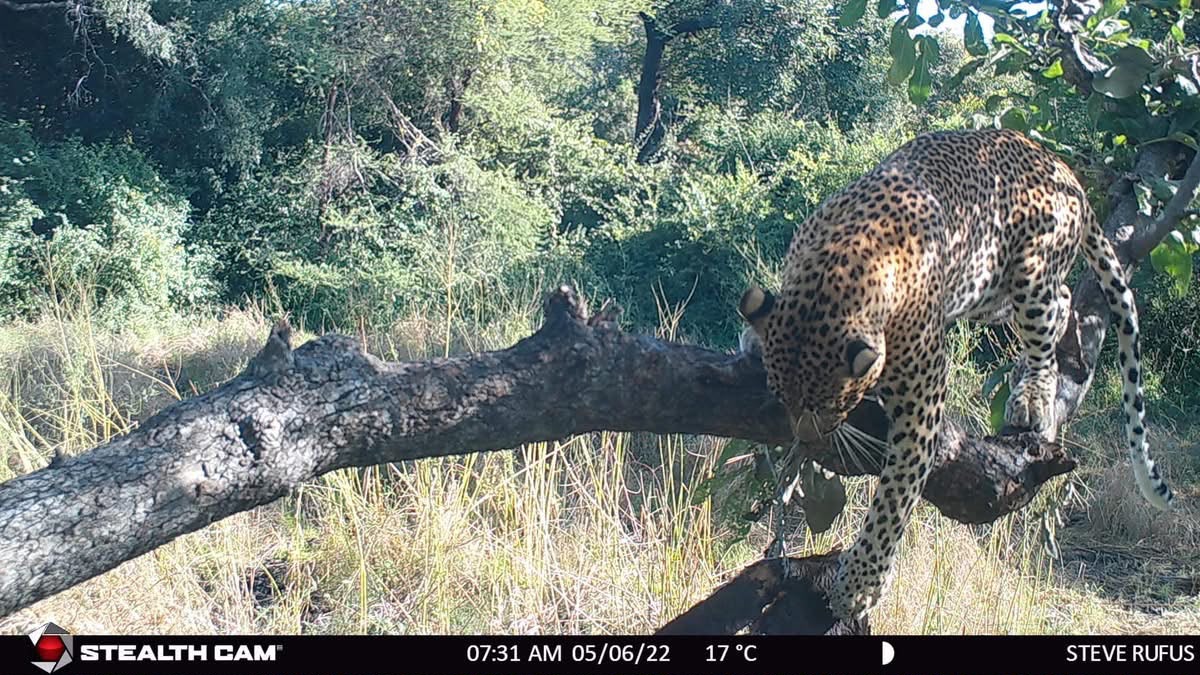
What a Trail Camera Really Tells a Leopard Hunter
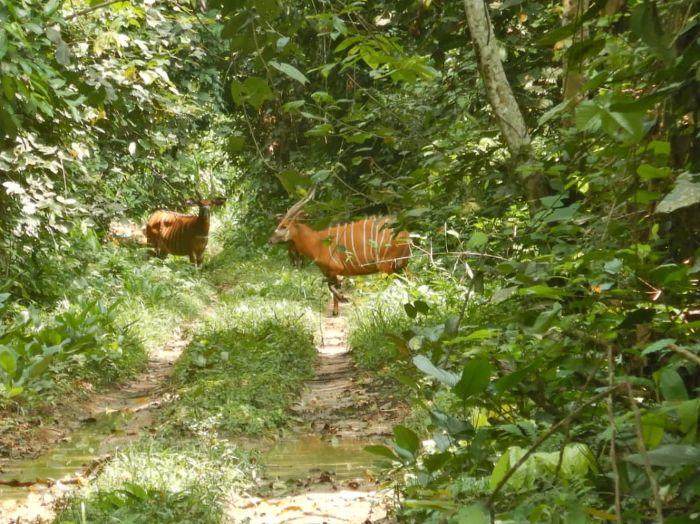
Hunting Where You Can Barely See: Learning to Read the Congo Rainforest
The Big Five consists of the Cape buffalo, elephant, lion, leopard, and rhinoceros. Originally named because they were considered the five most dangerous animals to hunt on foot, today they remain the most sought-after trophies in African dangerous game hunting.
Most professional hunters recommend beginning with Cape buffalo. A buffalo safari teaches valuable dangerous game hunting skills, including tracking, shooting from sticks, reading the wind, and working closely with professional hunters and trackers, making it an excellent introduction to Big Five Hunting.
Yes, it is possible, but most hunters choose to complete the Big Five over several safaris. Spreading your hunts across different countries and seasons often creates a more rewarding experience and allows you to enjoy each species and destination without feeling rushed.
The cost of Big Five Hunting varies considerably depending on the species you pursue, the country, safari duration, concession, trophy fees, and government permit requirements. Many hunters complete their Big Five journey over several years rather than during a single safari. For a detailed breakdown of costs, daily rates, and trophy fees, see our African Hunting Safari Prices guide.
There is no single best destination for every hunter. Countries such as Zimbabwe, Tanzania, Mozambique, and South Africa each offer unique advantages depending on the species you wish to hunt, your experience, and the type of Big Game Hunting safari you are looking for.
No. Many successful Big Five Hunts are completed every year using reliable bolt-action rifles chambered in suitable dangerous game calibres. Confidence with your rifle and accurate shot placement are far more important than the type of action you carry.
Green hunts allow hunters to participate in darting and wildlife management programmes, particularly for rhinoceros conservation. Whether a green hunt forms part of your personal Big Five journey is an individual decision, but many hunters value the opportunity to contribute directly to African wildlife conservation while enjoying a unique and unforgettable experience.
There is no fixed timeline. Some hunters complete the Big Five during a single extended safari, while others enjoy building their journey over many years. For most, the memories, friendships, and experiences gained along the way become every bit as rewarding as completing the collection itself.
Many professional hunters consider the Cape buffalo to be the most dangerous member of the Big Five to hunt on foot. While lion, leopard, elephant, and rhinoceros are all capable of causing serious injury, wounded buffalo have earned a reputation for turning to confront hunters, often using thick cover to their advantage. Every member of the Big Five deserves respect, and the level of danger depends on the circumstances, terrain, and behaviour of the individual animal. Regardless of the species, hunting with an experienced professional hunter and following their instructions is the most important factor in staying safe.
The legal minimum calibre for dangerous game varies between African countries, but the .375 H&H Magnum is widely accepted as the minimum for hunting Cape buffalo and is legal in many destinations. Some hunters prefer larger calibres such as the .404 Jeffery, .416 Rigby, or .458 Lott for buffalo and elephant, while others successfully hunt with a well-practised .375. Whatever calibre you choose, accurate shot placement and complete confidence in your rifle are far more important than owning the largest firearm available.
Search from our range of Hunts across various popular destinations in Africa.

Book Your Hunt