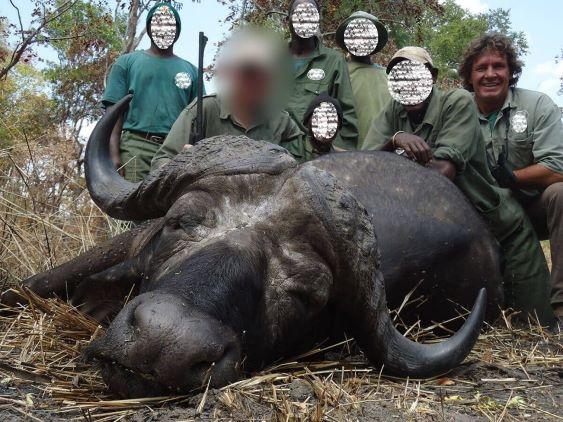
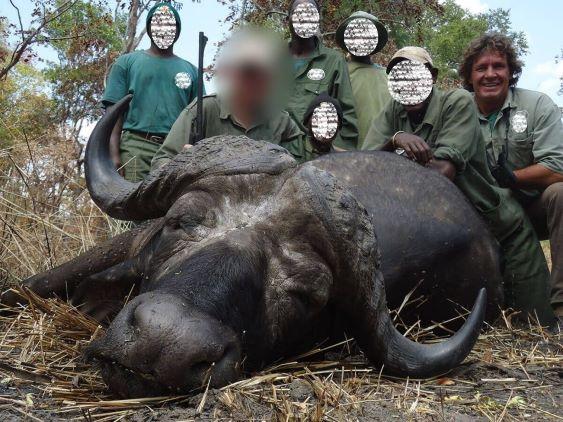
Traditional Cape Buffalo Hunting Safari in Tanzania
Booking Season: 2026
Hunt Difficulty: Difficult


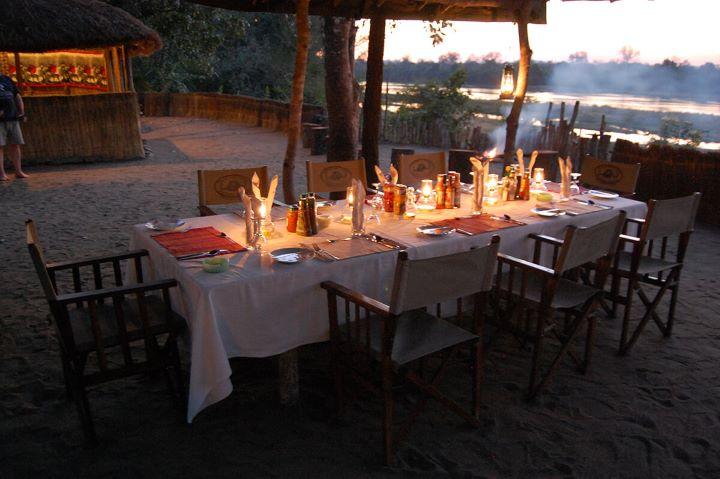
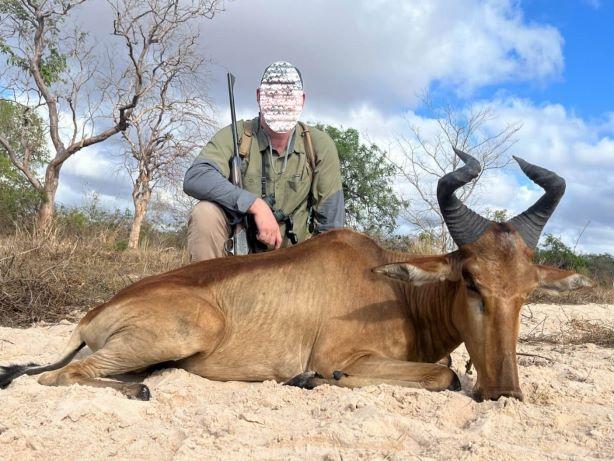
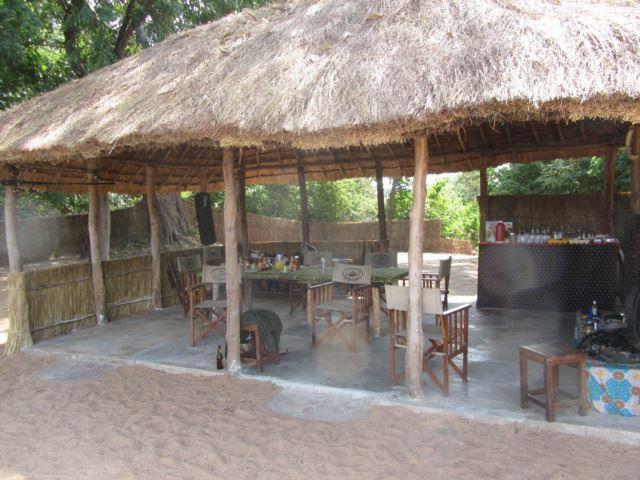
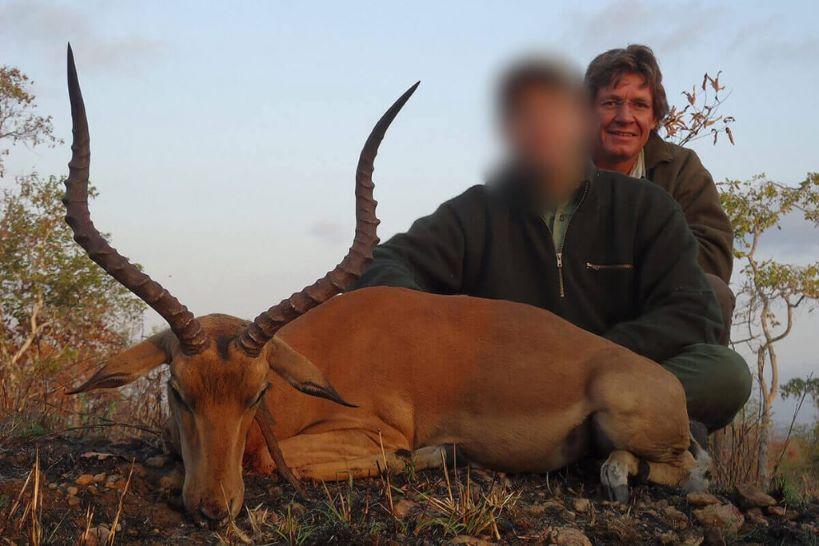
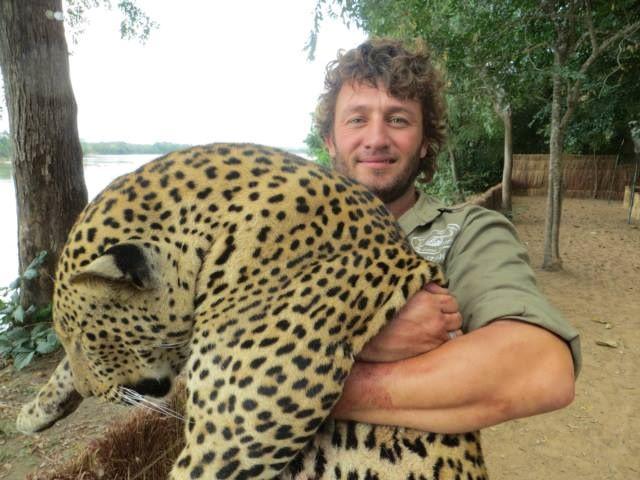
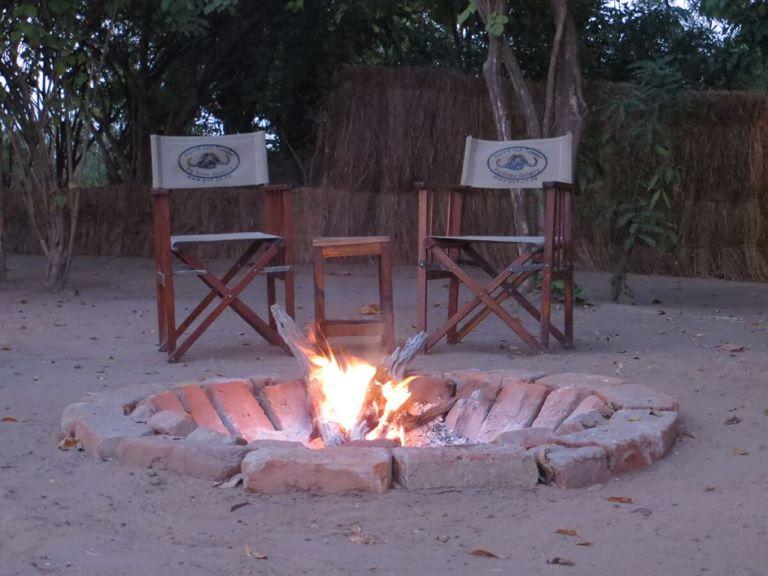
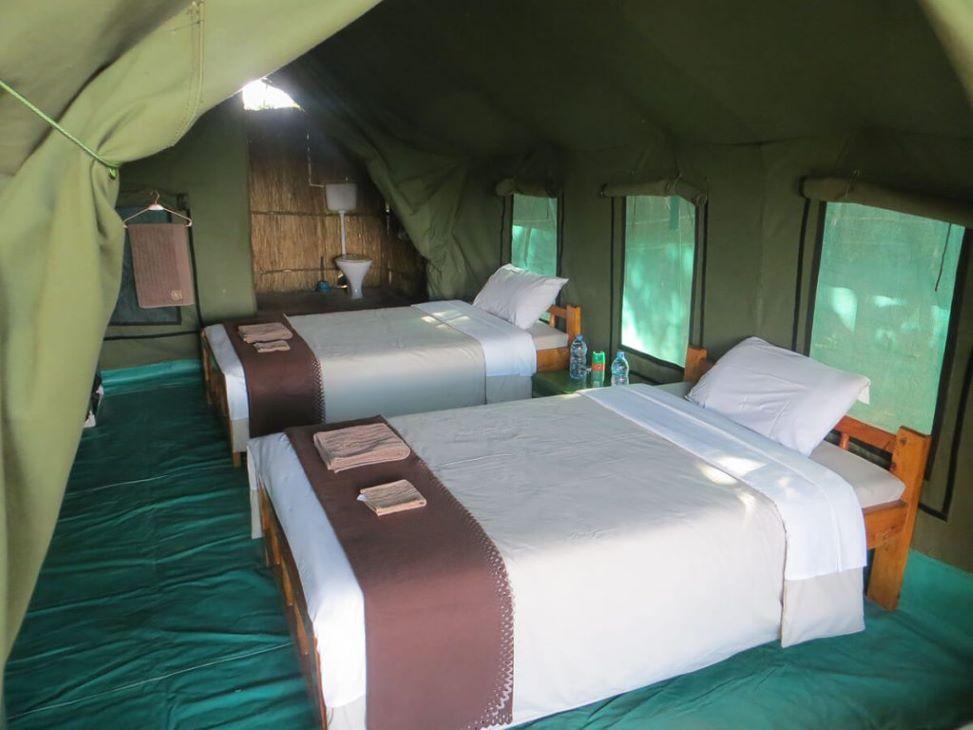
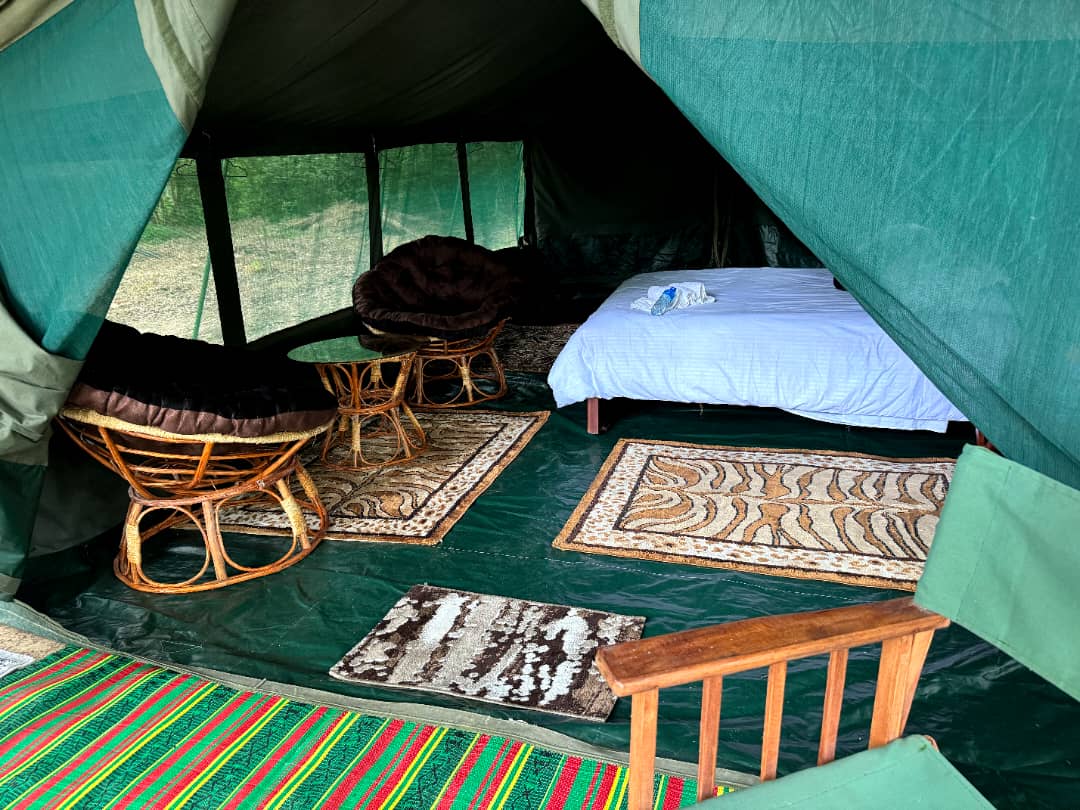
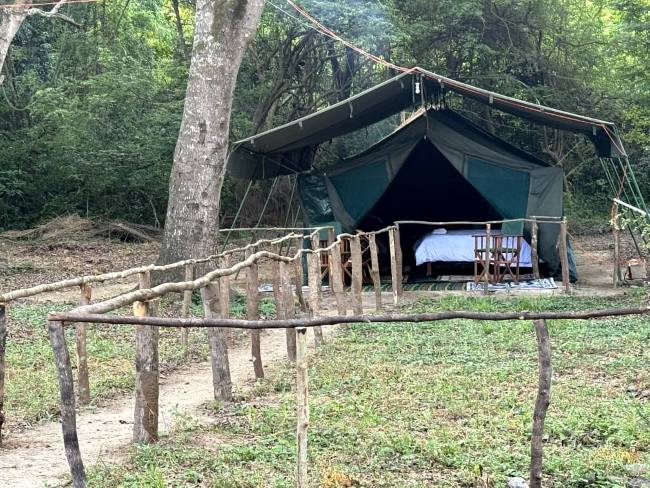
Traditional tented safari accommodation combines classic East African character with modern comfort. Spacious en-suite tents, attentive camp staff, excellent cuisine and evenings around the campfire create the authentic atmosphere expected from a world-class Tanzanian safari.
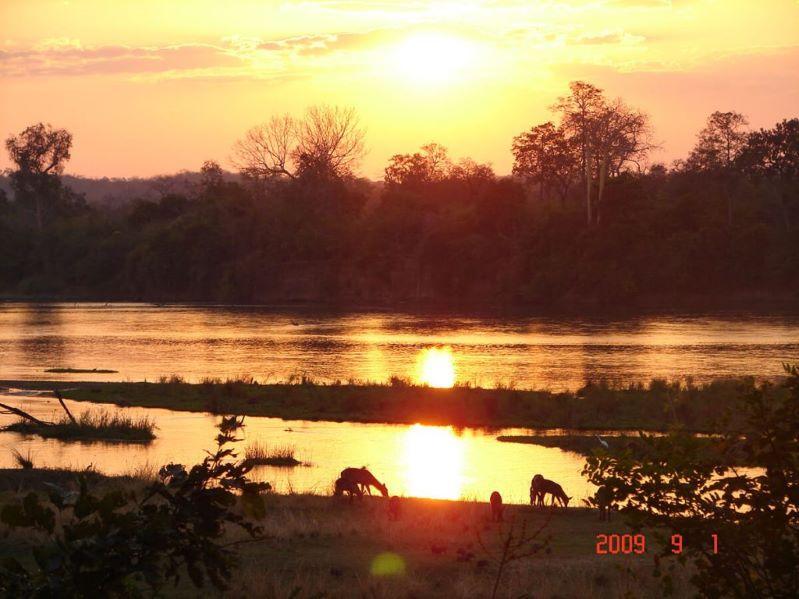
The Selous ecosystem covers immense Miombo woodland, open floodplains, riverine forests and winding waterways. This varied terrain provides outstanding habitat for leopard, Cape buffalo, crocodile, hippo and an exceptional diversity of East African plains game.
| Fence Type: | Free-range |
| Nearest Airport Name: | Julius Nyerere International Airport (DAR), Dar es Salaam |
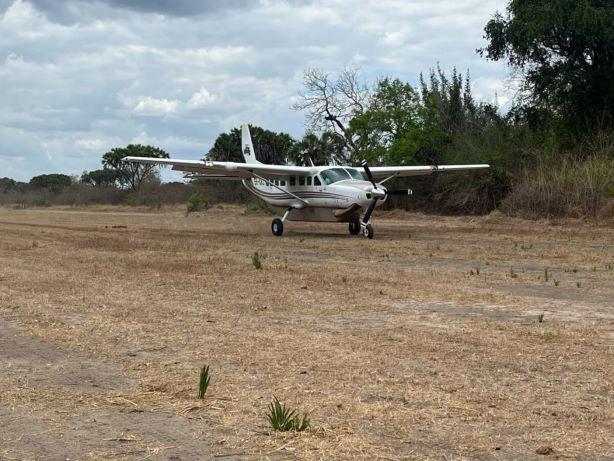
| Air Charter Available: | Yes |
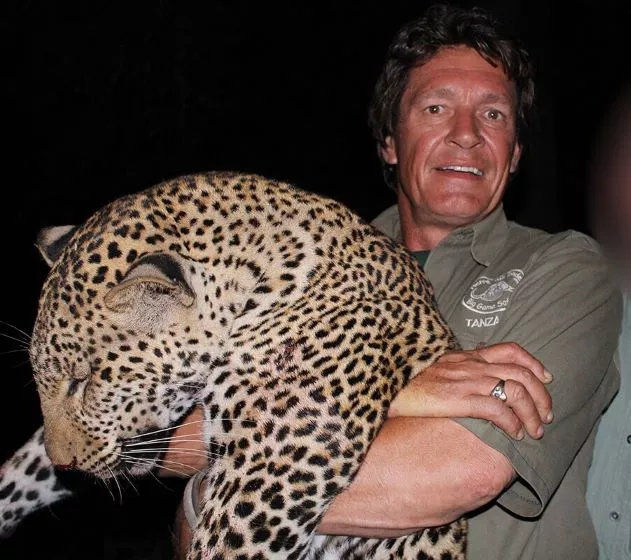
For American hunters, Leopard Hunting in Tanzania represents one of Africa's last truly classic dangerous game safaris. Conducted across the vast Selous ecosystem, now managed as part of the greater Nyerere hunting concessions, this fourteen-day licence combines the challenge of pursuing an elusive leopard with the opportunity to hunt Cape buffalo and a carefully selected range of East African species in one of the continent's most celebrated wilderness areas.
Long before the hunter arrives, bait locations are selected, trail cameras monitor activity, and veteran professional hunters study the movements of mature toms to maximise every opportunity during the fourteen-day licence. Patience, preparation and good judgement are the foundations of success, while fourteen full hunting days provide the flexibility needed for one of Africa's most demanding dangerous game animals.
This traditional Tanzanian licence offers far more than a single trophy. Alongside leopard, hunters have the opportunity to pursue Cape buffalo, crocodile, hippo and a variety of outstanding plains game species, creating a safari that reflects the spirit of classic East African hunting rather than a single-species expedition. Every day presents new opportunities as the hunt unfolds across immense Miombo woodlands, winding river systems and some of Africa's most productive dangerous game habitat.
For sportsmen planning Hunting in Tanzania, few safaris combine so much opportunity under a single licence. Before making a final decision, many hunters also compare destinations, licence structures and overall safari costs. Our African Hunting Safari Prices guide explains how these factors influence the total investment, helping hunters understand exactly what is included before choosing the African safari that best matches their hunting goals.
Price: US$44,000 per Hunter (1 Hunter × 1 Professional Hunter)
Duration: 14 Hunting Days
Hunter Ratio: 1 Hunter : 1 Professional Hunter
Primary Species: Leopard, Cape Buffalo and Additional Dangerous & Plains Game (Licence Dependent)
Hunting Area: Selous (Nyerere) Hunting Concessions, Tanzania
Observer Rate: US$590 per Person per Day
Trophy Export: Fully Exportable (Subject to Tanzanian Regulations and CITES Requirements)
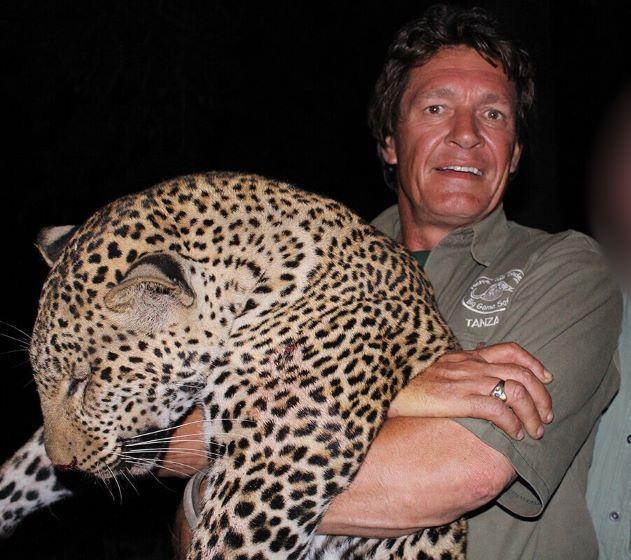
Few African safaris test a hunter's patience quite like our Leopard Hunts. Success is rarely determined by a single stalk or a lucky encounter. Instead, it is built over many days as experienced professional hunters prepare bait sites, study fresh spoor, monitor trail cameras and wait for a mature tom to begin visiting consistently. Every decision is made with patience because rushing a leopard hunt almost never ends well.
Unlike many dangerous game species, a mature leopard often reveals himself only when he feels completely secure. He may inspect a bait several times before committing, disappear for days without explanation, or arrive just minutes after legal shooting light has ended. That unpredictability is exactly what has earned leopard its reputation as one of Africa's most challenging trophies.
Tanzania's regulations reinforce that discipline. Although bait sites and trail cameras are monitored throughout the safari, leopard hunting may only take place during legal daylight hours. Every opportunity therefore depends on careful preparation, good judgement and being in exactly the right place when a mature tom finally presents a safe, ethical shot.
When everything finally comes together, few moments in African hunting compare with watching a mature leopard approach the bait after days of careful planning. It is a hunt built on patience rather than speed, preparation rather than luck, and that is precisely why leopard continues to rank among Africa's most respected dangerous game trophies.
One of the greatest advantages of this fourteen-day Tanzanian licence is that it offers far more than a world-class leopard hunt. While waiting for a mature tom to commit to the bait, hunters have the opportunity to pursue some of East Africa's most sought-after dangerous game and plains game species, making every day in the Selous productive and rewarding.
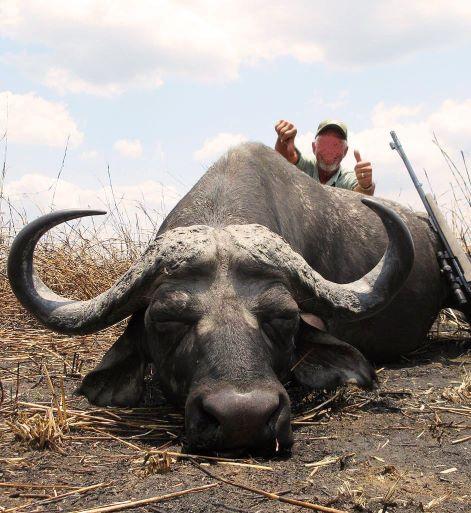
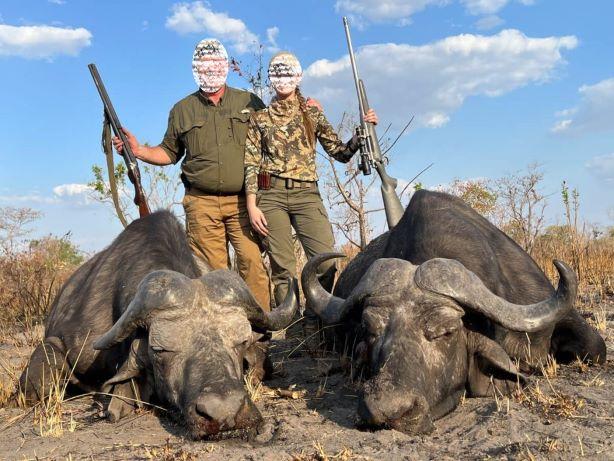
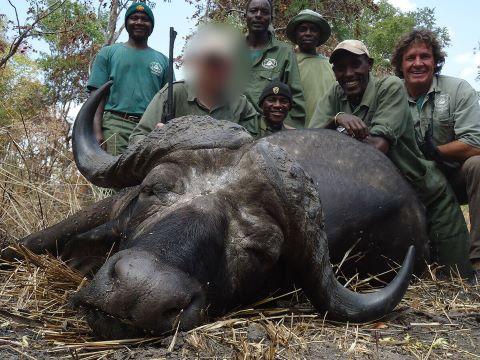
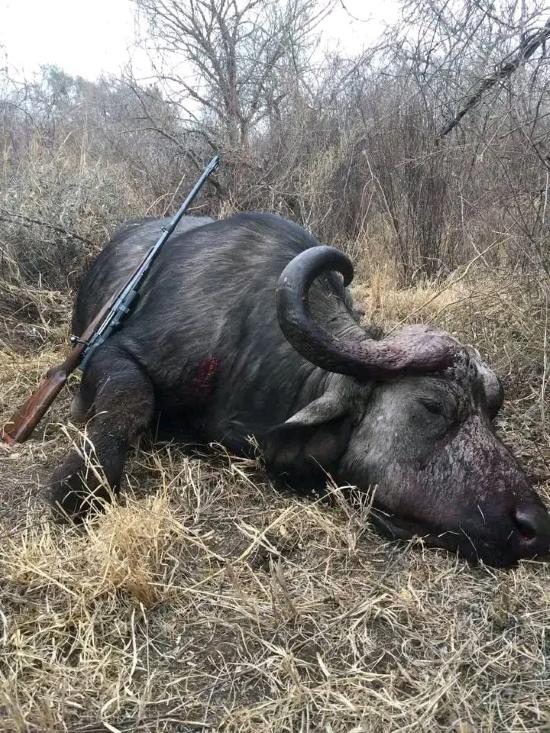
For many hunters, adding a trophy Cape Buffalo Hunting in Tanzania safari is the natural choice. The Selous is renowned for its mature hard-bossed bulls, immense buffalo herds and classic spot-and-stalk hunting through vast Miombo woodlands. Combining leopard and buffalo on the same licence has long been regarded as one of Africa's finest dangerous game combinations.
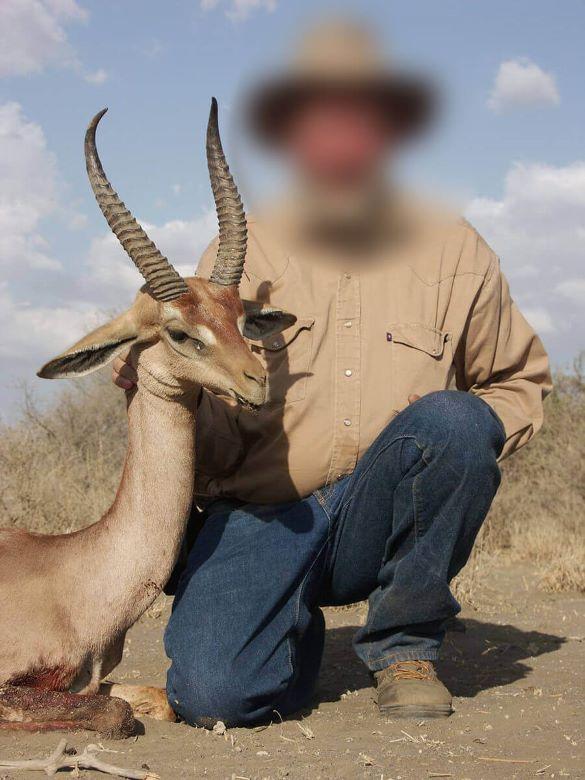
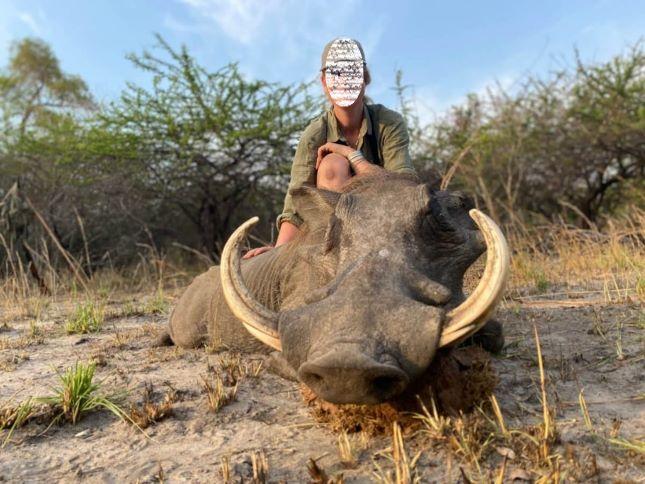
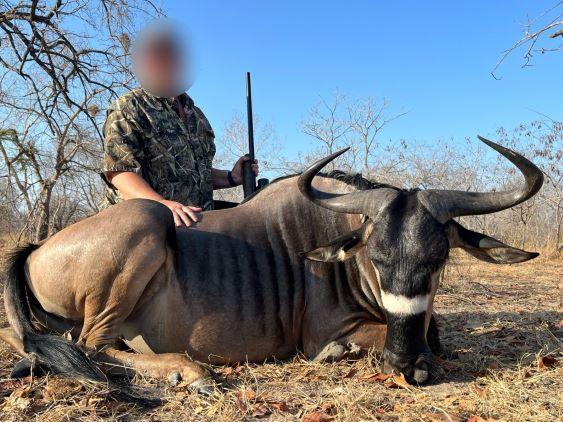
Beyond dangerous game, the licence also opens the door to an outstanding selection of Plains Game Hunts. White-bearded Wildebeest, Greater Kudu, Common and Defassa Waterbuck, Lichtenstein's Hartebeest, Eland, Zebra and several other East African species allow hunters to build a safari around their own ambitions rather than following a fixed package.
Hunters looking to complete an even broader collection can also pursue species such as hippopotamus, Nile crocodile, sable, bushpig, civet, serval, genet and caracal, depending on licence availability and quota allocations. Few African hunting destinations provide this level of diversity under a single hunting licence, which is one of the reasons the Selous continues to attract serious dangerous game hunters from around the world.
Long before modern safari marketing and social media, the Selous had already earned its reputation among the world's finest dangerous game destinations. Vast hunting blocks, virtually untouched wilderness and remarkably low hunting pressure continue to offer the kind of free-range safari that many hunters spend a lifetime hoping to experience.
Unlike smaller concessions where the hunt may revolve around a single property, the Selous allows hunters to immerse themselves in a landscape where every day feels different. One morning may begin checking leopard baits beneath towering trees, while the afternoon is spent following fresh buffalo spoor through open Miombo woodland or watching a mature crocodile bask along the riverbank. Every day unfolds according to the bush rather than a fixed itinerary.
The area is also one of Africa's classic Big Five Hunting destinations. Leopard, Cape buffalo, lion and elephant all inhabit this remarkable ecosystem, a reminder that the Selous has long been recognised as one of the continent's greatest strongholds for dangerous game. Hunting here is about far more than collecting trophies; it is about becoming part of a hunting tradition that has shaped Africa's safari heritage for generations.
Perhaps that is why so many hunters speak about the Selous long after returning home. It is not simply the size of a buffalo's boss or the length of a leopard's tail that stays with you, but the feeling of walking through a wilderness where nature still sets the rules and every successful trophy has truly been earned.

Your safari begins with an international flight into Julius Nyerere International Airport (DAR) in Dar es Salaam, Tanzania's principal international gateway. On arrival, Pierre or a member of the hunting team will assist with firearm clearance before you continue your journey into the Selous. Depending on your travel preferences and schedule, hunters can either take a private charter flight directly to the concession or travel by road, with both options offering access to one of Africa's most celebrated dangerous game destinations.
Accommodation is provided in a traditional East African tented safari camp, where spacious en-suite tents, attentive camp staff and excellent cuisine provide a comfortable base between hunting days. Evenings are spent around the campfire sharing stories from the day's hunt, while the sounds of the surrounding wilderness remind hunters they are deep within one of Africa's last great safari landscapes.
The Selous is characterised by vast Miombo woodlands, open grasslands, winding rivers and dense riverine vegetation that support exceptional populations of leopard, Cape buffalo and a remarkable variety of plains game. Tanzania's hunting season runs from 1 July through 31 December, with many professional hunters favouring the cooler, drier months between July and October, when tracking conditions are often at their best and wildlife naturally concentrates around permanent water sources.

Some hunting safaris are built around a single trophy. Others are built around an entire hunting tradition. This fourteen-day Selous licence belongs firmly in the second category, combining one of Africa's most respected leopard hunts with exceptional dangerous game and plains game opportunities across one of the continent's last great wilderness hunting areas.
Whether your goal is a mature leopard, a hard-bossed Cape buffalo or a carefully planned combination of iconic East African species, this safari provides the time, flexibility and professional guidance needed to hunt at the pace the Selous demands. Every day presents new possibilities, while every successful trophy is earned through patience, sound judgement and respect for the game being pursued.
For hunters planning future Hunting Trips across Africa, few destinations continue to capture the spirit of traditional safari hunting quite like Tanzania's legendary Selous. Long after the trophies have been shipped home, it is often the early mornings checking bait sites, the miles spent following fresh spoor and the evenings around the campfire that remain the greatest memories of all.
Upon reaching the Selous, you will settle into a traditional East African tented camp, offering an authentic yet comfortable experience. These camps provide modern amenities, such as en-suite bathrooms with hot showers and cozy beds, while keeping you immersed in the wild beauty of Tanzania. After a full days hunting, you will be able to relax in comfort and luxury, surrounded by the sounds of nature. Meals are often served outdoors, allowing hunters to enjoy breathtaking views, while savoring a mix of local and international dishes.
Leopard hunting is widely regarded as one of Africa's most challenging dangerous game pursuits, and success can never be guaranteed. A fourteen-day Tanzanian licence provides the time needed to establish productive bait sites, monitor mature tom activity and wait for the right opportunity, giving hunters a realistic chance while maintaining ethical hunting standards.
Unlike many dangerous game hunts, leopard hunting cannot be rushed. Time is needed to establish bait sites, monitor trail cameras, identify a mature tom and wait for consistent daylight activity. The fourteen-day licence also allows hunters to pursue Cape buffalo and a variety of East African plains game while the leopard hunt develops naturally.
Yes. Combining leopard and Cape buffalo has long been regarded as one of Africa's classic dangerous game safaris. While bait sites are being monitored, hunters often spend their days tracking hard-bossed buffalo bulls or pursuing additional species included within their licence and available quota.
Tanzania's hunting season runs from 1 July through 31 December. Many professional hunters favour the cooler, drier months between July and October, when tracking conditions are excellent, vegetation is less dense and wildlife naturally concentrates around permanent water sources.
Leopard trophies are legally exportable from Tanzania, subject to Tanzanian hunting regulations, CITES requirements and the import regulations of the hunter's home country. Hunters should always confirm current import requirements with their taxidermist or customs broker before booking a safari.
Depending on the licence and available quota, hunters may pursue Cape buffalo, hippopotamus, Nile crocodile, bushpig, civet, serval, genet, caracal and a wide selection of East African plains game including greater kudu, eland, zebra, waterbuck and white-bearded wildebeest. This diversity is one of the reasons the Selous remains one of Africa's most respected dangerous game destinations.
Please note that terms, conditions and price are subject to change without notice and rates at the time of the hunt will apply
Needing assistance with firearm permits and international travel services, or good taxidermists? View our affiliated companies
View Affiliated Services