

Leopard Safari in Bushmanland
Booking Season: 2026
Hunt Difficulty: Difficult

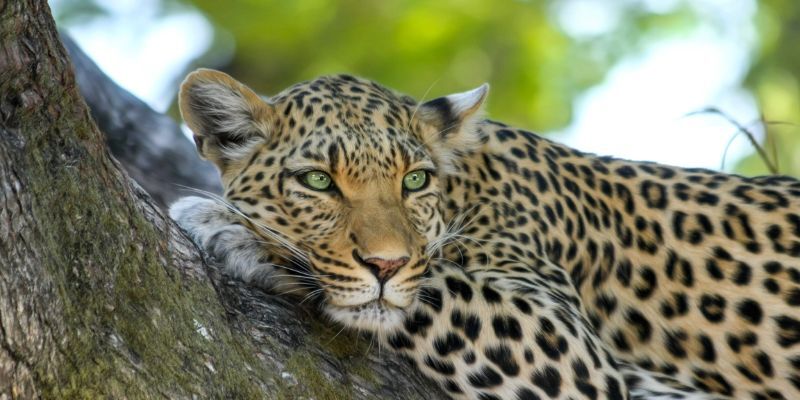
Leopard hunting is one of the most specialized African hunting safaris available today. Unlike other forms of dangerous game hunts that rely heavily on tracking, leopard hunting is built around patience, bait placement, timing and understanding the behavior of a mature tom.
Professional hunters often spend days preparing bait sites, monitoring trail cameras and studying movement patterns before a hunter ever sits in the blind. Success depends on discipline, controlled pressure and waiting for the right cat to commit to the bait under the right conditions.
Leopard hunts are typically conducted over 14 days and require careful planning around quota availability, moon phase, weather conditions and the time of year. Leopard permits are strictly controlled, and access to a well-managed hunting area is one of the biggest factors influencing success.
Few pursuits within African Big Game Hunting are more rewarding than watching a mature tom finally commit to the bait.


Leopards are widely distributed across sub-Saharan Africa, and are available in a number of well-managed destinations, including Namibia, Zimbabwe, Mozambique, Zambia, Tanzania, and Botswana. Each country offers a different style of hunt, shaped by terrain, leopard density, and how concessions are managed.
Hunters planning a leopard safari should always confirm that a valid quota is available before booking. Permits are strictly controlled, and securing access to a well-managed concession is one of the biggest factors influencing success.
Some of the most consistent opportunities can be found in Zimbabwe leopard hunting safaris, where areas such as the Zambezi Valley and Save Valley Conservancy have built a reputation for producing mature toms under structured, well-managed conditions. Hunters exploring hunting leopard in Zimbabwe will typically find experienced operators who specialize in baiting strategies and understanding leopard behavior.
Further west, Hunting in Namibia includes free-range leopard opportunities in Bushmanland and other carefully managed hunting areas. Hunters comparing concessions, hunting methods and safari planning considerations can explore our complete guide to leopard hunting in Namibia.
In more remote wilderness settings, Mozambique leopard hunting safaris offer a very different experience. Large, unfenced concessions such as the Niassa Reserve provide vast, low-pressure environments where leopard populations remain strong. Hunters looking into hunting leopard in Mozambique can expect a more traditional safari experience in some of the most untouched areas left in Africa.
Zambia offers traditional leopard safaris across large, unfenced Game Management Areas connected to the Lower Zambezi, Luangwa and Kafue ecosystems. Hunters researching leopard hunting in Zambia can compare the country’s hunting areas, quota structure, safari conditions and what to expect when pursuing a mature tom.
Tanzania and Botswana also offer leopard hunting opportunities, the success of the hunt ultimately comes down to preparation, patience, and how well the area is managed before the hunt even begins.
Across all destinations, the fundamentals remain the same, a well-run leopard hunt is built on careful planning, controlled pressure, and the ability to identify and target a mature tom rather than simply reacting to opportunity.
In countries such as Tanzania, where nocturnal hunting is not permitted, dawn and dusk provide the best opportunities. Leopards are more active during these periods and may return to check established bait sites.
At these peak times, hunters will need to be ready, waiting, and on high alert, certain that all equipment has been thoroughly tried and tested. The optimum window of opportunity is often small, and things can “get a little crazy” at a moment’s notice.
Leopard hunting in many African destinations is often best undertaken during the dry season months when bait sites can be monitored more easily and leopard activity becomes more predictable.
Where nocturnal hunting is permitted, the value of a full moon remains debatable. Local conditions and leopard behavior differ between hunting areas, so the professional hunter’s knowledge of the concession should guide the timing of the hunt.
Cooler conditions can increase leopard activity while also helping baits remain usable for longer. High-fat baits with the skin left on generally last longer before they need to be replaced, particularly in warmer hunting areas
Leopard hunts are among the more specialized dangerous game safaris in Africa due to the preparation required for baiting and monitoring leopard activity.
Depending on the country and hunting concession, leopard hunting safaris generally range between $25,000 and $45,000. The final cost depends on the location, the size of the concession, government permits, and the experience of the professional hunting team.
Because leopard hunts require careful preparation, outfitters often begin baiting several days before the hunter arrives in camp.
Successfully harvesting a trophy Leopard is one of the most rewarding dangerous game hunts in Africa. This African cat can move at lightning speed, so Leopard shot placement is critical.
A wounded leopard can be exceptionally dangerous at close range, making accurate shot placement and a controlled follow-up essential.
A mature leopard can be prepared as a full mount, pedestal mount or rug, depending on the hunter’s preference and available display space. Discussing the intended mount with the taxidermist before the safari helps ensure that the skinning and field preparation are handled correctly.
Few dangerous game hunts require the same level of preparation and control before a shot opportunity ever develops.
Mature male leopards are considerably larger and heavier through the head, neck and shoulders than females or younger males. Body size varies between regions, while trophy assessment considers skull measurement, overall maturity and the condition of the skin rather than weight alone.
Professional hunters focus on identifying mature toms rather than younger males, ensuring that leopard populations remain healthy and sustainable.
A standard leopard hunting safari will include the basic service offerings such as accommodation, meals, drinks, professional hunter, camp staff, trackers, on-territory transport, and field preparation of the Leopard trophy.
Leopard hunting in Africa is strictly regulated through government quotas and international agreements such as CITES. Each hunt requires permits and export documentation to ensure that leopard populations remain sustainably managed.
Exclusions and optional extras when booking a Leopard hunt in Africa:
Most African countries require a minimum caliber of .375 for dangerous game hunting, and this standard generally applies to leopard as well. Rifles such as the .375 H&H Magnum are widely used and trusted by professional hunters for leopard hunts.
Leopard hunts are not built for action-focused hunters.
You are not tracking all day. You are not covering ground. Most of your time is spent waiting, often for hours, sometimes for days, for a single opportunity that may never come. A typical sequence involves baiting, checking tracks, adjusting setups, and then sitting in a blind from late afternoon into darkness. You might sit multiple evenings without seeing the cat.
When the opportunity finally comes, it usually happens fast and in poor light. Hunters who need movement, constant engagement, or quick results tend to struggle here. The ones who succeed are the ones who can stay focused when nothing is happening.
This is where many first-time leopard hunters misunderstand how leopard hunting works.
You are not shooting the first leopard that shows up.
A professional hunter will be targeting a specific mature tom, identified by track size, behavior on bait, and how he approaches the area. Younger males, females, or sub-dominant cats are deliberately passed. This means you can have activity on bait and still not take a shot.
For North American hunters used to opportunity-based hunts, this is a shift. Leopard hunting is selective, controlled, and often slower than expected.
Success comes from committing to the right animal, not reacting to the first chance.
Understanding how leopard hunting works starts with what happens before the blind. By the time you climb into position, most of the real work is already done.
Baiting strategies, wind direction, approach routes, and how often a bait is disturbed all determine whether a mature tom will return. If any of these are wrong, the cat simply disappears, often without you ever knowing he was there.
Leopards do not tolerate pressure. A bad setup, the wrong wind, or too much activity around a bait can shut the hunt down completely.
This is why experienced professional hunters focus heavily on preparation. The shot itself is a small part of the process.
If the setup is right, you get a chance. If it’s wrong, you don’t.
Most failed leopard hunts are not caused by poor shooting; they are caused by broken patterns. A tom may hit bait once and disappear. He may circle downwind and never commit. He may shift territory after pressure from other hunters, livestock activity, or changing conditions.
Wind direction, moon phase, and human disturbance all affect how and when a leopard feeds. Even in strong areas, you can sit multiple nights with no opportunity.
This is part of leopard hunting, even in productive areas.
The mistake many hunters make is trying to force the hunt. Moving too quickly, changing setups too often, or sitting a bait before the pattern is right usually reduces the chances rather than improving them.
This is one of the main reasons leopard hunting success rates vary so widely between operators and areas.
A well-placed shot usually results in a short recovery, but this is not a situation to rush.
Leopards can be aggressive when wounded, and any follow-up is handled carefully by the professional hunter. You do not walk in casually. Once the animal is recovered, the process moves quickly. Skinning is done immediately to protect the trophy, especially in warm conditions.
For hunters, this is where proper handling matters. Export permits, CITES documentation, and trophy preparation must be done correctly from the start to avoid problems later. This part of the hunt is controlled, structured, and handled by experienced teams, but it is not something to overlook.
Planning a leopard hunt properly starts long before arrival in Africa. This is not a safari to book at the last minute. They require planning around quota availability, the right concession, enough time for proper baiting before you ever sit in a blind. Without that lead-in time, your chances drop quickly.
This also affects hunt length. Leopard safaris are typically longer than plains game or even some dangerous game hunts, as you are allowing time for patterns to develop, not just showing up and hunting. Hunters comparing available Hunting Trips can review different destinations and concessions before deciding which option best suits their objectives.
Choosing the right outfitter for leopard hunting in Africa is one of the most important decisions you will make. On a leopard hunt, the outfitter matters more than the hunter. Success on a leopard hunt depends heavily on bait strategy, area management, controlling hunting pressure, and the ability of the professional hunter to identify the right mature tom.
In the right area, with the right operator, you are hunting a known population with a structured approach. In the wrong setup, you are hoping a leopard shows up.
Experienced outfitters do not rush baits, do not push marginal setups, and do not allow immature toms to be taken. They control the pace of the hunt and make decisions based on patterns, not guesswork.
Clear communication before the hunt is usually a good indicator. If expectations, timing, and process are explained properly upfront, the hunt tends to follow that same structure in the field.
Leopard hunting in Africa operates under strict quota systems.
Each country allocates a limited number of permits per area, and once those are filled, no additional hunts take place. These quotas are set to control pressure and maintain sustainable populations.
This is why availability is limited and why not every outfitter has access to leopard permits every season. You are not booking an open hunt. You are booking a specific permit, in a specific area, for a specific timeframe.
For international hunters, leopard hunting comes with additional layers of regulation.
Each hunt must be properly documented from the start. This includes permit allocation, export documentation, and compliance with international wildlife trade regulations. If any part of that process is handled incorrectly, it can delay or prevent your trophy from being exported. This is handled by the outfitter and their team, but it is not something to assume or overlook.
Leopard hunting success rates vary significantly depending on the area, the experience of the outfitter, and how the hunt is managed, as is often the case with dangerous game hunting in Africa.
In well-run concessions with established baiting systems and experienced professional hunters, success rates are typically high. In less structured areas, success can drop quickly.
Leopard hunting is not predictable. A mature tom may commit to bait consistently, or he may disappear after a single visit. This is why no credible outfitter guarantees a leopard. Hunters who understand how leopard hunting works, and allow the process to unfold without rushing decisions, generally have a far higher chance of success than those who try to force the hunt. Choosing the right area and outfitter has a greater impact on success than any other factor.
Leopard hunting safaris in Africa generally range between $25,000 and $45,000 depending on the country, hunting concession, permit structure, and the experience of the professional hunting team. Additional costs may include trophy fees, charter flights, taxidermy, and export documentation.
Zimbabwe, Namibia, and Mozambique are widely regarded as some of the best leopard hunting destinations in Africa. The quality of the hunt usually depends more on the concession, quota management, and experience of the professional hunter than the country itself.
Leopard hunting success rates vary by area and outfitter, but well-managed concessions with experienced professional hunters generally produce strong results. Success depends heavily on bait preparation, hunting pressure, weather conditions, and identifying a mature tom before the hunt begins.
Most African countries require a minimum caliber of .375 for dangerous game hunting, and many professional hunters prefer rifles such as the .375 H&H Magnum for leopard hunts. Shot placement is critical, especially during low-light shooting conditions near bait sites.

Search from our range of Hunts across various popular destinations in Africa.
Find A Hunt


