12-Day Save Valley Leopard Safari
Booking Season: 2026
Hunt Difficulty: Moderate, Difficult

Leopard hunting in Zimbabwe is not a hunt you “try.” It’s one you commit to, mentally, physically and financially. Among Africa's Leopard Hunts, this is one of the pursuits that humbles even experienced hunters. It’s slow, uncertain and often frustrating. Days can pass with nothing happening, and when it does happen, it’s over in seconds.
Zimbabwe has earned its reputation as one of the best places in Africa to hunt leopard and remains one of the few countries where hunters can pursue one of the Big Five Hunting species in vast, unfenced safari areas. There’s good habitat, strong leopard populations in the right concessions, and a long history of Professional Hunters who understand how to run these hunts properly. But that reputation can also be misleading. A good leopard hunt here is never guaranteed, and not every concession or outfitter delivers the same level of opportunity.
Most hunters arrive expecting action. What they get instead is a process: setting baits, checking roads, reading sign, waiting in a blind, and repeating that cycle day after day. Success depends on patience, the quality of the area, and the experience of the team behind you, not just the brochure.
If you’re considering leopard hunting in Zimbabwe, the decision shouldn’t be based on price or marketing promises. It should be based on understanding how these hunts actually work, what separates a good area from a poor one, and whether this kind of hunt suits you in the first place.
This guide is built to give you that clarity, without the sales pitch.
Available Leopard Hunts
12-Day Save Valley Leopard Safari
Booking Season: 2026
Hunt Difficulty: Moderate, Difficult
14-Day Leopard & Plains Game Safari | Matabeleland, Zimbabwe
Booking Season: 2026
Hunt Difficulty: Moderate, Difficult

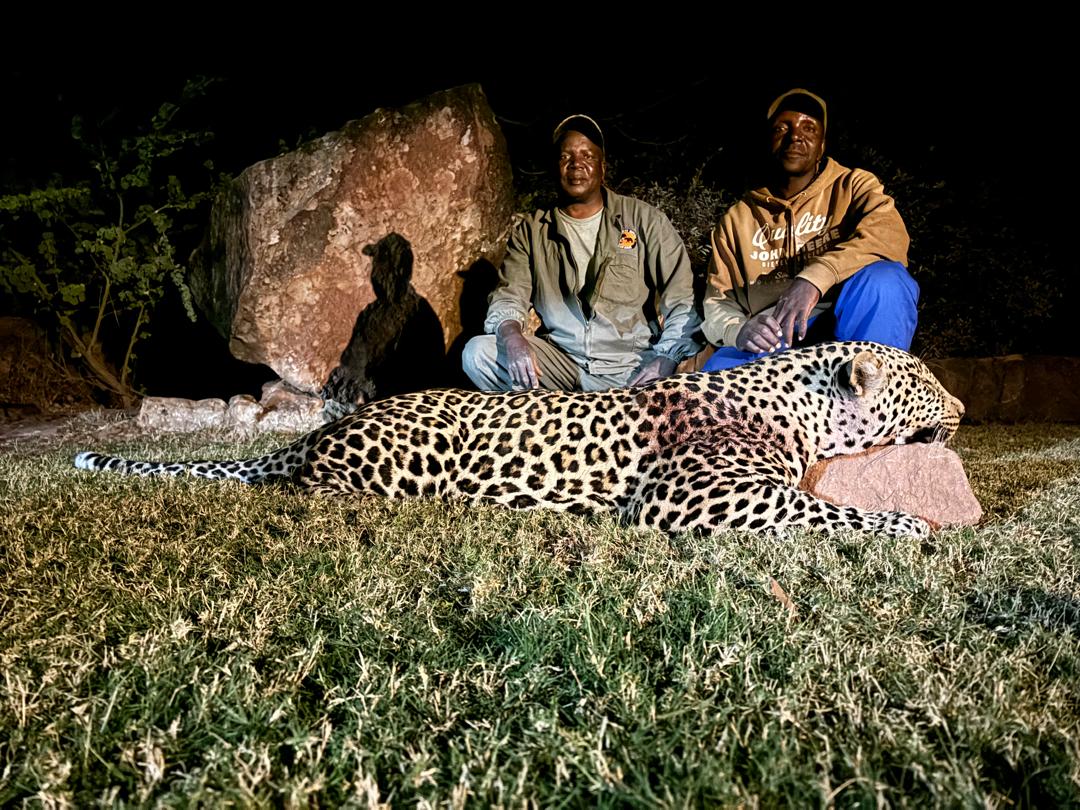
Hunt Leopard and Cape Buffalo in Zimbabwe, Save Valley
Booking Season: 2026
Hunt Difficulty: Difficult
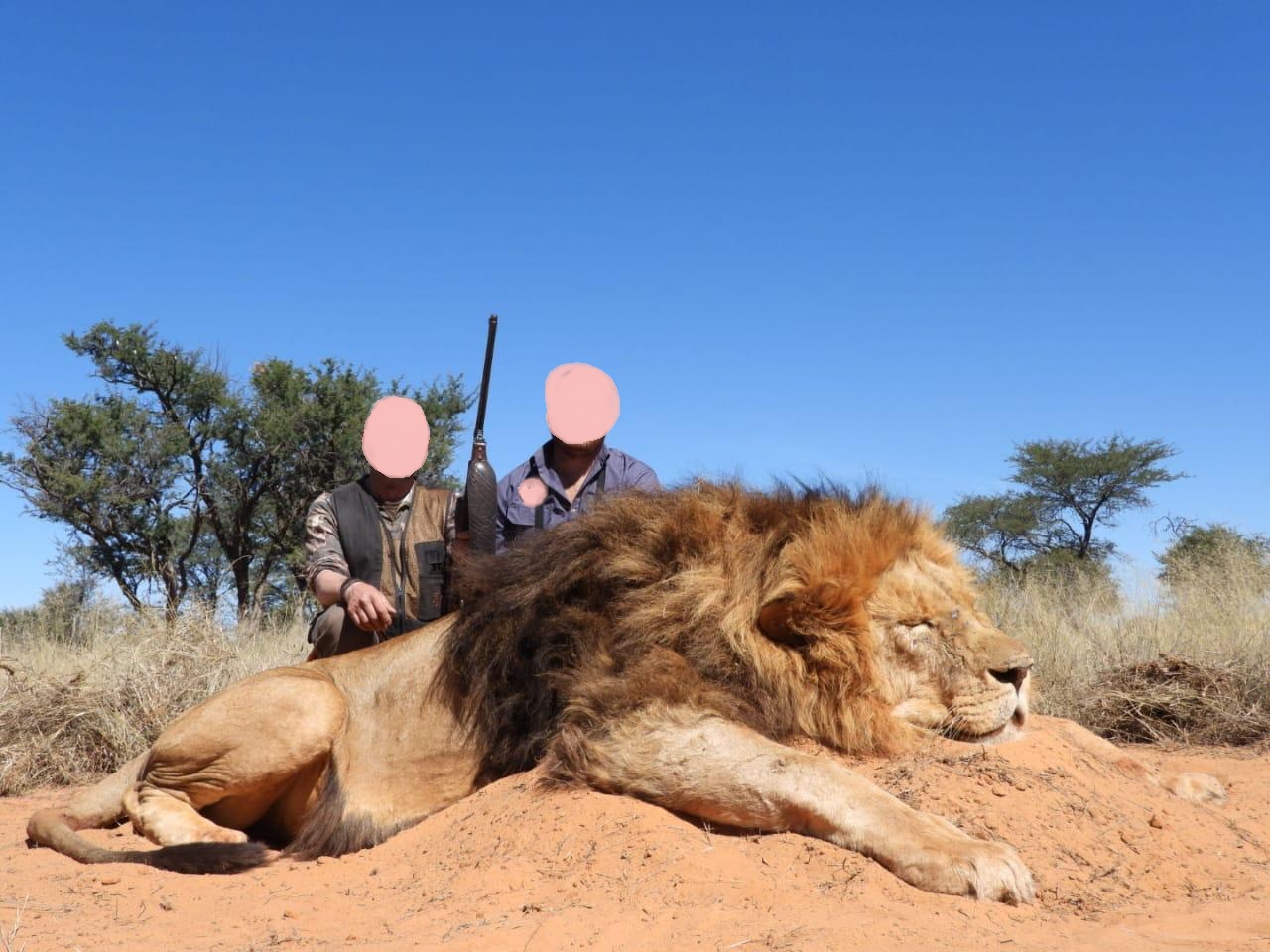
Hunt Lion, Leopard and Cape Buffalo in Zimbabwe, Save Valley
Booking Season: 2026
Hunt Difficulty: Difficult
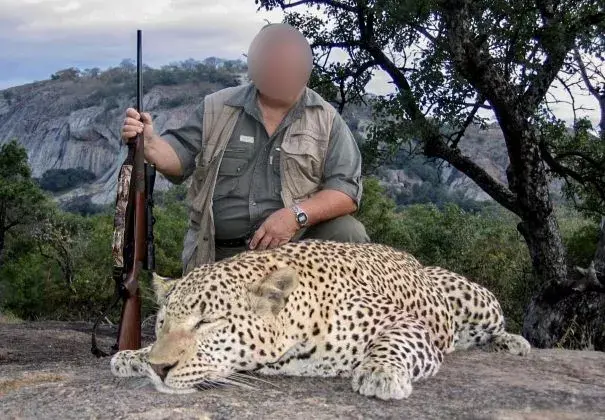
A Classic Matetsi Leopard Safari
Booking Season: 2026
Hunt Difficulty: Difficult
Cape Buffalo or Leopard Hunting Safari in Zimbabwe
Booking Season: 2026
Hunt Difficulty: Difficult
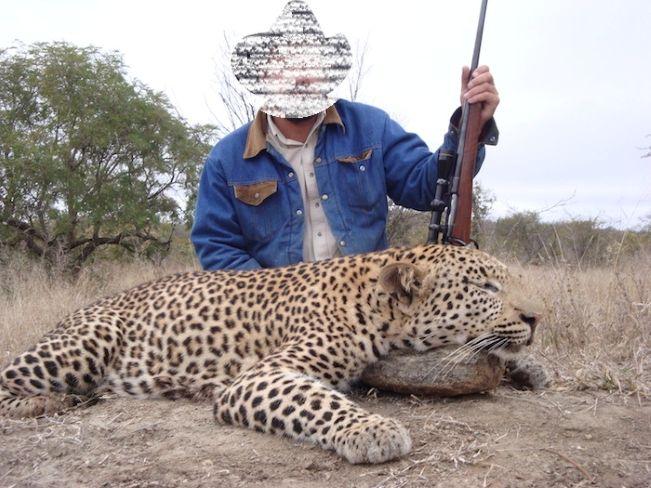
Free-Range Leopard Hunting Safari | Zimbabwe
Booking Season: 2026
Hunt Difficulty: Difficult
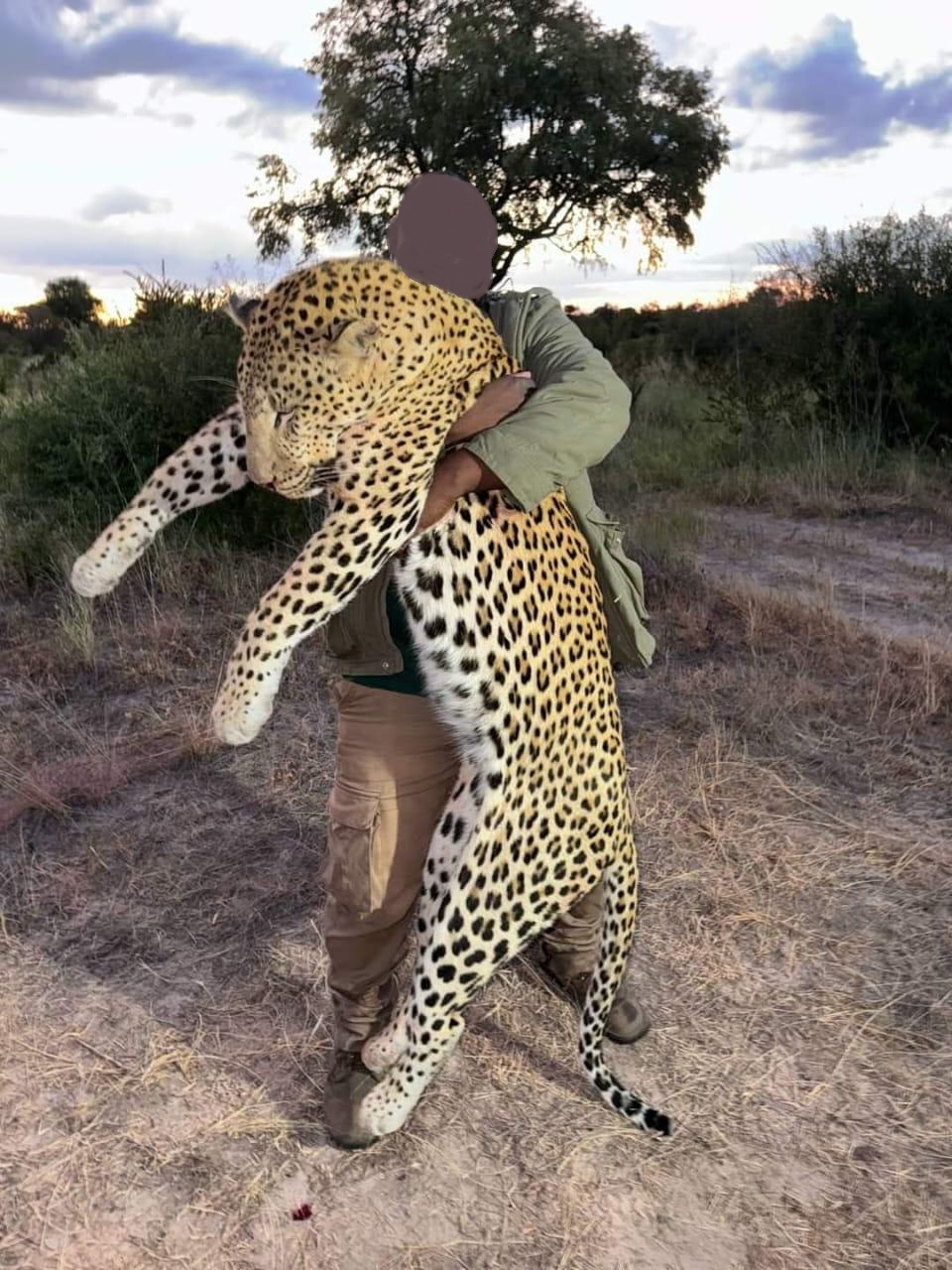
Zimbabwe Leopard Hunt | Gwayi ECA & Sikumi East
Booking Season: 2026
Hunt Difficulty: Difficult
Full Bag Dangerous Game Safari | Zimbabwe
Booking Season: 2026
Hunt Difficulty: Difficult
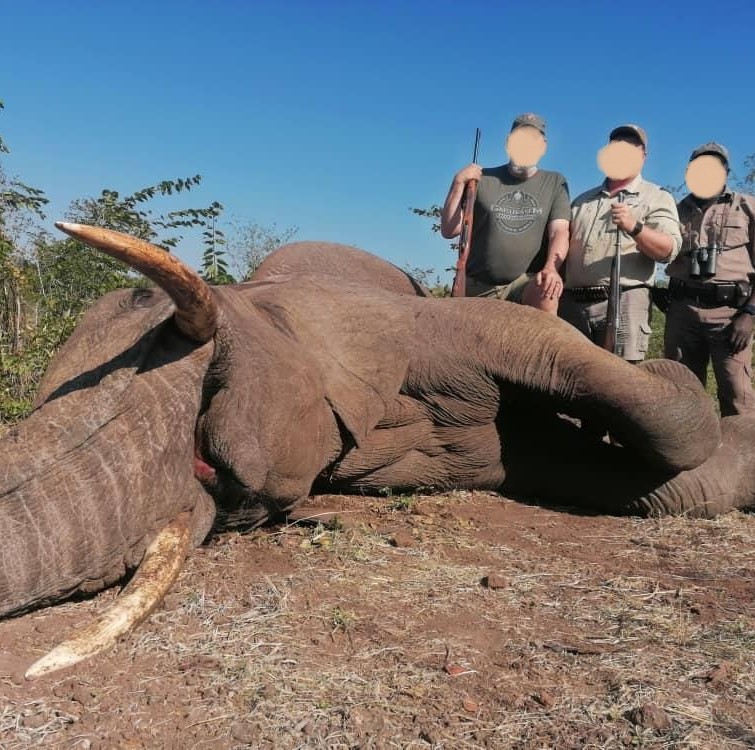
Zimbabwe Leopard & Elephant Dangerous Game Safari
Booking Season: 2026
Hunt Difficulty: Difficult
Zimbabwe is one of the top leopard destinations in Africa, but that doesn’t automatically make it the right choice for you. The best country for a leopard hunt depends on what kind of experience you’re after, how much uncertainty you’re willing to accept, and how important success rates are to you.
At a high level, most serious hunters end up weighing Hunting in Zimbabwe against Namibia and Tanzania. Each offers a very different type of hunt.
Zimbabwe is known for its classic, baited leopard hunts in big, wild concessions. Areas like Save Valley, Bubye, and parts of Matetsi offer the right combination of habitat, prey base, and leopard density. When everything comes together, good bait sites, active toms, experienced tracking teams, it can be exceptional. But it’s still a grind. You’re working for that opportunity every day, and nothing comes quickly.
Namibia tends to offer a more controlled environment. Leopard densities can be high on certain properties, and the infrastructure is often more developed. Baiting is still the primary method, but the scale is usually smaller, and hunts can feel more structured. For some hunters, that increases confidence. For others, it feels less like a true wilderness hunt.
Tanzania sits at the other end of the spectrum. It’s vast, remote, and as wild as it gets. Leopard hunting here is part of a much bigger safari experience, often combined with other dangerous game. The quality can be outstanding, but it comes at a significantly higher cost, longer safari durations, and more logistical complexity. This is not a quick, focused leopard hunt, it’s a full commitment.
Where Zimbabwe stands out is in the balance. You still get large, unfenced areas and genuinely wild conditions, but without the extreme cost and scale of Tanzania. At the same time, it generally offers more depth and variety than what many Namibian properties can provide.
That said, not all Zimbabwe concessions are equal. Hunting pressure, quota management, and how an area is run make a significant difference. Two hunts in Zimbabwe can feel completely different depending on where you are.
The key takeaway is this: Zimbabwe is a strong leopard destination, but only if you’re choosing the right area, working with the right people, and going in with realistic expectations about how the hunt will unfold.
When it comes to leopard hunting in Zimbabwe, the area you hunt matters more than almost anything else, not the lodge, not the marketing, not even the price. Leopard are highly territorial, extremely cautious, and heavily influenced by their environment. If the area isn’t right, no amount of effort will fix it.
This is where most hunters go wrong. They choose a hunt based on availability or cost, without really understanding what separates a productive leopard area from an average one.
Save Valley is one of the most consistent leopard hunting areas in Zimbabwe, and there’s a reason for that.
It’s a large, lowveld conservancy with thick bush, river systems, and a strong prey base, all of which suit leopard behavior. The density of leopard here can be very good, but more importantly, the environment allows for effective baiting. There are plenty of natural travel routes, and toms are used to moving through these systems.
Where Save stands out is in the balance between size and management. It’s big enough to feel wild, but structured enough that experienced PHs can run highly organized baiting operations.
That said, pressure varies between properties. Some sections are run exceptionally well, with careful quota management and minimal disturbance. Others can feel more pressured, especially later in the season. Knowing which part of Save you’re hunting is critical.
Bubye is different. It’s a private conservancy with intensive wildlife management, and that changes the dynamic.
Leopard densities here can be strong, supported by a healthy prey base and controlled hunting pressure. The terrain is a mix of thicker bush and more open areas, which can make bait visibility and shot opportunities slightly more predictable compared to denser regions.
Because Bubye is more tightly managed, hunts can feel more structured. Baiting is still the foundation, but there’s often a higher level of control over how the hunt unfolds, where you bait, how movement is monitored, and how pressure is distributed.
For hunters, that’s a positive. For others, it lacks the unpredictability of more open, unfenced wilderness. It comes down to what kind of experience you’re looking for.
The Matetsi units and areas around Hwange offer a very different kind of leopard hunt.
These are large, unfenced wilderness areas, often bordering national parks, with true free-range movement of game. Leopard here can grow old and elusive, and densities are generally lower than in conservancies, but the quality can be exceptional.
The terrain is more varied: teak forests, open pans, riverine systems, and long road networks. This makes tracking and baiting more challenging. You may cover a lot more ground, and it can take time to establish productive bait sites.
What you gain, however, is a more traditional safari feel. Less predictability, less structure, and often less pressure, depending on the specific unit. When it comes together, it’s as authentic as leopard hunting gets in Zimbabwe.
Gwayi sits somewhat between the conservancies and the wilder Matetsi-style areas, and it’s often misunderstood.
This region is known for good leopard genetics and strong toms, but it’s not always as consistent as places like Save when it comes to early bait activity. Leopard densities can be solid, but they tend to be more spread out, and movement patterns can be less predictable.
The terrain is a mix of thick bush and more open woodland, which can work well for baiting, but it often requires more time to get the right tom committed. Hunts here can feel slower at the start, especially if conditions aren’t ideal.
Pressure and management vary significantly depending on the specific concession. Some operators run excellent leopard programs with disciplined baiting and minimal disturbance. Others can struggle if pressure builds or if the area isn’t rested properly.
Where Gwayi stands out is in the potential for quality animals and a less “managed” feel than intensive conservancies, while still offering more structure than the truly wild park-adjacent areas.
All of these regions can produce leopard, but they do so under very different conditions, and those differences directly shape how your hunt unfolds.
In thicker, denser bush, leopard tend to approach bait more cautiously, often using cover to stay hidden until the last moment. That can make shot opportunities more limited and far less predictable. In more open terrain, visibility improves, but leopard behavior changes as well, often becoming more deliberate and harder to pattern consistently. The environment doesn’t just affect where you hunt, it affects how the entire hunt plays out from start to finish.
Leopard density is another factor that’s often misunderstood. Higher densities can lead to faster bait activity and more initial opportunity, but that doesn’t always translate into an easier hunt. In areas with more pressure, leopard can become cautious, unpredictable, and inconsistent in their feeding patterns. In lower-density areas, things may take longer to develop, but when they do, the quality of the opportunity can be exceptional. It’s not just about how many leopard are there, but how they behave under the conditions of that specific concession.
The size and management of the area also play a critical role. Larger, less pressured concessions tend to offer a more natural, less controlled hunting experience, where everything takes longer but feels more authentic. More intensively managed areas can provide a higher level of structure and predictability, but with that comes a different type of hunt, one that may feel more controlled depending on how it’s run.
This is where most hunters oversimplify the decision. It’s easy to say that Zimbabwe is a strong leopard hunting destination, and that’s true, but stopping there misses what actually matters. The real difference is not the country, but the specific area within it, how that area is managed, and how well it aligns with the kind of hunt you’re expecting.
Because in the end, success in leopard hunting in Zimbabwe isn’t determined by reputation alone, it’s determined by where you are, how that area is run, and how well those conditions match the way leopard hunts actually work.
Leopard hunting in Zimbabwe is not spot-and-stalk, and it’s not driven. It’s a methodical, patience-heavy process built around one thing: getting a mature tom comfortable on a bait, and then waiting for the right moment to take him.
Most of the work happens long before you ever sit in a blind.
A proper leopard hunt starts with baiting, and this is where the real effort begins. What most hunters experience as “waiting” is actually the result of a constant, deliberate process happening behind the scenes.
Your PH and team begin by sourcing and preparing bait, usually from plains game taken early in the safari or specifically secured for this purpose. That bait is then hung in carefully selected trees along roads, river systems, and known movement routes, always positioned where a leopard can find it naturally, but also where it can be hunted effectively once it’s hit.
None of this is random, and it’s never rushed. Good bait placement is one of the most critical parts of leopard hunting in Zimbabwe, and it’s driven by a combination of sign, experience, and understanding how leopard move through a specific area.
Fresh tracks and confirmed activity guide initial decisions, but they’re only part of the picture. Natural travel corridors like riverbeds, game paths, and junctions play a major role, as do wind direction, approach angles, and how a leopard is likely to feed once it finds the bait. Even visibility and shooting lanes are considered at this stage, long before a blind is ever built.
Multiple baits are set across a wide section of the concession at the same time. The goal isn’t simply to attract any leopard, but to locate the right tom in the right position, somewhere that gives you a realistic chance when the opportunity finally comes.
Once those baits are in place, they’re checked daily, and sometimes more than once depending on distance and activity. Every visit is about gathering information. Whether the bait has been touched, what species has fed on it, and if a leopard is involved, the size, behavior, and timing of that animal all start to build a picture of what’s happening in the area.
Some baits get immediate attention, especially in stronger leopard areas. Others sit untouched for days. It’s common to replace spoiled bait, shift locations entirely, or add new bait sites as more information comes in. The process is fluid, constantly adjusting to what the bush is telling you.
And even when a leopard starts feeding, the hunt hasn’t really begun yet. A single visit doesn’t mean you’re ready to sit. In most cases, you’re waiting for repeat behavior, for that tom to return, settle in, and become consistent enough that you can predict his movement with some degree of confidence.
Until that happens, everything remains in preparation mode.
While the focus of the safari is leopard, most hunts in Zimbabwe naturally include opportunities to pursue a wide range of plains game as part of the experience. Species like impala, warthog, kudu, zebra, and bushbuck are often encountered while checking baits or moving through the concession, and in many cases, these animals play a practical role in the hunt itself, particularly when it comes to sourcing bait.
If you’re considering adding additional species to your hunt, it’s worth exploring the full range of plains game hunting opportunities in Africa to understand what can realistically be included alongside a leopard safari.
Trail cameras play an important role in leopard hunting in Zimbabwe, but they are only one part of a much bigger decision-making process. They show you what’s visiting the bait, but they don’t tell you what’s worth hunting.
Because you’re not looking for just any leopard. You’re looking for the right leopard.
That means a mature tom with the right age, body structure, and behavior, an animal that is not only present in the area, but returning consistently enough to build a predictable pattern. Younger males and females might hit the bait, sometimes repeatedly, but they don’t move the hunt forward. In some cases, they slow it down by dominating the bait and preventing a mature tom from committing.
This is where experience separates a routine hunt from a well-run one.
A good PH reads far more than just the image on a camera. The timing of visits matters, whether the leopard is arriving deep into the night or starting to edge into earlier hours. The direction of approach tells you where he’s coming from and how he’s using the area. Frequency reveals whether it’s a one-off visit or the start of a consistent pattern.
All of these small details begin to form a picture. You’re not reacting, you’re building a pattern that can be relied on when it matters. Trail cameras confirm presence. Experience determines opportunity.
Once a mature tom is feeding consistently, the hunt shifts into its next phase: setting the blind. Nothing about this is rushed. Every detail is deliberate.
Depending on the terrain and the situation, the blind may be a natural ground setup, a brush hide constructed on-site, or occasionally an elevated position. The structure itself matters less than where and how it’s placed.
Wind direction is critical. If the wind isn’t right, the hunt doesn’t happen, no matter how active the bait is. Distance is carefully measured, usually somewhere between 40 and 70 yards, to allow for a controlled, ethical shot under low-light conditions. Shooting lanes are cleared with precision, ensuring that when the moment comes, there’s no obstruction or hesitation.
The blind is not built for comfort or convenience. It’s built for one purpose: a single opportunity, executed properly. And once it’s in place, everything slows down.
This is where leopard hunting in Zimbabwe tests most hunters, and where most hunts are quietly won or lost. You sit for hours. Sometimes from mid-afternoon into darkness, sometimes longer. And more often than not, nothing happens.
Leopards don’t announce themselves. They arrive without warning, moving silently, often circling downwind, watching and testing the area long before you ever know they’re there. They take their time. And if something doesn’t feel right, they simply don’t come in.
It’s entirely possible to sit multiple evenings on the same bait, knowing a leopard is feeding there, and still never lay eyes on him.
Three days. Four days. Five days. No movement. No opportunity.
This is where patience stops being a nice idea and becomes the deciding factor. Because at this stage, the hunt is no longer about doing more, it’s about waiting correctly.
When it finally comes together, it happens fast.
A leopard appears without warning, usually in low light, with limited visibility and almost no time to react. You may only have a few seconds to understand what you’re looking at, position yourself, and take the shot.
There’s no perfect setup. No time to overthink it.
You rely on your PH, your preparation, and your ability to stay composed under pressure. Because even then, nothing is guaranteed. The leopard may not present properly. He may pause, shift, or disappear as quickly as he arrived. And if the shot isn’t right, the situation can change instantly.
This is not a controlled moment. It’s a compressed one, where everything you’ve done up to that point either holds together, or it doesn’t.
This is the part that’s rarely explained clearly.
You can go days without real progress. You can sit multiple times and never see the leopard, even when he’s actively feeding on your bait. You can do everything right and still only get one real opportunity. No second chance. No reset.
Leopard hunting is not driven by action or repetition. It’s built on small decisions, made correctly, over and over again, until one brief moment presents itself. And when it does, everything depends on how you handle it.
If you expect constant movement or predictable results, this hunt will wear you down quickly.
But if you understand that most of the work happens long before the animal appears, that success depends on details you may never fully see, and that the final opportunity is always uncertain, then you’re approaching leopard hunting in Zimbabwe the right way.
Because when it does come together, there are very few hunts anywhere in Africa that match it.
“Success rate” is one of the first things hunters ask about, and one of the most misunderstood parts of leopard hunting in Zimbabwe.
You’ll see numbers online. High percentages, confident claims, clean and simple answers that make the decision feel straightforward. The reality is nothing like that.
Leopard hunting doesn’t operate on guarantees. It operates on conditions, decisions, and timing. When those align, success can come together. When they don’t, even a well-run hunt in a strong area can fall short.
Unlike plains game, or even some other dangerous game, leopard hunting is built around a single, highly cautious animal. You’re not simply looking for an opportunity. You’re trying to create one.
That process depends on several stages coming together in sequence. First, a mature tom needs to be located within the area. Then he has to find the bait, accept it, and begin returning with enough consistency to establish a pattern. After that, conditions need to align, wind, timing, behavior, and finally, when the moment comes, the shot has to be executed cleanly.
If any one of those steps breaks down, the entire hunt can stall.
That’s why simple percentages rarely reflect reality. They ignore how many moving parts are involved, and how little control you actually have over some of them.
Instead of focusing on headline success rates, it’s far more useful to understand what actually drives results in leopard hunting.
The area you hunt is one of the biggest factors. Regions with strong leopard populations tend to produce earlier bait activity, but that alone doesn’t guarantee success. How the concession is managed, how much pressure it carries, and how the habitat supports leopard movement all influence how consistently animals return to bait. A well-run area creates opportunity. A poor one limits it, regardless of effort.
The experience of your Professional Hunter is just as critical. Leopard hunting is one of the most PH-dependent hunts anywhere in Africa. Experience shows in the small decisions: where baits are placed, how quickly patterns are recognized, when to sit and when to hold back, and how accurately the right animal is judged on camera. A skilled PH doesn’t guarantee success, but they significantly reduce wasted time and missed opportunities.
Season also plays a role, often more than hunters expect. Early in the season, there may be less pressure in the area, but bait activity can take longer to establish. Mid-season often brings more consistent movement as patterns settle. Later in the season, you may be dealing with more experienced, cautious animals, and in some areas, increased hunting pressure. There’s no perfect window, only conditions that suit certain areas better than others.
This is the variable almost no one talks about, and yet it’s often the one that decides the outcome.
Leopard hunting in Zimbabwe demands a level of patience that goes beyond most other hunts. Sitting still for long hours, staying mentally sharp after several quiet days, and knowing when not to take a marginal shot are all part of the process. None of it is dramatic, but all of it matters.
When the opportunity finally comes, it doesn’t reward impatience or hesitation. It rewards control. More than anything else, leopard hunting tests your ability to stay disciplined when nothing is happening, and then perform when everything suddenly is.
And the hunters who manage that well are usually the ones who succeed.
A successful leopard hunt is often misunderstood. It’s easy to measure success by whether a leopard is taken, but that only tells part of the story. A well-run hunt is built on progression.
It starts with consistent bait activity, then moves to identifying the right mature tom, followed by building a reliable pattern of movement. From there, it’s about creating a real opportunity, one where conditions, timing, and positioning all come together in a way that allows for a clean, ethical shot. If all of that aligns, the shot becomes the final step in a much longer process. And even then, things don’t always go perfectly.
That’s the nature of leopard hunting. The outcome is only one part of what defines the quality of the hunt.
Zimbabwe remains one of the strongest leopard hunting destinations anywhere in Africa. In the right area, with the right team, the opportunity is real, and for experienced hunters, the chances can be solid. But this is not a numbers game.
There are no guarantees, no shortcuts, and no fixed outcomes. Every hunt is shaped by conditions, decisions, and timing, and no two safaris unfold the same way. Success in leopard hunting isn’t something that can be packaged or promised. It’s something that’s built, step by step, through preparation, patience, and the ability to handle the moment when it finally arrives.
And the hunters who understand that going in are the ones who get the most out of the experience, whether they take a leopard or not.
Most leopard hunts don’t fail because of bad luck. They fail because of wrong expectations and poor decisions made before the hunt even begins.
This is also the part most outfitters avoid explaining clearly, because fixing these mistakes would cost them bookings. If you’re serious about leopard hunting in Zimbabwe, this is where you need to pay attention.
This is the most common mistake, especially among first-time leopard hunters.
There’s an assumption that you arrive, baits go up immediately, a leopard hits within a day or two, and you’re sitting in a blind by day three. Occasionally, that happens, but it’s not the norm.
A realistic leopard hunting timeline in Zimbabwe is less predictable.
The first few days are often spent setting and checking bait, covering ground, and trying to locate the right animal. From there, it can take time, and multiple adjustments, before a mature tom begins feeding. Building a reliable pattern doesn’t happen overnight.
You can do everything correctly and still go several days without visible progress. That’s not failure. That’s the process. Leopard hunting is not a fast hunt, and treating it like one usually leads to frustration long before a real opportunity develops.
This is where most hunts are quietly won or lost, and where many hunters only realize the mistake when it’s too late.
Not all leopard hunting areas in Zimbabwe offer the same level of opportunity, even if they look similar on the surface.
Some concessions carry low leopard density, higher hunting pressure, or inconsistent long-term management. Others hold strong resident toms, maintain disciplined baiting programs, and are run by teams with a proven understanding of how leopard hunts actually work.
That’s why searching for things like “best areas for leopard hunting in Zimbabwe” or “top concessions” often leads to generic answers that don’t reflect what’s happening on the ground.
Because you’re not just booking a hunt, you’re buying into a specific area, with its own conditions, pressure levels, and management history. And if the area is wrong, nothing else compensates for it.
There’s a significant difference between shooting a leopard on paper, and doing it in the field.
Most shots during leopard hunting happen under pressure and far from ideal conditions. Light is often fading, visibility is limited, and the animal is rarely fully exposed. You’re usually working from a seated position in a blind, with restricted movement and very little time to adjust.
The leopard itself doesn’t cooperate. It may appear partially obscured, offering only a shoulder, a glimpse of the head, or movement through branches. Sometimes it pauses for a second. Sometimes less. And then it’s gone. There’s no time to analyze or second-guess.
This is where leopard shot placement stops being theoretical and becomes very real. Everything happens quickly, and the margin for error is small. A rushed or poorly placed shot doesn’t just mean a missed opportunity, it can lead to a difficult and potentially dangerous follow-up.
Understanding that reality before the hunt is part of being prepared for it.
This is one of the most common, and costly mistakes hunters make.
Leopard hunts are expensive. There’s no way around that. And naturally, most hunters start by comparing prices. But there’s a difference between a well-priced hunt in a strong area and a cheaper hunt in a marginal one.
Lower pricing often reflects compromises that aren’t immediately obvious. It can mean less productive concessions, higher hunting pressure, limited baiting resources, or teams without deep leopard-specific experience. None of these are always visible upfront, but all of them directly affect how the hunt unfolds.
And in leopard hunting, small disadvantages compound quickly.
When hunters focus on terms like “affordable leopard hunting in Zimbabwe” or “cheap leopard hunts in Africa,” they’re often trying to solve the wrong problem. Because this isn’t a hunt where cutting cost improves the outcome.
The reality is simple: on a leopard hunt, the cheapest option is often the most expensive mistake.
Most leopard hunts look the same online.
The photos are similar. The claims are familiar. The language repeats itself, high success rates, prime areas, experienced teams. On the surface, everything appears comparable, which makes it difficult to separate a strong hunt from an average one.
But very little of that tells you how the hunt is actually run.
What matters sits below the surface. How many baits are set, how often they’re checked, how pressure is managed within the concession, and how experienced the PH is specifically with leopard, these are the factors that shape the outcome of a hunt. They determine whether you’re building a real opportunity or simply hoping for one.
And they’re rarely the details being highlighted. If you don’t understand how leopard hunting works, you’re left relying on marketing to make your decision. And that’s where most mistakes begin.
The Bottom Line, Leopard hunting in Zimbabwe can be exceptional, but it’s not forgiving.
The margin for error is small, and the important decisions are made long before you ever step into the field. The area you choose, the expectations you bring, the way you approach the shot, and how you evaluate value all shape how the hunt unfolds.
Get those decisions wrong, and the hunt becomes difficult before it even starts. Get them right, and everything begins to work in your favor.
Hunters who succeed consistently aren’t the ones who get lucky. They’re the ones who go in informed.
Leopard hunting in Zimbabwe is one of the more expensive hunts in Africa, and for good reason. But most hunters only see the surface. A daily rate. A trophy fee. A total number at the bottom of a quote.
What they don’t see is what actually drives that cost. Once you understand the structure behind a leopard hunt, the pricing starts to make sense. Without that understanding, it’s easy to misjudge value, and make the wrong decision for the wrong reasons.
Leopard hunts are typically structured in two parts, and understanding the difference between them is essential.
The daily rate covers the time in the field. It includes accommodation, food, your Professional Hunter, trackers, vehicles, and the overall operation required to run the safari. It’s paid regardless of the outcome, because all of the work happens whether a leopard is taken or not.
The trophy fee, on the other hand, is only paid if you successfully take a leopard. This covers the animal itself, as well as permits and government-related costs tied to that specific harvest.
This distinction matters. Because most of the real cost of a leopard hunt sits in everything that happens before the shot, and that’s carried in the daily rate.
Leopard hunting isn’t expensive because of the animal alone. It’s expensive because of what it takes to create a real opportunity.
You’re not simply walking and taking a shot. You’re running a full operation focused on a single, highly cautious animal. That means covering large areas, setting and maintaining multiple bait sites, checking roads daily for tracks and activity, and constantly adjusting strategy based on what’s happening on the ground.
Vehicles are moving every day. Trackers and staff are working continuously. Blinds are built, adjusted, and sat for hours, sometimes days, before anything happens. And all of this takes place whether you see a leopard or not. That’s the part most hunters don’t factor in.
What you’re paying for isn’t just the outcome. You’re paying for time, effort, infrastructure, and experience, the entire process required to create a legitimate chance at success.
This is the part most hunters never fully see, and yet it’s where the real effort of a leopard hunt happens.
A proper leopard hunt in Zimbabwe is not a single activity. It’s a coordinated operation running continuously in the background. Bait animals are sourced and replaced when needed. Trackers and skinners are working daily to manage bait sites and monitor activity. Vehicles are covering large sections of the concession every day, checking roads, reading sign, and responding to changes as they happen.
At the center of it all is the Professional Hunter, constantly adjusting strategy based on what the bush is revealing. Decisions are made daily, sometimes hourly, about where to focus effort, when to shift bait, and when to commit to a specific animal.
In a well-run operation, multiple moving parts are active at the same time. Several bait sites may be running across different areas, teams may be checking separate sections of the concession, and adjustments are being made continuously as new information comes in.
None of this is visible on a price list. But it’s exactly what you’re paying for.
Leopard hunts are not short hunts, and they’re not designed to be.
A proper safari is structured around time, enough time to establish bait, locate the right tom, build consistency in his behavior, and create a realistic opportunity to take him under the right conditions.
That process doesn’t follow a fixed schedule. It unfolds as the hunt develops. Trying to reduce cost by cutting days usually works against you. Less time means less opportunity to build a pattern, fewer chances to adjust when things don’t go as planned, and ultimately a lower probability of success.
It’s one of the most common mistakes hunters make, treating time as an expense, rather than as one of the most important factors in the entire hunt.
When you come across a significantly cheaper leopard hunt, something is different, whether it’s obvious at first or not.
That difference often shows up in the quality of the area, the level of hunting pressure, or how consistently the concession has been managed over time. It can also reflect how many resources are allocated to baiting, how much support is available in the field, and how experienced the team is when it comes to running leopard-specific hunts.
In some cases, it means fewer active bait sites, less flexibility to adjust when conditions change, or a reduced ability to cover ground effectively. None of these factors are always visible in a brochure or price list.
But they shape the hunt in very real ways. And in leopard hunting, small disadvantages tend to compound quickly.
At its core, a leopard hunt in Zimbabwe is built on a few key elements that determine whether a real opportunity develops.
Access to the right area is fundamental, without it, everything else becomes harder. Beyond that, you’re relying on a team that understands how to run leopard hunts properly, from baiting strategy to reading behavior and making decisions at the right time.
Time in the field is another major factor. Leopard hunting is a process, and that process can’t be rushed without reducing your chances. And behind all of it sits the infrastructure required to support the hunt, baiting operations, tracking, vehicles, and the ability to monitor activity across a wide area.
The trophy is the visible result. But the cost sits in everything that happens before that moment.
The Honest Take - Leopard hunting in Zimbabwe isn’t cheap, but it isn’t supposed to be.
When it’s done properly, it’s one of the most demanding and detailed hunts anywhere in Africa. It requires time, coordination, experience, and a level of effort that most hunts simply don’t. And once you understand what goes into it, the question starts to change.
Instead of asking, “Why does it cost this much?” you start asking, “Is this operation set up to give me a real opportunity?” That’s the question that actually matters.
By this point, you should already understand that leopard hunting is not about finding a deal, it’s about finding the right setup.
And that starts with choosing the right outfitter. Not based on marketing. Not based on photos. And not based on price alone. But based on how the hunt is actually run.
A serious leopard hunt is built on details that don’t always show up in a brochure. The number of bait sites being run, how often they’re checked, how pressure is managed within the concession, and how experienced the Professional Hunter is specifically with leopard all matter far more than generic claims about “prime areas” or “high success rates.”
The most important factor, however, is the area itself. An experienced team in the wrong area will struggle. A strong area, managed correctly, creates opportunity. That’s why the focus should always be on where you’re hunting first, and who you’re hunting with second.
If you’re evaluating a leopard hunt properly, you should be asking questions that go beyond the surface. Not to challenge the outfitter, but to understand how the operation actually works in practice. The answers will tell you far more than any marketing material ever will.
At this level, you’re not just booking a hunt. You’re choosing the conditions under which that hunt will succeed or fail.
By now, you should have a clear understanding of how leopard hunting works, and what separates a strong opportunity from an average one. The hunts below are not random listings.
They are selected based on proven leopard areas, experienced Professional Hunters, and operations that understand how to run proper baiting programs from start to finish. These are setups where the process is done correctly, giving you a real opportunity, not just a booking.
You’ll find options in established regions such as Save Valley, Bubye, and Gwayi, where the right combination of habitat, management, and experience creates consistent potential.
Each listing is structured to give you clarity, not just highlights. You’ll see how the hunt is built, what’s included, what’s not, and how pricing is structured, so you can make a decision based on substance, not assumptions.
Take your time going through them.
The goal here is not to rush into a decision, but to match the right hunt to the right expectations, so that when you do commit, you’re doing it with a clear understanding of what the experience will demand, and what it can realistically deliver.
This is an important section, and one most operators avoid. Because the truth is, leopard hunting isn’t for everyone. And pushing the wrong hunter into the wrong hunt benefits no one.
If you’re expecting fast action, a predictable timeline, or any form of guaranteed outcome, this is not the right hunt.
Leopard hunting involves uncertainty, even in the best areas. Progress can be slow, patterns take time to develop, and success is never automatic. You can do everything right and still wait days without visible movement. That’s not a flaw in the hunt, it’s the nature of it.
Zimbabwe is one of the best hunting destinations in Africa, but leopard is not an entry-level experience.
If this is your first time hunting in Africa and you’re looking for something more straightforward, with higher certainty and less pressure, there are better places to start. Leopard hunting demands patience, focus, and the ability to stay mentally engaged even when nothing appears to be happening.
If your primary goal is to find the cheapest option, the lowest daily rate, or the best “deal,” you’re approaching this the wrong way.
Leopard hunting is one of the few hunts where reducing cost often reduces opportunity directly. Compromising on area quality, Professional Hunter experience, or time in the field doesn’t just affect the price, it affects the entire outcome. This is not where you want to cut corners.
This hunt involves long hours in a blind, repeated routines, and extended periods where nothing happens.
If that frustrates you, it will impact both your experience and your ability to perform when the opportunity finally presents itself. Leopard hunting rewards patience more than anything else, and exposes a lack of it very quickly.
Leopard hunting doesn’t offer full control. You can choose the right area, work with an experienced team, and commit the necessary time, and still deal with unpredictability. That uncertainty is part of what defines the hunt.
If you need structure, certainty, and predictable outcomes, this experience will feel uncomfortable.
The Bottom Line - Leopard hunting in Zimbabwe is one of the most rewarding hunts anywhere in Africa, but only for the right hunter. The ones who get the most out of it are patient, realistic, and willing to commit to the process without trying to control it. If that’s you, Zimbabwe can deliver something exceptional.
If it’s not, it’s better to recognize that early, before you book the hunt.
Zimbabwe has earned its place as one of the top leopard hunting destinations anywhere in Africa. In the right area, with the right team, it offers everything a proper leopard hunt should, wild country, strong genetics, and a process that’s done the way it’s meant to be. But it’s not a shortcut.
This is not a hunt you book lightly, and it’s not one where the outcome is guaranteed. What Zimbabwe offers is opportunity, not certainty. And that opportunity is shaped long before the hunt begins, by the decisions you make around area, outfitter, time in the field, and the expectations you bring with you.
Get those decisions right, and Zimbabwe can deliver one of the most rewarding hunting experiences you’ll ever have.
Get them wrong, and the experience can quickly become frustrating, expensive, and unfinished. That’s the reality of leopard hunting.
What sets Zimbabwe apart is the balance it still offers, large, authentic hunting areas combined with the infrastructure and experience needed to run these hunts properly. It’s not as controlled as some destinations, and not as extreme or complex as others. It sits in the middle, and for many hunters, that balance is exactly what makes it so effective.
But it only works if the hunt fits the hunter.
If you’re patient, realistic, and willing to commit to the process, Zimbabwe remains one of the best places in Africa to pursue leopard. If you’re looking for speed, certainty, or a simplified version of the experience, it’s not.
And understanding this before you book your Hunting Trip is what ultimately makes the difference.
Search from our range of Hunts across various popular destinations in Africa.

Book Your Hunt