
Hunting in Zambia: Leopard, Plains Game Plus Croc OR Hippo
Booking Season: 2027
Hunt Difficulty: Difficult

Leopard hunting in Botswana is a highly specialized safari built around limited quota, large hunting areas and the movements of individual mature toms. Compared with other Leopard Hunts in Africa, opportunities can be relatively scarce, making the hunting area, available quota and method of hunting particularly important before a safari is booked.
Hunting in Botswana can take place across very different country, from the sandy Kalahari to northern woodland and river systems. Leopards adapt well to these environments, but the way they are located and hunted can change considerably from one area to another. In some concessions, baiting is the primary method. In others, fresh tracks in soft sand can create opportunities to hunt with trained hounds where regulations allow.
Leopards remain one of Africa's most difficult predators to hunt consistently. A mature tom may travel large distances, change his movements after disturbance or disappear from an area for days before returning. That uncertainty, combined with Botswana's limited quota and extensive hunting country, is what gives a Botswana leopard safari its own character.
Available Leopard Hunts
Hunting in Zambia: Leopard, Plains Game Plus Croc OR Hippo
Booking Season: 2027
Hunt Difficulty: Difficult
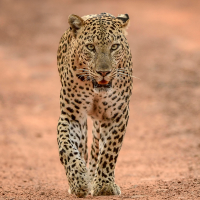
Leopard Hunting with Hounds in Botswana
Booking Season: 2026
Hunt Difficulty: Difficult
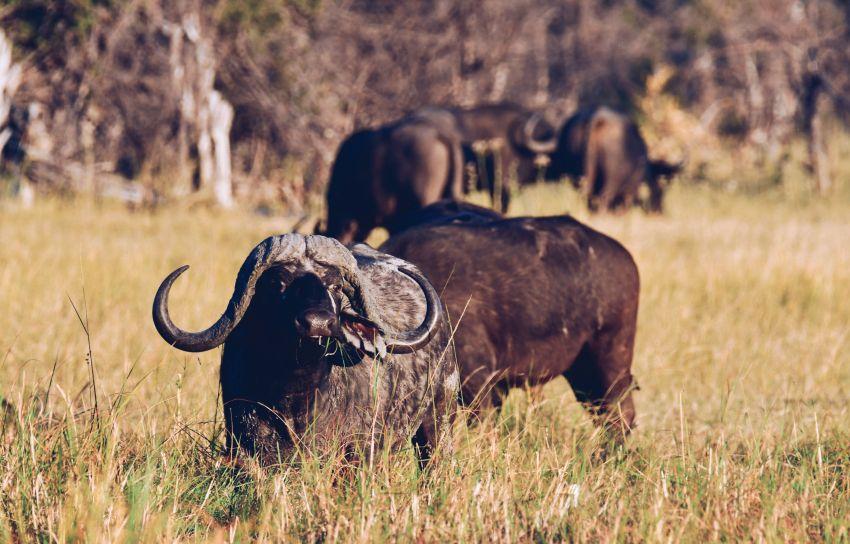
Botswana Leopard & Cape Buffalo Hunting Safari
Booking Season: 2026
Hunt Difficulty: Difficult
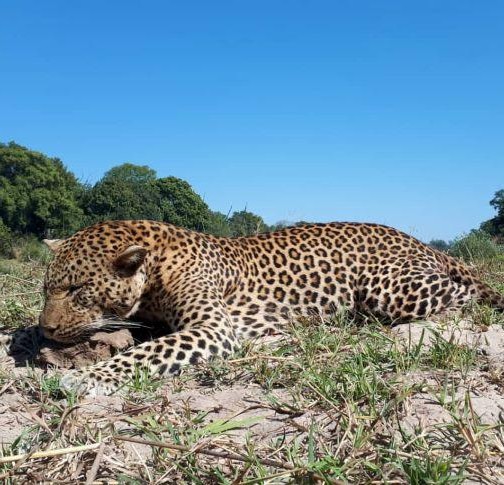
14-Day Rufunsa Leopard Hunt with Optional Buffalo
Booking Season: 2026
Hunt Difficulty: Difficult
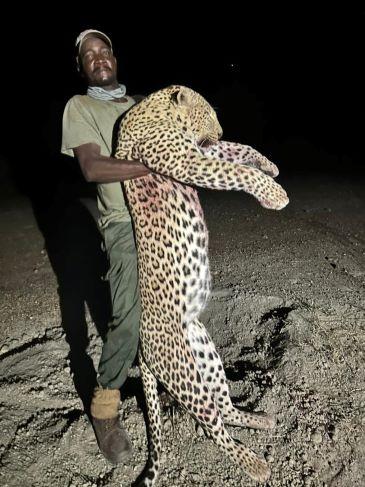
12-Day Save Valley Leopard Safari
Booking Season: 2026
Hunt Difficulty: Moderate, Difficult
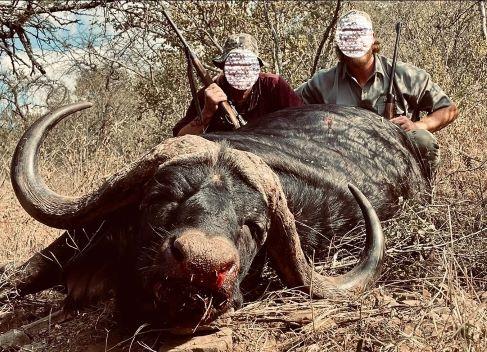
Leopard & Cape Buffalo Safari in Niassa
Booking Season: 2026
Hunt Difficulty: Difficult
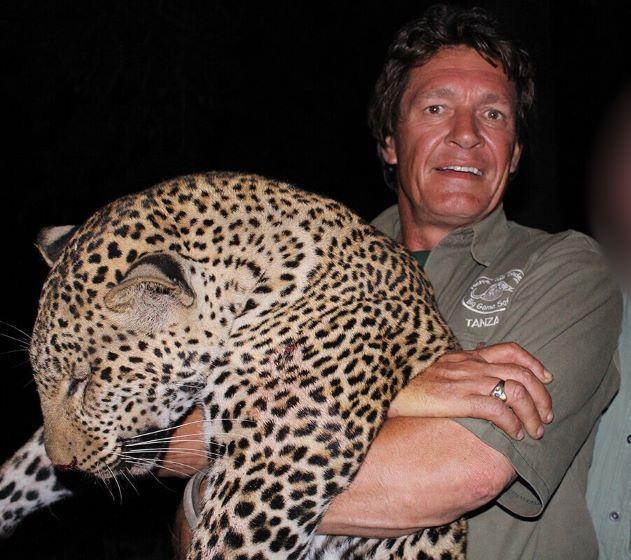
Classic 14-Day Selous Leopard & Buffalo Safari
Booking Season: 2026
Hunt Difficulty: Difficult
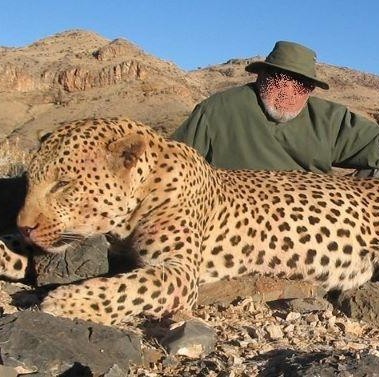
Namibia Leopard Safari in the Khomas Region
Booking Season: 2026
Hunt Difficulty: Difficult
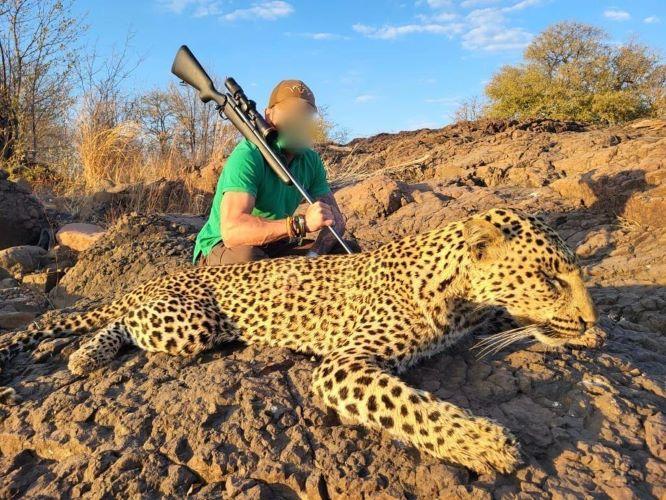
14-Day Leopard & Plains Game Safari | Matabeleland, Zimbabwe
Booking Season: 2026
Hunt Difficulty: Moderate, Difficult
Hunt Leopard and Cape Buffalo in Zimbabwe, Save Valley
Booking Season: 2026
Hunt Difficulty: Difficult
Botswana offers several different ways to hunt leopard. In the Kalahari, sandy roads and tracks can provide excellent conditions for finding fresh spoor, allowing trackers to determine whether a mature tom has moved through an area during the night. In other hunting areas, baiting and trail cameras may play a bigger role in establishing which leopards are present and how they are moving.
The size of the hunting area and available leopard quota matter just as much as the method. A leopard's territory does not follow concession boundaries, and a mature tom may move across enormous areas before returning to the same route. Knowing that leopards are present is therefore only the beginning. The real work is identifying a suitable male and understanding how that particular cat is using the country.
Fresh leopard tracks in Kalahari sand can change the direction of an entire hunting day. Roads, cattle tracks and sandy trails are often checked early in the morning for spoor left during the night, with experienced trackers looking at the size, direction and freshness of the tracks before deciding whether they are worth following.
Finding a good track does not mean the leopard is close. A tom may have covered several miles during the night, crossed neighbouring properties or moved into country where the spoor becomes difficult to follow. The first job is establishing whether the track belongs to the right cat and whether it is fresh enough to work.
When hounds are being used, this groundwork becomes important. Trackers may stay on the spoor until they are confident that a suitable male is ahead before the dogs are brought into the hunt. From that point, a slow morning spent reading tracks can change very quickly.
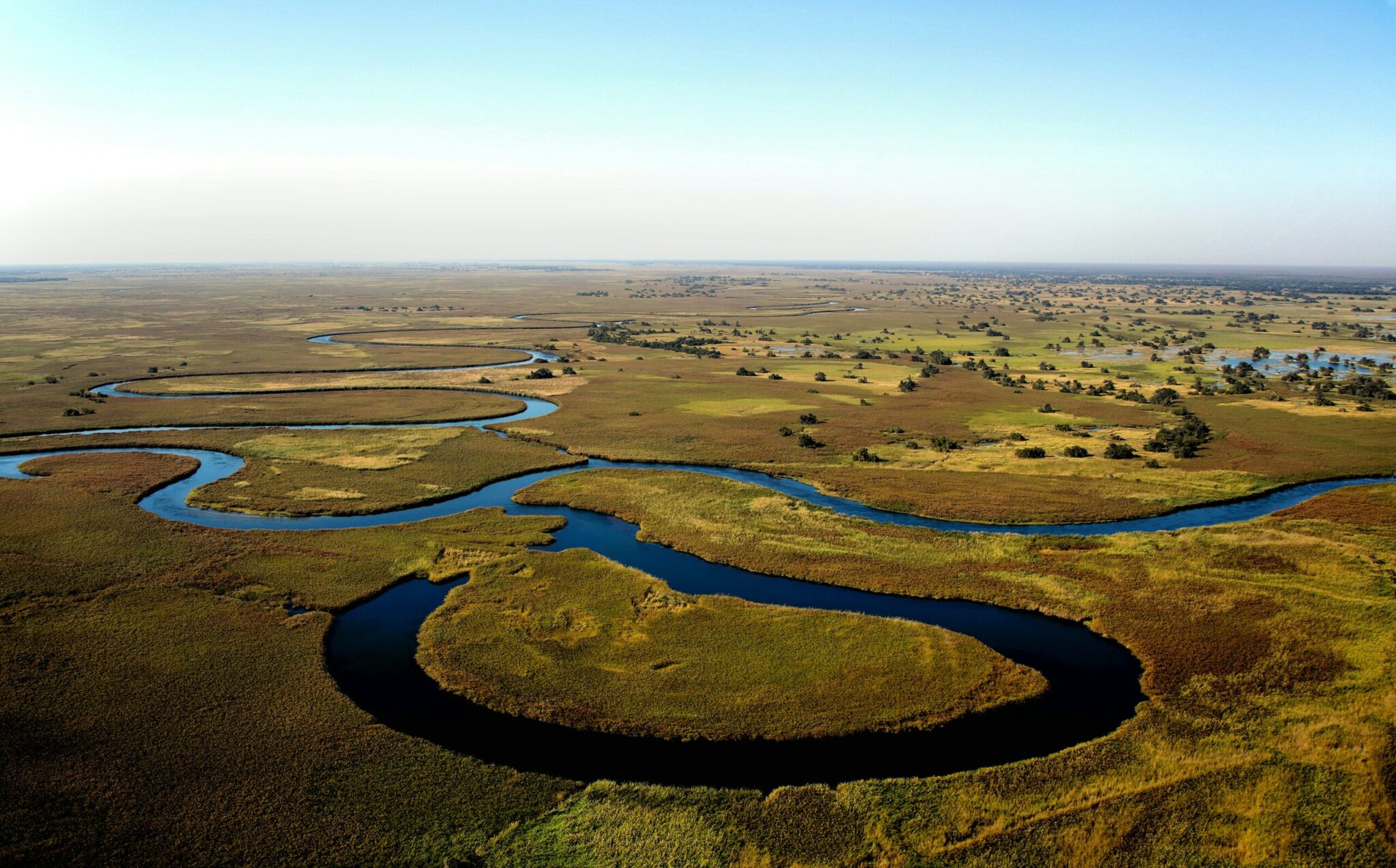
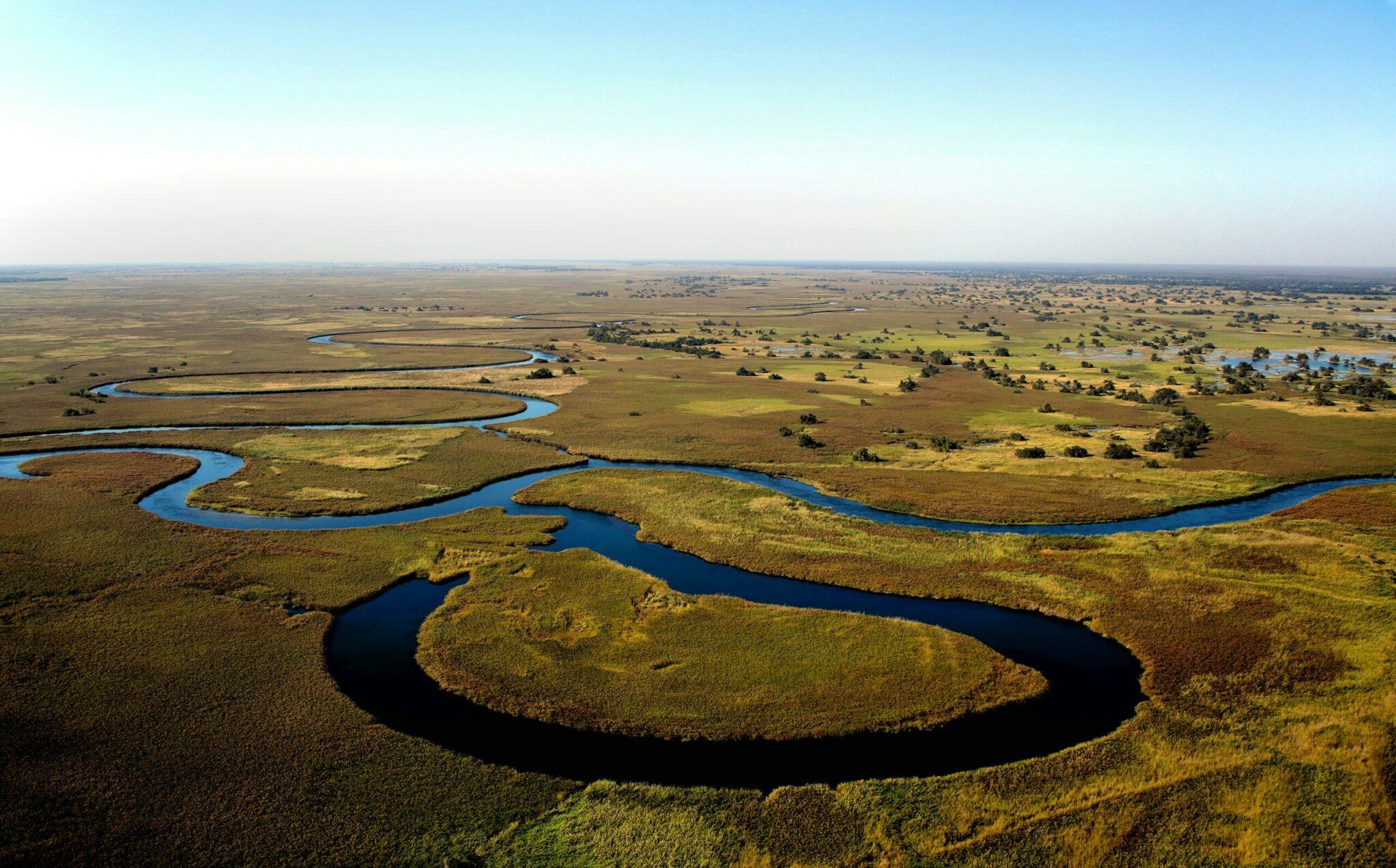
Botswana's leopard country extends well beyond one type of habitat. The Kalahari offers broad stretches of sandy bushveld where roads and tracks can make fresh spoor easier to find, while northern Botswana includes thicker woodland, river systems and more broken cover associated with the wider Okavango region.
Those differences can change how a leopard hunt is approached. In sandy Kalahari country, trackers may be able to follow the movements of a tom from tracks left overnight, making this particularly well suited to hunting with hounds. In thicker country, baiting, trail cameras and repeated signs of leopard activity may become more important when trying to establish the movements of a mature male.
The important question is not whether an area holds leopard. Hunters should establish how large the hunting area is, what leopard quota is available and how regularly mature males are being recorded before choosing a safari.
Leopard hunting places more emphasis on accurate shot placement than heavy stopping power. Understanding leopard shot placement is important as the target is small and a wounded cat can disappear into cover within seconds. A scoped rifle that the hunter can shoot confidently is far more important than simply choosing the largest caliber available. Medium-caliber rifles with quality expanding bullets are commonly well suited to leopard, although the Professional Hunter should always confirm the rifle and ammunition requirements for the particular safari.
Shots may be taken from a blind over bait or, when hunting with hounds, after a leopard has been tracked and located. Distances are generally moderate, but the target can be partly obscured by branches or vegetation and the opportunity may develop quickly. A clear, reliable scope with good light transmission is particularly useful when shooting in poor light or when a leopard is partly obscured by vegetation.
Before the safari, hunters should spend time shooting from the positions they are likely to encounter in the field. A leopard is not a large target, and there is little room for a poorly placed shot on a cat that can disappear into thick cover within seconds.
Leopard hunting in Botswana can be approached very differently depending on the hunting area and the method used. Baiting remains an established method, while some Kalahari hunts use experienced trackers and trained hounds to work fresh leopard spoor.
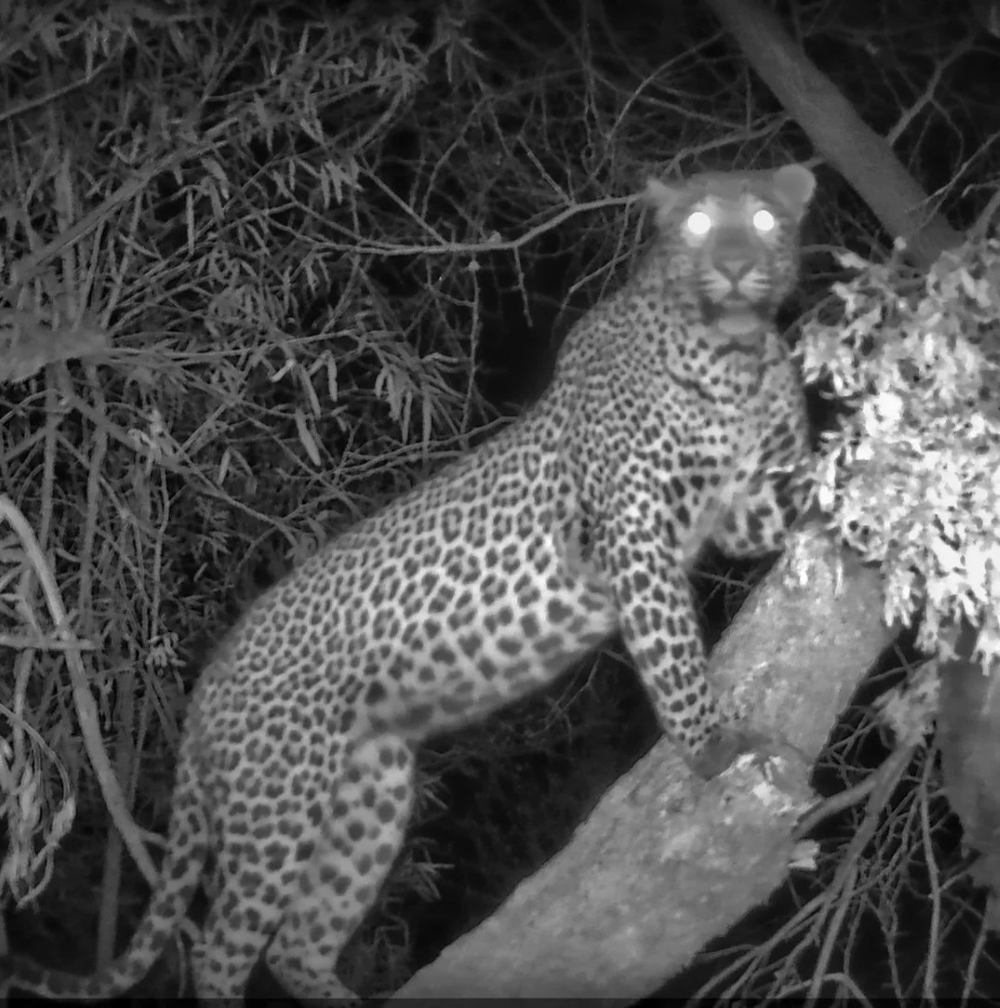
Baiting begins with identifying areas being used by mature toms and positioning baits along likely travel routes. Trail cameras can help determine which leopards are feeding and when they are visiting. Botswana's regulations place specific conditions on bait hunting, including how baits are positioned and how blinds are used, so this is considerably more controlled than simply hanging meat in a convenient tree.
Hunting with hounds starts differently. Trackers search roads and sandy trails for fresh spoor, often beginning early in the morning. Once a track has been identified and judged fresh enough to follow, trained hounds can be brought in to work the scent. This method puts greater emphasis on finding a workable track from the right mature male before the dogs ever become part of the hunt.
Neither method makes leopard hunting predictable. A tom may stop visiting a bait, cross into neighbouring country or leave tracks that are hours old by the time they are found. The hunting area, conditions and movements of the individual cat ultimately determine how the safari develops.
Leopard hunting in Botswana is controlled through limited quota and permits, and having leopards in a hunting concession does not automatically mean a leopard can be taken there. Before booking, hunters should confirm that the operator has access to a legal leopard allocation for the concession and season being offered.
Botswana strengthened its leopard hunting regulations in 2026, including a prohibition on hunting female leopards and new minimum requirements for male leopard trophies. These rules place greater emphasis on selecting mature males and make the judgement of the Professional Hunter particularly important before a leopard is taken.
International hunters need to consider export and import requirements. Leopard is listed under CITES, meaning the necessary documentation must be in place for a legally hunted trophy to leave Botswana. Hunters returning to countries such as the United States should also confirm their own country's current import requirements before booking the safari.
Leopard hunting in Botswana sits at the more expensive end of African hunting, particularly when limited quota, large hunting areas and the length of the safari are taken into account. There is no single standard price, and the hunting method can also influence the final cost.
A Botswana leopard safari may include daily rates, the leopard trophy fee, government permits, conservation or concession fees, transfers and other costs associated with operating in remote hunting areas. Hunts with hounds have a different cost structure from traditional baited leopard safaris.
Hunters comparing Botswana with other destinations should look at the complete safari cost rather than the advertised package price alone. Our African Hunting Safari Prices guide provides a broader comparison of the costs involved when planning a hunt.
A Botswana leopard safari can involve long periods of preparation followed by moments when everything changes quickly. Days may begin before sunrise checking sandy roads for fresh tracks, inspecting baits and reviewing trail-camera photographs to see whether a mature tom has moved through the hunting area overnight.
Unlike some forms of Big Game Hunting in Africa, simply finding leopard sign does not mean an opportunity is close. A tom may visit a bait once and disappear, cross into neighbouring country or leave a promising track that eventually becomes impossible to follow. Much of the hunt is spent gathering information and waiting for enough pieces to come together.
On baited hunts, patience becomes a major part of the safari. When hunting with hounds, the pace can change the moment trackers cut fresh spoor from the right male. Either way, the success of the hunt often comes down to identifying one mature tom and making the most of the opportunity when it finally develops.
Hunters comparing African Hunting Trips should therefore look beyond leopard quota alone. The size of the hunting area, hunting method, quality of the tracking team and other species available during the safari can all influence whether Botswana is the right destination.
Leopard hunting in Botswana is generally conducted by baiting or, in suitable Kalahari hunting areas, by following fresh tracks with experienced trackers and trained hounds. Both methods focus on identifying and hunting a mature male leopard.
Botswana offers leopard hunting across different environments, including sandy Kalahari country and hunting areas in the north. The best area depends on available leopard quota, the size of the hunting area and whether the safari is based around baiting or hunting with hounds.
The dry winter months can provide good conditions for leopard hunting in Botswana, particularly where sandy roads make fresh tracks easier to identify. The best timing also depends on the hunting area, available quota and method being used.
A medium-caliber scoped rifle using a quality expanding bullet is generally well suited to leopard hunting. Accurate shot placement is more important than excessive rifle power, and hunters should confirm rifle and ammunition requirements with their Professional Hunter before the safari.
A wounded leopard can be extremely dangerous, particularly when it disappears into thick cover at close range. Accurate shot placement and following the Professional Hunter's instructions are therefore particularly important when hunting leopard.
Hunters should be comfortable shooting accurately from realistic field positions and understand whether their safari will involve baiting or hunting with hounds. Physical preparation, suitable clothing and familiarity with the chosen rifle are also important.
Ethical leopard hunting involves following local regulations, obtaining necessary permits, and ensuring a humane and responsible hunt to avoid unnecessary suffering.
Yes. Although leopards are primarily nocturnal, hunting activity can take place during daylight hours. Hound hunts, for example, often begin early in the morning when trackers search sandy roads and trails for fresh spoor left during the night.
Leopard hunting often involves spending far more time trying to understand the movements of one individual animal. Tracks, baits and trail-camera photographs may be studied for days before a mature tom finally presents an opportunity.
A mature leopard can change its movements quickly, stop visiting a bait or leave a track that becomes impossible to follow. Even after the right tom has been identified, there is no guarantee that the hunter will get an opportunity.
Search from our range of Hunts across various popular destinations in Africa.

Book Your Hunt