Designed by Hunters, for Hunters

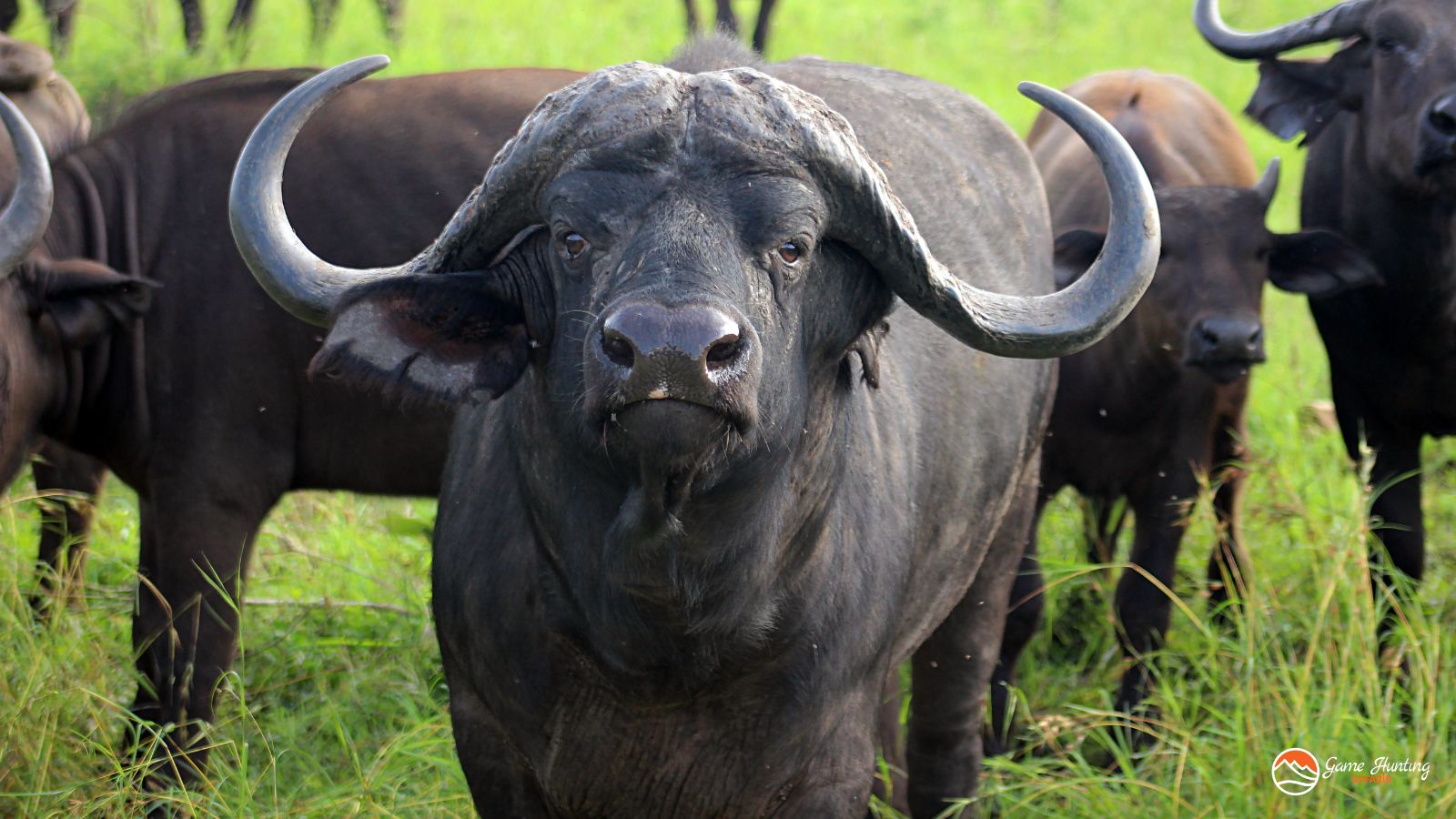
Big game hunting in Africa covers different types of safaris. A Cape buffalo hunt in Zimbabwe is not the same proposition as an elephant safari in Botswana or a leopard hunt in Tanzania. The species, hunting area, available quota and time allocated to the hunt all influence what a hunter can realistically expect.
When comparing big-game safaris, the species list tells only part of the story. A hunt built around one particular animal needs to be assessed differently from a safari offering several species. A hunter concentrating on a mature sable bull, for example, may need a different hunting area and more time than someone booking a general plains-game package that happens to include sable among its available species.
At Game Hunting Safaris, we hunt in Africa ourselves. That experience matters when helping other hunters compare hunting areas, outfitters and the differences between advertised safaris. We know that what looks like a good hunt on paper isn't always the right hunt for the person booking it. Our broader African hunting safaris provide opportunities across the continent.
Top Hunting Destinations in Africa
In North America, big game usually means animals such as elk, moose, bear and deer. Africa is different. The term covers everything from large antelope such as kudu, eland and sable to Cape buffalo, elephant, lion and leopard. Not every big-game animal is classified as dangerous game, and that distinction is important when choosing a safari.
Plains game hunts involve antelope and other non-dangerous species. A hunter might spend several days looking for a kudu bull or combine several species during one safari. Dangerous game hunts are different. Hunting buffalo, elephant or the large predators involves additional considerations, including permits, hunting methods, the experience required of the hunting team and, often, a greater financial commitment.
A safari can include both categories, but the primary animal should determine how the hunt is planned. If you've booked a buffalo hunt, for example, additional plains game should fit around the time needed to find the right bull, not become a distraction from the reason you travelled to Africa.
Hunters specifically interested in Cape buffalo, elephant, lion, leopard and rhino can explore our Big Five hunting safaris, including opportunities to pursue individual animals or combine several species on one safari.
African big-game hunting is not limited to the traditional dangerous-game species. Hunters can pursue Cape buffalo, elephant, lion and leopard, but there are also opportunities for hippopotamus, giraffe and larger antelope such as eland.
Large antelope deserve consideration in their own right. Sable and roan are often pursued as individual trophy objectives rather than simply added to a plains-game package, and finding a suitable mature bull can take time. Eland hunts present a different challenge. In suitable areas, hunters may spend considerable time following a herd before finding an opportunity at the particular bull they're after. Kudu hunting can be equally demanding, particularly in broken, wooded country where a mature bull may offer only a brief opportunity.
Hippopotamus and crocodile introduce another type of big-game hunt altogether. Both are closely associated with particular river systems or water bodies, and hunters need to establish whether the specific hunting area offers a genuine opportunity for the intended species. A dedicated hippo or crocodile safari should not be compared with a general big-game package simply because the animal appears on a species list.
A big-game safari can involve very different hunting methods. Tracking a Cape buffalo bears little resemblance to glassing for a mature kudu bull in mountainous country or following an eland herd across open woodland. A dedicated sable hunt may involve concentrating on a particular herd and finding the right bull, while crocodile hunting often requires patience around a specific stretch of water where a suitable animal has been located.
These differences affect how a safari is planned. A hunter concentrating on one mature animal may spend several days working a particular area without taking another species. On a broader multi-species hunt, the professional hunter may change plans according to fresh spoor, the animals encountered and the opportunities available that day. Neither approach is better, but hunters should understand which kind of hunt they're booking.
Before booking, ask how the hunt is normally conducted in that area. The hunting method, terrain and time spent pursuing your main animal should suit the experience you want, not simply the species listed in the package.
The country is only part of the decision. A hunter looking for Cape buffalo, for example, might consider Zimbabwe, Mozambique or South Africa, but those destinations don't necessarily offer the same type of hunt. The hunting area, how the buffalo are managed and what is included in the safari can differ.
A hunter interested in large antelope should consider where the particular species occurs in huntable numbers, rather than choosing a country because it offers a long trophy list. An area well suited to kudu may not offer the same opportunities for sable or roan, and the quality of the hunting area matters more than how many species appear on the outfitter's website.
Hippopotamus and crocodile hunting bring another consideration. Here, the particular river system, lake or concession may matter more than the country itself. A crocodile hunt on Mozambique's Lake Cahora Bassa is a different proposition from a hippo hunt along the Zambezi, and hunters should confirm which areas offer suitable animals and authorised hunting opportunities.
Use the destination options above to compare countries, then look at the actual hunting areas and available safaris before making your decision.
Just a few simple steps to book your next hunt. Browse and select your favorite Hunts from our range of African Hunts across various
destinations. Select your preferred dates and submit your quote request. We’ll check availability with the
Outfitter. If available, we’ll send you a quote to accept and make your booking. An initial deposit is paid
to secure your booking.
Real African hunting safaris, carefully matched to the right country, area and outfitter.
How To Book Your Hunt
Find a Hunt

Request a Quote

Book Your Hunt
The time required for a big-game hunt depends on the animal and hunting area. A dedicated leopard or lion safari may require considerably more time than a mixed plains-game hunt, while pursuing a particular mature sable or eland bull can also demand patience. A short safari may be perfectly suitable for one objective but unrealistic for another.
When comparing packages, ask how many days are realistically available for your primary species and what happens if that animal proves difficult to find.
For a dedicated big-game safari, find out who will actually guide your hunt. The outfitter advertising the package isn't always the professional hunter you'll be hunting with. Ask about the PH's experience with your intended species in that particular area, especially when you're pursuing an animal that may require several days of tracking or careful trophy selection.
If the safari is built around a particular mature bull or trophy category, make sure the terms are clear in the written agreement. For broader questions about package inclusions, additional trophy fees and safari costs, see our African hunting safari prices guide.
If you're still considering different types of African safaris, our broader African hunting trips allow you to explore hunting opportunities across different species, destinations and hunting styles.
Our hunting expeditions have taken us across Africa in pursuit of Cape buffalo, elephant, lion, hippopotamus, giraffe, eland and other species. These firsthand experiences give hunters a closer look at the different hunting areas, conditions and decisions encountered in the field.
The expeditions below cover a wide range of African hunting, from dangerous game to plains game. Not every expedition involves big game, but together they offer an insight into the experience behind the advice we give hunters planning their own safaris.
A collection of some of our most unforgettable moments in the wild. From the sweeping plains to the dense
forests, these photos showcase the landscapes, wildlife, and experiences that have defined our hunting
expeditions.
GHS in the Field
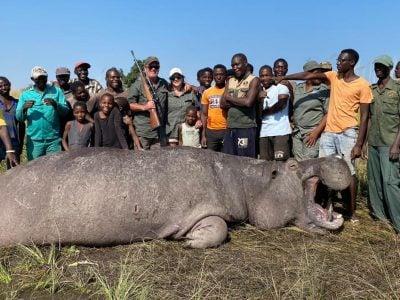
Wild Hippo Hunting In The Zambezi Region, Namibia
View Expedition Details
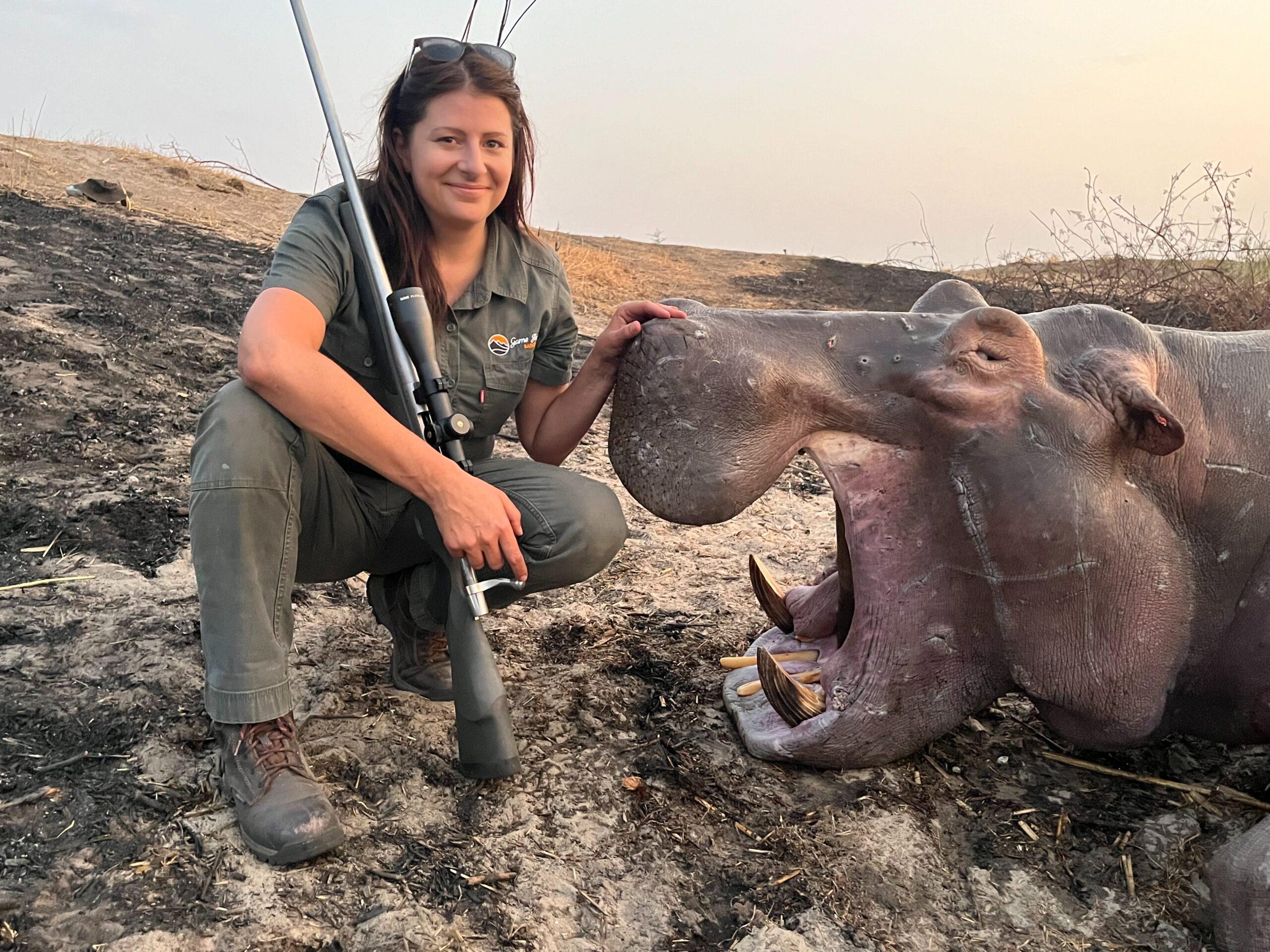
Hippo Hunting In The Zambezi Region (Caprivi Strip) Namibia
View Expedition Details
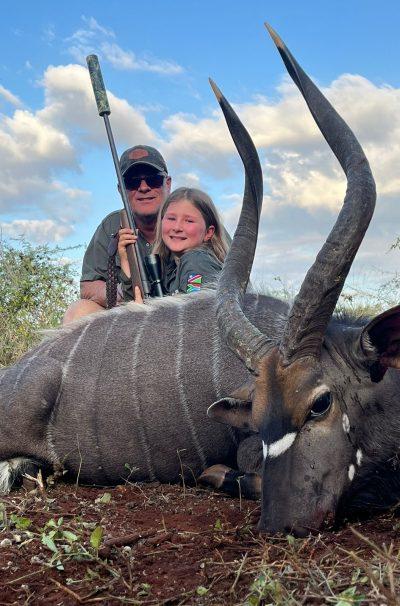
The Africa Plains Game safari, Trophy Nyala In KZN, SA
View Expedition Details
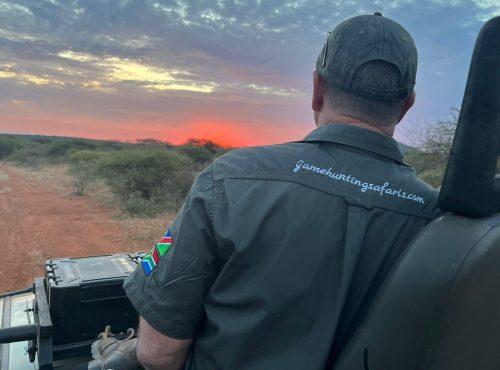
Hyena Hunting in South Africa | Safari Experience
View Expedition Details
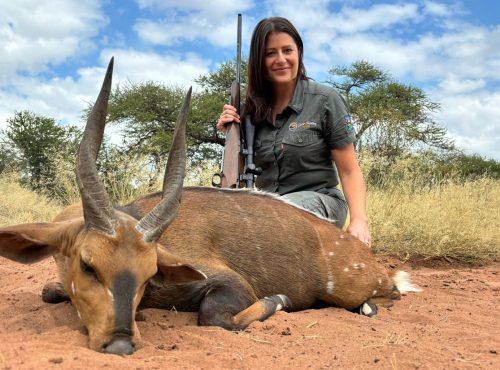
Bushbuck Hunting Safari in Limpopo | Stalking Africa’s Most Elusive Antelope
View Expedition Details
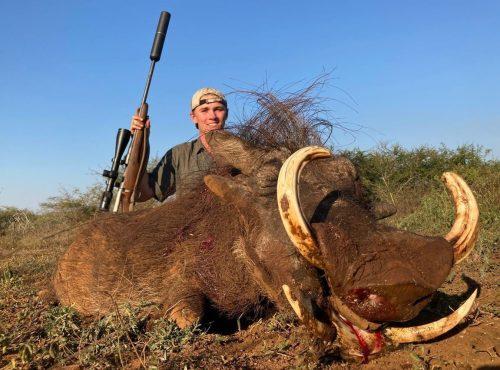
Warthog Hunting in Pongola, KwaZulu-Natal, South Africa
View Expedition Details
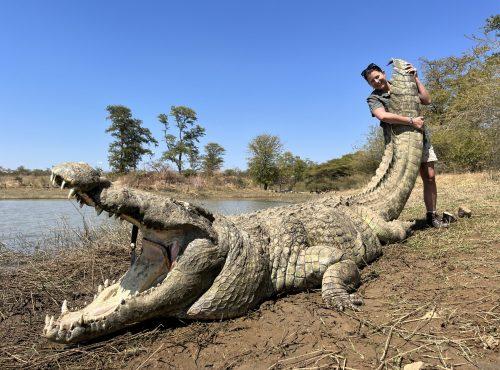
Monster Crocodile Hunting in Mozambique | Lake Cahora Bassa Safari
View Expedition Details
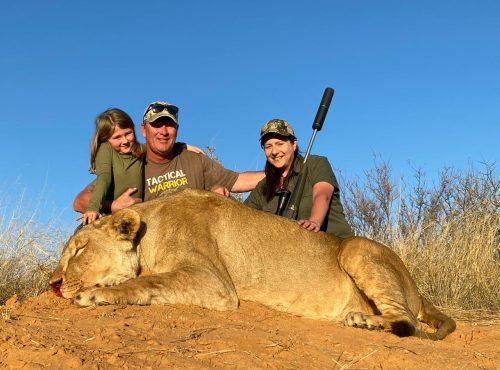
Lion Hunting In South Africa, Kalahari Desert Safari
View Expedition Details
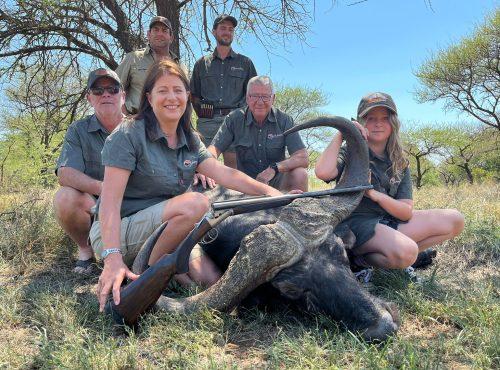
Dangerous Cape Buffalo Hunting Safari in Limpopo
View Expedition Details
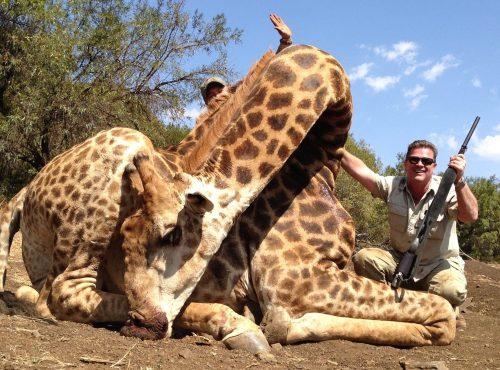
Giraffe Hunting Safari | North West Province, South Africa
View Expedition Details
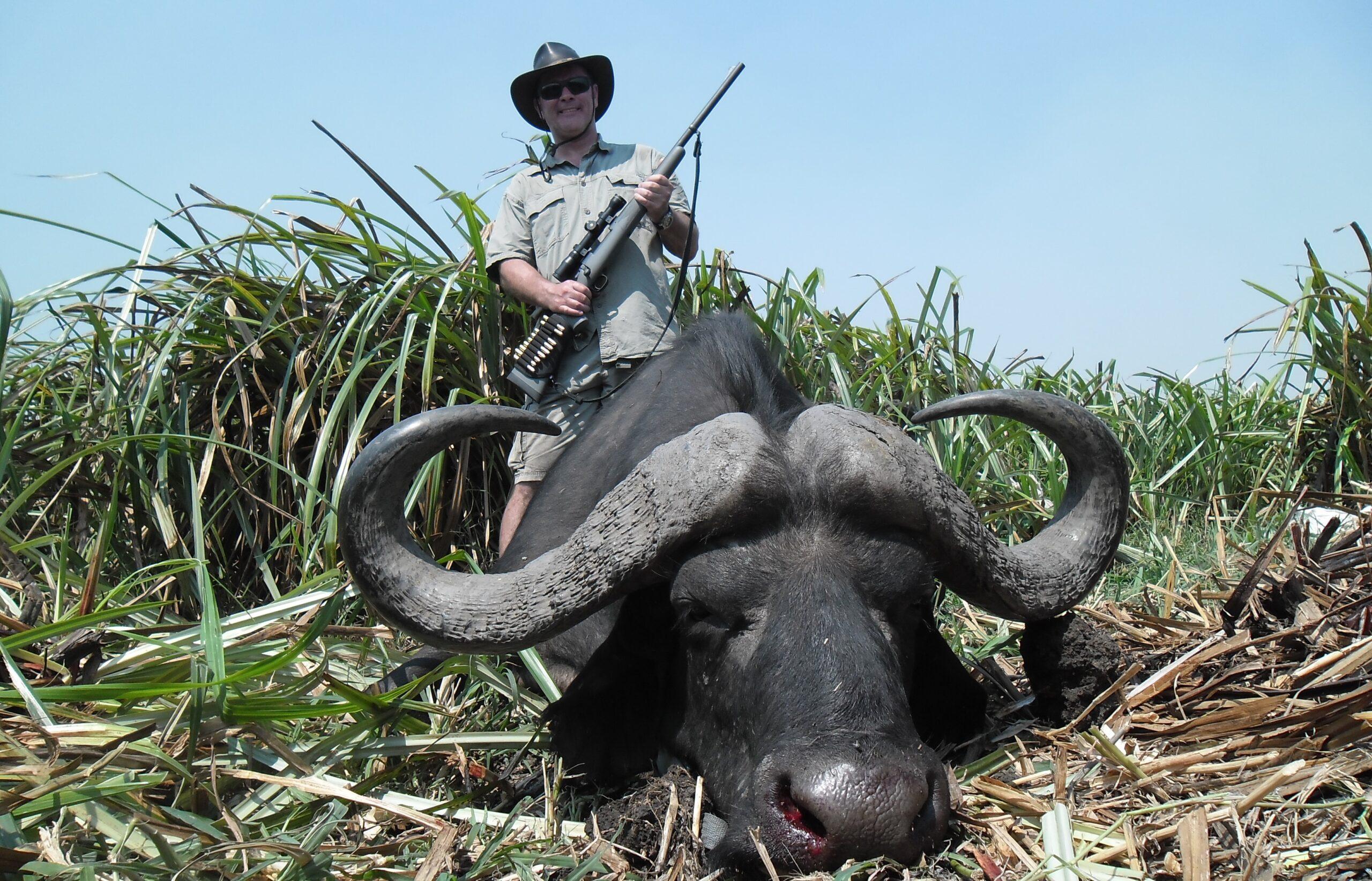
Dangerous Game Buffalo Hunting in Mozambique
View Expedition Details
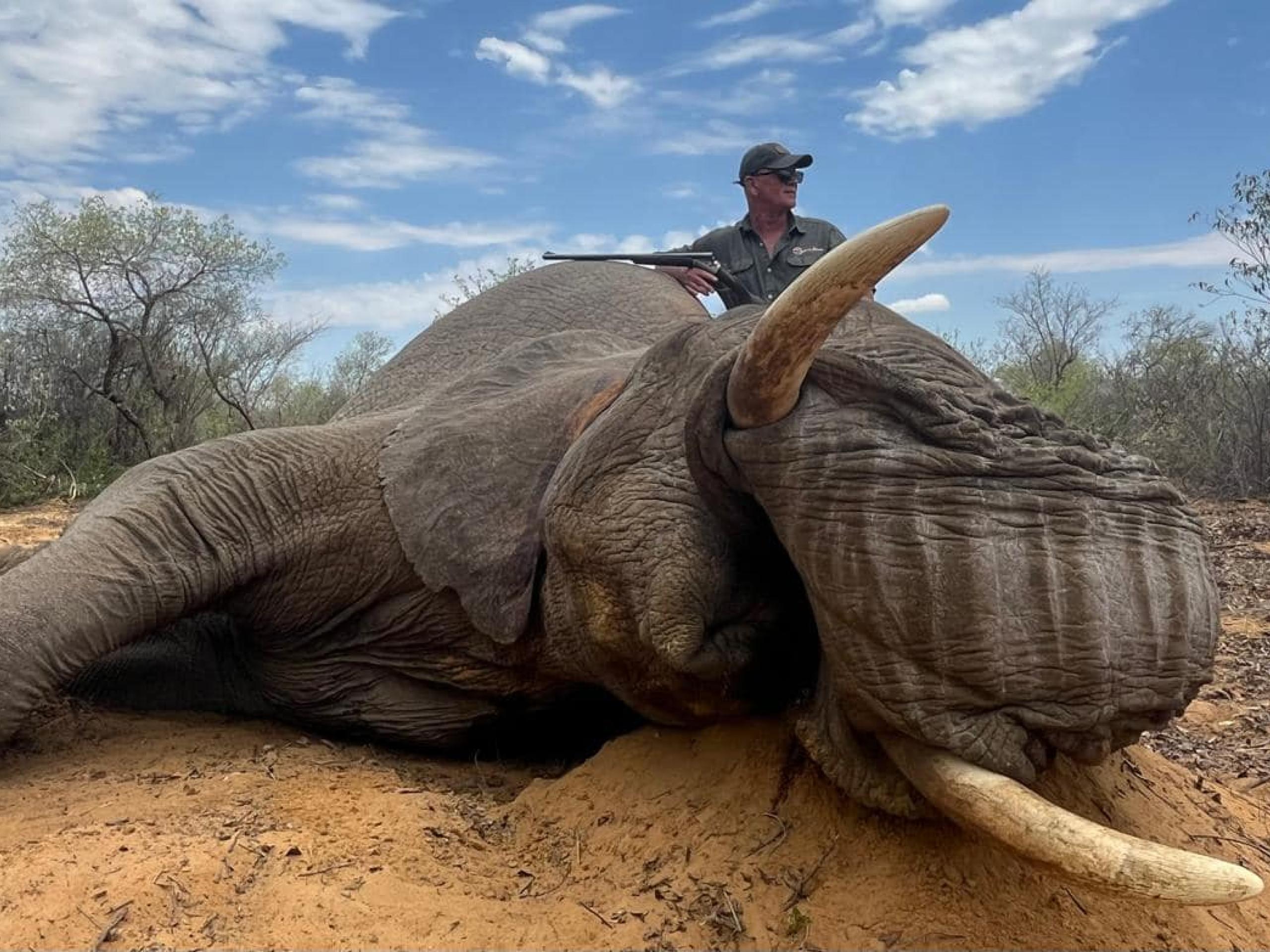
Drought Relief Elephant Hunting in Bushmanland, Namibia
View Expedition Details
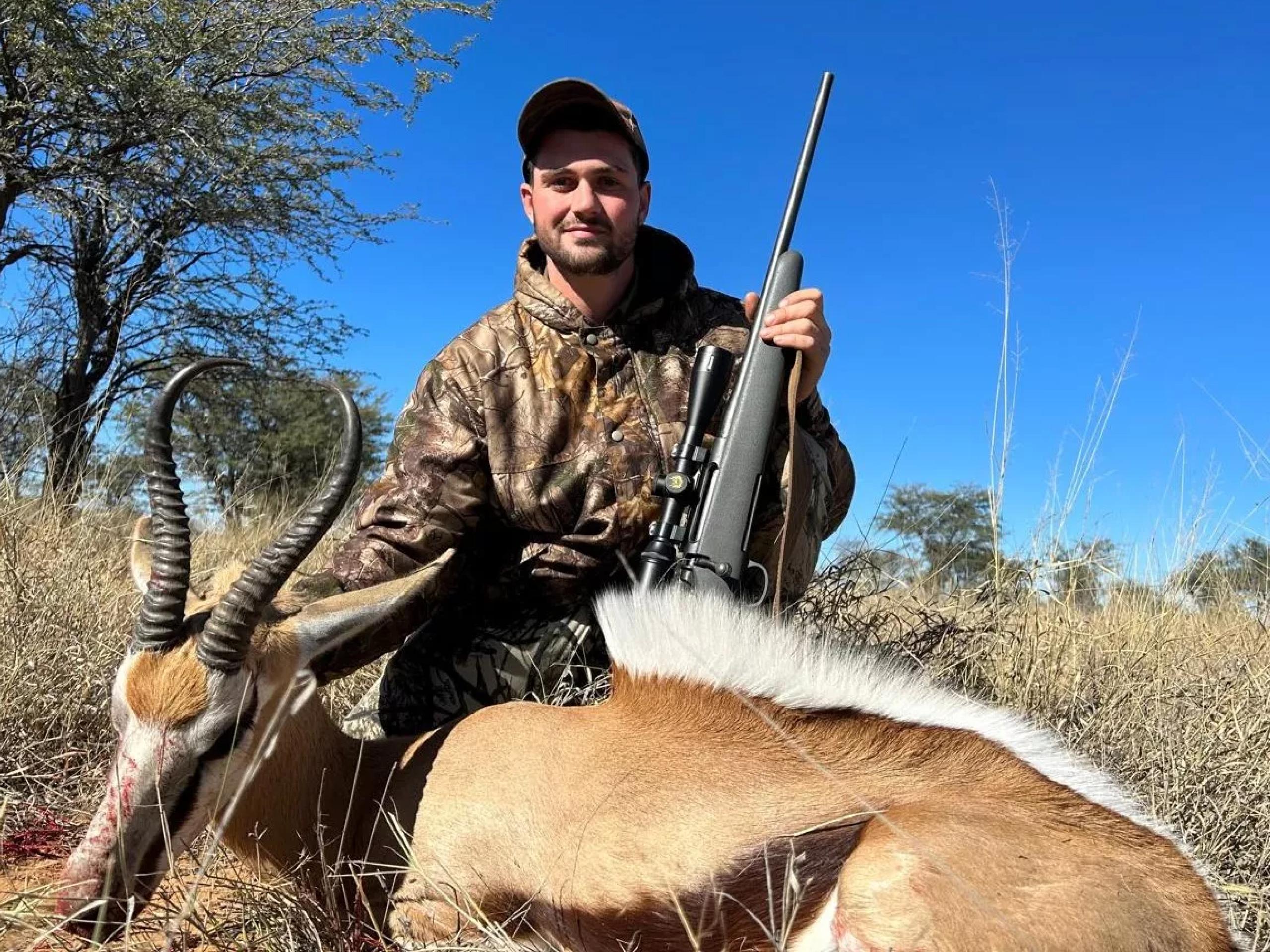
Rustic Kalahari Hunting Safari In South Africa
View Expedition Details
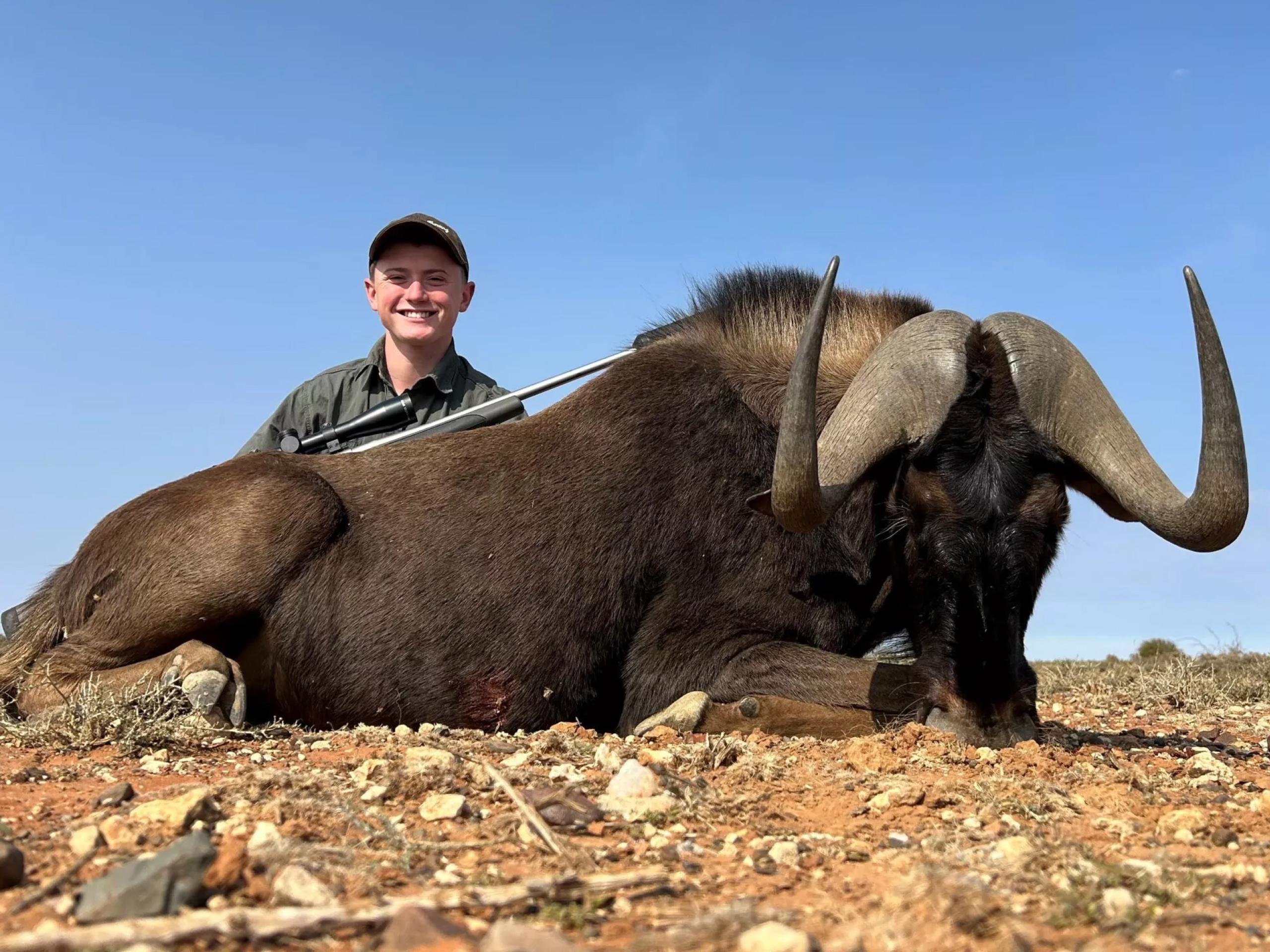
Karoo Hunting Safari In South Africa | Gemsbuck & Springbuck Hunt
View Expedition Details
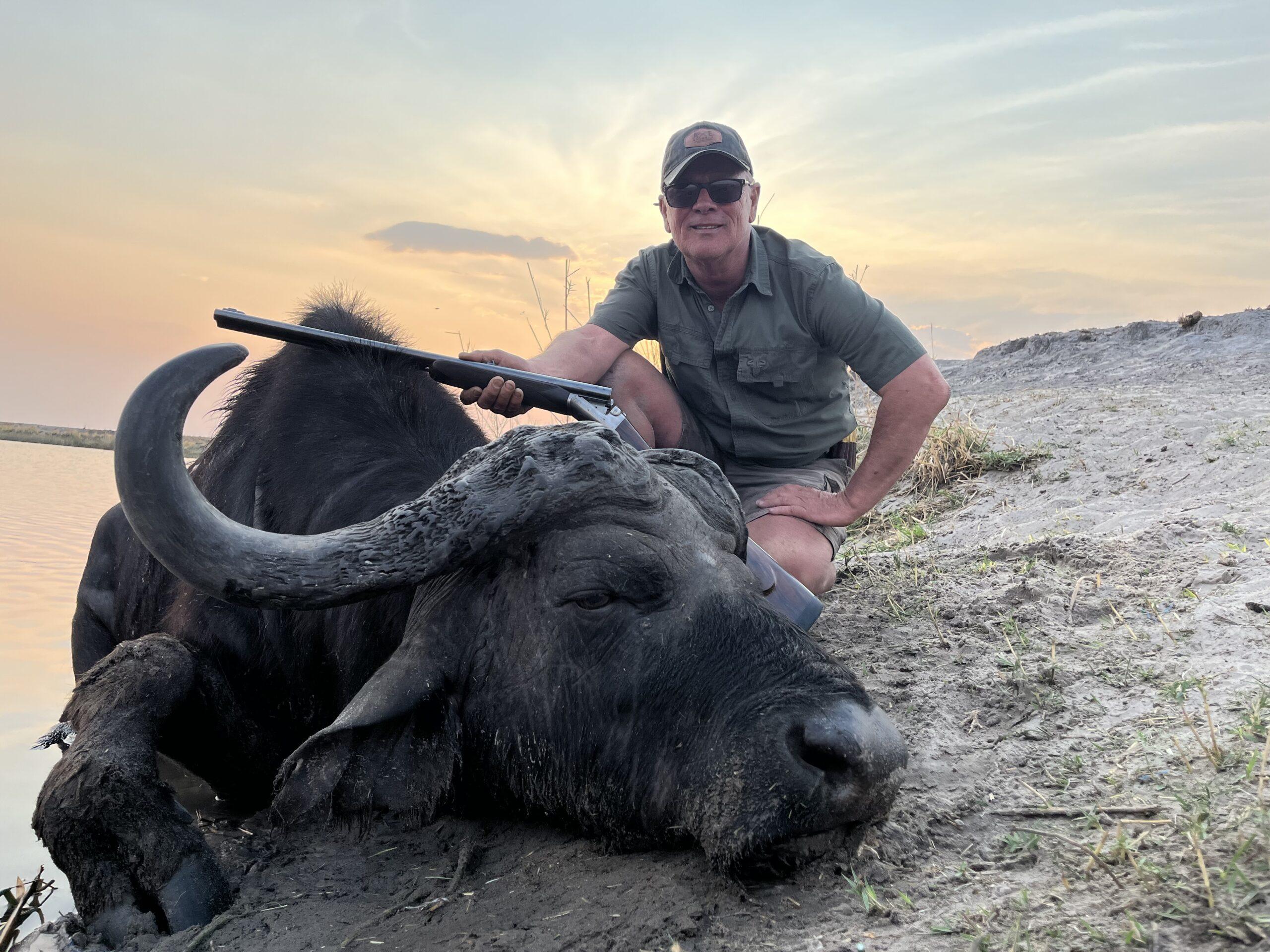
Cape Buffalo Hunting In Namibia’s Caprivi Strip
View Expedition Details
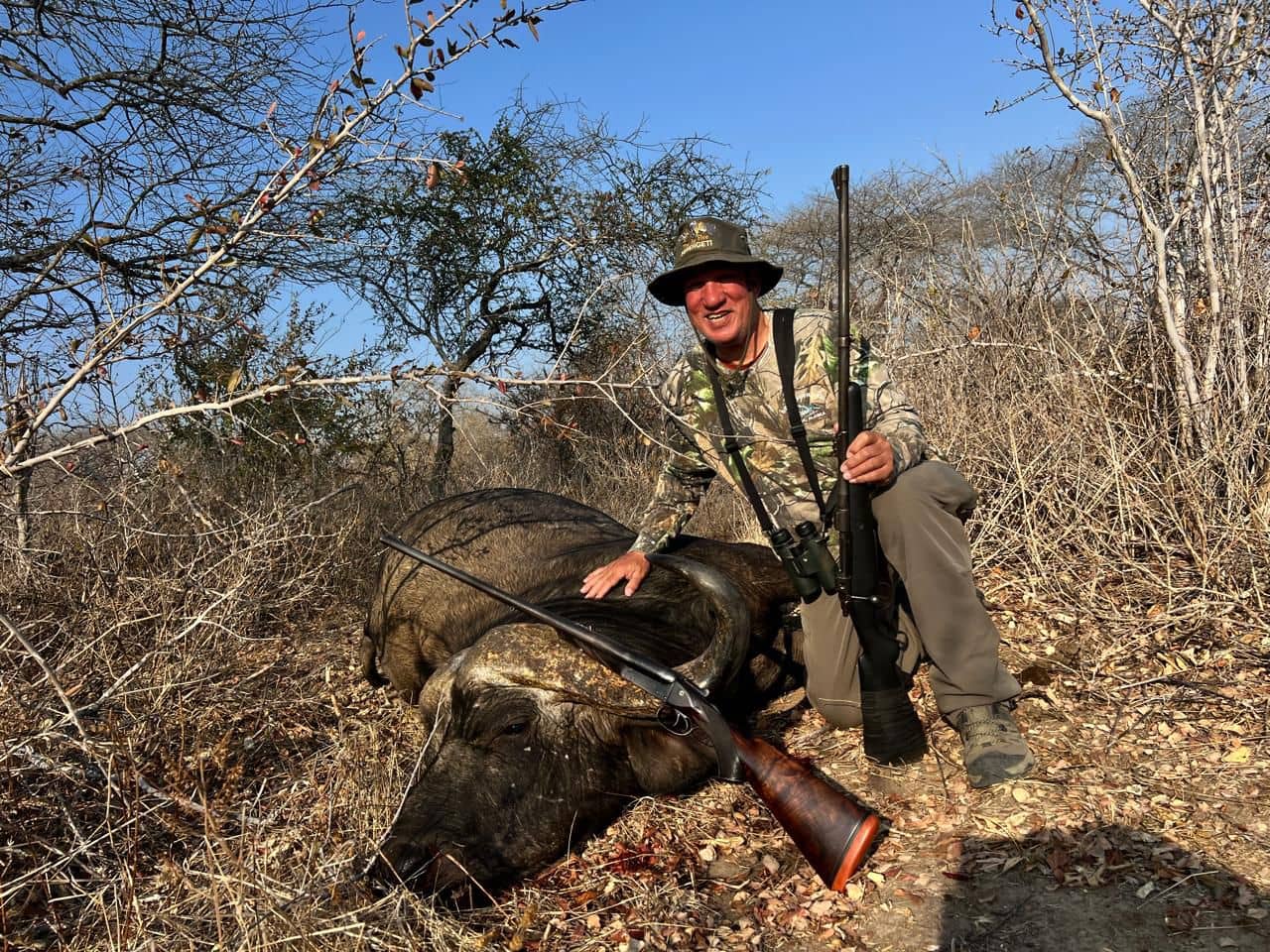
Following Mr Chapman’s Cape Buffalo Hunt in Lunda Nkwamb
View Expedition Details
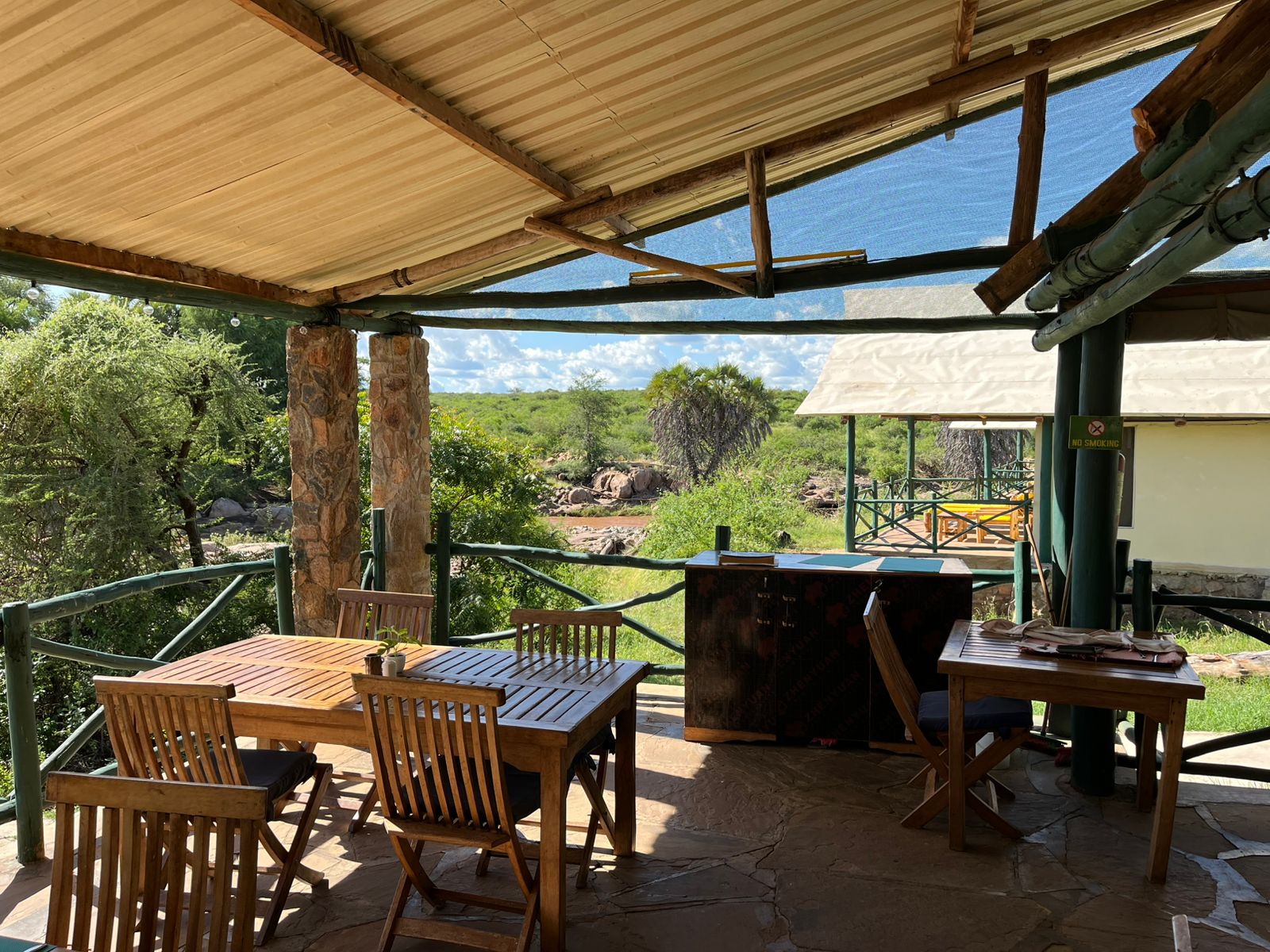
Tsavo Kenya Safari, Home Of Africa’s Big Tuskers
View Expedition Details
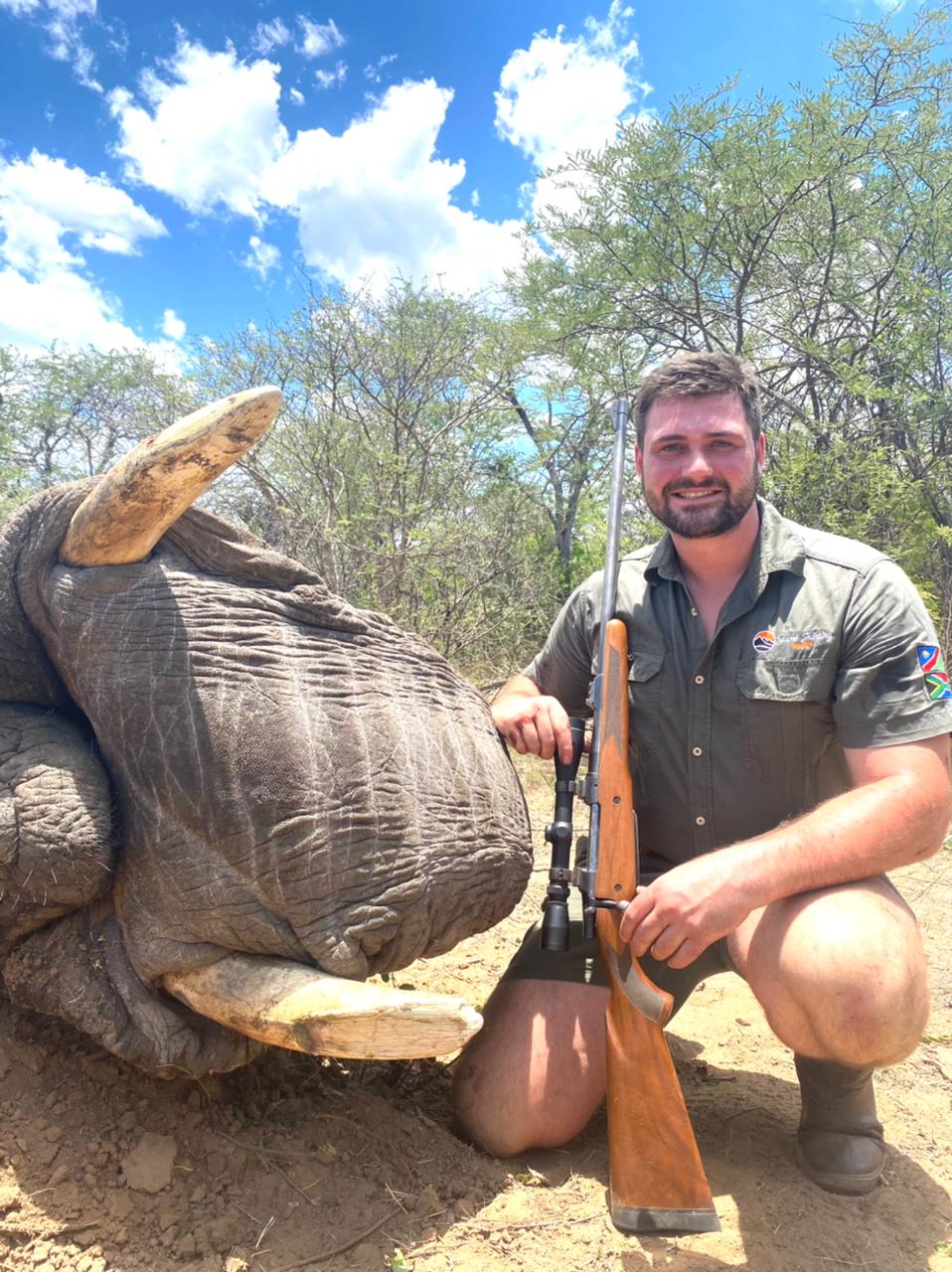
Problem Elephant Hunting Safari In Namibia
View Expedition Details
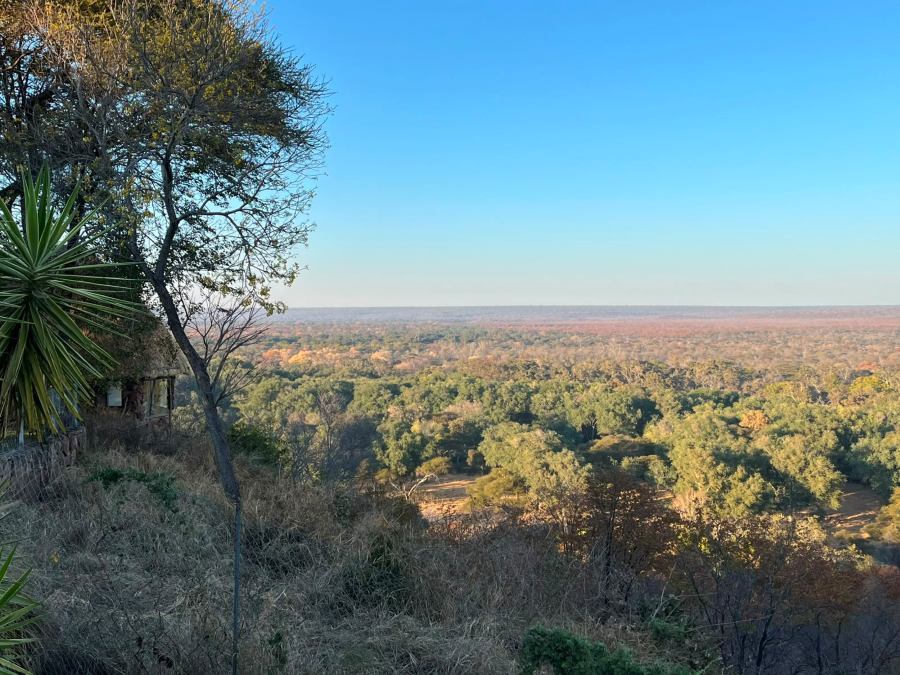
Exploring Zimbabwe's Matetsi, Gwayi & ECA Hunting Areas
View Expedition Details
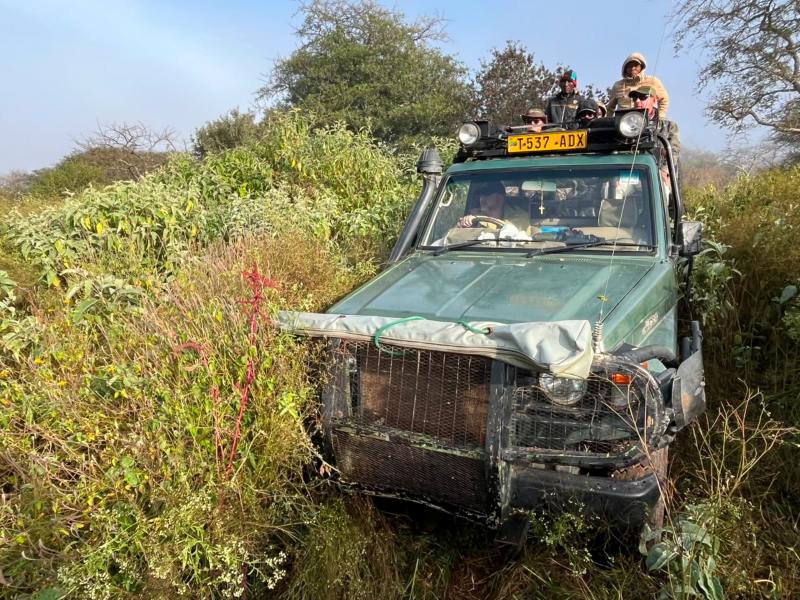
Exploring Tanzania's Simanjiro & Naberera Hunting Areas
View Expedition Details
Search from our range of Hunts across various popular destinations in Africa.
Book Your Hunt