
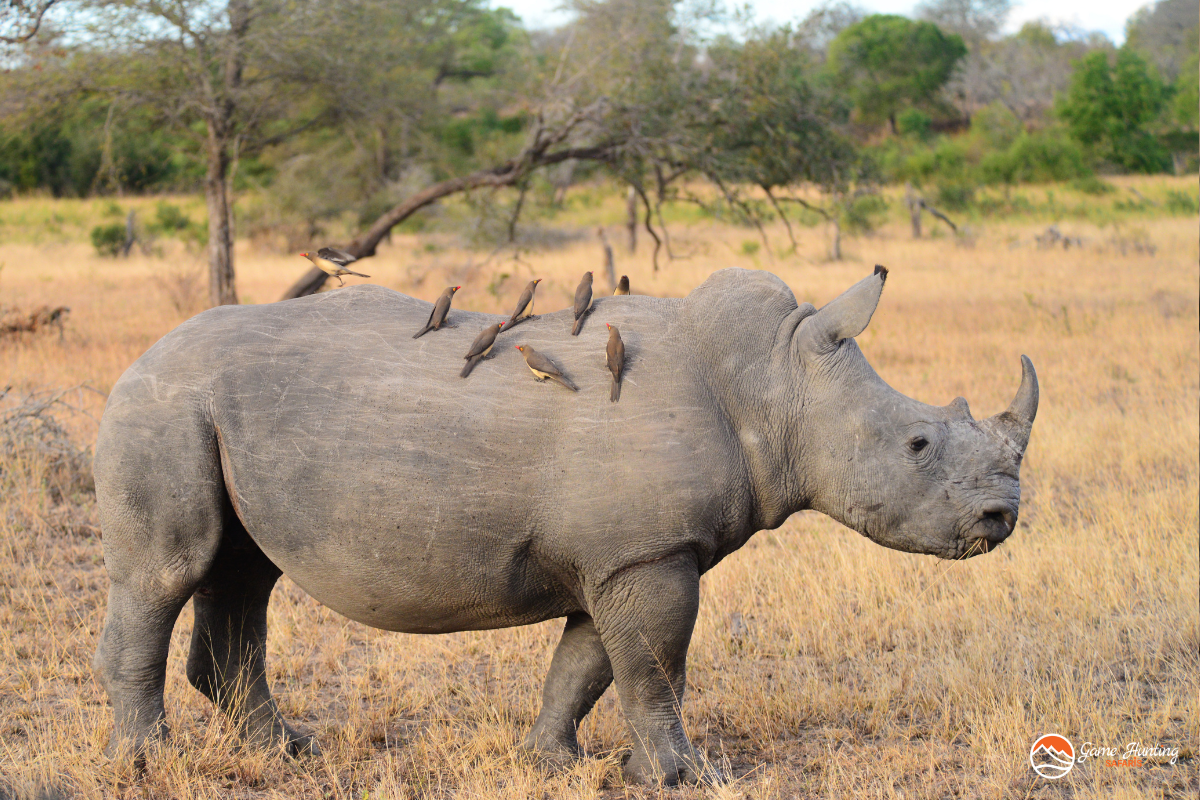
Is Rhino Hunting Legal in South Africa?
If you’re considering rhino hunting in South Africa, it’s important to understand that access is extremely limited and tightly controlled. Every hunt depends on permits, conservation approvals, and the availability of a specific animal. In this article we cover what hunters from the United States and Canada need to know about how the system actually works, what it costs, and what to realistically expect before considering this type of hunt.
Hunters comparing rhino opportunities elsewhere in Africa can also review our broader Rhino Hunts guide.
[DYNAMIC-BLOGTABLEOFCONTENT]
Is Rhino Hunting Legal in South Africa?
Rhino hunting in South Africa is legal, but access is extremely limited and tightly controlled.
You cannot book a rhino hunt like a normal safari. Every hunt depends on permits, conservation approvals, and the availability of a specific animal.
The short answer: yes, but only under strict conditions, and availability is never guaranteed.
Every hunt requires:
· A government-issued permit
· A specific animal selected for conservation purposes
· Full compliance with national and international regulations (including CITES)
Rhino hunting is managed as part of national conservation programs, with each hunt tied to a specific animal selected for population management. These opportunities are rarely advertised and typically handled privately.
In some cases, opportunities may circulate through established networks offering rhino hunts in Africa, although these are rarely public and typically handled privately.
What “Legal” Actually Means in Practice
Legality does not mean availability.
In South Africa, regulations governing big game hunting in South Africa require that every rhino hunt is supported by the necessary permits and approvals. In South Africa, rhino hunting is only permitted when a valid permit has been issued, a specific animal has been officially selected for management purposes, and the hunt complies fully with national and provincial regulations. Without these conditions, hunting is not allowed, regardless of demand or budget.
Rhino Hunting in South Africa: Legal Reality
Rhino hunting in South Africa is legal in principle, but highly restricted in practice. Access depends entirely on permits, approvals, and conservation-driven allocation , not open market availability.
How Rhino Hunting Permits Work in South Africa
Rhino hunting in South Africa operates under a strictly controlled, permit-driven system that combines government regulation, private land management, and international oversight.
The Permit System Explained
Each rhino hunt requires multiple layers of approval, including provincial permits issued by conservation authorities, national-level authorization and compliance, and CITES permits for international export where applicable.
In addition, every permit is tied to a specific animal that has been identified in advance for conservation or population management purposes, typically older, non-breeding bulls.
Unlike other species, permits are not issued based on general quotas alone. The process is driven by the availability of a specific animal and the conservation objectives tied to that individual.
CITES and International Control
Rhino hunting is subject to strict international regulation under CITES (the Convention on International Trade in Endangered Species), which adds an additional layer of control beyond national permitting.
Exporting a rhino trophy requires CITES export permits issued by South Africa, and in many cases, corresponding import permits from the hunter’s home country, particularly for U.S.-based hunters. All documentation must align before any trophy can legally leave the country.
In recent years, South Africa’s legal framework around rhino horn trade has also evolved, most notably through the Rockwood case. This case reaffirmed that while domestic trade in rhino horn may be permitted under specific conditions, it remains tightly regulated and does not override international restrictions under CITES.
For hunters, the implication is clear: even in a legal hunting context, all aspects of rhino horn ownership, movement, and export remain under strict scrutiny. This is one of the key reasons why compliance, documentation, and vetting are treated so seriously throughout the entire process.
Hunter Vetting and Approval Process
In addition to permits, rhino hunting in South Africa involves a level of hunter vetting that goes far beyond most other hunting experiences in Africa.
This is not simply a matter of booking a hunt and arriving in camp. In many cases, hunters are required to go through a due diligence process before being approved to participate, particularly given the sensitivity and scrutiny surrounding rhino conservation.
This process may involve a review of the hunter’s background, hunting experience, and overall profile. Outfitters and authorities will often seek to understand who the hunter is, their track record in Africa (if any), and whether they have a legitimate interest in participating within a conservation-driven framework.
Gaining access to a rhino hunt is not just about availability or budget, it is also about being an acceptable and approved candidate within a tightly controlled system.
The Role of Private Land in South Africa
One of the defining features of rhino hunting in South Africa is the significant role played by privately owned wildlife land. Unlike many other African countries, where hunting takes place primarily in large government-managed concessions, South Africa has developed a model in which a substantial portion of wildlife, including rhino, is managed on private land.
As a result, decisions around hunting are not made in isolation. Landowners, professional hunters, and conservation authorities work together to determine whether a hunt is appropriate, which specific animal may be selected, and when, or if, a permit should be issued.
For the hunter, this means access is rarely public or openly advertised. Opportunities are typically relationship-driven and arise through established networks rather than standard safari listings.
How the Rhino Hunting Process Actually Works
While each situation differs slightly, the process generally follows a consistent structure.
It begins with the identification of a specific animal that has been selected for conservation or management purposes. Once an animal has been identified, the necessary permits are applied for and reviewed. At the same time, the prospective hunter may undergo a vetting process to ensure they meet the requirements associated with rhino hunting.
If all approvals are granted, including any required international documentation such as CITES permits, the hunt can then proceed under full legal and regulatory compliance.
The process does not start with the hunter, it starts with the animal, the permits, and the approval framework that supports the hunt.
Black Rhino Hunting in South Africa: Rare and Highly Controlled
Black rhino hunting in South Africa represents one of the most restricted hunting opportunities in the world. Only a very limited number of permits are issued annually, typically for older, non-breeding bulls identified by conservation authorities. These hunts are tightly controlled and often linked to national-level allocation systems or high-value conservation auctions.
In reality, black rhino hunting is not part of the normal safari market. It exists entirely within a conservation framework where opportunity depends on allocation, not demand.
White Rhino Hunting in South Africa: More Accessible, Still Regulated
White rhino hunting in South Africa is more attainable than black rhino hunting, but it remains tightly controlled and shaped by conservation-driven decisions. A large portion of white rhino populations in South Africa are managed on private land, including game reserves and conservancies.
Compared to black rhino, availability is more realistic and opportunities are more likely to arise through established outfitters and landowner networks. However, this does not mean the process is straightforward or guaranteed. Every hunt still requires permits, regulatory approval, and alignment with conservation objectives tied to a specific animal.
White rhino hunting sits in a middle ground, more accessible than black rhino, but still not a conventional safari that can be booked on demand. Each opportunity depends on timing, location, and whether a suitable animal has been identified within a managed population.
Rhino Hunting Costs in South Africa
Rhino hunting is one of the most expensive hunting opportunities in Africa, but the pricing structure is very different from a typical safari. There is no fixed rate or standardized package.
Unlike plains game or even other dangerous game hunts, rhino hunting costs are tied directly to a specific permit and a specific animal, rather than a set daily rate or trophy fee structure.
Hunters comparing how these costs differ from more conventional safari structures can also review our guide to African Hunting Safari Prices.
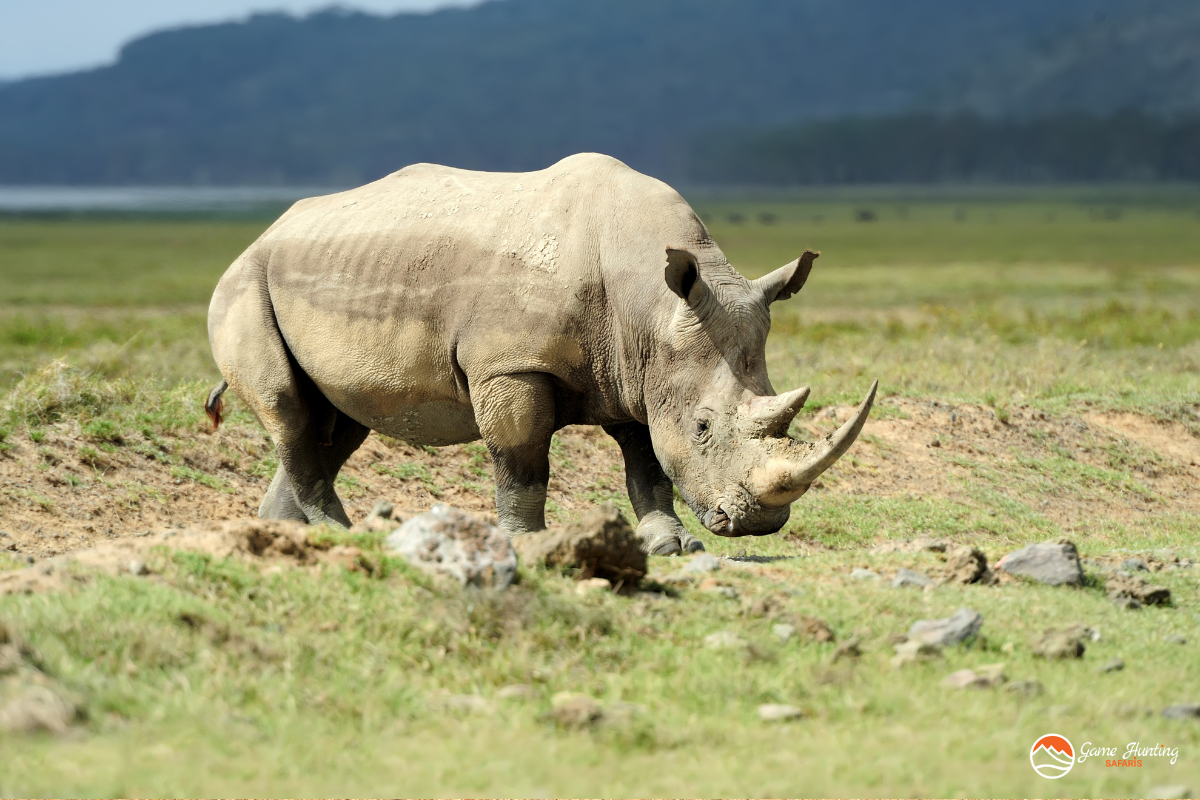
What Determines the Cost of a Rhino Hunt?
Pricing can vary significantly depending on several key factors. In most cases, rhino hunts fall into the high six-figure range, with black rhino often exceeding this depending on permit allocation.
Species (Black vs White Rhino)
Black rhino permits are extremely limited and often command significantly higher prices due to rarity, strict allocation systems, and international demand. White rhino hunts are generally more attainable, but they remain expensive and tightly regulated.
Permit Allocation Method
Some permits are issued through government allocation systems, while others are made available through conservation-driven auctions, often at an international level. In auction scenarios, pricing is influenced heavily by demand and timing and can escalate significantly when multiple buyers compete for a limited opportunity.
Location and Ownership Structure
Where the hunt takes place has a direct impact on pricing. In South Africa, a large portion of rhino populations are managed on privately owned land. These professionally run operations carry significant responsibility for the protection and management of high-value species, and that management cost is reflected in pricing.
Specific Animal Selection
Unlike most hunting scenarios, rhino hunting is tied directly to a specific, pre-selected animal. Age, condition, and particularly horn size all contribute to how a hunt is valued. A younger bull with horn length in the 17–18 inch range may fall within a certain pricing bracket, while an older, fully mature bull in the 25–26 inch range can command substantially higher prices. The difference is not incremental — it can be dramatic, even within the same property or hunting area.
Typical Cost Expectations
While pricing is not standardized, most rhino hunts fall into the high six-figure range, particularly for black rhino. White rhino hunts may be lower in comparison, but still represent a significant financial commitment and remain well beyond the cost of most other dangerous game hunts.
Where the Money Actually Goes
A substantial portion of the cost contributes directly to anti-poaching operations, ongoing wildlife protection and monitoring, habitat conservation, and local community involvement. In many cases, these funds play a measurable and necessary role in ensuring the long-term survival of rhino populations.
Rhino Darting (Green Hunts) in South Africa
Rhino darting, also known as vita darting, is a non-lethal, conservation-based experience. It involves tracking and approaching the animal on foot, followed by the use of a dart gun to deliver a vitamin injection rather than a lethal shot. In modern practice, the hunter delivers the vitamin dart while a licensed veterinarian immobilizes the animal separately.
This may include activities such as tagging, monitoring, DNA sampling, health checks, or relocation, depending on the needs of the specific animal and the management objectives of the property.
Trophy Alternatives and Recognition
While no animal is taken, many outfitters provide replica trophies and documented records that serve as a lasting representation of the hunt. These can include horn casts, custom display mounts, and detailed documentation of the specific animal and the conservation work involved.
Rhino darting is also often recognized within the context of completing the Dangerous 7, particularly for hunters who may never have access to a traditional rhino hunt due to permit restrictions.
A Different Type of Dangerous Game Experience
Although non-lethal, rhino darting still delivers a genuine dangerous game experience. Hunters are required to track rhino on foot, often across challenging terrain, before closing the distance to within effective darting range. At close range, the dynamics are no different from a traditional dangerous game encounter. The shot itself, while non-lethal, still demands precision — dart placement is critical, and the margin for error is small.
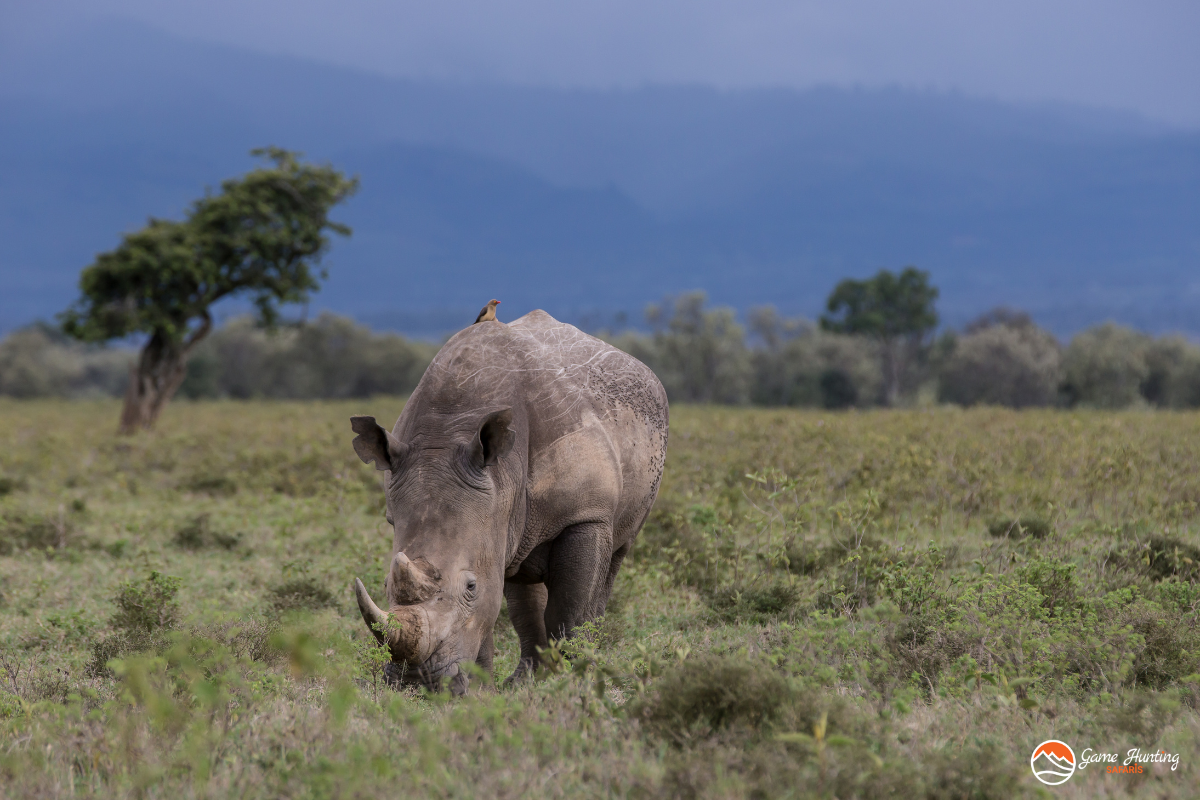
Alternatives to Rhino Hunting in South Africa
Cape Buffalo Hunts
Cape buffalo remain one of the most accessible dangerous game species in South Africa and are often considered the most realistic entry point for hunters looking to pursue dangerous game.
Explore available Cape buffalo hunts in Africa
Most buffalo hunts in South Africa take place on large, privately managed properties. In South Africa, buffalo are often priced per inch, meaning trophy size has a direct influence on cost. Larger, more mature bulls command significantly higher prices, and this can create noticeable variation even within the same area or outfitter. This differs from countries such as Tanzania or Zimbabwe, where buffalo hunts are more commonly structured as full safari packages with fixed daily rates and trophy fees.
Elephant Hunts
Elephant hunting opportunities in South Africa are limited and highly controlled, and they differ significantly from what many hunters expect when comparing destinations across Africa. Realistically, securing an elephant hunt in South Africa can be challenging. For hunters specifically focused on elephant, this often means looking beyond South Africa to other countries where availability is more established and predictable.
Dangerous Game Safaris
For hunters looking for a more structured and predictable experience, dangerous game safaris offer a practical alternative. These hunts are typically built around species such as buffalo, leopard, and plains game, and are designed to provide a balanced and well-planned hunting experience. They allow hunters to experience multiple aspects of African hunting within a single trip, making them a common choice for both first-time visitors and experienced hunters returning to Africa.
Hunters comparing available species, countries and safari combinations can explore our current African Hunting Trips.
Final Thoughts on Rhino Hunting in South Africa
Rhino hunting in South Africa is not defined by availability, but by access. While opportunities do exist, particularly for white rhino, they are shaped by permits, conservation priorities, and timing rather than demand. For black rhino, access remains exceptionally limited and, in most cases, unlikely.
For hunters considering this path, the most important step is understanding how the system works. This is not a hunt that can be planned in the traditional sense, but one that becomes possible under specific conditions.
Understanding how the system works is what separates realistic opportunity from assumption.
Frequently Asked Questions
Is rhino hunting legal in South Africa?
Yes, rhino hunting is legal in South Africa but it is highly restricted. Every hunt requires a government-issued permit, a specific animal selected for conservation purposes, and full compliance with national and international regulations including CITES. Without these conditions, hunting is not permitted regardless of budget or demand.
Can I book a rhino hunt like a normal safari?
No. Rhino hunting cannot be booked on demand. The process begins with the identification of a specific animal selected for management purposes, followed by permit applications and hunter vetting. Availability is never guaranteed and timelines are uncertain.
What is the difference between black and white rhino hunting in South Africa?
Black rhino hunting is exceptionally rare and tightly controlled, with only a very limited number of permits issued annually. White rhino hunting is more attainable, particularly on privately managed land, but remains regulated and dependent on timing, conservation approval, and the availability of a suitable animal.
How much does a rhino hunt cost in South Africa?
Rhino hunting costs are not standardized. Most hunts fall into the high six-figure range, with pricing driven by species, permit allocation method, location, and the specific characteristics of the individual animal, particularly horn size. Black rhino hunts typically command significantly higher prices than white rhino hunts.
What is a green hunt or rhino darting in South Africa?
A green hunt, also known as vita darting, is a non-lethal conservation experience in which the hunter tracks and approaches the rhino on foot before delivering a vitamin dart rather than a lethal shot. The animal is immobilized by a licensed veterinarian as part of ongoing conservation work. It remains a physically and technically demanding experience and is recognized by many as a legitimate alternative for hunters who cannot access traditional rhino hunting permits.