Trophy Elephant Hunting in Zimbabwe, 14 Days in Hammond
Booking Season: 2026
Hunt Difficulty: Difficult

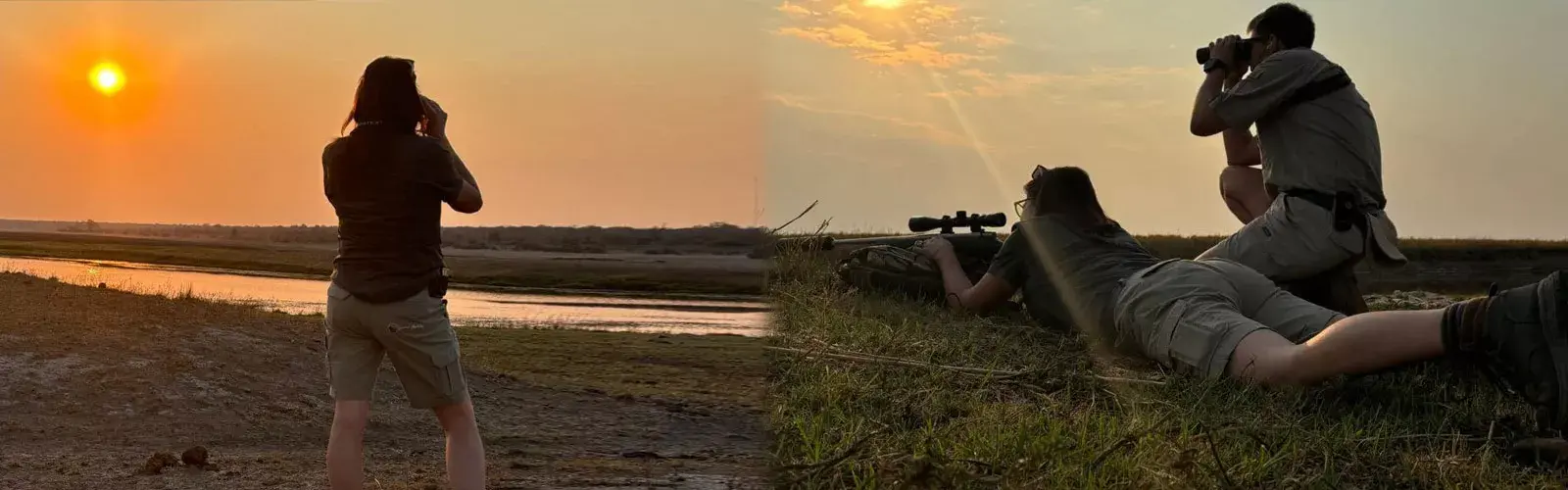
Dangerous game hunting in Africa is not about excitement. It is about responsibility. Across traditional African hunting safaris, the term "dangerous game" refers to species capable of injuring or killing a hunter if approached carelessly. Traditionally, that includes Cape buffalo, lion, leopard, and elephant where legally permitted. But that definition alone doesn’t explain it. Dangerous game hunting is different because consequences are real. Decisions are deliberate. Mistakes are not theoretical. After enough hunts, you begin to understand something simple: The bush does not care about bravado. It rewards composure.
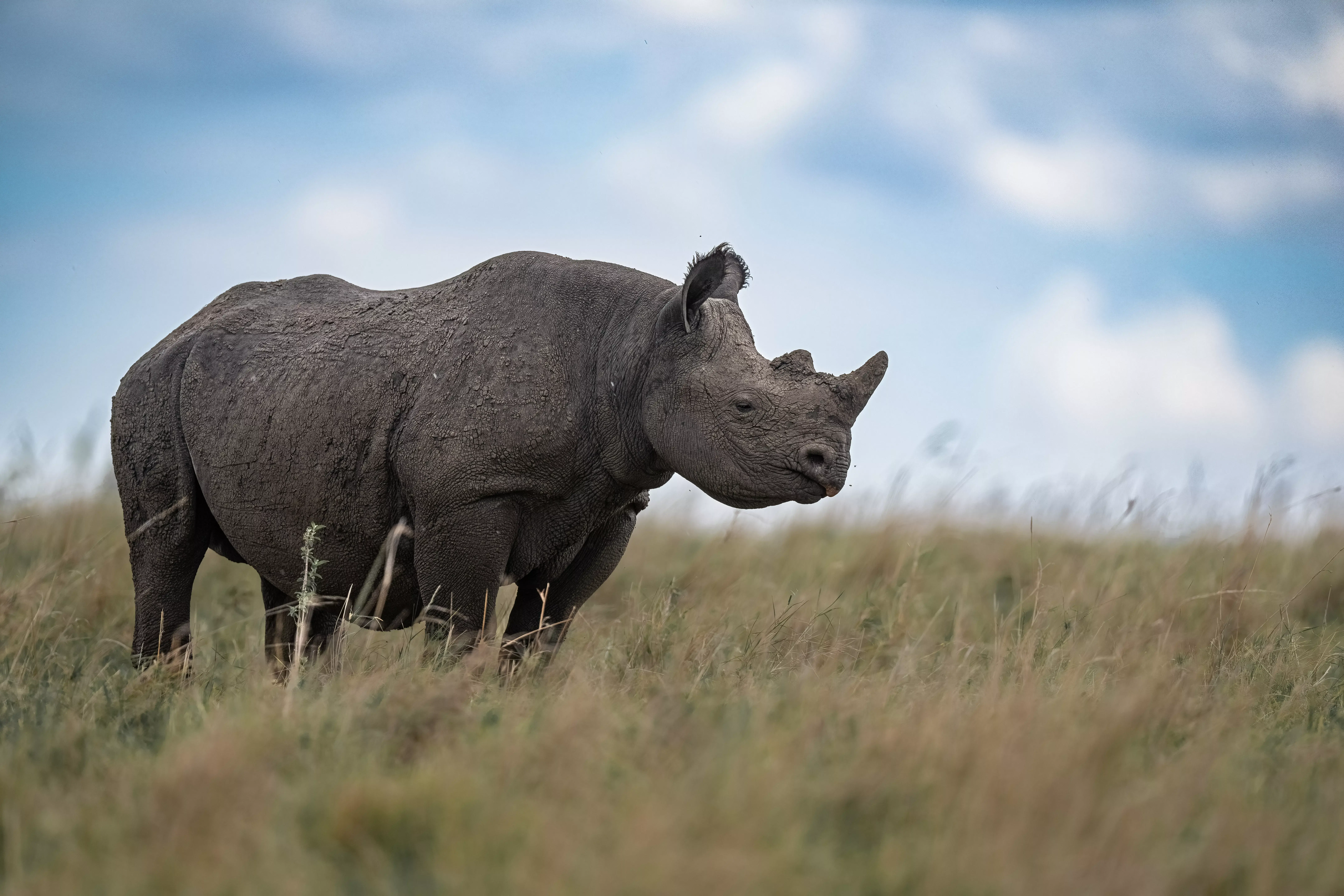
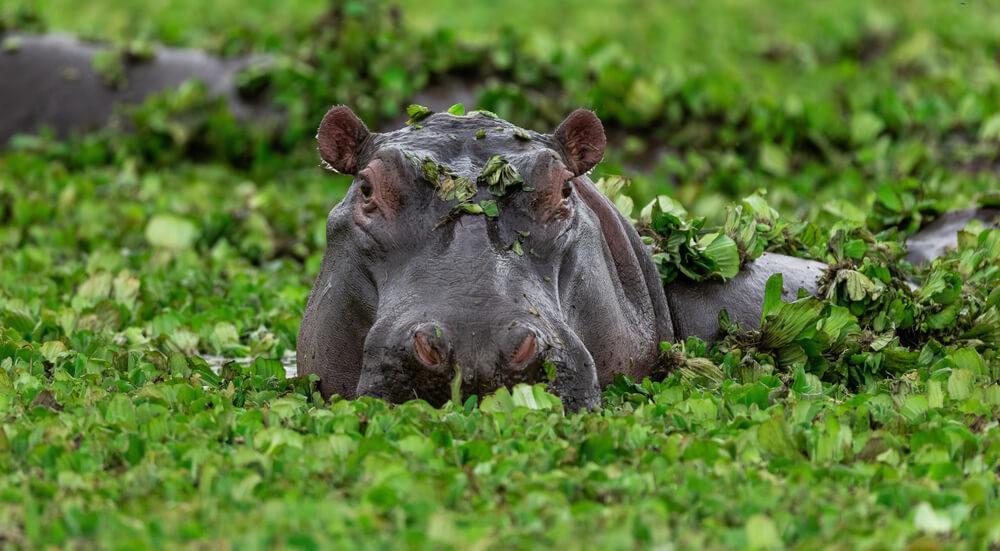
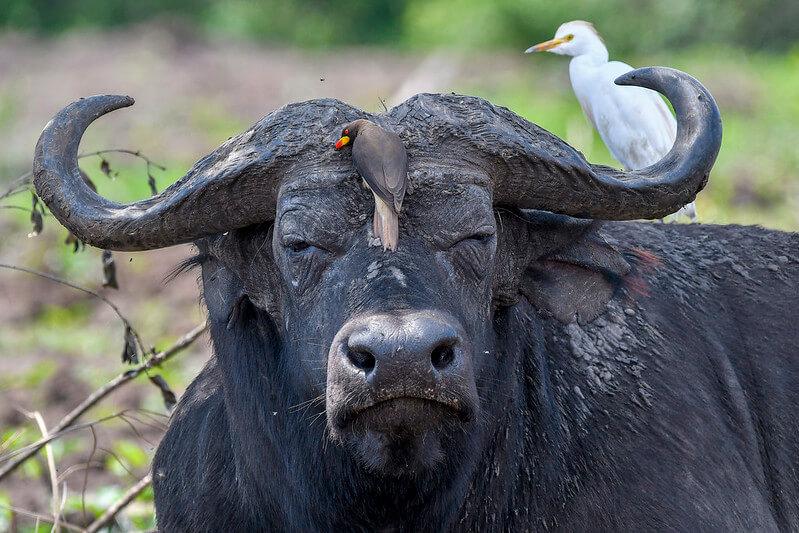
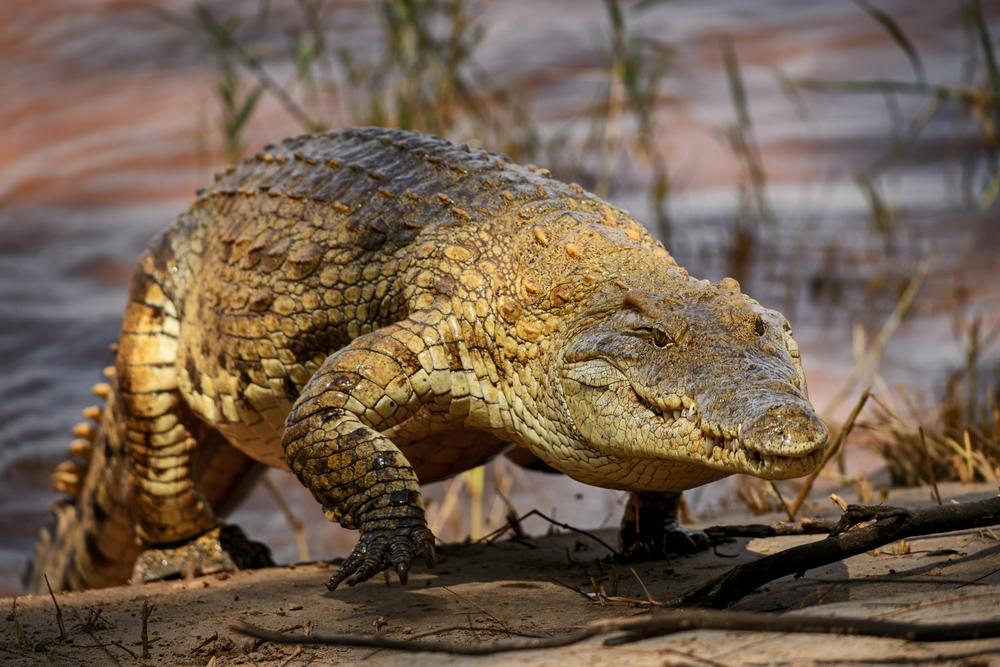
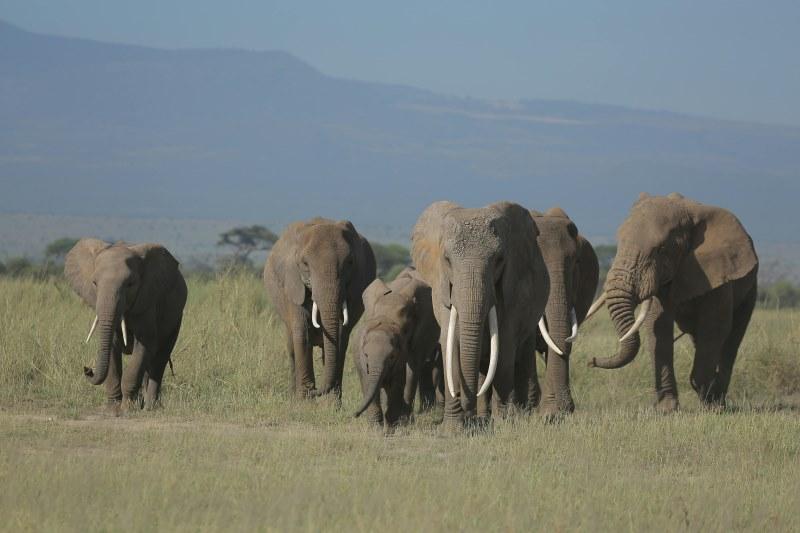
Africa’s dangerous game includes the iconic Big Five Hunting species: lion, leopard, elephant, buffalo and rhino, along with hippo and crocodile. Each species presents unique risks, terrain challenges, and hunting strategies, which you can explore in detail below.
Hunts Currently Available
Trophy Elephant Hunting in Zimbabwe, 14 Days in Hammond
Booking Season: 2026
Hunt Difficulty: Difficult
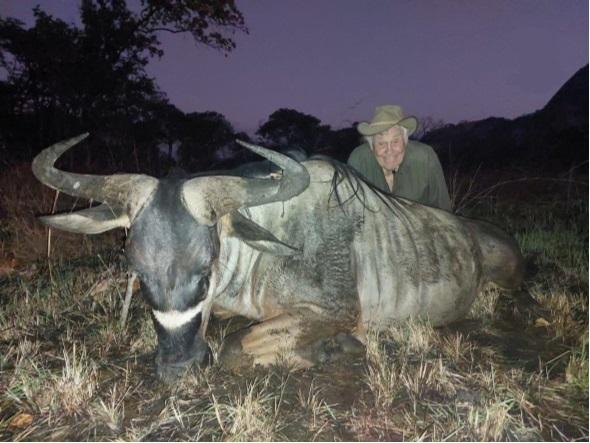
Cape Buffalo, Roosevelt Sable & Niassa Wildebeest Hunt in Mozambique
Booking Season: 2026
Hunt Difficulty: Difficult
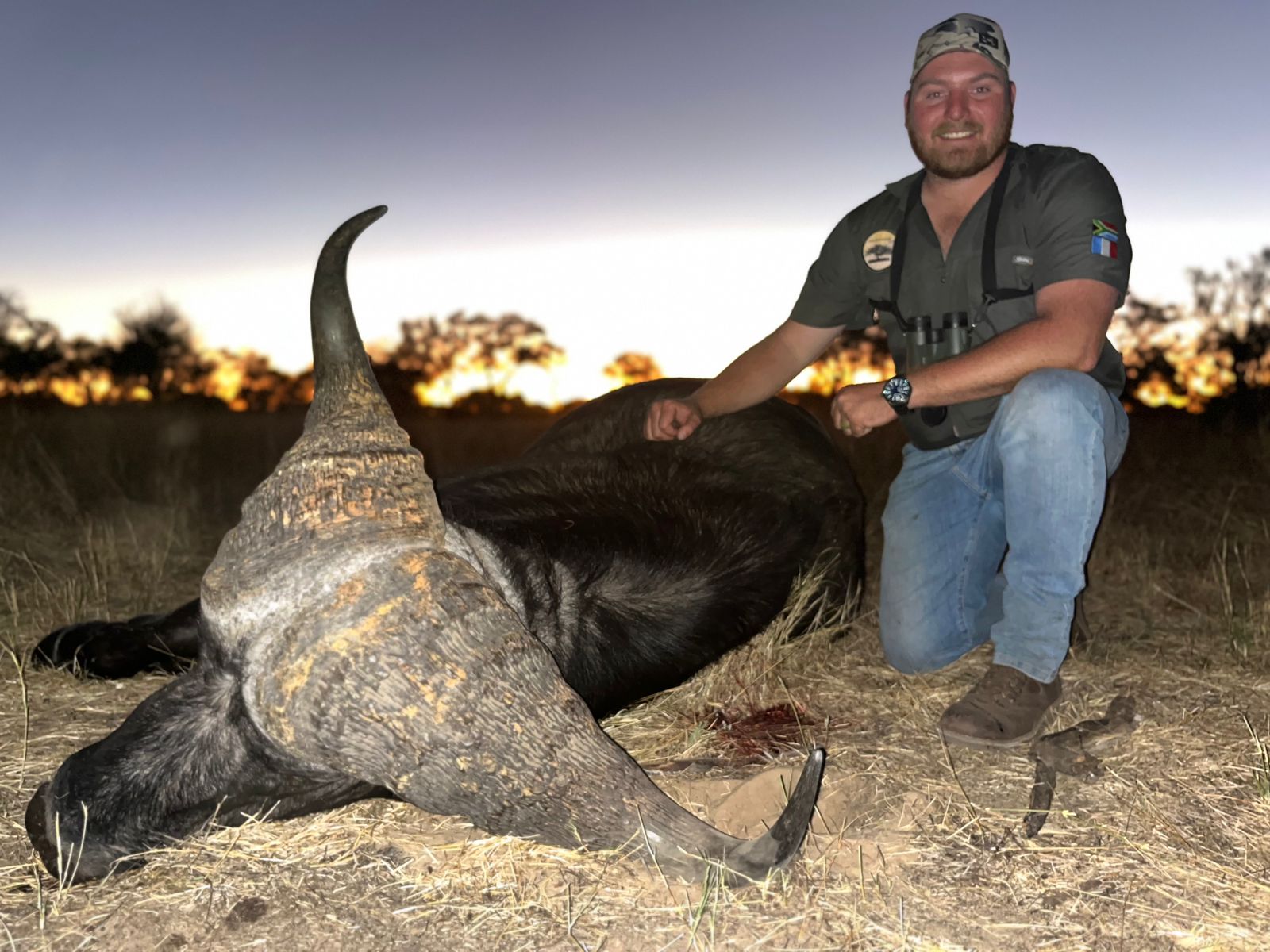
Cape Buffalo & Plains Game Hunting Safari in Zimbabwe
Booking Season: 2026
Hunt Difficulty: Difficult
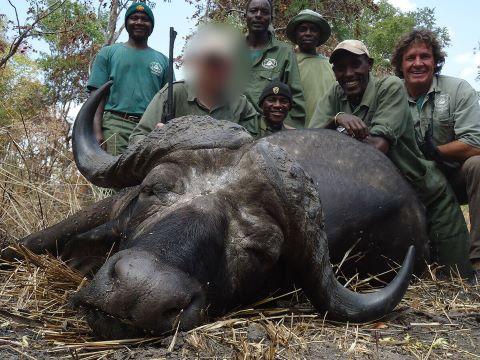
A Classic Cape Buffalo Safari in Tanzania's Legendary Selous
Booking Season: 2026
Hunt Difficulty: Difficult
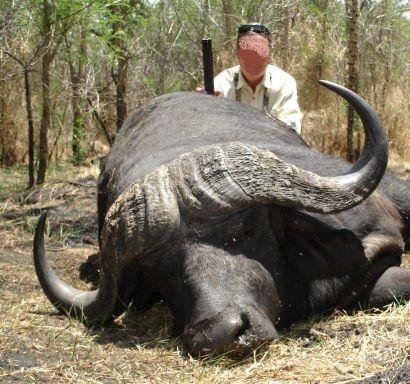
Cape Buffalo Hunting in the Selous Tanzania 1 x 2 or 2 x 1
Booking Season: 2026
Hunt Difficulty: Difficult
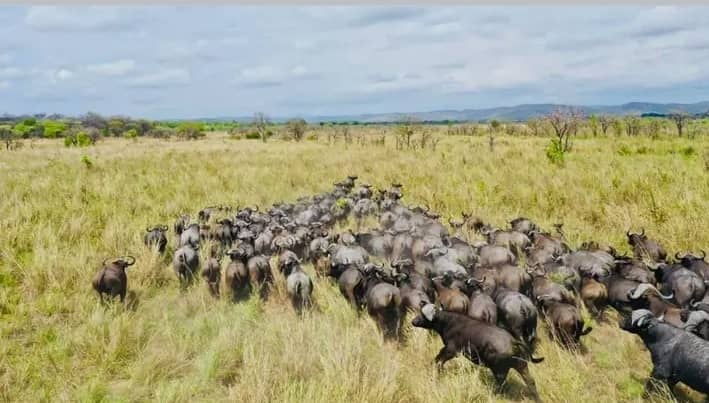
10-Day Selous Cape Buffalo Safari – Two Trophy Bulls
Booking Season: 2026
Hunt Difficulty: Difficult
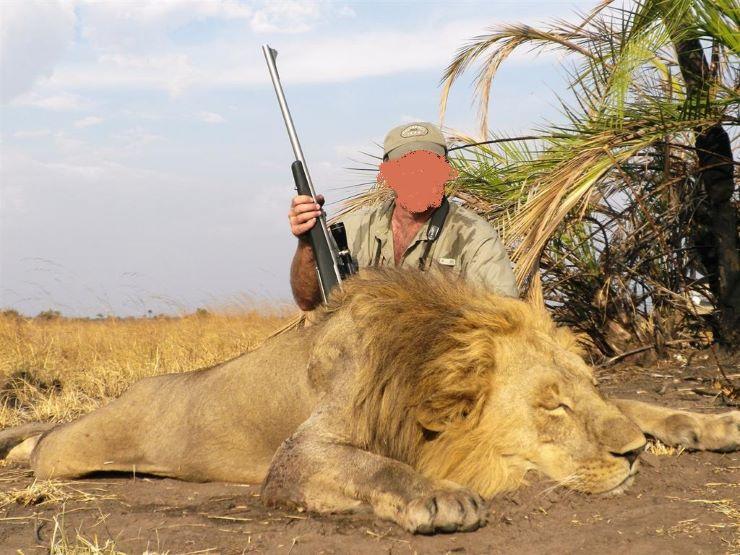
Hunt Lion, Buffalo and Hippo in Tanzania’s Selous
Booking Season: 2026
Hunt Difficulty: Difficult
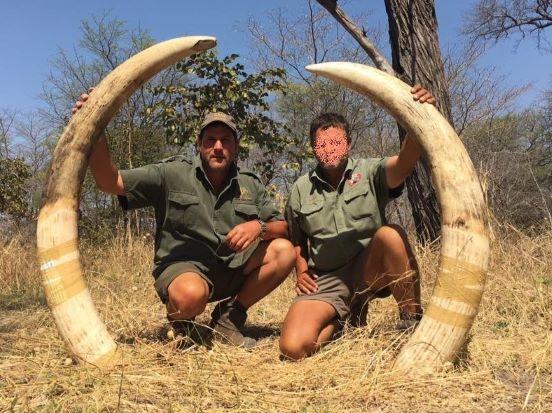
Exportable Trophy Elephant Hunt in Namibia Caprivi Strip
Booking Season: 2026
Hunt Difficulty: Difficult
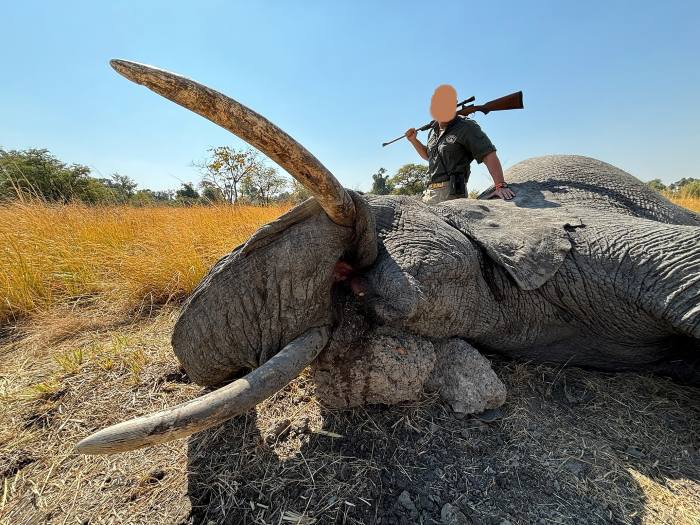
Exportable Trophy Elephant Hunt in Zambezi, Namibia
Booking Season: 2026
Hunt Difficulty: Difficult
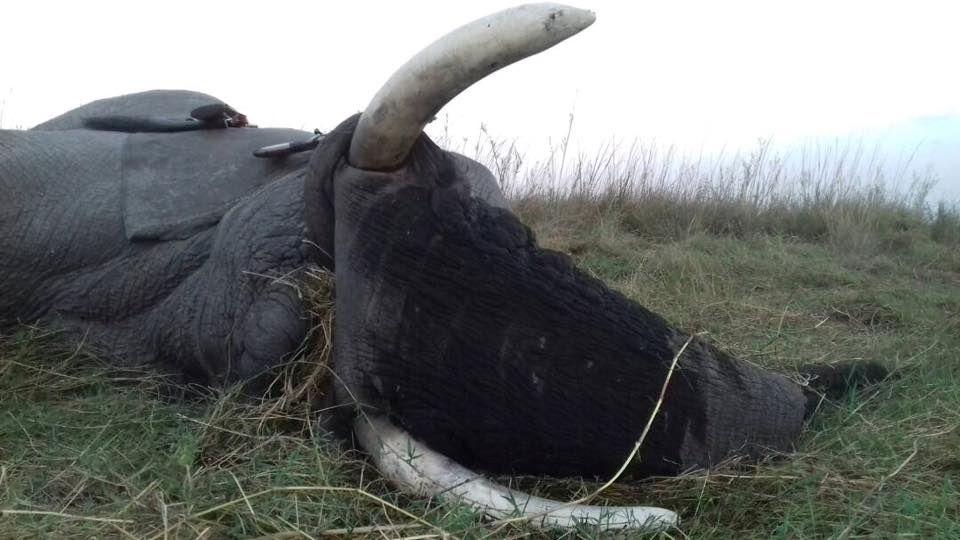
Hunt Non-Exportable Elephant in the Caprivi, Namibia
Booking Season: 2026
Hunt Difficulty: Difficult
From Cape Buffalo and Lion to Crocodile, Hippo, and Leopard, Africa’s dangerous game species represent some of the most challenging and respected hunts in the world. Each animal demands different hunting techniques, shot placement knowledge, patience, and composure under pressure.
The difference is not size. It is proximity and consequence.
Tracking Cape buffalo through thick jesse bush is not dramatic. It is quiet. You walk behind a tracker who sees things you cannot. You move slowly, often for hours, knowing that visibility may shrink to a few meters without warning.
There are moments when the wind shifts and the entire plan dissolves. There are moments when you realize how quickly an animal can disappear into cover.
And when you do catch up, everything slows down. There is no rush. Only clarity. Dangerous game hunts are rarely fast-paced. They are often long, patient exercises in control, until the final seconds when control matters most.
Hunters may assume dangerous game is the natural “next level” after plains game. It isn’t. It is a different mindset entirely.
Buffalo require calm under pressure. Leopard demand restraint and patience over days, sometimes weeks. Elephant hunts often involve covering significant ground before a single opportunity presents itself.
These hunts are not for hunters who:
Dangerous game hunts require preparation months before arrival. Rifle familiarity. Physical readiness. Mental composure.
They also require trust. Your professional hunter carries legal and ethical responsibility in the field. When he says wait, you wait. When he says no, you accept it. That relationship matters more than most hunters expect.
The most successful dangerous game hunts I have seen were defined by patience long before a trigger was touched.
Most African countries set legal minimum calibers for dangerous game. For Cape buffalo, .375 H&H is commonly the minimum. For elephant, larger calibers are often required depending on jurisdiction.
But rifle choice is only the beginning. Preparation means:
On dangerous game hunts, discipline matters more than speed. A rushed shot does not impress anyone. It complicates everything.
Successful dangerous game hunting depends heavily on preparation, caliber selection, and understanding proper shot placement for hunting dangerous game before arriving in camp.
Dangerous game safari cost reflects structure, not just species. Hunters comparing overall budgets should also look at our African hunting safari prices, as daily rates, trophy fees, charter costs and other expenses can vary between countries and hunt types.
Cape buffalo hunts commonly range from $18,000 to $35,000+ USD, depending on country and concession model. Lion and elephant hunts, where legal and available, typically begin higher due to quota limitations and mandatory safari durations.
Total investment increases once airfare, internal transfers, shipping, and gratuities are included.
These are serious financial commitments. And they should feel serious. When a hunter wires funds months in advance for a dangerous game safari, he is not buying excitement. He is committing to responsibility.
Each system carries its own rhythm, terrain, and visibility challenges. The lowest price is rarely the best indicator of fit.
There is a moment on most dangerous game hunts when everything becomes very quiet.
You may be standing twenty or thirty yards from a buffalo in thick cover. You may feel the wind shift slightly against your cheek. The trackers stop speaking. Your professional hunter whispers one word.
And suddenly the noise in your own head is louder than anything in the bush.
Not necessarily, but you should be realistic about your readiness. Dangerous game hunting requires composure, rifle familiarity, and the ability to follow direction under pressure. Many hunters pursue buffalo successfully on their first African safari, but preparation matters more than experience alone.
Most African countries require a minimum of .375 caliber for Cape buffalo. Elephant and some other dangerous species often require larger bore rifles depending on jurisdiction. Legal minimums are only part of the equation, familiarity and control are more important than raw caliber size.
Cape buffalo hunts commonly run 7–10 days depending on country. Elephant and some lion hunts may require longer minimum durations due to regulatory structures and quota systems. These hunts are structured around time in the field, not speed.
It can be, but often in subtle ways. Long tracking sessions in heat, walking through thick cover, and maintaining focus for extended periods are more common challenges than extreme terrain. Mental discipline typically outweighs physical strain.
African hunting regulations typically require that a wounded dangerous animal be followed and recovered whenever possible. Trophy fees may apply depending on the situation and local laws. This is one reason shot discipline and professional guidance are critical.
Yes, where conducted within regulated quota systems under government oversight. Dangerous game hunts operate within structured wildlife management frameworks designed to balance conservation, habitat protection, and sustainable use.
That depends entirely on the hunter. These hunts require significant financial commitment and preparation. For hunters who value discipline, responsibility, and composure under pressure, they can be defining experiences. For others, plains game may be a better fit.
Not all dangerous game hunts are structured the same. The country you choose will shape everything, terrain, visibility, tracking style, and how animals behave under pressure.
For hunters traveling from the United States, this matters more than most expect.
Zimbabwe
Zimbabwe offers several very different dangerous-game hunting systems, from state Safari Areas such as Matetsi to large private conservancies such as Savé Valley. Both can provide extensive fair-chase hunting country, but the land-management models are different. Hunters pursuing Cape buffalo hunts in Zimbabwe often experience long tracking days, low hunting pressure, and highly natural animal behavior. The country is also well known for exceptional elephant hunts and challenging leopard hunts conducted in remote unfenced safari areas.
For hunters researching hunting in Zimbabwe, the country remains known for its structured quota systems, experienced professional hunters, and authentic wilderness safari experience.
Tanzania
Tanzania operates on longer safari structures, often requiring extended stays in remote concessions. These are serious expeditions, low hunting pressure, vast areas, and a level of commitment that rewards experienced hunters. Dangerous game hunting in Tanzania is physically and mentally demanding, with long tracking days and limited opportunities that place a premium on patience and execution.
Zambia
Zambia is often overlooked in conversations about African safaris, but experienced hunters know how demanding these concessions can be. Thick cover, shifting wind conditions, and long tracking distances create physically challenging hunts that reward patience, adaptability, and strong fieldcraft.
For hunters researching hunting in Zambia, the country remains respected for low hunting pressure, remote safari areas, and authentic dangerous game hunting experiences that still feel wild and unpredictable.
Mozambique
Mozambique offers a true wilderness experience, particularly in areas like the Niassa Reserve. This is one of the last places where dangerous game hunting still feels raw and remote. Leopard hunts in Mozambique are especially respected, with large concessions, low hunting pressure, and conditions that demand persistence and adaptability from both hunter and professional hunter. For hunters researching hunting in Mozambique, the country remains one of Africa’s most authentic wilderness safari destinations.
Namibia
Namibia is often associated with plains game, but that perception misses the bigger picture. In the right concessions, hunting in Namibia can offer exceptional dangerous game opportunities, especially in the Caprivi Strip (Zambezi Region).
Hippo hunts and crocodile hunts are particularly well suited to these remote river systems, where thick cover, water movement, and limited visibility create challenging hunting conditions.
For hunters looking to combine dangerous game with a broader safari experience, Namibia offers a rare balance of strong infrastructure, political stability, and access to multiple dangerous species within a single safari.
South Africa
South Africa is often misunderstood when it comes to dangerous game hunting. While the system is more structured and highly regulated, that does not mean the hunting lacks quality. Large privately managed concessions, strict quota systems, and strong wildlife management have created some of the most consistent Cape buffalo hunts in Africa.
For hunters considering hunting in South Africa, the country offers excellent infrastructure, experienced professional hunters, and reliable access to dangerous game within well-managed safari areas. In the right concessions, buffalo hunting in South Africa remains one of the most professional and accessible dangerous game experiences available in Africa.
Some countries offer exceptional dangerous game hunting, but under more specific conditions. These hunts are often better suited to experienced hunters who understand the logistical, physical, and regulatory demands involved.
Uganda
Uganda offers unique opportunities, particularly for Nile buffalo and select dangerous game species in controlled concession areas. These hunts tend to be highly structured and less common, but can provide a distinctive experience for hunters looking for something different.
Cameroon
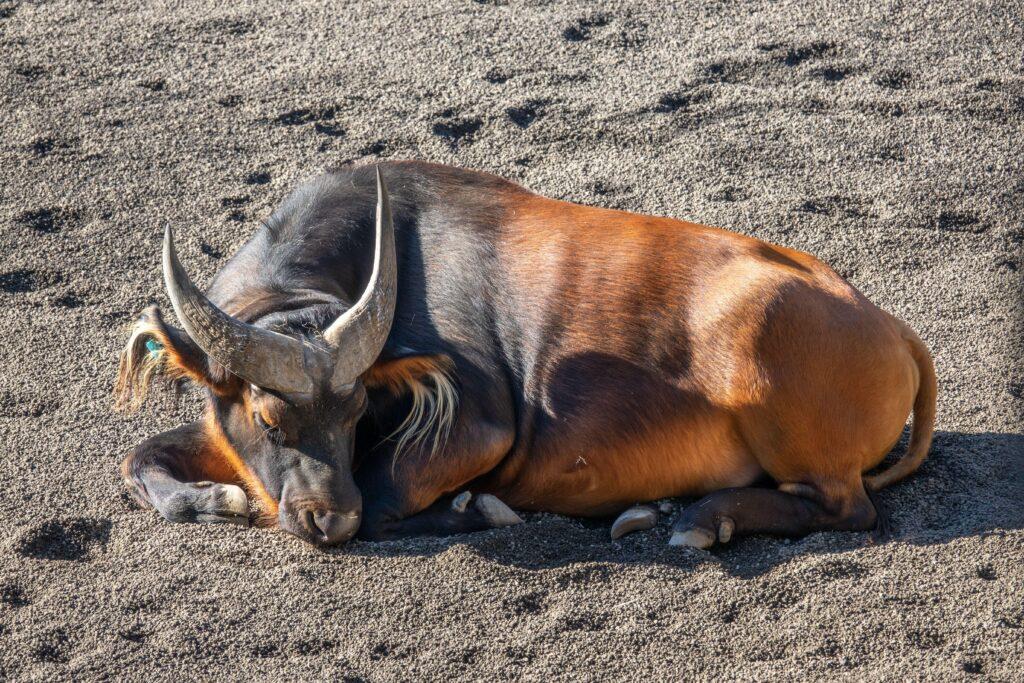
Cameroon is best known for its remote, forest-based hunting, particularly for forest elephant and forest buffalo. These hunts are physically demanding, conducted in dense terrain, and require a high level of commitment. This is not a typical dangerous game safari.
Gabon
Gabon represents one of the most remote and specialized dangerous game environments in Africa. Dense rainforest conditions, limited access, and highly regulated hunting structures make this a niche destination suited only for experienced hunters seeking a truly unconventional safari.
The right destination is not about prestige. It is about choosing a system that matches your expectations, experience, and time commitment.
Dangerous game in Africa is not a marketing term. It refers to a specific group of animals known for their ability to injure or kill when approached incorrectly.
These species are commonly referred to as the “Dangerous 7,” built from the original Big Five with the addition of hippo and crocodile.
But grouping them together can be misleading.
Each animal presents a completely different challenge, in terrain, behavior, shot placement, and how the hunt unfolds in real conditions.
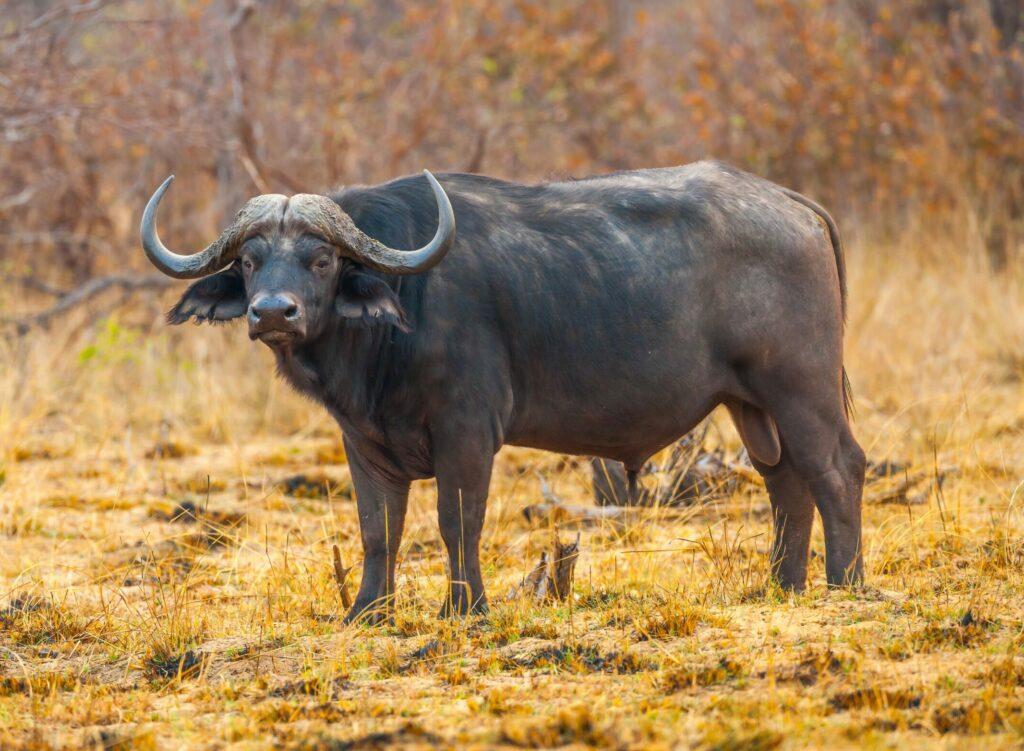
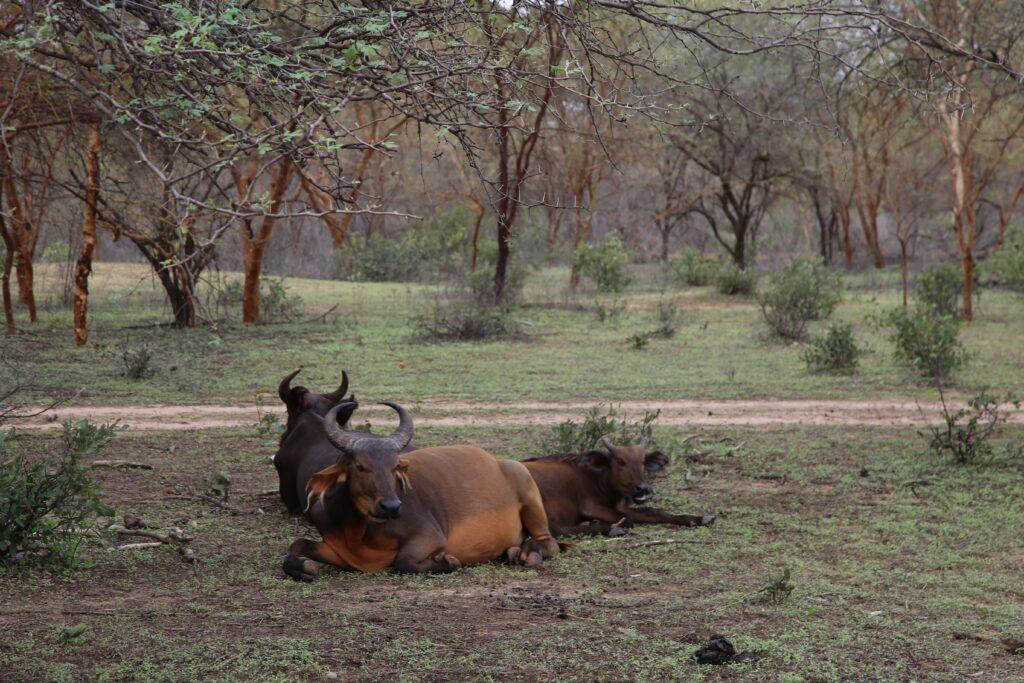
Cape buffalo hunts are widely considered the starting point for most hunters entering dangerous game. Buffalo are unpredictable, aggressive when pressured, and typically hunted at close range in thick cover where visibility can disappear quickly.
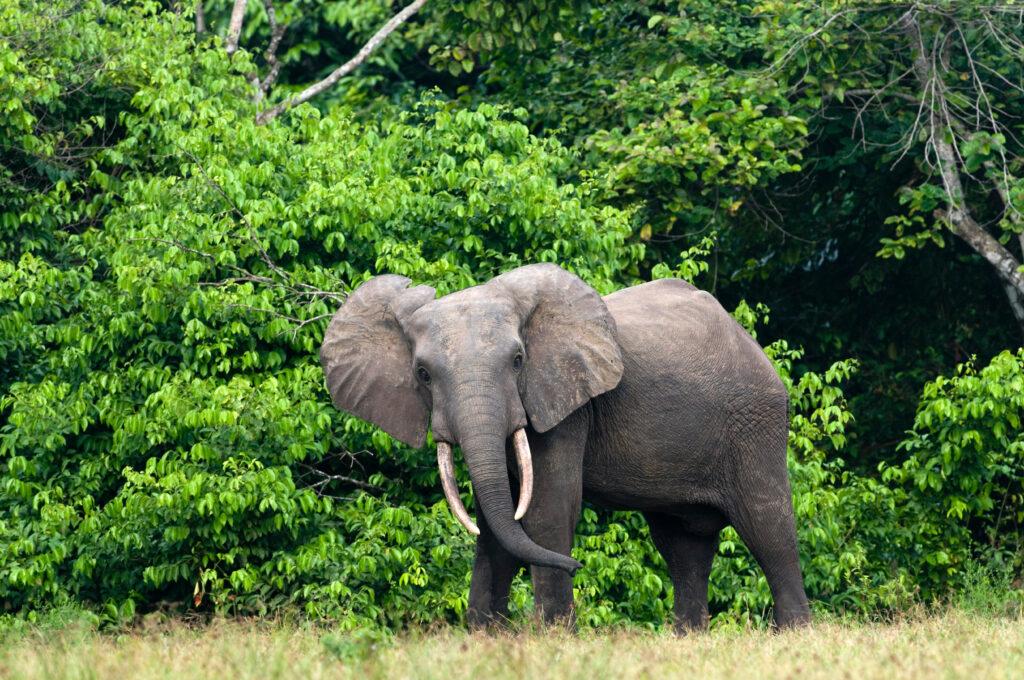
Elephant hunts operate on a different level entirely. These hunts demand precision, discipline, and complete trust in your professional hunter, especially when encounters happen at very close distances.
Lion hunts require composure and timing. Situations develop quickly, and success often depends on reading behavior and waiting for the right moment rather than forcing a shot.
Leopard hunts are built on patience. Days, sometimes weeks, can pass while waiting on bait, and the shot opportunity itself is often brief and unforgiving.
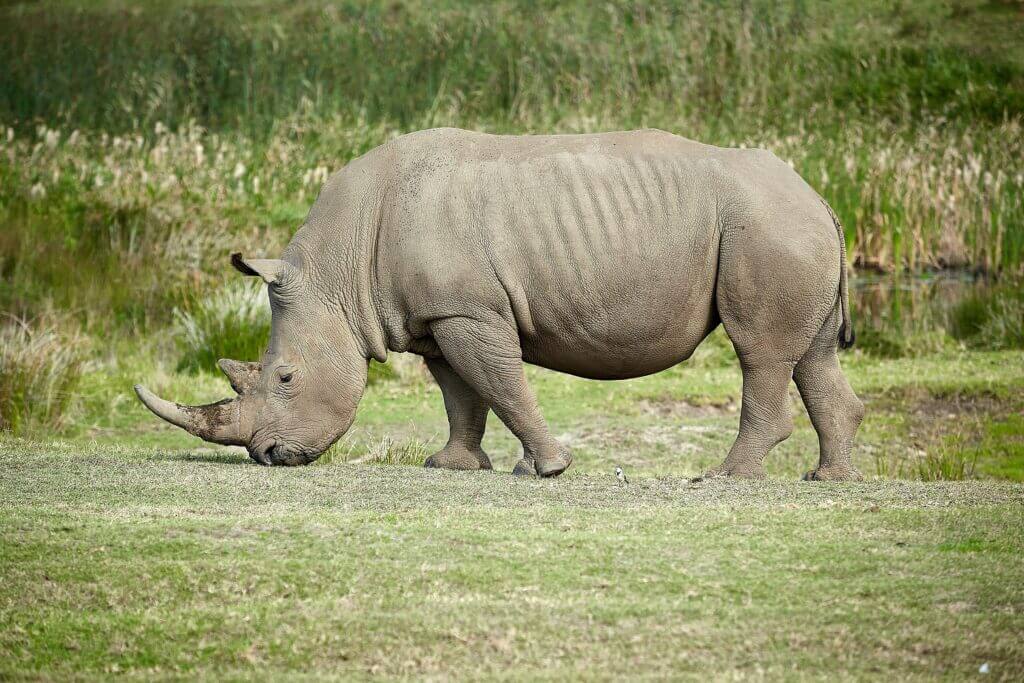
Rhino hunts, where legal, operate under strict regulation and conservation frameworks. These hunts are highly controlled and structured, with a strong emphasis on sustainability and compliance.
Hippo hunts are often conducted in and around river systems, where shot placement becomes critical due to angles, water distortion, and limited visible target area.
Crocodile hunts demand precision on small targets, often at distance, with challenging shooting positions and constantly shifting conditions.
No two dangerous game hunts are alike. Treating them as if they are is one of the most common mistakes hunters make when planning their first safari.
Dangerous game is not a checklist, it is a shift in mindset.
Most American hunters begin with cape buffalo hunts for a reason. Buffalo are unpredictable, highly aware of their surroundings, and capable of turning a situation quickly. At the same time, encounters are more frequent than with other dangerous species, and tracking is active and engaging. This combination makes buffalo the most practical, and realistic introduction to dangerous game hunting.
From there, progression is less about “moving up” and more about understanding what each hunt demands from you.
Elephant hunts introduce a higher level of responsibility and precision. Shot placement is unforgiving, distances can be extremely close, and every decision is guided by your professional hunter. These hunts require discipline, composure, and complete trust in the process.
Leopard hunts test patience more than shooting ability. Success often depends on waiting, sometimes for days, for the right animal to present itself. When that moment comes, it is brief and highly pressured. This is a hunt that rewards restraint, not urgency.
Lion hunts sit somewhere in between. They require composure under pressure, but also the ability to read behavior and timing. Situations can develop quickly, and hesitation or poor judgment can end an opportunity just as fast.
Hippo hunts and crocodile hunts are often part of river-based safaris, where conditions introduce a different kind of challenge. Angles, water distortion, and limited target visibility make shot placement critical. These hunts demand precision and a clear understanding of anatomy rather than reactive shooting.
There is no “correct order” for dangerous game.
What matters is readiness, not just with your rifle, but with your mindset.
Hunters who approach dangerous game looking for progression often miss the point. The ones who succeed are those who understand what each hunt requires before they ever step into the field.
Cape buffalo are often considered the most practical introduction to dangerous game hunting in Africa.
Buffalo hunts offer a balance of challenge and opportunity. Tracking is active, encounters are more frequent than with species like leopard or lion, and the hunt unfolds in a way that allows hunters to stay engaged throughout the process.
That said, “beginner” does not mean easy.
Buffalo are widely regarded as one of the most dangerous animals in Africa due to their unpredictability and willingness to stand their ground when pressured. What makes them suitable as a first dangerous game animal is the structure of the hunt, not the level of risk.
Other species, such as elephant or leopard, require a more specialized mindset. Elephant hunts demand precise shot placement under pressure, while leopard hunts require patience over extended periods with limited opportunities.
For first-time dangerous game hunters, the goal should not be difficulty, it should be building experience under the right conditions.
Choosing a dangerous game hunt is less about the animal and more about the conditions you are prepared to handle.
The first factor is terrain. Hunting buffalo in thick jesse bush is a completely different experience from hunting elephant in open floodplains or tracking leopard through baited areas over multiple days. Visibility, distance, and movement all change depending on where you are hunting.
The second factor is pace. Some hunts are active and physical, covering ground daily in search of fresh tracks. Others require long periods of waiting, where patience becomes more important than movement. Understanding which style suits you matters more than most hunters expect.
The third factor is pressure. Close-range encounters, limited shot windows, and the presence of dangerous animals all require composure. Some hunters perform well in these situations. Others need time to adjust.
Finally, there is the structure of the hunt itself. Concession size, hunting pressure, and how the area is managed will shape the entire experience far more than the species alone.
The best dangerous game hunt is not defined by difficulty or reputation. It is defined by how well it matches the hunter
Planning a dangerous game hunt from the United States is not complicated, but it does require discipline.
Before booking anything, a hunter should be comfortable shooting from sticks under real field conditions, not just from a bench. Managing recoil and delivering controlled follow-up shots is equally important, especially when situations develop quickly and there is little room for hesitation.
Traveling internationally with a firearm also requires preparation. Understanding airline procedures, documentation, and the realities of moving through African airports is part of the process, not something to figure out at the last minute.
Just as important is having a clear understanding of your outfitter’s structure and concession model. Not all hunts are the same, and knowing whether you are hunting in a large unfenced area, a private concession, or a highly regulated system will shape your expectations and your experience.
Time is another factor that is often underestimated. Dangerous game hunting trips are not rushed. They require patience, flexibility, and the willingness to let the hunt unfold at its own pace rather than forcing outcomes.
Most issues on dangerous game hunts do not come from lack of skill, they come from incorrect expectations.
One of the most common mistakes is rushing the process. Dangerous game hunting is slow, deliberate, and often uneventful until the final moments. Hunters who expect constant action tend to force decisions that should never be rushed.
Another mistake is underestimating preparation. Shooting from a bench does not translate to shooting from sticks under pressure. Recoil management, follow-up shots, and shot discipline matter far more than raw accuracy.
Hunters may also focus too heavily on the animal and not enough on the structure of the hunt. The concession, the professional hunter, and the conditions will influence the outcome far more than the species itself.
Finally, some hunters arrive with a fixed idea of how the hunt should unfold. Dangerous game does not follow a script. The ability to adapt, and trust the process, is often what determines success.
Dangerous game hunting is often misunderstood by those who have not experienced it. It can look like a pursuit built on adrenaline, risk, and reputation. It is something far more controlled, deliberate, and measured.
Every part of the process, from choosing the right country and species to preparing with your rifle and working alongside a professional hunter, is built around discipline and decision-making.
The hunters who get the most out of dangerous game safaris are not the ones chasing intensity. They are the ones who understand the responsibility that comes with it. They prepare properly. They listen in the field. And they allow the hunt to unfold without forcing it. Africa does not reward urgency. It rewards awareness.
And when everything comes together, the tracking, the conditions, the final approach, the experience is not defined by the shot itself, but by everything that led up to it.
That is what dangerous game hunting really is.
Search from our range of Hunts across various popular destinations in Africa.

Book Your Hunt