Three Icons of Africa: Rhino, Buffalo & Roan
Booking Season: 2026
Hunt Difficulty: Difficult

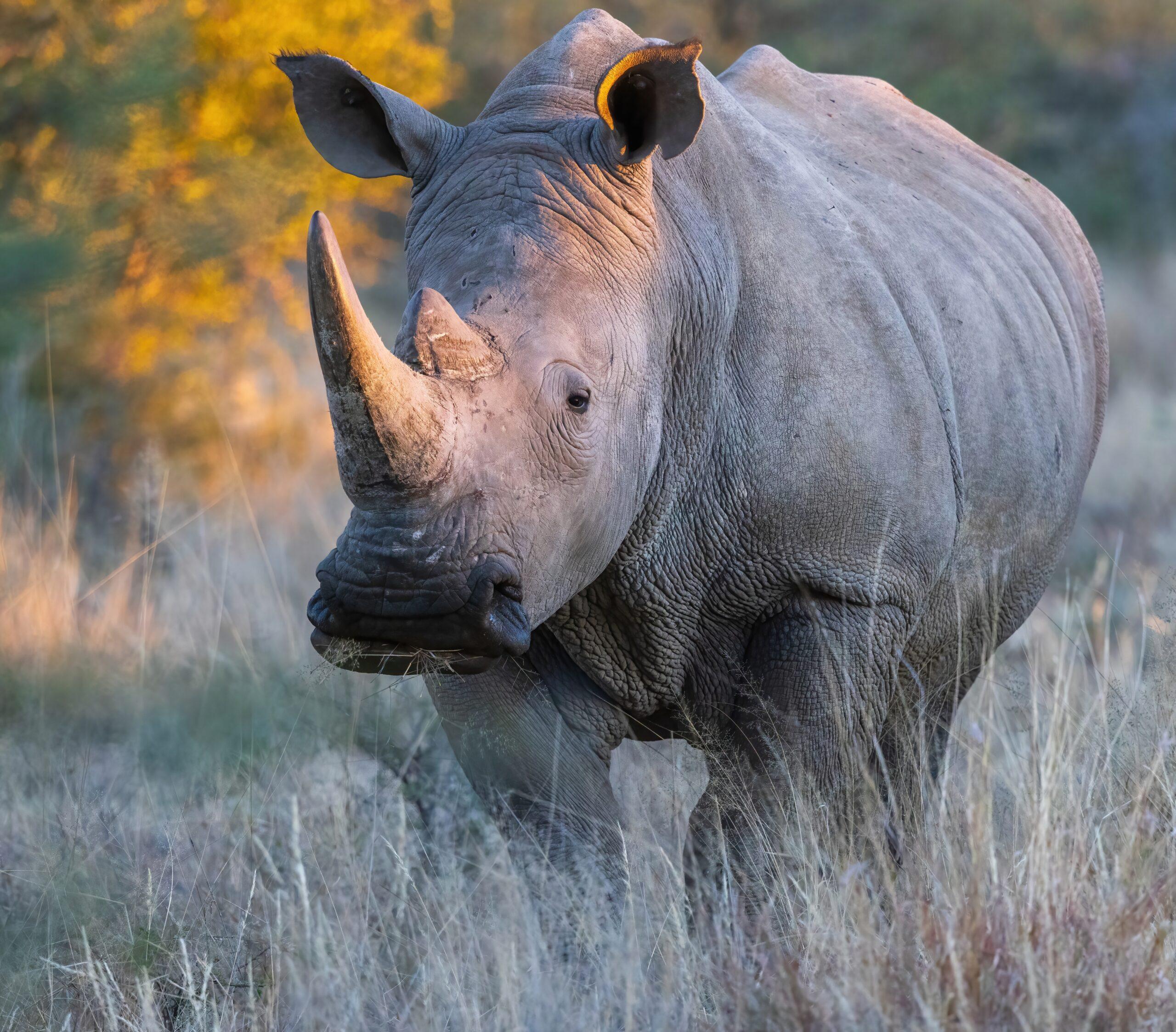
The white rhinoceros (Ceratotherium simum) is the larger of Africa’s two native rhino species and the second-largest land mammal after the African elephant. Also known as the square-lipped rhino, it is distinguished by its wide mouth, elongated head, pronounced shoulder hump and grazing diet.
White rhinos inhabit grasslands, savannas and open woodland where short grass and reliable water are available. They are generally more social than black rhinos, with females and calves sometimes forming small groups while adult bulls establish and defend territories.
Hunters researching legal opportunities, permits, prices and current availability can visit our dedicated Rhino Hunts page. As one of the animals associated with Big Five Hunting, the white rhino remains subject to strict wildlife-management, export and import controls.
This species profile focuses on the white rhino’s physical characteristics, habitat, diet, behaviour, reproduction and conservation status.
Two white rhino subspecies are recognised:
The southern white rhino accounts for nearly all surviving white rhinos. Important populations occur in protected areas and conservation landscapes across southern Africa, with smaller or reintroduced populations found elsewhere.
The northern white rhino historically inhabited parts of Central and East Africa. Only two known individuals remain, both female and maintained under protection at Ol Pejeta Conservancy in Kenya. Assisted-reproduction programmes continue, but the subspecies can no longer reproduce naturally.
Scientific Name:
Ceratotherium simum
Male Weight:
Up to approximately 7,700 pounds
Shoulder Height:
Approximately 5.5–6.1 feet
Range:
Protected populations across southern and eastern Africa
Habitat:
Grasslands, savannas and open woodland
Diet:
Primarily grasses
Breeding:
Year-round
Lifespan:
Approximately 40–50 years
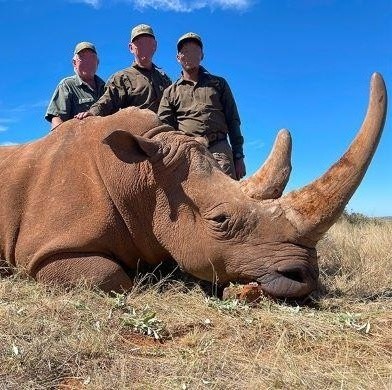
The white rhino is the largest living rhinoceros species. Mature bulls can weigh several thousand pounds and possess a massive body, thick legs, elongated head and prominent muscular hump above the shoulders.
Despite its name, the white rhino is not white. Its skin normally appears grey or grey-brown, although mud and dust can alter its colour considerably. The name is commonly associated with its wide or square-shaped mouth rather than its skin colour.
The broad upper lip is adapted for cropping short grasses close to the ground. This provides the clearest physical distinction from the black rhino, which has a pointed, prehensile upper lip adapted for browsing on leaves and woody vegetation.
White rhinos normally have two horns, with the front horn generally longer than the rear. Rhino horn consists of tightly packed keratin rather than bone. Its size and shape vary considerably between individuals.
Their eyesight is relatively poor, but their hearing and sense of smell are highly developed. Their ears can move independently to locate sounds, while scent allows them to detect animals, people and changes in wind direction.
White rhinos favour open grasslands, savannas and lightly wooded areas that provide suitable grazing, access to water and secure resting places.
The southern white rhino is found primarily in protected areas and privately or publicly managed conservation landscapes across southern Africa. Important populations occur in South Africa, Namibia, Zimbabwe and Kenya, with additional reintroduced populations elsewhere.
White rhinos frequently use established paths connecting grazing areas, water sources, wallows and resting sites. Access to suitable short grass is particularly important because their wide mouths are specialised for grazing close to the ground.
White rhinos are generally more social than black rhinos. Females may be accompanied by calves or associate temporarily with other females and younger animals. These groups are sometimes referred to as crashes.
Adult bulls are more solitary and may establish territories marked with dung middens, urine and regularly used paths. Territorial bulls monitor the movements of other rhinos and may confront rival males entering established areas.
Although white rhinos are often considered calmer than black rhinos, they remain large and potentially dangerous wild animals. Their behaviour is influenced by wind, visibility, surrounding vegetation and whether they feel threatened or cornered.
White rhinos are grazers that feed primarily on grasses. Their broad lips allow them to crop vegetation efficiently, and they may spend much of the day or night feeding depending on temperature and local conditions.
They visit water regularly where it is available and commonly use mud wallows to cool themselves and gain protection from insects and sun exposure.
White rhinos can breed throughout the year. After a gestation lasting approximately 16 months, a female normally gives birth to a single calf.
The calf remains close to its mother for several years and learns the locations of water, grazing areas, wallows and safe resting places. A female usually separates from an older calf shortly before giving birth again.
Their long gestation and extended period of maternal care result in a slow reproductive rate. This makes the loss of breeding animals particularly damaging to smaller populations.
The white rhinoceros is classified as Near Threatened, and its overall population trend is decreasing. The southern subspecies represents nearly all surviving wild white rhinos, while the northern subspecies is functionally extinct in natural reproductive terms.
Poaching for rhino horn remains one of the most serious threats. Rhino populations also require extensive secure habitat, continued monitoring, genetic management and substantial investment in protection.
Conservation measures include anti-poaching operations, translocation, biological monitoring, habitat management and the establishment of additional populations in secure areas.
International movement of white rhino specimens and hunting trophies is regulated through CITES. Requirements differ according to the population, country of origin and purpose of the movement.
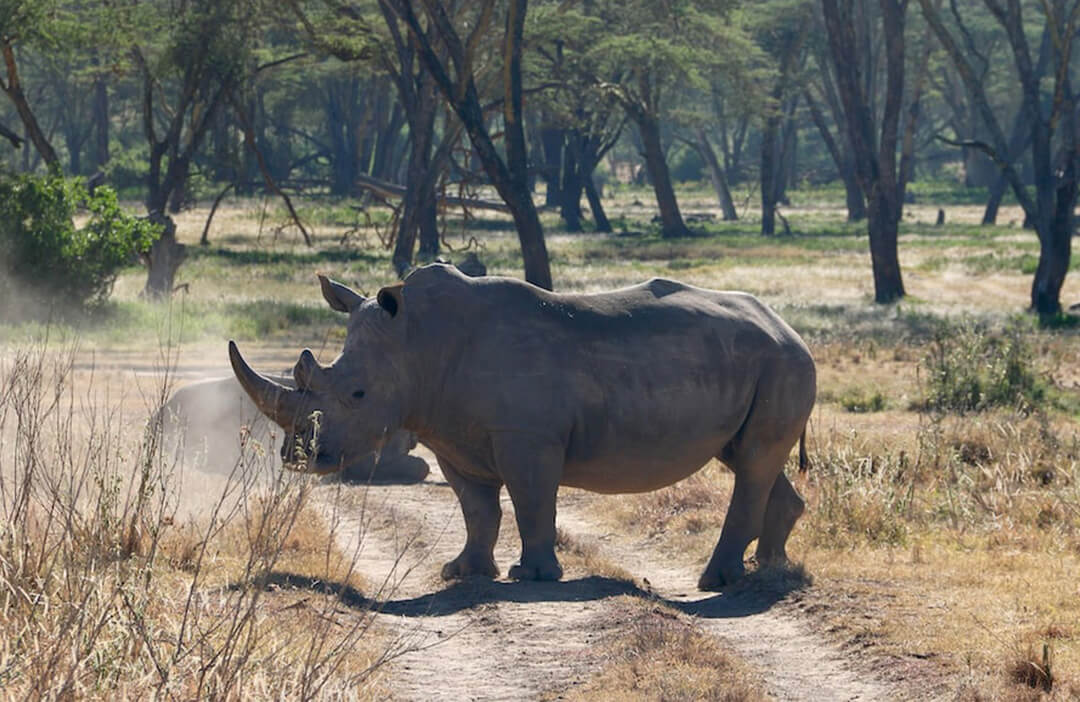
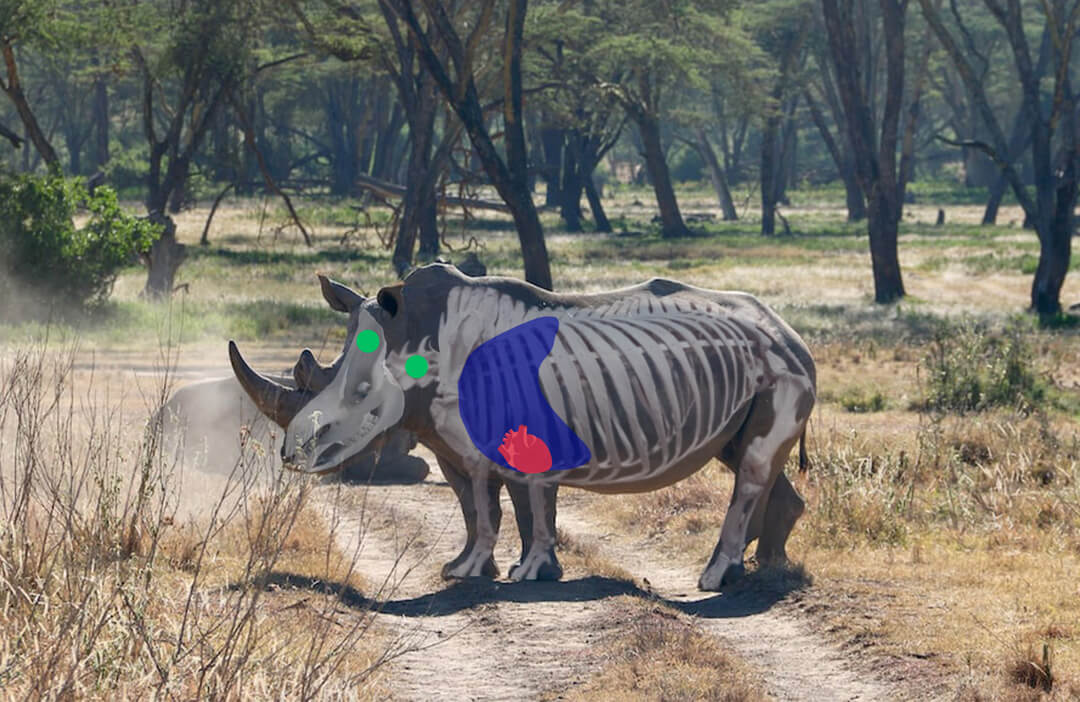
A white rhino’s immense body, low head position and heavy shoulder structure can make its anatomy difficult to interpret. The position of the front leg, body angle and pronounced shoulder hump all influence how the vital area appears.
Hunters studying the animal’s anatomy can consult our dedicated Rhino Shot Placement guide for diagrams and practical information.
Available White Rhino Hunts
Three Icons of Africa: Rhino, Buffalo & Roan
Booking Season: 2026
Hunt Difficulty: Difficult
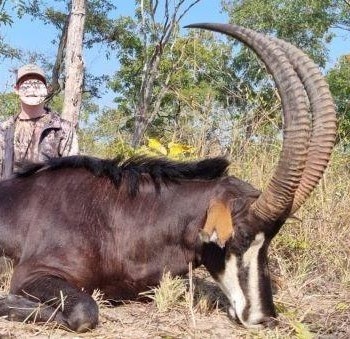
Rhino, Cape Buffalo & Sable Hunting Safari | South Africa
Booking Season: 2026
Hunt Difficulty: Difficult
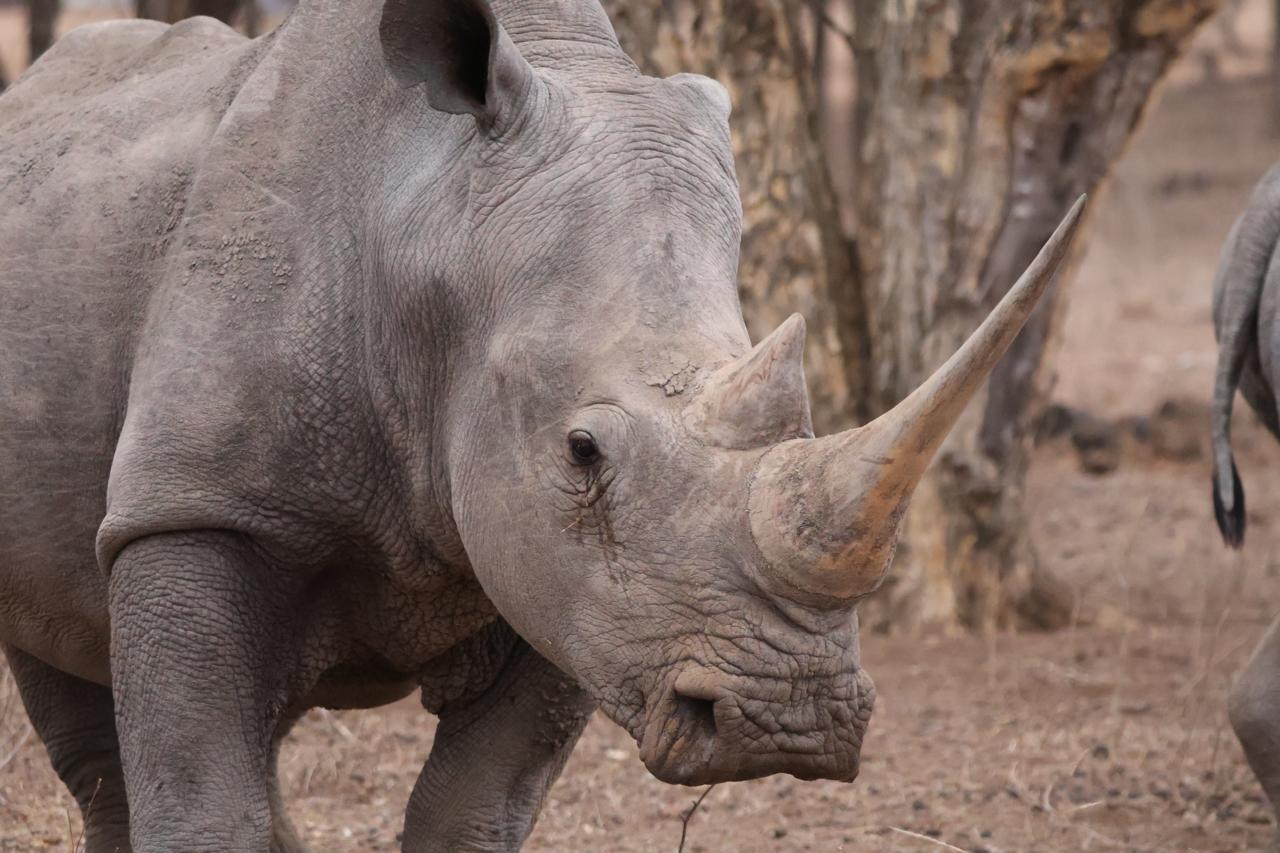
KwaZulu-Natal White Rhino Trophy Hunt
Booking Season: 2026
Hunt Difficulty: Difficult
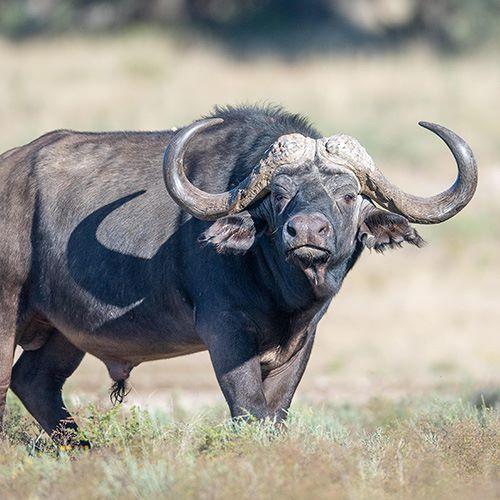
Luxury Cape Buffalo, Rhino Green Hunt & Premium Plains Game Safari
Booking Season: 2026
Hunt Difficulty: Difficult

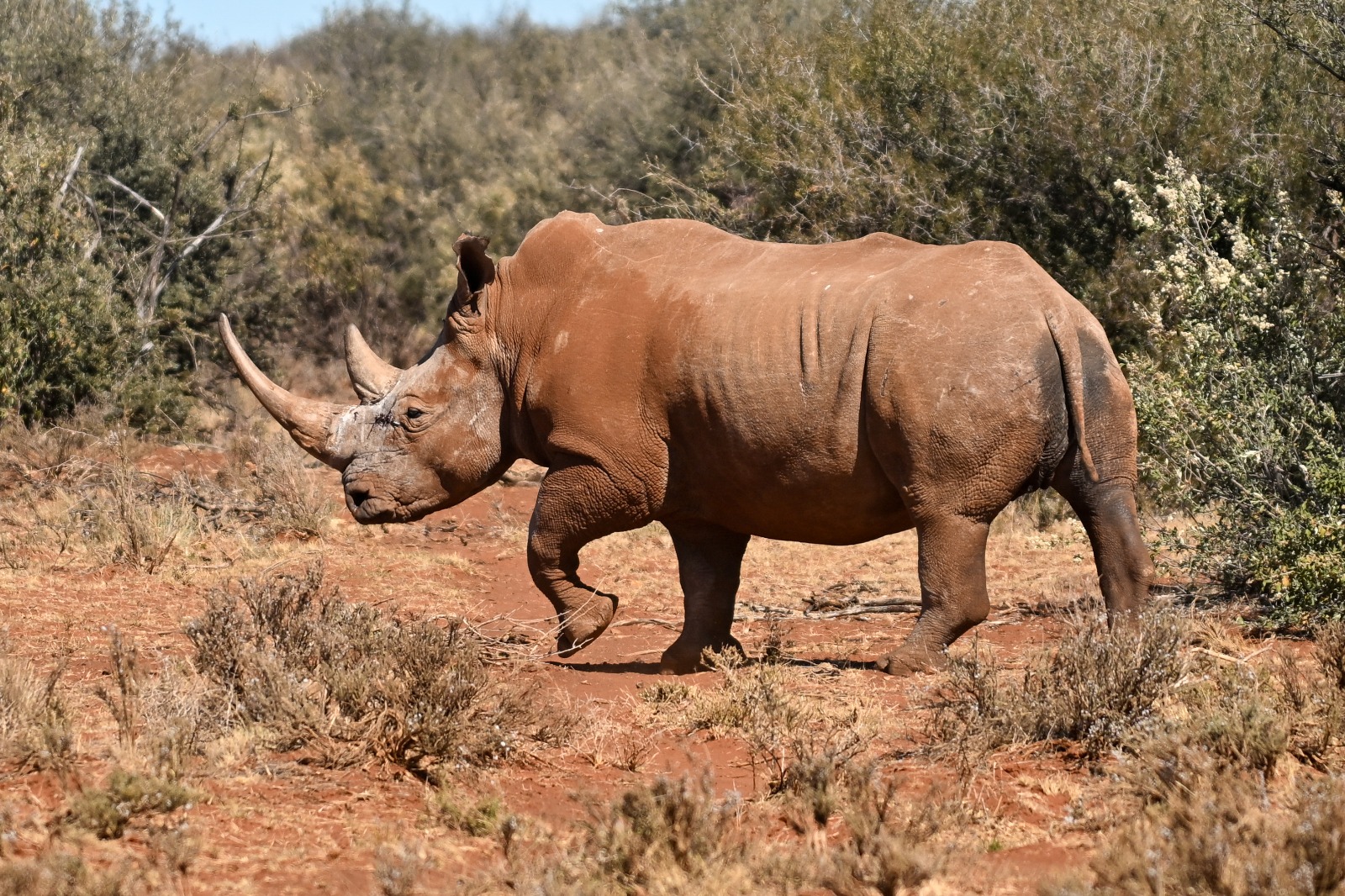
Rhino Dart, Buffalo & Plains Game Hunting in South Africa plus FREE Observer
Booking Season: 2026
Hunt Difficulty: Difficult
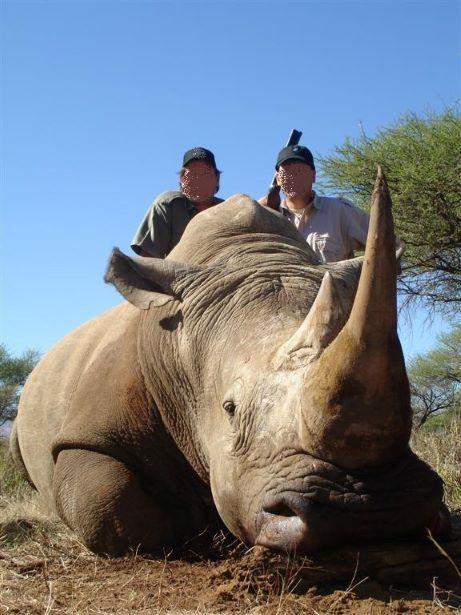
Exportable Southern White Rhino Trophy Safari
Booking Season: 2026
Hunt Difficulty: Difficult
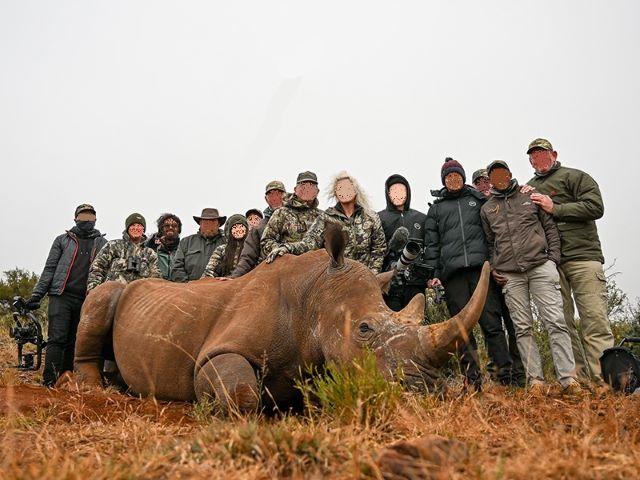
Hunt Cape Buffalo, Dart Rhino & Kudu in SA 2:1
Booking Season: 2026
Hunt Difficulty: Difficult
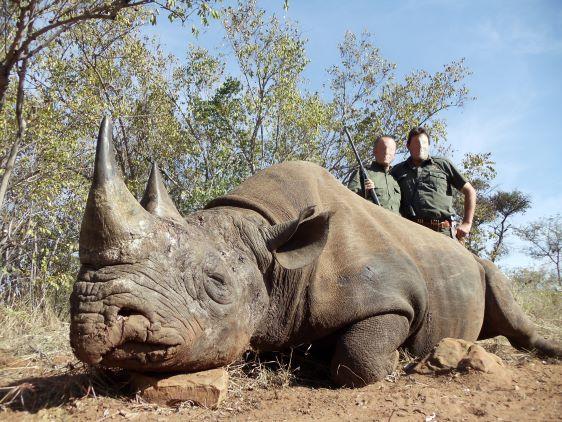
Northern Cape Rhino, Buffalo & Roan
Booking Season: 2026
Hunt Difficulty: Difficult
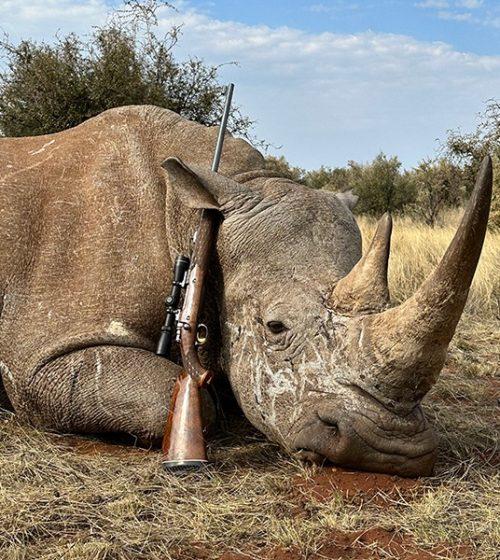
Hunt Cape Buffalo & Dart Rhino Northern Cape SA
Booking Season: 2026
Hunt Difficulty: Difficult
Cape Buffalo, Rhino & Premium Plains Game Safari in South Africa
Booking Season: 2026
Hunt Difficulty: Moderate, Difficult
Search from our range of Hunts across various popular destinations in Africa.

Book Your Hunt