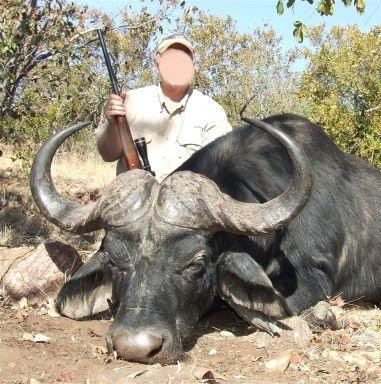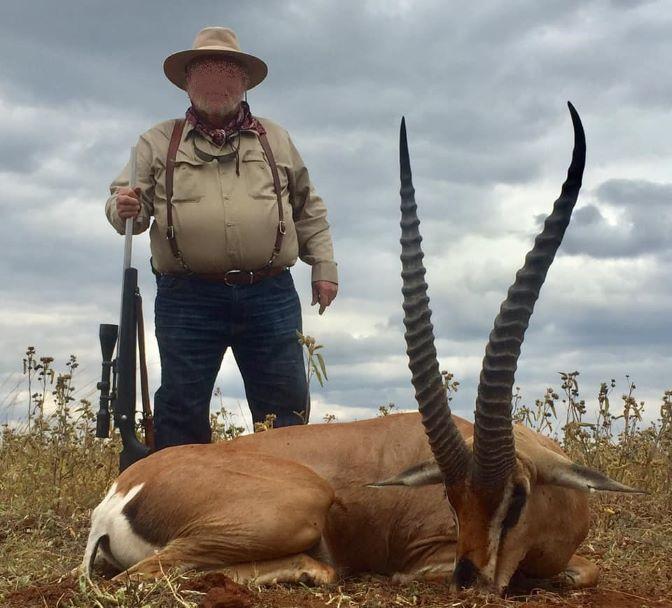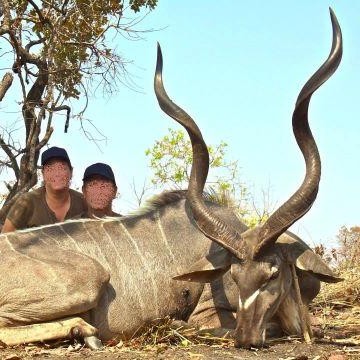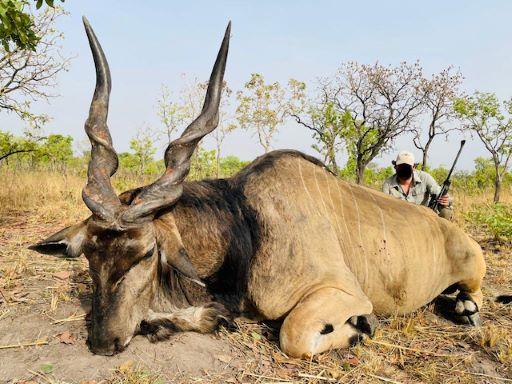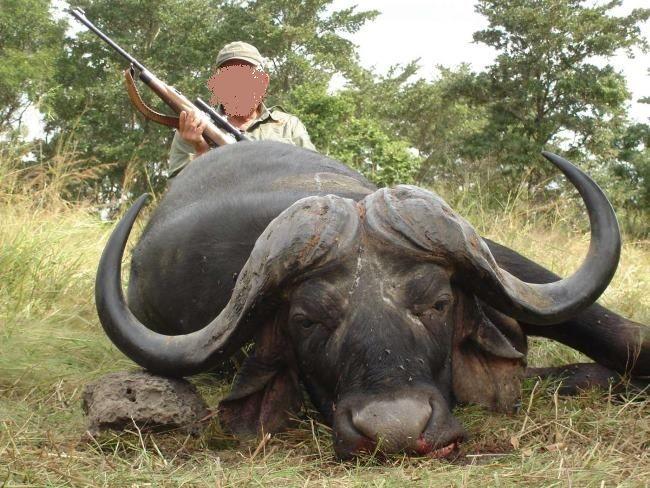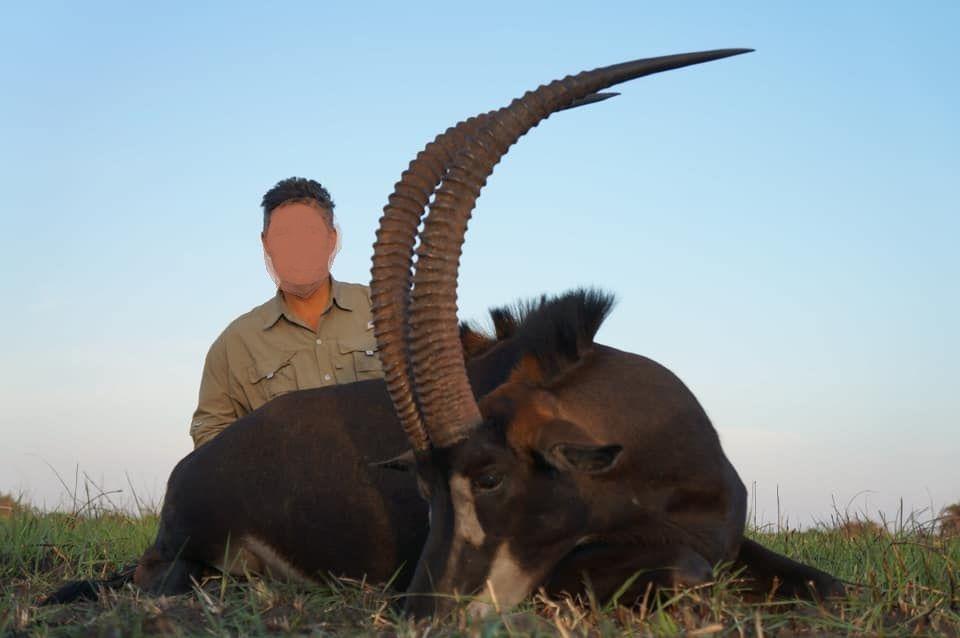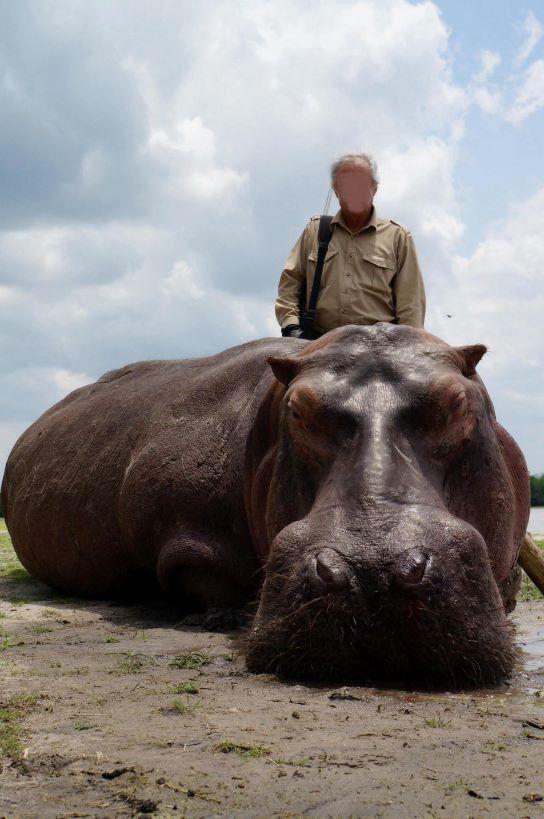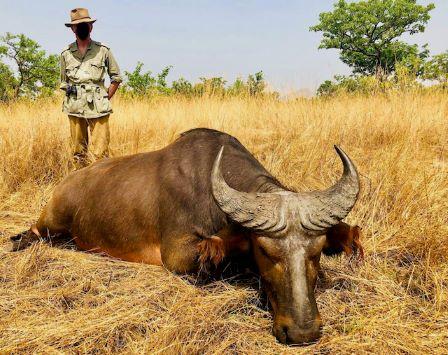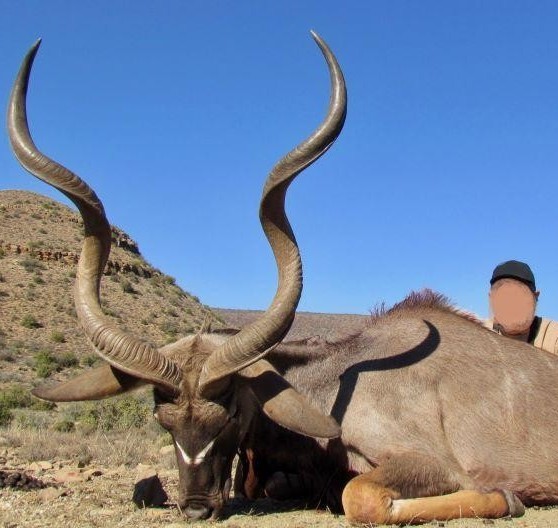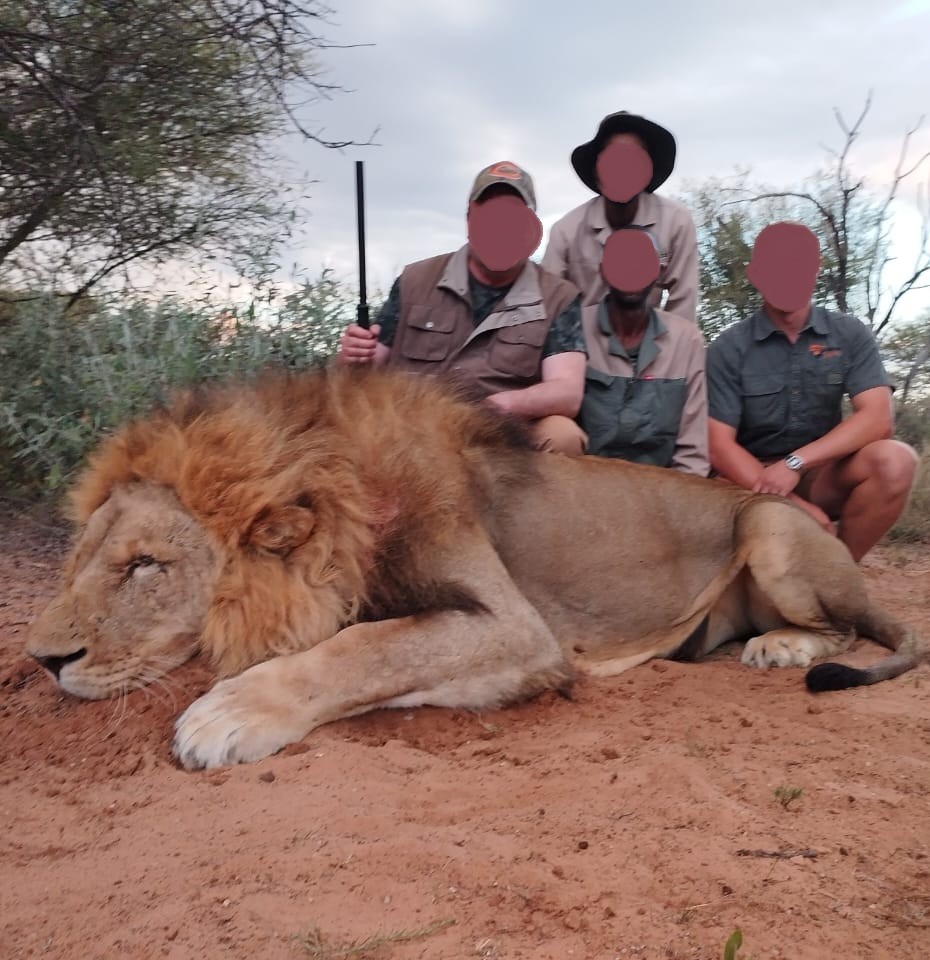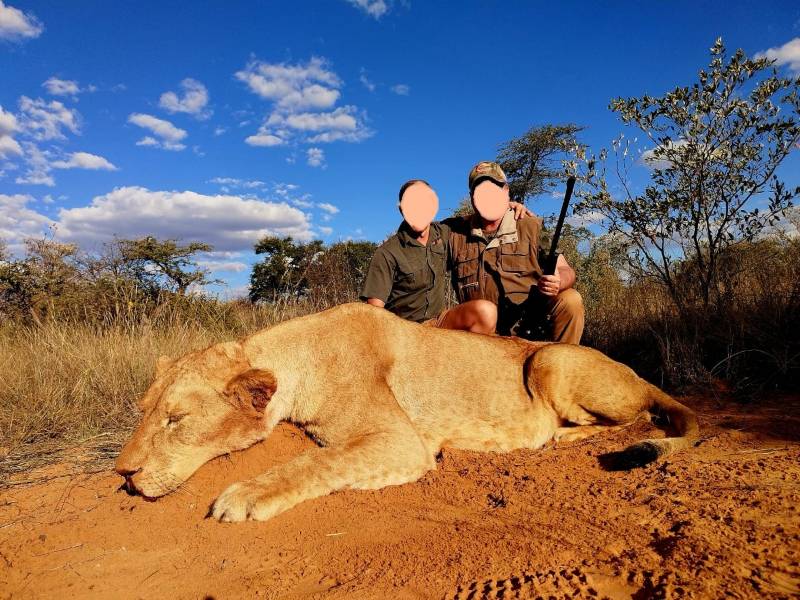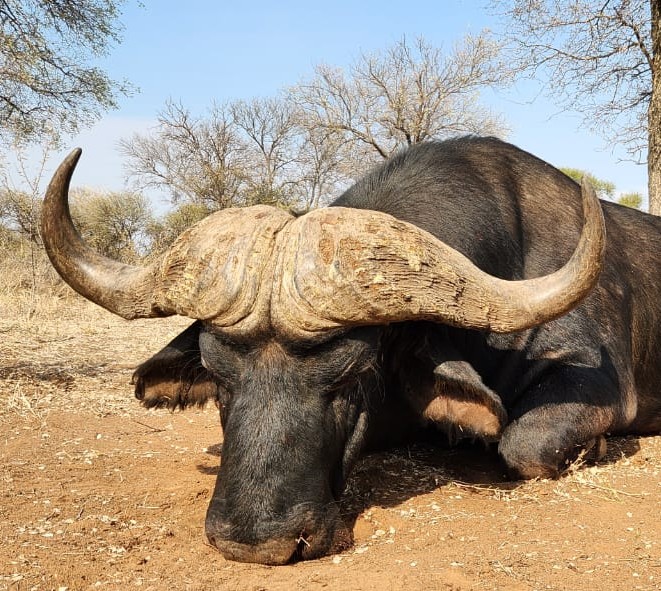
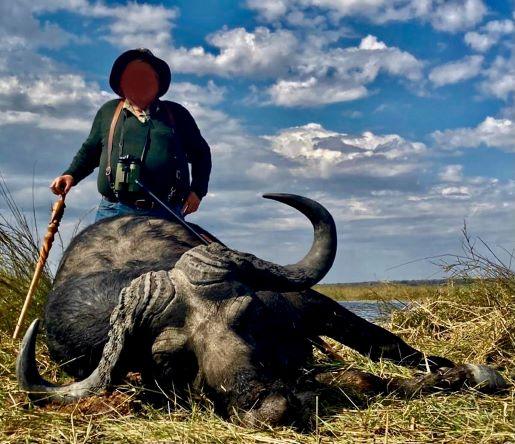
14-Day Free-Range Cape Buffalo Safari | Bushmanland, Botswana
Booking Season: 2026
Hunt Difficulty: Difficult

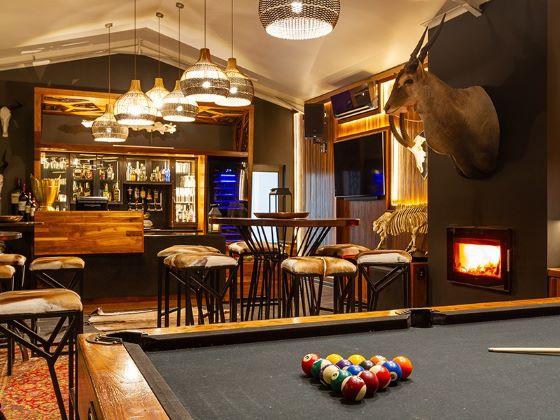

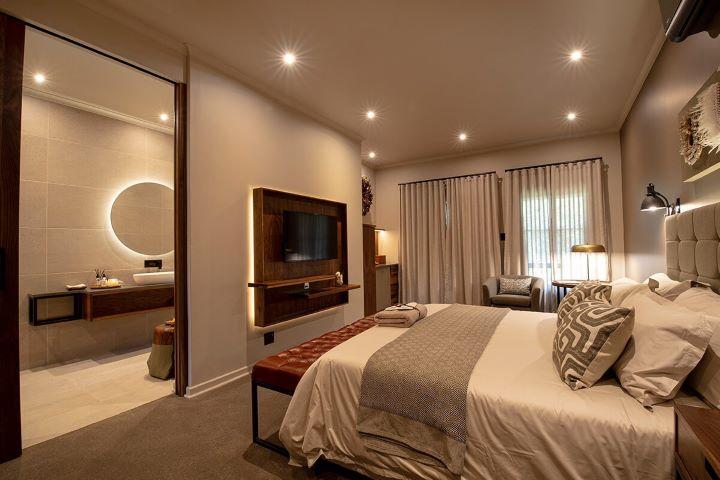
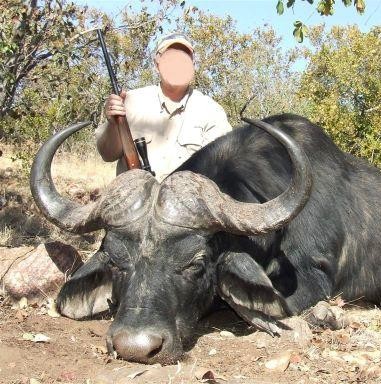
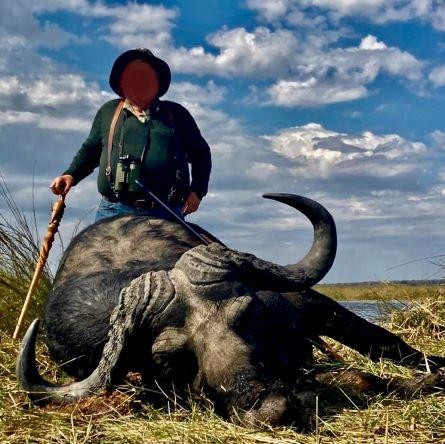
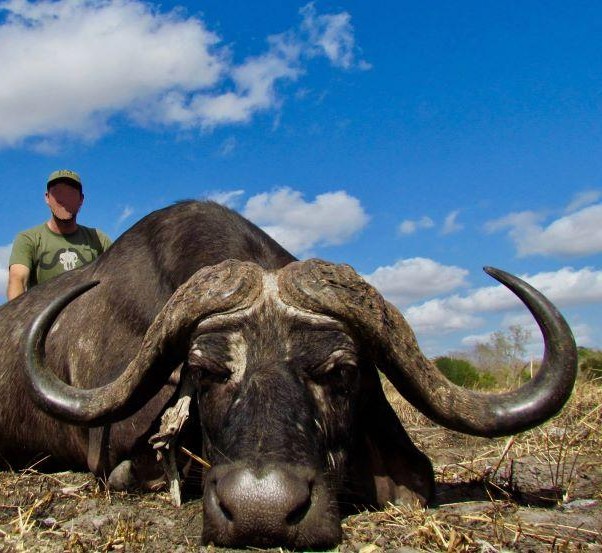
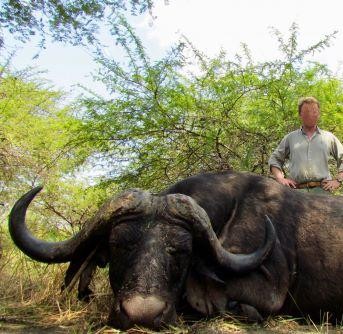
Accommodation is provided in a modern five-star hunting lodge offering spacious private suites, luxury finishes, and a relaxed atmosphere after time spent in the field. Hunters and observers have access to premium lodge facilities including comfortable lounge areas, en-suite bathrooms, a spa, swimming pool, gym, and quality dining throughout the safari.
The hunting area consists primarily of open savanna, scattered thorn bush, dry river systems, and sections of thicker bushveld typical of South Africa’s Northern Cape. Terrain varies from gently rolling ground to denser cover around drainage lines and water sources, creating a good balance between visibility and challenging stalking conditions. While some areas allow hunters to glass and cover ground effectively, buffalo hunting often shifts into thicker vegetation where careful movement, wind direction, and close-range encounters become far more important.
| Fence Type: | Fenced |
| Fence Area: | 33000 acres |
| Nearest Airport Name: | Kimberly Airport |
| Transfer From Airport: | Yes |
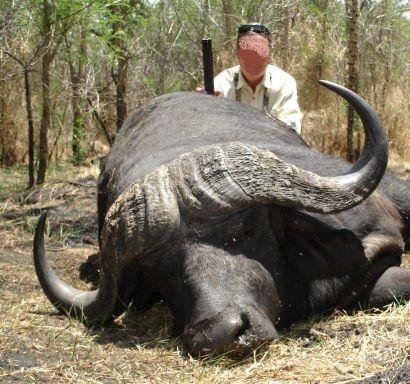
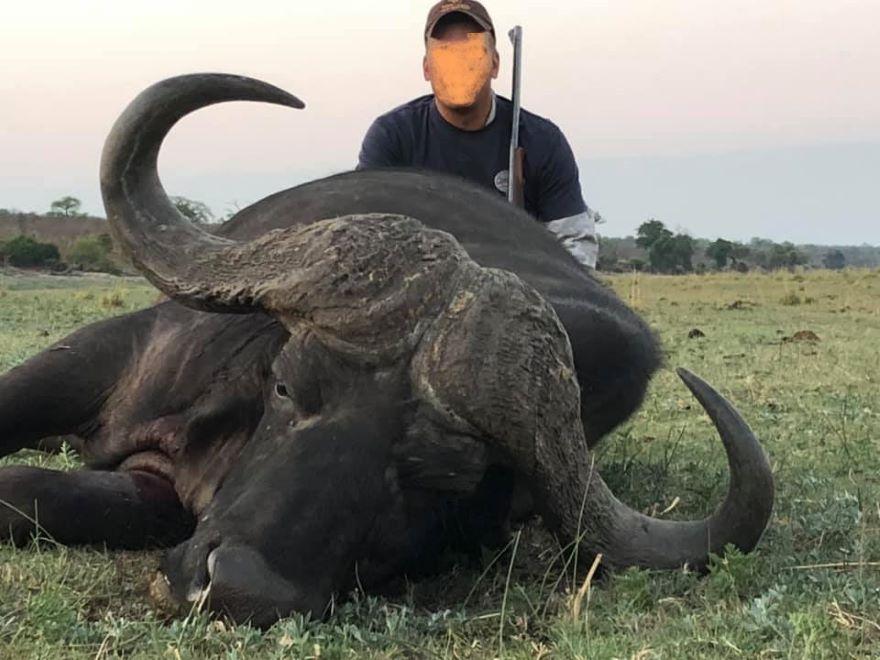
South Africa remains one of Africa’s leading dangerous game destinations, known for professionally managed safari operations, strong buffalo genetics, and extensive private hunting concessions. This 7-day safari in the Northern Cape combines a hard-bossed Cape buffalo hunt with a rhino darting experience across more than 33,000 acres, offering hunters a rare combination of dangerous game hunting, conservation involvement, and luxury accommodation in one destination.
For hunters interested in authentic buffalo hunting in South Africa, this safari delivers a well-managed and highly organized hunting experience supported by experienced professional hunters, quality infrastructure, and carefully managed wildlife populations. Alongside the Cape buffalo hunt, the inclusion of a rhino green hunt adds a unique conservation-focused element rarely encountered on traditional dangerous game safaris.
Price: US$16,700 per Hunter
Duration: 6 Full Hunting Days / 7 Nights
Hunter Ratio: 1 Hunter : 1 Professional Hunter
Species Included:
Hunting Area: 33,000 Acres, Northern Cape, South Africa
Observer: One observer included at no additional cost
Rifle Rental: US$60 per hunting day (includes 20 rounds of ammunition)
Accommodation: Luxury 5-Star Safari Lodge
Jaco is a respected figure within the international hunting industry and is endorsed by Craig Boddington. Together with his team, he operates across multiple hunting territories throughout Africa, including Cameroon, Namibia, Botswana, South Africa, and Tanzania.
Over the years, this operation has earned a strong reputation within the safari industry, receiving recognition such as the Dallas Safari Club Outfitter of the Year Award (2008) and the SCI Outstanding International Hunter of the Year Award (2020).
The focus remains on professionally managed safaris, experienced guiding, and maintaining high standards of integrity, professionalism, and client service throughout the hunting experience.
For American and international hunters, a hunt in South Africa offers one of the most accessible and professionally managed safari experiences anywhere in Africa. The country combines quality infrastructure, experienced outfitters, diverse wildlife, and a wide range of hunting environments, from the bushveld of Limpopo to the open savannas of the Northern Cape and the mountains of the Eastern Cape.
South Africa is particularly well known for professionally managed dangerous game hunts, with privately owned ranches and concessions playing an important role in wildlife conservation and sustainable hunting management. Alongside Cape buffalo and other dangerous game species, the country also offers exceptional plains game hunting opportunities with strong trophy quality across a wide variety of species.
For hunters traveling with companions or family members, South Africa also provides a broad range of non-hunting activities, including the Cape Winelands, the Garden Route, deep-sea fishing, beaches, wildlife tourism, and luxury safari accommodation throughout the country.
International hunters will arrive at OR Tambo International Airport in Johannesburg before connecting to Kimberley Airport in South Africa’s Northern Cape. Domestic flights between Johannesburg and Kimberley are relatively straightforward, with average flight times of around one hour and fifteen minutes. Return flights generally cost around US$200, depending on season and availability.
Depending on international arrival schedules, some hunters may prefer an overnight stay in Johannesburg before continuing to Kimberley the following day. Many visiting hunters choose accommodation near the airport that can assist with transfers, firearm import procedures, and general travel logistics before the safari begins.
Upon arrival in Kimberley, hunters will be met by Jaco or a member of his team for the road transfer to the hunting lodge. The drive through the Northern Cape gradually transitions into classic South African hunting country, with open savanna, rolling terrain, and expansive landscapes defining much of the region.
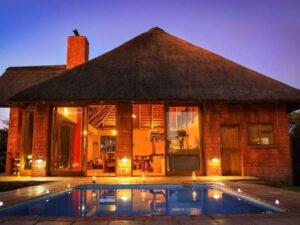
Accommodation during the safari is provided in a modern five-star hunting lodge designed for both comfort and privacy. Hunters and observers have access to spacious private suites, en-suite bathrooms, air conditioning, Wi-Fi, comfortable lounge areas, and premium lodge facilities, creating a relaxed environment after time spent in the field.
The lodge also features a fully equipped spa, gym, swimming pool, and a range of additional amenities suited to both hunters and non-hunting guests. Meals are prepared on-site and typically include quality local cuisine, venison dishes, and South African wines, reflecting the hospitality for which South African safari lodges are well known.
For observers and family members, the lodge offers a variety of non-hunting activities throughout the stay, including guided bush walks, horse safaris, clay pigeon shooting, game drives, and visits to the rhino nursery on the property.
This safari takes place on a privately managed wildlife ranch where dangerous game hunting and conservation are closely connected. A major focus of the property is maintaining a secure and healthy population of white rhino while supporting long-term wildlife management, anti-poaching efforts, and sustainable hunting practices in the region.
For hunters interested in authentic buffalo hunting in South Africa, this safari combines a classic Cape buffalo hunt with a unique rhino darting component across more than 33,000 acres of well-managed hunting country. Revenue generated through carefully controlled hunting contributes directly to habitat management, wildlife protection, and conservation programs connected to the property.
A typical hunting day usually starts early, with breakfast before first light followed by time spent searching for fresh buffalo tracks near waterholes, feeding areas, and game trails. Depending on recent animal movement and conditions, vehicles may be used initially to cover ground before continuing the hunt on foot once tracks are located.
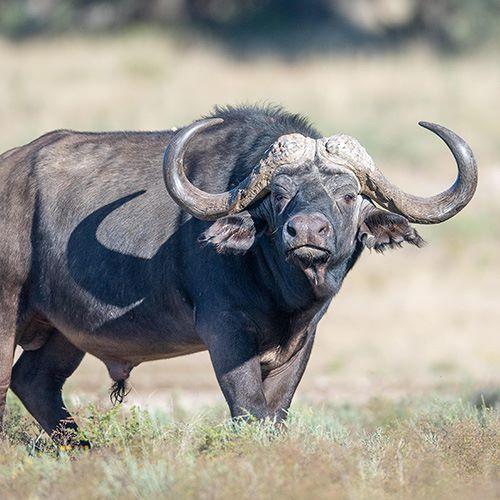
Once fresh buffalo sign is found, the pace changes quickly. Hunting Cape buffalo often involves moving carefully through thick cover while working the wind and slowly closing distance. Final shooting opportunities can become surprisingly close, particularly in denser bushveld conditions. Understanding proper Cape buffalo shot placement and anatomy is critical when hunting dangerous game at close range. A wounded buffalo is exceptionally dangerous and well known for circling back on hunters when pressured. While the legal minimum caliber for buffalo hunting in South Africa is a .375, many hunters prefer rifles such as the .404 Jeffery, .458 Winchester Magnum, or .458 Lott for additional stopping power. Double rifles remain popular for close-range work, particularly in calibers such as the .470 Nitro Express or .500 Nitro Express.
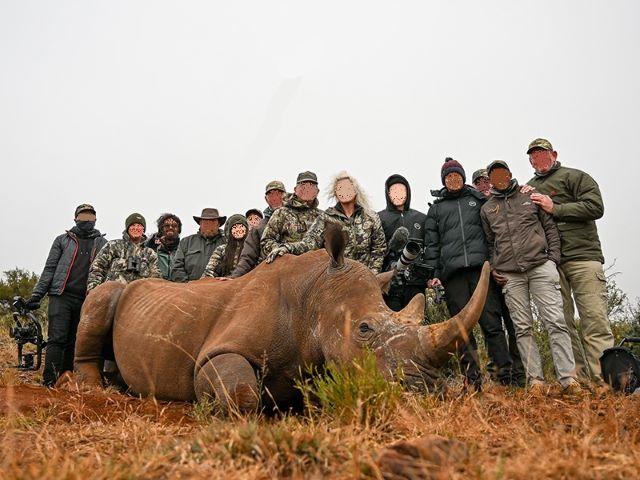
For international hunters, participating in a rhino green hunt represents one of the most exclusive and tightly regulated conservation hunting experiences available in Africa. In South Africa, white rhino conservation is closely connected to private land management, where wildlife owners play a major role in protecting and maintaining healthy rhino populations.
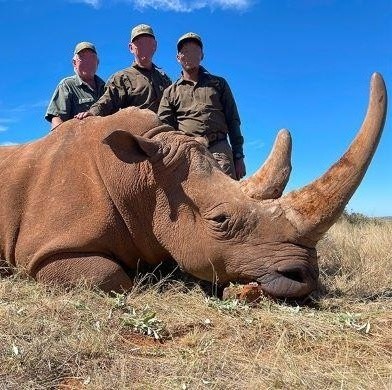
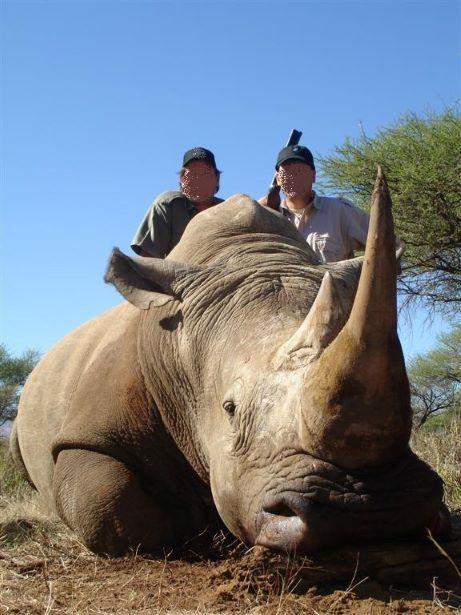
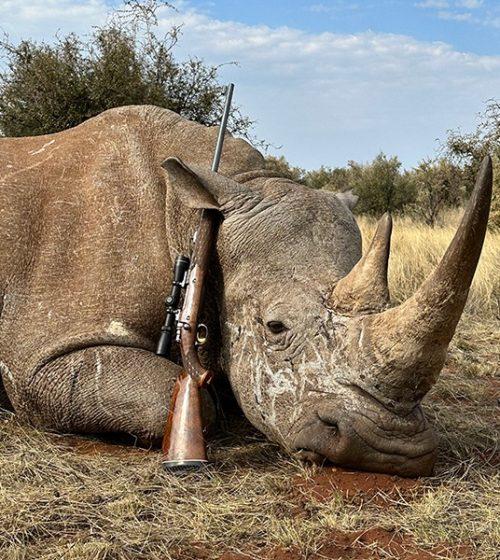
Unlike traditional trophy hunting, a green rhino hunt involves darting the animal under veterinary supervision for conservation and wildlife management purposes rather than harvesting the rhino. These operations are often linked to monitoring programs, veterinary treatment, relocation, genetic management, or anti-poaching initiatives taking place on the property.
For hunters interested in rhino hunting in South Africa, green hunts provide an opportunity to participate in the tracking, approach, and field experience involved in locating rhino while directly contributing to conservation efforts without taking a trophy animal.
Access to rhino green hunts in South Africa remains highly controlled and dependent on permits, conservation approvals, and strict compliance with wildlife regulations. As a result, these opportunities are relatively limited and typically managed through established safari operators and private wildlife ranches.
The main hunting season in South Africa generally runs from April through October, covering the cooler and drier winter months. During this period, vegetation becomes less dense, visibility improves, and animals concentrate more consistently around water and feeding areas, creating favorable hunting conditions for both dangerous game and plains game.
While South Africa has regulated hunting seasons, some privately managed properties operating under specific exemptions may conduct hunting activities throughout the year depending on species, provincial regulations, and property permits.
Winter temperatures are typically mild and comfortable for hunting, particularly during early mornings and evenings. By contrast, summer conditions in some regions can become extremely hot, making hunting more physically demanding for both hunters and wildlife.
Yes. International hunters traveling for a hunting safari in South Africa are permitted to bring their own firearms into the country, provided the required temporary import documentation is completed before arrival. The SAPS 520 form should be prepared in advance to help streamline the clearance process at Johannesburg International Airport.
Hunters should travel with a completed SAPS 520 form, a copy of their passport, airline tickets and travel itinerary, proof of firearm ownership, outfitter contact details, and a formal invitation letter from the safari operator. The SAPS 520 form should be completed in black ink and left unsigned until arrival in South Africa.
Many hunters also choose to overnight in Johannesburg before connecting to their final hunting destination, particularly when additional assistance with firearm permits, transfers, and travel logistics is needed.
When documentation is properly prepared in advance, the firearm import process is generally straightforward for international hunters arriving in South Africa.
This safari is designed for hunters looking for more than a traditional dangerous game hunt. Alongside a classic Cape buffalo hunt, the opportunity to participate in a professionally managed white rhino green hunt provides a rare insight into modern wildlife conservation and the important role that sustainable hunting continues to play in protecting Africa's iconic species.
For hunters planning one of Africa's premier Hunting Trips, this combination of dangerous game hunting, conservation participation, luxury accommodation, and experienced professional guidance creates a safari unlike any other. It offers the chance to pursue one of Africa's most respected dangerous game animals while contributing directly to the long-term management of one of its most threatened.
If you are comparing destinations and budgets before planning your safari, our guide to African Hunting Safari Prices provides a useful overview of what different dangerous game hunts typically cost across the continent. Whether this is your first buffalo safari or another chapter in your African hunting journey, this Northern Cape safari offers a unique combination of traditional hunting, conservation involvement, and world-class hospitality that few African destinations can match.
Please note that terms, conditions and price are subject to change without notice and rates at the time of the hunt will apply
You can speak directly with the outfitter before booking. GHS remains available throughout the process.
Needing assistance with firearm permits and international travel services, or good taxidermists? View our affiliated companies
View Affiliated Services