14-Day Free-Range Cape Buffalo Safari | Bushmanland, Botswana
Booking Season: 2026
Hunt Difficulty: Difficult

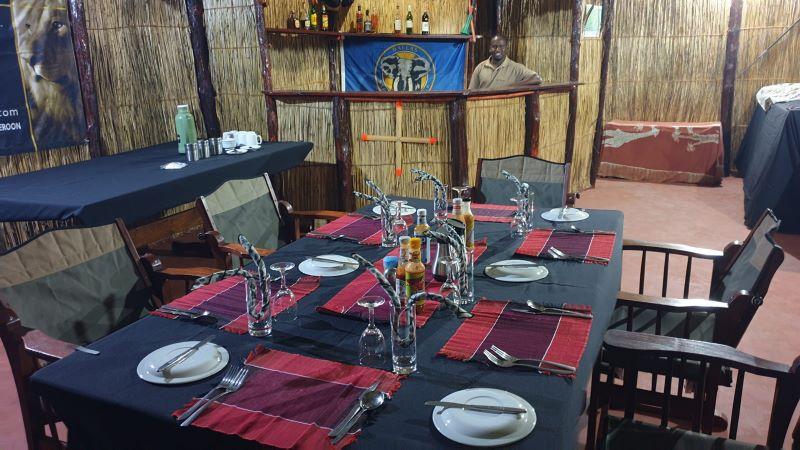
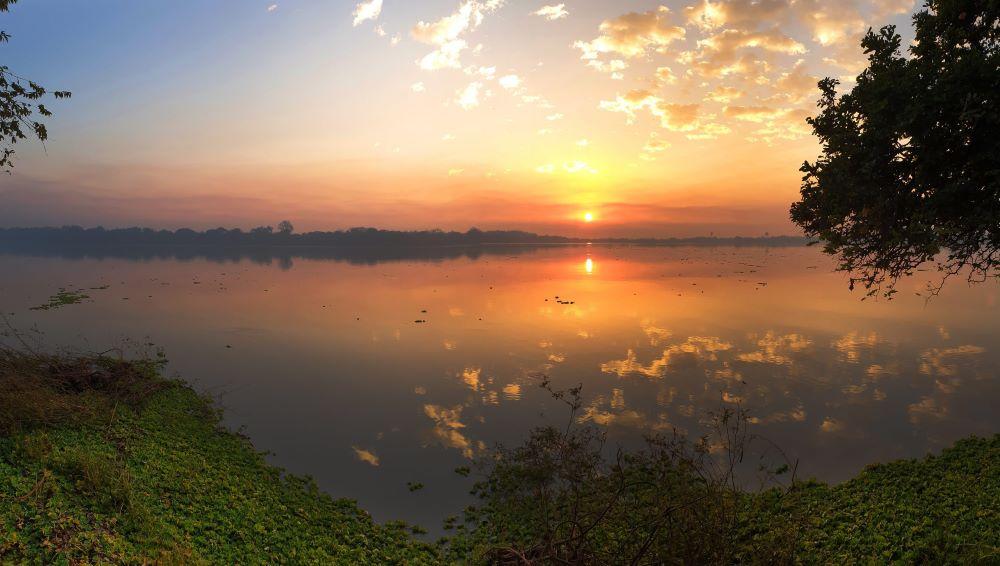
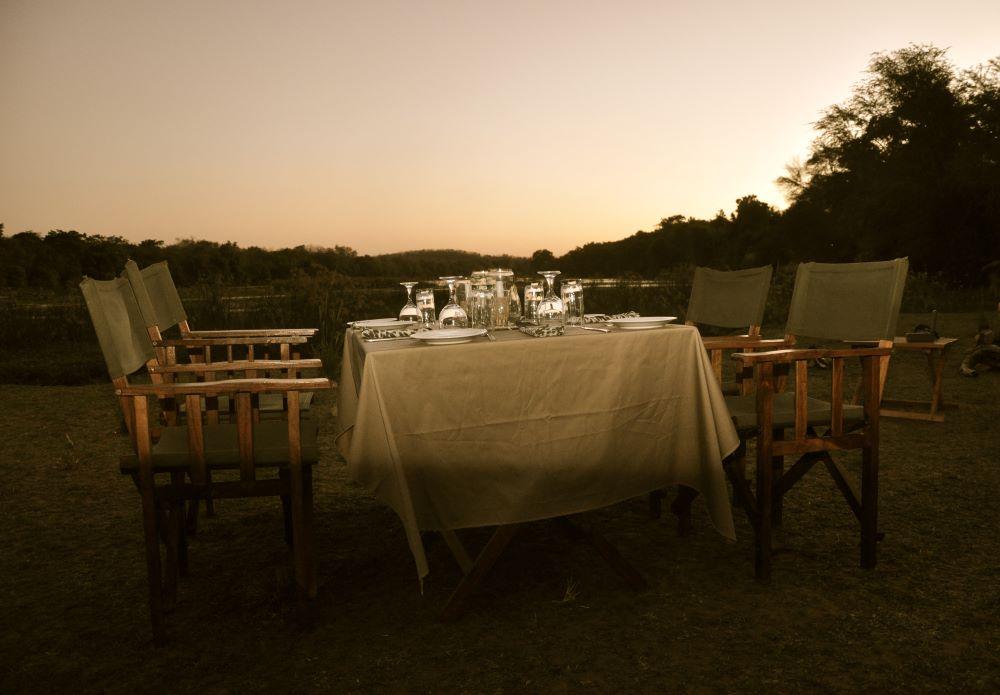
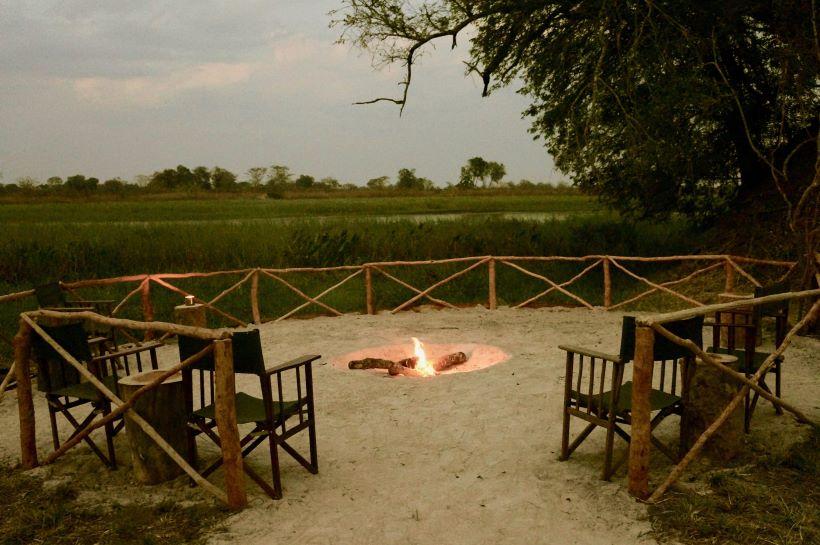
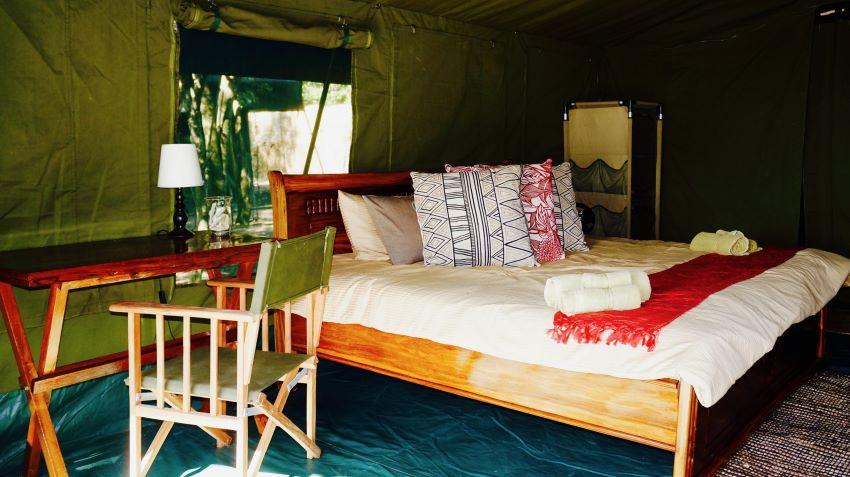
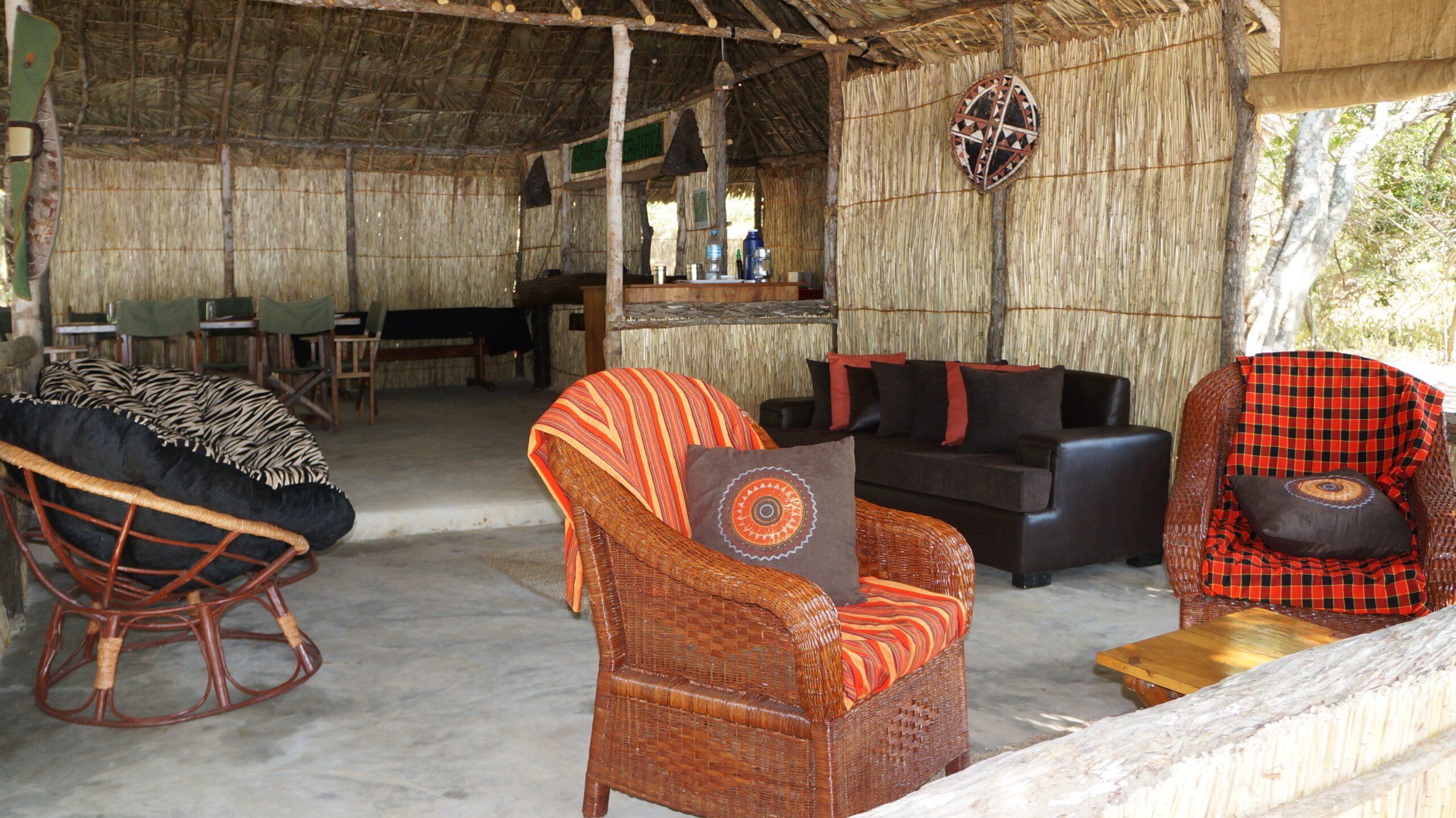
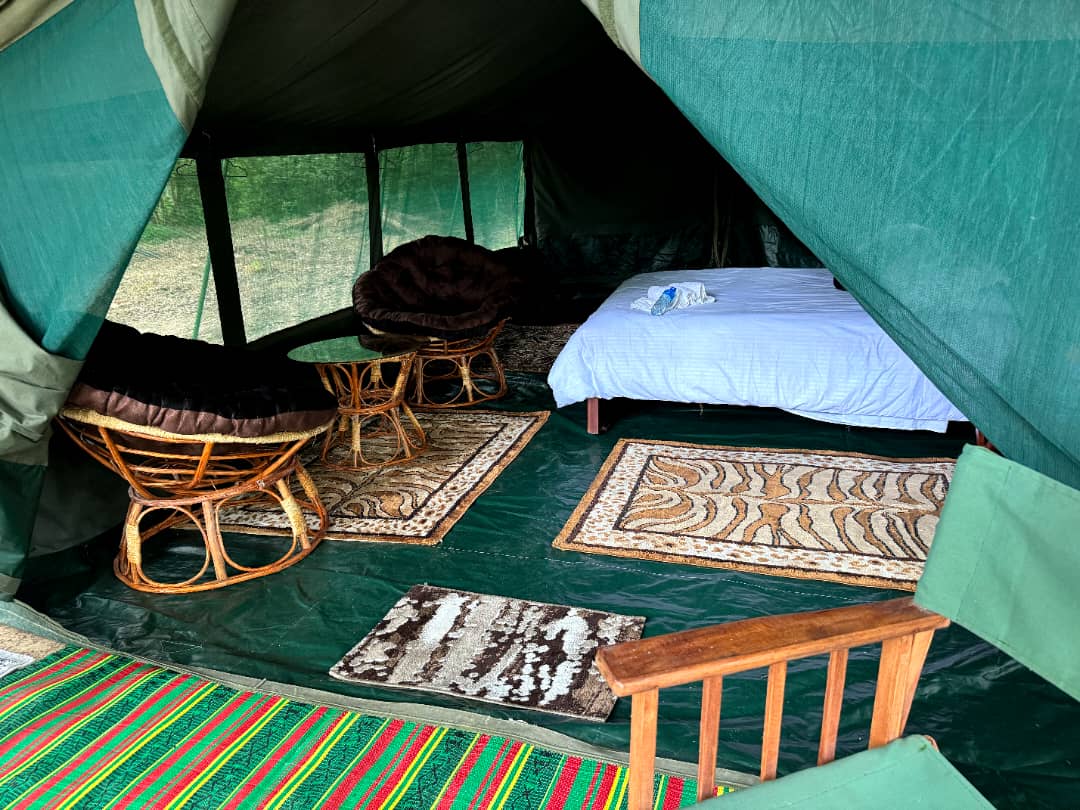
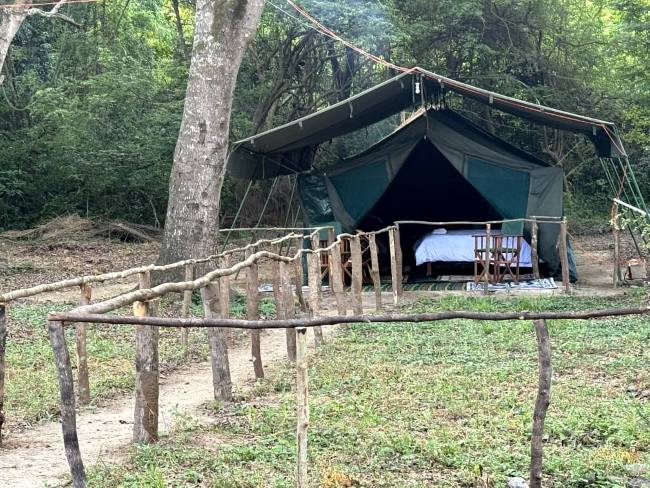
Accommodation is provided in a traditional East African tented safari camp situated within the hunting concession. Spacious en-suite tents, attentive camp staff, and evenings spent around the campfire create the classic safari atmosphere that has drawn dangerous game hunters to Tanzania for generations.
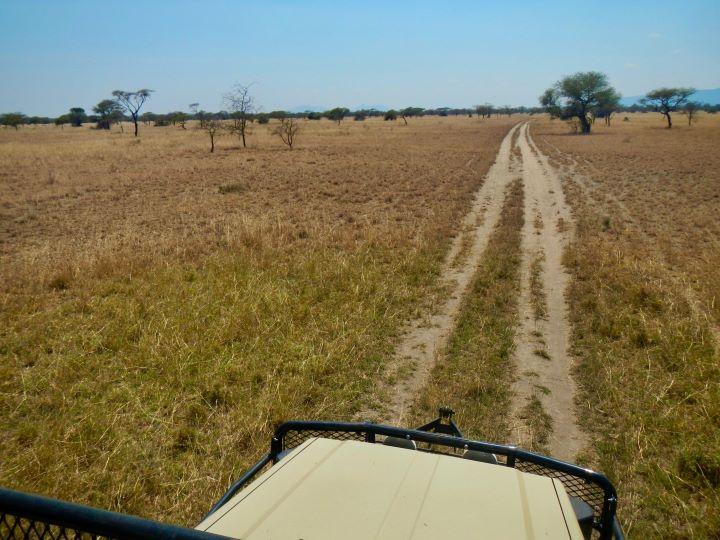
The hunting area consists of classic Selous habitat, including Miombo woodlands, river systems, open floodplains, thick bush, and scattered rocky outcrops. Hunters should be prepared for a combination of vehicle-based searching and walking, with terrain varying from relatively open country along the river systems to dense cover where close-quarter encounters with buffalo and other dangerous game are common.
| Fence Type: | Free-range |
| Nearest Airport Name: | Julius Nyerere International Airport (DAR) in Dar es Salaam, Tanzania |
| Transfer From Airport: | Yes |
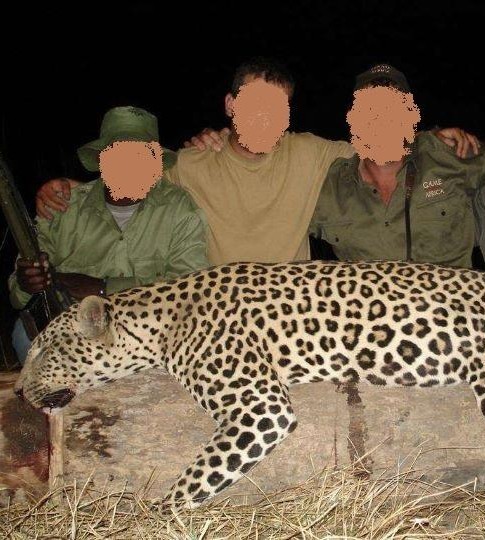
Leopard hunting bears little resemblance to most other forms of African hunting. Unlike buffalo, where success often comes from covering ground and following fresh spoor, leopard hunting is a deliberate process built around preparation, patience, and attention to detail.
Success begins long before a hunter enters a blind. Baits must be carefully positioned, trail cameras monitored, and individual toms evaluated for age, size, and behavior. Every mature leopard is different, and developing a pattern that can be hunted successfully often takes time.
Even when a leopard is regularly visiting a bait, nothing is guaranteed. A shifting wind, unexpected disturbance, or simple feline caution can undo days of preparation. Opportunities are often measured in seconds, while the work required to create those opportunities may take days.
When that opportunity finally presents itself, understanding proper leopard shot placement becomes critical. Angles, body position, and the location of the vital organs can differ significantly from many plains game species, making shot selection one of the most important factors in a successful hunt.
Leopard hunting in Tanzania is strictly regulated and may only take place during daylight hours. As leopard are listed under CITES regulations, export permits are required before trophies can be imported into most destination countries.
Location: Selous Ecosystem, Tanzania
Concession Size: 650,000+ Acres of Free-Range Wilderness
Duration: 14 Hunting Days (15 Nights)
Hunting Style: Traditional Fair-Chase Safari
Primary Species: Cape Buffalo & Leopard
Additional Dangerous Game: Hippo & Nile Crocodile
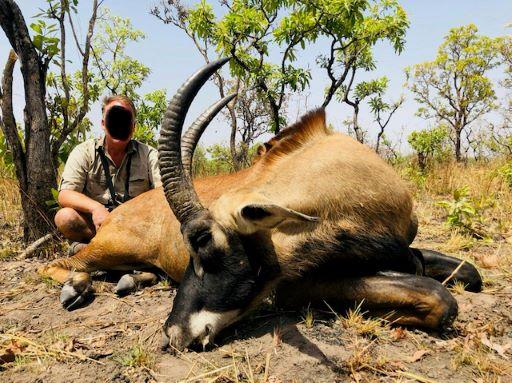
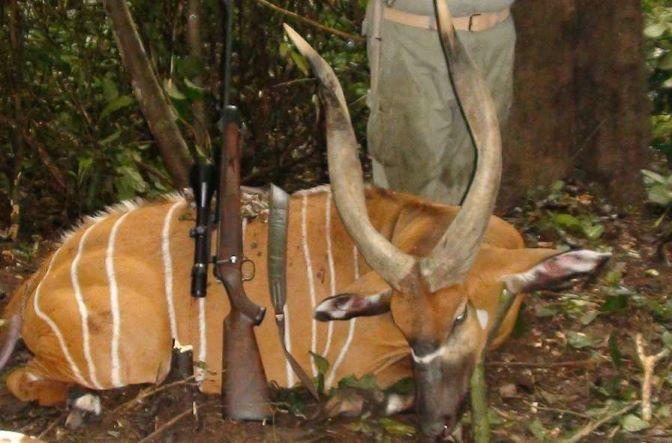
Additional Opportunities: Roosevelt Sable, Topi, East African Bushbuck, Lichtenstein's Hartebeest, Spotted Hyena, and other specialty species
Accommodation: Traditional East African Tented Safari Camp
Access: Charter Flight from Dar es Salaam
Hunter Configuration: 1 Hunter | 1 Professional Hunter
Price: US$52,100 (Trophy Fees Excluded)
Duration: 14 Hunting Days (15 Nights)
Hunter Configuration: 1 Hunter | 1 Professional Hunter
Observers: Welcome at US$350 per person per day
Rifle Rental: Available at US$650 for the duration of the safari
Species Available on License: Leopard, Cape Buffalo, Hippo, Crocodile, and a variety of plains game hunting opportunities.
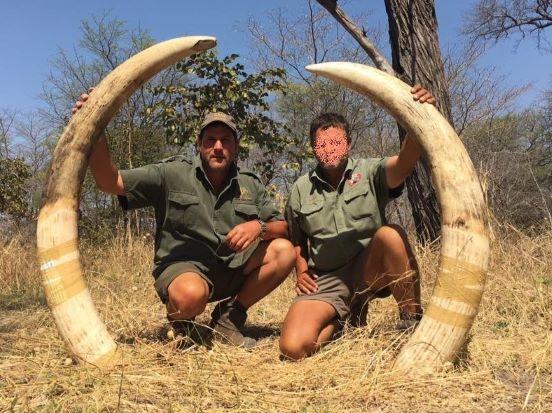
This premium hunting safari takes place within the legendary Selous ecosystem, one of Africa's most celebrated dangerous game destinations. Combining the challenge of leopard hunting in Tanzania, with the excitement of pursuing Cape buffalo, hippo, and crocodile hunts, this safari offers hunters the opportunity to experience classic East African hunting across a vast free-range wilderness concession.
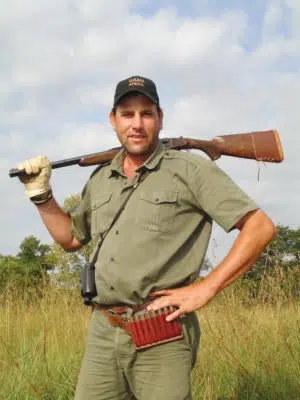
Conducted by Jaco and his experienced team, this 14-day safari is designed for hunters seeking an authentic dangerous game adventure in a region renowned for exceptional game populations, traditional hunting methods, and some of Africa's most spectacular wilderness landscapes.
Jaco is a highly respected figure within the international hunting community and is endorsed by renowned hunter and author Craig Boddington. Together with his team, he conducts hunting safaris across multiple African destinations, including Tanzania, Namibia, Botswana, South Africa, and Cameroon.
Over the years, the operation has earned numerous industry accolades, including the Dallas Safari Club Outfitter of the Year Award (2008) and the SCI Outstanding International Hunter of the Year Award (2020). Jaco and his team are also life members of Dallas Safari Club, Safari Club International, and the African Professional Hunters Association.
Their reputation has been built on delivering authentic African hunting experiences while maintaining a strong commitment to ethical hunting practices, conservation, professionalism, and client satisfaction.
Many hunters initially enquire about this safari because of the exceptional buffalo hunting in Tanzania, but the license provides access to far more than just Cape buffalo. The Selous ecosystem offers the rare opportunity to pursue several of Africa's most sought-after dangerous game species within a single hunting area, creating a safari that few destinations can match.
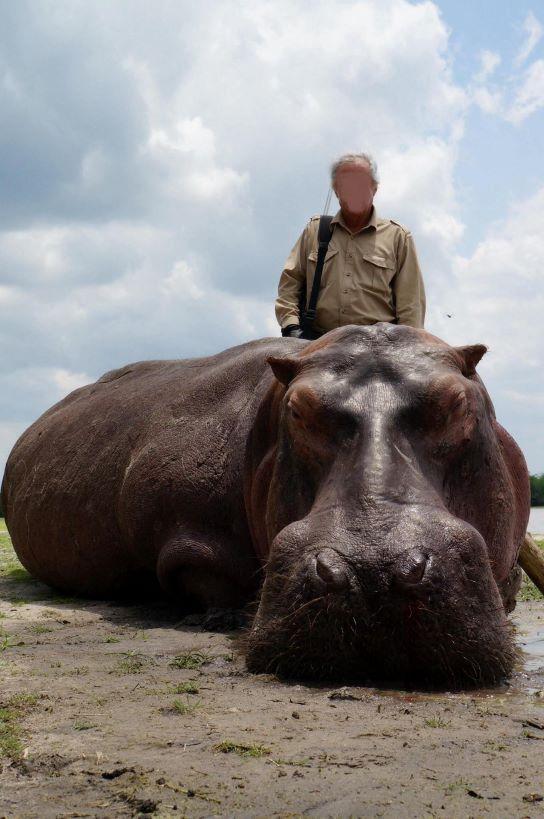
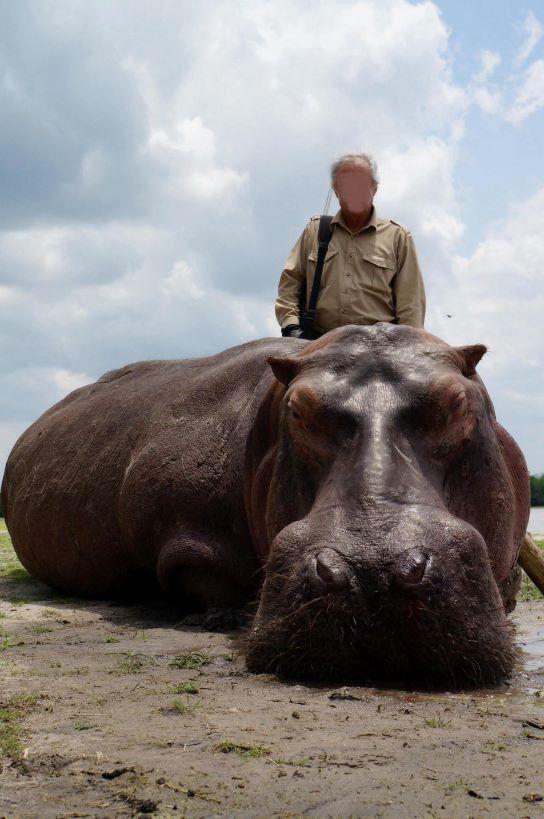
The extensive Kilombero River system flowing through the concession creates ideal conditions for both hippo hunts and Nile crocodile hunts. These river-based hunts provide a completely different challenge from tracking buffalo through the bush and are often combined with dangerous game safaris in Tanzania by hunters looking to maximize their time in Africa.
Leopard hunting opportunities further enhance the experience. Combined with world-class buffalo hunting in Tanzania, hunters can enjoy a classic East African safari that blends tracking, baiting, river hunting, and spot-and-stalk hunting methods within a single concession. Few hunting areas in Africa offer such a diverse combination of dangerous game species and hunting experiences.
Hunters arrive via Julius Nyerere International Airport (DAR) in Dar es Salaam, Tanzania. Depending on flight schedules, an overnight stay in Dar es Salaam may be required before continuing to the hunting area.
The Selous concession is accessed by charter aircraft from Dar es Salaam, with the flight taking approximately one hour. Upon arrival at the bush airstrip, hunters are met by the outfitter's team and transferred directly to camp.
Trophy Fees
Travel & Government Fees
This license also allows limited bird shooting, including up to five geese, five duck, five francolin, and five helmeted guinea fowl during the safari.
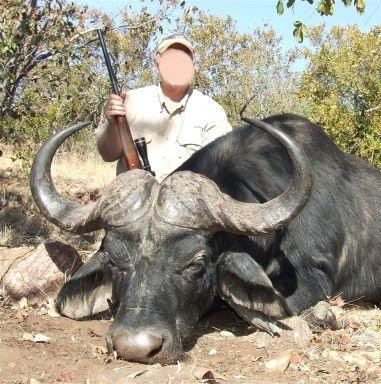
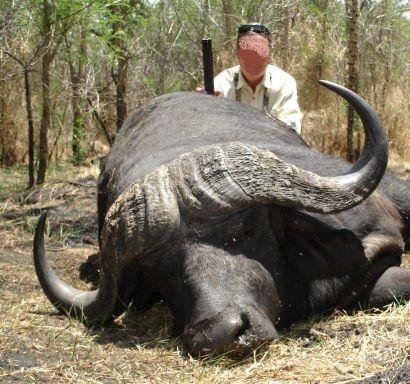
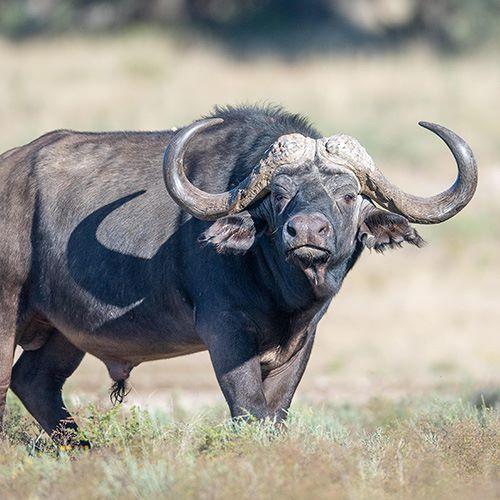
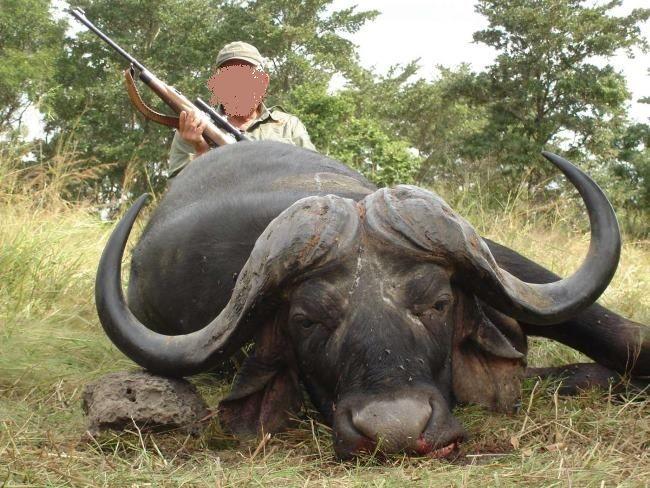
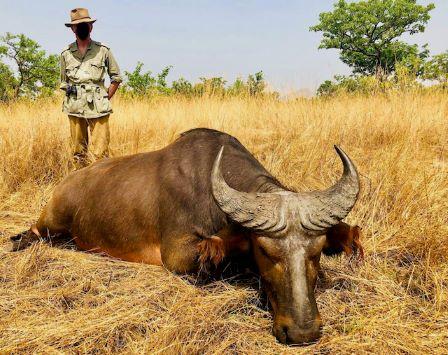
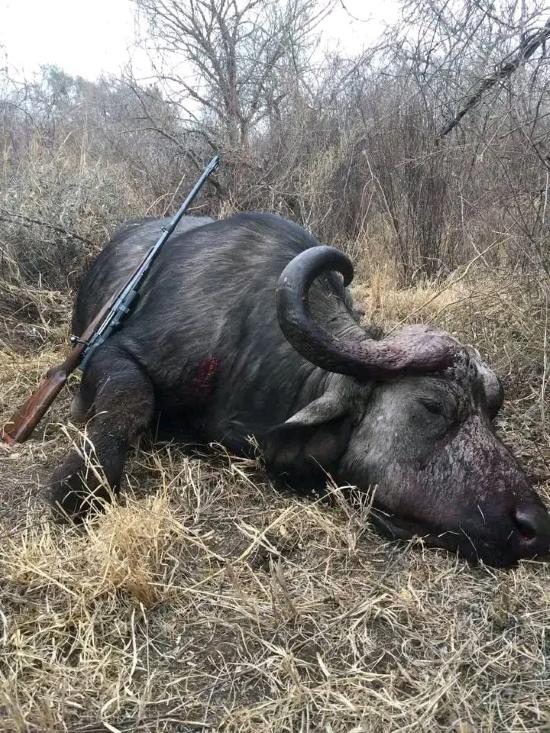
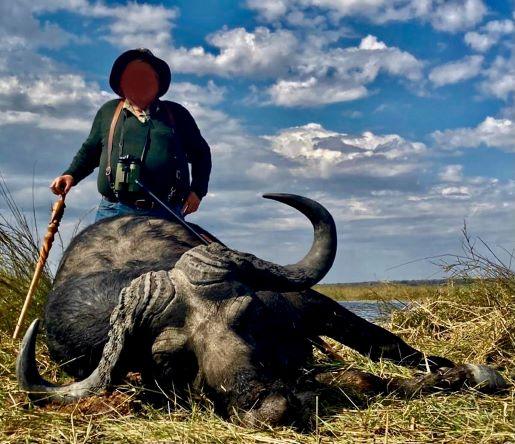
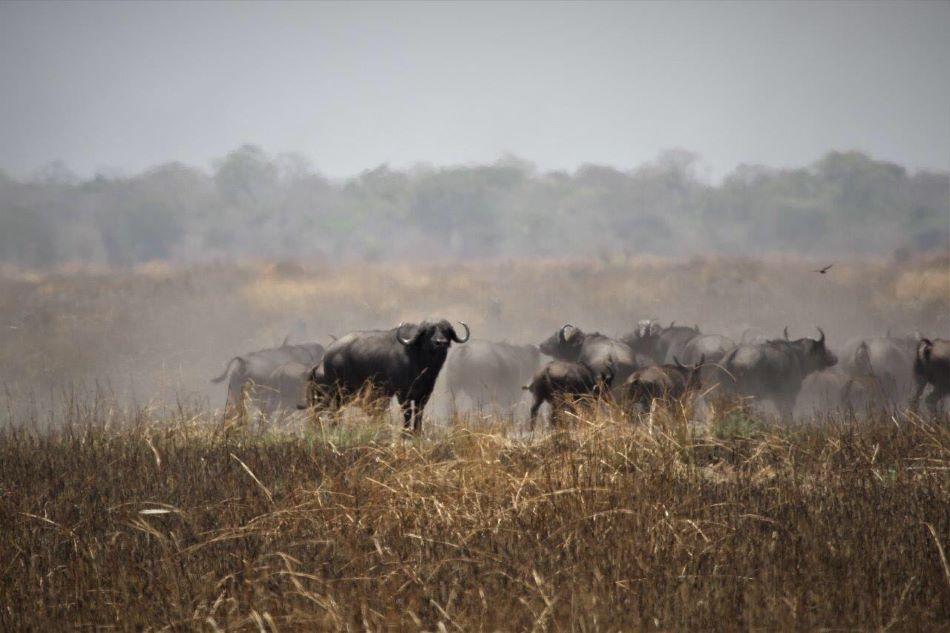
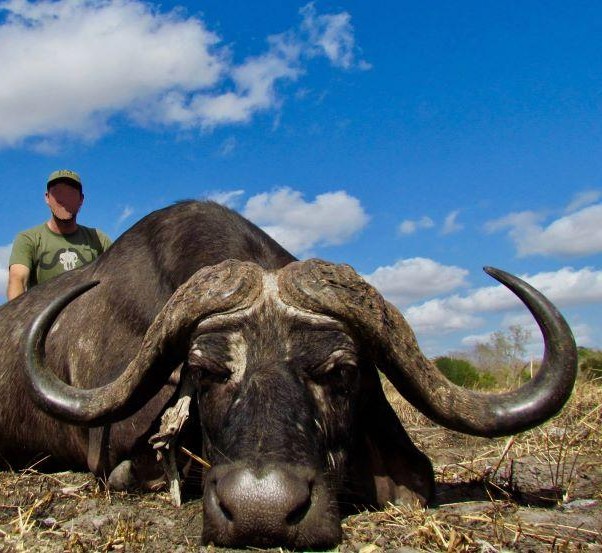
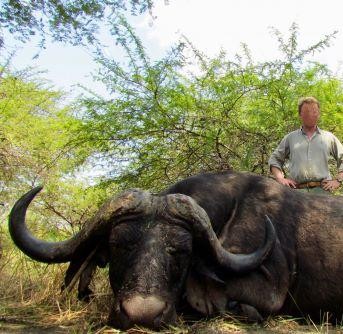
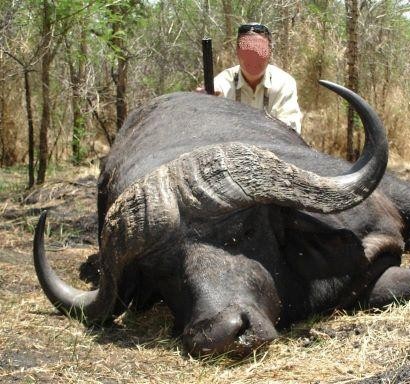
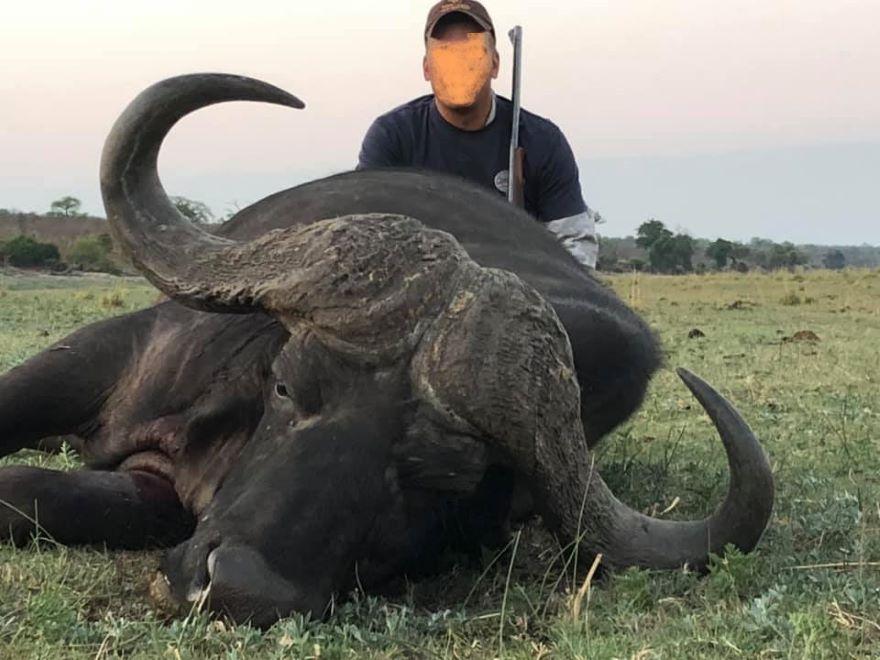
A Cape buffalo hunt in the Selous is seldom a quick affair. While large herds are regularly encountered, identifying a mature trophy bull is only the beginning. The real challenge starts once fresh tracks are located and the pursuit moves onto foot.
Days often begin before sunrise, with hunters and trackers searching roads, river crossings, and feeding areas for fresh spoor. Once a suitable track is found, the vehicle is left behind and the hunt becomes a test of patience, endurance, and teamwork. Hours may pass before the first glimpse of a buffalo is seen through the thick bush.
What makes buffalo hunting in Tanzania so rewarding is that success is never guaranteed. Wind direction, visibility, terrain, and the behavior of the herd all influence the outcome. One moment you may be following tracks through open woodland, and the next you could find yourself within close range of several hundred buffalo, trying to identify a single mature bull among the confusion.
When that opportunity finally presents itself, understanding proper buffalo shot placement becomes critical. Unlike targets on a shooting range, buffalo rarely stand perfectly broadside and conditions are seldom ideal. Hunters must remain calm, trust their preparation, and work closely with their professional hunter to ensure an ethical and effective shot.
For hunters, this combination of tracking, decision-making, and close-quarter encounters is what makes Cape buffalo one of Africa's most respected dangerous game animals.
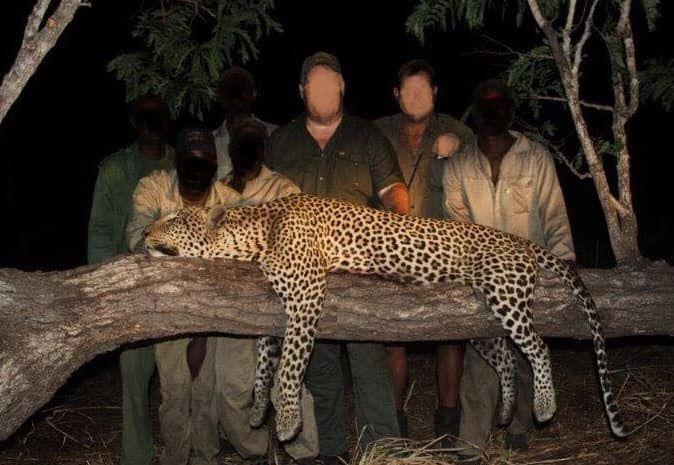
Leopard hunting bears little resemblance to most other forms of African hunting. Unlike buffalo, where success often comes from covering ground and following fresh spoor, leopard hunting is a deliberate process built around preparation, patience, and attention to detail.
Success begins long before a hunter enters a blind. Baits must be carefully positioned, trail cameras monitored, and individual toms evaluated for age, size, and behavior. Every mature leopard is different, and developing a pattern that can be hunted successfully often takes time.
Even when a leopard is regularly visiting a bait, nothing is guaranteed. A shifting wind, unexpected disturbance, or simple feline caution can undo days of preparation. Opportunities are often measured in seconds, while the work required to create those opportunities may take days.
When that opportunity finally presents itself, understanding proper leopard shot placement becomes critical. Angles, body position, and the location of the vital organs can differ significantly from many plains game species, making shot selection one of the most important factors in a successful hunt.
Leopard hunting in Tanzania is strictly regulated and may only take place during daylight hours. As leopards are listed under CITES regulations, export permits are required before trophies can be imported into most destination countries.
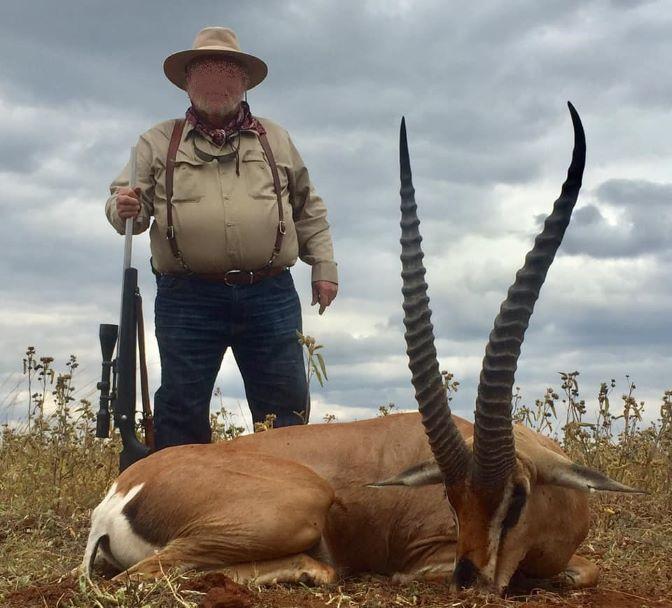
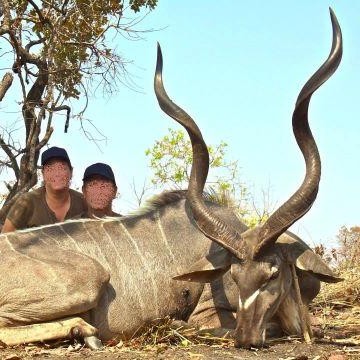
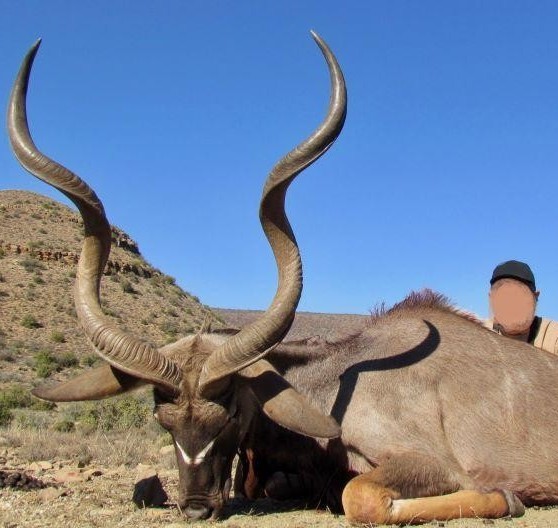
While this safari is primarily designed around dangerous game hunting, the Selous also provides access to a variety of unique East African plains game species that can be added to the hunt for trophy fee only. Hunters pursuing buffalo and leopard regularly encounter species such as Lichtenstein's hartebeest, East African bushbuck, Bohor reedbuck, Topi, Niassa wildebeest, and the highly sought-after Roosevelt sable.
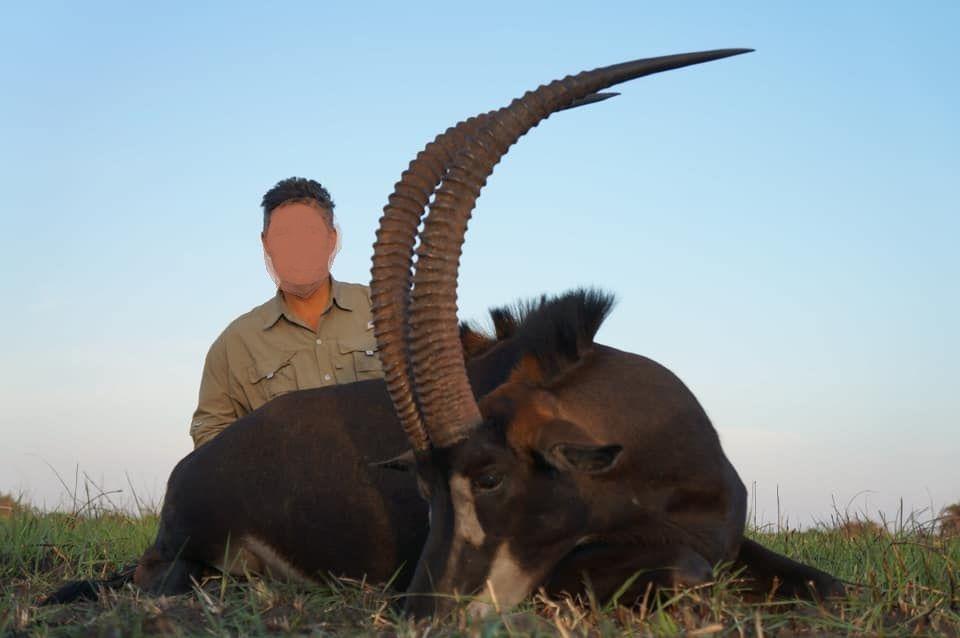
Of particular interest to many international hunters is the opportunity to pursue Roosevelt sable, one of Africa's most impressive antelope species. Known for their dark coloration, sweeping horns, and imposing size, Roosevelt sable are considered by many collectors to be among the finest sable trophies available anywhere on the continent. Hunters interested in learning more can explore our guide to sable hunts in Africa.
The Selous also offers opportunities for several primate species, including Olive Baboon, Blue Monkey, and Vervet Monkey. While often overlooked, baboon hunting can provide an enjoyable challenge and is frequently added to safaris when the opportunity presents itself.
For hunters looking to maximize their time in Tanzania, these additional species provide the opportunity to return home with a collection of unique East African trophies that are seldom encountered in other African hunting destinations.
The Selous is a remote wilderness area, and hunters should arrive prepared for long days in warm conditions. Good walking boots, lightweight clothing, sunscreen, insect repellent, and any prescribed malaria prophylaxis are strongly recommended to ensure a comfortable and enjoyable safari.
Accommodation is provided in a traditional East African tented safari camp located within the hunting concession. Comfortable en-suite tents, attentive camp staff, and evenings spent around the campfire create the classic safari atmosphere that has drawn hunters to Tanzania for generations.
For hunters looking to add something different to their safari, this license also provides access to a variety of specialty species. One of the most popular additions is the spotted hyena, a highly intelligent predator that is often pursued during evening hunts and can be added for a trophy fee of US$600.
Hunters seeking truly unique East African trophies may also wish to explore opportunities for striped hyena hunts in Tanzania. Unlike the more commonly encountered spotted hyena, striped hyena are among Africa's most elusive predators and are available in only a handful of hunting destinations. Their rarity and distinctive appearance make them a prized trophy for collectors seeking something beyond the traditional dangerous game and plains game species.
Additional specialty animals available under this license include African wild cat, black-backed jackal, civet cat, genet cat, honey badger, bushpig, porcupine, hyrax, hare, and striped polecat. These species provide hunters with the opportunity to experience a completely different style of hunting while adding unusual and memorable trophies to an already exceptional Tanzanian safari.
Dip & Pack is the initial trophy preparation process required before trophies can be legally exported from Tanzania. The procedure is designed to ensure that hides, skulls, horns, and other trophy materials are properly cleaned, treated, and prepared in accordance with international veterinary and export regulations.
During the process, all tissue is removed from skulls and horns, hides are cleaned and treated, and trophies undergo a series of disinfecting and preservation procedures. Once completed, the trophies are dried, inspected, and prepared for crating and shipment to the hunter's chosen taxidermist or destination country.
While Dip & Pack does not include taxidermy work, it is an essential step in the trophy export process and helps ensure that trophies can be transported internationally without unnecessary delays or complications.
Hunters may bring a maximum of three rifles and one shotgun into Tanzania, subject to the applicable import permit requirements. Handguns, semi-automatic firearms, and fully automatic firearms are prohibited.
The outfitter will assist with the firearm permit application process and provide the necessary documentation before the safari. Hunters should ensure that applications are submitted well in advance of travel and that all firearm and ammunition regulations are followed.
Few hunting destinations in Africa offer the combination of species, wilderness, and hunting traditions found within the Selous ecosystem. The opportunity to pursue Cape buffalo, leopard, hippo, crocodile, and a variety of unique East African plains game species within a single concession is something that very few hunters will ever experience.
This is not a safari built around convenience. It is a safari built around adventure, patience, and the pursuit of some of Africa's most respected game animals in a truly wild environment. From tracking buffalo through Miombo woodland to monitoring leopard bait sites and glassing riverbanks for crocodile and hippo, every day presents a new challenge.
For hunters seeking an authentic East African dangerous game safari, the Selous remains one of the finest hunting destinations on the continent.
If you would like additional information regarding availability, travel planning, trophy fees, or hunting conditions, contact the team at Game Hunting Safaris. We will gladly answer your questions and help determine whether this Selous buffalo and leopard hunt is the right fit for your hunting goals.
Please note that terms, conditions and price are subject to change without notice and rates at the time of the hunt will apply
You can speak directly with the outfitter before booking. GHS remains available throughout the process.
Needing assistance with firearm permits and international travel services, or good taxidermists? View our affiliated companies
View Affiliated Services