
5-Day Non-Exportable Cape Buffalo Hunt in Namibia
Booking Season: 2027
Hunt Difficulty: Difficult

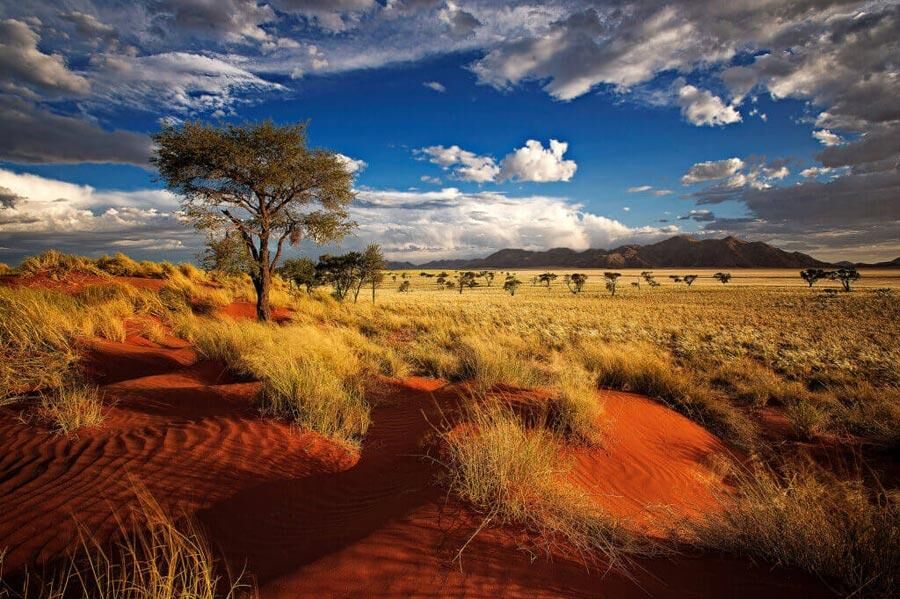
Namibia has two distinct hunting environments. Across the central highlands, Kalahari and private hunting properties, hunters pursue kudu, gemsbok, springbok and other plains game. In the northeast, the Zambezi Region is known for elephant, Cape buffalo, hippo and crocodile hunting along its rivers and floodplains.
For hunters planning their first African hunting safari, Namibia has established outfitters and hunting properties within driving distance of Windhoek. Dangerous-game hunters can also consider lower-priced non-exportable hunts, where the trophy must remain in Namibia. This distinction can affect the price and should be understood before booking.
Compare the Namibia hunts below by species, hunting area, duration and price.


The Khomas Highlands are known for kudu hunting in mountainous terrain, while the Kalahari's red sand country supports gemsbok, springbok, eland and other antelope. Plains-game safaris can often combine several species on the same property, although trophy fees, hunting conditions and the animals available differ between outfitters.
Elephant are hunted in selected northern areas, including Bushmanland and the Zambezi Region. These hunts depend on the available quota and the conditions attached to the permit. Our big game hunting in Namibia page covers the country's wider dangerous-game opportunities.
Cape buffalo are hunted in the Zambezi Region and on selected private properties, including around Waterberg. Explore our buffalo hunting in Namibia page for the available hunting options.
The rivers and floodplains of the northeast are also home to hippo and Nile crocodile. Dedicated Namibia hippo hunts and crocodile hunting safaris depend on access to suitable waterways, available quota and the conditions in the hunting area.
The mountainous country surrounding Windhoek is one of Namibia's established plains-game hunting areas. Rocky ridges, valleys and thornveld make spotting animals from a distance easier than getting close to them. Many hunting properties are accessible by road from the capital, making this a practical choice for shorter safaris.
The Kalahari's red sand dunes, camelthorn trees and open valleys create a different hunting environment. Tracking in sandy ground and approaching animals across open country are central to many hunts here.
Some operations specialise in plains game, while selected private properties also offer buffalo hunting. Disease-free buffalo from appropriately authorised areas may be eligible for trophy export, unlike certain non-exportable hunts farther north.
Bushmanland is remote elephant-hunting country, where safaris can involve extensive tracking on foot. Our Bushmanland elephant expedition documents our participation in a drought-relief hunt involving a non-exportable elephant. These management hunts operate under specific authorisations and permit conditions.
The Zambezi Region is Namibia's principal riverine dangerous-game hunting area. Its floodplains, waterways and thick vegetation support a different safari from the dry central and southern regions. Hunting takes place in authorised areas, including communal conservancies where local communities benefit from wildlife utilisation.
We've hunted hippo and Cape buffalo here on several occasions. During one of our Cape buffalo hunting expeditions in Namibia's Caprivi, we stalked an old dagga boy through the reeds along the Chobe floodplains, eventually closing to less than twenty yards.

Tamlyn with her mature hippo bull following a successful hunt in Namibia's Zambezi Region.

Pierre with his mature Cape buffalo bull after a successful dangerous game hunt in Namibia.
Some of Namibia's most affordable dangerous-game safaris are non-exportable hunts. The hunter participates in the hunt, but the trophy cannot be exported to their home country. This is important when comparing buffalo and elephant packages, where two apparently similar hunts may have different prices.
Namibia's veterinary cordon fence, known as the Red Line, separates areas with different animal-disease controls. Buffalo hunts in the Zambezi Region may be sold as non-exportable because of veterinary restrictions, while buffalo from authorised disease-free areas can qualify for export. This distinction helps explain the difference in advertised prices.
Elephant hunts can carry different restrictions, including conditions attached to management or other special permits. The fact that an elephant may legally be hunted does not automatically mean its tusks can be exported.
On a non-exportable hunt, the trophy remains in Namibia. The meat is used locally, often benefiting the community associated with the hunting area.
Non-exportable buffalo hunts in Namibia can sometimes be booked for under US$10,000, while non-exportable elephant safaris in Namibia may start around US$16,000–$20,000. These are broad planning figures rather than fixed package prices, and costs depend on the hunting area, duration and what is included.
Exportable elephant hunts cost considerably more, with packages often ranging from approximately US$30,000 to US$60,000 or higher. Trophy expectations, hunting conditions and the outfitter's pricing structure influence the final amount.
Most plains-game hunts are priced either as a daily rate with trophy fees charged separately or as a package that includes a specified number of hunting days and animals.
Plains-game hunting in Namibia can cost approximately US$3,000–$15,000 or more, depending on the number of hunting days, animals taken and accommodation. This is a broad planning range rather than a fixed package price.
Some outfitters sell packages that include several animals, while others charge a daily rate covering accommodation, meals, professional hunter services, trackers and hunting vehicles. Trophy fees are then charged separately for each animal taken, allowing hunters to choose what they pursue during the safari.
A five- to seven-day hunt can be sufficient for several plains-game species, but the total cost depends on the hunter's trophy list.
International flights, airport transfers, rifle hire, ammunition, observer fees, gratuities, taxidermy and trophy shipping may be charged separately. Hunters bringing family members should also confirm observer rates and whether the camp can accommodate non-hunting activities.
When comparing African hunting safari prices, ask for a written quotation showing the total daily rates, included trophies, additional trophy fees and expenses payable after the hunt.
Namibia's official trophy hunting season runs from 1 February to 30 November, with hunting closed during December and January. Although safaris can be booked throughout the open season, the best dates depend on the region, species and hunting conditions.
| Period | Hunting conditions | Best suited to |
|---|---|---|
| February–April | Late summer and early autumn. Vegetation can be thick after the rains, with wildlife spread across available water sources. | Hunters comfortable with warmer weather and greener hunting country. |
| May–August | Cooler, drier weather. Vegetation gradually thins, and early mornings can be very cold in the highlands and Kalahari. | Traditional plains-game safaris, including hunts involving extensive walking and stalking. |
| September–November | Hotter, increasingly dry conditions. Water availability becomes important, although the first rains can change animal movements. | Late-season hunts where water, tracking conditions and local wildlife movements influence the hunting strategy. |
| December–January | Closed to trophy hunting. | No trophy safaris may be scheduled during these months. |
For dangerous-game hunters in the Zambezi Region, seasonal flooding and access to hunting areas can matter more than the calendar month alone. Buffalo and elephant movements change with water availability, while river levels affect hippo and crocodile hunting.
| Requirement | What Hunters Need to Know |
|---|---|
| Minimum rifle requirements | Small antelope: 1,350 J (.243 class). Larger plains game, including kudu, gemsbok and eland: 2,700 J (.270 class). Dangerous game: 5,400 J (.375 class). Ammunition must meet the required bullet energy. |
| Professional hunter | Elephant, buffalo, rhino and lion hunts require an appropriately qualified, big-game licensed professional hunter. |
| Trophy limits | Generally, a maximum of two trophies of each species per hunter per permit, subject to additional species restrictions. |
Bowhunting is permitted on registered properties with an appropriately qualified guide. Crossbows are prohibited.
Most international hunters arrive through Hosea Kutako International Airport near Windhoek. Visiting hunters bringing their own rifles must arrange temporary firearm import authorisation and provide the required documentation, including proof of ownership and details of the hunting arrangements. Your outfitter should supply the necessary paperwork and explain the arrival procedure.
US passport holders require a visa to enter Namibia, following the introduction of new entry requirements in April 2025.
Eligible American visitors can apply online before travelling or obtain a visa on arrival at designated entry points. Check the latest requirements with Namibia's immigration department before departure. American hunters travelling with firearms should also arrange US Customs Form 4457 where applicable and confirm any separate US firearm export requirements.
Flights connecting through Johannesburg need additional attention. If you take possession of your rifle in South Africa, including during an overnight stop, South African firearm permit requirements may apply, commonly involving SAPS Form 520. Travelling on a single ticket does not guarantee that firearms will remain checked through to Namibia.
Airlines have their own firearm and ammunition rules, and these can differ from Namibia's legal limits. Confirm firearm handling at every transit airport before purchasing flights, particularly when booking separate tickets or changing airlines.
Malaria precautions may be necessary in the Zambezi Region and other northern hunting areas, particularly during wetter months. Hunters visiting remote concessions should also confirm medical evacuation arrangements and access to the nearest suitable medical facilities before travelling.
A trophy being legal to hunt in Namibia does not automatically mean it can be imported into the United States. Hunters should establish import eligibility before booking, especially when pursuing elephant, leopard or other regulated species.
Exportable trophies require the appropriate Namibian documentation, including a wildlife export permit, veterinary certification and CITES permits where applicable. American hunters planning to import elephant trophies must also meet US Fish & Wildlife Service requirements, including an approved import permit under Form 3-200-20. Southern African leopard trophies require Form 3-200-19. Approval is not automatic.
Black-faced impala are subject to additional US import restrictions under endangered-species protections. American hunters should confirm current eligibility with the US Fish & Wildlife Service before booking a hunt involving this subspecies.
After the hunt, trophies normally undergo preparation and preservation before shipment. Dip-and-pack services, freight, customs clearance and taxidermy are generally separate expenses. Confirm who handles the export paperwork, whether your intended trophies qualify for US import and what shipping costs are excluded from the safari price.
Namibia is well suited to first-time African hunters, families travelling together, plains-game enthusiasts and bowhunters using appropriately registered properties. Its dangerous-game opportunities also appeal to hunters who value the experience more than importing a trophy.
Hunters seeking wild lion, large free-ranging buffalo herds or specialist East African plains game may find better options in other countries.
The right choice depends on your priority animals, budget and the type of hunting experience you want.
Tell us which animals you want to hunt, when you intend to travel and whether bringing your trophies home matters to you. We'll help you compare suitable Namibia hunting safaris and understand the arrangements before booking. Contact Game Hunting Safaris to discuss your hunt.

22 September 2026

12 September 2026

23 August 2026

Search from our range of Hunts across various popular destinations in Africa.
Find A Hunt


