Designed by Hunters, for Hunters

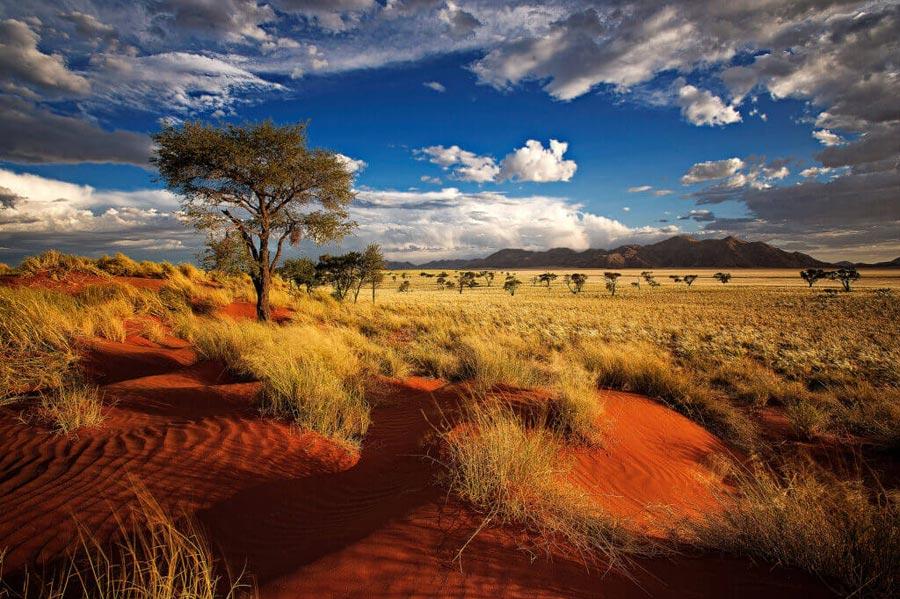
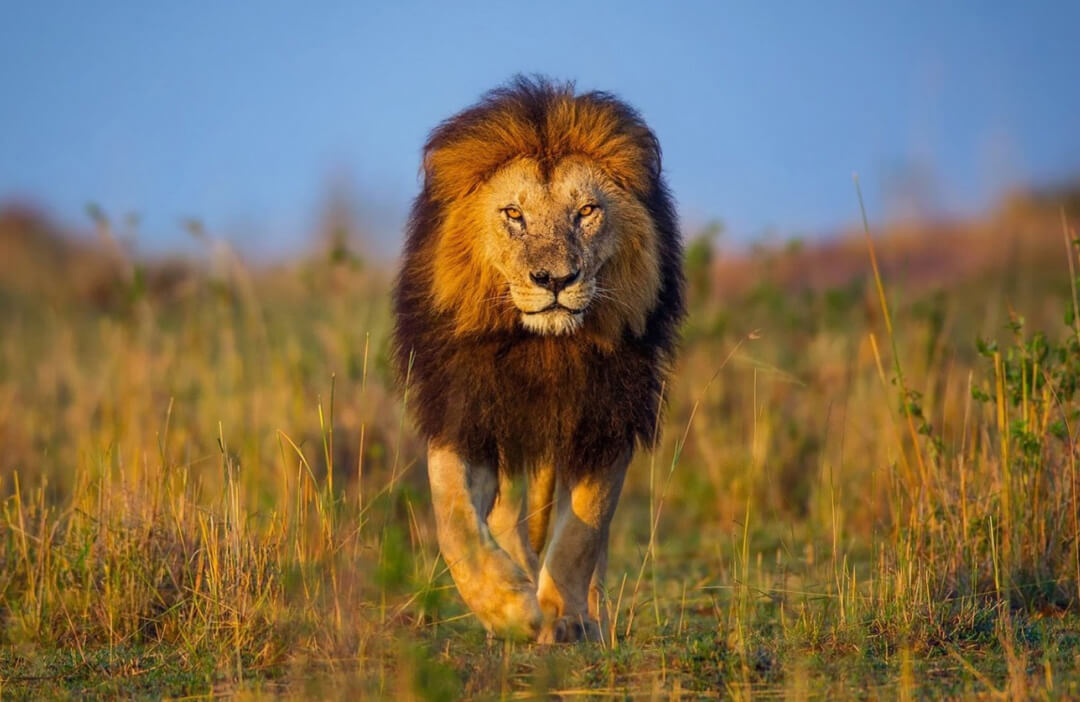
Lion hunting in Namibia is legal, but opportunities are considerably more limited than hunters will find in Africa's established lion hunting destinations. Namibia has a strong reputation for professionally managed hunting and conservation, yet lion permits are tightly controlled and availability can be unpredictable.
Hunters researching Lion Hunts should therefore understand that Namibia operates differently from destinations such as Zimbabwe and Tanzania, where lion hunting forms part of a more established quota-based safari system. A Namibia lion hunt may become available when the necessary permit and quota are in place, but it is generally not a safari that can be booked years ahead with predictable availability.
Hunting in Namibia remains an excellent option for a broad range of African game, particularly plains game, but hunters specifically looking for lion need to understand the country's permit system, availability and practical booking limitations before making plans.
Yes, lion hunting is legal in Namibia, but it is heavily regulated and closely tied to conservation objectives.
The country operates under a conservancy-based model, where wildlife is managed in partnership with local communities. Within this system, lions are one of the most sensitive species, and permits are issued in limited numbers under strict oversight. These are not general licenses that can be freely marketed. Each permit is tied to specific conditions, and availability depends on decisions made at a conservation and management level. This creates a system that is legal, but highly controlled.
Lion hunting in Namibia is technically quota-based, but it does not function like a typical commercial hunting market.
Permits are allocated within conservancies, often in areas where human-wildlife conflict needs to be managed or where intervention is required to maintain balance. These allocations are limited and are not designed to create a steady supply of hunts.
This means that opportunities are tied to specific animals and specific situations, rather than a standing inventory that can be booked in advance.
Outfitters do not operate with predictable lion quotas each season. Availability depends on when permits are issued, and in many cases, hunts only become available once that process is complete.
Namibia’s hunting model is built around conservation first. Lion populations are carefully monitored, and hunting is used as a management tool rather than a commercial offering.
As a result, quotas are kept low, and allocations are conservative. The focus is not on creating hunting opportunities, but on maintaining balance between wildlife and the communities that live alongside it.
Namibia is not a volume lion hunting destination. It is a controlled, conservation-led environment where hunting plays a very specific and limited role.
This is where the practical difference becomes clear. Lion hunting in Namibia cannot usually be booked in the same way as other dangerous game safaris.
There is no consistent supply of hunts, and availability is often uncertain until permits are issued. In many cases, hunts are only offered once a specific allocation has been confirmed, and even then, timing can be limited.
That means planning a lion hunt here requires flexibility and patience.
Hunters accustomed to booking safaris well in advance with fixed dates and clearly defined packages will find Namibia very different. Flexibility is essential when a lion opportunity becomes available.
When lion hunts do take place in Namibia, they are usually tied to specific management situations.
These may involve lions that have come into conflict with livestock or communities, or animals identified within conservancies where intervention is required.
Each hunt is therefore linked to a particular context, rather than being part of a general hunting season. That doesn’t reduce the quality of the experience, but it does change its nature.
For hunters traveling from the United States, Namibia is one of the more accessible and well-organized safari destinations in Africa. When it comes to lion hunting, the same constraints still apply.
Permits must be secured in advance, and availability is limited. Hunts are only offered once specific allocations have been approved, which means timing does not always align with travel planning.
There are also additional considerations around export regulations, documentation and approvals, particularly for American hunters planning Big Five Hunting in Africa. These requirements can influence whether a Namibia lion hunt is practical from the outset.
Lion hunting in Namibia therefore cannot be booked freely. A genuine opportunity depends on an approved allocation becoming available.
Pricing for lion hunting in Namibia is not standardized because hunts are tied to specific permits, hunting areas and circumstances. Costs can vary depending on the operator, safari duration, permit requirements and the particular allocation that becomes available.
Hunters comparing the wider costs of a safari can review our African Hunting Safari Prices guide for typical daily rates, trophy fees and other expenses involved when planning a hunt in Africa.
Lion hunting in Namibia is different, however, because there is no consistent supply of hunts with a standardized market price. Availability comes first, and the final cost can only be established once a legitimate hunting opportunity and the necessary permits have been confirmed.
If you do manage to secure a lion hunting permit in Namibia, it’s worth looking at the broader safari opportunity around it.
Most lion hunts take place in conservancy areas that also hold a strong variety of plains game species. While the lion itself is the primary focus, hunters may be able to include additional animals depending on the hunting area and available quota.
This can turn an already rare lion hunt into a broader safari, particularly in Namibia where Plains Game Hunts can include a wide variety of additional species.
Namibia occupies a very different position compared to other lion hunting destinations in Africa.
In Zimbabwe, lion hunting is part of a structured safari system, with defined concessions, quotas, and availability that allow hunters to plan in advance.
In Tanzania, lion hunting is typically positioned as a premium experience, with large areas, long safari durations, and a well-established framework. Namibia, by contrast, is far more limited.
Hunting opportunities exist, but they are controlled, situational, and not widely available in the same way. The system is designed around conservation first, with hunting as a secondary tool. For hunters looking for a traditional, bookable lion safari, other countries offer a more predictable path.
While lion hunting is limited, Namibia remains one of the most respected hunting destinations in Africa.
The country is known for its well-managed wildlife areas, professional outfitters, and strong conservation model. Plains game hunting, in particular, is where Namibia consistently delivers, offering a wide range of species in well-run environments.
If you’re planning a broader safari, it’s worth understanding how hunting in Namibia is structured across different regions and species. See our guide to hunting in Namibia.
Lion hunting in Namibia is possible, but it is not a primary or predictable opportunity. It is tightly controlled, limited in availability, and dependent on permits tied to specific situations rather than a structured safari system.
Hunters who understand how the system works and are prepared to remain flexible may still find an opportunity. Those looking for a traditional lion safari with predictable availability and the ability to plan well in advance will generally find Zimbabwe or Tanzania easier to work with.
Namibia remains one of Africa’s strongest hunting destinations, but lion hunting occupies a very different place within its safari industry.
Yes. Lion hunting is legal in Namibia, but permits and quotas are tightly controlled. Opportunities are limited and depend on an approved allocation being available in a specific hunting area.
Not with the same predictability found in established lion hunting destinations such as Zimbabwe or Tanzania. Namibia lion hunts depend on permits and available allocations, so hunters may need to remain flexible with both timing and travel plans.
There is no standard price for a Namibia lion hunt. Costs depend on the hunting area, operator, safari duration, permit requirements and the circumstances surrounding the available allocation. A confirmed quote should therefore be obtained before making travel arrangements.
Potentially, but hunters should confirm current import, export and permit requirements before booking the safari. The ability to legally hunt a lion in Namibia does not automatically mean that the trophy can be imported into the United States.
Search from our range of Hunts across various popular destinations in Africa.

Book Your Hunt