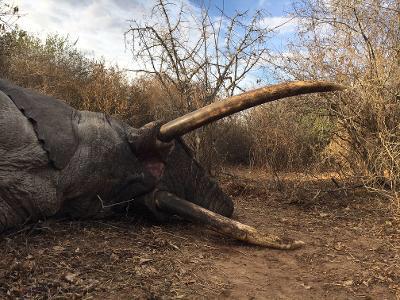
Legendary Selous Safari for Elephant, Lion and Leopard
Booking Season: 2026
Hunt Difficulty: Difficult

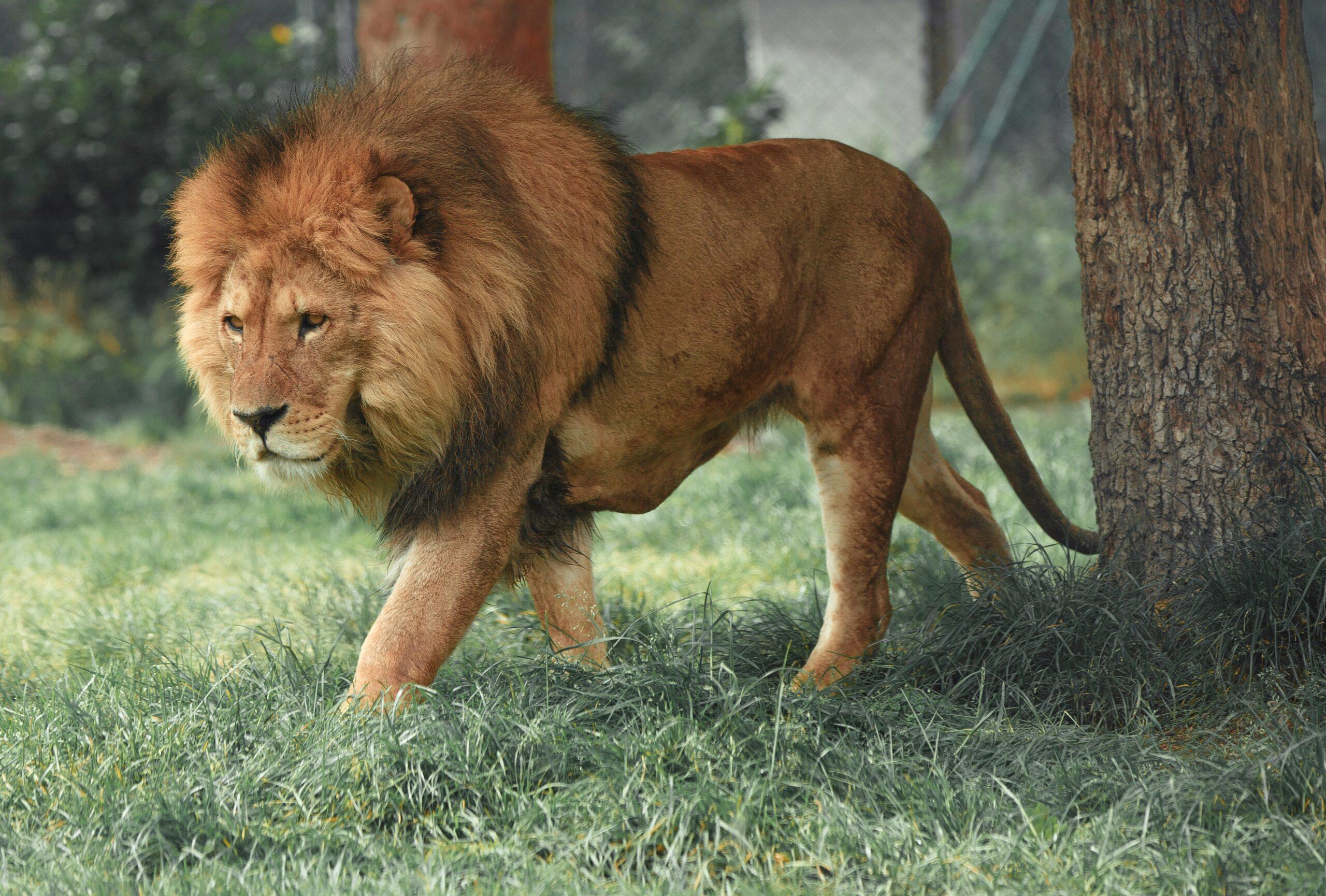
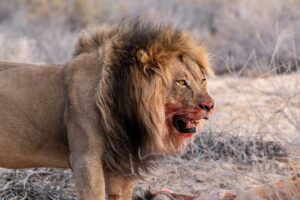
The African lion (Panthera leo) is Africa’s largest cat and one of the continent’s most recognizable predators. It is a member of the Big Five and occurs across parts of sub-Saharan Africa, where populations inhabit savanna, grassland, woodland, scrub and semi-arid regions.
Unlike most other wild cats, lions are highly social. They live in prides made up primarily of related females, their cubs and one or more adult males. Pride size and territory depend on available prey, water, habitat and competition from other lions.
Male lions are recognized by their manes, although mane size, color and development differ according to age, genetics, climate and region. Lions rely on strength, cooperation and short bursts of speed when pursuing prey that may include antelope, zebra, wildebeest and Cape buffalo.
Hunters looking for current destinations, prices and available safaris can visit our dedicated Lion Hunts page.
Name:
Panthera leo
Female Weight:
270-300 pounds
Male Weight:
330-570 pounds
Male Shoulder Height:
44-50 inches
Range:
Sub-Saharan, Southern & Eastern Africa
Mating Season:
Year round
Life span:
10 – 14 Years
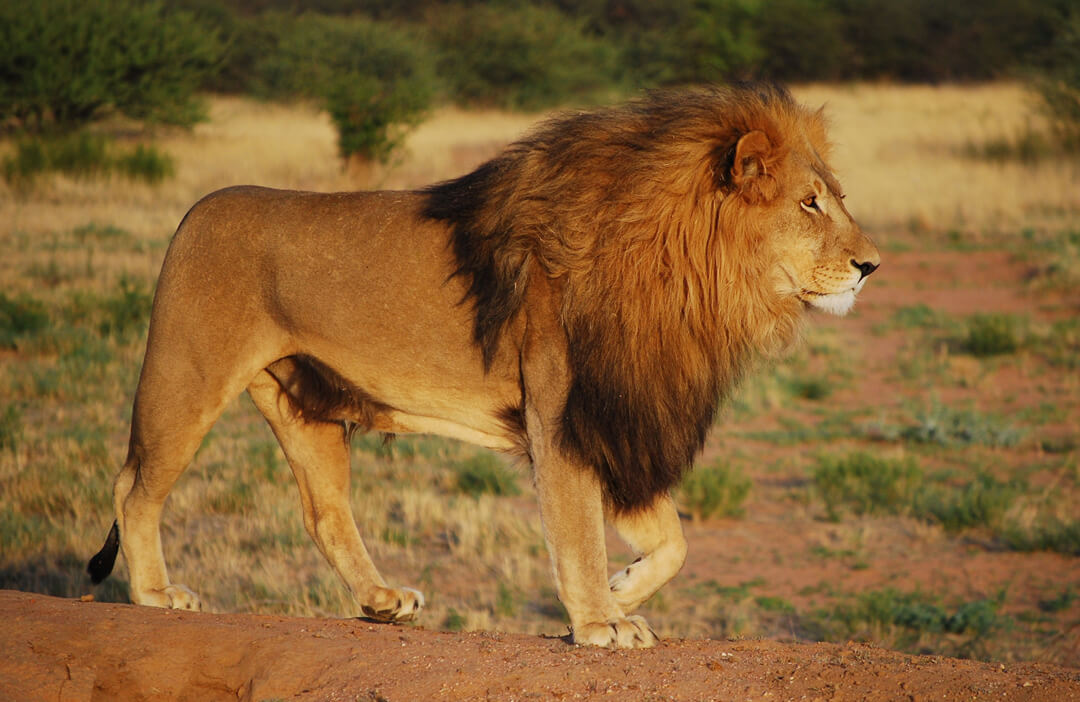
The African male Lion is not renowned as the "king of the jungle" in vain. As the largest cat in Africa, a male lion weighs in 330-570 pounds, while a lioness tops the scales at 270-400 pounds. A male can reach up to 10 feet from the tip of his nose to the end of his tail. With just one good swipe of its large paw, it can take a grown man down – permanently. Although smaller than the male lion, an African lioness is not to be messed with and is well known for her aggressive and fiery nature. If you consider their imposing fangs and razor-sharp claws, combined with their excellent night vision, you can well see why they are the ultimate killing machine and an apex hunter of note. In terms of appearance, male lions usually sport a mane.
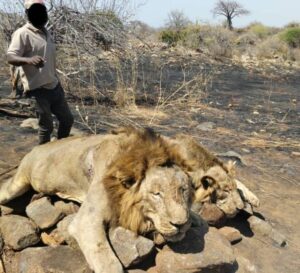
Male cubs start developing extra fur on their chest and around their necks at around 12-14 months, but a proper mane only develops from two years old. Some lions, although they are males, and this can be clearly seen even at a distance by their size and strapping stature, may not have manes as they either haven’t grown one, or they live in thick bush that has rubbed it down over the years.
Lion hunts are generally conducted by monitoring bait sites or following fresh spoor, depending on the country, hunting area and local regulations.
Bait sites are positioned where lion movement has been identified and are monitored for signs of a mature male. Once a suitable lion begins feeding consistently, the professional hunter can prepare a blind downwind of the bait.
Tracking involves following fresh spoor with an experienced tracking team. Lions may cover considerable distances and move through thick vegetation, making wind direction, track age and knowledge of the area important throughout the pursuit.
Lions are powerful territorial predators and can become extremely dangerous when wounded, cornered or placed under pressure. Their speed and ability to remain concealed in thick cover mean that every approach must be controlled carefully.
The hunter must follow the professional hunter’s instructions, avoid forcing a poor opportunity and be prepared for the situation to change quickly at close range.
Minimum caliber requirements differ between African hunting destinations, although the .375 H&H Magnum is widely used for lion hunting. Other commonly selected cartridges include the .416 Rigby, .458 Winchester Magnum and .458 Lott.
The best choice is a rifle that meets the destination’s legal requirements and that the hunter can operate accurately under pressure. Premium expanding ammunition is normally selected, but the final rifle and ammunition combination should be confirmed with the professional hunter before the safari.
Available Lion Hunts
Legendary Selous Safari for Elephant, Lion and Leopard
Booking Season: 2026
Hunt Difficulty: Difficult
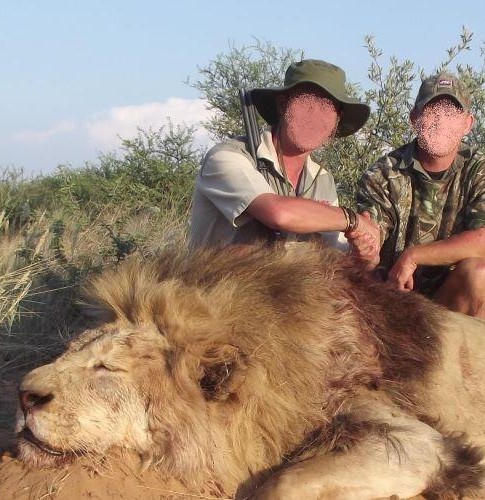
Lion Hunting Safari in Kalahari, South Africa
Booking Season: 2026
Hunt Difficulty: Difficult

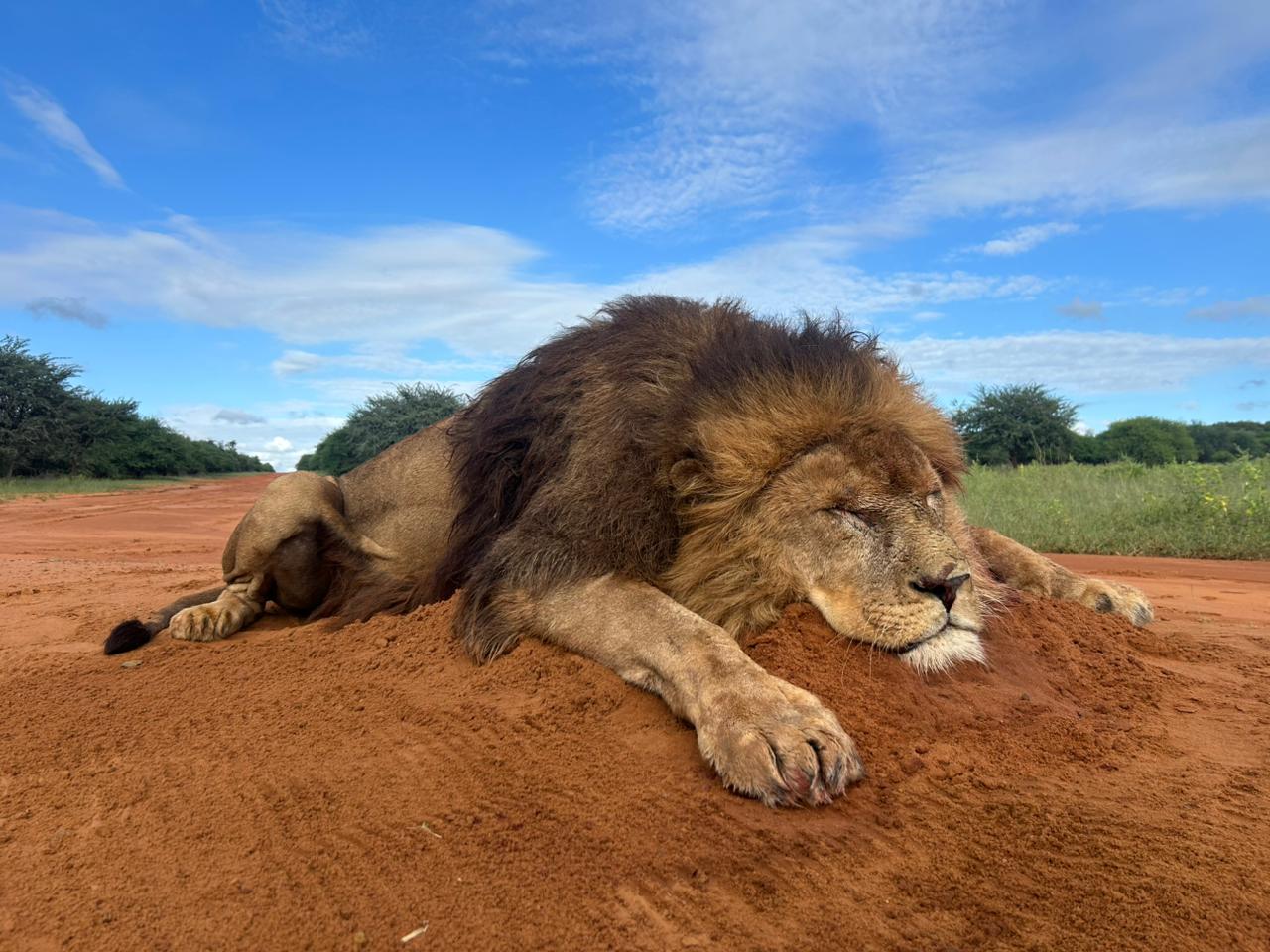
17-Day Free-Range Lion Hunt Near Hwange
Booking Season: 2026
Hunt Difficulty: Difficult
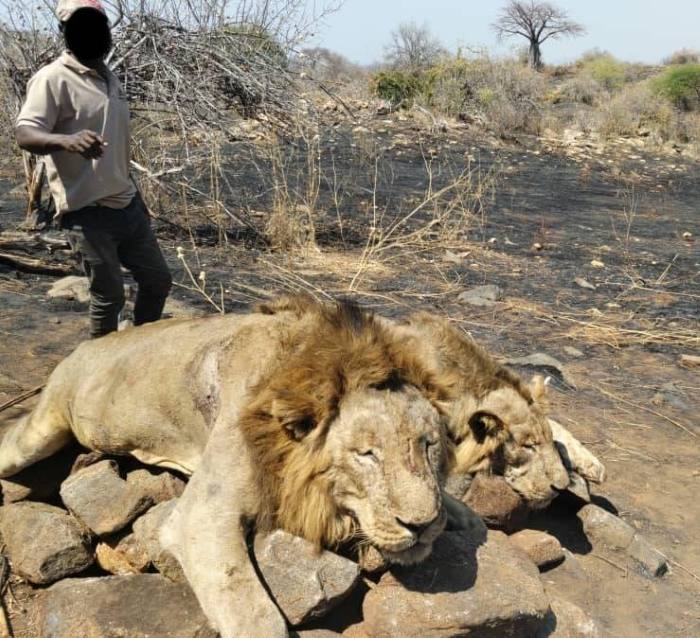
16-Day Lunda Nkwambi Lion Safari
Booking Season: 2026
Hunt Difficulty: Difficult
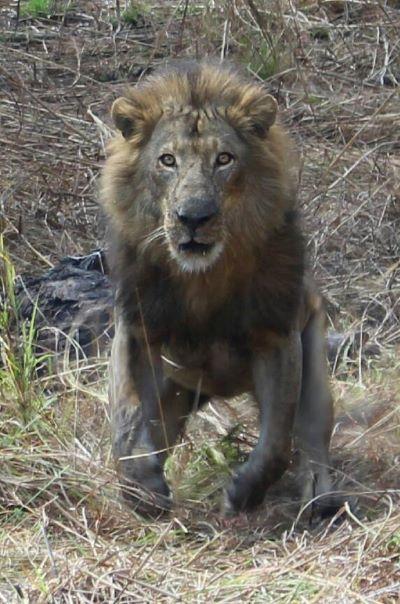
Trophy Lion Hunting 21 Days in Untamed Rufunsa GMA Zambia
Booking Season: 2026
Hunt Difficulty: Difficult
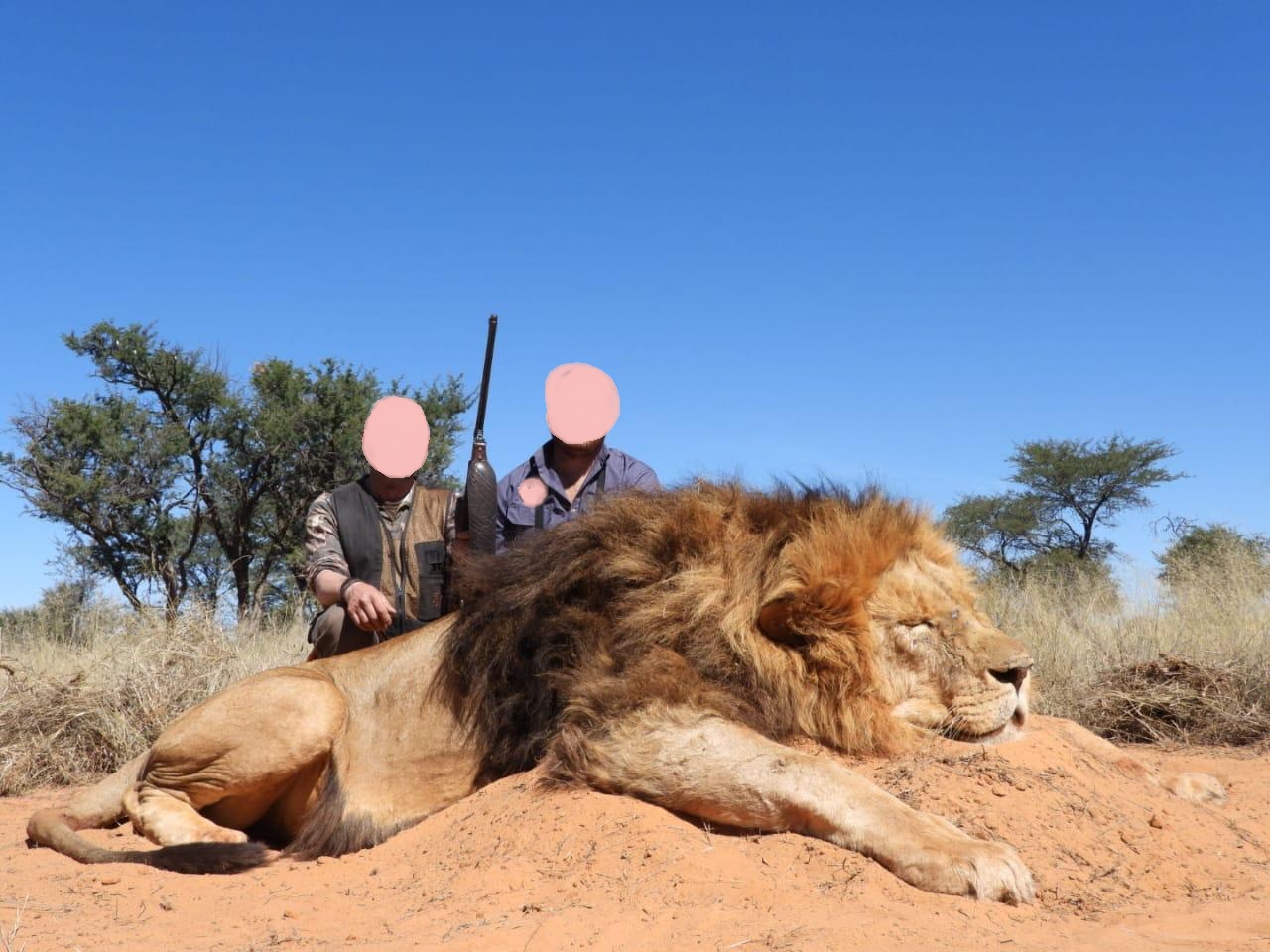
Hunt Lion, Leopard and Cape Buffalo in Zimbabwe, Save Valley
Booking Season: 2026
Hunt Difficulty: Difficult
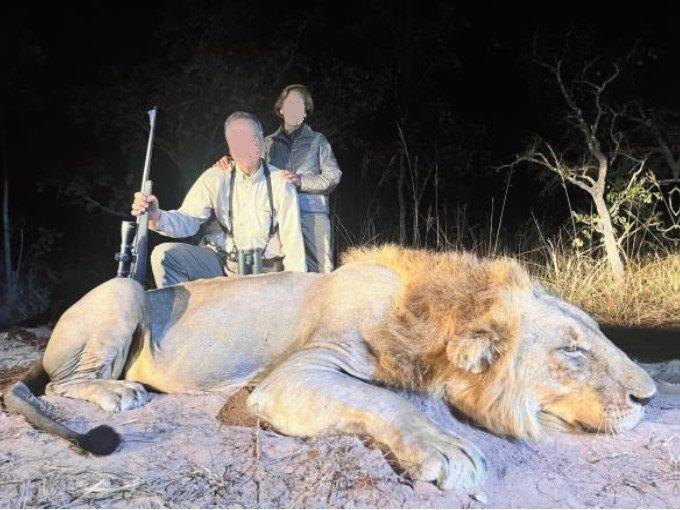
Free-Range Lion & Buffalo Safari in Niassa
Booking Season: 2026
Hunt Difficulty: Difficult
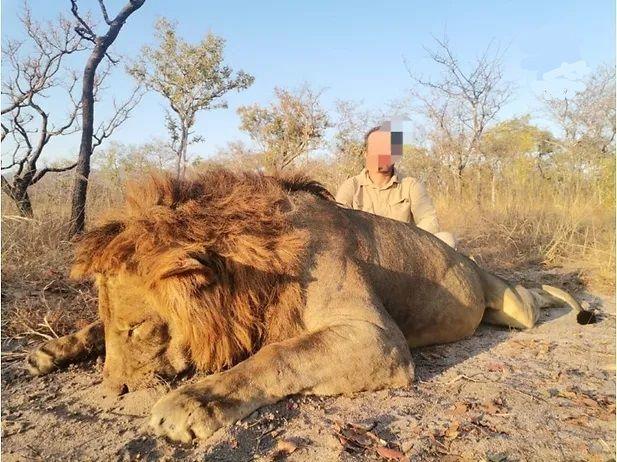
Niassa Full Bag Safari: Lion, Leopard & Buffalo
Booking Season: 2026
Hunt Difficulty: Difficult
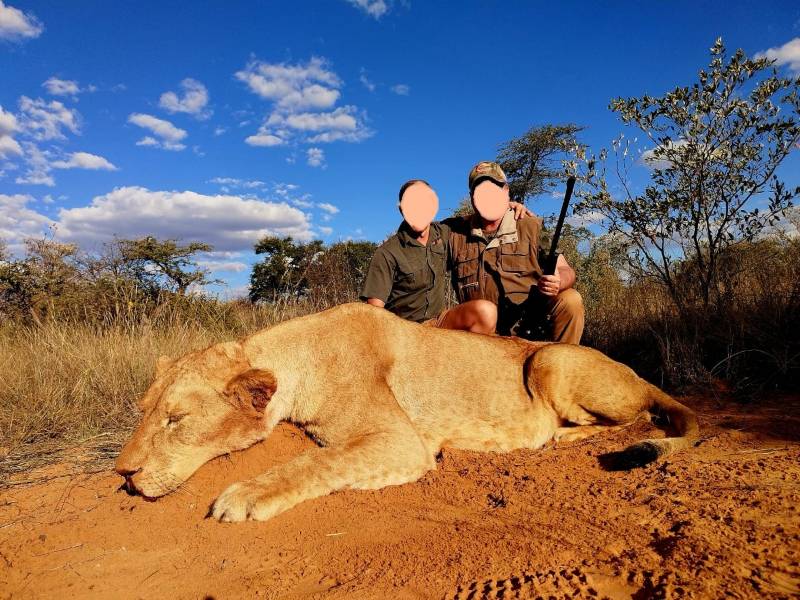
5-Day Lioness Hunting Safari in South Africa
Booking Season: 2026
Hunt Difficulty: Difficult
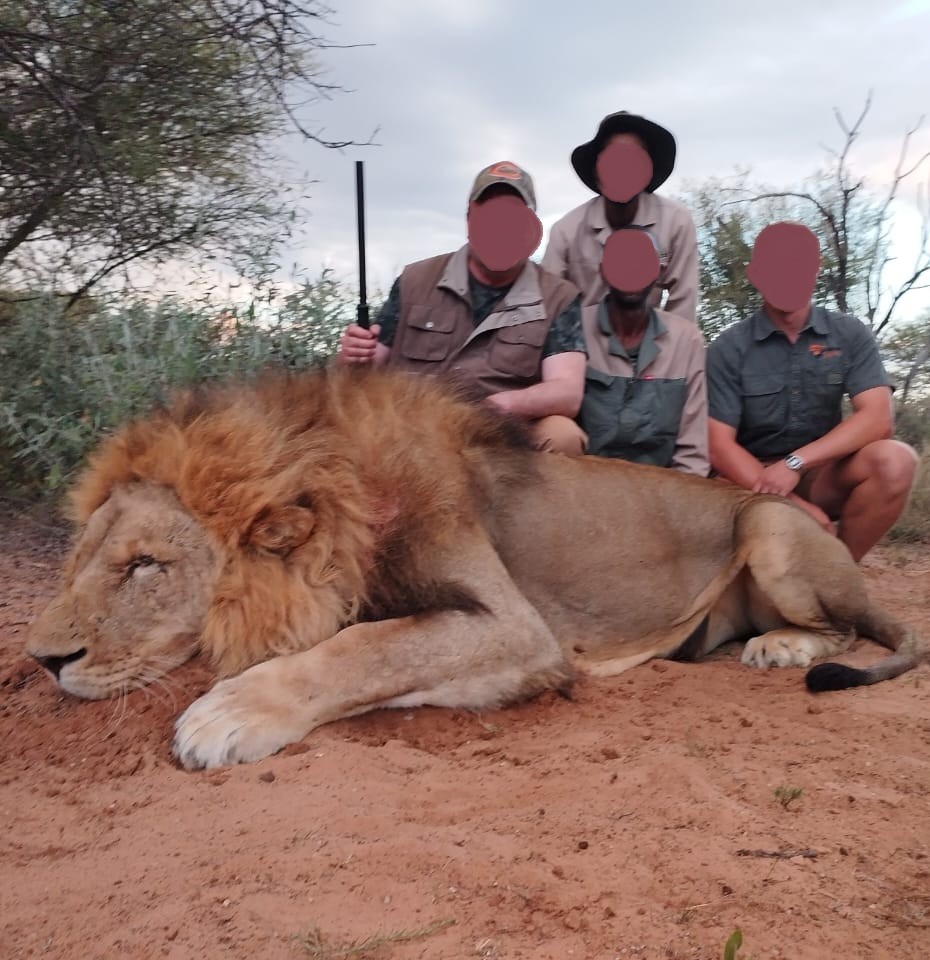
5-Day Lion Hunting Safari in South Africa
Booking Season: 2026
Hunt Difficulty: Difficult
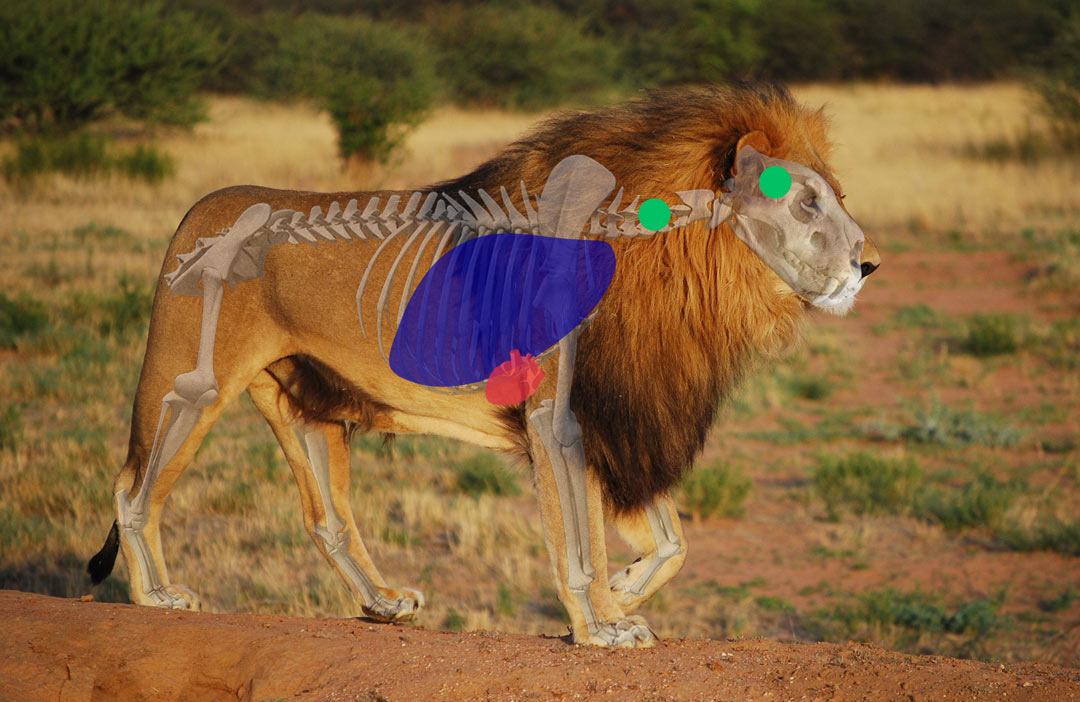
A lion’s muscular build, heavy shoulders and thick mane can make its vital area more difficult to judge than expected, particularly when the animal is quartering or partially concealed.
Understanding the position of the heart, lungs, shoulder structure and major bones is essential before taking a shot. The angle of the lion and its position in relation to the hunter must always be considered carefully.
Our dedicated lion shot placement guide provides diagrams and practical guidance for identifying the vital area from different shooting angles.


Search from our range of Hunts across various popular destinations in Africa.

Book Your Hunt