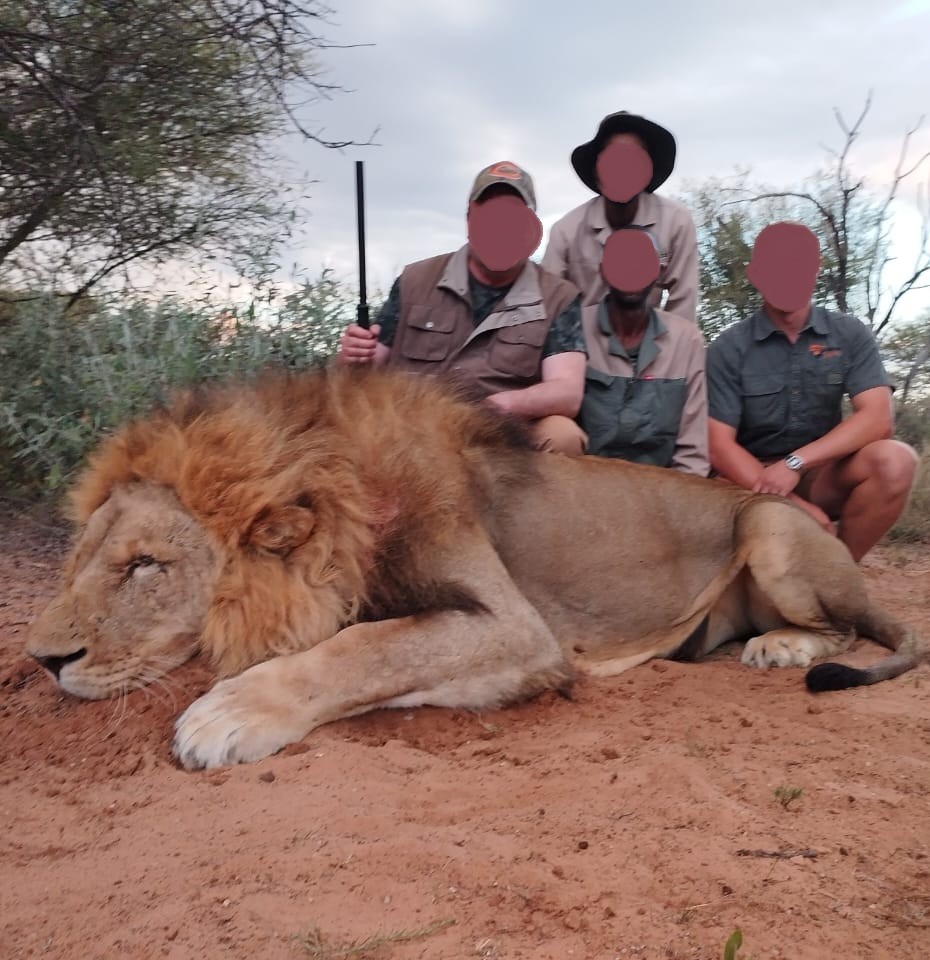
5-Day Lion Hunting Safari in South Africa
Booking Season: 2026
Hunt Difficulty: Difficult

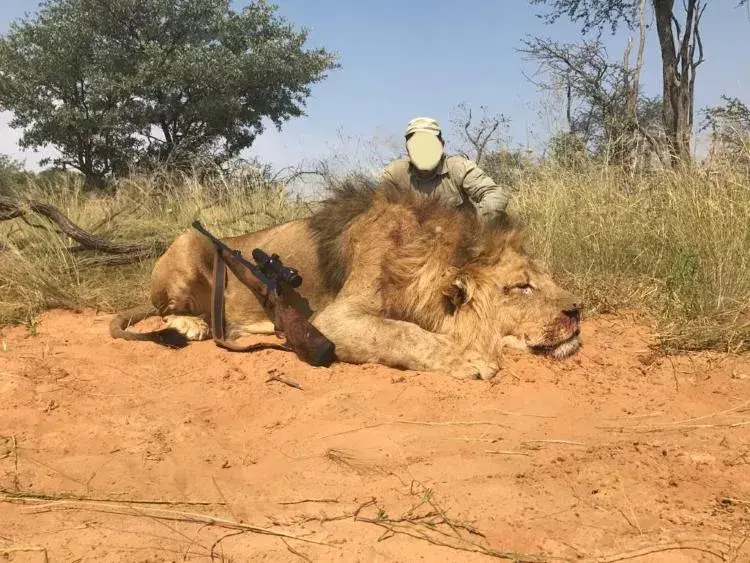
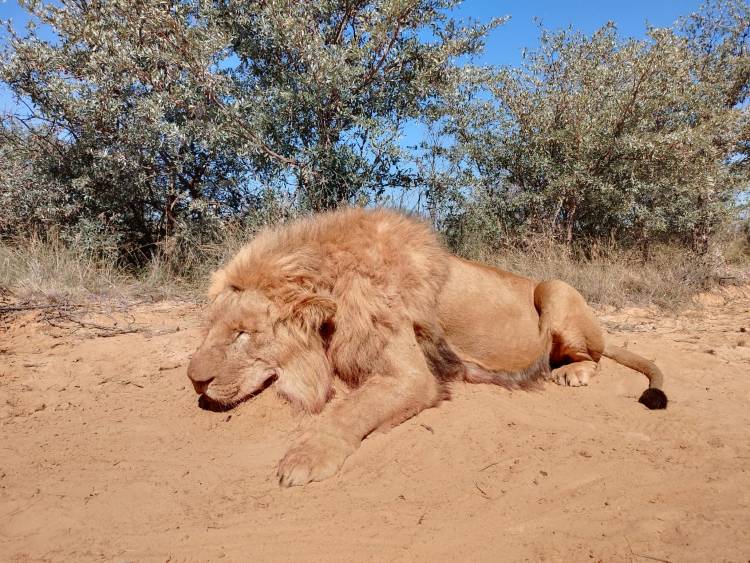
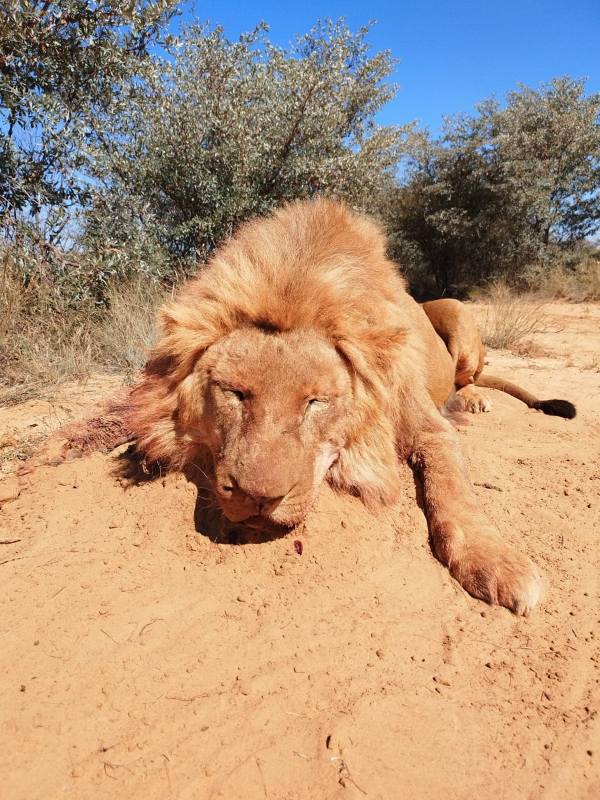
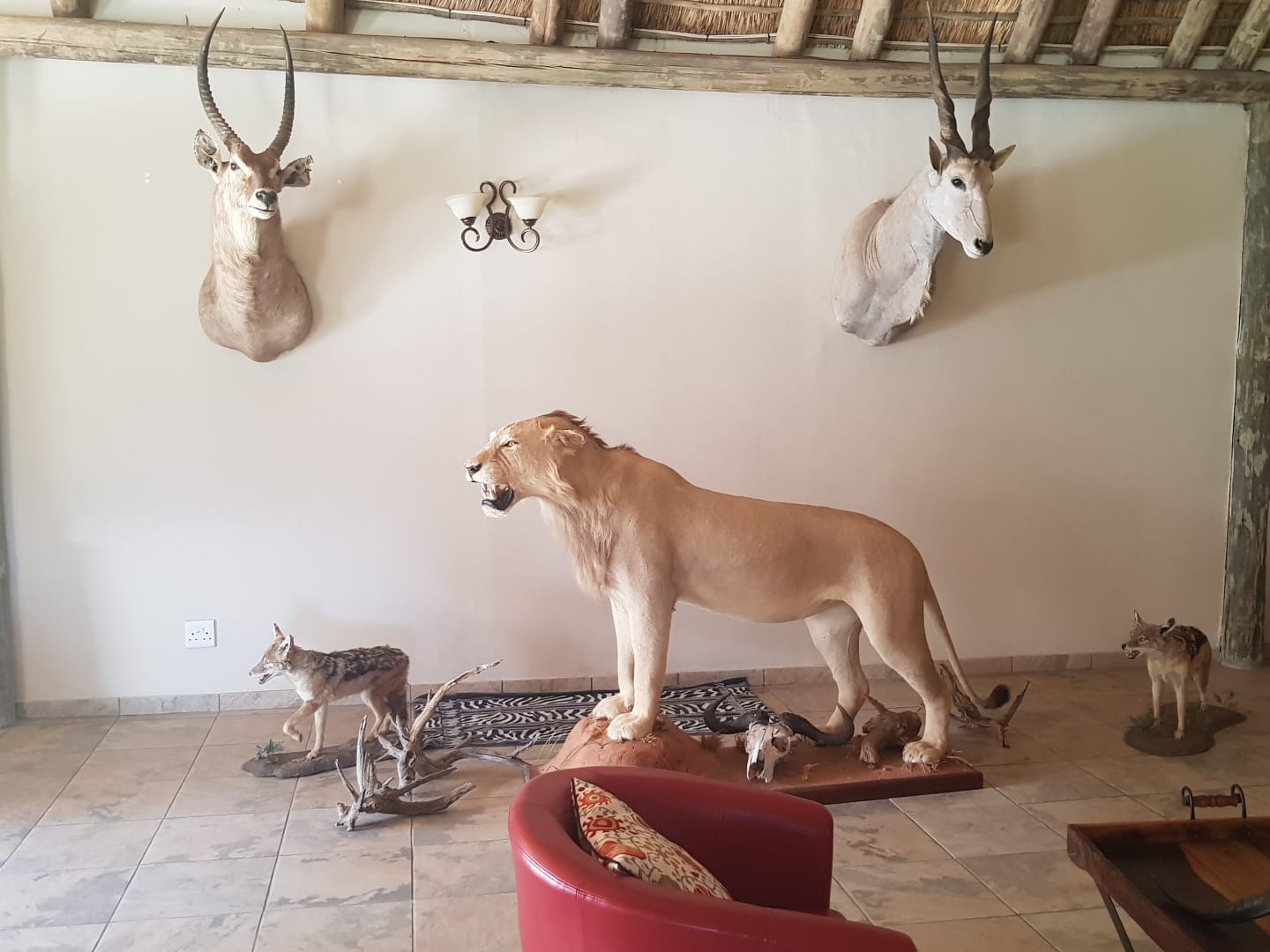
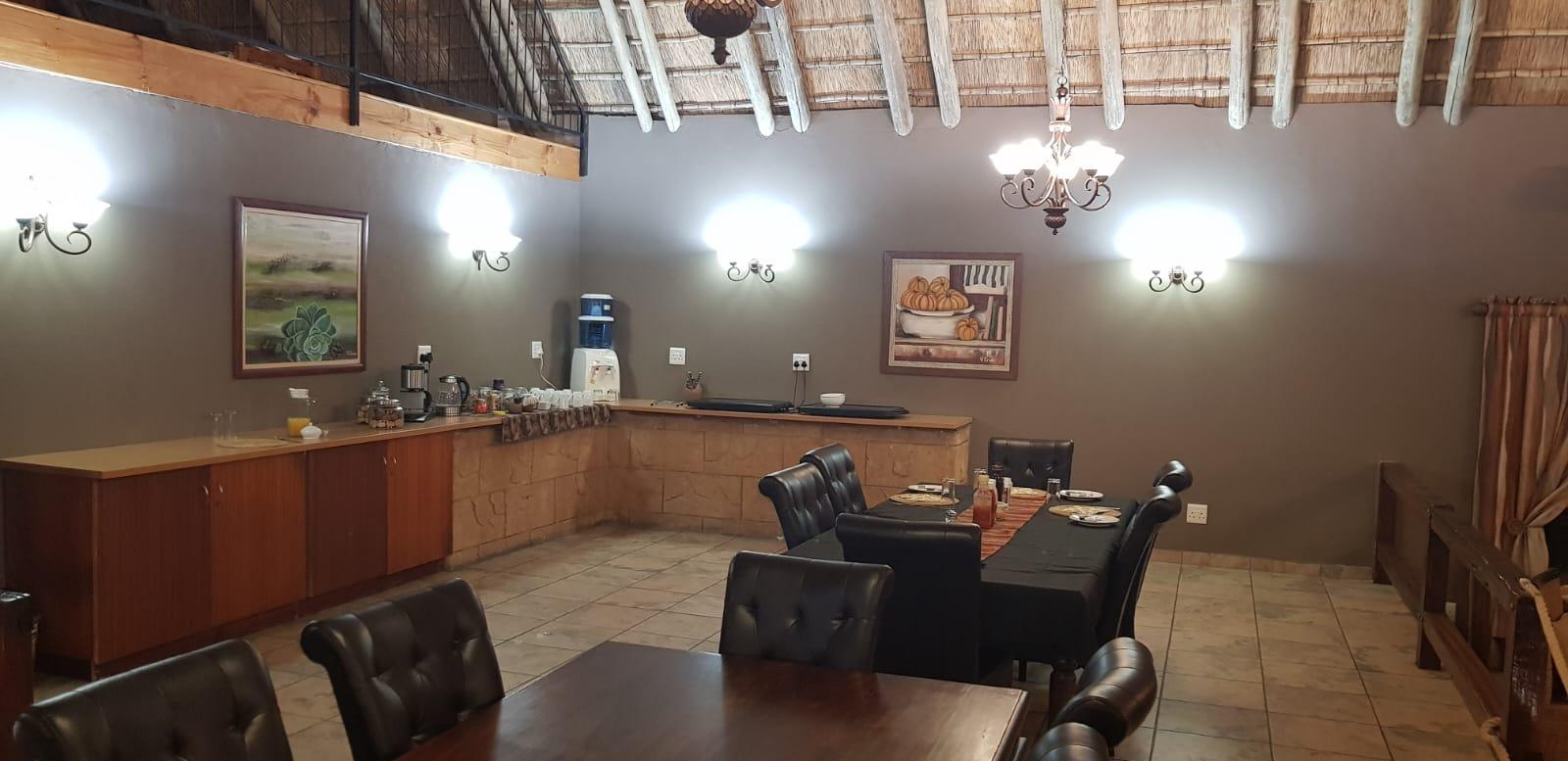
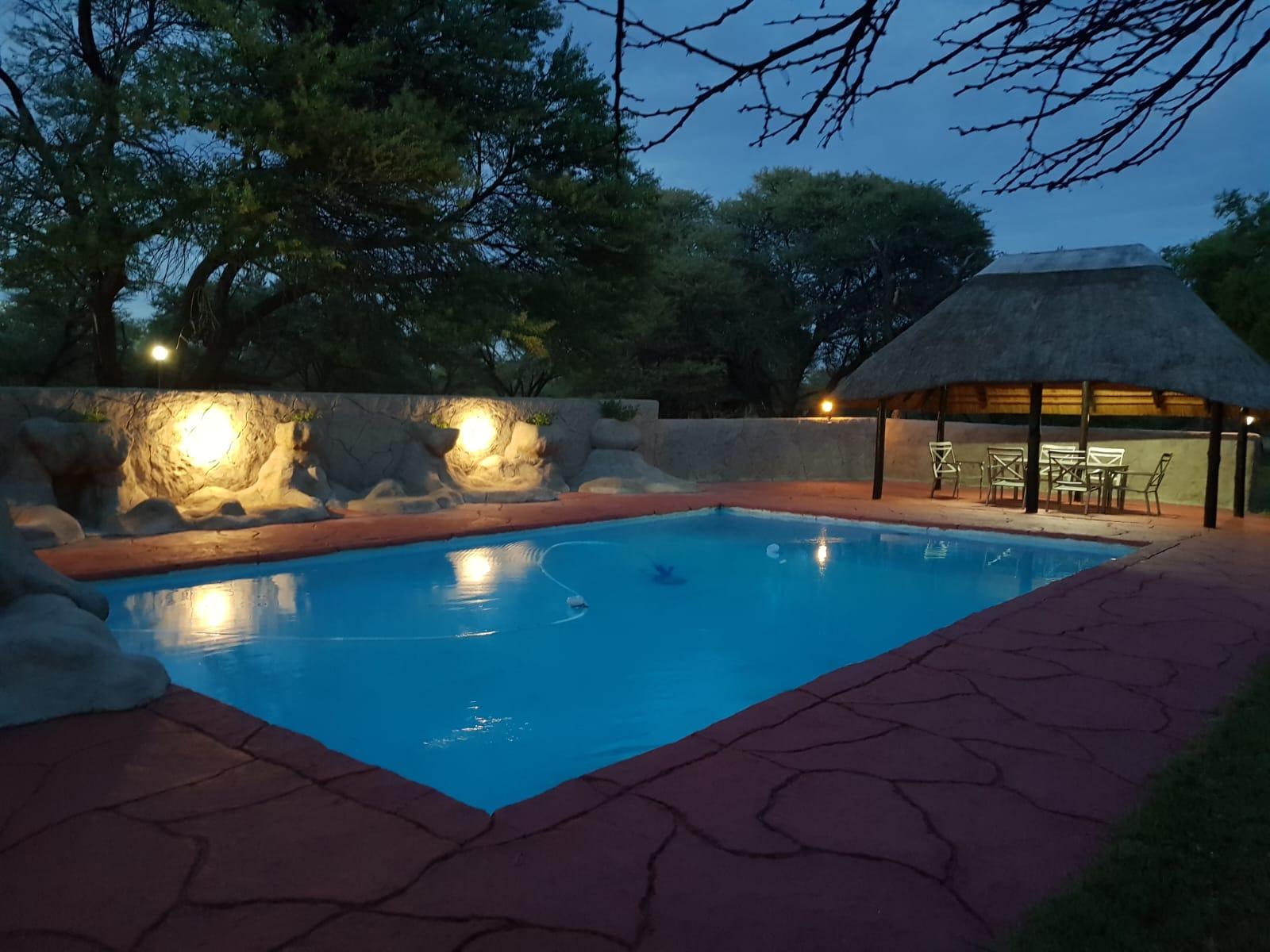
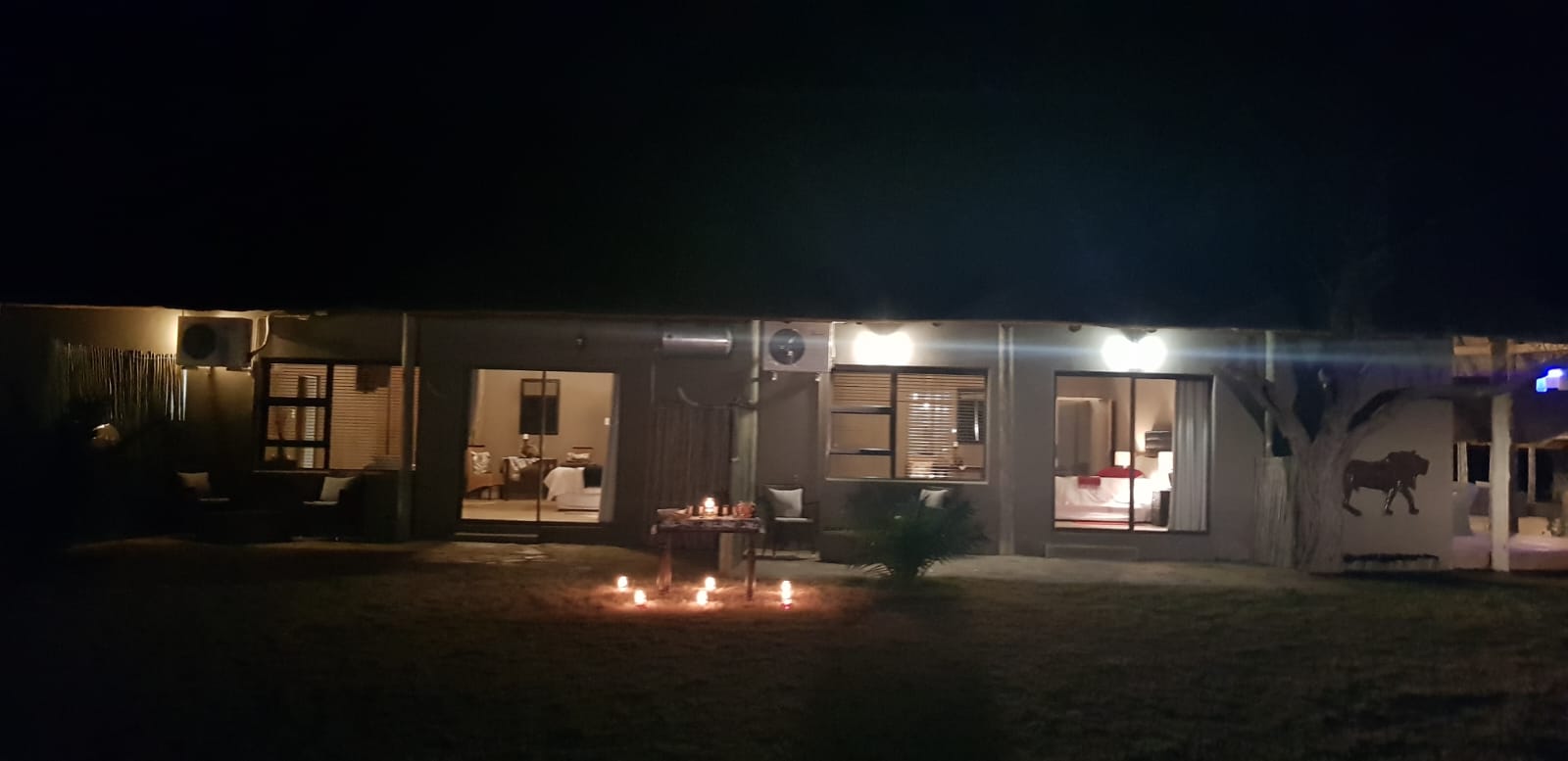
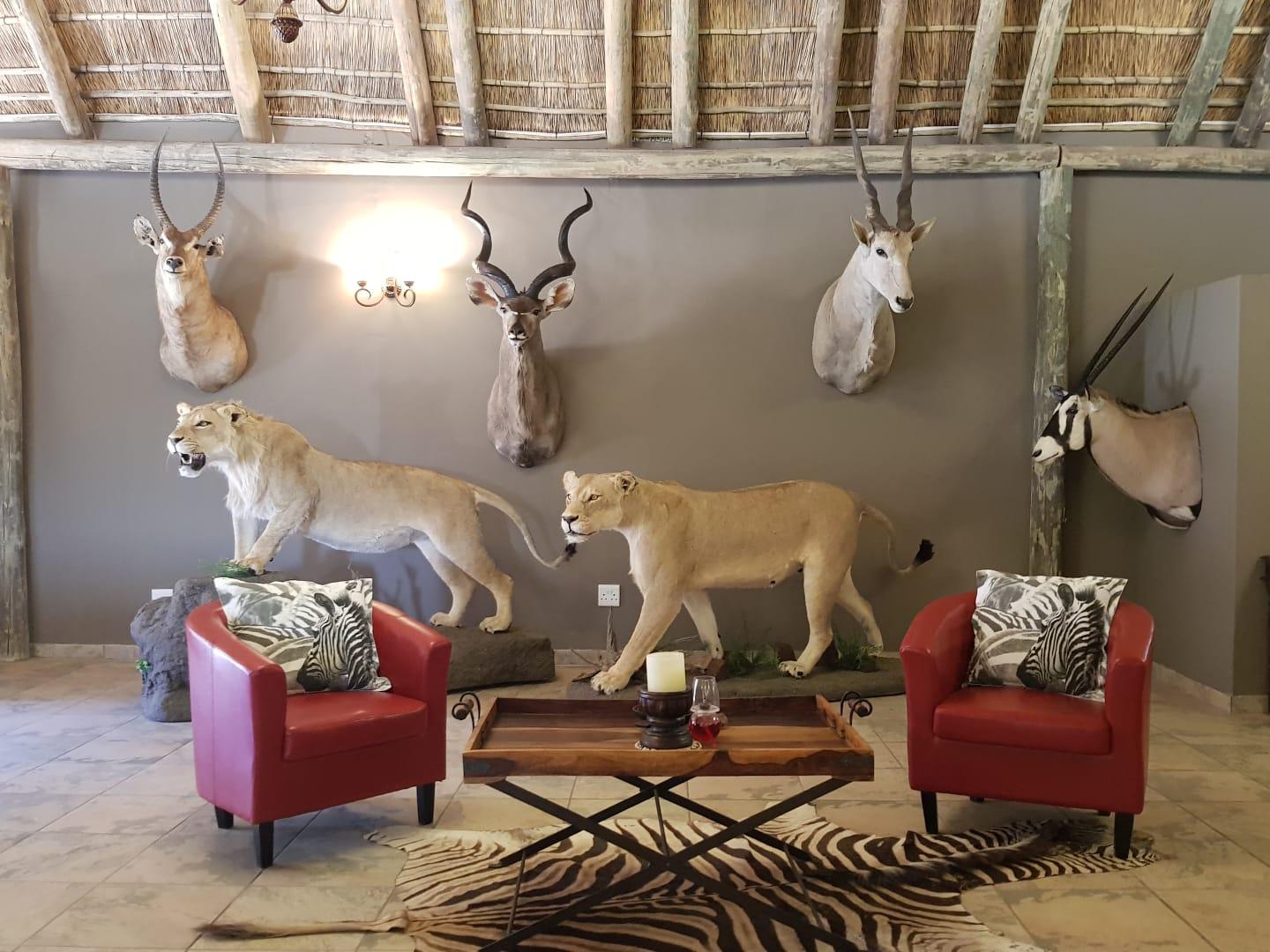
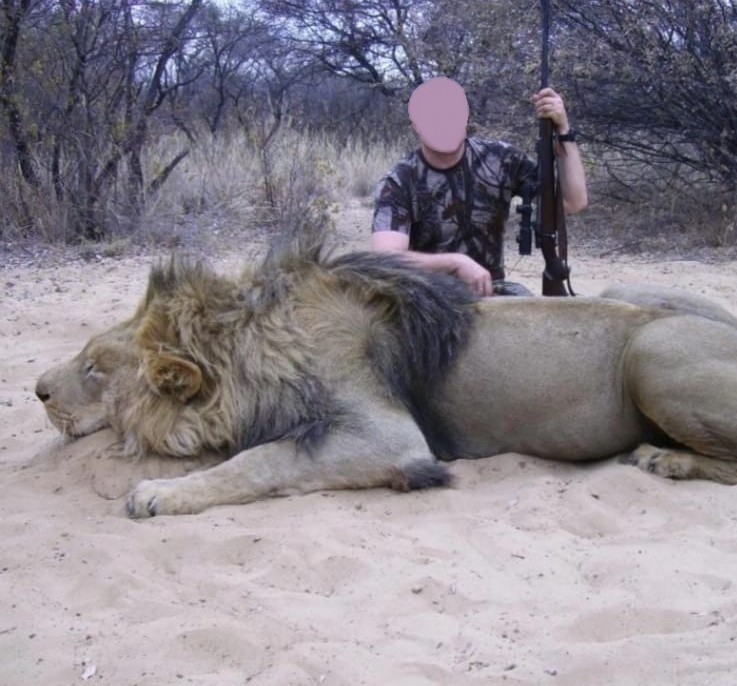
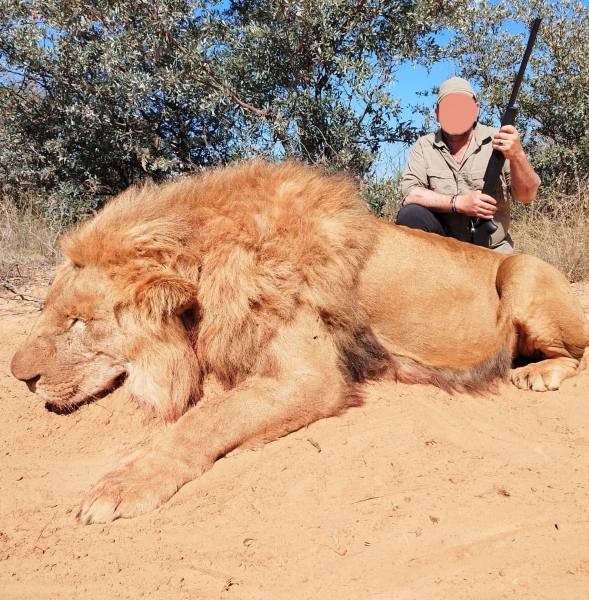
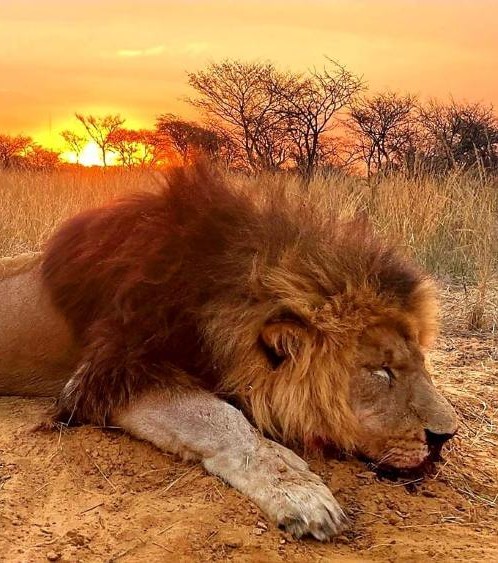
Accommodation is provided in a comfortable safari lodge with spacious en-suite rooms, excellent South African hospitality, and hearty bushveld cuisine, offering the perfect place to relax after a rewarding day in the field.
The hunting concessions in South Africa’s North West Province consist primarily of semi-arid bushveld, open savanna plains, scattered Acacia thornveld, and mixed grassland habitat. Dense pockets of cover together with open visibility create ideal conditions for traditional walk-and-stalk dangerous game hunting while supporting healthy populations of Lion, plains game, and other African predator species.
| Fence Type: | Fenced |
| Fence Area: | 10000 acres |
| Nearest Airport Name: | Kimberly Airport Via Oliver Tambo International |
| Nearest Town Name: | Vosburg |
| Transfer From Airport: | Yes |
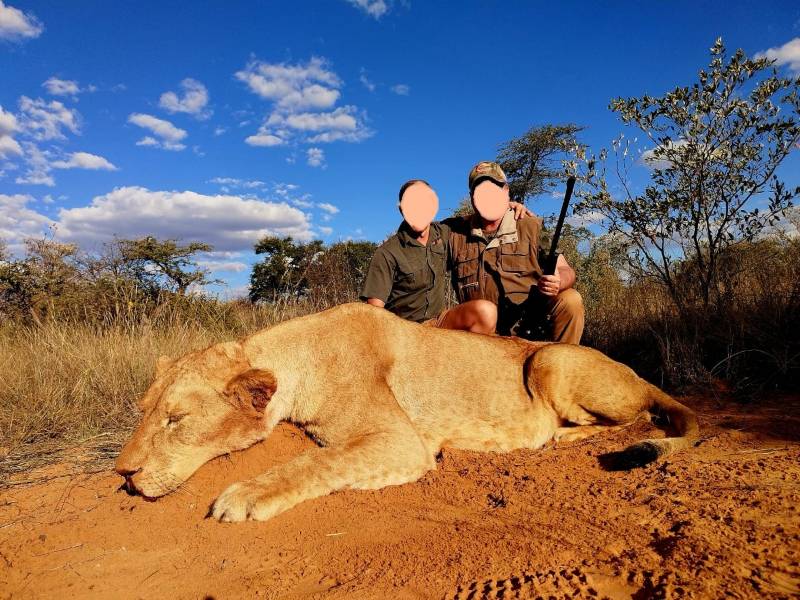
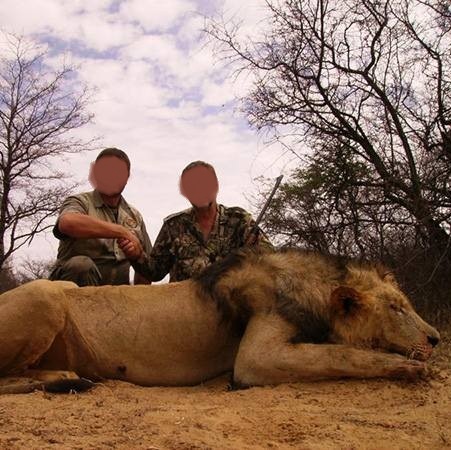
Experience professionally guided lion hunts in South Africa’s North West Province, one of the country’s best-known dangerous game hunting regions. This safari offers hunters the opportunity to pursue a mature male Lion in a carefully managed environment while enjoying comfortable accommodation, experienced professional hunters, and authentic African safari hospitality.
For hunters researching lion hunting in South Africa, this safari combines dangerous game excitement with well-managed hunting areas, quality trophy standards, and experienced trackers in classic bushveld terrain.
Duration: 5 Hunting Days (6 Nights)
Hunter Ratio: 1 Hunter : 1 Professional Hunter (1×1)
Location: North West Province, South Africa
Species Included: 1 × Mature Male Lion
Safari Price: US$14,950 All-In
Observers: Welcome at US$250 per person per night
Rifle Hire: .375 calibre available at US$55 per hunting day (Ammunition approximately US$130 per box)
This all-inclusive lion hunting safari includes your daily rates, trophy fee for one mature male lion, licensed Professional Hunter, luxury safari lodge accommodation, all meals, snacks, local beers and wines, airport transfers between OR Tambo International Airport and the hunting concession near Tosca, hunting licences and permits, hunting vehicles, trackers, skinners, chef and camp staff, daily laundry service, and field preparation of your trophy. Hunters simply need to budget separately for international travel, firearm import permits, gratuities, taxidermy, trophy shipping, and any additional species taken during the safari.
Hunters should be aware that this safari is conducted on a professionally managed South African hunting property and does not involve a free-ranging wild lion. Because of this, lion trophies from this safari cannot currently be imported into the United States.
Import restrictions also apply in several other countries. Australia prohibits the import of African lion hunting trophies, while a number of European countries have introduced their own restrictions or permit limitations on lion trophy imports. Hunters should always confirm the latest regulations with the wildlife authorities in their home country before booking a safari.
For hunters from countries where importation is permitted, the outfitter will assist with the required export documentation and coordinate with your preferred taxidermist and shipping agent.
The African Lion is widely regarded as one of the continent’s most iconic and respected dangerous game species. Hunting Lion on foot requires patience, composure, and careful decision-making under pressure, making it one of Africa’s most memorable dangerous game hunting experiences for many hunters.
Successful Lion hunting relies heavily on experienced professional hunters and skilled trackers who understand the terrain, spoor, and behavioral patterns of these apex predators. Depending on conditions and animal movement, hunts may involve tracking on foot, careful glassing, and strategic walk-and-stalk approaches through the bushveld and open savanna terrain of South Africa’s North West Province.
Physical preparedness, accurate shooting, and the ability to remain calm during close-range encounters all contribute to a successful and ethical Lion hunt. As with all dangerous game safaris, hunters should always follow the guidance and instructions of their professional hunter throughout the safari.
Lion hunting rarely starts with the first track. Long before sunrise, Professional Hunters and trackers discuss where lions were last heard calling, where fresh kills have been reported, recent spoor found the previous evening, and how changing wind conditions may influence the day's approach. By the time the hunting vehicle leaves camp, a plan has already begun to take shape.
From there, the hunt develops naturally. Fresh spoor may confirm the morning's strategy, or it may force an entirely new direction. Every decision is based on experience, fieldcraft, and reading the bush correctly rather than following a predetermined route. A change in the wind, the alarm call of a nearby antelope, or vultures circling in the distance can all provide valuable clues that influence the next move.
Lion hunting also demands patience. There are days when the lions seem to vanish, covering many miles during the night before bedding down in thick cover where they become exceptionally difficult to locate. Rather than forcing the hunt, experienced Professional Hunters know when to slow the pace, gather more information, and allow the bush to reveal the next opportunity.
It is this constant process of observation, adaptation, and careful decision-making that makes lion hunting one of Africa's most respected dangerous game pursuits. Long before the lion is ever seen, the hunt has already begun, shaped by countless small decisions made by hunters, trackers, and Professional Hunters working together in the African bush.
The hunting concessions near Tosca in South Africa’s North West Province extend across approximately 5,000 hectares of semi-arid bushveld, open savanna, and mixed grassland habitat. Thorny Acacia trees, scattered Mopane, and dense pockets of cover create ideal conditions for dangerous game hunting while also supporting a healthy variety of wildlife species throughout the region.
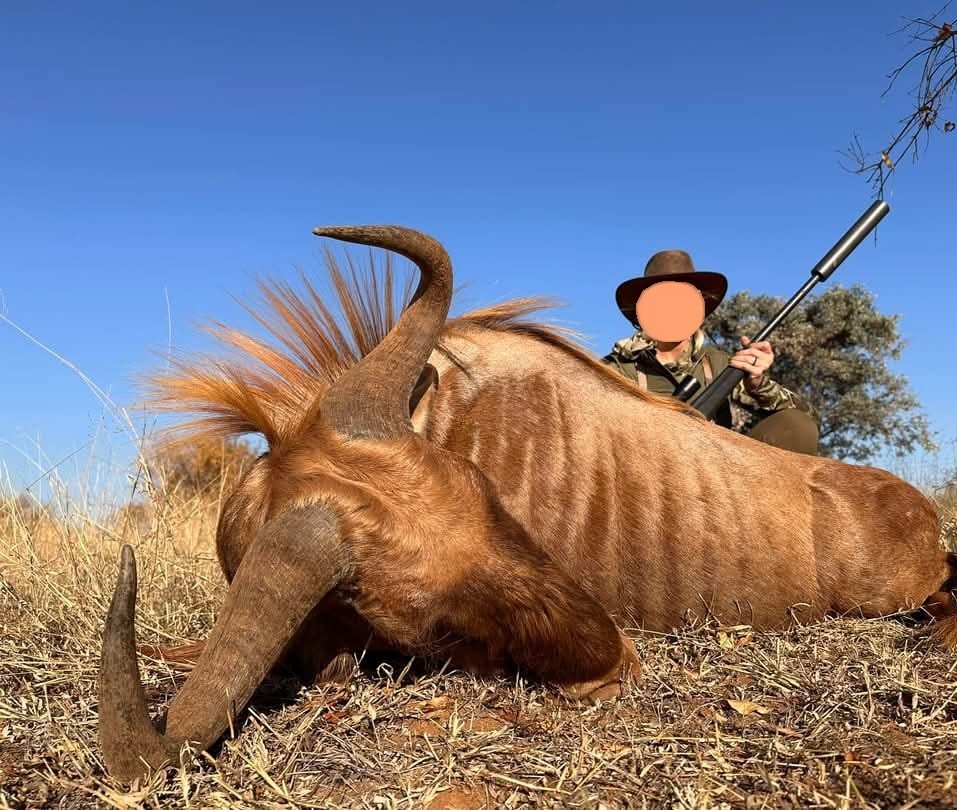
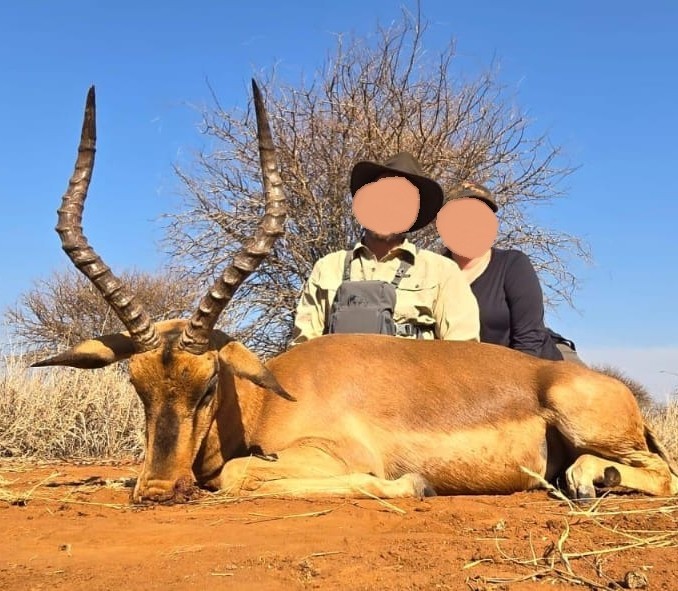
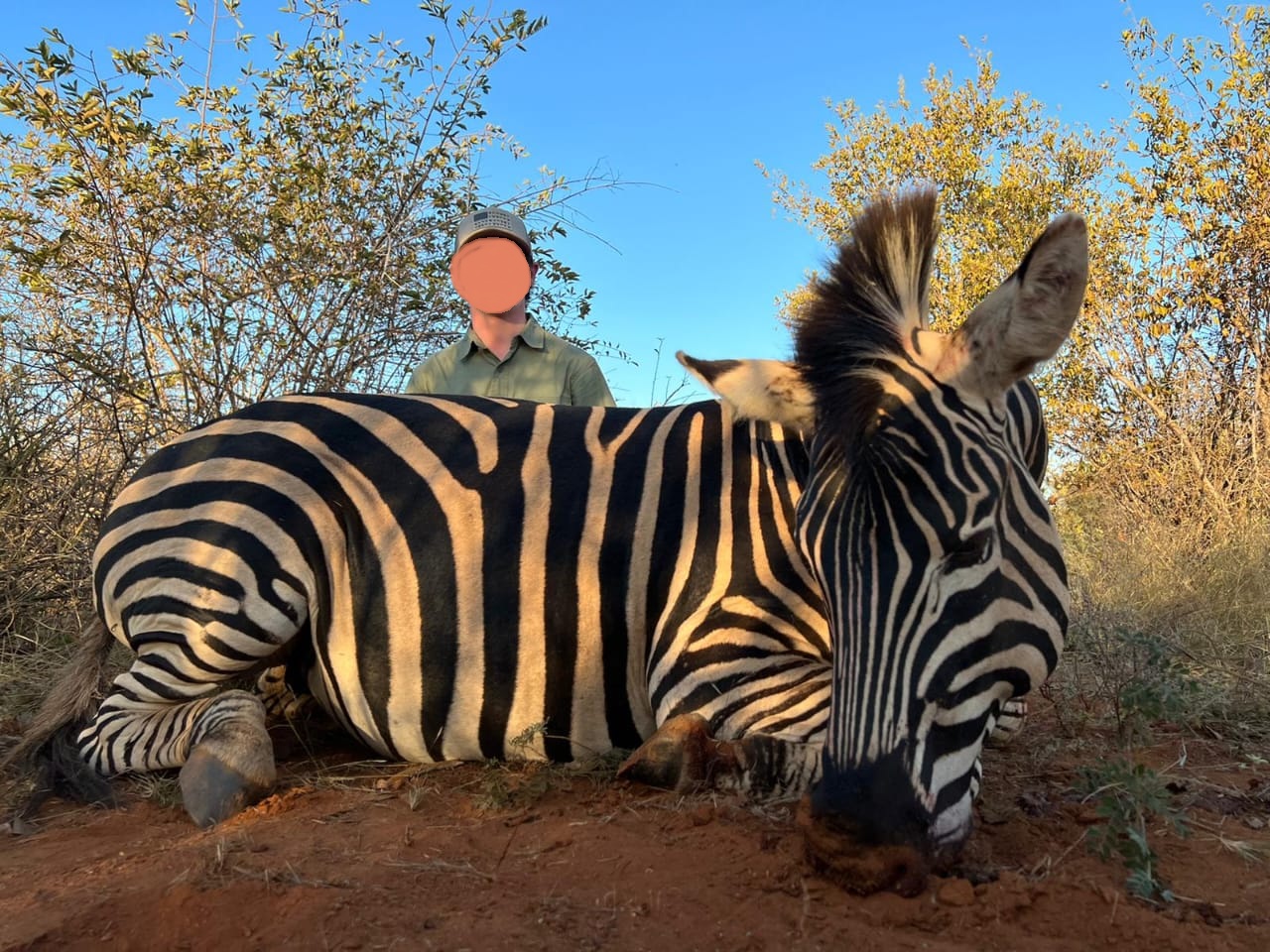
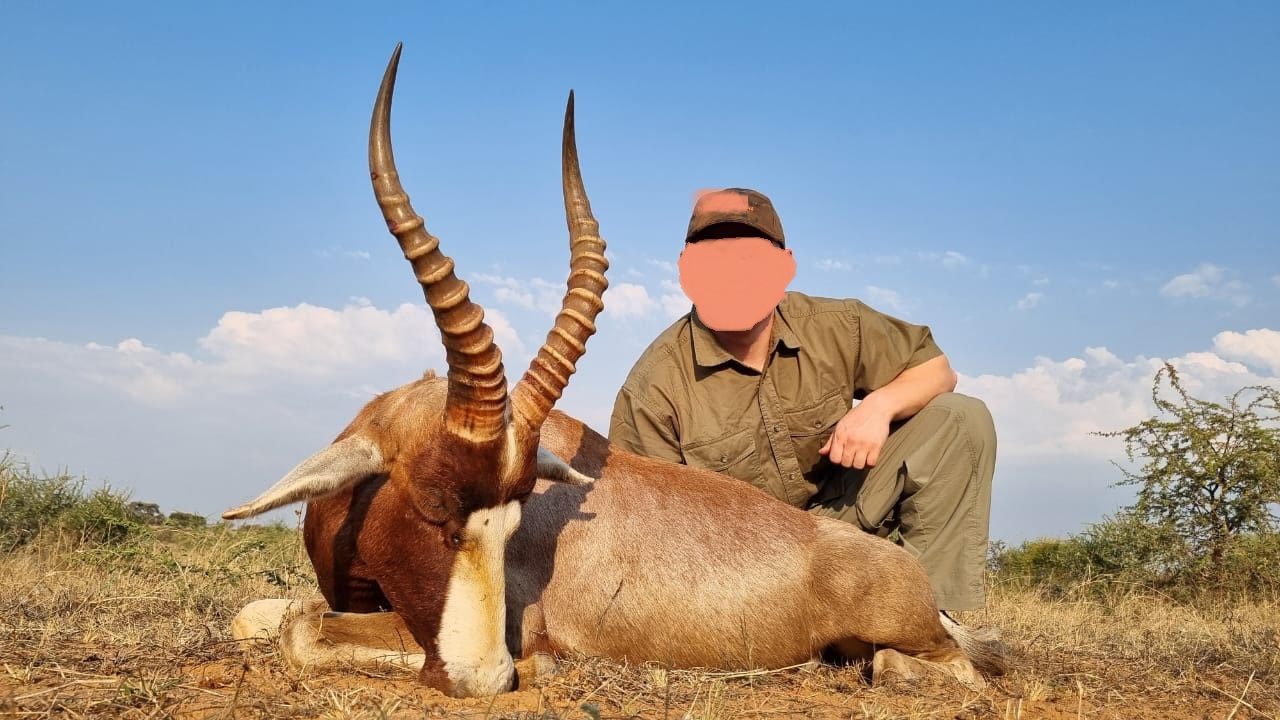
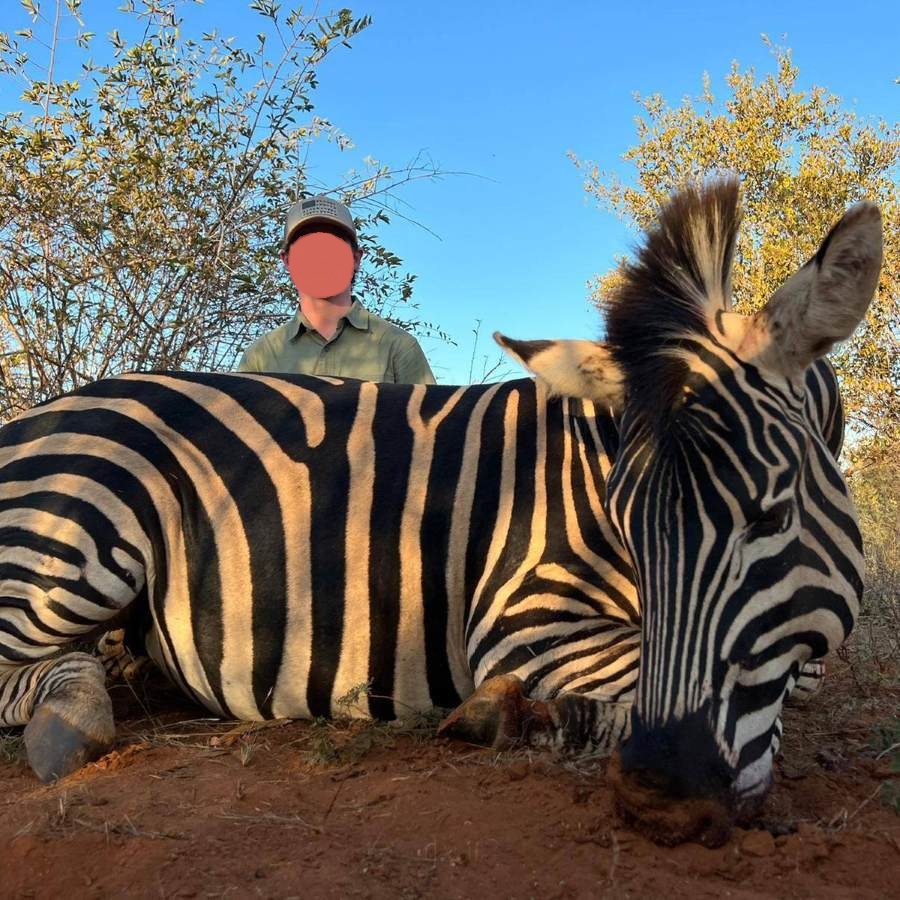
In addition to Lion and other predator species, the area is also home to numerous plains game animals including Kudu, Gemsbok, Blue Wildebeest, Impala, and Warthog, making it an excellent destination for hunters interested in combining their dangerous game safari with additional plains game hunts in South Africa.
Accommodation during the safari is provided at a comfortable African hunting lodge near Tosca in South Africa’s North West Province. Guests stay in spacious en-suite rooms overlooking the surrounding bushveld, with amenities including air conditioning, entertainment areas, and a swimming pool for relaxing after a day in the field.
The lodge combines traditional South African hospitality with excellent cuisine, attentive staff, and a relaxed safari atmosphere where hunters can unwind and enjoy the experience of dangerous game hunting in one of the country’s most respected safari regions. Hunters interested in learning more about regional opportunities can also explore our guide to hunting in South Africa.
Lion hunting in South Africa is typically conducted using traditional walk-and-stalk hunting methods. Large areas are initially covered by vehicle while trackers search for fresh spoor, territorial markings, or visual sightings of Lions and pride activity. Once fresh sign has been located, the hunting party continues on foot, carefully using the terrain and vegetation to approach within effective shooting distance.
As with all Dangerous Game Hunting, rifle selection is an important consideration. The legal minimum caliber for Lion hunting in South Africa is a .375, although many experienced hunters prefer larger calibers such as the .416 Rigby, .458 Winchester Magnum, .458 Lott, or traditional double rifles including the 470 Nitro Express and 500 Nitro Express. These heavier calibers offer additional stopping power and confidence during close-range encounters with dangerous game.
Premium quality soft-point or controlled-expansion ammunition is generally recommended for Lion hunting to ensure reliable penetration and effective energy transfer. Above all, hunters should use a rifle they are comfortable shooting accurately and confidently under field conditions.
Once the final stalk begins, accurate shooting becomes critical, particularly during close-range encounters in thick bushveld terrain. Hunters preparing for the safari are encouraged to review our professional guide to Lion Shot Placement before arriving in camp.
For hunters comparing different African Hunting Trips, few safaris carry the history, prestige, and responsibility of pursuing a mature male lion. Revered for centuries as Africa's ultimate apex predator, the lion has earned its place among the legendary Big Five Hunting species and remains one of the continent's most respected dangerous game animals.
A successful lion hunt is remembered for far more than the trophy itself. It is the product of careful planning, experienced trackers reading subtle signs, disciplined Professional Hunters making the right decisions, and a hunter who remains patient until the moment is right. Every step of the final approach demands complete concentration, good judgement, and respect for an animal capable of changing the situation in an instant.
Whether this is your first safari in Africa or another chapter in a lifetime of dangerous game hunting, a professionally guided lion hunt remains one of the continent's defining hunting experiences. Long after the photographs have been taken, hunters often remember the anticipation before the final stalk, the teamwork that made the hunt possible, and the privilege of sharing the African bush with one of its most iconic predators.
Please note that terms, conditions and price are subject to change without notice and rates at the time of the hunt will apply
You can speak directly with the outfitter before booking. GHS remains available throughout the process.
Needing assistance with firearm permits and international travel services, or good taxidermists? View our affiliated companies
View Affiliated Services