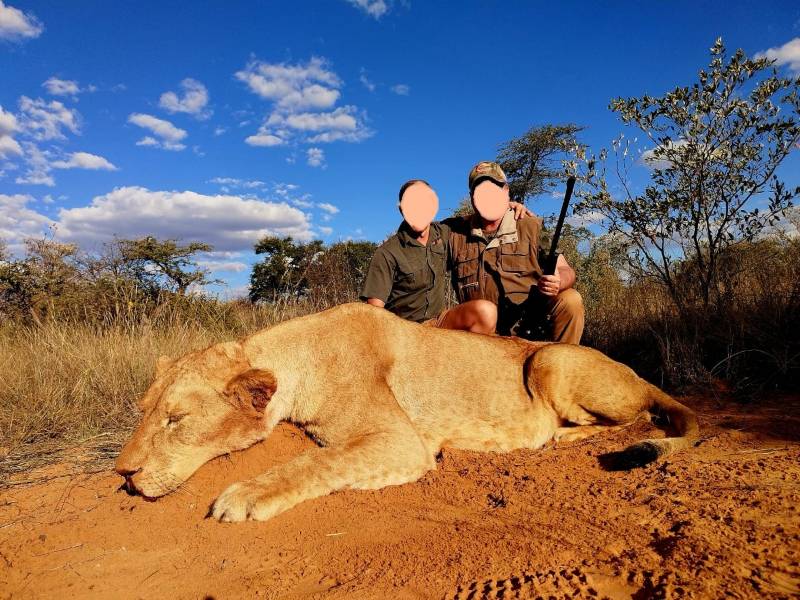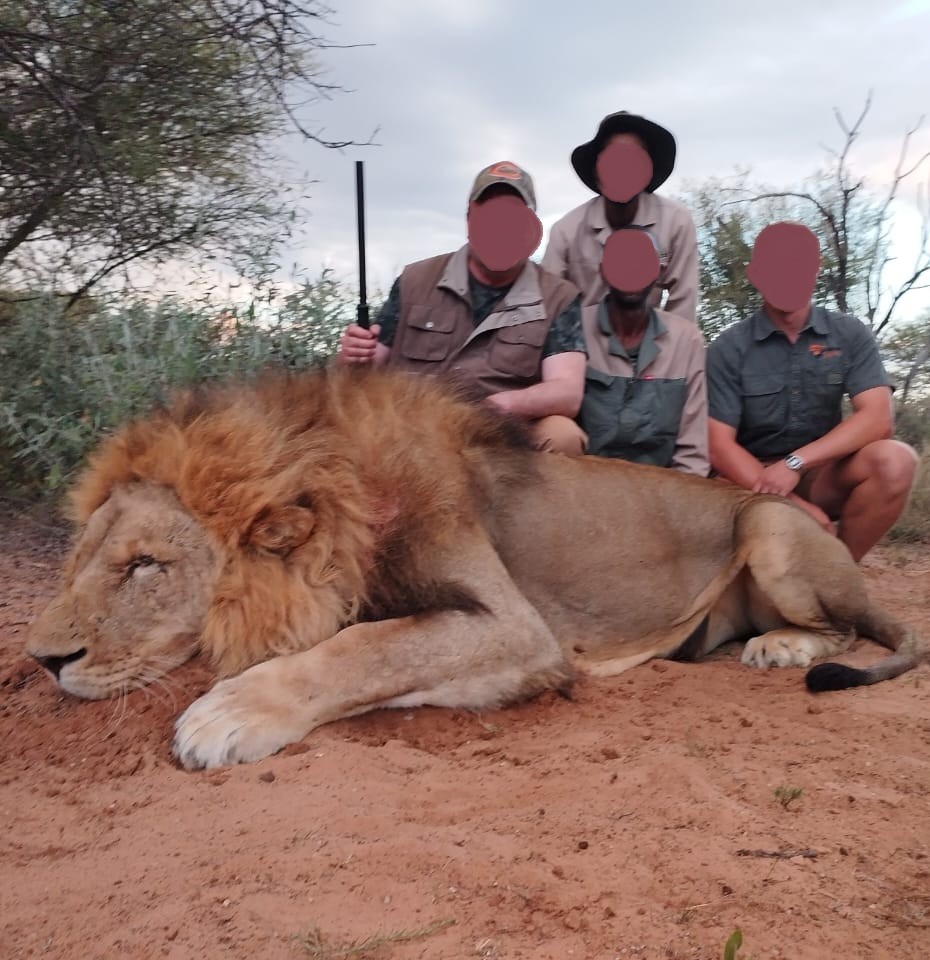
5-Day Lion Hunting Safari in South Africa
Booking Season: 2026
Hunt Difficulty: Difficult


| Animal | Fee |
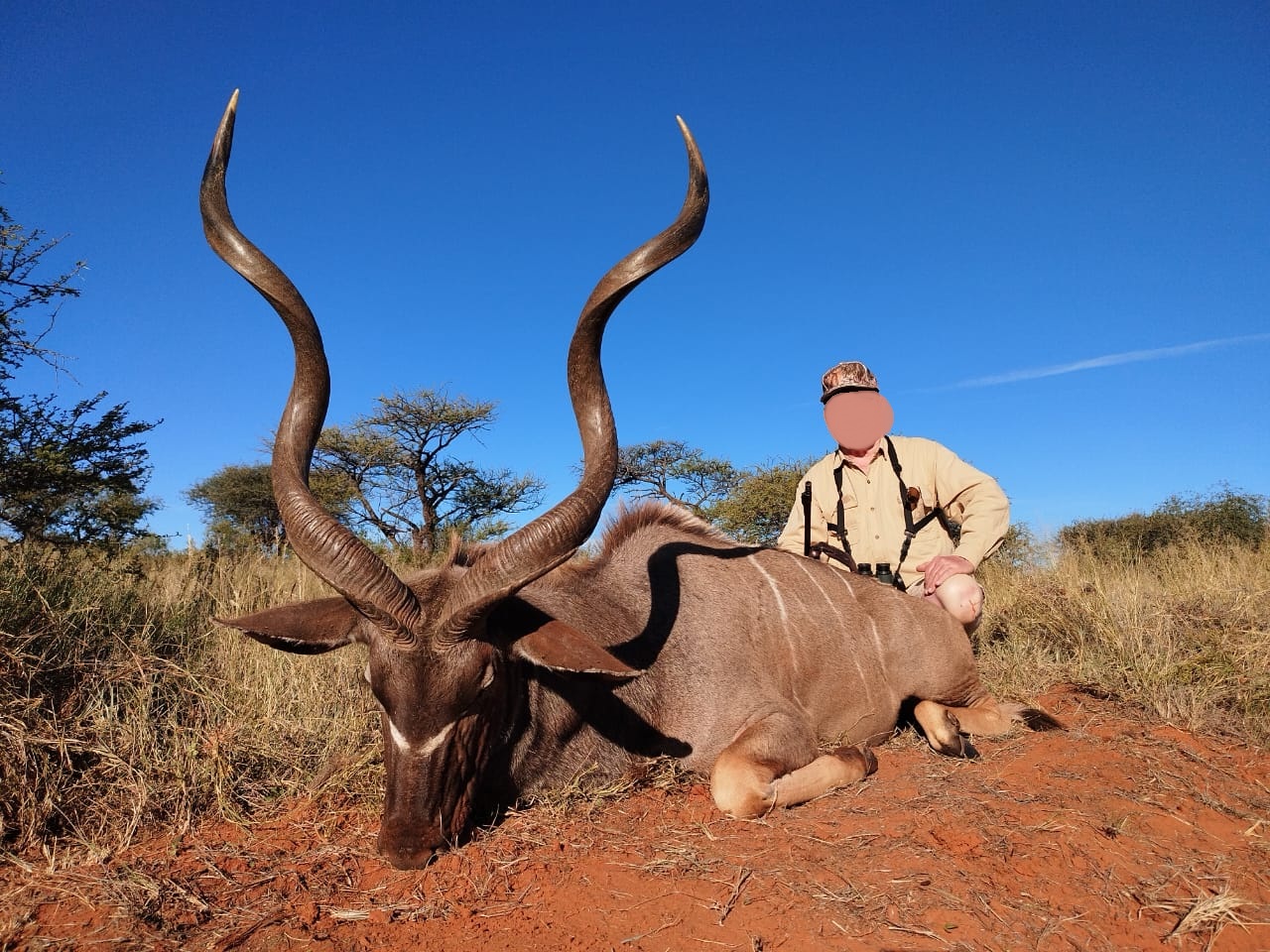
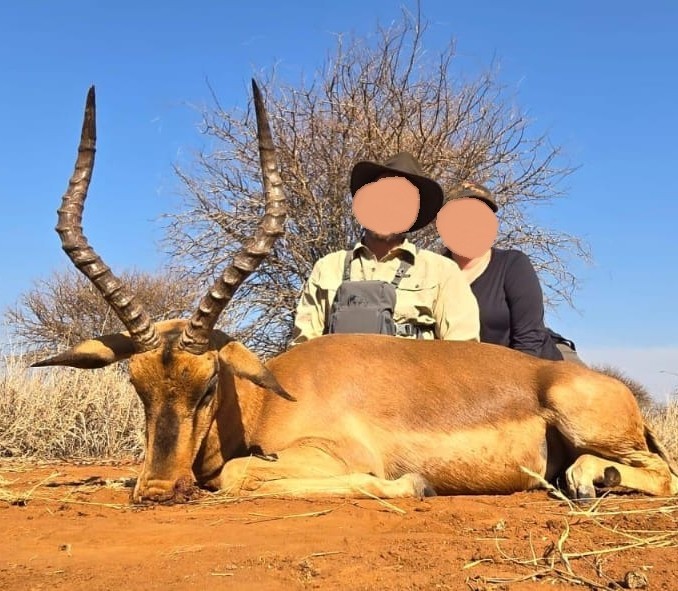
| Greater Kudu | 5500 |
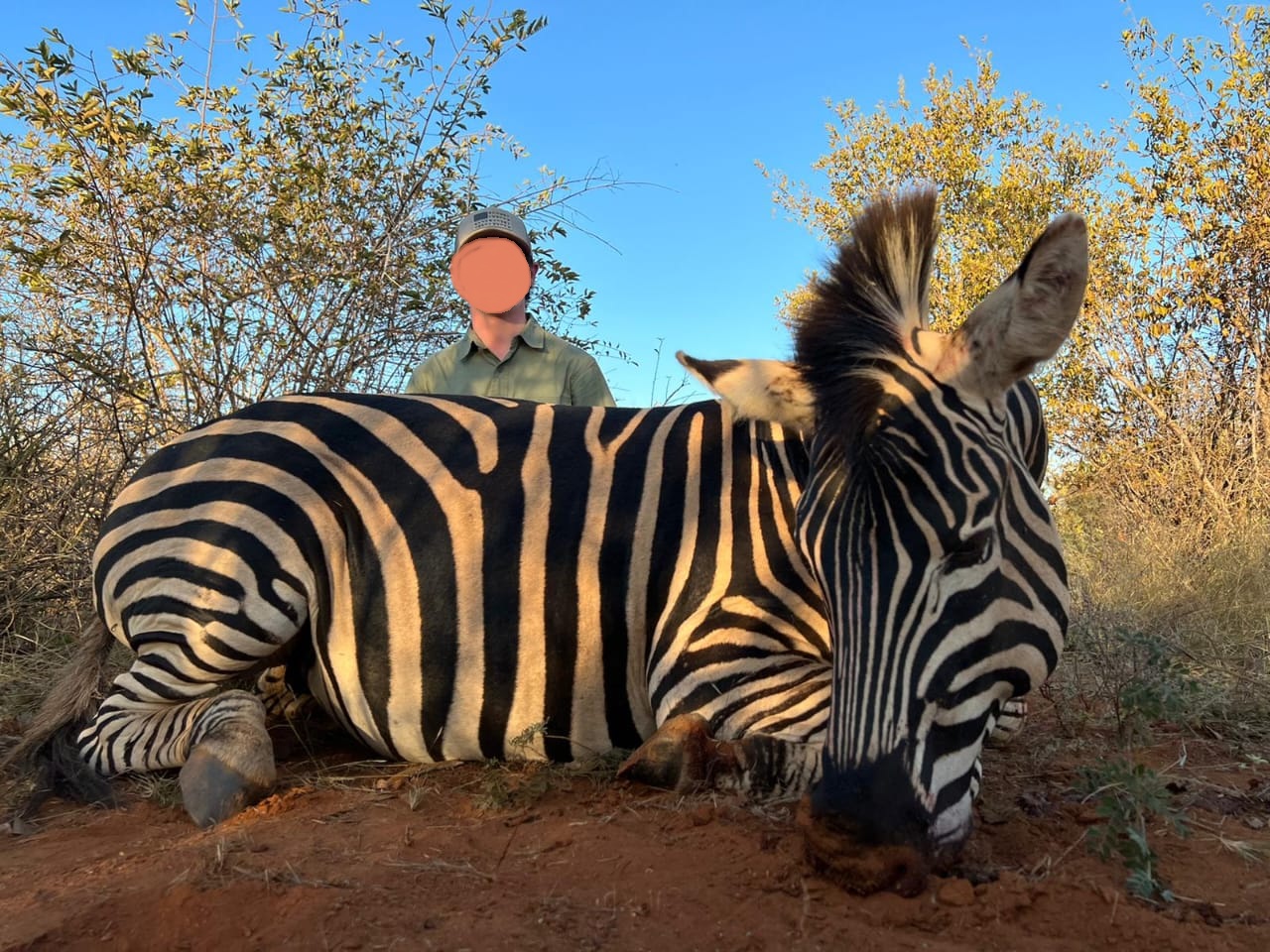
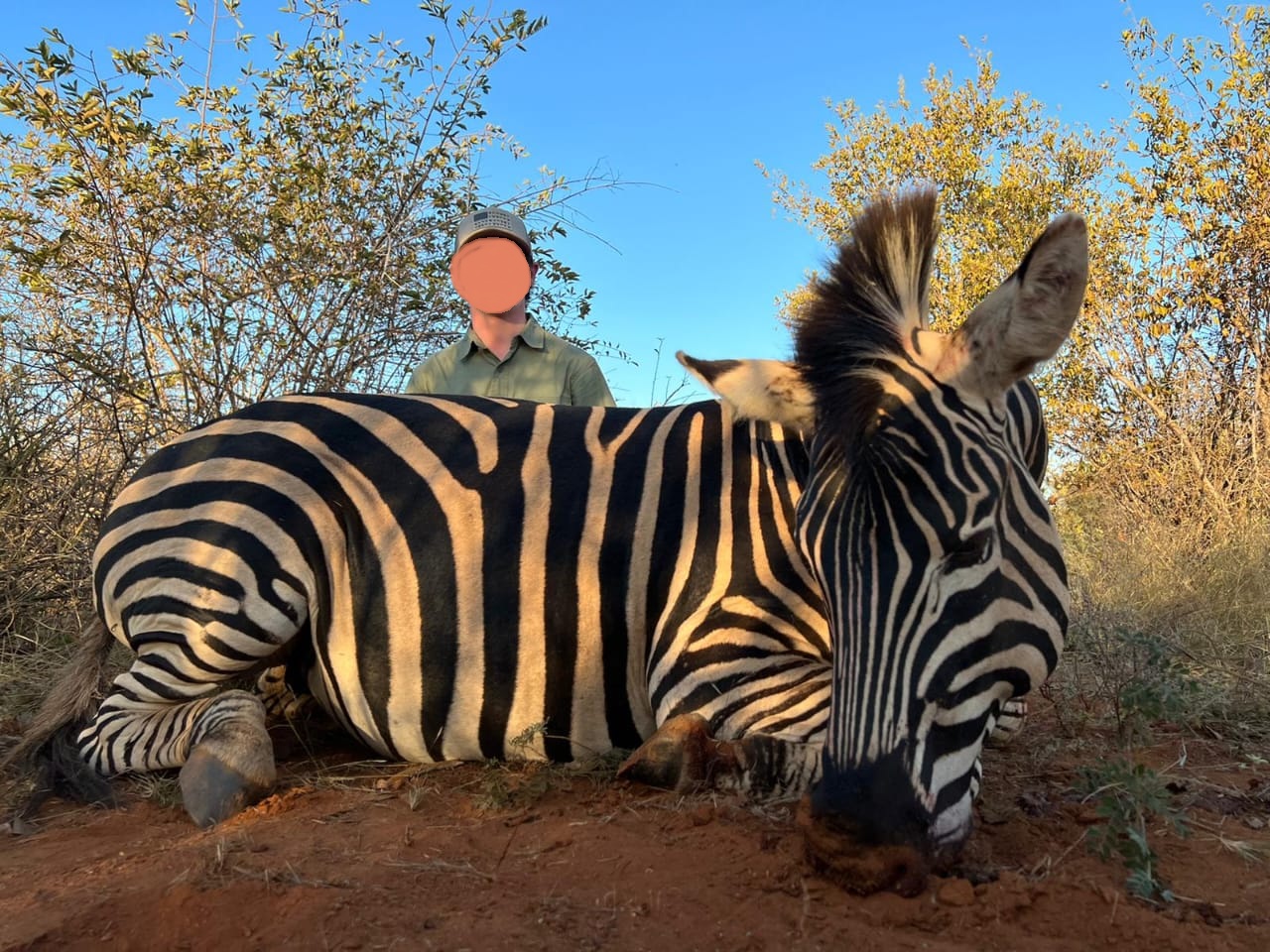
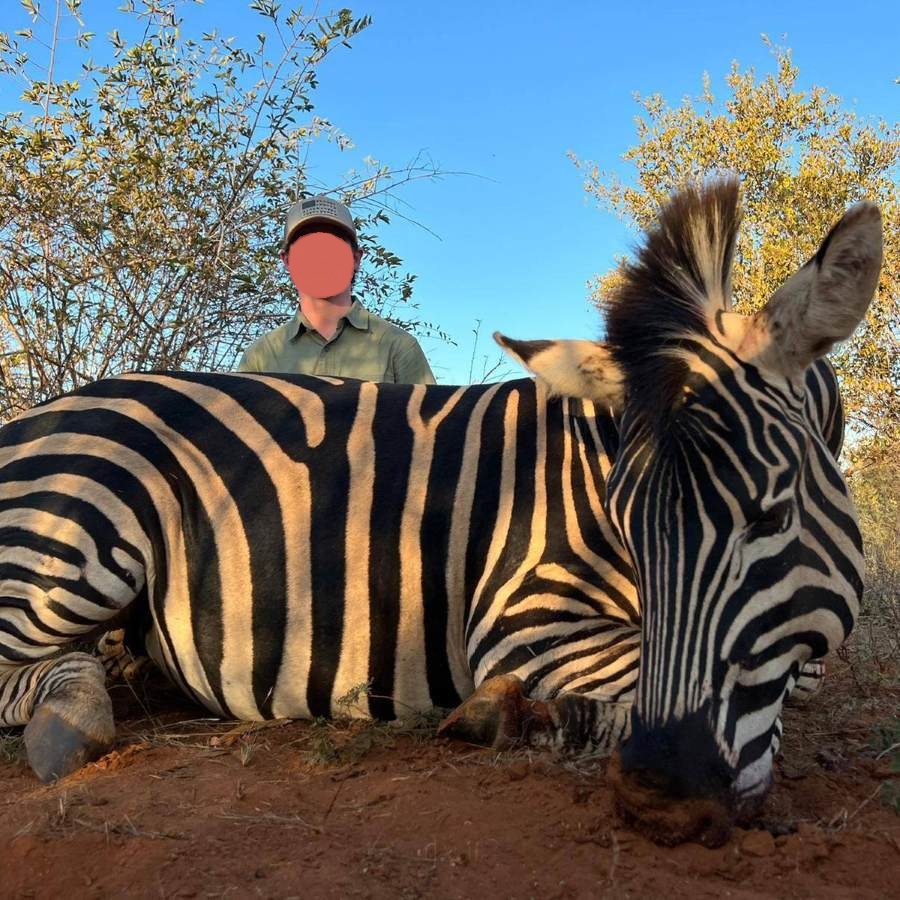
| Zebra | 4250 |
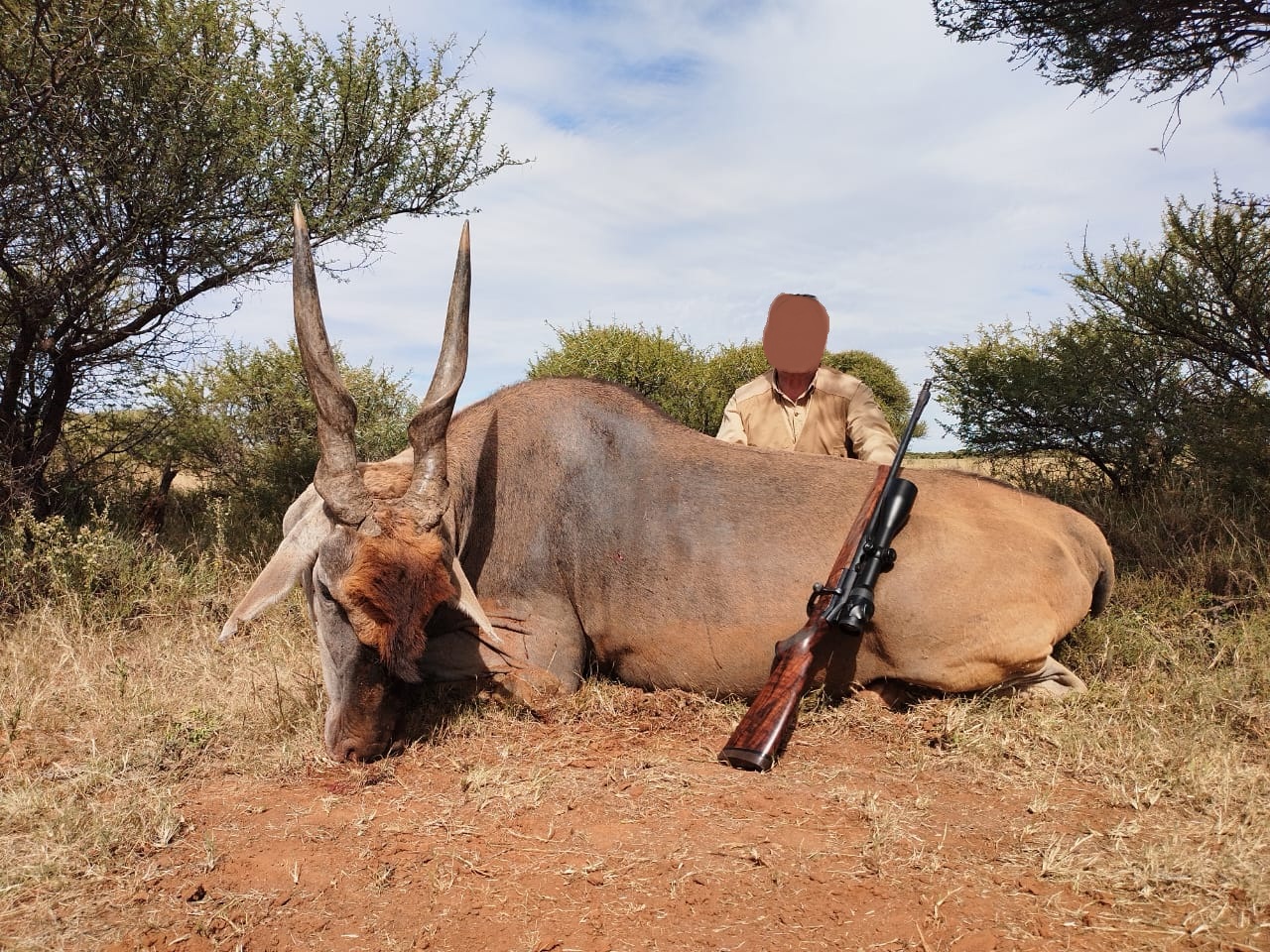
| Common Eland | 4500 |
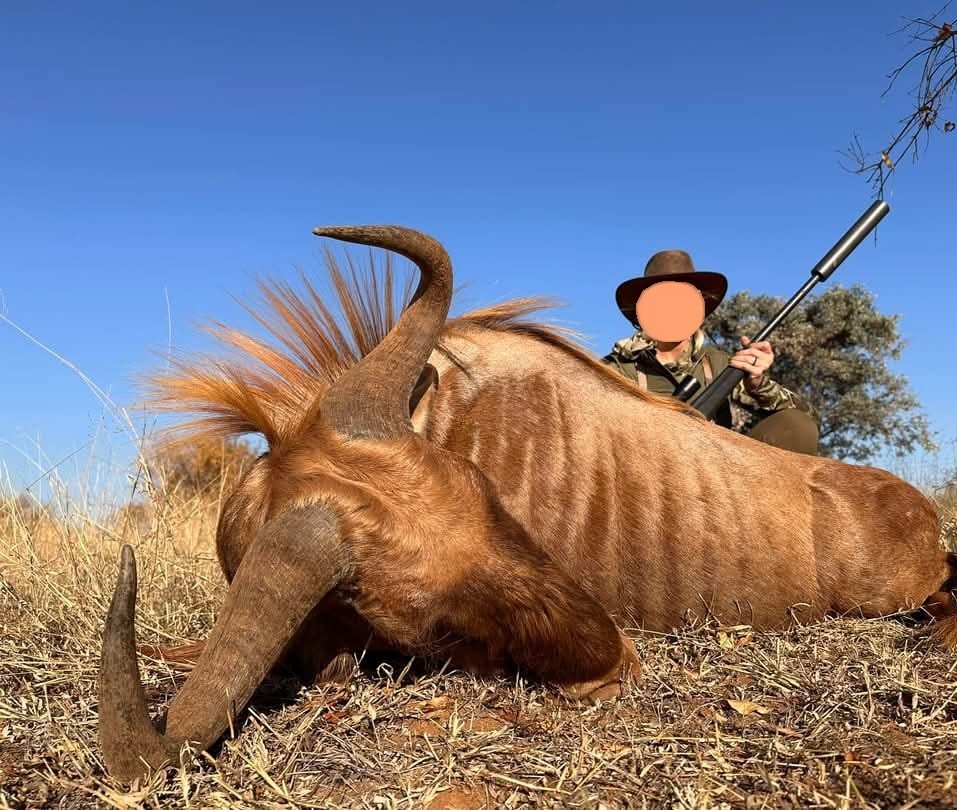
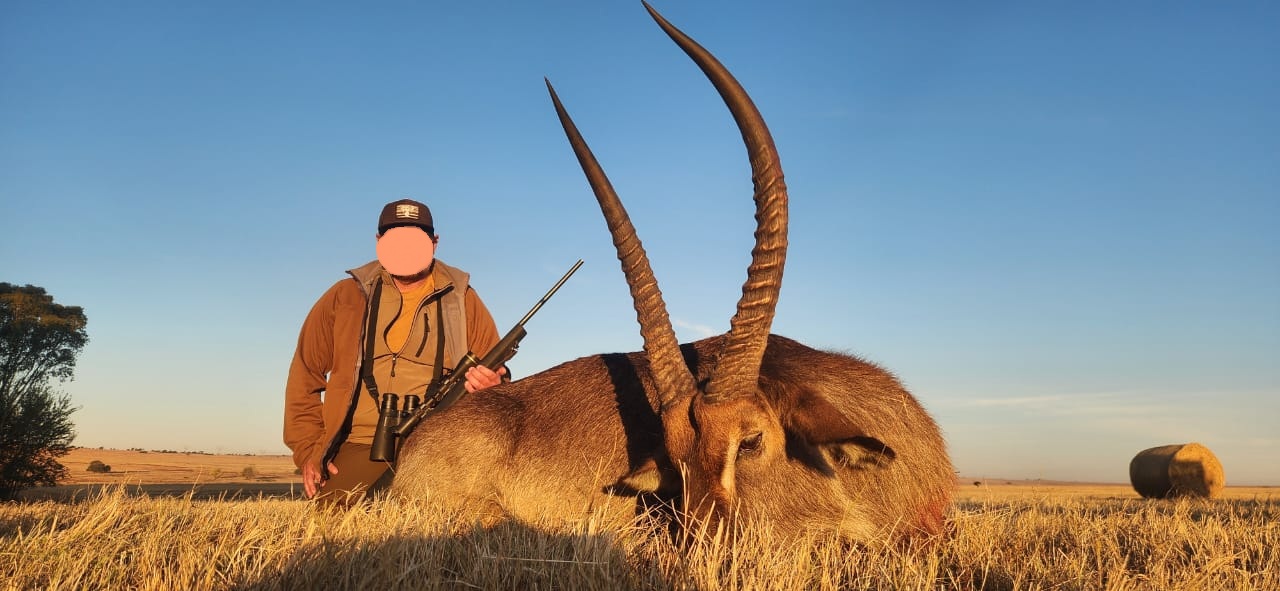
| Defassa Waterbuck | 3750 |
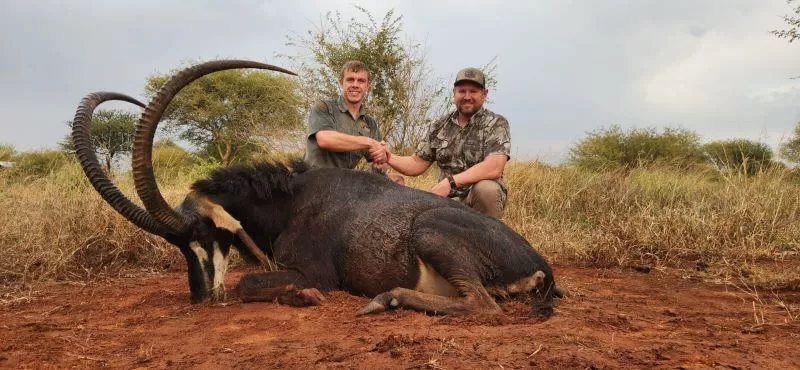
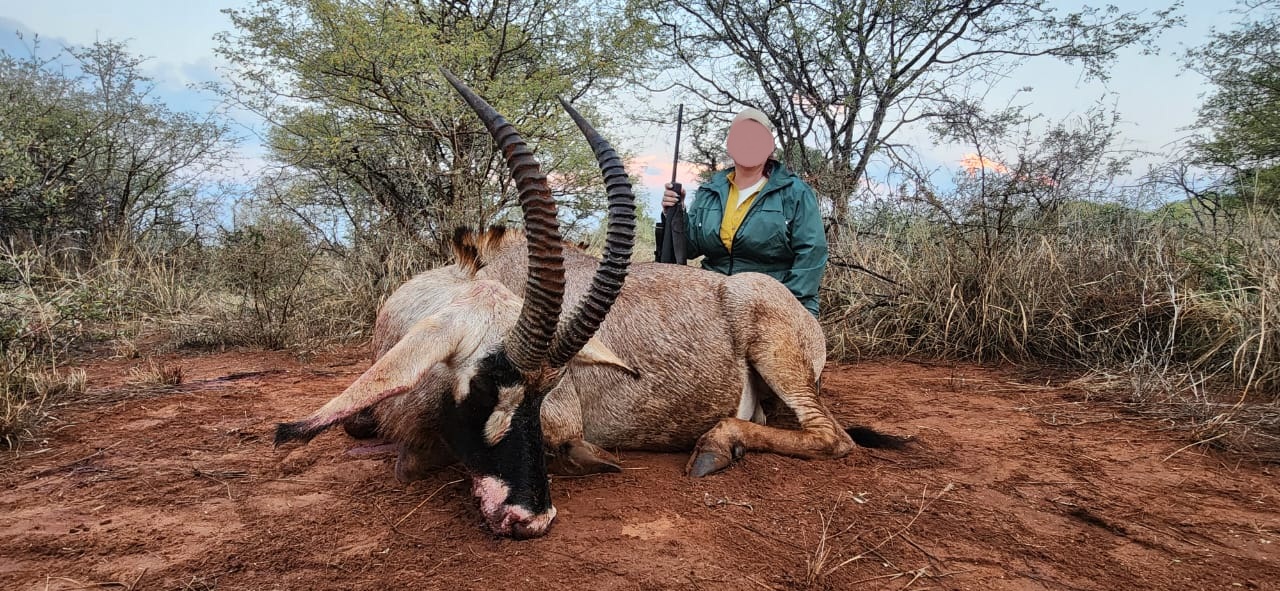
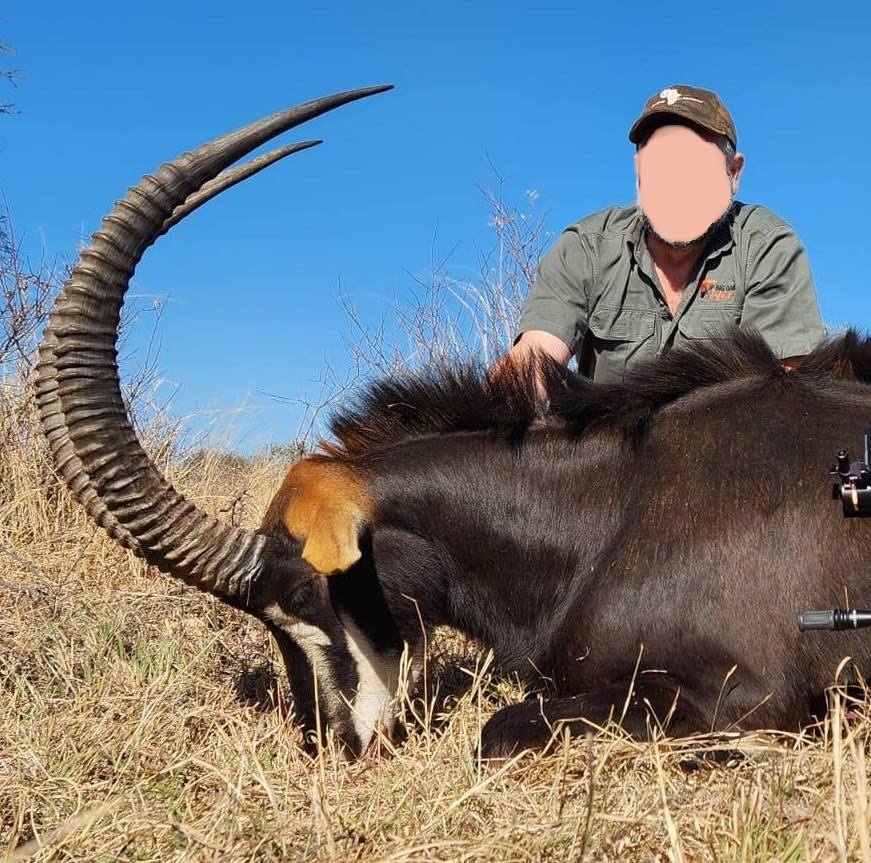
| Sable | 5500 |
| Bushbuck | 1450 |
| Common Reedbuck | 1400 |
| Lichtenstein Hartebeest | 3250 |
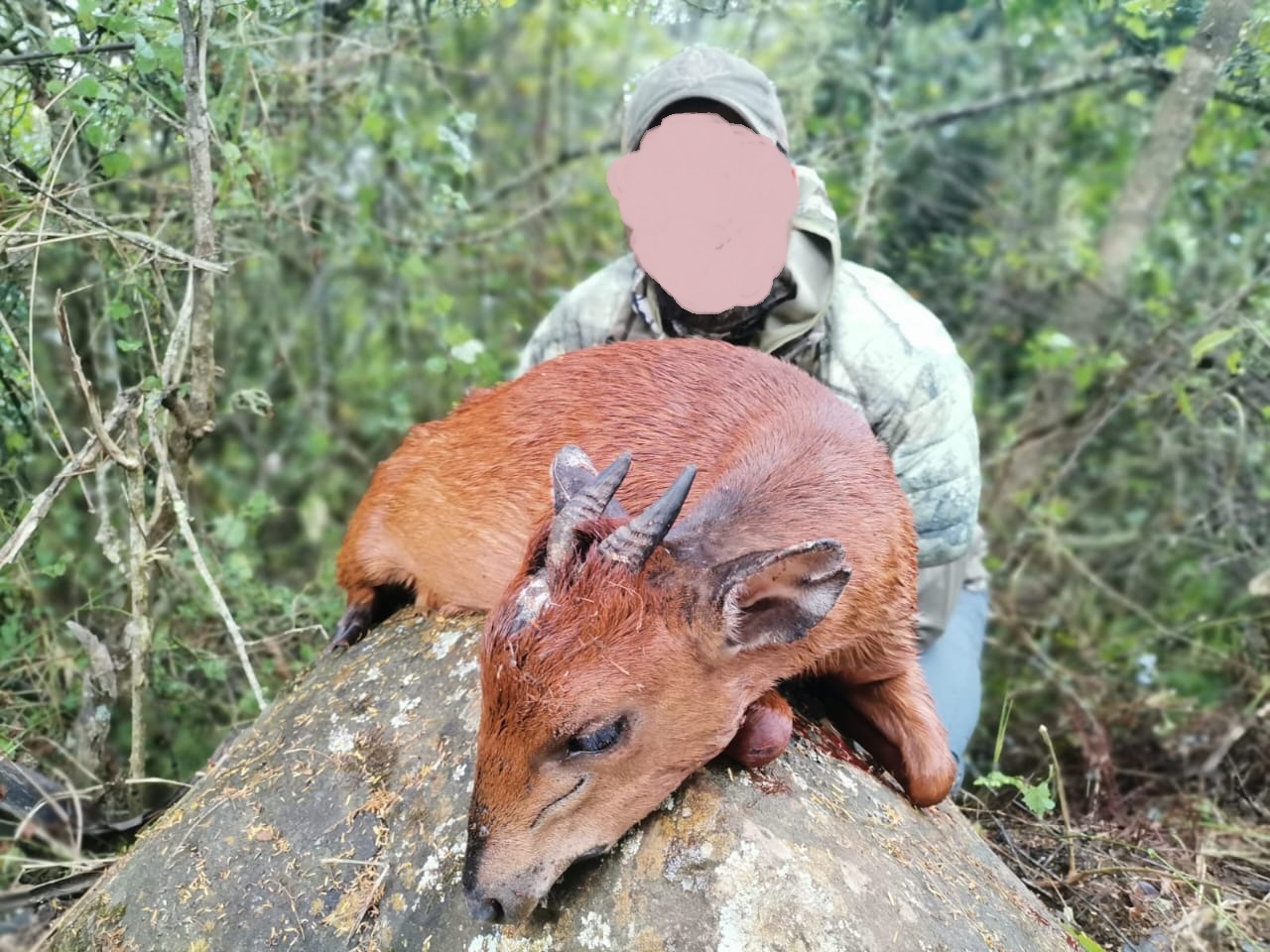
| Gray Duiker | 1450 |
| Baboon | 395 |
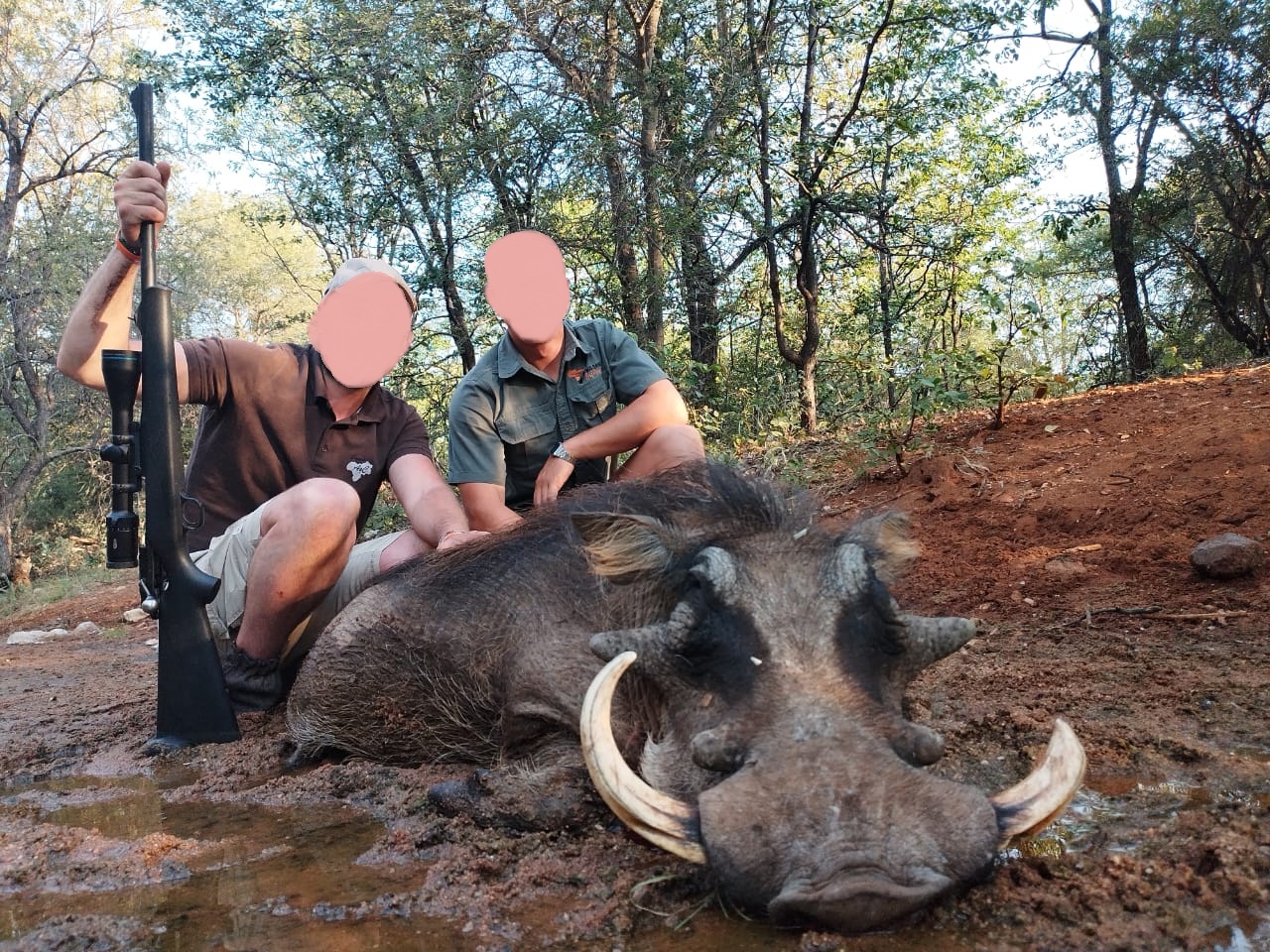
| Warthog | 990 |
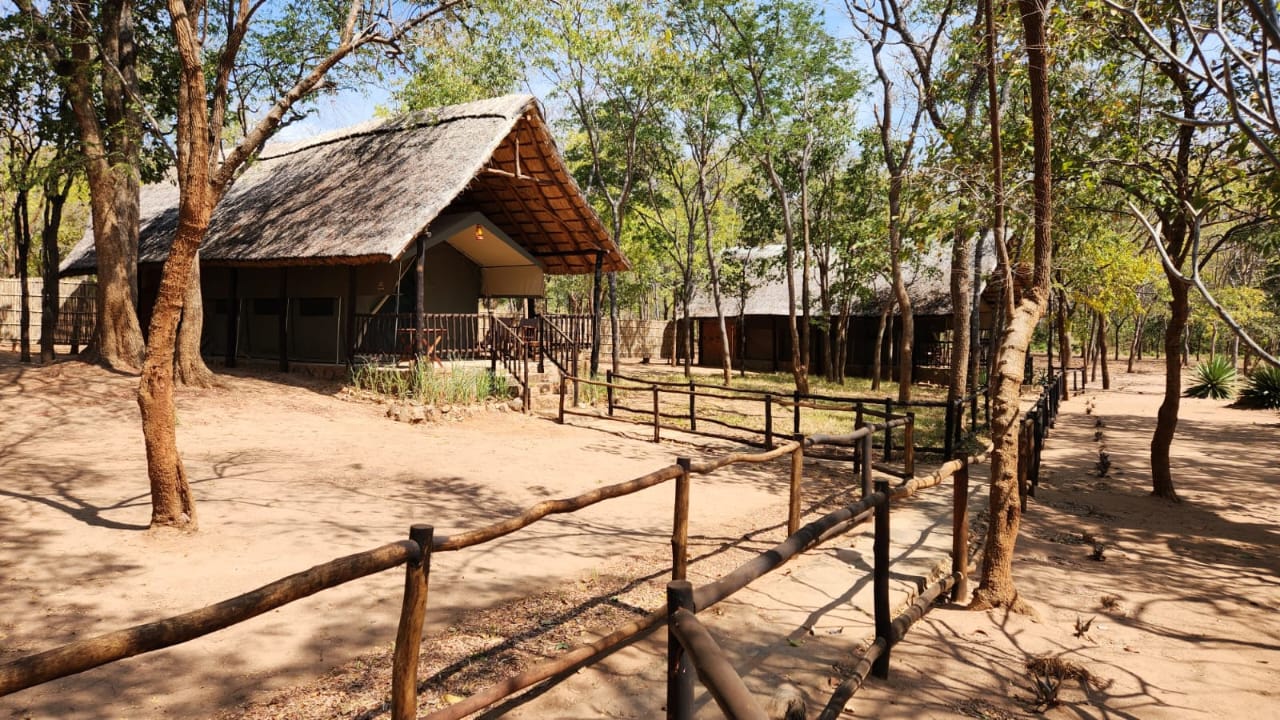
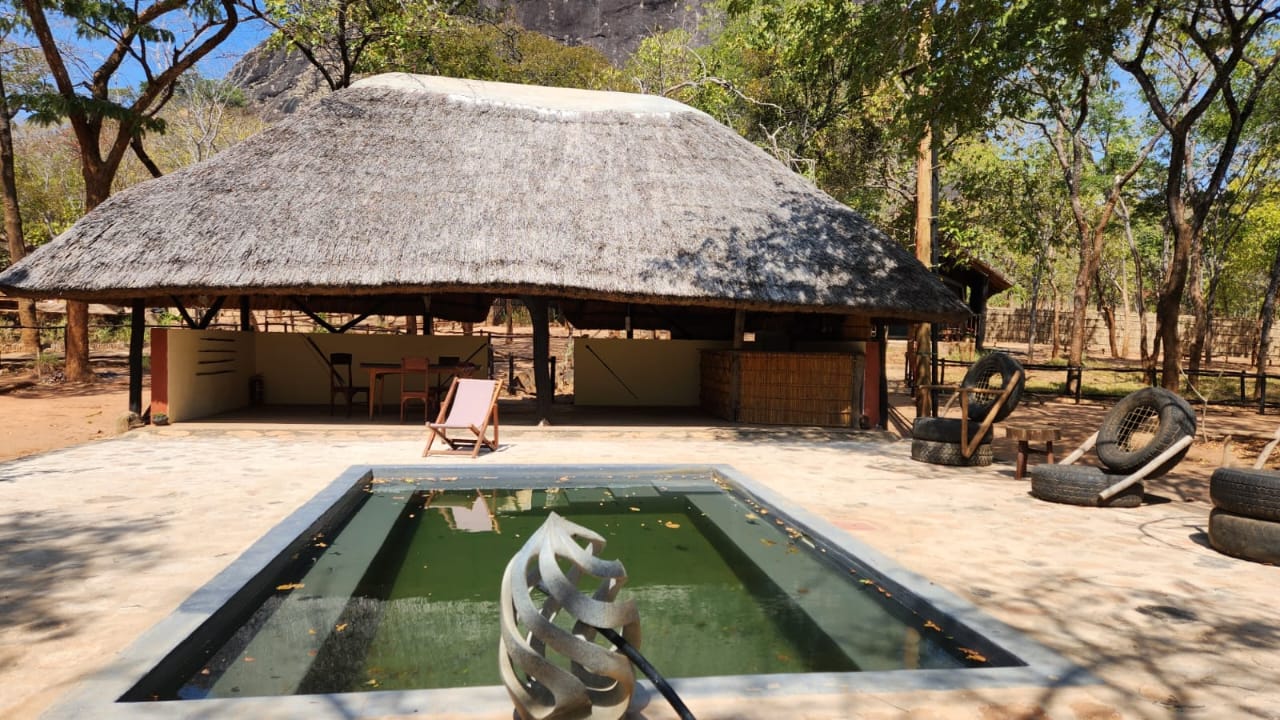
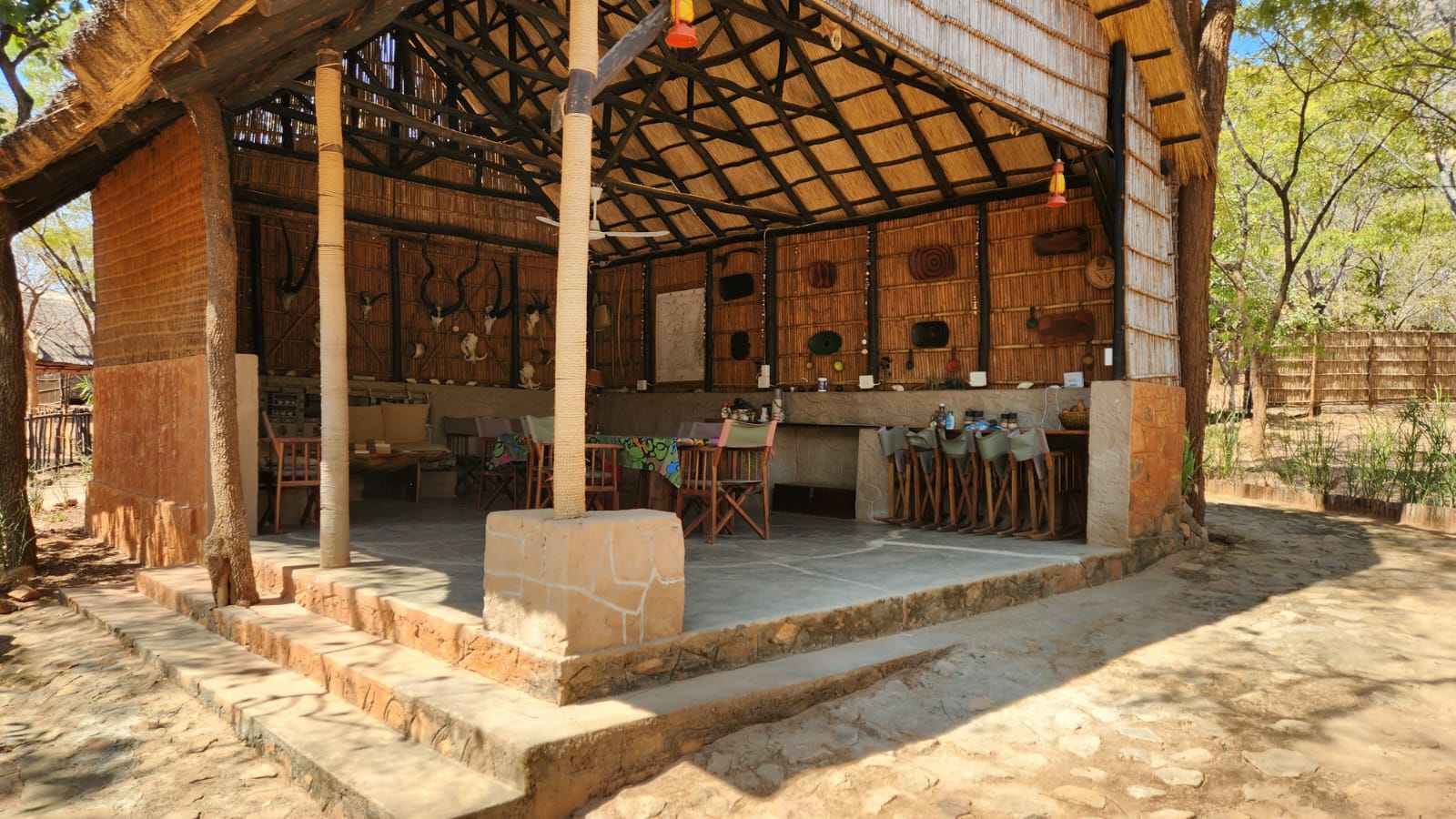
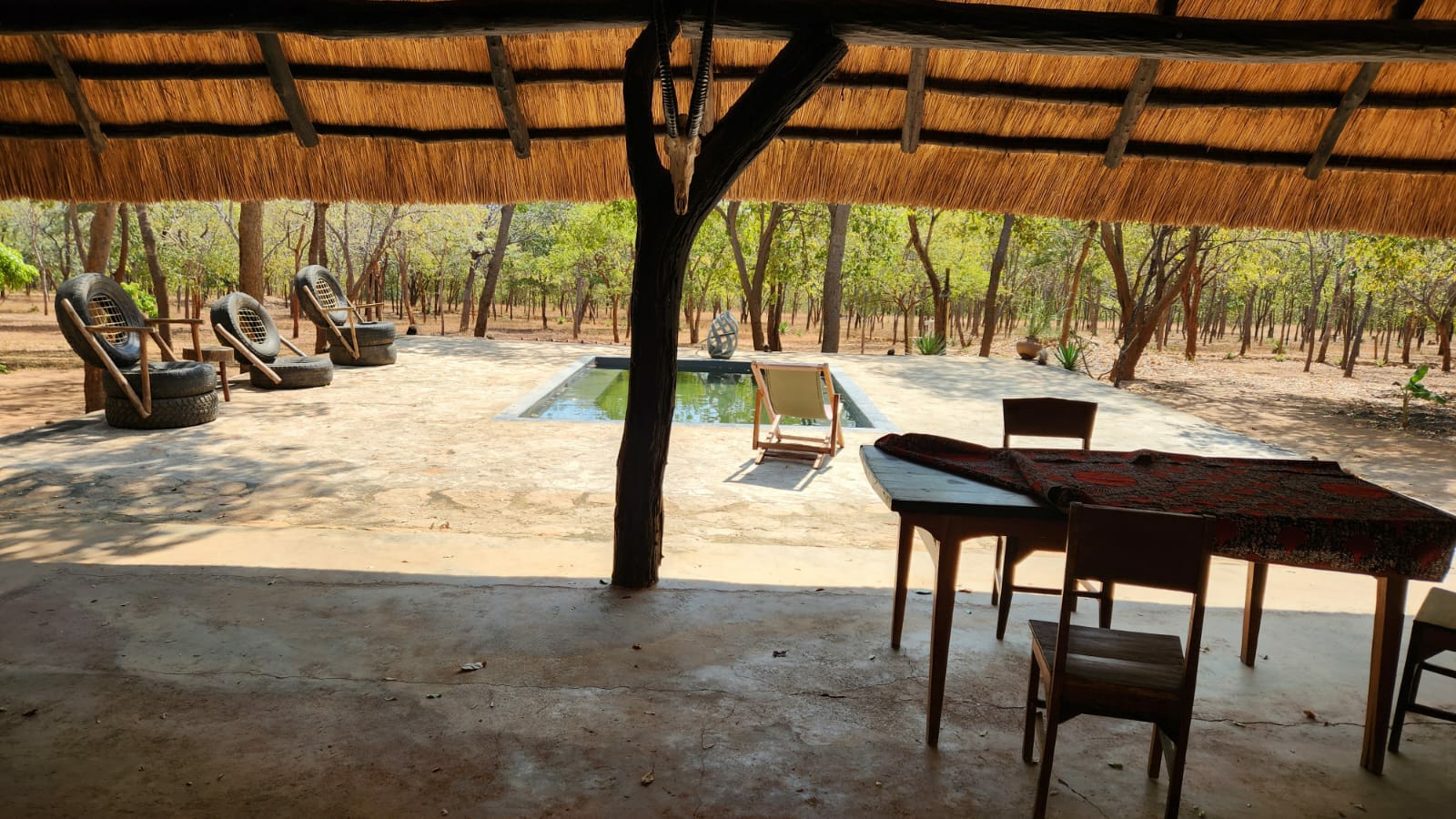
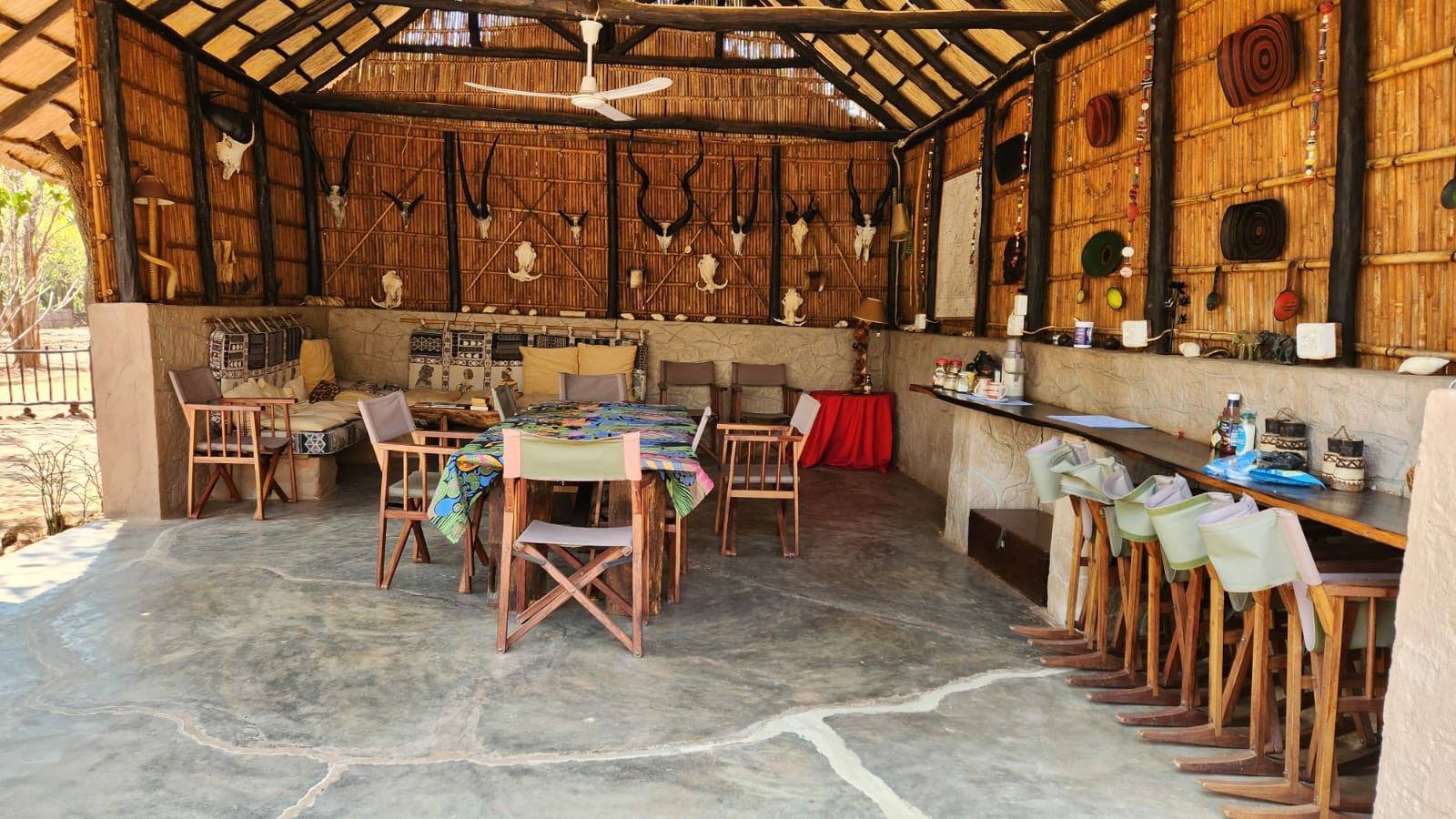
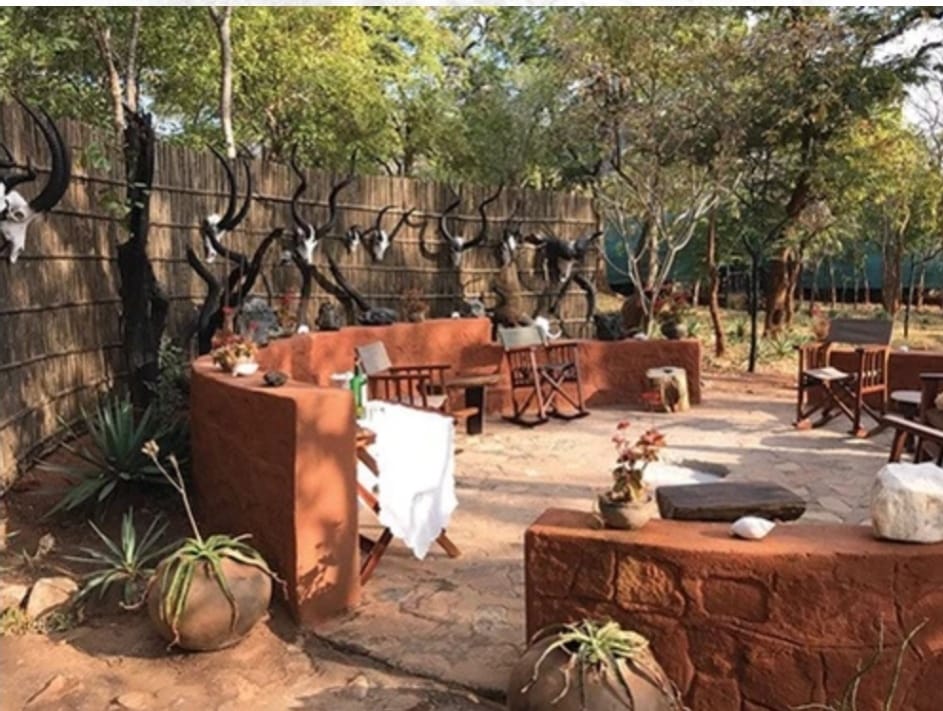
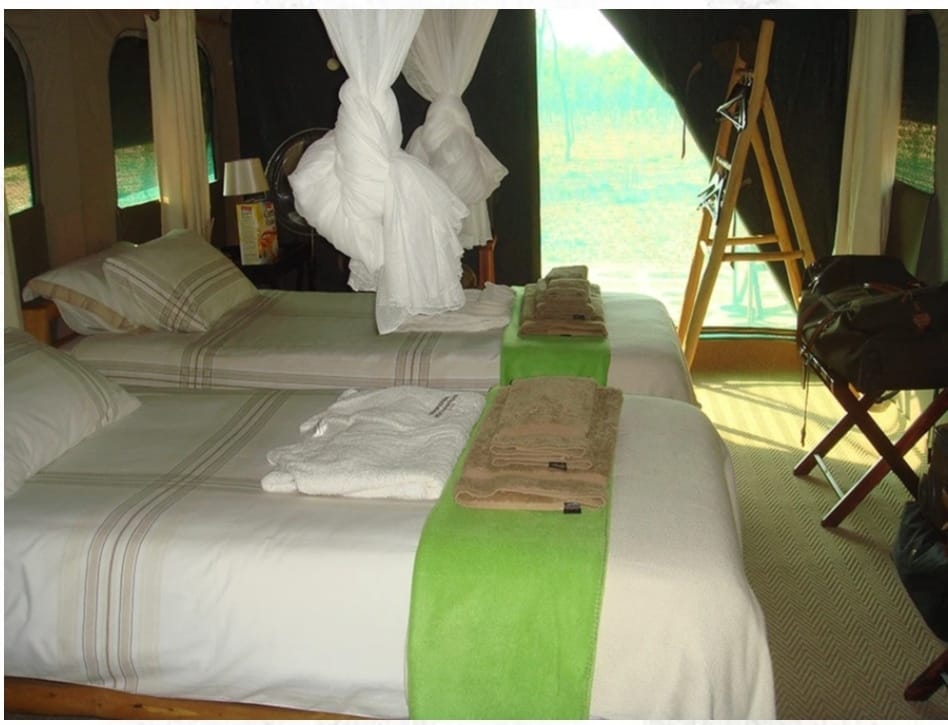
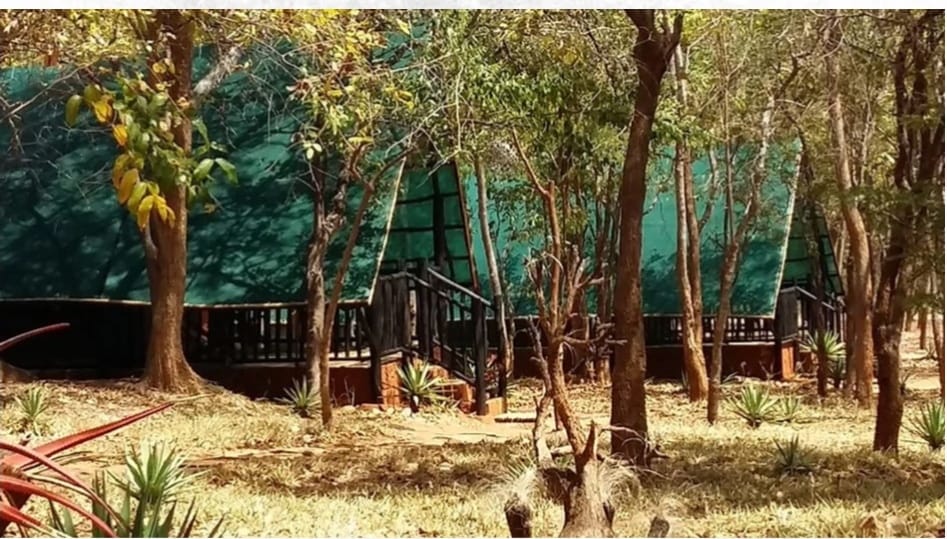
Hunters will enjoy staying in chalets during this Mozambican safari, with smaller fly camps 3 to 6 hours away from the main camp, allowing clients to get more and up closer and personal with wildlife. Each chalet offers twin beds, mosquito nets, screened windows for ventilation, en-suite bathroom with hot running water, private veranda with mesmerizing views, and lockable storage space. The camp’s lapa and dining areas provide the perfect place to chill after a hectic day out hunting in the field. Expect fresh, tasty, nourishing cuisine, perhaps with some game meat included from a previous hunting safari.
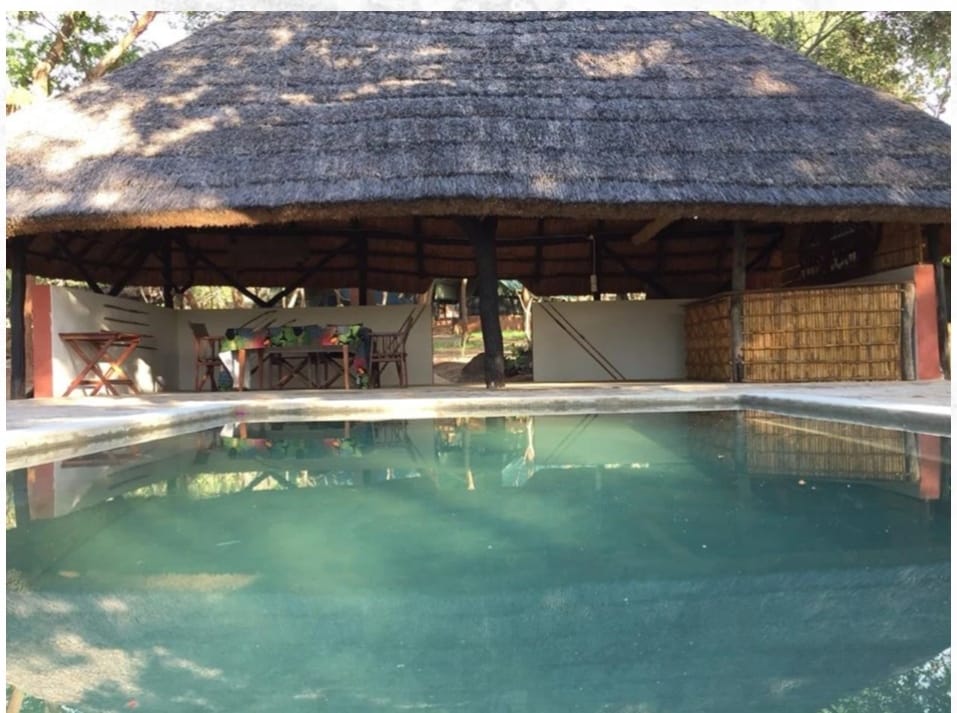
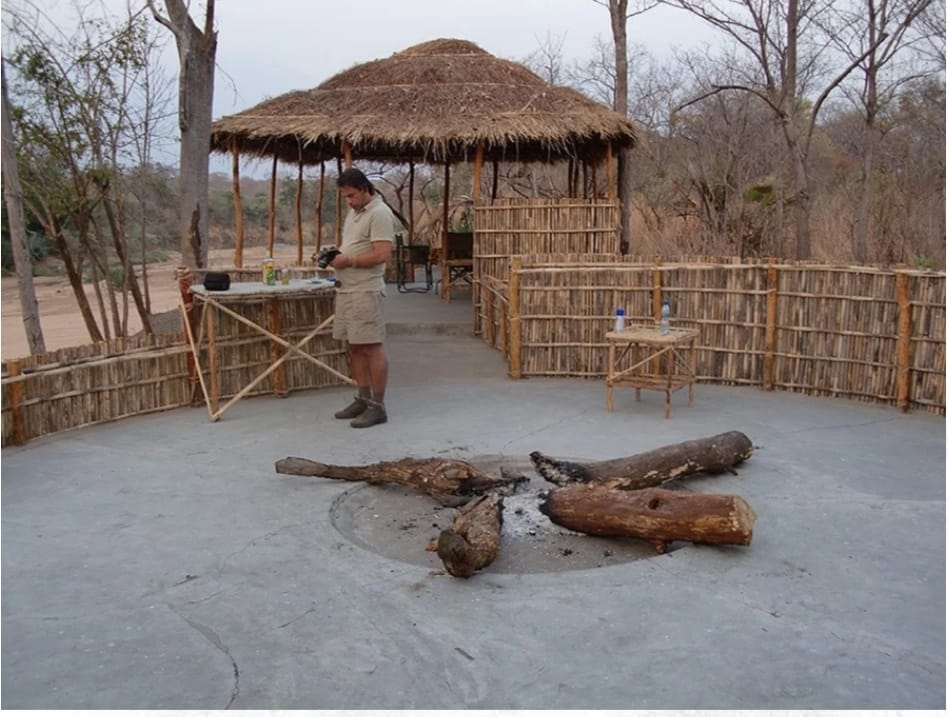
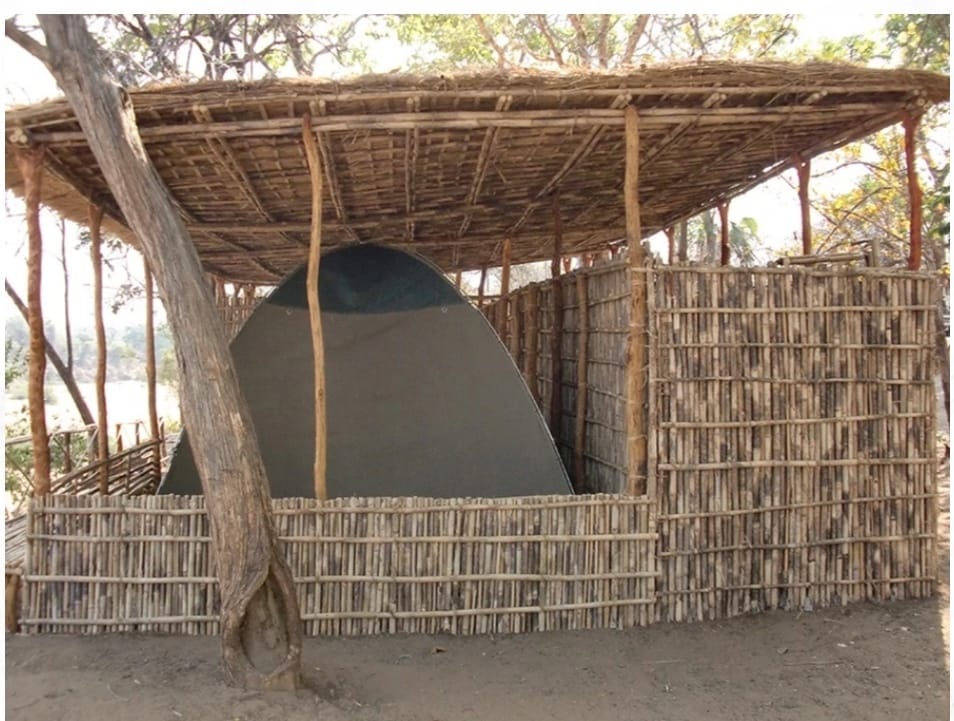
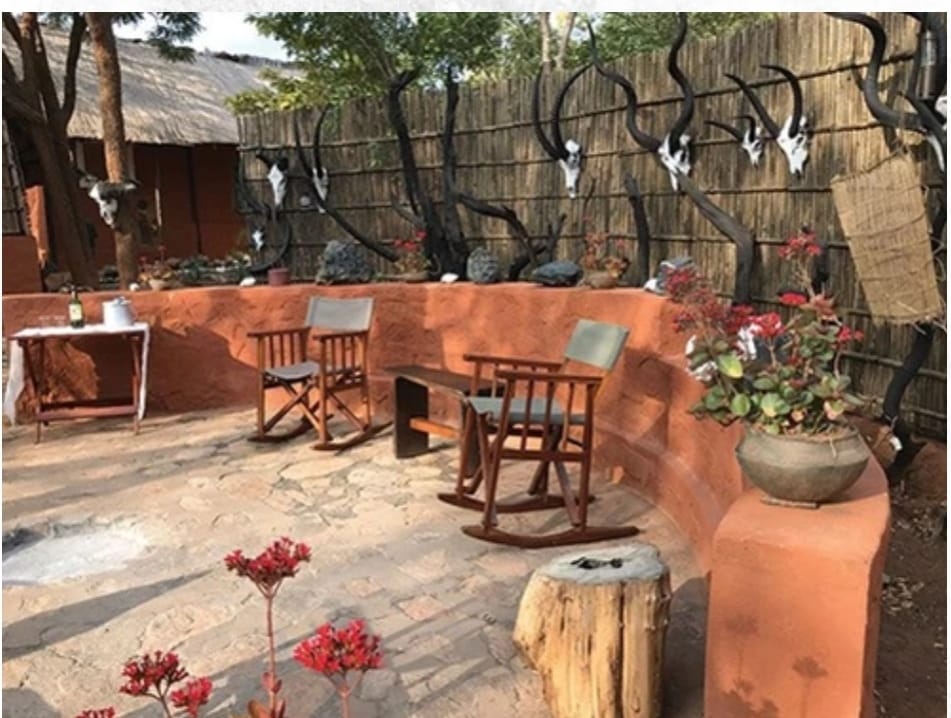
The 500,000 ha hunting grounds are a hunter’s free-range hunting dream, offering both African plains game and dangerous game options. The area is mostly flat with a couple of trees, and tends to get more swampy the closer you move to the river.
| Fence Type: | Free-range |
| Hunting Ground Size: | 500000 ha |
| Language Spoken By Staff: | English, Afrikaans |
| Nearest Airport Name: | Pemba International Airport (POL) |
| Nearest Town Name: | Marrupa |
| Nearest Town Distance: | 1 hour's drive |
| Transfer From Airport: | Yes |
| Air Charter Available: | Yes |
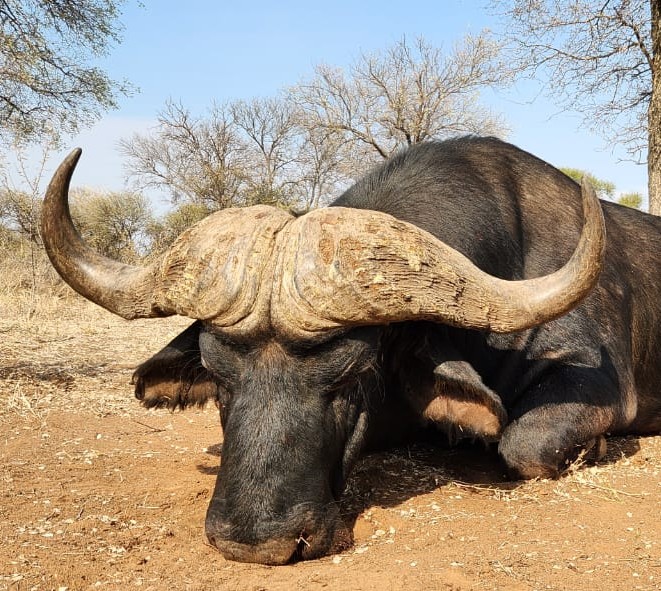
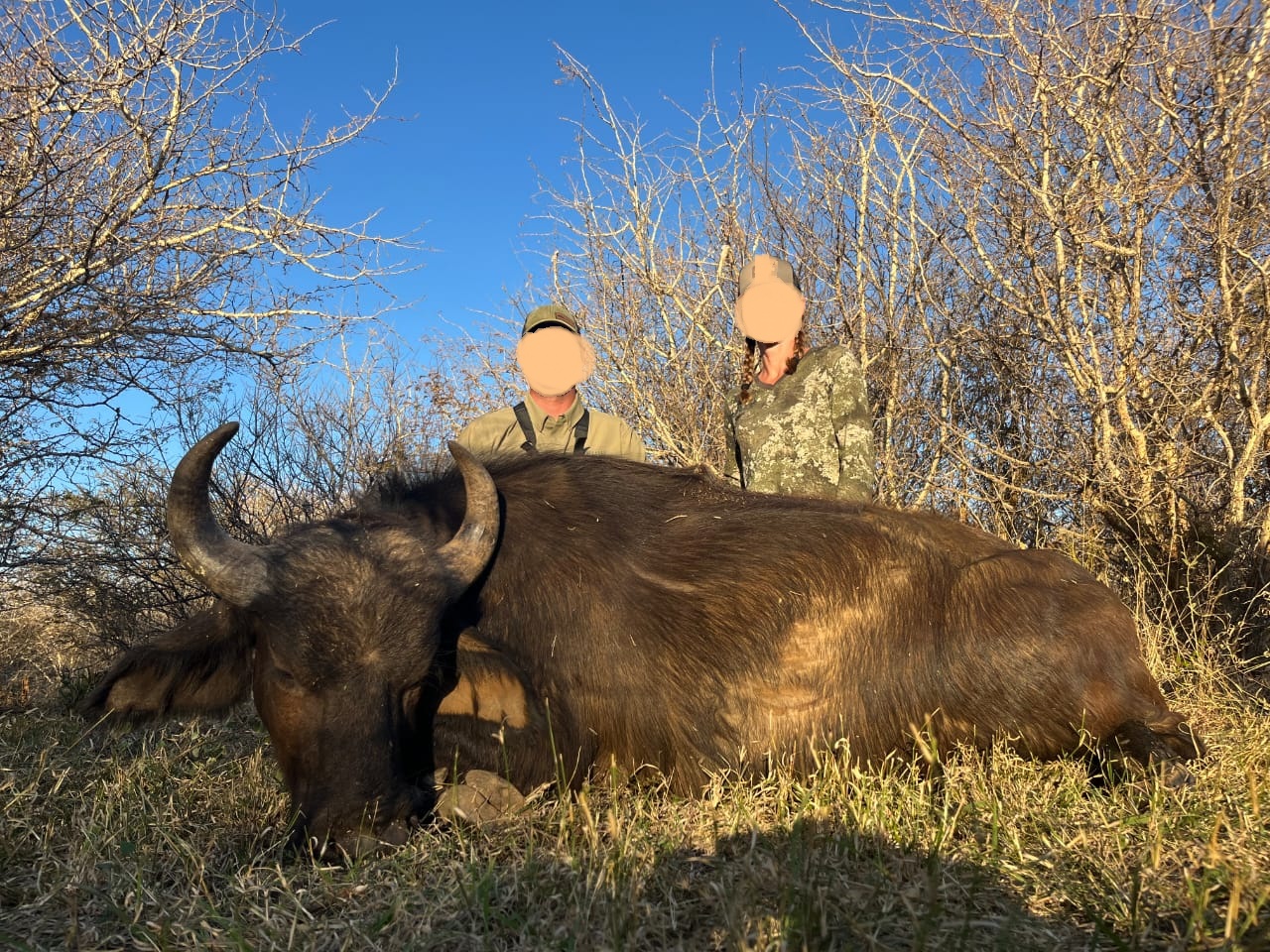
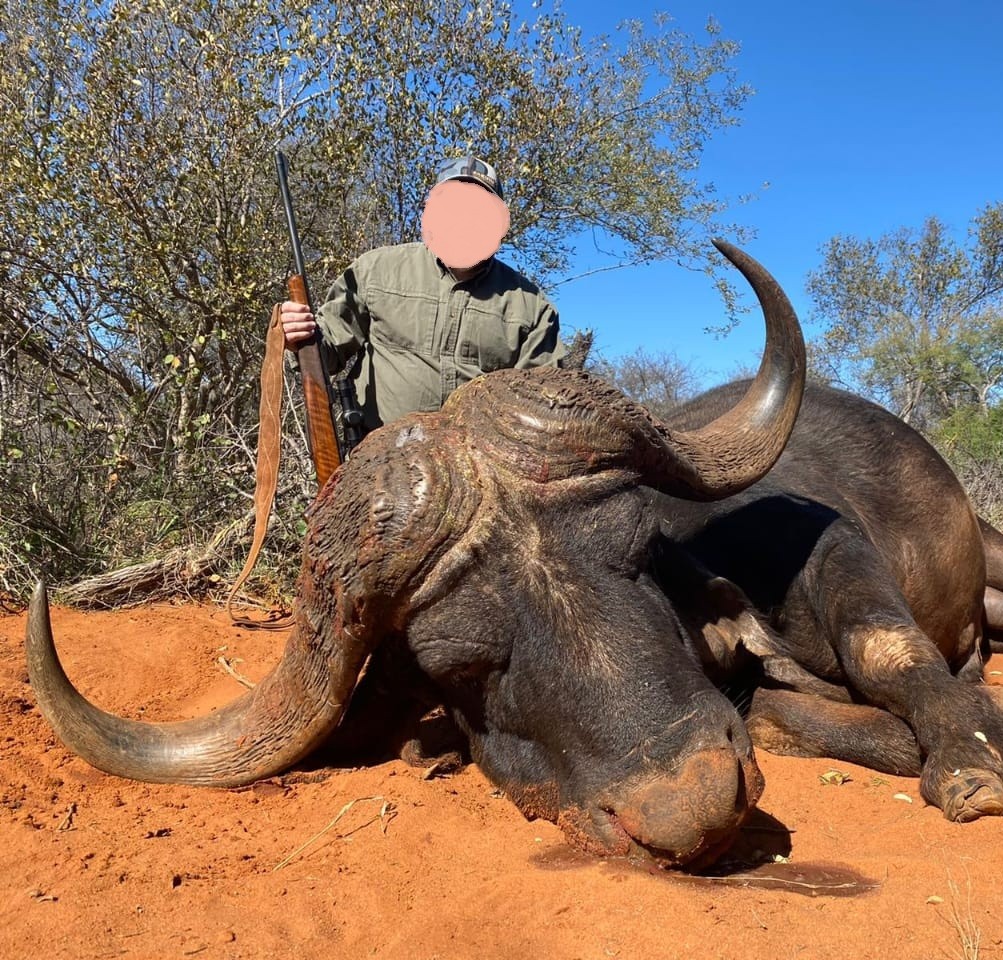
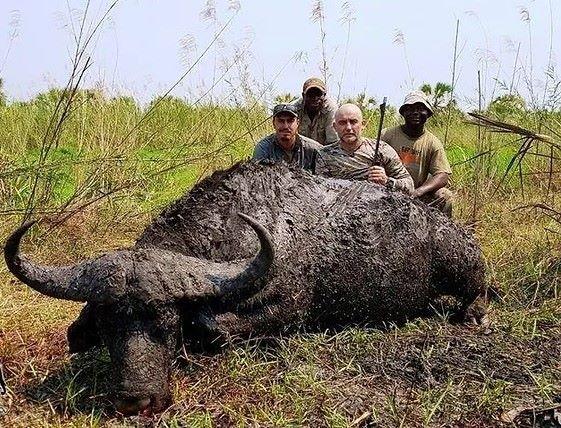
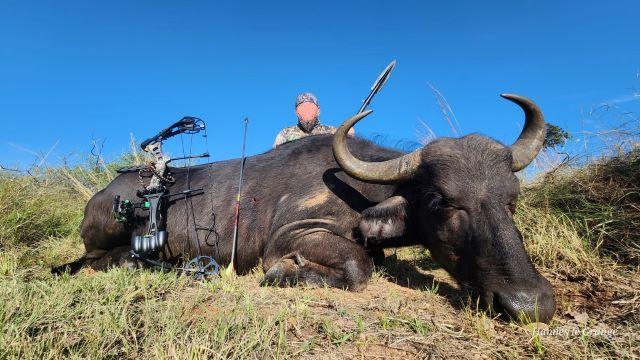
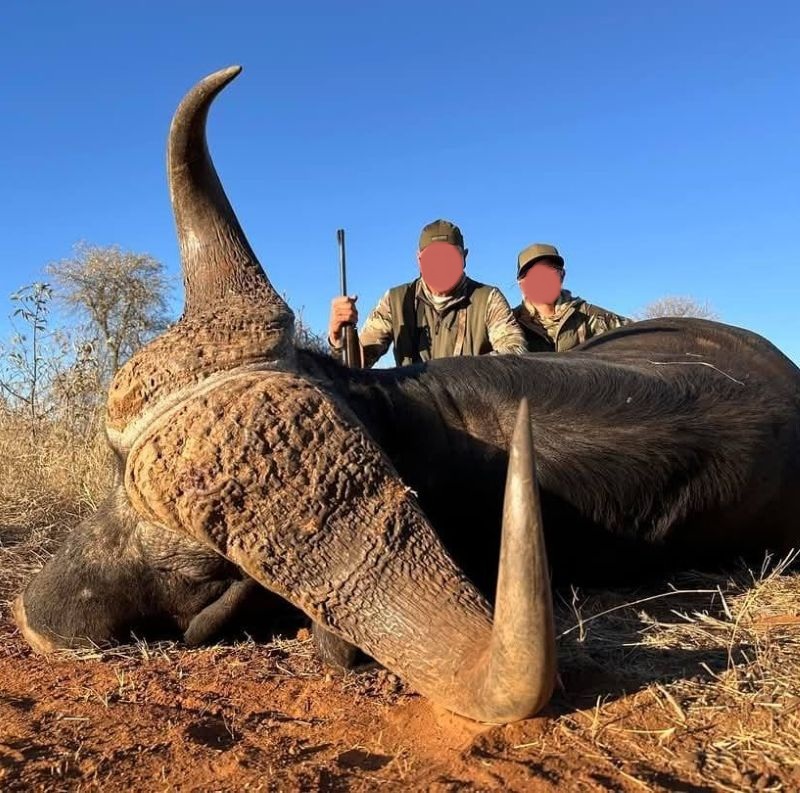
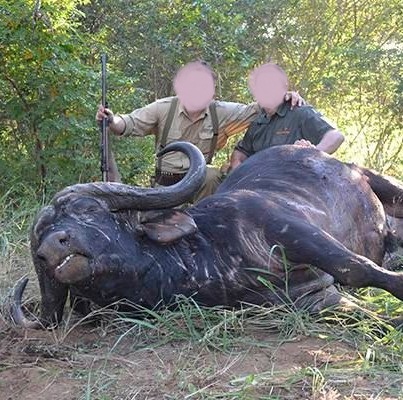
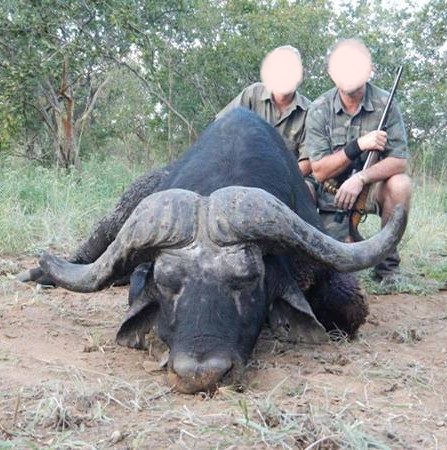
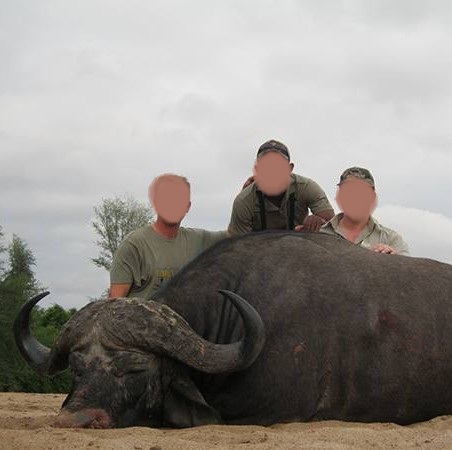
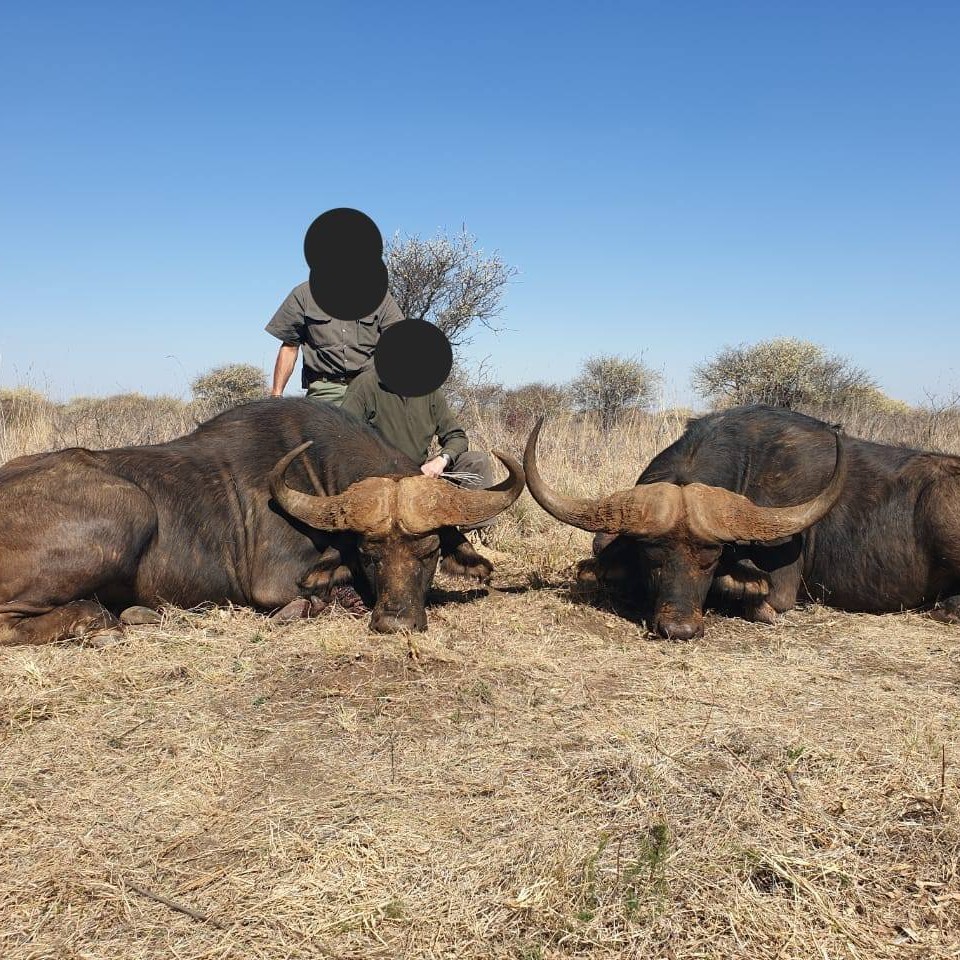
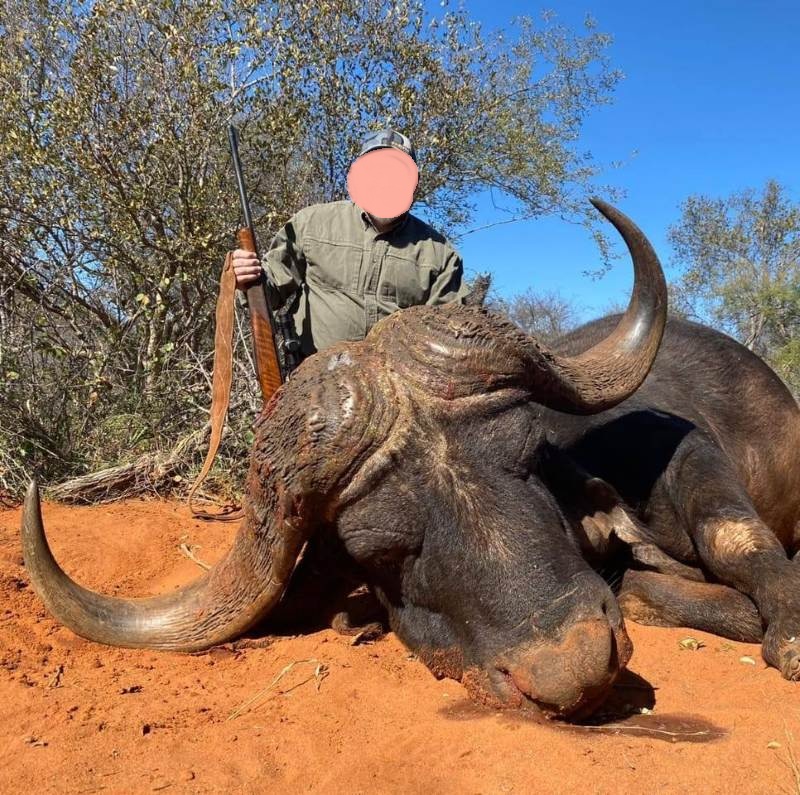
Few animals in Africa command the respect of the Cape buffalo. Known throughout the hunting world as Africa's Black Death, buffalo have earned a reputation for toughness, unpredictability, and an unwillingness to surrender when wounded. For many hunters, pursuing a mature buffalo bull represents the ultimate test of tracking ability, patience, and nerve.
This 12-day Cape Buffalo Hunting Safari takes place in Mozambique's renowned Niassa region, one of the last truly wild and unfenced wilderness areas remaining in Africa. Situated in northern Mozambique, this vast landscape forms part of one of the continent's premier destinations for Hunting in Mozambique, attracting sportsmen seeking authentic free-range dangerous game hunting.
Unlike many modern hunting destinations, buffalo in Niassa move freely across enormous wilderness concessions, often covering significant distances between feeding and bedding areas. Hunts are conducted on foot with experienced professional hunters and skilled local trackers, creating the type of traditional safari experience that has attracted hunters to Africa for generations.
For those seeking a genuine fair-chase adventure, few experiences compare to Buffalo Hunting in Mozambique. Long days following fresh spoor, close encounters in thick cover, and the possibility of coming face-to-face with one of Africa's most formidable animals combine to create a hunting experience that remains firmly on the bucket list of serious dangerous game hunters.
Safari Price: US$16,950 (Cape Buffalo Trophy Fee Included)
Hunting Format: 1 Hunter × 1 Professional Hunter
2×1 Rate: US$15,950 per hunter
Observer Rate: US$375 per night
Rifle Rental: US$100 per day (ammunition US$25 per round)
Set within Mozambique's renowned Niassa region, this 12-day buffalo safari offers hunters the opportunity to pursue free-range Cape buffalo in one of Africa's most respected dangerous game hunting destinations. Vast wilderness concessions, experienced trackers, and classic walk-and-stalk hunting combine to create an authentic African buffalo hunting experience.
Cape buffalo hunting is not a game of sitting over waterholes or waiting for opportunities to appear.
Most mornings begin long before sunrise. By first light, trackers are already searching dusty roads and river crossings for fresh spoor. Once a suitable track is found, the real work begins.
A buffalo hunt can involve covering several miles before breakfast. Eight miles on foot is not unusual in Niassa. The sun climbs quickly, temperatures rise, and every step demands concentration. Buffalo rarely travel where it is convenient. They move through thick miombo woodland, tangled river systems, and patches of cover designed to test both hunters and trackers.
The spoor tells a story. A turned leaf, a freshly broken branch, a track pressed deeply into damp soil. Experienced trackers read these signs with remarkable accuracy, slowly piecing together where the herd travelled, when they passed, and whether they are still moving or have settled into cover ahead.
As the distance closes, the atmosphere changes. Conversations stop. Rifles are checked. Every shadow begins to look like a buffalo.
Then comes the moment every buffalo hunter remembers.
A glimpse of black hide through the brush. The curve of a boss. The sudden realization that the animal you have followed for hours is standing less than fifty yards away.
It is difficult to explain the feeling to someone who has never experienced it. Your pulse quickens. Every sense sharpens. The world seems to narrow until nothing exists except the buffalo and the next few seconds. Many hunters arrive in Africa focused on the trophy. Most leave talking about the track.
The miles walked, the mistakes corrected, the heat, the flies, the anticipation, and the final approach are what make buffalo hunting different. It is a hunt earned one step at a time, and that is precisely why so many hunters become obsessed with Africa's Black Death.
Mozambique's Niassa region is one of the largest and most important wilderness ecosystems remaining in Africa. Covering vast expanses of miombo woodland, river systems, open grasslands, and rugged hunting country, it offers the type of scale and freedom that has become increasingly difficult to find elsewhere on the continent.
Many hunters compare parts of Niassa to Tanzania's famous safari areas, with both regions sharing extensive wilderness habitats, exceptional wildlife densities, and a strong tradition of free-range hunting. The difference is that Niassa remains one of Africa's best-kept hunting secrets, attracting hunters who value authentic safari experiences over convenience.
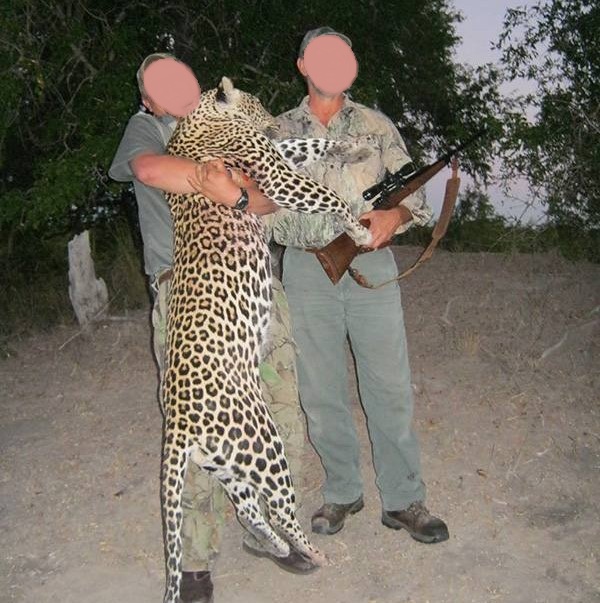
The region supports a remarkable diversity of wildlife. In addition to exceptional buffalo hunting, Niassa is also renowned for Lion Hunts and Leopard Hunts, helping establish its reputation as one of Africa's premier destinations for Big Game Hunting. Large wilderness concessions, experienced professional hunters, and relatively low hunting pressure combine to create an environment where wildlife still behaves naturally and hunting remains a genuine challenge.
For hunters seeking the Africa they have read about for years, vast landscapes, wild animals, and hunting experiences shaped by nature rather than fences, few places can rival Mozambique's legendary Niassa region.
Experienced buffalo hunters are not looking for large herds. They come to Niassa hoping to find an old dagga boy.
These mature bulls have usually left the breeding herds years earlier and spend much of their time alone or in small bachelor groups. Scarred from years of fighting and survival, they are among Africa's most respected trophies.
The hunt often begins before sunrise as trackers search roads, river crossings, and sandy game trails for fresh spoor. Once a suitable track is found, the excitement builds quickly. Fresh tracks, warm dung, and signs of recent feeding tell the hunting party the buffalo may not be far ahead.
What follows is often far more demanding than many hunters expect.
Ten miles on foot before lunch is not uncommon in Niassa. The terrain can be unforgiving, temperatures rise quickly, and tsetse flies provide a constant distraction. Yet nobody is thinking about the heat. Every member of the hunting party is focused on the spoor and what it reveals.
As the track freshens, the mood changes. The buffalo may have been hours ahead earlier in the morning, but now he could be only minutes away. Conversations become quieter. The trackers spend less time looking at the ground and more time scanning the bush ahead.
That combination of hard walking, skilled tracking, and the possibility of encountering a mature buffalo at any moment is what makes Cape buffalo hunting so addictive. Every track tells a story, and every day in buffalo country feels like an adventure waiting to unfold.
Many hunters arrive in Niassa expecting endless open country. The reality is very different.
While parts of the concession contain open grasslands and seasonal floodplains, much of the hunting takes place in classic miombo woodland. Visibility can vary dramatically throughout the day. In some areas a hunter may be able to see several hundred yards ahead, while a few hundred yards later thick vegetation can reduce visibility to less than fifty yards.
This constantly changing terrain is one of the reasons buffalo hunting in Niassa is so challenging. Buffalo can disappear into cover that appears far too thin to conceal an animal weighing well over a ton. More than one hunter has watched a herd vanish almost as if the ground had swallowed them.
The scale of the country is equally difficult to appreciate until you experience it firsthand. Unlike many hunting areas elsewhere in Africa, Niassa's buffalo are not confined by high fences or restricted ranges. Herds may travel considerable distances between feeding and bedding areas, often crossing terrain that requires hunters to adapt their approach throughout the day.
One of the greatest advantages of hunting Niassa is the quality of the tracking. Sandy soils, dry river crossings, and well-used game paths often provide excellent opportunities for trackers to follow buffalo spoor over long distances. In many ways, success here depends as much on the skill of the tracking team as it does on the hunter behind the rifle.
For first-time visitors, the biggest surprise is not the size of the buffalo or the vastness of the wilderness, it is how wild everything feels. There are no fences on the horizon, no neighbouring properties, and few signs of modern life. Once the hunt begins, it is entirely possible to spend days moving through country where the next human may be many miles away.
That sense of scale, freedom, and genuine wilderness is becoming increasingly rare in modern Africa and remains one of the defining features of a buffalo safari in Niassa.
The adventure begins long before the first buffalo track is found.
Most international hunters arrive via Johannesburg before connecting to northern Mozambique. Depending on the hunting area and charter schedule, hunters typically travel through either Pemba or Lichinga, where they are met by safari staff and transferred to camp. While the journey requires a little more effort than some African destinations, that remoteness is precisely what has helped preserve Niassa as one of the continent's last great wilderness hunting areas.
As the roads become quieter and signs of civilization begin to disappear, the scale of the country quickly becomes apparent. Vast stretches of miombo woodland, winding river systems, and endless bushveld create the feeling that you are travelling into a part of Africa largely unchanged by time.
Camp serves as a comfortable base from which to explore this remarkable hunting area. Accommodation typically consists of spacious safari tents or chalets with comfortable beds, en-suite facilities, hot showers, and daily housekeeping. After covering miles on foot behind buffalo spoor, most hunters quickly learn to appreciate the simple comforts waiting back in camp.
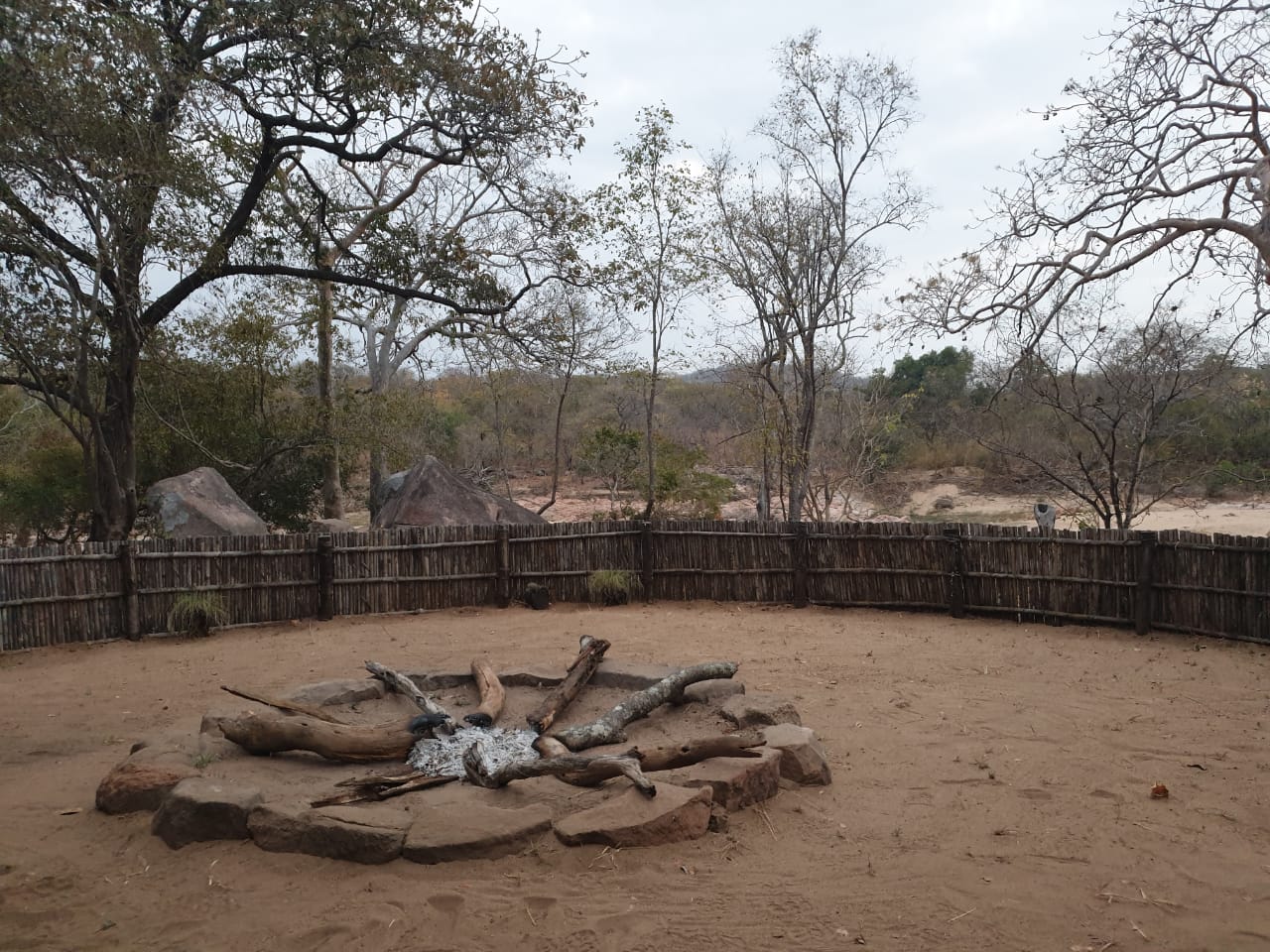
Days usually begin well before sunrise with coffee around the fire before heading out to search for fresh tracks. Evenings are considerably slower. Stories from the day's hunt are shared around the campfire while trackers, professional hunters, and guests relive close encounters and discuss plans for the following morning.
For many hunters, these evenings become some of the most memorable moments of the safari. The sounds of the African bush carry through camp, the stars seem impossibly bright, and the pressures of everyday life feel a very long way away.
It is a rhythm that has changed little over generations of African hunting safaris and remains one of the enduring attractions of buffalo hunting in Mozambique's Niassa wilderness.
This safari is designed for hunters seeking a traditional African buffalo hunt rather than a highly managed hunting experience.
Niassa is remote, wild, and physically demanding. Days are often spent on foot following fresh spoor through vast areas of unfenced wilderness where buffalo move freely across the landscape. Hunters should arrive prepared for long walks, warm temperatures, and the reality that success must be earned rather than expected.
For experienced sportsmen, however, that challenge is precisely the attraction.
Beyond Cape buffalo, the concession also offers opportunities to pursue a variety of sought-after African game species. Hunters wishing to extend their safari may combine buffalo with several unique plains game animals found throughout the region, creating a more diverse African hunting experience. View our available Plains Game Hunts for additional options.
Getting to camp requires a little more effort than many African destinations, typically involving international travel through Johannesburg before connecting to northern Mozambique. Yet most hunters quickly discover that the journey is part of what makes Niassa special. The remoteness, scale, and sense of genuine wilderness are increasingly difficult to find elsewhere in Africa.
If your goal is to experience buffalo hunting as it was meant to be, tracking on foot through vast wild country alongside skilled professional hunters and trackers, this Niassa safari deserves serious consideration.
For hunters exploring additional destinations and safari opportunities across the continent, our guide to African Hunting Trips provides an excellent starting point.
If you would like additional information about this Cape Buffalo Hunting Safari in Mozambique, including available dates, trophy fees for additional species, travel arrangements, or custom safari packages, contact the team at Game Hunting Safaris.
We work directly with experienced outfitters across Africa and can help you compare hunting areas, understand safari costs, and determine whether this hunt is the right fit for your goals and budget.
Whether this is your first African safari or another chapter in a lifetime of hunting adventures, our team is available to answer your questions and assist with every stage of the planning process. If a traditional free-range buffalo hunt in one of Africa's last great wilderness areas sounds like your kind of adventure, contact the Game Hunting Safaris team to discuss available dates and safari options.
Please note that terms, conditions and price are subject to change without notice and rates at the time of the hunt will apply
Needing assistance with firearm permits and international travel services, or good taxidermists? View our affiliated companies
View Affiliated Services