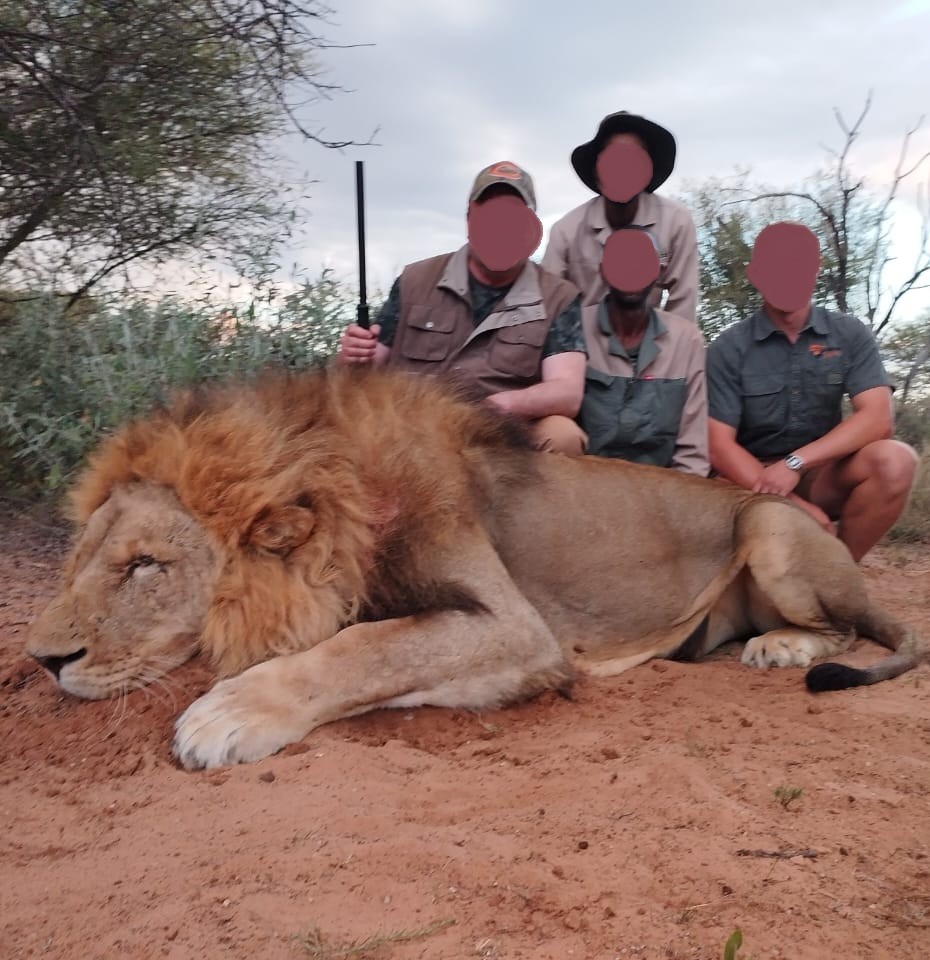
5-Day Lion Hunting Safari in South Africa
Booking Season: 2026
Hunt Difficulty: Difficult

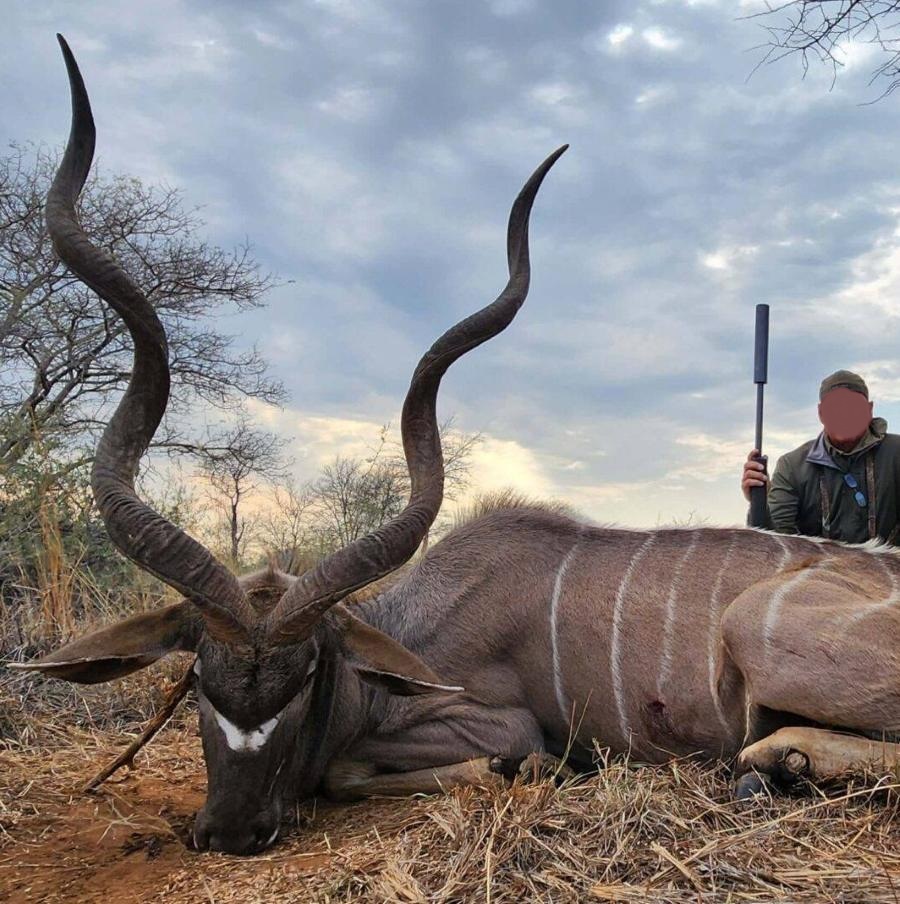
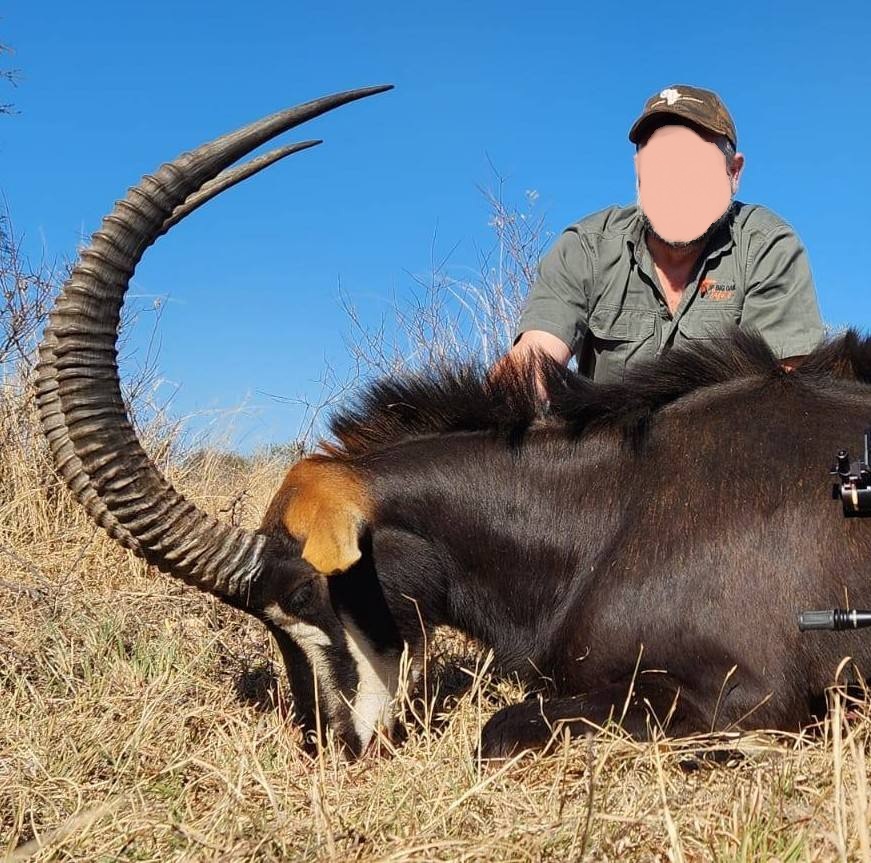
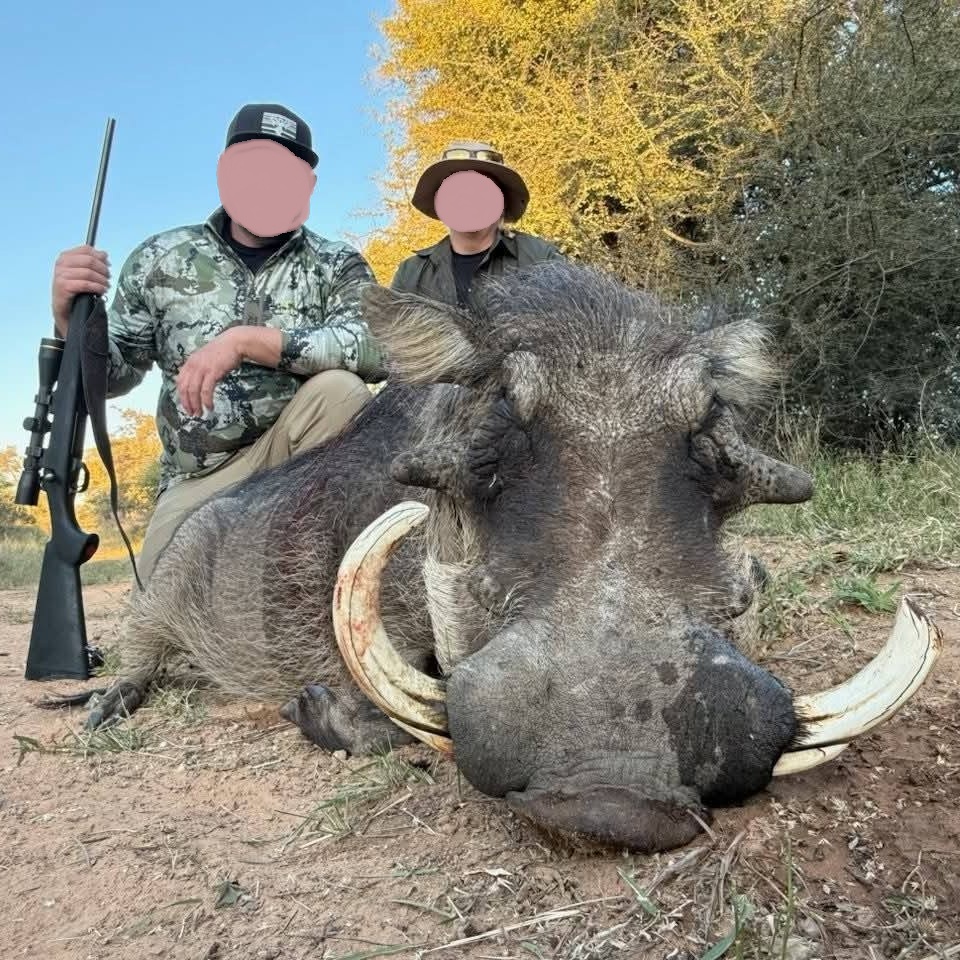
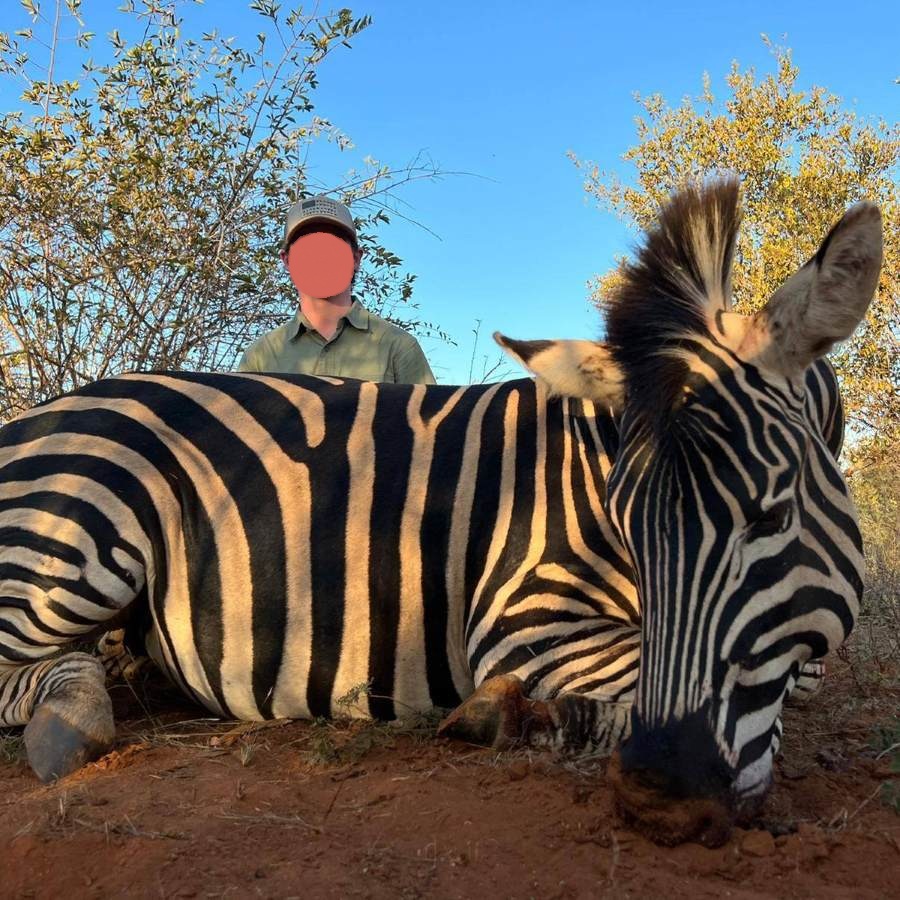
| Animal | Fee |
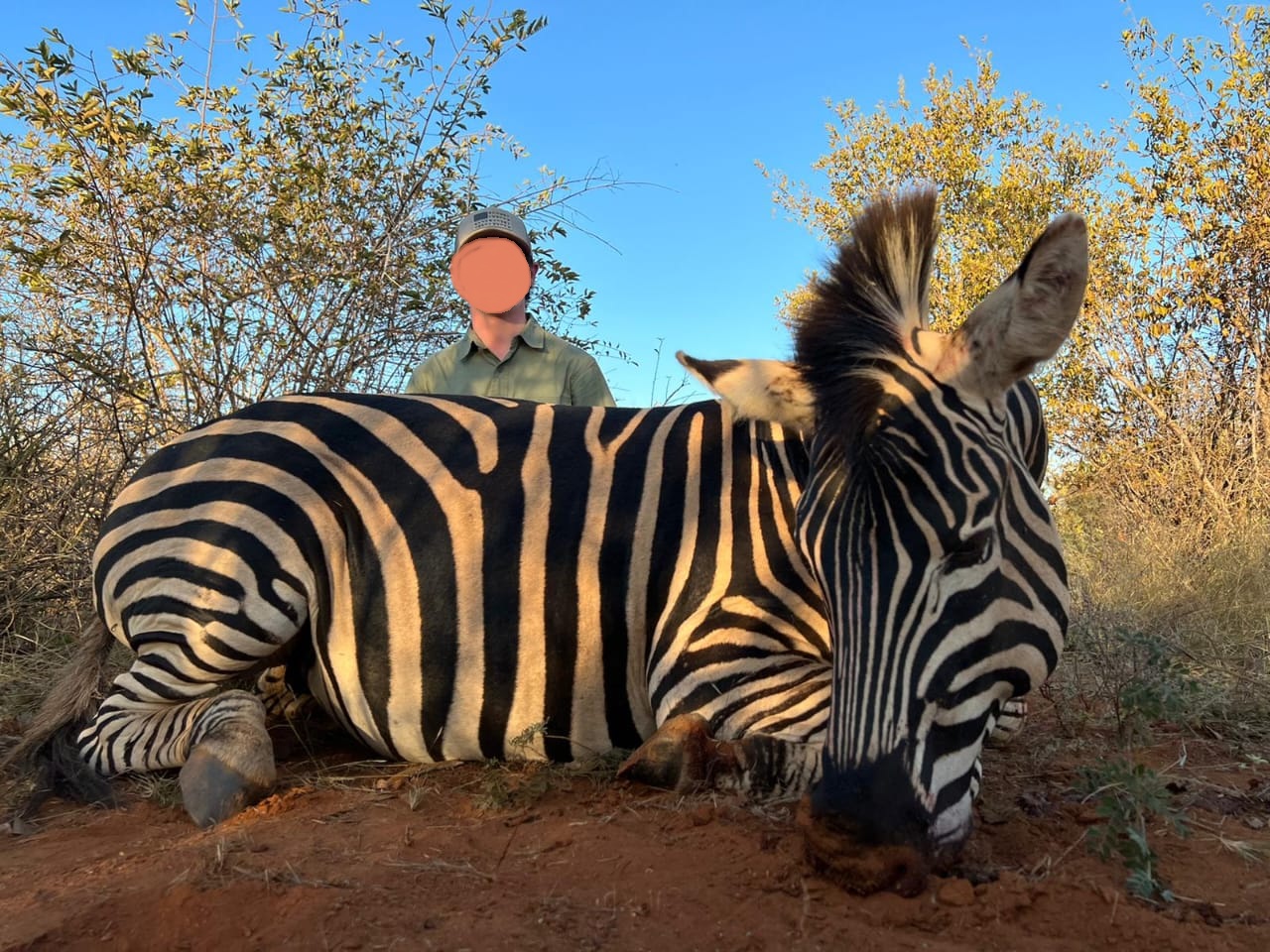
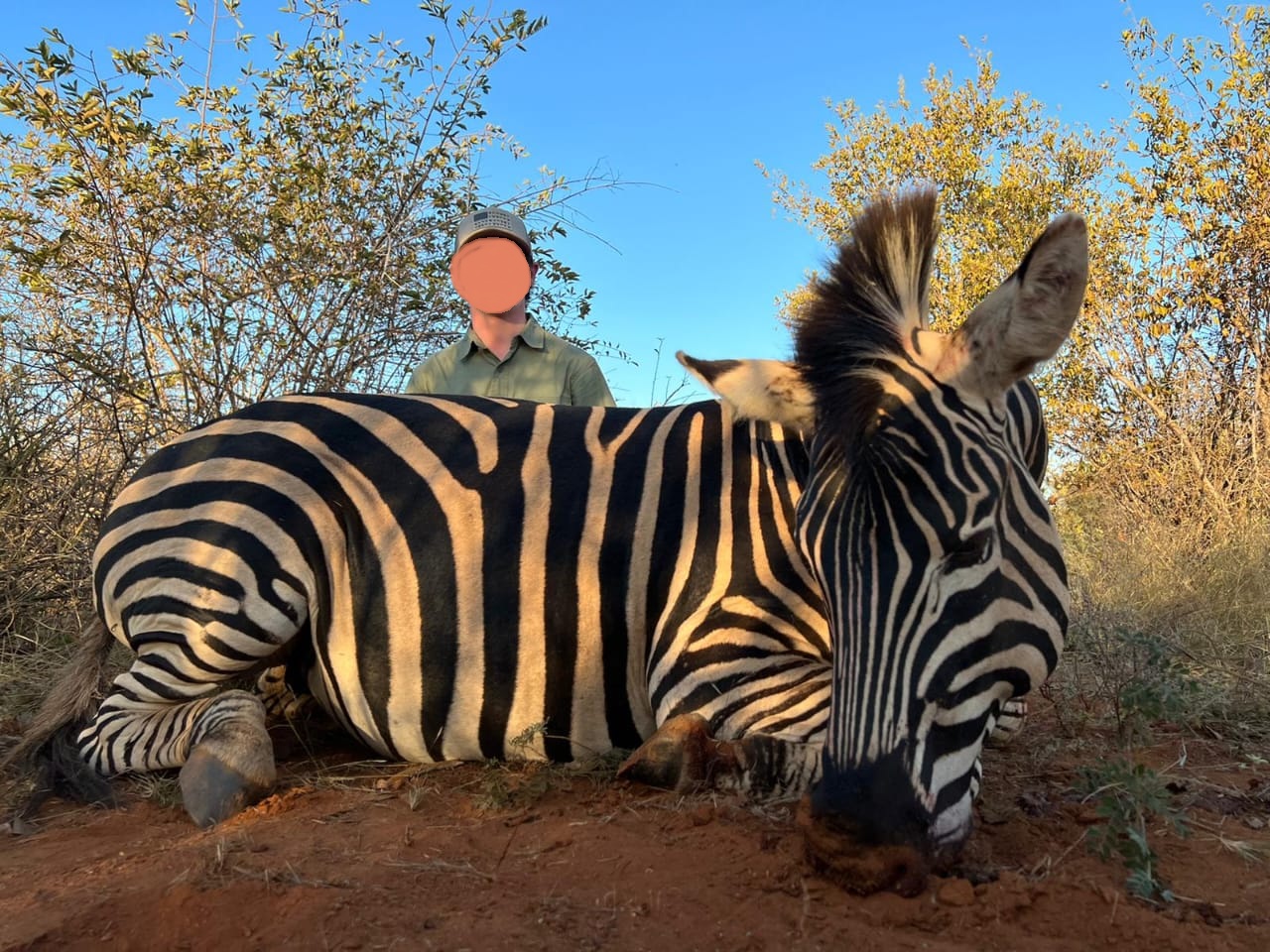
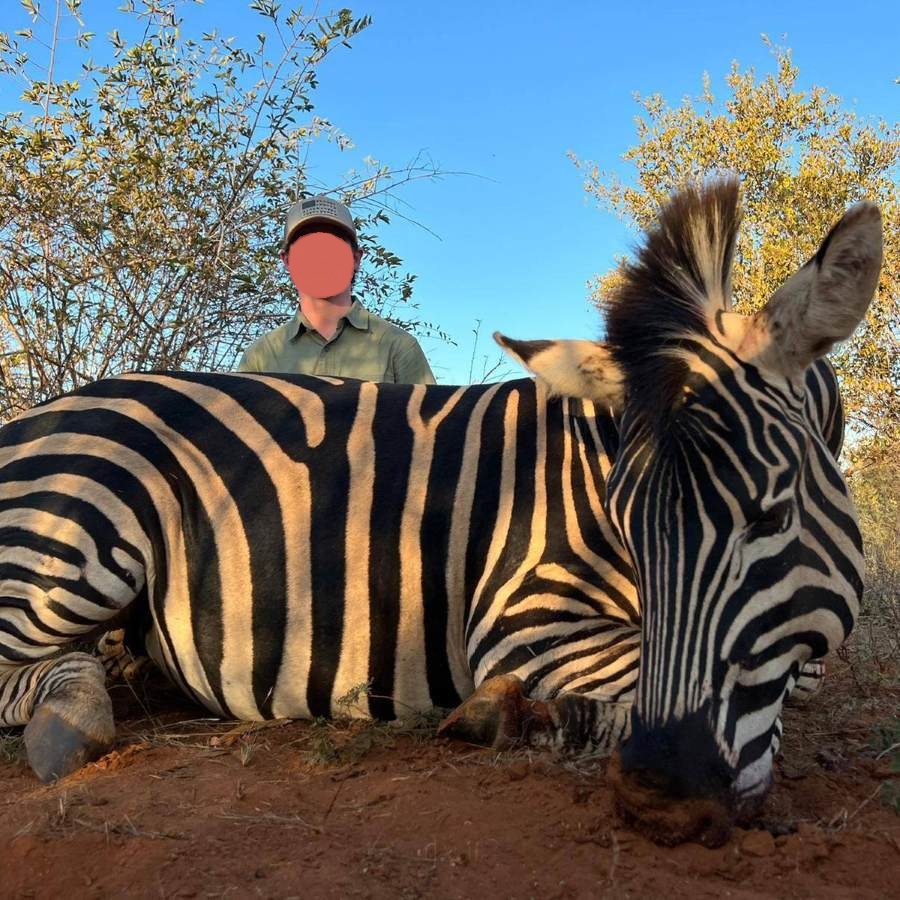
| Zebra | 4250 |
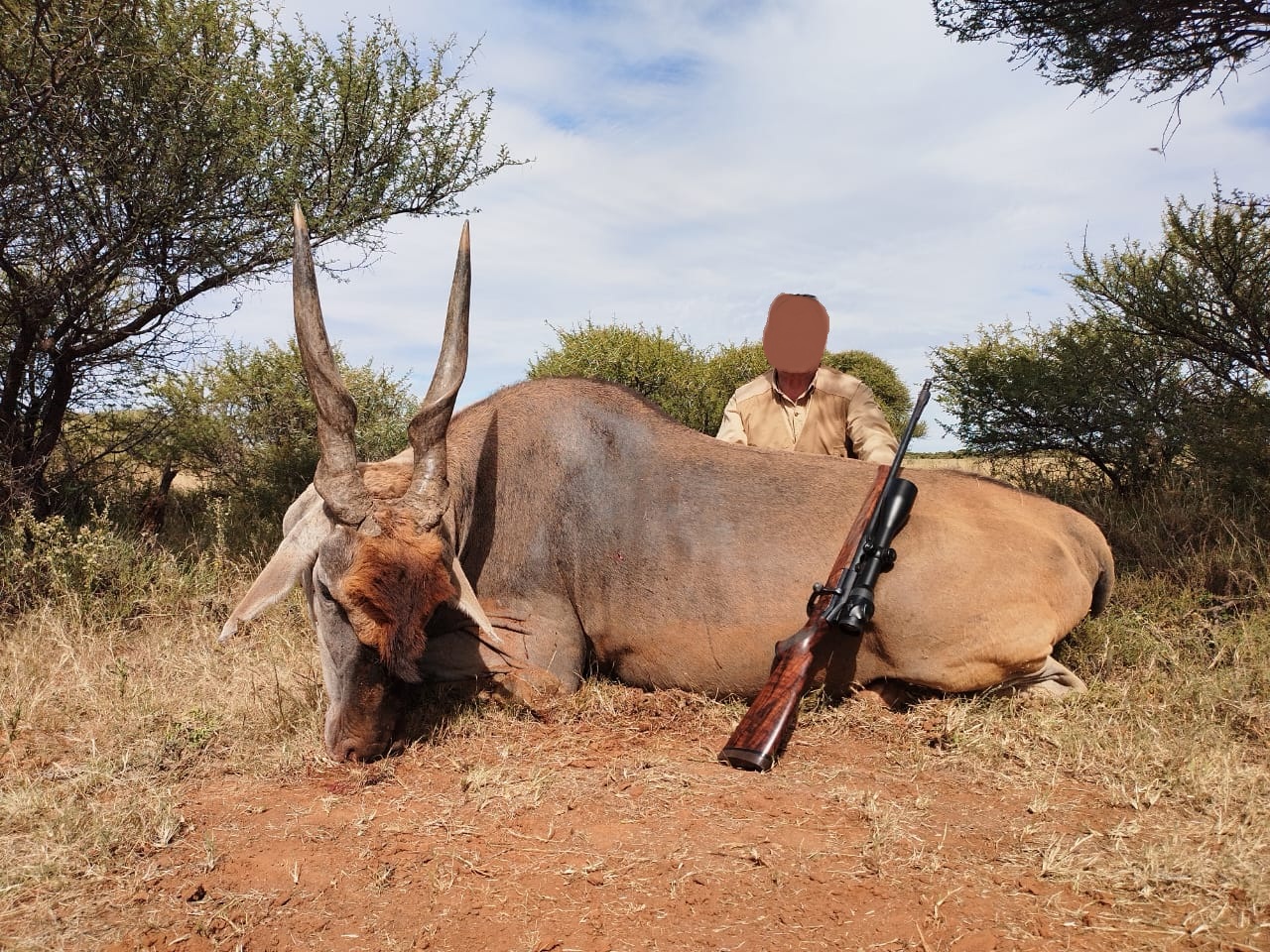
| Common Eland | 4500 |
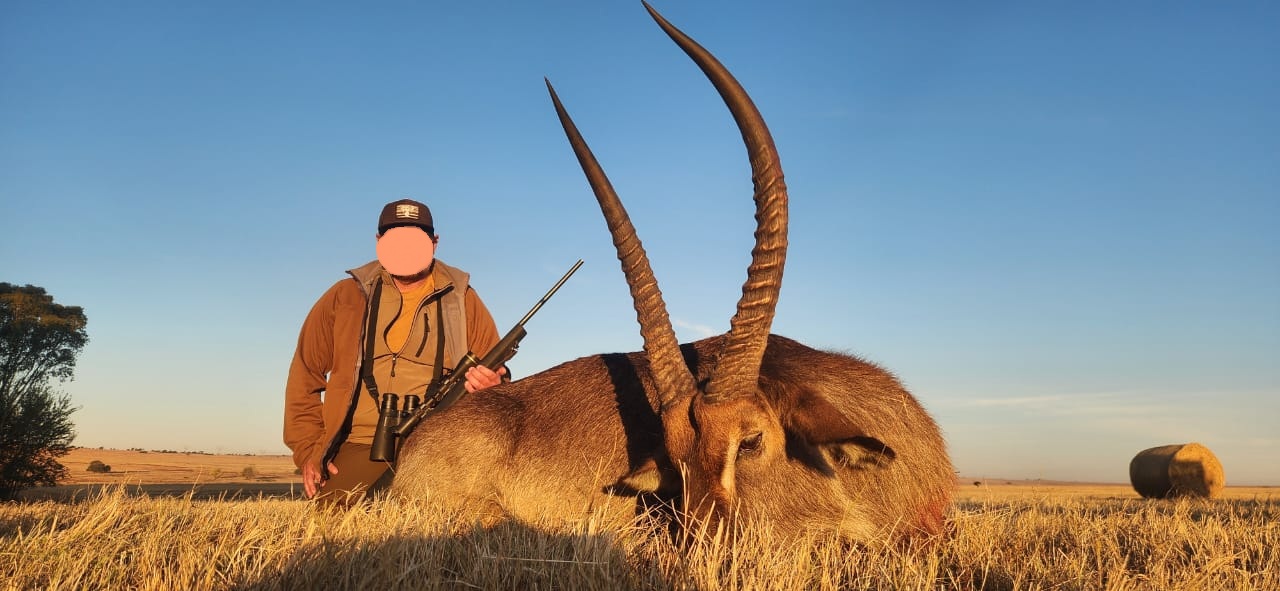
| Defassa Waterbuck | 3750 |
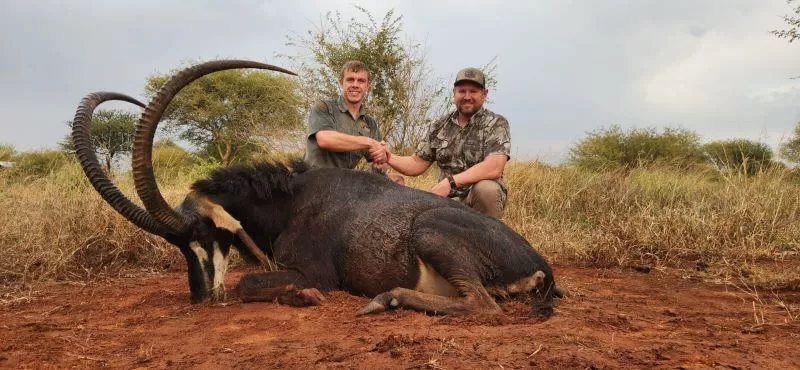
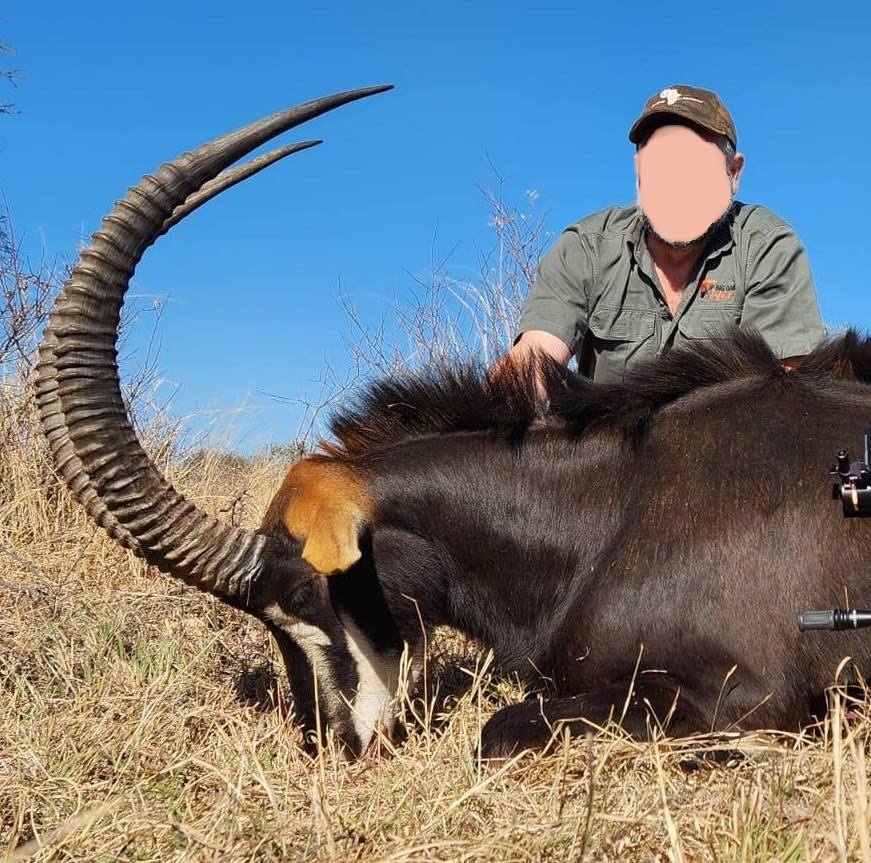
| Sable | 5500 |
| Bushbuck | 1450 |
| Common Reedbuck | 1400 |
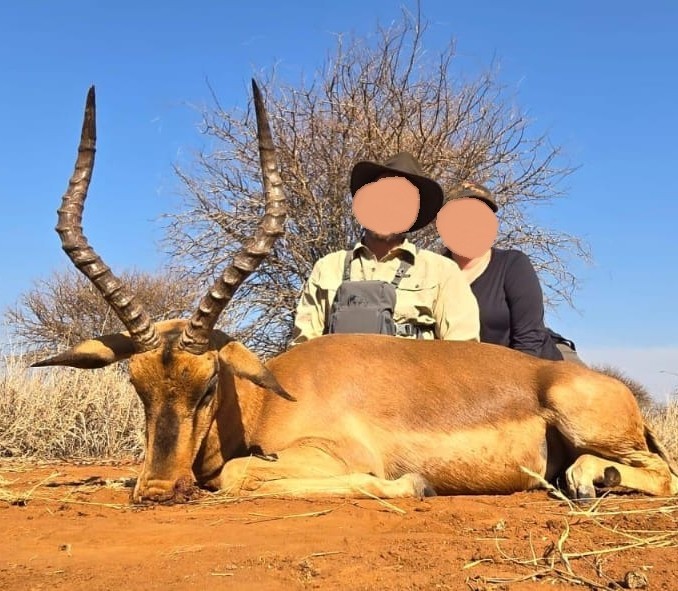
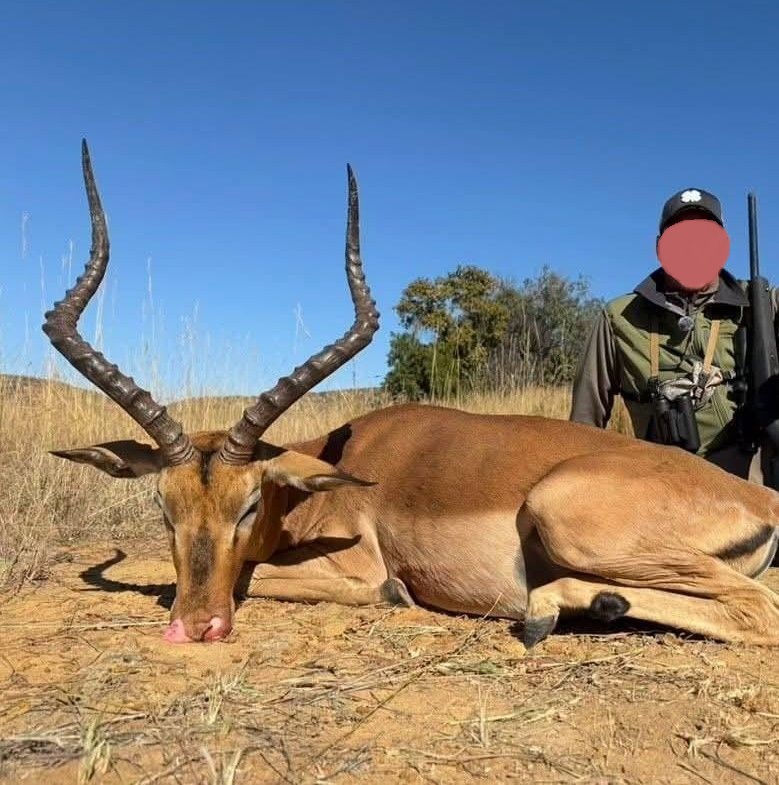
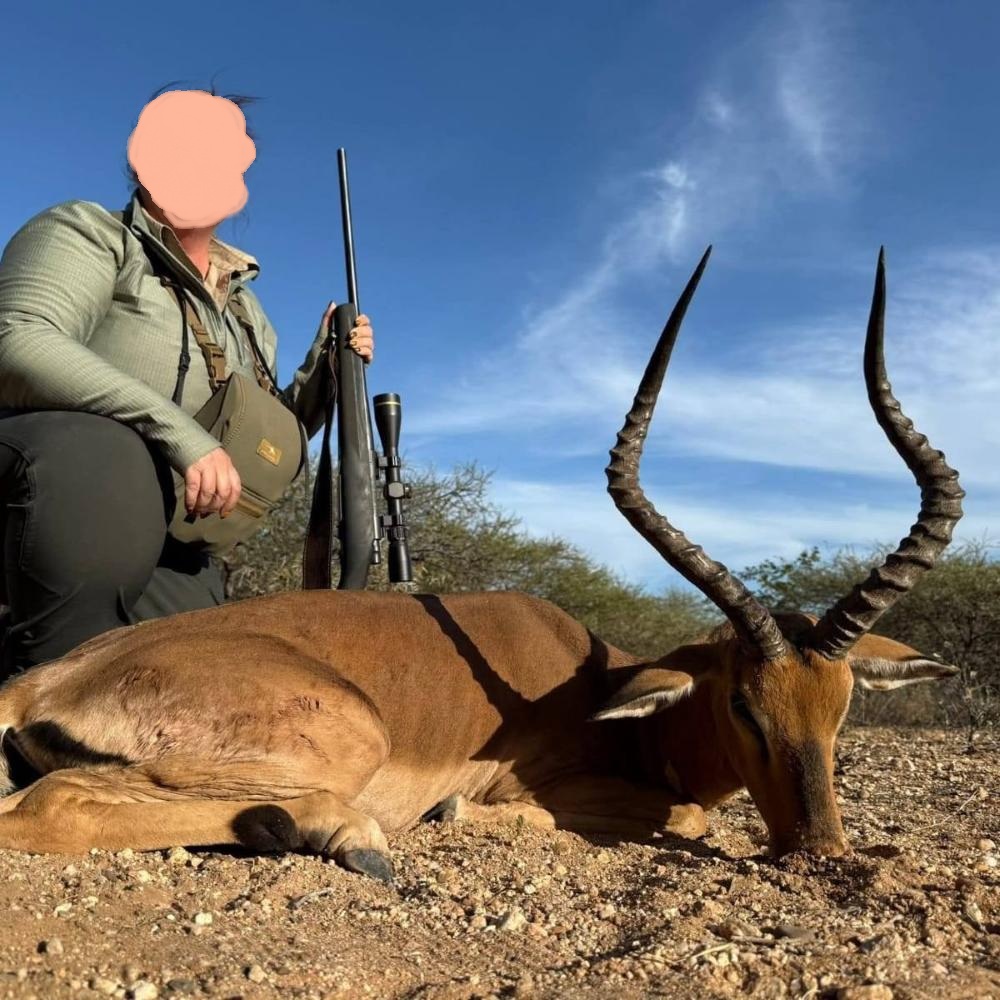
| Impala | 1350 |
| Lichtenstein Hartebeest | 3250 |
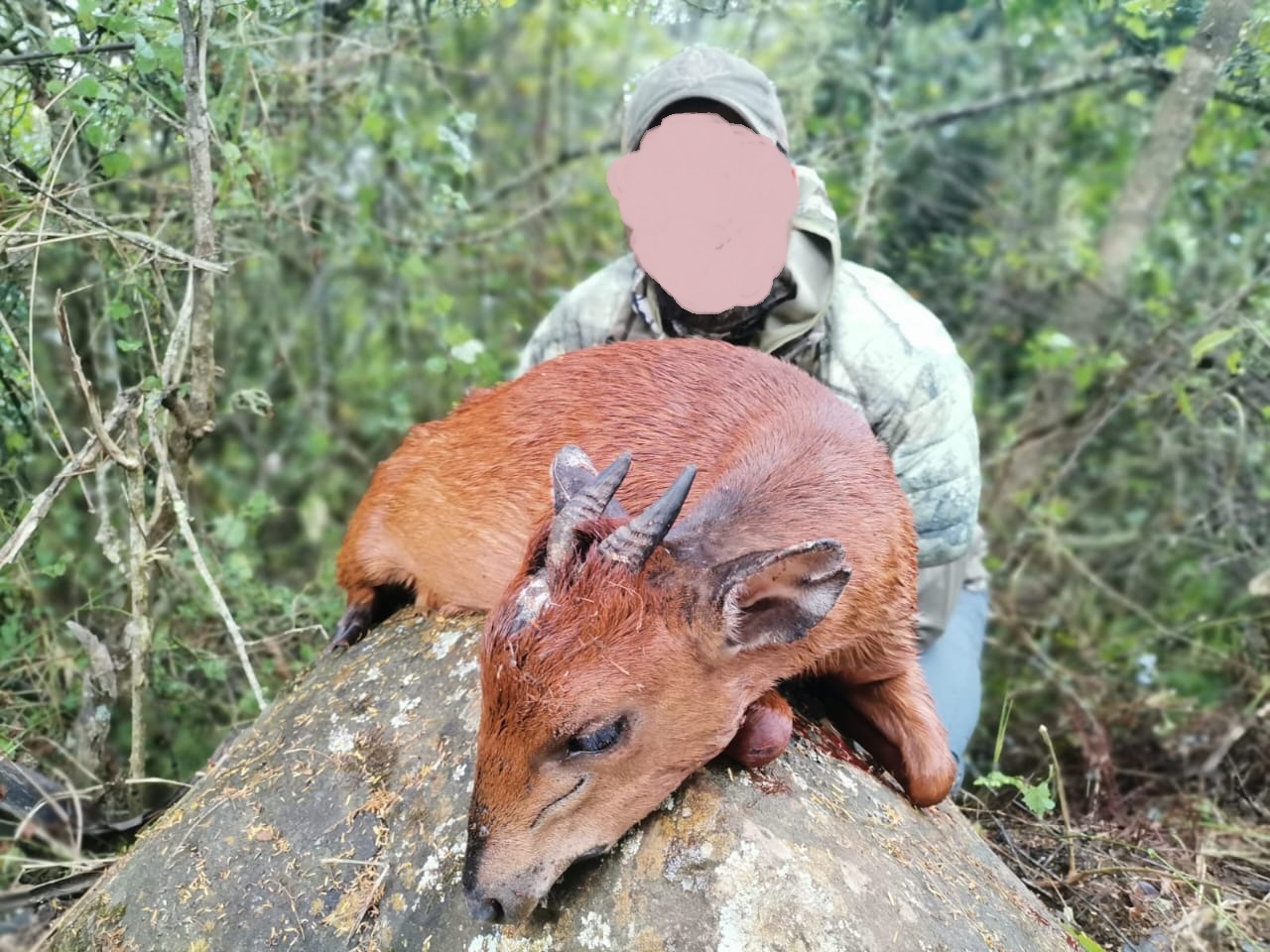
| Gray Duiker | 1450 |
| Baboon | 395 |
| Bushpig | 1250 |
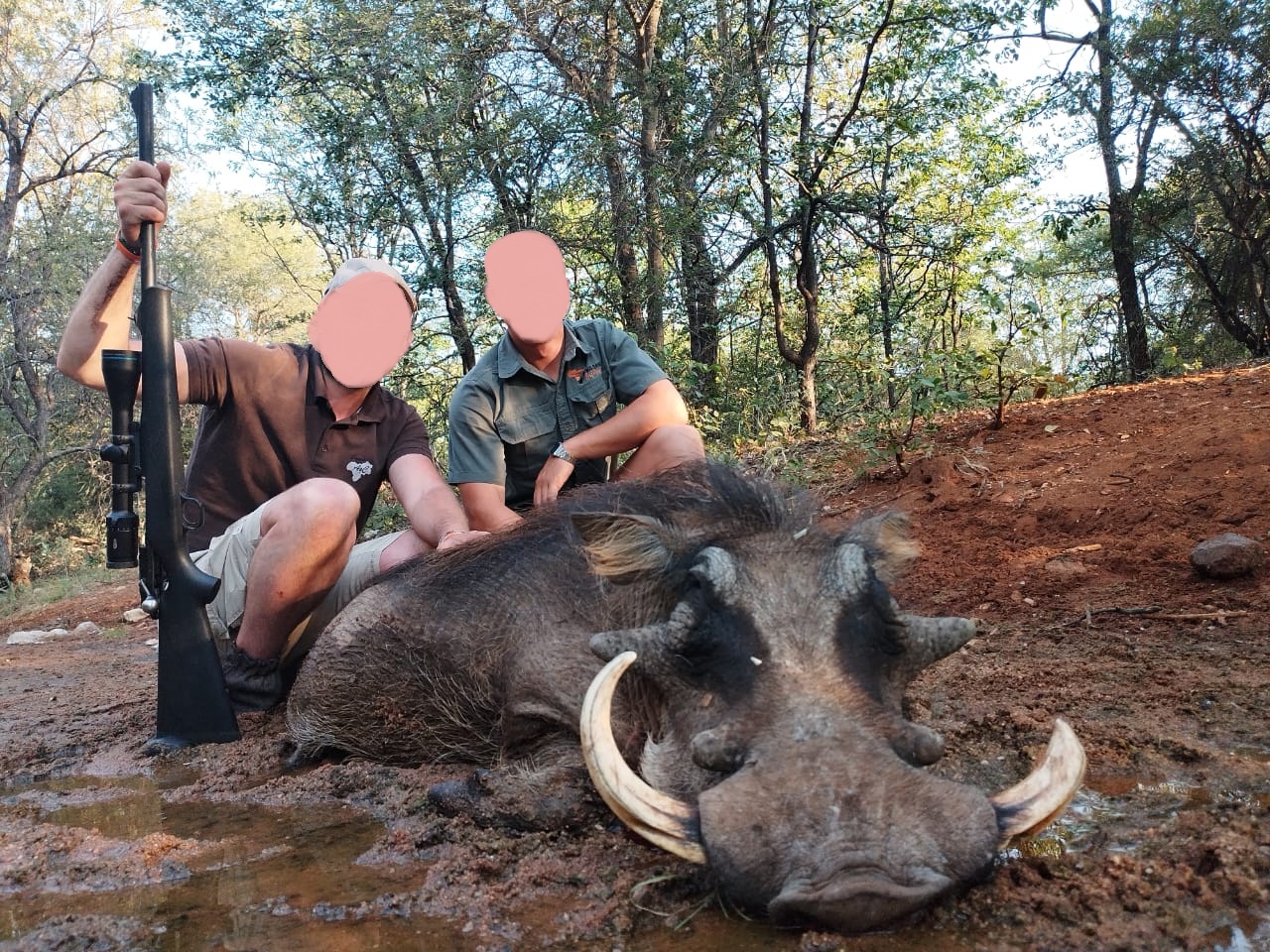
| Warthog | 990 |
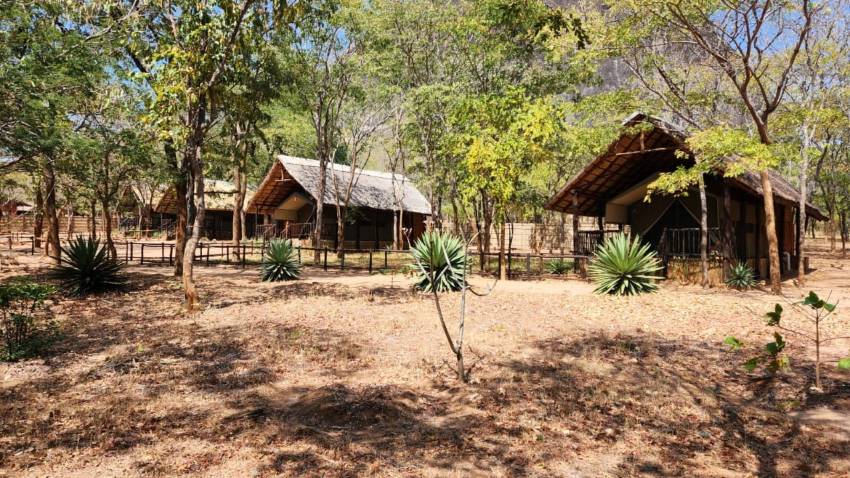
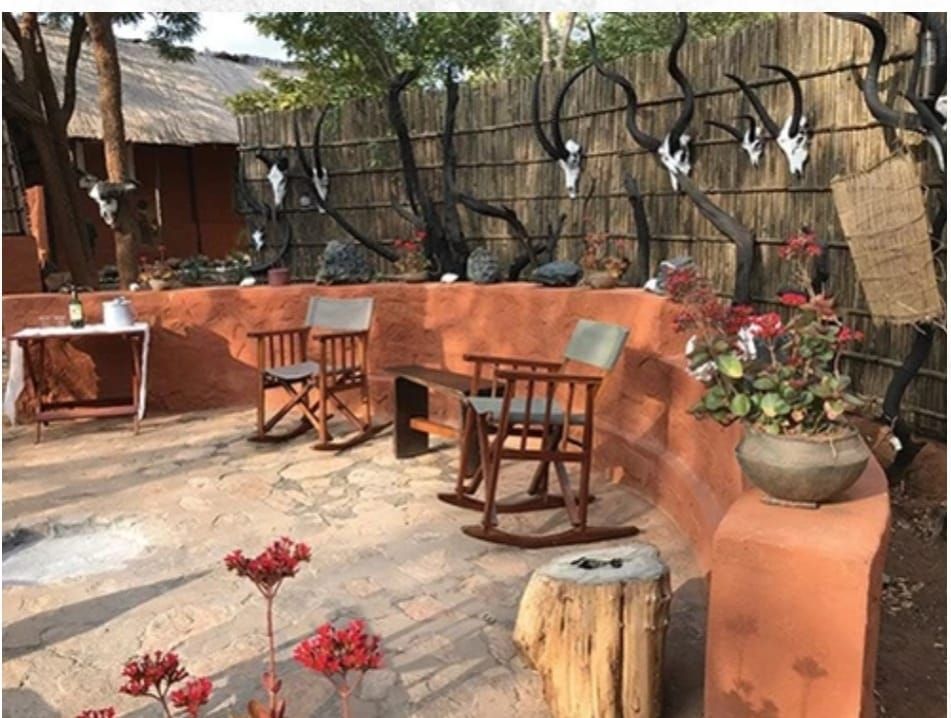
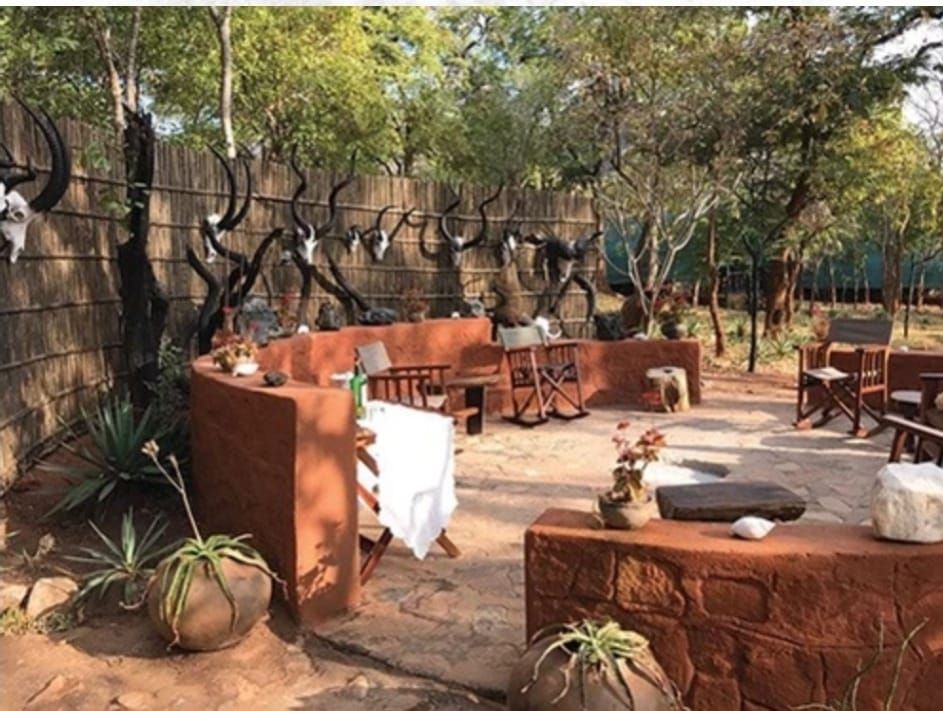
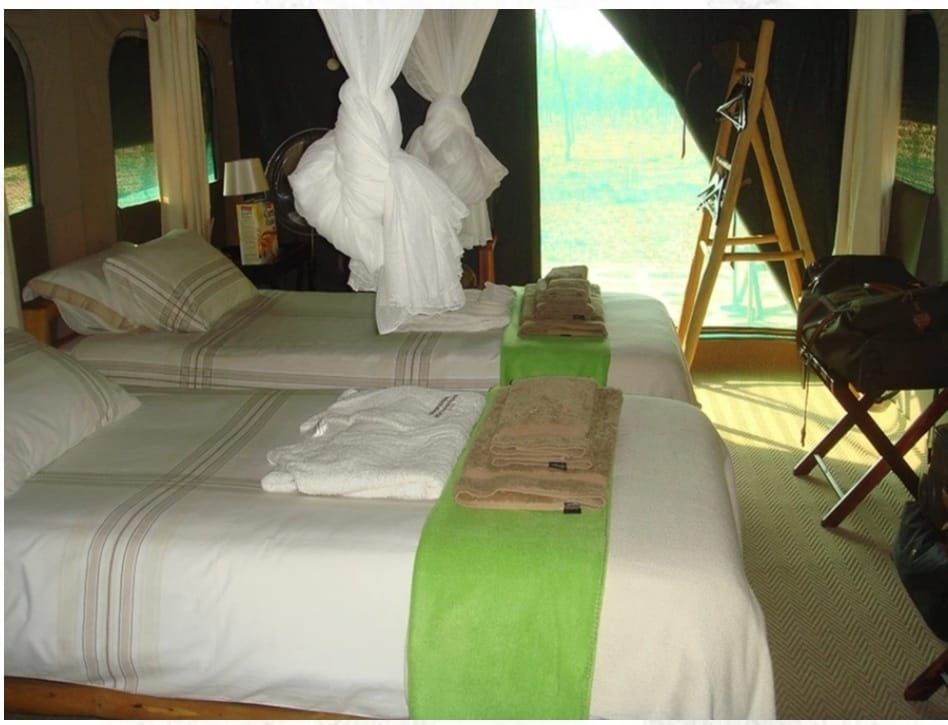
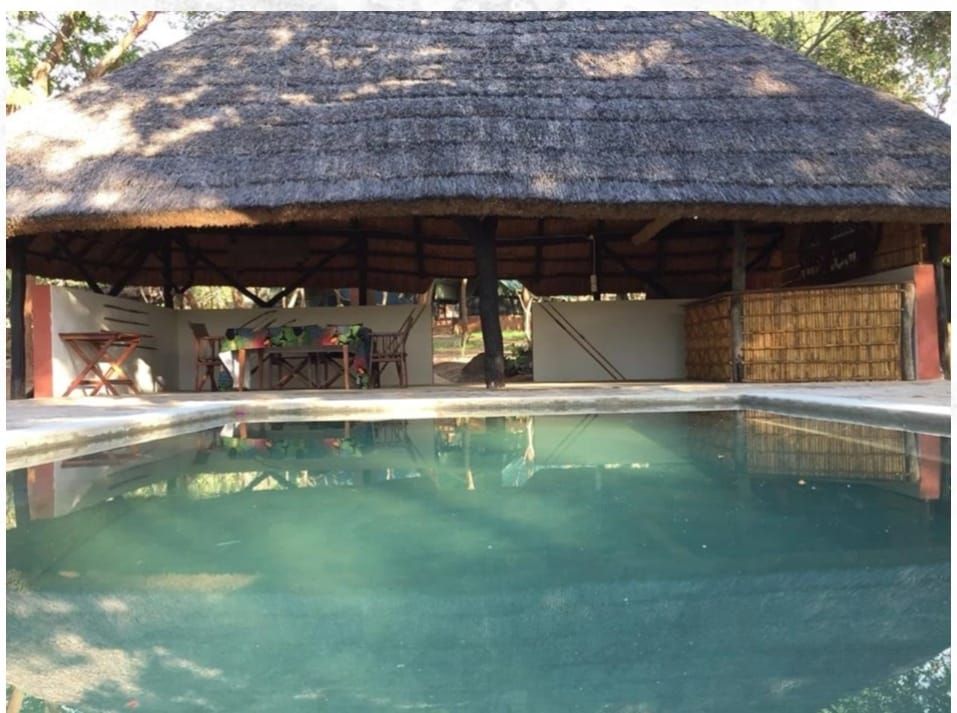
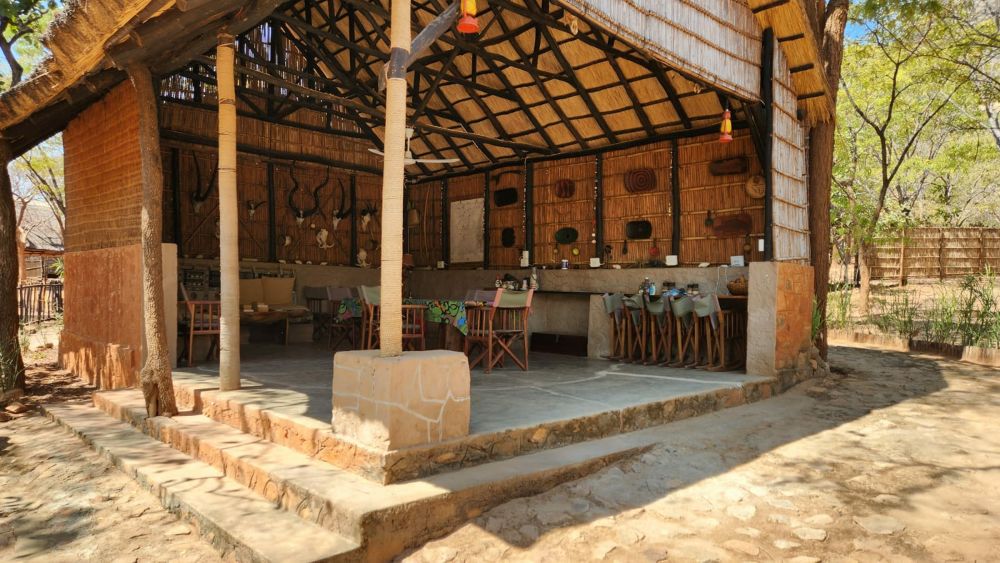
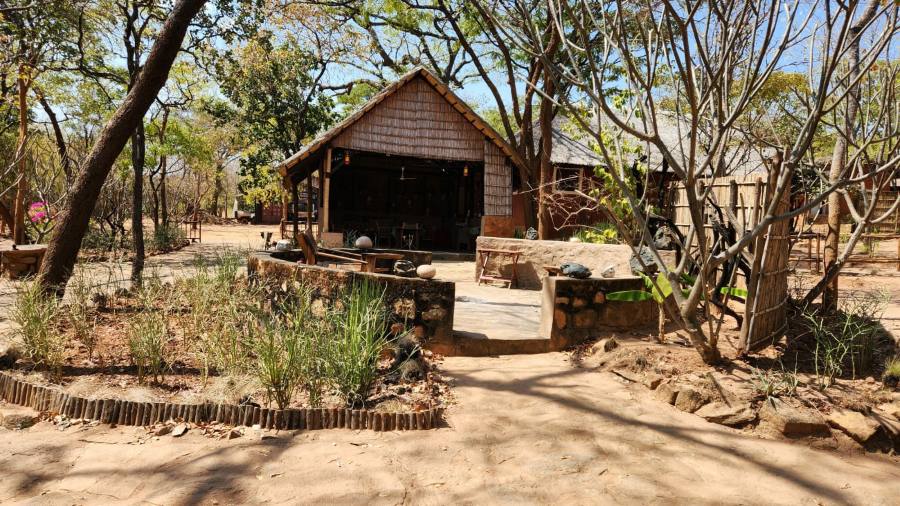
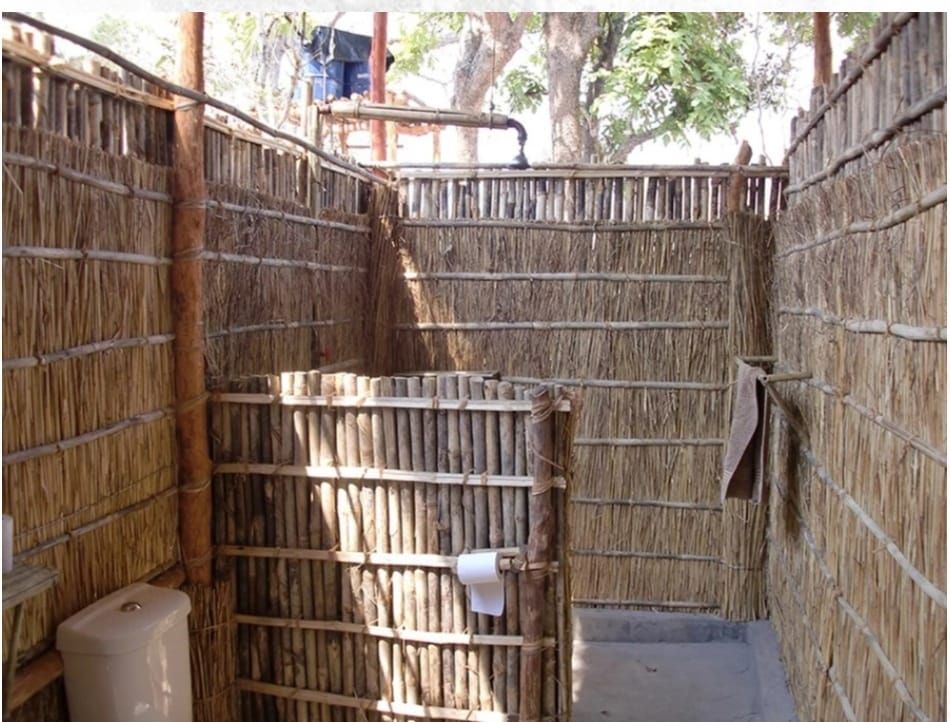
Hunters will enjoy staying in chalets during this Mozambican safari, with smaller fly camps 3 to 6 hours away from the main camp, allowing clients to get more and up closer and personal with wildlife and as used as and when needed during the safari. Each chalet offers twin beds, mosquito nets, screened windows for ventilation, en-suite bathroom with hot running water, private veranda with mesmerizing views, and lockable storage space. The camp’s lapa and dining areas provide the perfect place to chill after a hectic day out hunting in the field. Expect fresh, tasty, nourishing cuisine, perhaps with some game meat included from a previous hunting safari.
Mozambique is renowned for its untamed wilderness, and these hunting grounds are no exception. This 500,000-ha free-range concession is a hunter’s dream, offering both African plains game and dangerous game. The area is mostly flat, with a couple of trees, and tends to become more swampy the closer you get to the river.
| Fence Type: | Free-range |
| Hunting Ground Size: | 500000 ha |
| Language Spoken By Staff: | English & Afrikaans |
| Nearest Airport Name: | Pemba International Airport (POL) |
| Nearest Town Name: | Marrupa |
| Nearest Town Distance: | One hour's drive |
| Transfer From Airport: | Yes |
| Air Charter Available: | Yes |
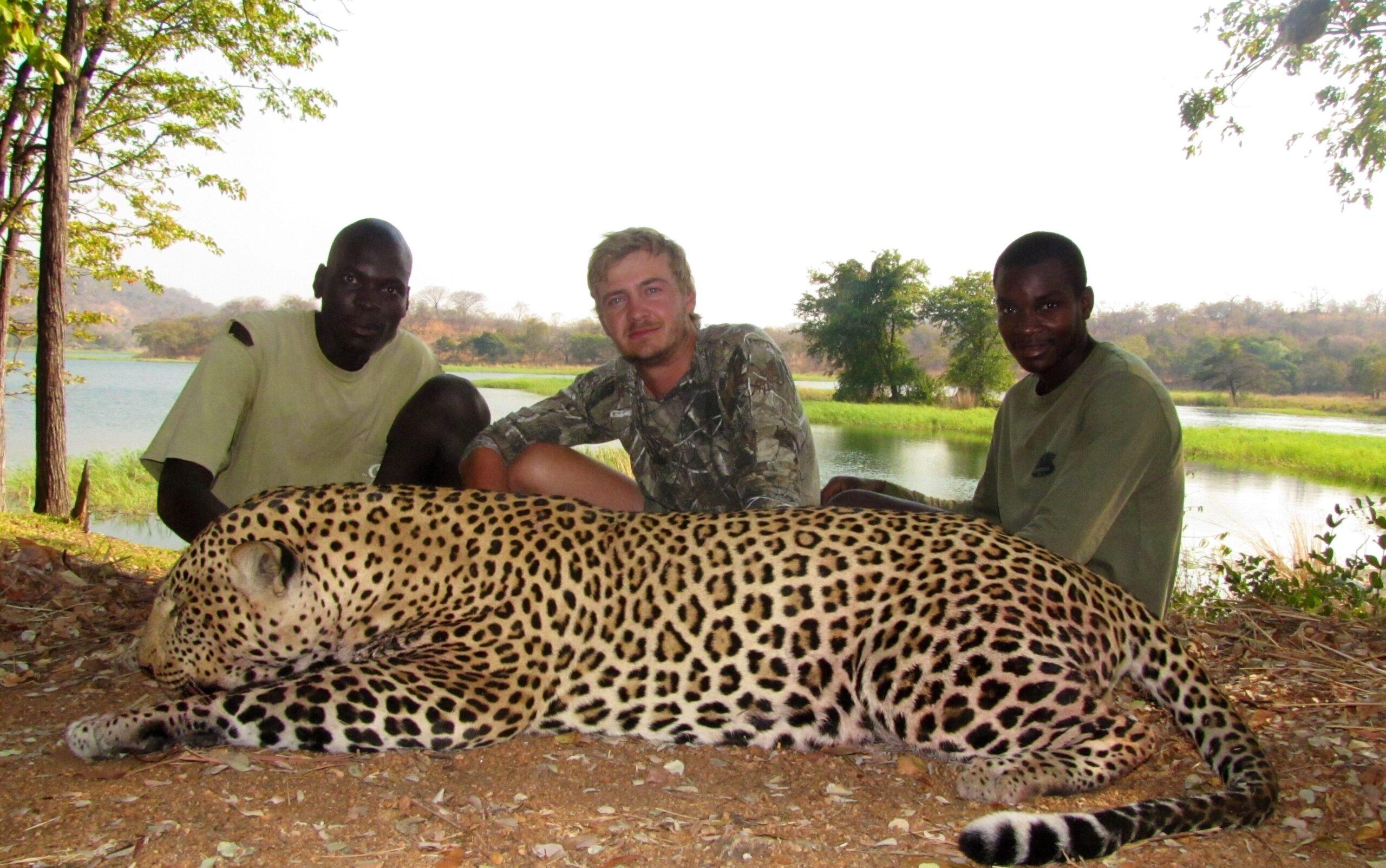
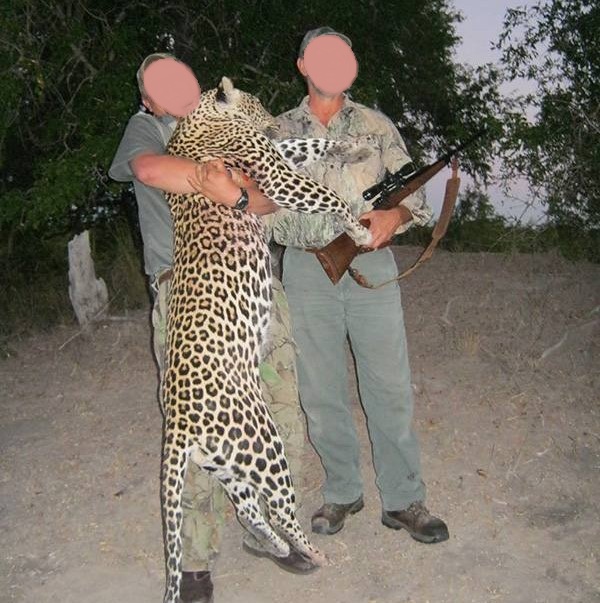
For American and international hunters looking for a dangerous game safari that still feels remote, physical, and genuinely untamed, few areas in Africa compare to the Niassa region of northern Mozambique. This 15-day leopard hunting safari takes place across a vast free-range wilderness area where thick bush, river systems, and low hunting pressure continue to produce exceptional leopard hunting opportunities.
Niassa is not a heavily commercialized hunting destination. Long tracking days, rough roads, thick cover, and remote camps remain part of the experience here, which is exactly why many experienced hunters continue returning for hunting in Mozambique.
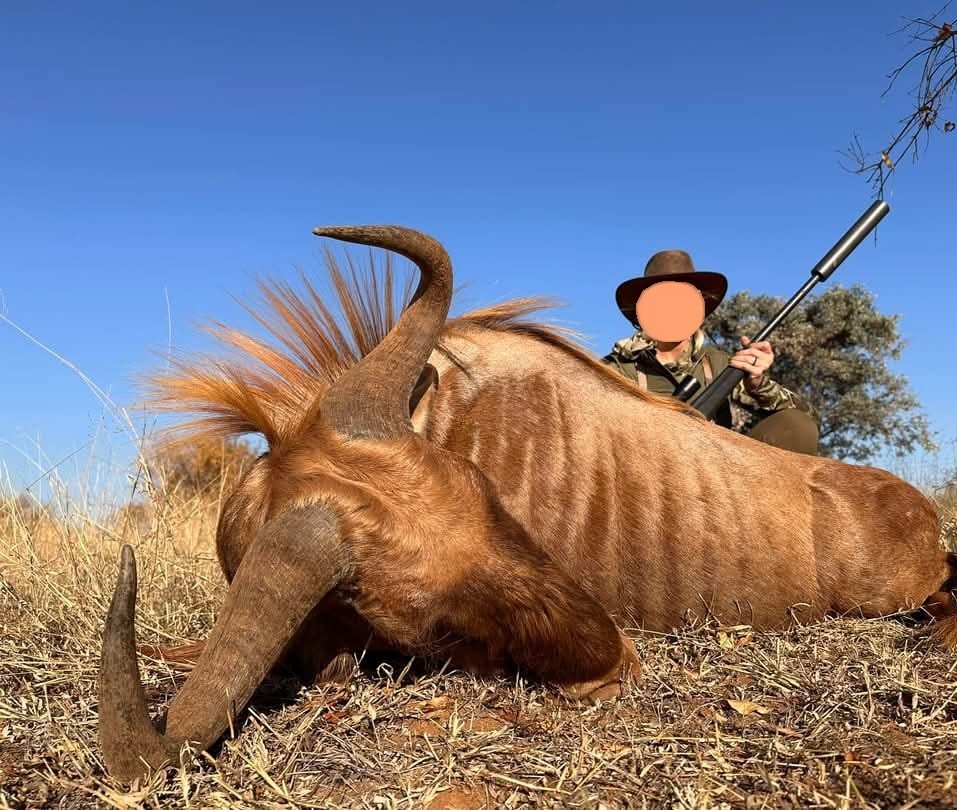
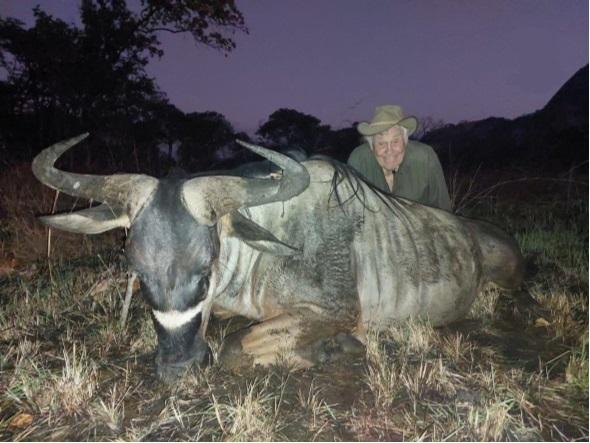
Alongside leopard, hunters can also pursue a variety of sought-after plains game species including Eland, Kudu, Zebra, Defassa Waterbuck, Common Reedbuck, Impala, and the distinctive Niassa Wildebeest hunts available within the concession. Depending on quota availability and safari duration, additional plains game opportunities can often be added throughout the hunt.
US$37,950 (excluding trophy fees)
1 Hunter × 1 Professional Hunter
Safari Includes:
Observers Welcome: US$375 per person per night
Rifle Rental Available: US$100 per day
Ammunition: US$25 per round
Pre-Baiting: Not Included @ US$ 650
This 15-day dangerous game hunt takes place in Mozambique’s remote Niassa region, one of the last truly wild free-range hunting areas left in Africa. Thick bush, large unfenced concessions, low hunting pressure, and strong leopard populations continue to make Niassa one of the continent’s most respected leopard hunting destinations.
Before arriving in camp, hunters should also familiarize themselves with proper leopard shot placement, particularly for low-light conditions and shorter shooting opportunities often encountered around bait sites in thick cover.
Mozambique has steadily rebuilt its reputation as one of Africa’s most authentic dangerous game hunting destinations. In remote regions like Niassa, hunters still encounter enormous unfenced concessions where wildlife moves naturally through thick bush, river systems, floodplains, and lightly populated wilderness areas with relatively low hunting pressure compared to many southern African destinations.
Hunting conditions in Niassa are often physical and heavily dependent on tracking, reading terrain, and adapting to changing visibility throughout the day. Thick cover, rough roads, river systems, and long distances between camps and hunting areas all contribute to a safari atmosphere that feels far removed from more commercialized hunting environments.
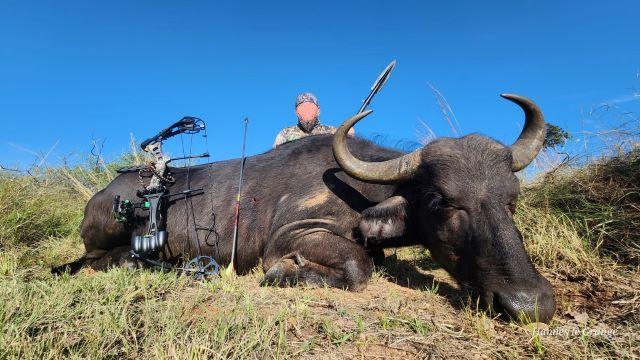
For hunters researching hunting in Mozambique, Niassa remains especially well known for its combination of dangerous game, free-range conditions, and diverse plains game hunting opportunities. Alongside leopard hunting, many safaris also include species such as buffalo, kudu, eland, waterbuck, zebra, and the distinctive Niassa Wildebeest hunts available within parts of the concession system.
This safari requires that an additional three plains game species be included as part of the package. While Niassa is best known internationally for dangerous game hunting, the region also supports excellent plains game hunts across its woodland, river systems, and floodplain environments.
Depending on quota availability, hunters may pursue species such as the Niassa Wildebeest, Eland, Kudu, Impala, Zebra, Defassa waterbuck hunts, Common Reedbuck, and several other plains game species available within the concession.
Additional species availability and trophy pricing can be viewed in the drop-down trophy list provided with the safari package.
This safari is operated by a family-run outfitting business with extensive experience guiding dangerous game and plains game hunts across both Mozambique and South Africa. Brothers Dean and Hano continue to manage and operate the hunts personally, working closely with clients throughout the safari experience from initial planning through to the final days in camp.
Their hunting areas in Mozambique focus heavily on free-range dangerous game and traditional wilderness safaris, particularly within remote concessions where tracking, bush experience, and understanding animal movement remain central to the hunt itself. In addition to leopard hunting, hunters also have opportunities to pursue a variety of dangerous game and plains game species across different concessions depending on season, quota availability, and safari preferences.
The operation places a strong emphasis on realistic hunting expectations, experienced professional hunters, and maintaining safari areas that still offer authentic hunting conditions rather than heavily commercialized experiences. For returning hunters, the attraction lies as much in the atmosphere of the camps and hunting areas as it does in the quality of the trophies themselves.
Traveling to Niassa
International hunters typically arrive through Pemba International Airport before continuing into the Niassa hunting areas by either charter aircraft or domestic connection. Due to the remoteness of many concessions in northern Mozambique, travel into camp forms part of the overall safari experience and gives hunters an immediate sense of the scale and isolation of the region.
Hunters generally have two travel options available depending on budget, timing, and safari logistics.
A direct charter flight on a Cessna 206 can be arranged from Pemba International Airport directly into the hunting concession. Flight time into camp is approximately 1 hour and 30 minutes depending on conditions and routing. The return charter cost is US$4,900 and may be shared between hunters traveling together. The charter option provides direct access into remote bush airstrips located close to camp and significantly reduces overall travel time into the concession.
Hunters may also take a domestic flight from Pemba to Lichinga before completing the final section of the journey by vehicle into camp. The road transfer from Lichinga takes approximately six hours through remote sections of northern Mozambique. The cost for this option is US$1,400 per vehicle, including the road transfer into the hunting area.
Many hunters prefer the charter option due to the easier access into camp and the amount of travel time saved when moving into the more remote concessions within the Niassa region.
Mozambique continues to attract hunters looking for large free-range concessions, lower hunting pressure, and a more traditional safari atmosphere than many heavily commercialized hunting destinations elsewhere in southern Africa. In remote areas like Niassa, hunters still experience long tracking days, unfenced wilderness areas, and dangerous game safaris built around natural game movement rather than tightly managed hunting environments.
For hunters researching leopard hunting in Mozambique, the Niassa region remains one of the country’s best-known dangerous game areas due to its combination of thick cover, remote concessions, strong leopard habitat, and diverse plains game populations that support healthy predator numbers throughout the ecosystem.
Beyond leopard hunting, Mozambique also offers a wide variety of plains game and dangerous game opportunities across different regions and concessions. Buffalo, plains game, crocodile, and other dangerous game safaris remain popular among hunters looking for a wilderness hunting experience that still feels physically demanding, remote, and largely free-range compared to many modern safari destinations.
If any further info is required about this hunt, or you are seeking a custom hunting safari including additional hunters, don't hesitate to get in touch with our team at Game Hunting Safaris.
Please note that terms, conditions and price are subject to change without notice and rates at the time of the hunt will apply
Needing assistance with firearm permits and international travel services, or good taxidermists? View our affiliated companies
View Affiliated Services