10x African Plains Game Trophies in 10 Days in Limpopo, SA
Booking Season: 2026
Hunt Difficulty: Moderate, Difficult

Planning wildebeest hunts in Africa is often the gateway into serious plains game safaris for many of our American clients. These animals are iconic, tough as nails, and deceptively challenging to bring down. You know, there’s a reason old African hands call the Blue Wildebeest the “Poor Man’s Buffalo.” It isn’t because they are cheap (though they are certainly affordable compared to a Cape Buffalo): it’s because they can absorb punishment that would drop a lesser animal in its tracks. At Game Hunting Safaris, we have seen hunters underestimate these beasts time and again, bringing the wrong caliber or failing to account for that herd mentality, only to spend a long, hot day tracking a wounded bull through the thornbush.
We don’t want that for you. Our job is to bridge the gap between your expectation and the reality on the ground. Whether you are looking for the slate-grey brute force of a Blue Wildebeest or the frantic, erratic energy of a Black Wildebeest in the open Karoo, we handle the logistics so you can focus on making the shot. We vet the outfitters, check the concessions, and ensure you aren’t booking a glorified petting zoo tour. This guide covers the grit of the hunt, from caliber choice to the specifics of anatomy, so when you request a quote, you’re ready for the real thing.
Available Blue Wildebeest Hunts
10x African Plains Game Trophies in 10 Days in Limpopo, SA
Booking Season: 2026
Hunt Difficulty: Moderate, Difficult
South Africa Hunting Trip, Plains Game Special in Limpopo
Booking Season: 2025
Hunt Difficulty: Moderate

Safari Hunting in SA, 9 Nights and 5 x Plains Game Species
Booking Season: 2026
Hunt Difficulty: Moderate
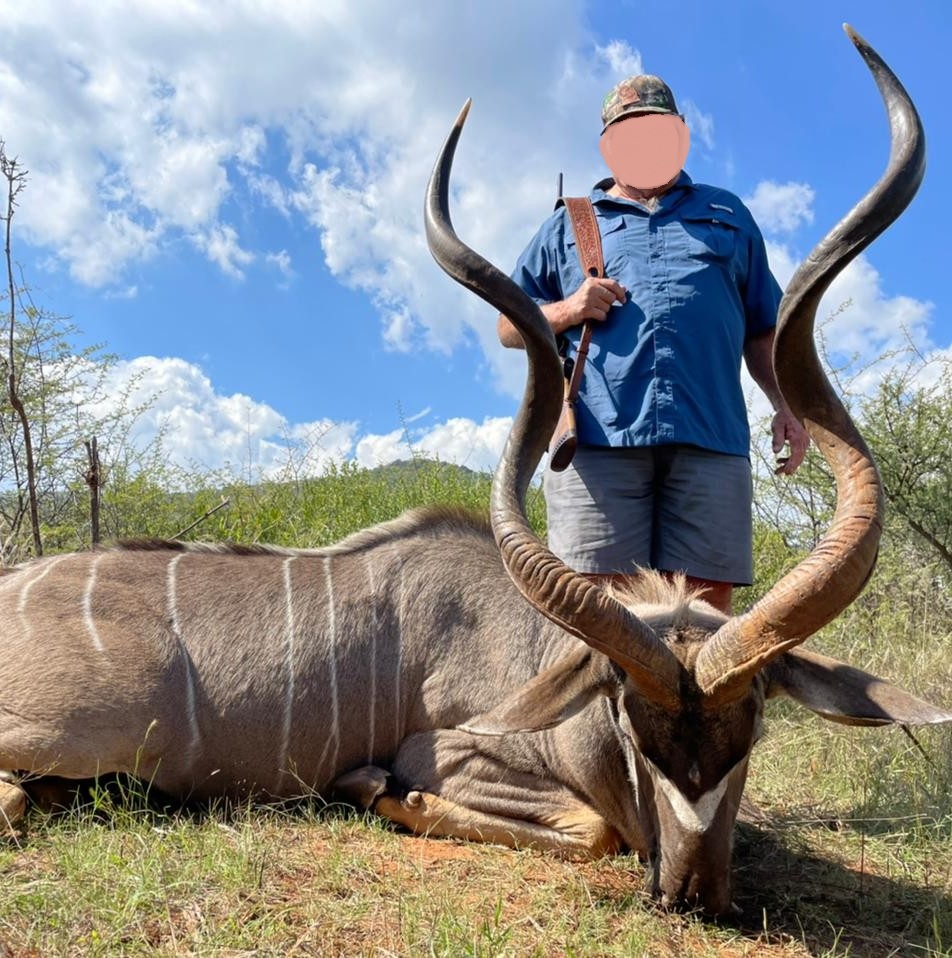
Plains Game Hunts in SA: Sable, Kudu, Warthog & 2 More Trophies
Booking Season: 2026
Hunt Difficulty: Moderate

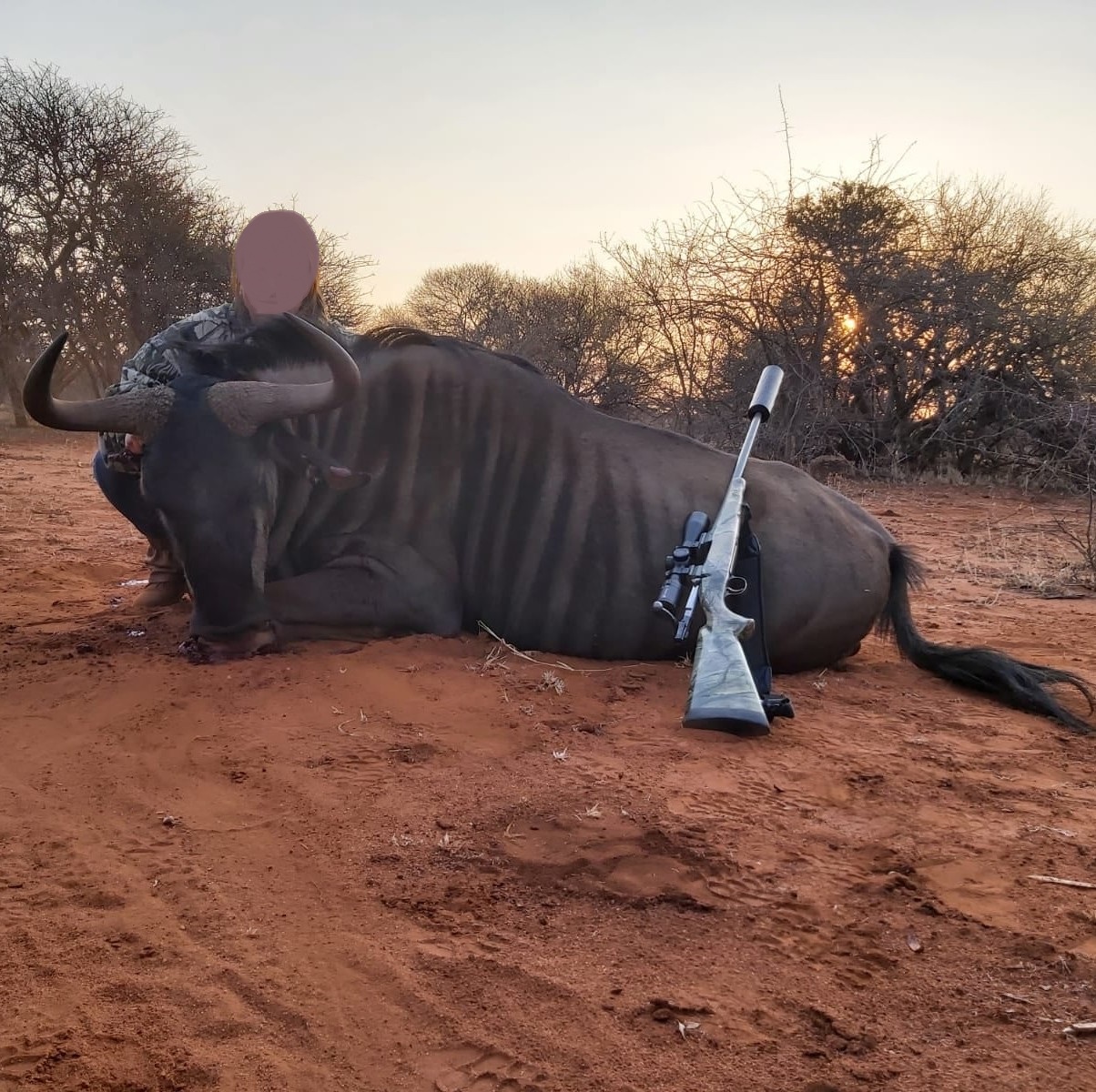
Hunt Wildebeest, Impala & Warthog in Limpopo, South Africa
Booking Season: 2026
Hunt Difficulty: Moderate
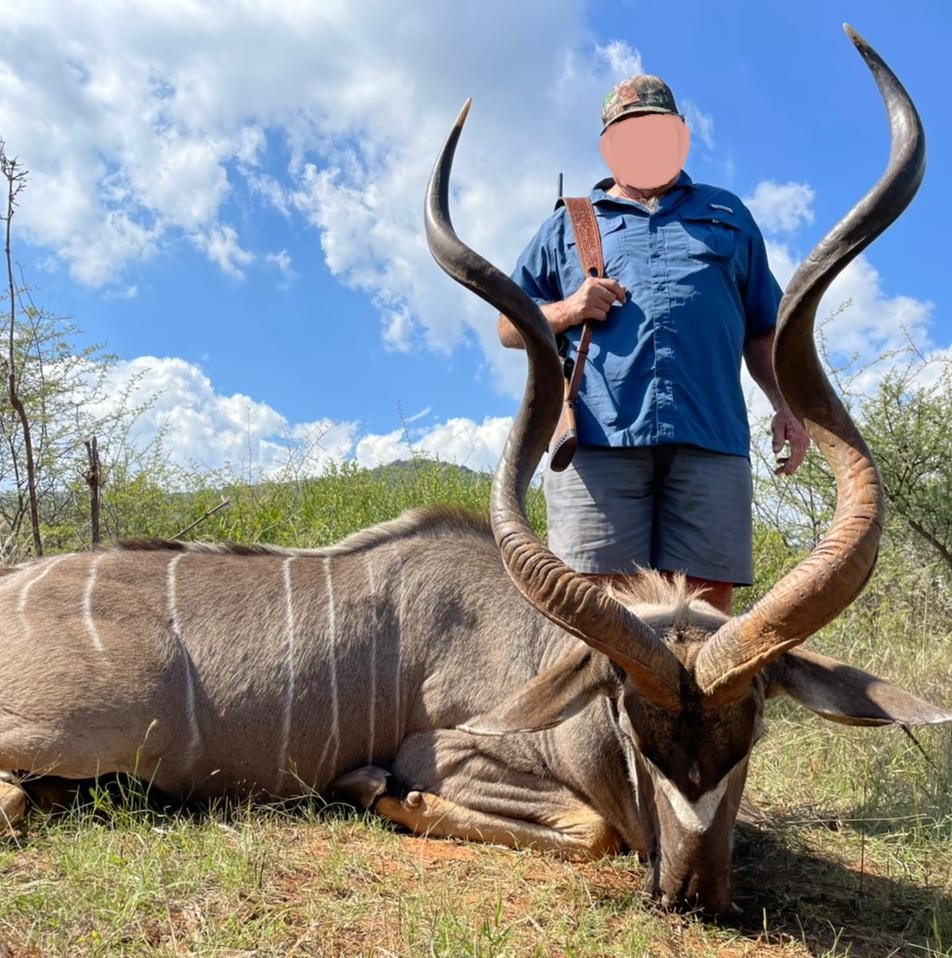
Plains Game Hunting in Limpopo: Kudu, Impala & 2 More Species
Booking Season: 2026
Hunt Difficulty: Moderate

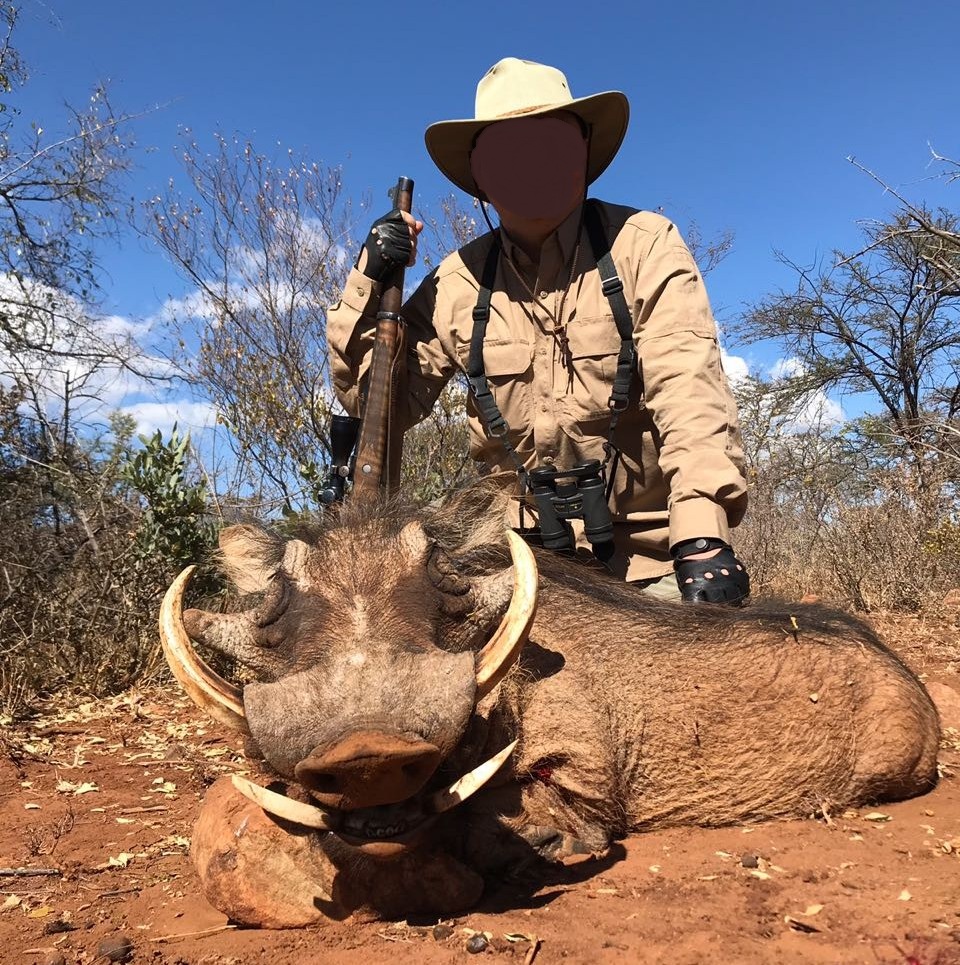
Hunt Blesbok, Wildebeest, Impala & Warthog in Limpopo
Booking Season: 2026
Hunt Difficulty: Moderate
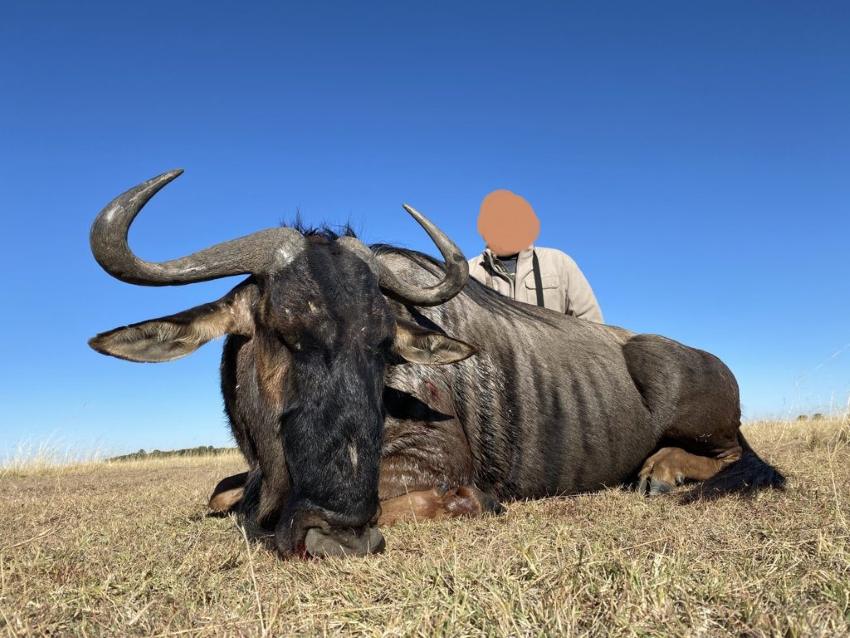
10-Day African Plains Game Safari in North West Province, SA
Booking Season: 2026
Hunt Difficulty: Moderate
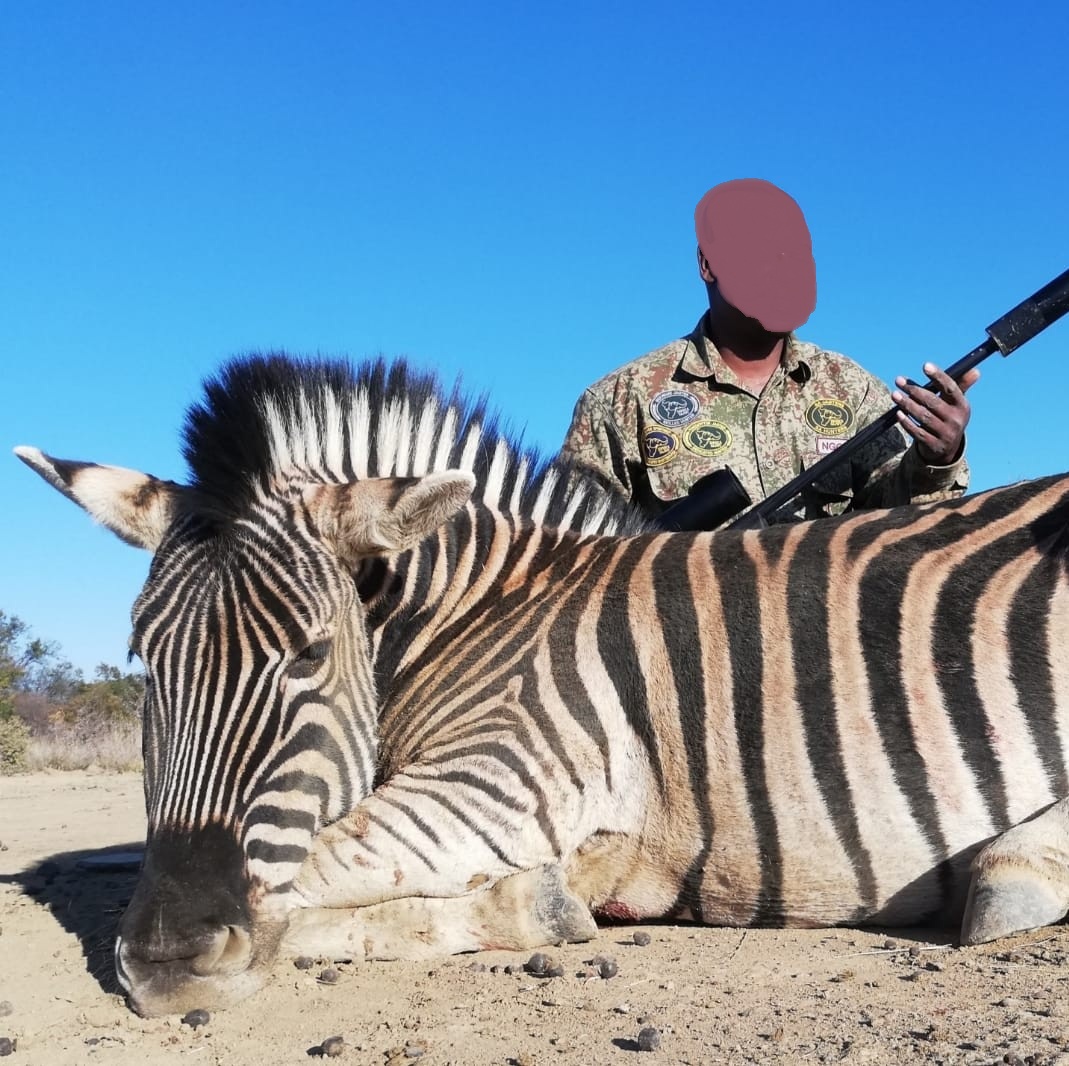
Hunt Eland, Zebra, Sable & 3 More Plains Game Species in SA
Booking Season: 2026
Hunt Difficulty: Moderate
Hunting Safari in SA 10 x Nights Plains Game Combination
Booking Season: 2025
Hunt Difficulty: Difficult
One of the first questions we get from folks planning their safari packages is about the difference between the species. It’s a fair question. To the uninitiated, they might just look like “gnu,” but biologically and behaviorally, they are distinct challenges. Understanding which one you are after, or if you are going for the African Slam of wildebeest, changes where we send you and how you hunt.
The Blue Wildebeest (Connochaetes taurinus), also known as the Brindled Gnu, is the big brother of the family. If you have watched nature documentaries of massive herds crossing the Serengeti, this is the animal you are seeing. In hunting concessions across South Africa, Namibia, and Zimbabwe, they don’t always migrate in the millions, but they do roam in strong herds that rely on collective vigilance.
Physically, they are impressive. A mature bull can weigh up to 600 pounds. They have a slate-grey coat with vertical dark stripes (brindling) on the neck and flanks. Their horns extend outward to the side before curving up and in, resembling a buffalo’s boss structure on a smaller scale. Hunting them requires patience because they are rarely alone. You have to pick a bull out of a shifting, grunting mass of grey, and they are incredibly suspicious. If one spooked cow takes off, the whole herd goes with her. They favor bushveld and open woodlands, meaning you often have some cover, but their eyesight is sharp.
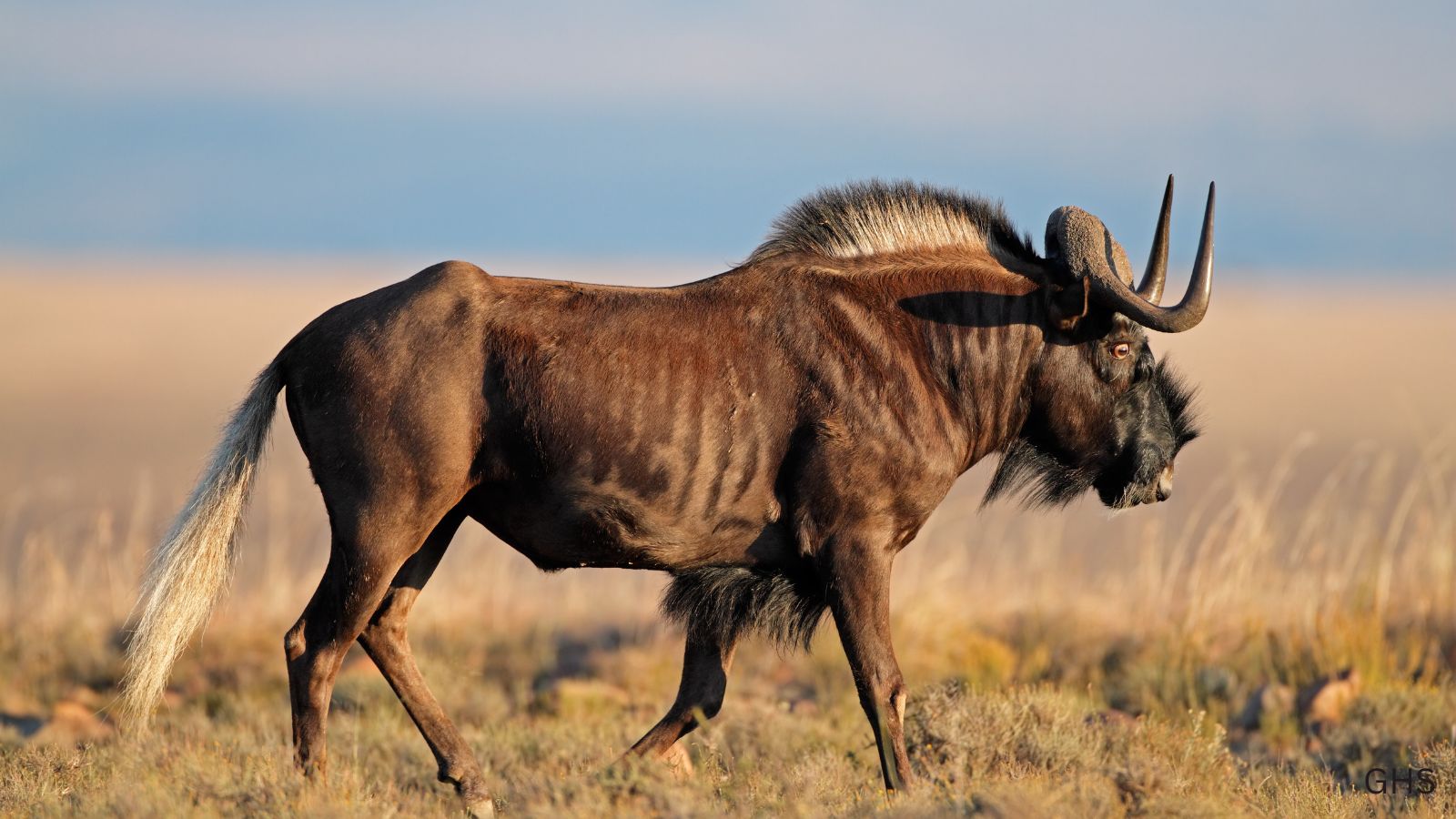
Now, the Black Wildebeest (Connochaetes gnou), or White-Tailed Gnu, is a different beast entirely. They are indigenous to South Africa and almost went extinct in the 19th century before private game ranchers brought them back. Today, hunting them is a conservation success story. They are smaller than the Blues, weighing in around 350 to 400 pounds, and they sport a dark brown to black coat with a distinctive long, white horse-like tail.
Their behavior is what really sets them apart. We often call them the “clowns of the plains” because they run in circles, buck, and chase each other for no apparent reason. But don’t let the nickname fool you. They are extremely aggressive and territorial. Their horns curve forward, downward, and then hook up, creating a very different trophy profile. They love the wide-open plains of the Free State and the Karoo. Because there is zero cover in their natural habitat, stalking them is a test of long-range marksmanship and crawling on your belly until your elbows are raw.
Location matters. You can’t just throw a dart at a map of Africa and expect trophy quality for both species. Since we handle the bookings and logistics, we usually steer clients toward specific regions depending on their primary target.
For Black Wildebeest, South Africa is the undisputed king. Specifically, the Free State province and the Northern Cape (Karoo regions). These areas offer the vast, open grasslands that the species thrives in. If you want a verified, high-scoring Black Wildebeest, we will likely pair you with one of our vetted partners in these open terrain zones. The hunting here is classic plains game style, long distances, wind management, and big skies.
For Blue Wildebeest, your options are wider. The Limpopo province in South Africa is famous for its bushveld hunting, offering heavy-bossed bulls in thick cover. But, Namibia is another fantastic option, especially if you want a more rugged, desert-edge experience. In Namibia, the herds are free-ranging over massive conservancies. Zimbabwe also offers excellent Blue Wildebeest hunting, often as a bait animal for big cats or as part of a larger plains game package. When you browse available hunts on our site, you’ll see we categorize these by region to help you match the terrain to your physical preferences. If you hate hiking in rocky mountains, we won’t send you to the Khomas Hochland.
Getting within range of a wildebeest is easier said than done. They have what we call the “herd advantage.” A single wildebeest is smart: a herd of thirty is a supercomputer of survival instincts. Depending on the terrain and your physical fitness, we usually coordinate one of two main approaches with the outfitter.
Spot and Stalk Techniques
This is the purist’s method and the one we recommend if you want the full experience. It starts with glassing. You and your PH (Professional Hunter) will find a vantage point, likely a kopje or a ridge, and scan the bush. Once a suitable bull is located, the stalk begins.
Here is the thing about wildebeest: they circle back. If you bump them, they often run a short distance, stop, and look back to see what scared them. This gives you a split-second window. But, in open terrain (especially with Black Wildebeest), spotting them is easy: closing the gap to under 300 yards is the hard part. You have to use termite mounds, scrub bushes, and shadows. It’s hot, dusty work. We advise clients to bring good knee pads and leather gloves because you will spend a lot of time crawling over thorns. The satisfaction of closing that distance on foot, identifying the bull, and setting up the sticks is unmatched.
Hunting from Waterhole Blinds
If you are a bowhunter, or if the heat of the midday sun is too much for a walk-and-stalk, blinds are highly effective. Wildebeest must drink regularly. In the dry season (winter months like July and August), waterholes become the center of activity.
We set you up in a sunken blind or an elevated hide. The challenge here is patience and scent control. Wildebeest are notoriously nervous drinkers. They will approach the water, spook at a fluttering bird, run off, come back, and repeat this dance for twenty minutes before lowering their heads. You cannot draw your bow or raise your rifle until they are committed. This method offers a great opportunity to study the herd and carefully select an old, hard-bossed bull without the chaotic rush of a stalk. It allows for a very controlled, ethical shot, which means a higher recovery rate.
Let’s talk ballistics. If there is one mistake US hunters make with wildebeest, it is under-gunning. There is a saying in the industry: “A wildebeest is born looking for a place to die, but he won’t tell you where it is.” They have an incredible will to live. You can hit a Blue Wildebeest squarely in the lungs with a light caliber, and he will still run for three miles into the thickest nastiness available.
Legally, the minimum caliber in many provinces is a 7mm, but we strongly suggest stepping up. A .300 Win Mag is an excellent starting point. It offers the flat trajectory needed for the open plains shots on Black Wildebeest and the kinetic energy required to punch through the heavy shoulder muscle of a Blue Wildebeest.
If you are comfortable with recoil, a .338 Winchester Magnum or even a .375 H&H is not overkill. In fact, many PHs prefer you bring the .375. It hits hard, leaves a good blood trail, and commands respect.
More important than the caliber, though, is the bullet construction. Leave the rapid-expanding, thin-jacketed whitetail bullets at home. You need a premium, controlled-expansion projectile. Think bonded bullets or monolithics like Barnes TSX, Swift A-Frame, or Nosler Partition. You need deep penetration. A bullet that fragments on the shoulder bone will result in a superficial wound and a lost trophy fee. Do yourself a favor: bring the heavy artillery and use premium ammo. It’s the cheapest insurance on your safari.
African game anatomy differs slightly from North American deer species, and wildebeest are a prime example. They carry their vitals lower and further forward than you might expect.
The “high shoulder” shot that drops a whitetail in its tracks is risky here. Wildebeest have a high dorsal spine process (the hump) that consists of long bones but no spinal cord. If you shoot too high into the hump, the animal will drop instantly, you’ll high-five your PH, and then, five seconds later, it will jump up and run into the next county. We call this the “spine shock,” and it is a nightmare to follow up.
The Golden Triangle
For a broadside shot, follow the back of the front leg up. You want to place your bullet in the lower third of the body, directly in line with the leg. This hits the top of the heart and the major vessels of the lungs.
Because these animals are tough, we always advise: keep shooting until it is down. If you put a round in him and he doesn’t fall, chamber another one and shoot again. Don’t admire the shot. Wildebeest run on pure adrenaline. Breaking the shoulder structure (shooting through the shoulder blade) is a very effective way to anchor them if you have a rifle with enough punch. It immobilizes the animal and takes out the vitals simultaneously.
Frontal shots are tempting but risky due to the brisket muscles and the angle of the chest. Unless you are extremely confident and close, wait for the broadside or quartering-away angle. Trust us, waiting ten minutes for the turn is better than tracking for ten hours.
You aren’t just here to shoot an animal: you’re here to secure a memory. Judging a wildebeest trophy on the hoof takes a practiced eye, which is why having a vetted PH from our network is critical.
For Blue Wildebeest, look at the spread and the boss (the base of the horns). A good bull will have a spread that extends well past the ears. But the real money is in the boss. You want horns that are thick and rough at the base, with a gap between them that is relatively narrow. If the bases are soft or look smooth, it’s a young bull. Let him walk.
For Black Wildebeest, the hooks are everything. You want deep curls that drop low before hooking up. The bosses should be heavy and meet in the middle. Old bulls often have battered, worn horn tips from fighting, character marks that add to the trophy.
Field Prep and Logistics
Once the animal is down, the work isn’t over. The skin of a wildebeest is stunning, especially the Blue with its brindled stripes or the Black with its golden tail. They make incredible flat rugs or shoulder mounts.
Your PH and skinning team will handle the caping in the field. They need to get the hide off quickly to cool the meat, especially in the African heat. We coordinate the next steps: getting your trophy to a taxidermist for “dip and pack” and handling the export permits. Trophy export from South Africa is heavily regulated, and paperwork errors can leave your crate stuck in customs for months. That’s the boring admin stuff we specialize in. We ensure your permits match your passport and the hunt register exactly so your trophy arrives in the US without a headache.
Wildebeest hunts are a staple of the African safari experience for a reason. They offer a perfect storm of challenge, excitement, and affordability. Whether you are chasing the ghostly grey herds in the bushveld or the frantic black herds on the plains, you are in for a hunt that tests your rifle skills and your patience.
Don’t let the logistics scare you off. The rumors about complicated permits and shady operators are exactly why Game Hunting Safaris exists. We have done the legwork. We have walked the concessions, shook hands with the outfitters, and verified the operations. All you need to do is decide if you are ready to test your mettle against the Poor Man’s Buffalo.
✉️ Start by speaking to a safari specialist today. We can walk you through the current package availability, answer your questions about firearm import (it’s easier than you think), and get you a quote in plain USD. The herds are waiting.
🌍 Browse our active hunting listings and secure your preferred species and dates.
Wildebeest tend to get underestimated, especially by hunters coming from North America who are used to whitetail or elk. On paper, they’re listed as plains game. In reality, they behave very differently. There’s a reason experienced professional hunters still refer to them as the “poor man’s buffalo.” They’re tough animals, and they don’t always react the way you expect after the shot.
Where most hunts go wrong isn’t distance or getting into position—it’s shot placement. The shoulder structure can be misleading, and many hunters instinctively aim too high. The vital zone sits lower than expected, tight behind the shoulder. Hit too high into the hump, and you’re likely in for a long tracking job, even with a solid caliber.
Caliber matters, but consistency matters more. A .270 or .30-06 will do the job if everything is right. The reality is that things aren’t always perfect—animals move, angles change, and shots don’t always break exactly when you want them to. That’s why many outfitters lean toward the .300 class. It gives you a bit more margin when conditions aren’t ideal.
Herd behavior is another factor that catches people off guard. You’re rarely dealing with a single animal standing still. There are multiple animals moving, shifting, and reacting at the same time. It only takes a second for things to change, and rushed shots are where most problems start.
If you come in expecting an easy plains game hunt, you’ll likely be surprised. If you treat it like a serious hunt—slow things down, wait for the right angle, and focus on execution—you’ll have a much better experience and a cleaner result.
If you’re unsure where to aim or how different shot angles affect the outcome, take a look at our guide on shot placement for African plains game before your hunt.
Wildebeest aren’t classified as dangerous game, but that doesn’t mean they should be taken lightly. They’re not naturally aggressive, but a wounded animal can behave unpredictably. If a shot isn’t placed correctly, it’s not unusual for a wildebeest to run hard, change direction, or stop in thicker cover where things get more complicated.
Most of the risk comes from poor decisions rather than the animal itself. Rushed shots, confusion in a herd, or losing track of the exact animal after the shot are far more common issues than any form of aggression. When several animals are moving at once, it’s easy to second-guess what you’re seeing.
Handled properly, wildebeest hunts are straightforward and safe. But they do require a bit more discipline than many hunters expect. Take your time, listen to your professional hunter, and be prepared for a follow-up if the shot wasn’t perfect.
Wildebeest are often described as deceptively tough. They fall into the plains game category, but they don’t always behave like what most hunters expect from plains game. The difficulty isn’t just in getting close—it’s in getting the right shot under real conditions.
They’re almost always moving, usually in groups, and rarely stand still for long. That means waiting for a clean angle can take time, and patience becomes more important than anything else. Trying to rush a shot on a moving animal is where most problems begin.
They’re also known for covering ground after the shot if it isn’t placed correctly. Even experienced hunters are sometimes surprised by how far a wildebeest can go. When everything comes together—a calm setup and a well-placed shot—the result is usually quick and clean. When it doesn’t, it can turn into a longer track than expected.
It’s a rewarding hunt, but not one to take lightly. Go into it prepared, stay patient, and focus on getting that one shot right.
Wildebeest hunts don’t look difficult on paper, but they have a way of testing hunters who come in unprepared. The combination of movement, herd behavior, and shot placement makes them far more technical than most expect.
For hunters who take the time to understand the animal and approach the hunt with patience, it’s one of the most rewarding plains game experiences in Africa. It’s not about taking a quick shot—it’s about getting the right shot.
Go in with the right mindset, listen to your professional hunter, and treat the opportunity with respect. Do that, and a wildebeest hunt will stand out as one of the most memorable parts of your safari.
While the legal minimum is often 7mm, we recommend stepping up to a .300 Win Mag, .338, or .375 H&H. Wildebeest are incredibly tough animals; using a heavier caliber with premium, controlled-expansion bullets (like Barnes TSX or Swift A-Frame) ensures the deep penetration needed to anchor them.
Blue Wildebeest are larger, slate-grey animals that favor bushveld and are known as the “Poor Man’s Buffalo” for their toughness. Black Wildebeest are smaller, territorial animals with distinctive white tails that thrive in open plains like the Karoo, requiring long-range marksmanship rather than bush stalking.
Aim for the “Golden Triangle” in the lower third of the body, directly in line with the front leg. Avoid the high shoulder hump; hitting the dorsal spines often causes temporary shock rather than a kill. Their vitals sit lower and further forward than most North American deer species.
Yes, wildebeest meat is widely considered excellent venison. It is lean, healthy, and flavorful. In South Africa, the meat is a staple for hunters, often prepared as steaks, stews, or cured into traditional “biltong” (jerky) after the hunt is completed.
The ideal time for wildebeest hunts is during the African winter months, typically July and August. This is the dry season, which forces herds to visit waterholes more frequently—making blind hunting highly effective—and thins out vegetation to improve visibility for spot-and-stalk tactics.
Search from our range of Hunts across various popular destinations in Africa.
Book Your Hunt