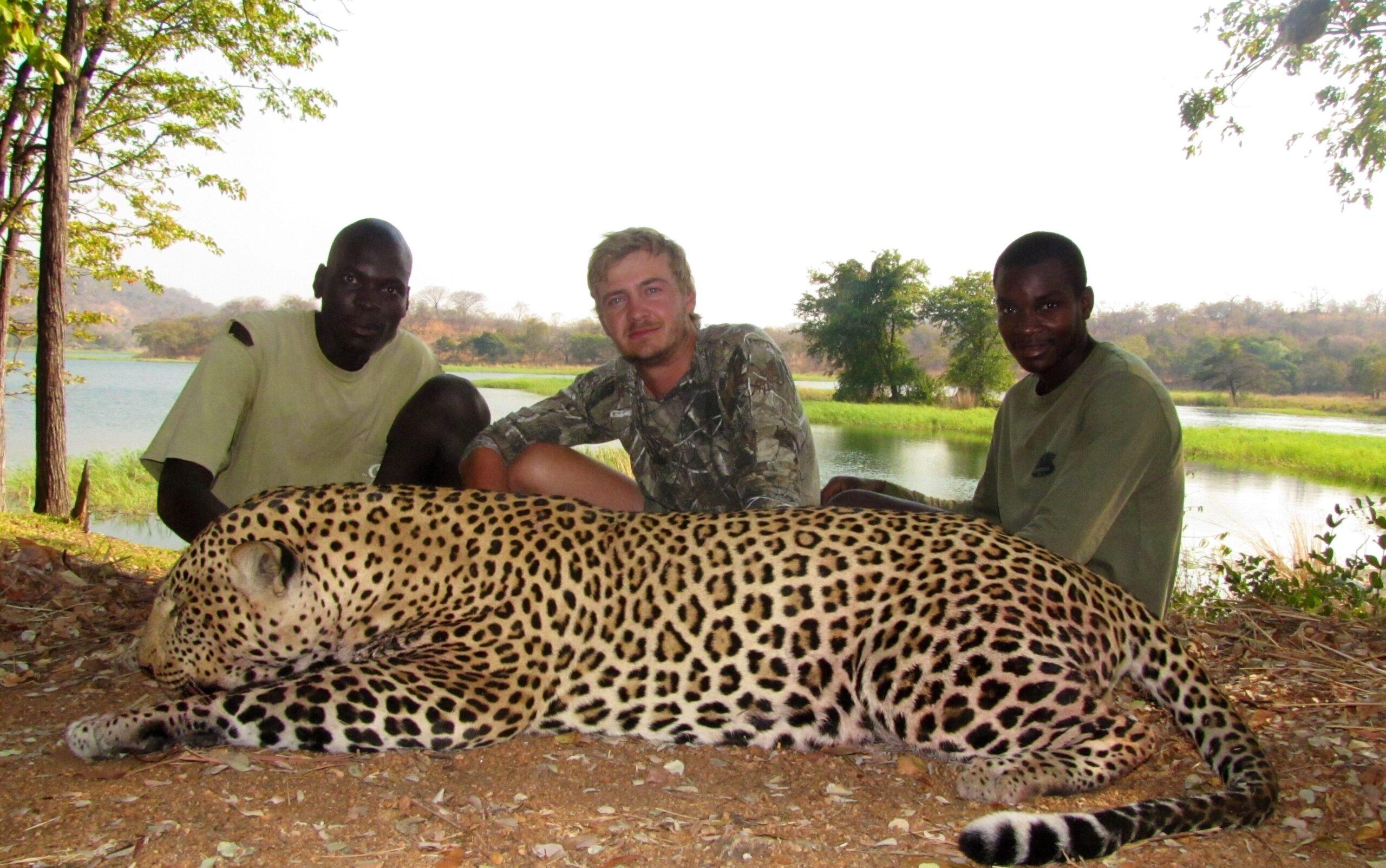
Lion, Leopard & Buffalo Safari in Niassa
Booking Season: 2026
Hunt Difficulty: Difficult

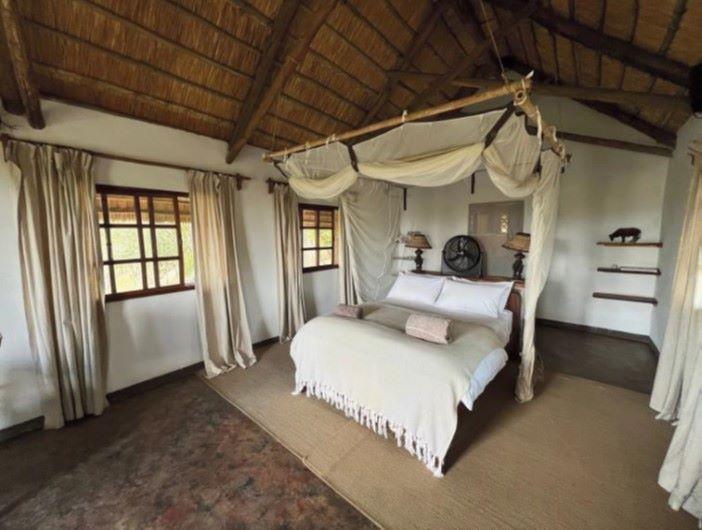
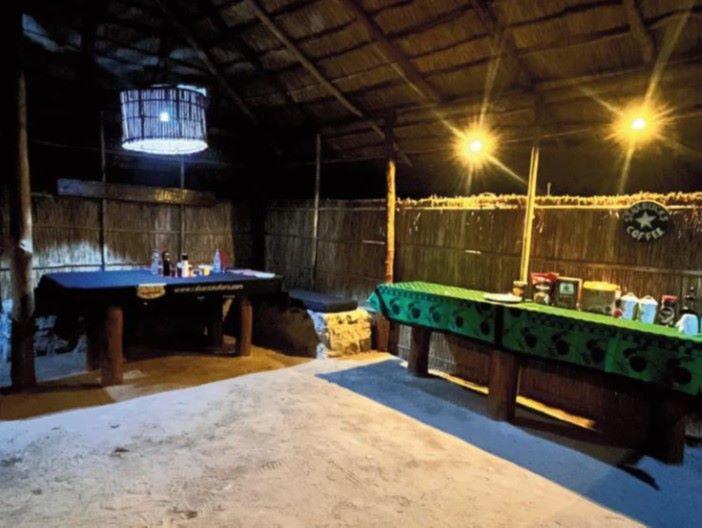
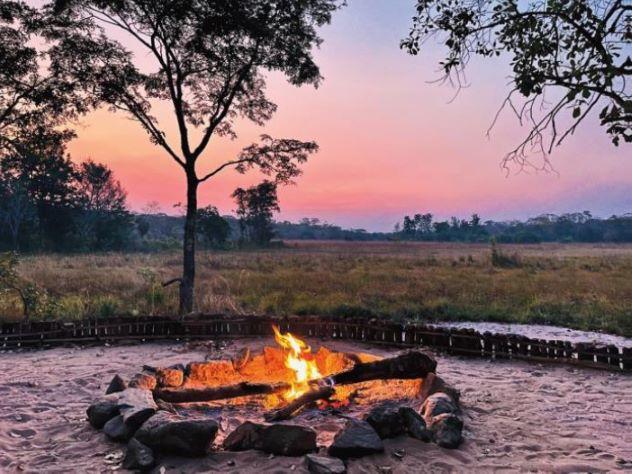
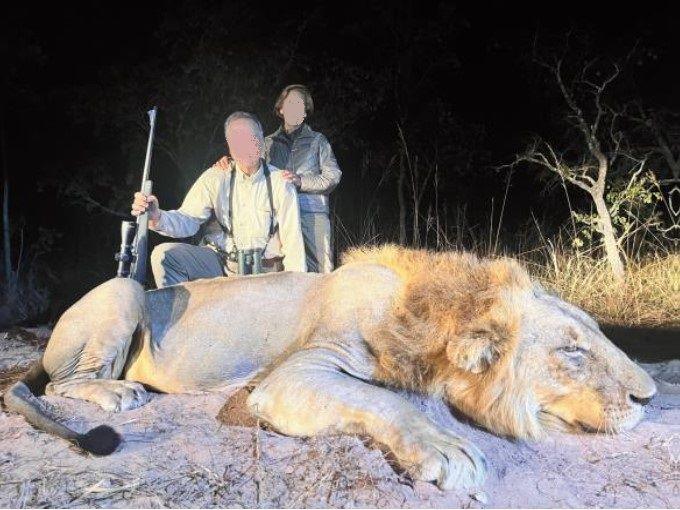
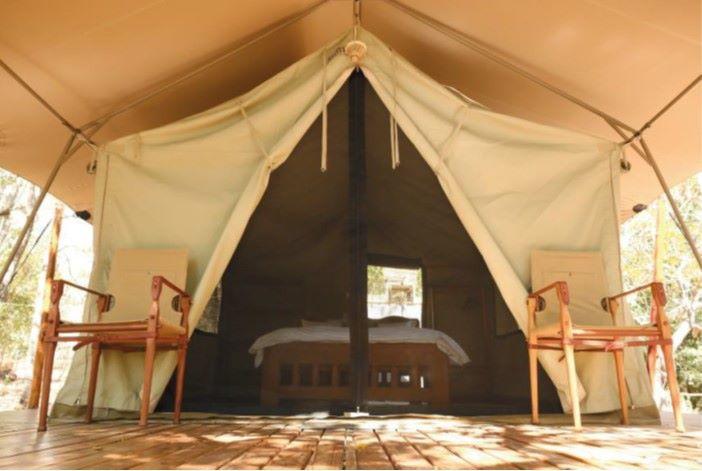
Remote Niassa safari camp with luxury tents, en-suite bathrooms, hot and cold running water, daily laundry, housekeeping, solar/generator power, and high-speed satellite internet. The camp is comfortable but still close to the hunting area, which is important on a 21-day dangerous game safari.
Remote free-range hunting concession in Niassa Province, Mozambique, close to the Tanzania border and part of the wider Niassa wilderness. The area is vast, unfenced, and known for lion, leopard, Cape buffalo, elephant, sable, and additional plains game. Hunting is conducted by tracking, baiting, trail cameras, and temporary blinds for cats, with buffalo hunted on foot by following fresh tracks.
| Fence Type: | Free-range |
| Nearest Airport Name: | Pemba Airport, Mozambique |
| Nearest Airport Distance: | Charter flight from Pemba to the concession landin |
| Nearest Town Name: | Pemba |
| Nearest Town Distance: | Approximately 11+ hours by road, depending on cond |
| Transfer From Airport: | Yes |
| Air Charter Available: | Yes |
Niassa Province in northern Mozambique offers one of Africa's most complete dangerous game hunting experiences. This safari combines Hunting in Mozambique for lion, leopard and Cape buffalo within a vast free-range wilderness concession where traditional safari methods, experienced professional hunters and exceptional wildlife populations create an authentic African hunting adventure.
As one of Africa's classic Dangerous Game Hunts, the safari combines baited lion and leopard hunting with traditional buffalo tracking on foot. Few safaris offer the opportunity to pursue three of Africa's most respected dangerous game species during a single hunt in truly wild country.
Safari Overview
Trophy Included: 1 x Lion, 1 x Leopard and 1 x Cape Buffalo
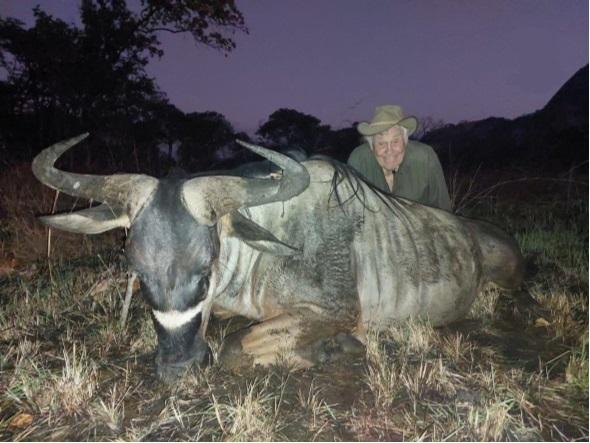
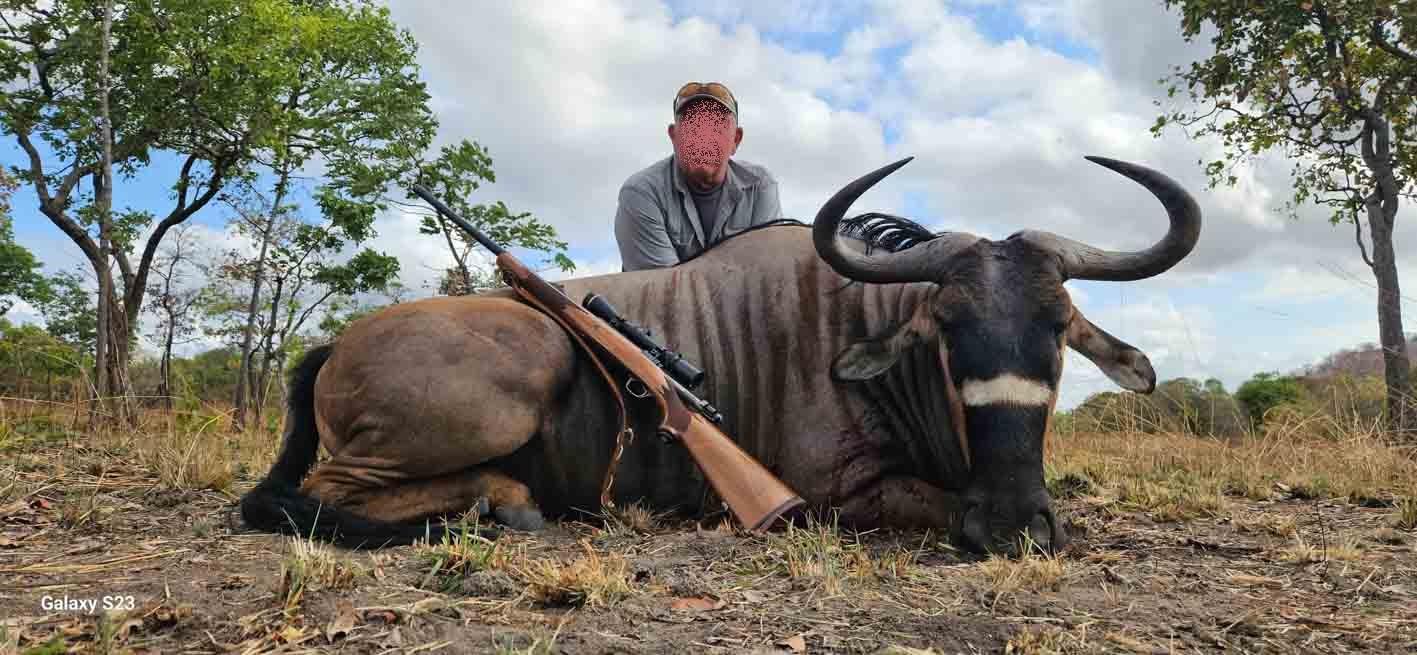
Additional Species: Roosevelt Sable, Niassa Wildebeest, Hartebeest, Zebra, Warthog and More
Duration: 21 Hunting Days
Location: Niassa Province, Mozambique
Hunt Method: Baiting, Blind Hunting and Tracking on Foot
Safari Pricing
Trophy Included: 1 x Lion, 1 x Leopard and 1 x Cape Buffalo (Trophy Fees Included)
Hunter/PH Ratio: 1x1
Observer Rate: US$375 per Person per Day
Airport: Pemba
Rifle Hire Available: US$30 per Day
Safari Cost Breakdown
Day Fees: US$78,750
Lion, Leopard & Buffalo Trophy Fees: US$35,000
Additional Fees: US$1,450
Total Safari Cost: US$117,700
Mozambique lies on Africa’s east coast, bordered by the Indian Ocean, with hunting areas spread across vast, wild regions of the country. Niassa is the most sparsely populated province in Mozambique, with the Ruvuma River forming the northern border with Tanzania. The two regions share the same broader ecosystem, which is part of what makes Niassa such strong hunting country.
Niassa is the largest conservation area in Mozambique, covering more than 26,000 square miles of remote wilderness. Free-range lion hunting does not get much wilder than Niassa with baiting and local tracking knowledge all playing a role. The same river lines, cover, and low hunting pressure also make leopard hunting a natural fit for this safari.
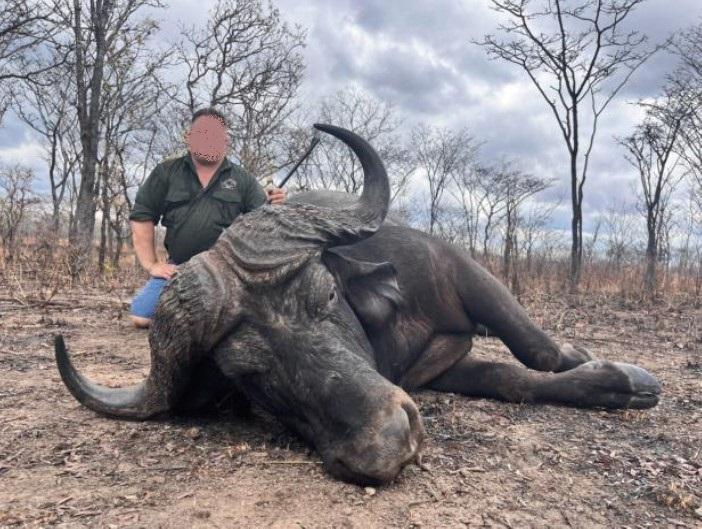
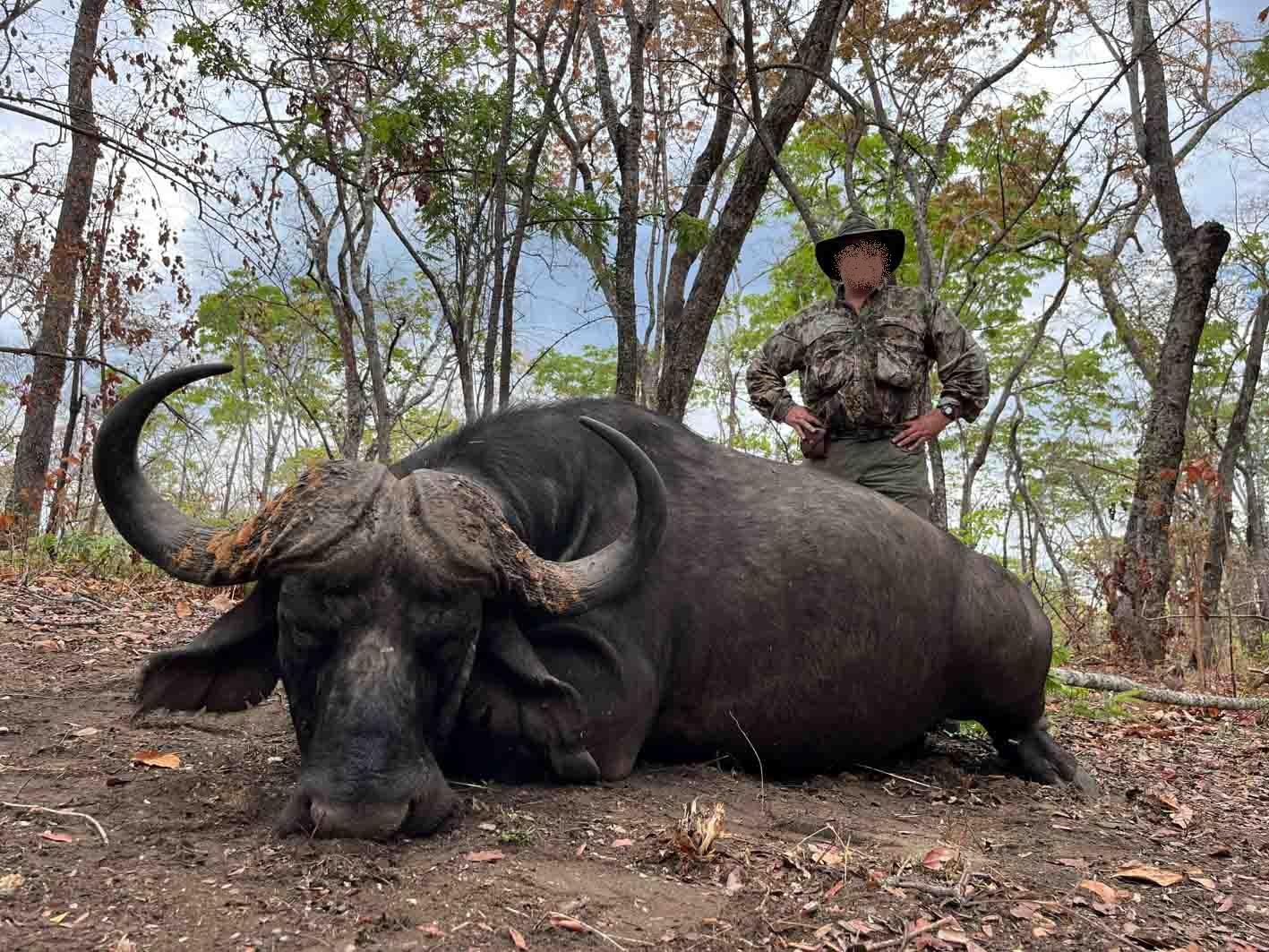
For buffalo, the hunt changes pace completely. Buffalo hunting is about following fresh tracks on foot, reading the wind, and getting close enough in thick cover to make the shot count. That is where Niassa stops being a pretty place on a map and starts testing boots, nerves, and sense of humour..
The best time to hunt in Mozambique is during the hunting season which runs from April to end of November. Temperatures from April through to September vary from 0°C to 15°C in the morning and the evenings and up to 20°C to 30°C during the day.
From September through to November the temperatures can reach the high 40’s at midday. The best months for hunting in Niassa are from August through to the end of November. The reality is when safari hunting in Niassa, there is not a “best time” to go, it’s a privilege any month of the year.
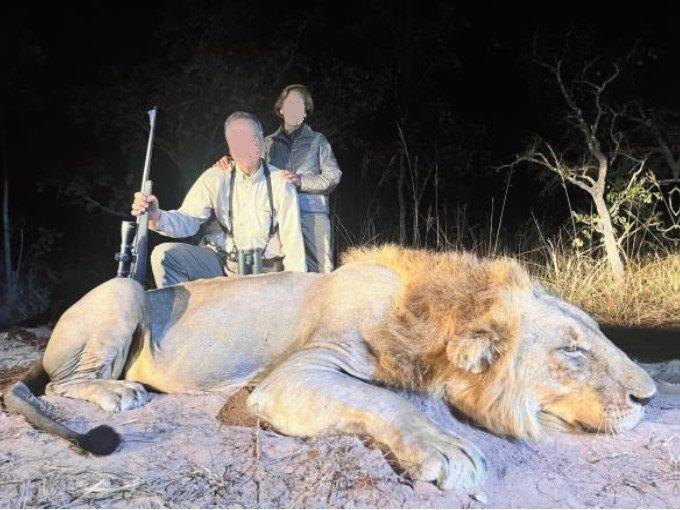
Niassa is one of those rare places where free-range lion hunting in Mozambique still feels properly wild. The hunt takes place in vast, unfenced country where lions move naturally through remote wilderness, and success depends on good baiting, fresh sign, experienced trackers, and patience.
This is a proper dangerous game hunt, not a quick outing with a soft chair and a guaranteed ending. Niassa makes hunters work for it, which is exactly why it remains such a respected lion hunting destination.
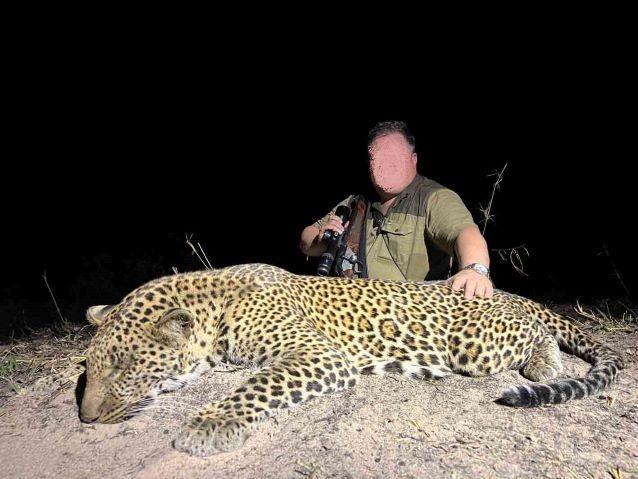
Niassa offers excellent leopard hunting, with river lines, thick cover and remote terrain giving mature toms plenty of room to move. The hunt is usually based around baiting, trail cameras and careful blind placement once the right cat has been identified.
Healthy leopard populations, abundant prey species and vast wilderness areas have helped establish Niassa as one of the leading destinations for Mozambique Leopard Hunts.
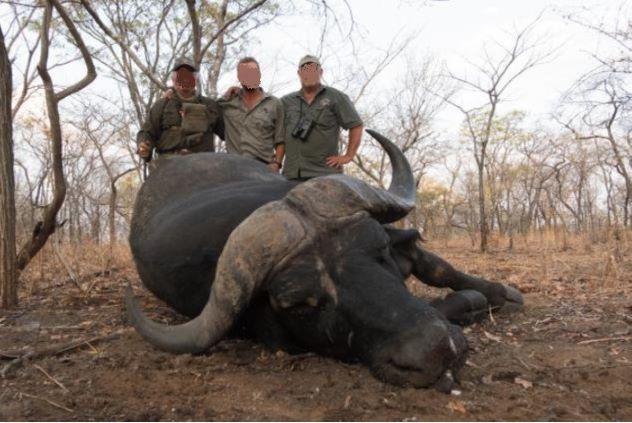
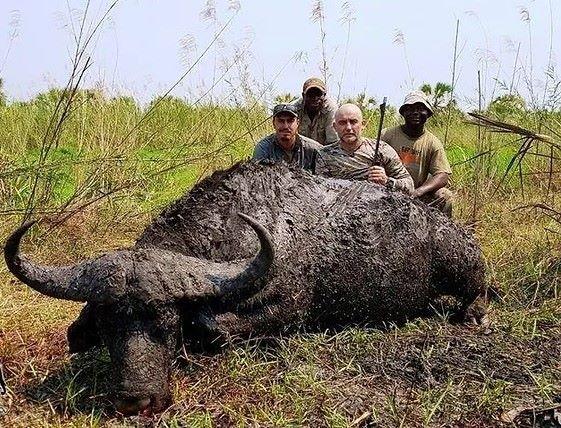
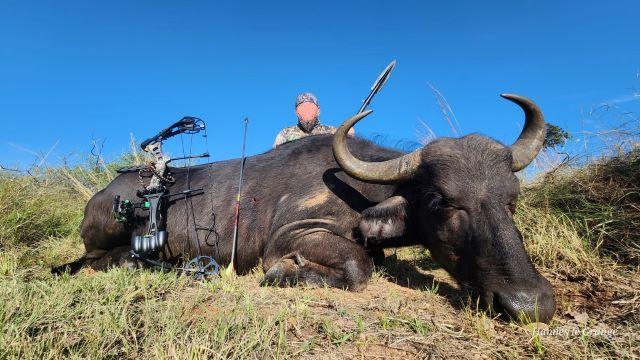
Buffalo hunting brings a completely different challenge to this safari. After spending time around bait sites for lion and leopard, it is refreshing to get out and follow fresh buffalo tracks through the bush.
For many dangerous game hunters, Buffalo Hunting in Mozambique is one of Africa's great experiences. Niassa offers the kind of free-range terrain where every mile walked and every track followed feels like part of the hunt. It is honest hunting, plenty of walking and no guarantees other than a good story when the day is done.
On this 21-day full bag safari, hunters can add a variety of plains game hunts, paying only the trophy fees for additional animals taken.
Popular add-ons in Niassa include Niassa wildebeest (US$ 5,500), Lichtenstein hartebeest (US$ 3,250), Johnson’s impala (US$ 1,400), Roosevelt sable (US$ 5,500), and warthog (US$ 800). Sable hunts are always a strong option in this part of Mozambique, especially for hunters wanting one of Africa’s classic antelope trophies alongside the dangerous game.
For tiny ten collectors, Niassa also offers Sharpe’s grysbok (US$ 2,500), red duiker (US$ 2,500), and blue duiker (US$ 2,750).
Hardus and his team operate one of northern Mozambique's most respected dangerous game safari operations. Years of experience in Niassa, skilled local trackers and extensive knowledge of lion, leopard and buffalo behaviour help create the foundation for a successful safari.
The operation combines professional hunting standards, comfortable camps and experienced support staff with access to one of Africa's last great wilderness hunting regions.
Lion and leopard hunting in Niassa usually involves pre-baiting in areas where cats have been seen or where fresh sign is found. Trail cameras are placed near the baits to help identify the size, age, and suitability of any animal feeding there. Once the right lion or leopard is confirmed, a temporary blind is built and the waiting begins.
Cape buffalo hunting is done the old way: on foot, following fresh tracks with experienced trackers until the right bull is found. Buffalo hunting in Niassa can mean long walks, thick cover, shifting wind, and close-range decisions. The “widowmaker” did not get that nickname because he is fond of visitors.
The minimum legal calibre for dangerous game hunting in Mozambique is .375, although many hunters prefer larger calibres such as the .404 Jeffery, .416 Rigby or .458 Lott when pursuing lion, leopard and Cape buffalo. Quality optics are important, and rifles should always be checked and test-fired after international travel.
This safari includes three of Africa's most respected dangerous game species, making preparation particularly important. Understanding proper African Cat Shot Placement is critical when hunting lion and leopard, where precise bullet placement can make all the difference when an opportunity finally presents itself.
The same applies to buffalo hunting, where shot angles, heavy bone and thick muscle require both suitable equipment and a clear understanding of Cape Buffalo Shot Placement. Whether sitting over a bait site or following fresh buffalo tracks through the Niassa bush, confidence in your rifle and the ability to place the first shot accurately are among the most important factors contributing to a successful safari.
Hunters usually fly into OR Tambo International Airport in Johannesburg, South Africa, before connecting to Pemba, Mozambique. Airlink is a reliable option for this route and can assist with firearm transport if arranged in advance.
Depending on flight times, an overnight stay in Johannesburg may be needed. African Sky Boutique Hotel near OR Tambo is a practical option and can assist with transfers and firearm permits.
From Pemba, hunters can either take a long road transfer to camp, which can take 11 hours or more, or arrange a charter flight with Hardus to the landing strip near the concession. The charter is the easier option for most hunters, especially when heading into remote Niassa. The return charter is approximately US$ 5,000, subject to change, and may be reduced if shared with other guests.
The charter should be booked at least two months in advance and paid either in cash on the day of the flight or by wire transfer beforehand.
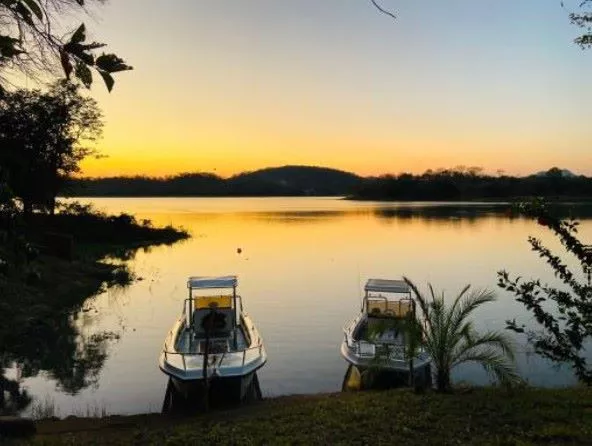
The hunting camps are set in remote Niassa wilderness, keeping hunters close to the action while still offering comfort after long days in the field. Accommodation is in luxury safari tents with en-suite bathrooms, hot and cold running water, and 24-hour power supplied by solar systems or generators.
The camps also offer high-speed satellite internet and the essentials needed for a comfortable stay. Some camps may have regular cell signal and data, but in remote Niassa, a satellite phone is still recommended.
A valid firearm import permit is required before arrival in Mozambique, and Hardus and his team will assist with the arrangements. Hunters will need to provide a colour copy of their passport, a passport-style photo in JPEG format, firearm details, travel itinerary, and contact information. US hunters will also need a copy of Customs Form 4457.
If travelling through South Africa and overnighting in Johannesburg, a SAPS 520 form may be required. Each hunter may import a maximum of three firearms into Mozambique, with a maximum of 100 rounds per firearm.
For hunters planning one of Africa's classic Hunting Trips, few safaris compare with the opportunity to pursue lion, leopard, and Cape buffalo during a single expedition. Together, these three iconic species represent some of the greatest challenges in African hunting, each demanding a different combination of patience, fieldcraft, and decision-making.
Lion hunting revolves around careful baiting, tracking, and reading animal behaviour. Leopard hunting requires meticulous preparation, productive bait sites, and long hours of patience in the blind. Cape buffalo hunting shifts the challenge entirely, following fresh spoor on foot through thick cover before closing the distance on one of Africa's most respected dangerous game animals.
Pursuing all three during the same safari also allows hunters to complete three members of Africa's famous Big Five Hunting collection while experiencing the diversity that has made Mozambique one of the continent's premier dangerous game destinations. It is a safari built not around a single trophy, but around one of Africa's most complete free-range hunting adventures.
If you require any additional information about this lion, leopard, and buffalo safari in Mozambique, the Game Hunting Safaris team will be happy to assist with current availability, hunting regulations, and planning your safari.
Please note that terms, conditions and price are subject to change without notice and rates at the time of the hunt will apply
You can speak directly with the outfitter before booking. GHS remains available throughout the process.
Needing assistance with firearm permits and international travel services, or good taxidermists? View our affiliated companies
View Affiliated Services