Lion, Leopard & Buffalo Safari in Niassa
Booking Season: 2026
Hunt Difficulty: Difficult

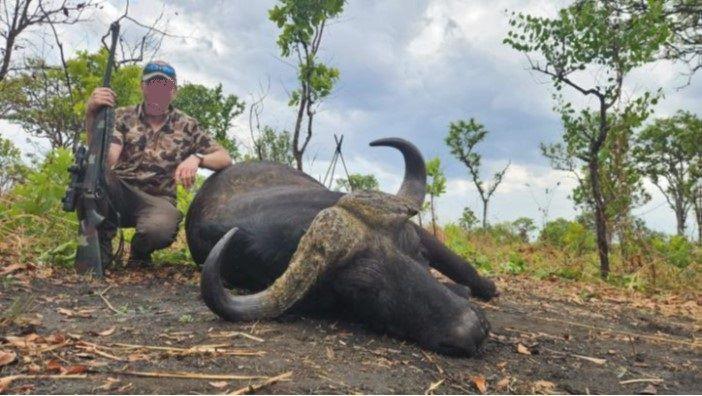
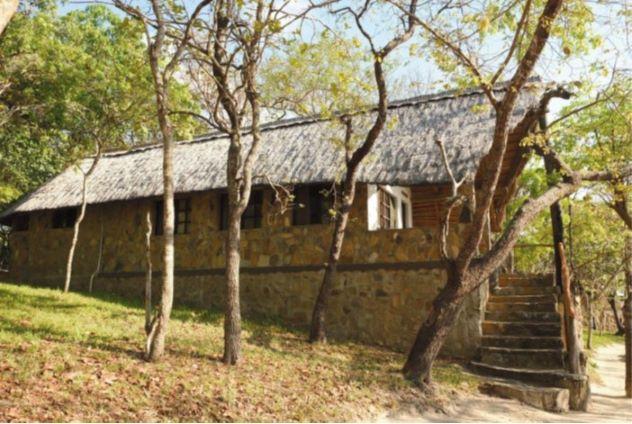
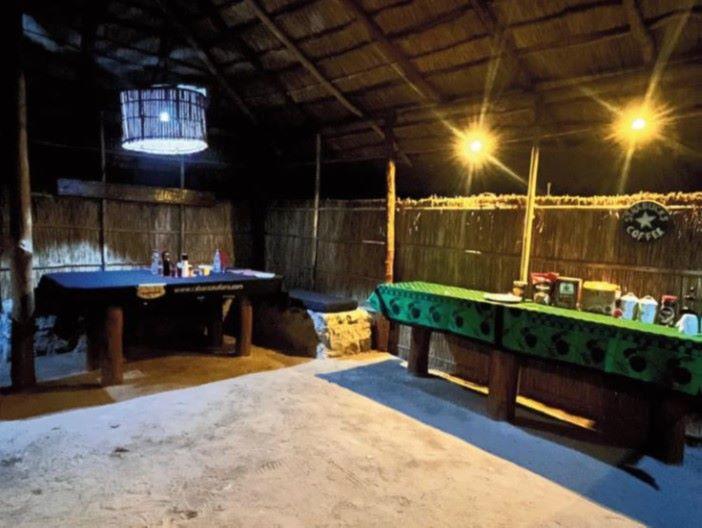
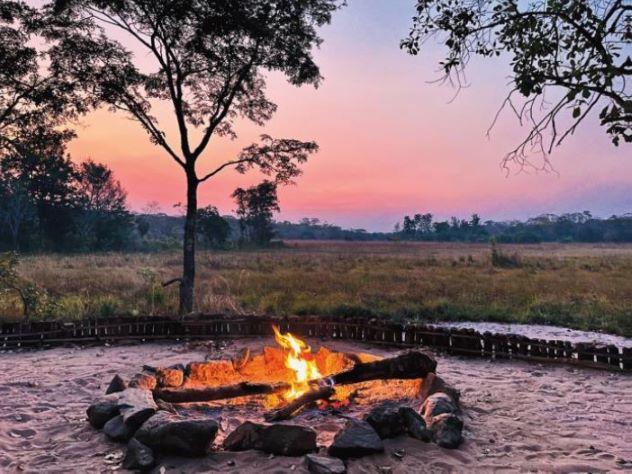
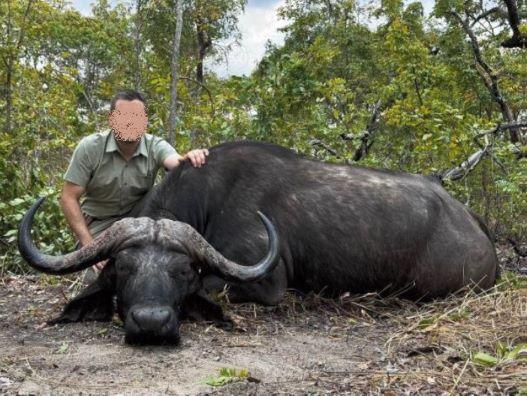
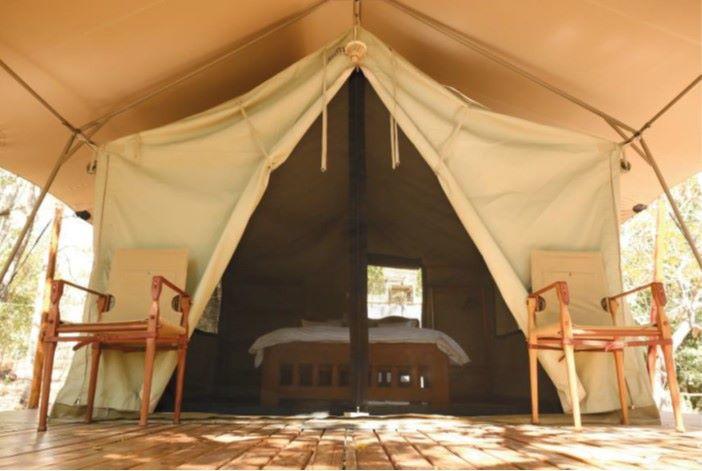
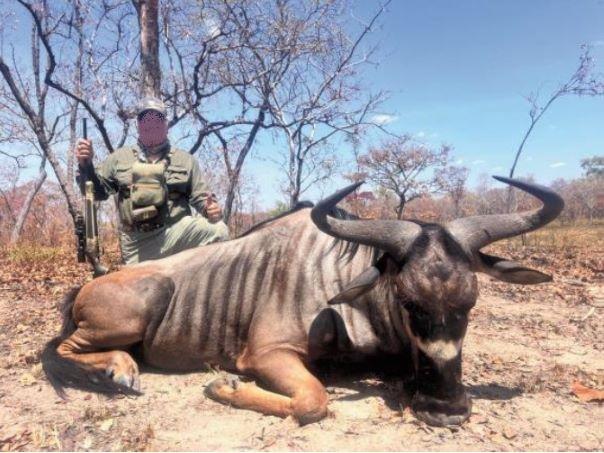
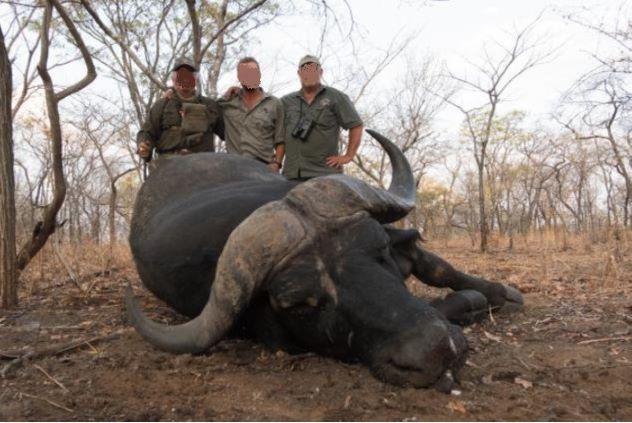
Comfortable en-suite safari tents with hot showers, daily housekeeping, excellent meals, satellite internet, and all the comforts expected on an authentic wilderness safari.
Vast unfenced miombo woodland, seasonal rivers, open dambos, and dense bushveld provide classic free-range Cape buffalo habitat across the legendary Niassa Reserve.
| Fence Type: | Free-range |
| Nearest Airport Name: | Pemba Airport (POL), Mozambique (International hunters typically connect via OR Tambo International Airport, Johannesburg.) |
| Transfer From Airport: | Yes |
For American hunters considering Cape Buffalo Hunting in Mozambique, few destinations rival the legendary Niassa Reserve. For those planning an authentic Big Game Hunting safari, this vast wilderness of more than 26,000 square miles has earned an international reputation for producing free-range Cape buffalo in one of Africa's last truly wild hunting areas.
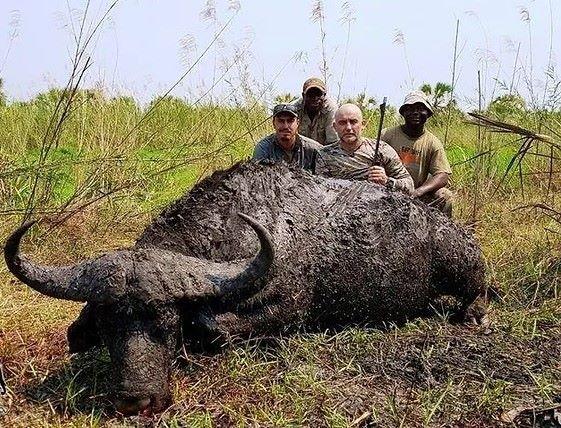
Cape buffalo hunting in Niassa is built around traditional fair-chase principles. Days are spent tracking fresh spoor through miombo woodland, reading wind and terrain, and working alongside experienced professional hunters and local trackers to close the distance on mature bulls. Every encounter is earned through patience, teamwork, and careful fieldcraft, making each successful buffalo hunt a genuine achievement.
This ten-day safari also offers exceptional flexibility beyond the buffalo itself. Hunters can pursue a hard-bossed Cape buffalo before adding some of Mozambique's most sought-after plains game species, including Roosevelt Sable, Niassa Wildebeest, Lichtenstein's Hartebeest, Johnston's Impala, and several Tiny Ten species. For hunters seeking a classic African wilderness safari, few destinations combine dangerous game, unique plains game, and vast free-range hunting concessions as successfully as Niassa.
Price: US$25,450 All-In (Includes Cape Buffalo Trophy Fee)
Duration: 10 Full Hunting Days
Hunter Ratio: 1 Hunter : 1 Professional Hunter
Primary Species: 1 Trophy Cape Buffalo
Location: Niassa Province, Mozambique
Observers: Welcome at US$375 per person, per day
Rifle Rental: Available
Professional Videographer: Available on request (US$350 per day)
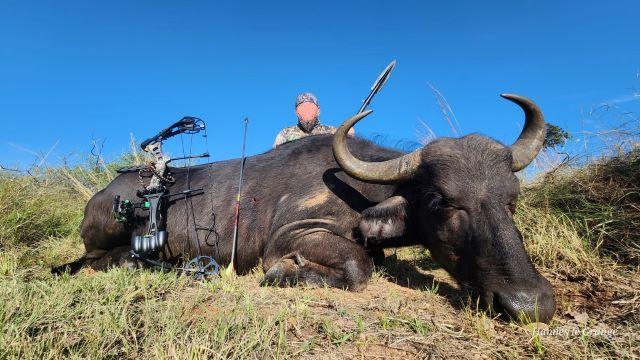
Bow Hunting: Cape buffalo may legally be hunted with a bow or crossbow in Mozambique, subject to current hunting regulations.
The safari price includes one Cape Buffalo Trophy Fee valued at US$5,500, together with all daily rates and the government fees required to conduct this safari in Mozambique.
Hunting in Mozambique offers one of the last opportunities to pursue free-range Cape buffalo across a truly wild African wilderness. In Niassa, there are no high fences, no artificially managed buffalo populations, and no shortcuts. Every day begins by following fresh spoor across vast unfenced concessions where buffalo roam exactly as they have for generations.
Covering more than 26,000 square miles, Niassa is one of Africa's largest protected wilderness areas and has earned an international reputation among serious dangerous game hunters for its exceptional free-range hunting. Thick miombo woodland, seasonal rivers, open dambos, and low hunting pressure create ideal habitat for mature Cape buffalo, while experienced professional hunters and local trackers rely on traditional bushcraft, fieldcraft, and teamwork to locate their quarry.
Unlike many buffalo hunts where opportunities may come quickly, hunting in Niassa rewards patience, persistence, and sound decision-making. Every track followed, every wind check, and every careful approach through the bush forms part of the hunt, making the final encounter with a mature hard-bossed bull all the more rewarding.
For hunters wanting to experience Cape buffalo hunting as it has been practised for generations, few destinations continue to offer the scale, freedom, and authenticity found in Mozambique's legendary Niassa Reserve.
Cape Buffalo Hunting in Niassa is built around one of Africa's oldest hunting traditions, tracking. Rather than driving from one opportunity to the next, each day begins by searching for fresh spoor left by buffalo moving between feeding areas, water, and cover during the night. Experienced local trackers study every track, broken branch, and patch of disturbed ground before deciding whether the herd or bull is worth following.
Once fresh tracks have been found, the pace of the hunt changes. Wind direction becomes critical, conversations become whispers, and every member of the hunting team focuses on closing the distance without being detected. Depending on the terrain and the buffalo's movements, hunters may spend several hours following a single track before finally catching sight of the herd.
The final approach often becomes a test of patience and judgement. Thick miombo woodland provides excellent cover but also limits visibility, meaning opportunities frequently present themselves at close range. Selecting the correct bull, waiting for a clear shot, and maintaining composure under pressure are all part of what makes Cape buffalo one of Africa's most respected dangerous game animals.
Whether hunting a solitary dagga boy or a mature bull within a breeding herd, success in Niassa is earned through teamwork, traditional bushcraft, and disciplined decision-making. It is this combination of tracking, patience, and fair-chase hunting that continues to draw experienced buffalo hunters back to Mozambique's legendary wilderness year after year.
This beautiful country Is located on the East of the African continent, bordering the Indian Ocean with hunting areas covering a vast expense of the country
Imagine miles of open spaces filled with some of the most amazing Africa hunting trophies, which you will need to stalk and hunt in their habitat. Niassa is the most sparsely populate province of Mozambique, with the Ruvuma River forming the Northern border to Tanzania, the two regions thus sharing the same biosphere.Niassa is the largest conservation area in Mozambique, with a surface are of more than 26 000 square miles. Hunting in Mozambique is a real adventure for international trophy hunters.
Hunting in Niassa is conducted on a free-range, fair-chase basis, meaning the buffalo roam freely without fenced enclosures.
Buffalo hunting in Niassa Province, Mozambique, offers an exciting and rugged adventure in one of the country’s largest conservation areas, the Niassa Reserve. Spanning over 26,000 square miles, this wilderness is home to diverse wildlife, including large populations of Cape buffalo, elephants, and sable antelope.
One of the advantages of combining your buffalo safari with Plains Game Hunts is the opportunity to pursue several of Mozambique's most sought-after species without paying additional daily rates. Once your Cape buffalo has been successfully hunted, you simply pay the applicable trophy fee for any additional animals harvested, making this an excellent way to maximise your time in Niassa's vast free-range wilderness.
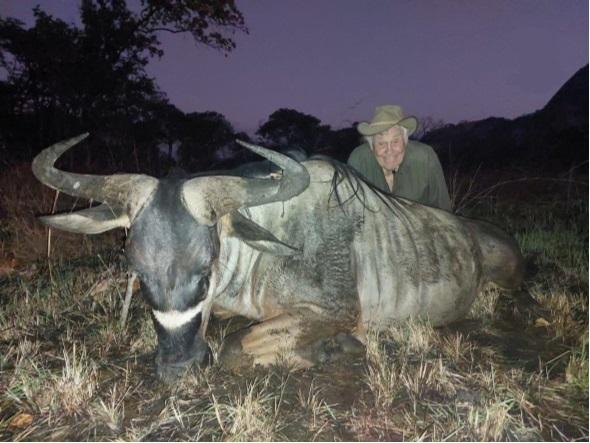
Among the most popular additions is a Wildebeest Hunt for the distinctive Niassa Wildebeest, a subspecies found only in northern Mozambique and highly prized by collectors. Hunters can also enjoy a classic Sable Hunt for the magnificent Roosevelt Sable, widely regarded as one of Africa's most impressive antelope. Other sought-after species include Lichtenstein's Hartebeest, Johnston's Impala, and Warthog, each adding a unique dimension to an already memorable buffalo safari.
For collectors working towards Africa's famous Tiny Ten, Niassa also provides excellent opportunities to pursue Sharpe's Grysbok, Red Duiker, and Blue Duiker. These elusive miniature antelope are seldom encountered on traditional southern African safaris, making them a rewarding addition for hunters looking to expand an already exceptional trophy collection.
Available plains game species and trophy fees include Niassa Wildebeest (US$5,500), Roosevelt Sable (US$5,500), Lichtenstein's Hartebeest (US$3,250), Blue Duiker (US$2,750), Sharpe's Grysbok (US$2,500), Red Duiker (US$2,500), Johnston's Impala (US$1,400), and Warthog (US$800).
Travelling to Niassa begins with an international flight into OR Tambo International Airport (Johannesburg) before connecting to Pemba, Mozambique. Depending on airline schedules, many international hunters choose to overnight in Johannesburg before continuing to Mozambique the following day. Airlines such as Airlink regularly service the Johannesburg to Pemba route and can accommodate travelling hunters with firearms, provided these are declared when booking.
From Pemba, hunters can either undertake the approximately 11-hour road transfer into the concession or arrange a charter flight directly to the nearby landing strip. Although the road journey showcases the remote landscapes of northern Mozambique, most international hunters prefer the charter option as it maximises hunting time and reduces travel fatigue. Charter flights are approximately US$5,000 return, with costs often shared between hunters travelling together.
Once in camp, hunters enjoy comfortable accommodation designed specifically for extended wilderness safaris. Spacious en-suite safari tents provide hot and cold running water, comfortable beds, daily housekeeping, and excellent meals prepared by experienced camp staff. Camps are supported by solar power and generators, while satellite internet allows hunters to stay in contact with home despite the remote wilderness setting. Evenings are typically spent around the campfire discussing the day's hunt and planning the following morning's tracking strategy.
Your outfitter will arrange the necessary Mozambique firearm import permit before arrival. American hunters travelling with firearms should provide a copy of their U.S. Customs Form 4457 (or equivalent firearm licence where applicable), together with passport details and travel itinerary well in advance of departure. Hunters transiting through South Africa will also need to complete the required temporary firearm import documentation before continuing to Mozambique. Current regulations allow a maximum of three firearms, with up to 100 rounds of ammunition per firearm, although import requirements should always be confirmed before travelling as regulations may change.
Not every African Hunting Trip offers the same style of buffalo hunting. Some focus on shorter safaris on privately managed properties, while others are built around tracking free-range buffalo across vast wilderness areas where every opportunity must be earned. This ten-day safari in Niassa is designed for hunters seeking the latter.
If your goal is to experience traditional Cape buffalo hunting in one of Africa's largest unfenced ecosystems, this safari offers exactly that. Days are spent following fresh spoor, working alongside experienced professional hunters and local trackers, and closing the distance on mature hard-bossed bulls through patience, teamwork, and traditional bushcraft. It is a hunt that rewards persistence rather than speed.
This safari also represents exceptional value for a genuine free-range Cape buffalo hunt in one of Africa's premier wilderness areas. Hunters comparing destinations, inclusions, and overall value may also find our guide to African Hunting Safari Prices useful when planning their safari budget and understanding what is included in different African hunting packages.
If you are looking for an authentic wilderness buffalo hunt where the quality of the hunt matters more than the speed of the trophy, Mozambique's legendary Niassa Reserve remains one of Africa's finest dangerous game destinations.
Please note that terms, conditions and price are subject to change without notice and rates at the time of the hunt will apply
You can speak directly with the outfitter before booking. GHS remains available throughout the process.
Needing assistance with firearm permits and international travel services, or good taxidermists? View our affiliated companies
View Affiliated Services