
Free-Range Lion & Buffalo Safari in Niassa
Booking Season: 2026
Hunt Difficulty: Difficult

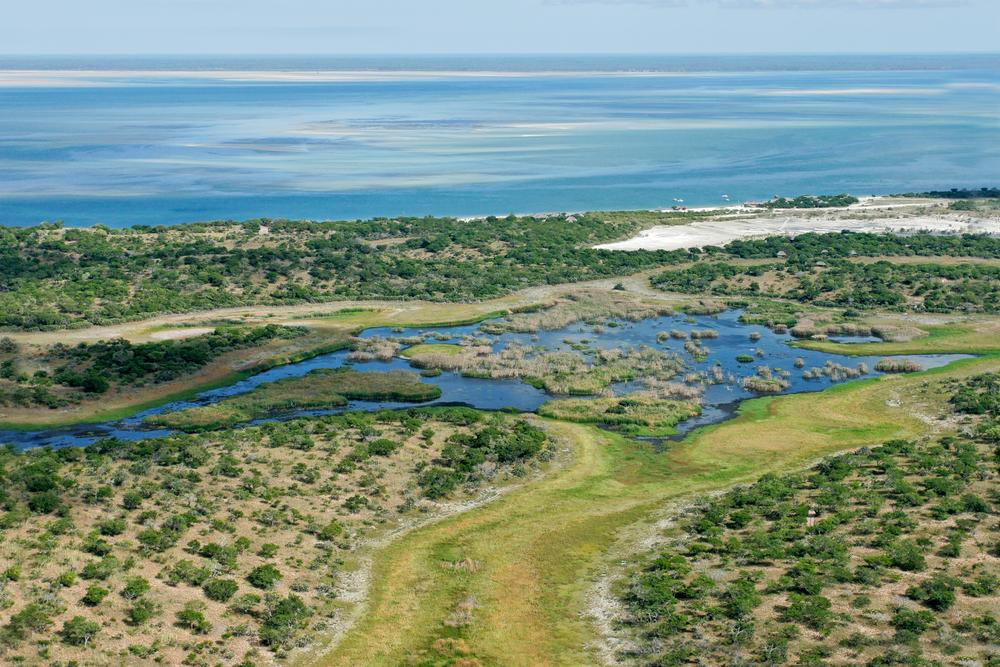
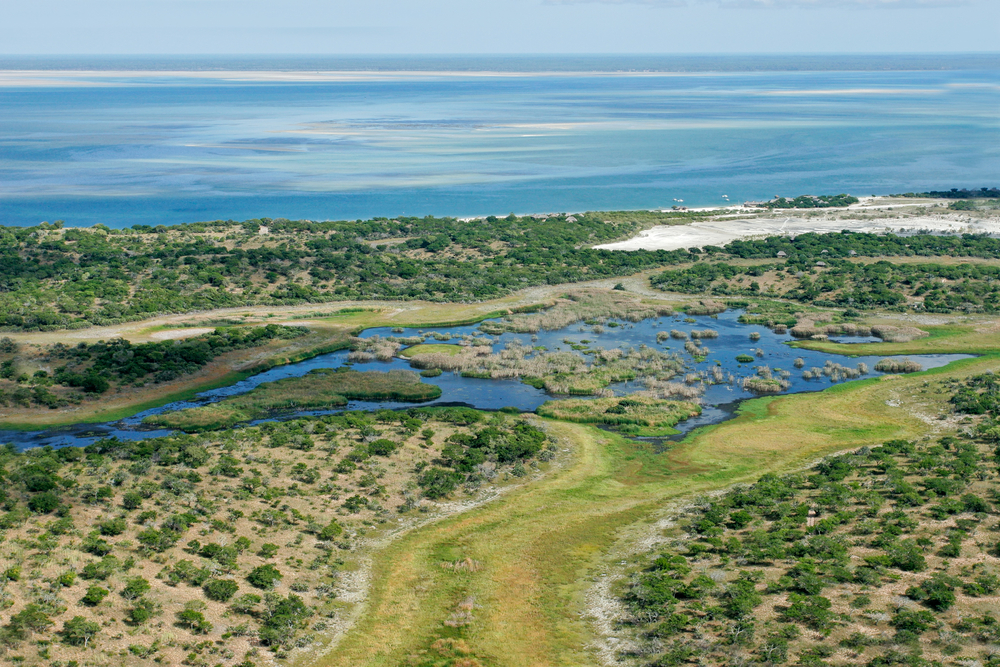
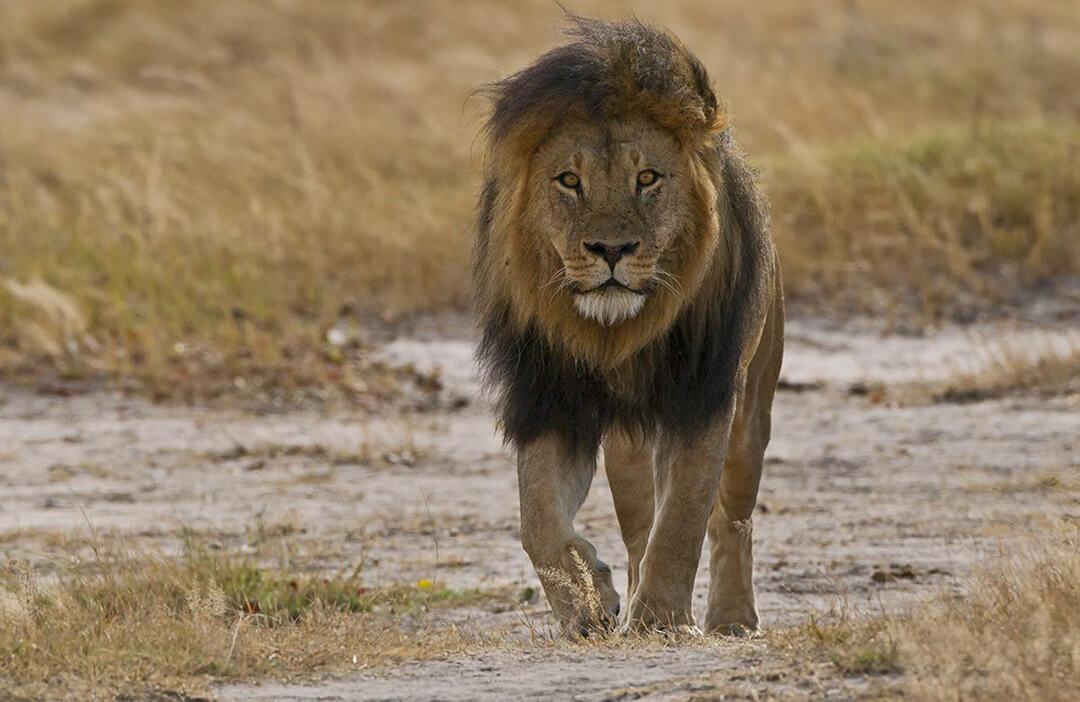
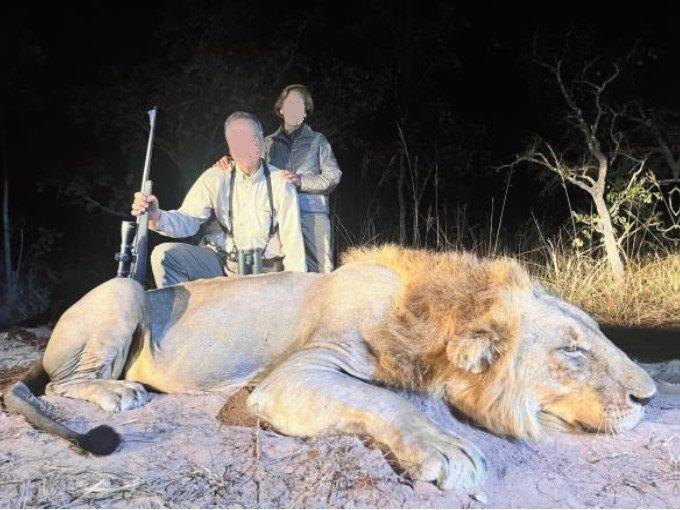
Lion hunting in Mozambique takes place across some of southern Africa's largest and most remote hunting areas. Vast concessions, low human population densities and extensive wilderness give hunters the opportunity to pursue mature free-ranging lions in country that can also hold Cape buffalo, leopard, elephant and abundant plains game.
Mozambique's lion hunting season runs from April through November, with conditions changing considerably as the dry season progresses. Early-season vegetation can make visibility and tracking more difficult, while the later dry months generally concentrate wildlife and make roads and hunting areas easier to access.
The scale and wild character of the country are central to Hunting in Mozambique, particularly when lion is the primary objective. Niassa and other established hunting areas remain closely associated with traditional dangerous game safaris where locating a suitable mature male can require considerable time, patience and miles covered across remote country.
African Lion Hunts in Mozambique are therefore rarely about finding a lion as quickly as possible. The challenge is finding the right lion, in the right circumstances, while allowing enough time for the hunt to unfold properly.
Available Lion Hunts
Free-Range Lion & Buffalo Safari in Niassa
Booking Season: 2026
Hunt Difficulty: Difficult
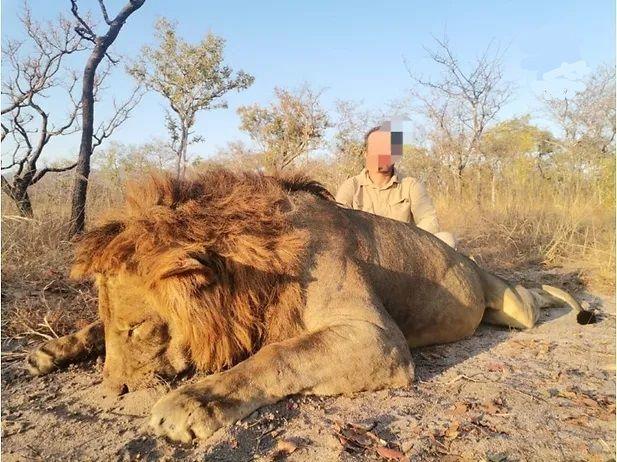
Niassa Full Bag Safari: Lion, Leopard & Buffalo
Booking Season: 2026
Hunt Difficulty: Difficult
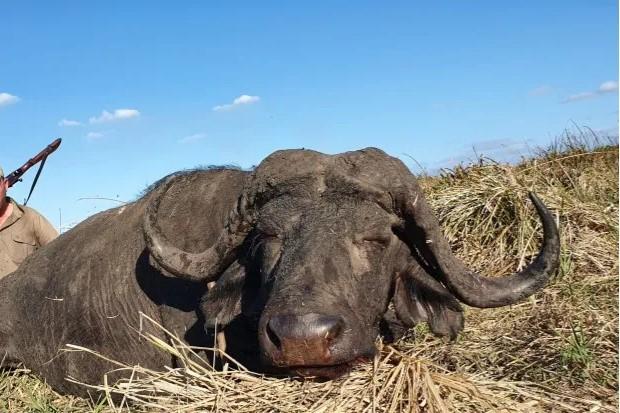
18 Day Lion, Cape Buffalo & Sable Hunt in Niassa
Booking Season: 2026
Hunt Difficulty: Difficult
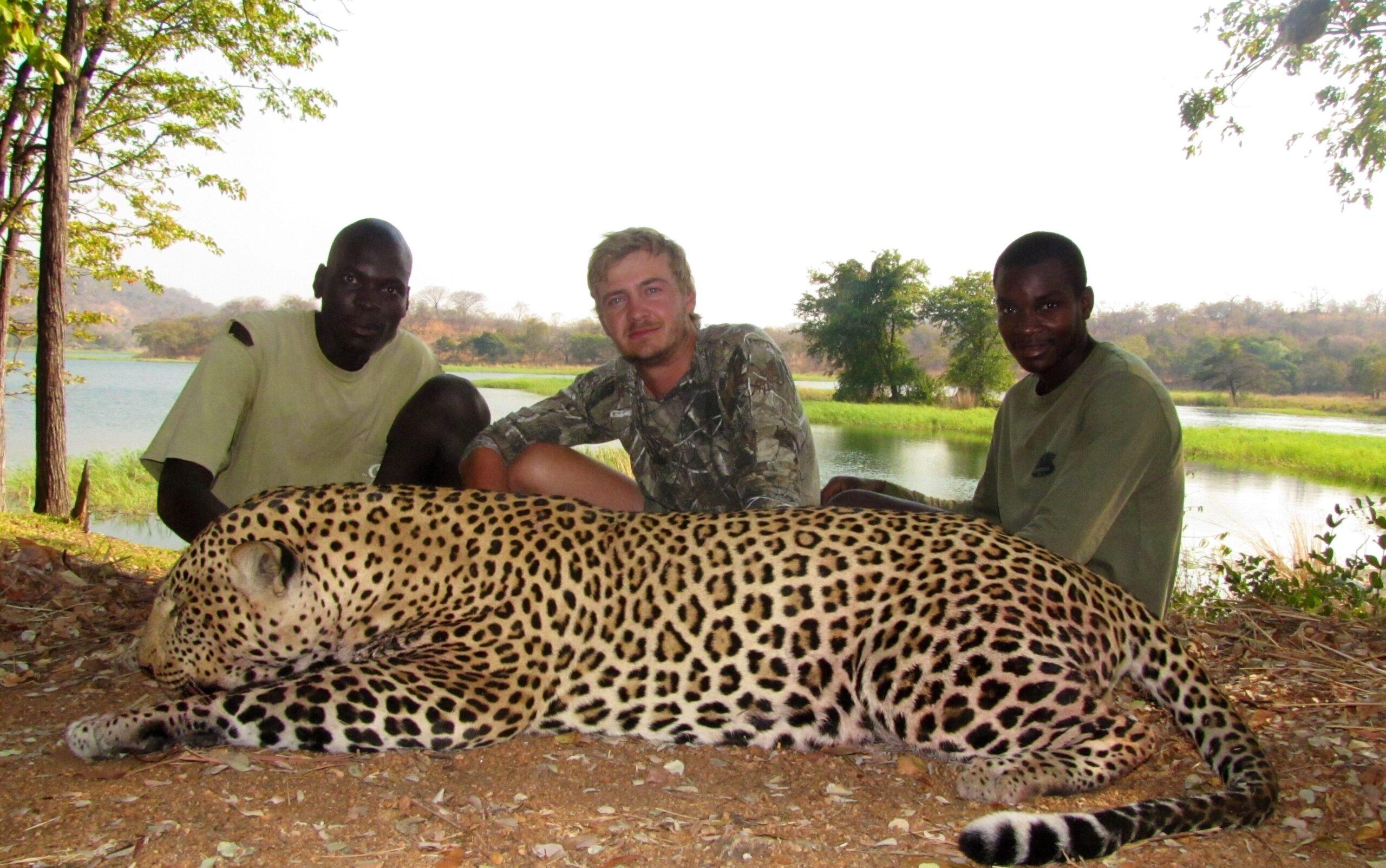
Lion, Leopard & Buffalo Safari in Niassa
Booking Season: 2026
Hunt Difficulty: Difficult
18-Day Free-Range Lion Safari in Niassa
Booking Season: 2026
Hunt Difficulty: Difficult
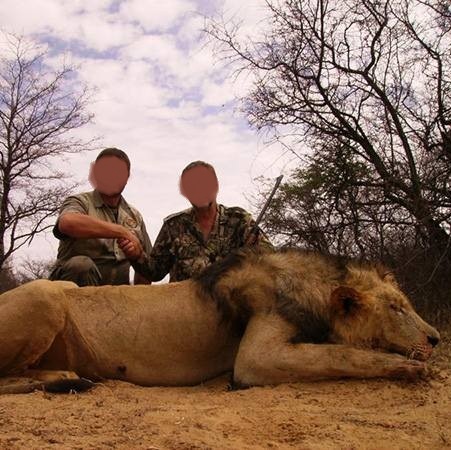
Lion Hunting in Mozambique | Niassa Lion Safari
Booking Season: 2026
Hunt Difficulty: Difficult
Lion hunting in Mozambique only allows the targeting of lions over their main breeding age, at around 6 years old and these hunting safaris usually form a 21-day hunting safari in this popular hunting destination. African lions are classified as “vulnerable” according to the International Union for Conservation of Nature.
Baiting is the most commonly used method when hunting lion in Mozambique. Baits are positioned in areas showing lion activity, with tracks, feeding patterns and trail-camera images helping the Professional Hunter determine whether a suitable mature male is using the area. Once a lion begins feeding consistently, a blind can be positioned according to the prevailing wind, available cover and expected shooting distance.
Tracking may also play an important role. Fresh tracks can help locate lion activity, identify areas where baits should be established and, under suitable circumstances, lead to a hunt on foot. Much of the work takes place long before a shot is possible, and several bait sites may need to be checked repeatedly across a large hunting area.
When an opportunity finally develops, Lion shot placement becomes critical. Lions are heavily muscled through the shoulders and chest, and the preferred shot will depend on the animal's angle and position. A broadside presentation generally provides the clearest opportunity to reach the heart and lungs, while quartering or frontal presentations require careful consideration of the path the bullet must take through the body.
Poorly placed first shots carry serious consequences. A wounded lion can disappear quickly into thick cover, turning the situation into a potentially dangerous follow-up for the entire hunting team. Hunters should therefore be prepared to wait for a shot presentation the Professional Hunter is comfortable with rather than forcing an opportunity simply because a lion has finally appeared.
For a detailed breakdown of broadside, quartering and frontal angles, see our complete Lion Shot Placement guide.
The legal requirement for an African hunt targeting lions is a .375 caliber. A .416 Rigby or a double rifle like a 470NE or 500NE are good choices when lion hunting in Mozambique and soft expanding tips will work well. Other options for a lion hunting safari include a .458 or a .458 Lott. Either way, when lion hunting, use a rifle with which you are familiar and comfortable and which has good stopping power on your lion hunting adventure.
Mozambique remains one of Africa's great destinations for free-range lion hunting. Large wilderness areas, remote concessions and healthy prey populations provide the space for lions to move naturally across extensive hunting country.
The scale of these areas is a major part of the hunt. Locating fresh lion activity, establishing baits and identifying a suitable mature male can require considerable time and patience.
Mozambique is a top-tier lion hunting destination, period. With over 120 hunting concessions and a deep-rooted conservation culture, it provides a vast, natural habitat where lions roam free and hunt by instinct.
Here’s why Mozambique matters:
Mozambique's combination of remote hunting country, free-ranging lions and established dangerous game areas continues to make it an important destination for lion hunting in Africa.
These areas aren’t just beautiful, they’re purpose-built by nature for lion hunts. The bush is thick, the pressure is low, and the cats are out there. It’s your job to earn the shot.
Lion hunting in Mozambique is all about fair chase. You’ll rely on traditional tracking, baiting, and long hours of patient, tactical bush work.
Patience, preparation, and presence of mind are everything. These hunts aren’t guaranteed, and that’s exactly why they matter.
A lion safari in Mozambique is rarely measured simply by the number of days spent looking for lions. Much of the hunt revolves around creating opportunities for the right mature male to be identified and hunted under suitable conditions.
Baits may need to be established across several parts of a hunting area, with tracks, trail-camera images and feeding activity checked repeatedly. A lion may visit once and disappear, another may feed irregularly, while a promising male can take several days before becoming predictable enough for the hunting team to plan around him.
The size of Mozambique's hunting areas adds another consideration. Bait sites can be separated by considerable distances, and checking them may consume much of a morning. Fresh tracks found along the way can change the day's plan completely, while rain, heat, road conditions or lion movement can cost time without producing a hunting opportunity.
This is one reason lion safaris are traditionally longer than many other Dangerous Game Hunts. More days do not guarantee that a suitable lion will be taken. They give the Professional Hunter more time to establish what lions are moving through the area, assess mature males and wait for the right opportunity.
A lion may appear early in the safari. The problem is that nobody can plan a serious lion hunt on the assumption that he will.
To ethically and effectively bring down a lion, serious firepower is required.
Shot placement is critical. This isn’t a volume game, it’s a precision encounter. Front shoulder or slightly quartering-away shots are preferred for maximum penetration and safety.
The lion hunting season in Mozambique runs from April to November, with the best months between May and August. These are the dry season windows, lower grass, easier tracking, and higher predator movement.
Night-time bait checks, early-morning tracks, and long, hot days in blinds are standard. Bring discipline and bush stamina, it’ll pay off when the right male finally steps into frame.
Game Hunting Safaris offers custom-curated lion hunting packages designed for success, comfort, and ethical adventure. Here’s what you can expect:
Expect 21-day hunts for lion, often paired with Cape buffalo or leopard for a classic dangerous game trifecta.
A longer lion safari can also create opportunities to pursue other species where quota, permits and the hunting area allow. Cape buffalo and leopard are natural considerations in some areas, while plains game may provide additional hunting opportunities as the safari progresses.
The primary lion should still determine how the hunt is planned. Bait checks, fresh tracks or new lion activity can change the day's priorities quickly, so secondary species need to fit around the main objective rather than compete with it.
This flexibility is one of the attractions of Big Game Hunting in Mozambique. A longer safari provides time to pursue more than one objective without turning the hunt into a race through a trophy list.
Lion hunting in Mozambique operates under CITES and DINAF regulations, ensuring every hunt contributes to conservation funding and anti-poaching initiatives. Quotas are strictly limited, and permits are monitored to ensure long-term sustainability.
Ethical lion hunting supports rural communities, protects the species through managed population control, and provides income that secures vast swathes of wilderness from illegal encroachment.
Yes. Mozambique supports wild lion populations across several large wilderness landscapes, including Niassa and other established conservation and hunting areas. Lion distribution varies across the country, with hunting limited to areas where quota and permits allow it.
Lion hunts in Mozambique are traditionally longer dangerous game safaris, with 21-day hunts commonly associated with lion. The additional time allows for baiting, tracking, monitoring lion activity and identifying a suitable mature male rather than simply taking the first lion encountered.
Mozambique's hunting season runs from April through November, with conditions becoming progressively drier as the season develops. Vegetation, road access, water availability and lion movement can all change during this period, so the best timing can also depend on the particular hunting area.
Baiting is the most common method, supported by tracking, trail cameras and repeated checks for lion activity. Fresh tracks help Professional Hunters determine where lions are moving and where hunting effort or additional baits should be concentrated.
Yes, provided the hunting area has the necessary quota and permits for both species. The length of a lion safari can provide an opportunity to pursue Cape buffalo as a secondary objective, although lion activity will normally determine the priorities of the hunting team.
Finding lion activity is only part of the process. A suitable mature male must be identified, his movements understood and an appropriate hunting opportunity created. Baits may need to be checked across large distances, and a lion that appears once may not return. Additional hunting days provide time to deal with that uncertainty; they do not guarantee success.
Planning a Mozambique lion safari starts with the hunting area, available lion quota and enough time to pursue a suitable mature male properly. The possibility of adding buffalo, leopard or plains game can then be considered around the primary objective.
When comparing Hunting Trips in Africa, lion hunts in Mozambique should be judged on far more than safari length or price. The quality of the hunting area, experience of the lion hunting team, current quota and logistics involved in reaching remote country all matter when deciding whether a particular safari is the right fit.
Search from our range of Hunts across various popular destinations in Africa.

Book Your Hunt