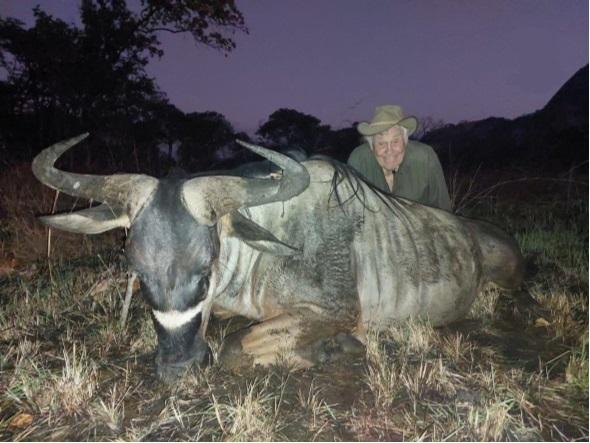
Cape Buffalo, Roosevelt Sable & Niassa Wildebeest Hunt in Mozambique
Booking Season: 2026
Hunt Difficulty: Difficult

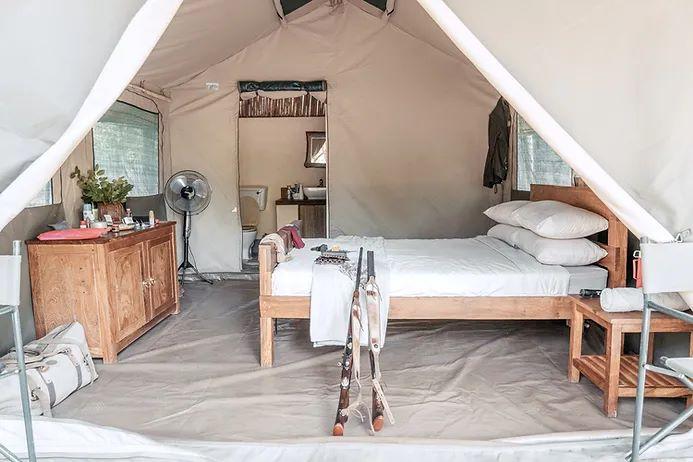
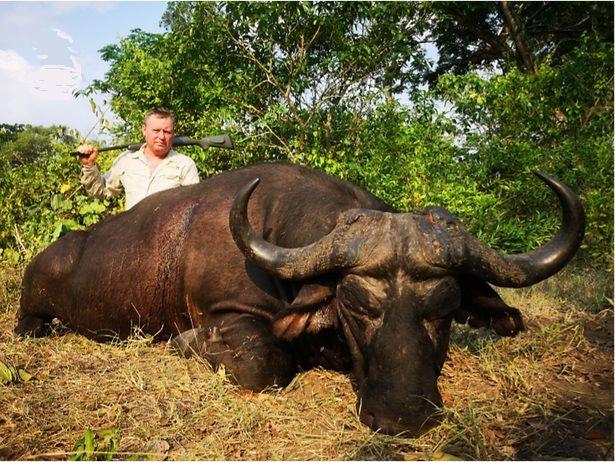
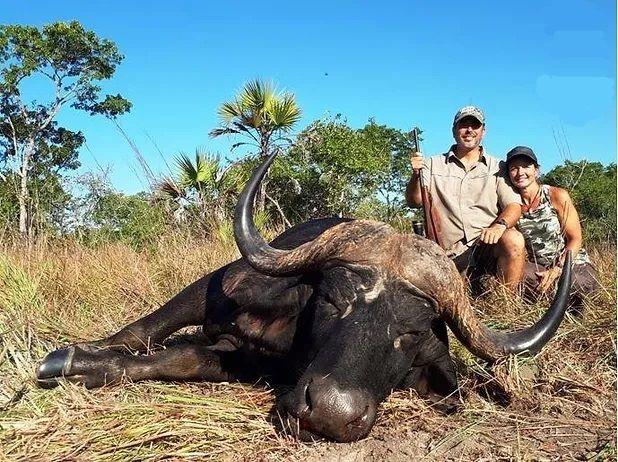
Comfortable East African safari camp with spacious en-suite luxury tents, excellent meals, daily laundry service, reliable power, and attentive camp staff in the heart of the Niassa wilderness
The Niassa hunting areas consist primarily of dense Miombo woodland, open savanna, seasonal river systems, and thick riverine bushveld habitat typical of remote East Africa. Sandy soils, dry riverbeds, floodplains, and extensive unfenced wilderness create ideal conditions for traditional tracking safaris conducted on foot in truly wild terrain.
| Fence Type: | Free-range |
| Nearest Airport Name: | Pemba Airport |
| Nearest Town Name: | Pemba |
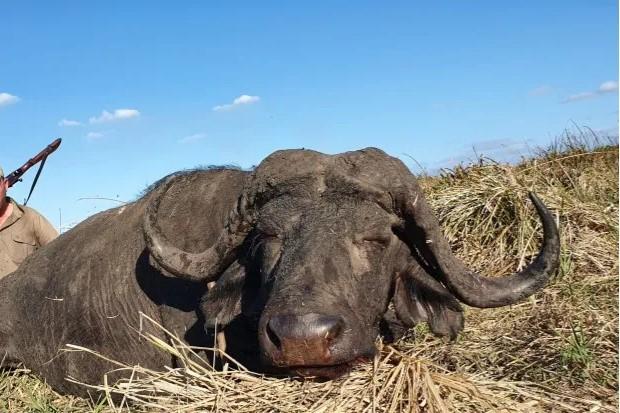
Hunting lion, Cape buffalo, and Roosevelt sable on the same safari demands a different mindset every day. Although all three species share the same wilderness, each presents its own unique challenge, requiring hunters to adapt their pace, tactics, and expectations as the safari unfolds.
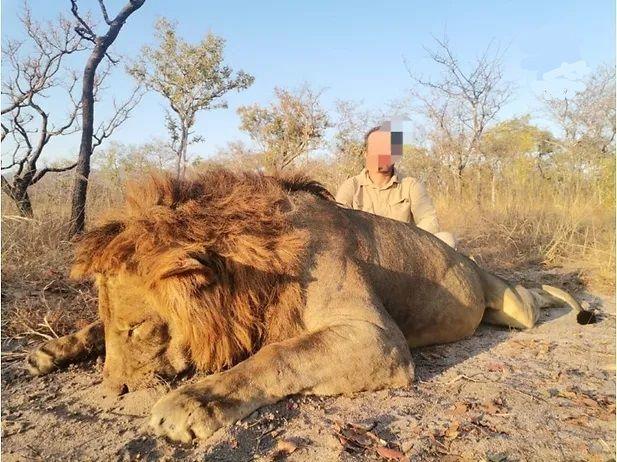
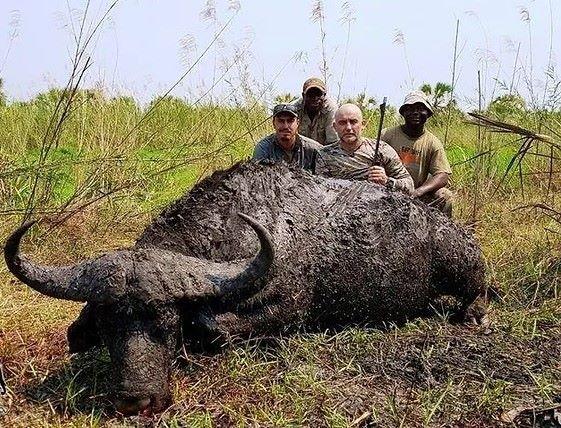
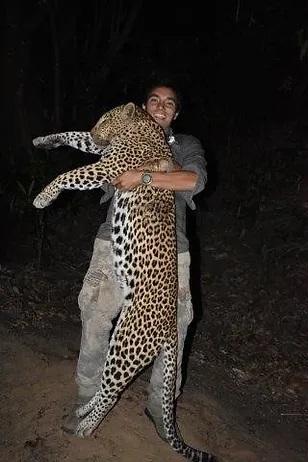
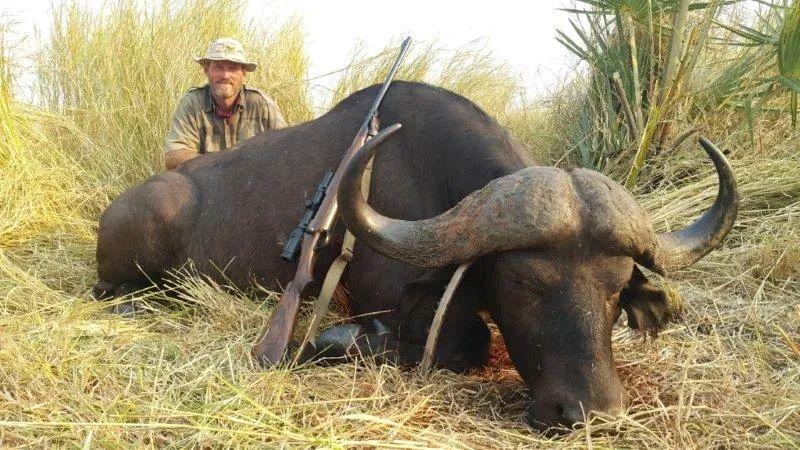
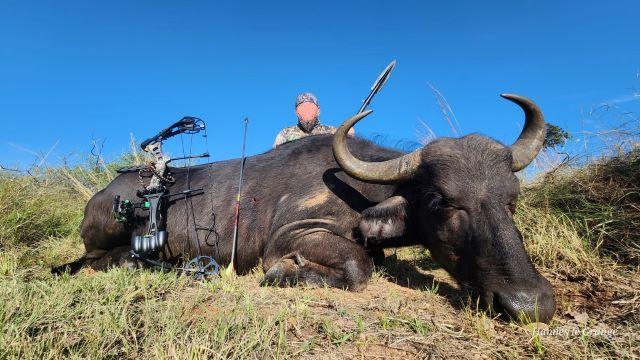
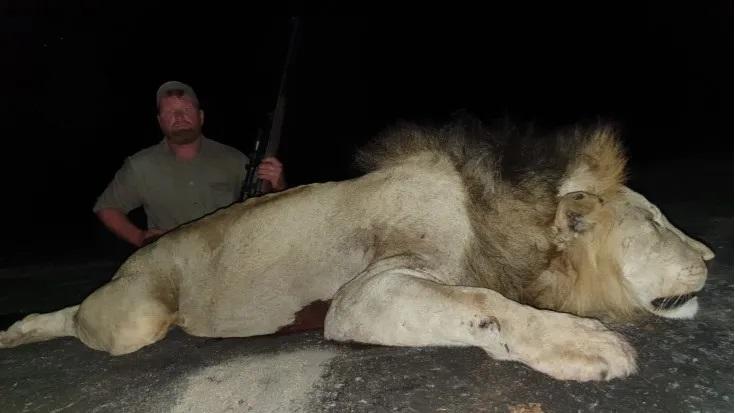
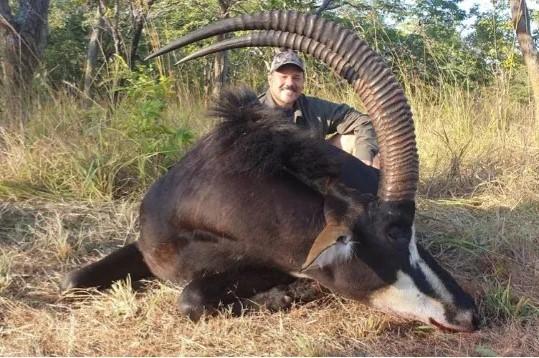
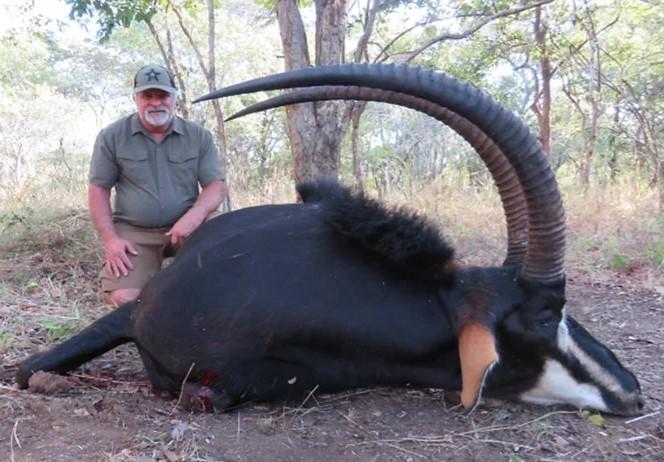
Lion hunting is built on patience and careful planning. Long hours may be spent checking baits, reading tracks, and waiting for the right mature male to commit before a stalk even begins. Buffalo hunting is almost the opposite, rewarding hunters who are prepared to cover ground on foot, trust their trackers, and remain calm when fresh spoor suddenly turns into a close encounter. Roosevelt sable add another dimension entirely, testing observation, fieldcraft, and the ability to judge a truly mature bull in dense miombo woodland.
For hunters pursuing the legendary Big Five Hunting challenge, this safari combines two of Africa's most respected dangerous game animals in one of the continent's last great wilderness ecosystems. Success depends less on luck than on patience, teamwork, and making good decisions when opportunities finally present themselves.
Whether following the tracks of an old Dagga Boy, waiting for a mature lion to approach a bait, or stalking a magnificent Roosevelt sable through the woodland, every trophy on this safari must be earned. That is exactly why Niassa remains one of Africa's most respected destinations for serious dangerous game hunters.
Duration: 18 Full Hunting Days
Hunter Ratio: 1 Hunter : 1 Professional Hunter (1×1)
Species: Lion, Cape Buffalo & Roosevelt Sable
Daily Rate: US$48,600 (Trophy Fees Excluded)
Observers: Welcome at US$350 per person per day
Hunting Season: 1 April – 30 November
Lion Export: Lion trophies from Mozambique are currently exportable to the United States and the European Union.
The Niassa Province in Mozambique
Grant and his team have been conducting hunting safaris in Mozambique since 2005 and are well known within the African hunting industry for professionally managed dangerous game safaris in some of the country’s most remote wilderness areas.
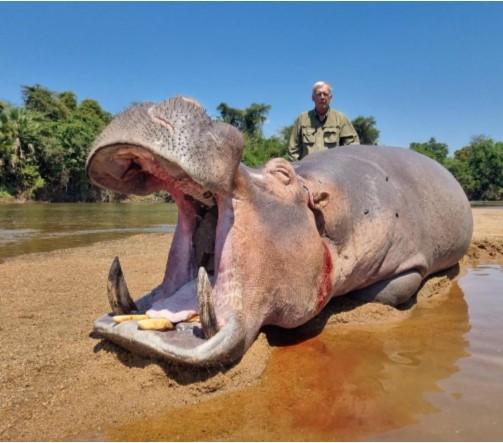
Specializing in cape buffalo hunts, Lion safaris, and traditional East African dangerous game hunting, the operation also offers a wide variety of plains game species throughout carefully selected concessions in Mozambique. In the Cahora Bassa region, Grant additionally conducts renowned hippo hunts and Nile Crocodile safaris, with Lake Cahora Bassa producing some exceptionally large crocodiles each season.
The hunting season in Mozambique generally runs from 1 April through to 30 November, with cooler winter months often providing the most comfortable hunting conditions and best tracking opportunities.
These free-range hunting concessions extend across more than 3 million acres of unfenced wilderness in northern Mozambique, consisting of vast Miombo woodland, river forests, open grasslands, seasonal floodplains, and dense bushveld habitat. The terrain is ideal for traditional dangerous game hunting on foot and offers hunters an authentic East African safari experience in truly wild conditions.
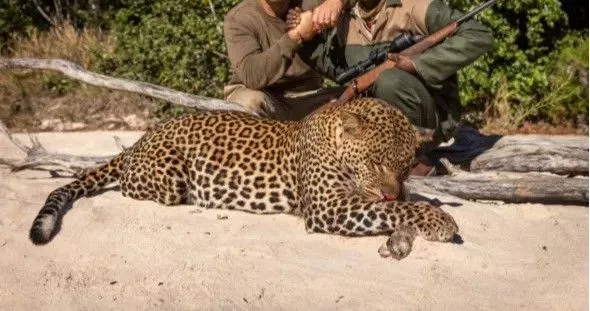
The Niassa ecosystem supports exceptional populations of dangerous game species, with Elephant frequently encountered throughout the concession areas and Leopard also well established across the region. In addition to outstanding Lion and Cape Buffalo hunting, the area is equally respected for quality sable hunts together with a wide variety of antelope species including Lichtenstein’s Hartebeest, Livingstone Eland, Nyala, Waterbuck, Kudu, Bushbuck, Bohm’s Zebra, and the famous Niassa Wildebeest.
Hunters wishing to extend their safari can also combine the dangerous game package with additional plains game hunts available throughout the concession areas.
Some safaris are remembered because of the animals taken. Others are remembered because of the stories they create.
An eighteen-day expedition into the Niassa wilderness belongs firmly in the second category. Long before the first shot is fired, each day begins with fresh tracks, changing wind, and the quiet anticipation that something extraordinary could happen before sunset. The trophies matter, but they are only part of the story.
For American hunters, opportunities like this become increasingly rare. Finding a place where free-range lion, Cape buffalo, and Roosevelt sable can still be hunted across millions of acres of unfenced wilderness is difficult enough. Finding the time to undertake a safari of this scale is often the greater challenge.
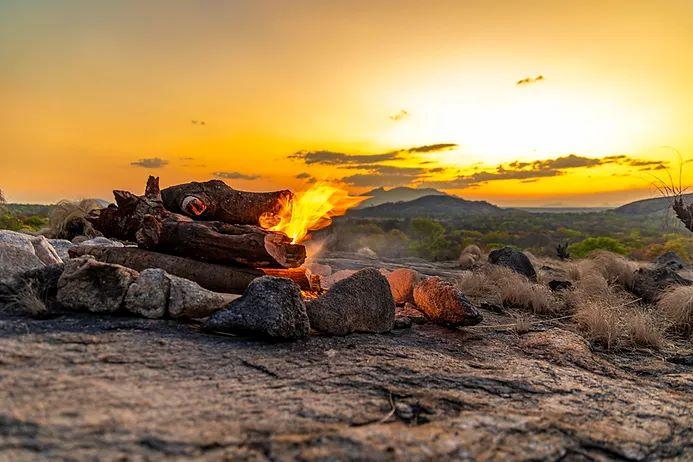
Years from now, few hunters remember every measurement written on a score sheet. They remember the lion roaring before daylight, the old Dagga Boy that appeared without warning, the sable bull that refused to leave the woodland, the trackers who shared every success, and the campfire conversations at the end of another remarkable day.
Those are the memories that never make it into the trophy room, but they are often the ones that matter most.
Reaching Niassa is part of what makes this safari so special. International hunters will typically arrive at OR Tambo International Airport (JNB) in Johannesburg before connecting on a regional flight to Pemba, Mozambique. From Pemba, a pre-arranged charter flight transfers hunters directly into the Niassa concession, crossing hundreds of miles of untouched wilderness that few people ever have the opportunity to experience.
Because the hunting areas lie deep within one of Africa's last great wilderness regions, road access is extremely limited, making charter flights the safest and most practical way to reach camp. Return charter flights are approximately US$5,000, although costs may be shared when multiple hunters travel together. As charter availability is limited during the hunting season, flights should be arranged well in advance through your outfitter.
Once in camp, hunters enjoy comfortable East African safari accommodation designed to complement the wilderness rather than distract from it. Spacious en-suite safari tents, hot and cold running water, reliable solar or generator power, excellent meals, daily laundry service, and attentive camp staff provide everything needed after long days pursuing lion, buffalo, and Roosevelt sable across the Niassa wilderness.
Although wonderfully remote, the camps remain well equipped with satellite communications for emergencies, while some locations also offer limited mobile phone coverage and data reception. Evenings are often spent around the campfire sharing stories from the day's hunt before preparing for another day in one of Africa's last truly wild dangerous game destinations.
Few hunting destinations still offer the opportunity to pursue free-range lion, Cape buffalo, and Roosevelt sable across millions of acres of unfenced wilderness. Niassa remains one of those rare places where dangerous game is hunted in the traditional East African way—on foot, with experienced Professional Hunters, skilled local trackers, and no guarantees beyond an honest opportunity.
For hunters comparing different African Hunting Trips, this safari represents one of the continent's most complete dangerous game combinations. It brings together two iconic Big Five species and one of Africa's finest antelope in a remote wilderness that has changed very little over the decades.
If you're still deciding which safari best suits your hunting ambitions and budget, our guide to African Hunting Safari Prices explains how daily rates, trophy fees, travel costs, and destination all contribute to the overall investment. Whether this is your first dangerous game safari or the next chapter in a lifetime of African hunting, Niassa remains one of the continent's most authentic wilderness hunting destinations.
Please note that terms, conditions and price are subject to change without notice and rates at the time of the hunt will apply
Needing assistance with firearm permits and international travel services, or good taxidermists? View our affiliated companies
View Affiliated Services