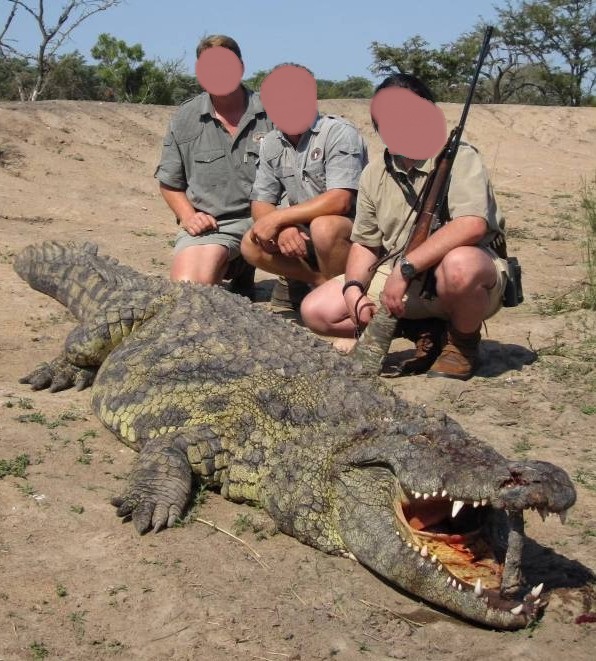
Non-Exportable Crocodile Hunt in Namibia’s Caprivi Strip
Booking Season: 2026
Hunt Difficulty: Moderate, Difficult


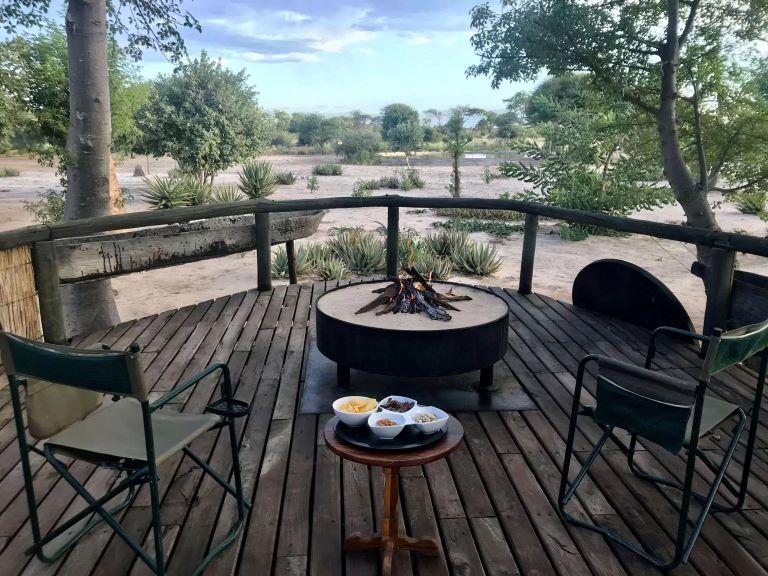
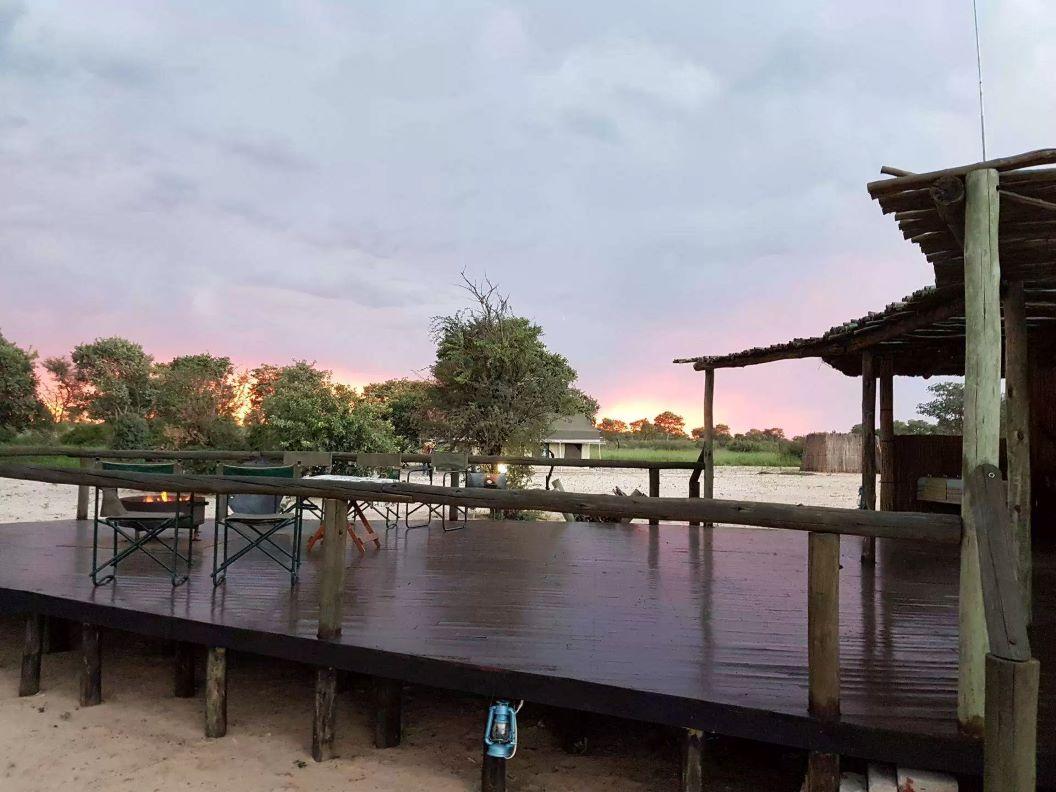
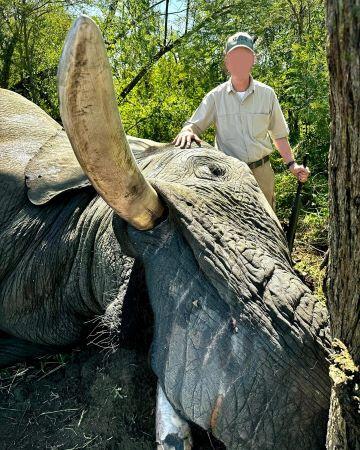
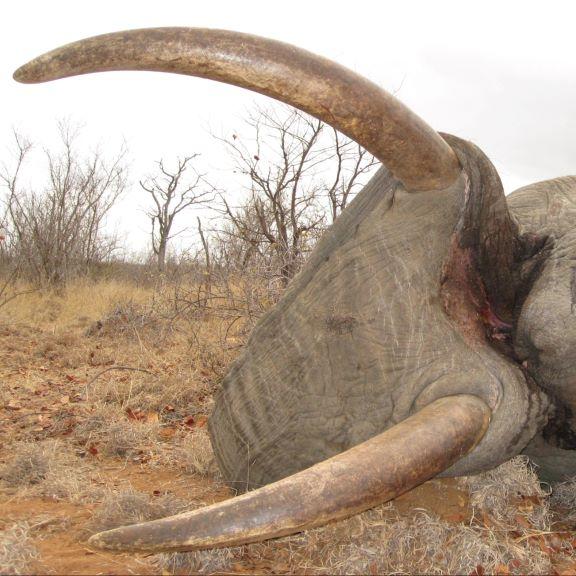
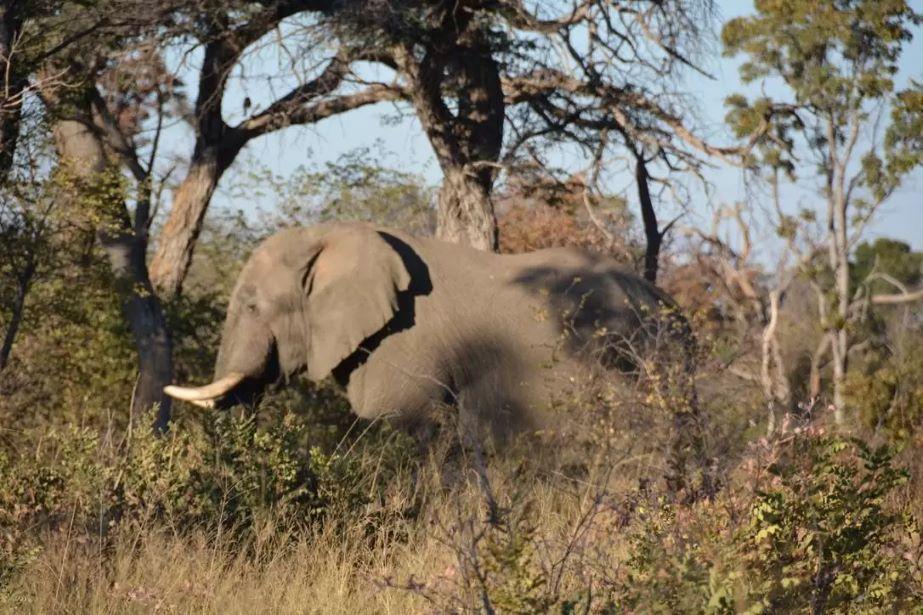
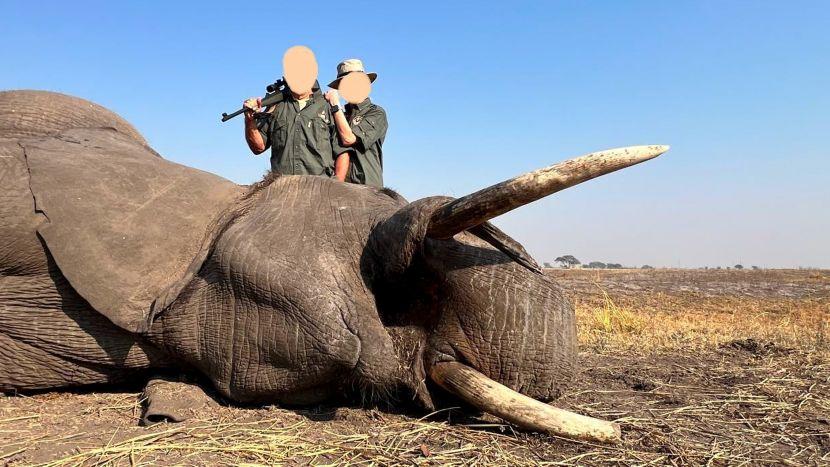
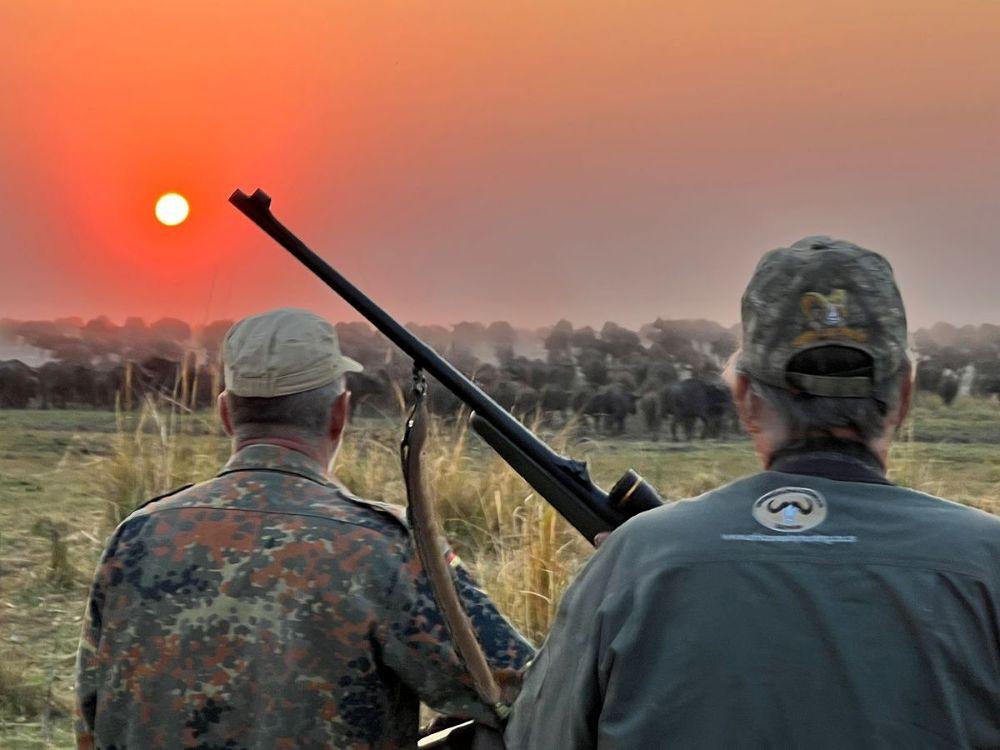
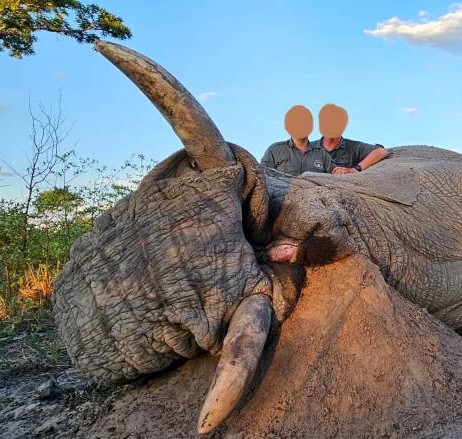
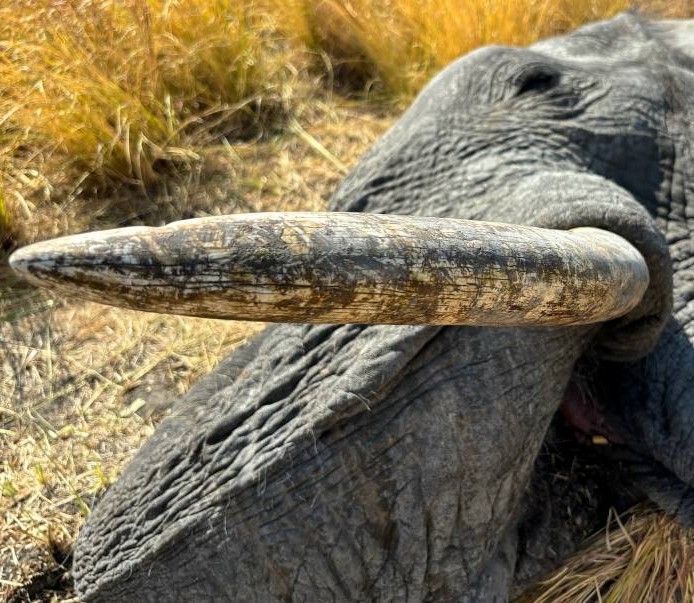
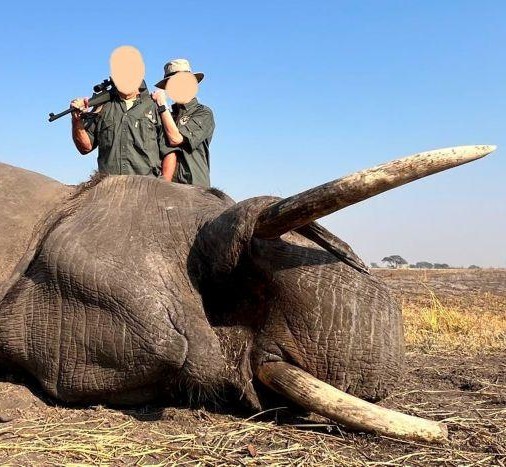
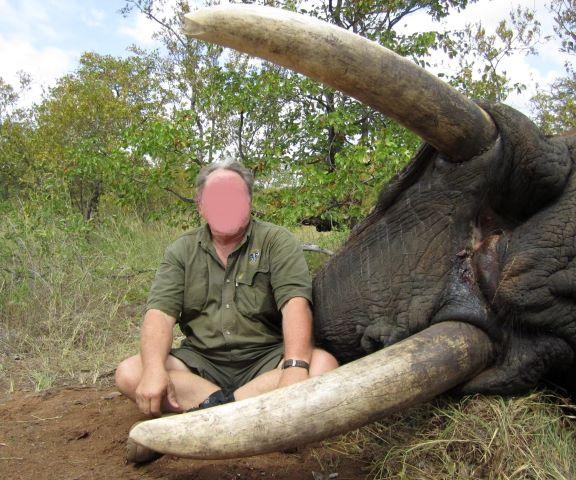
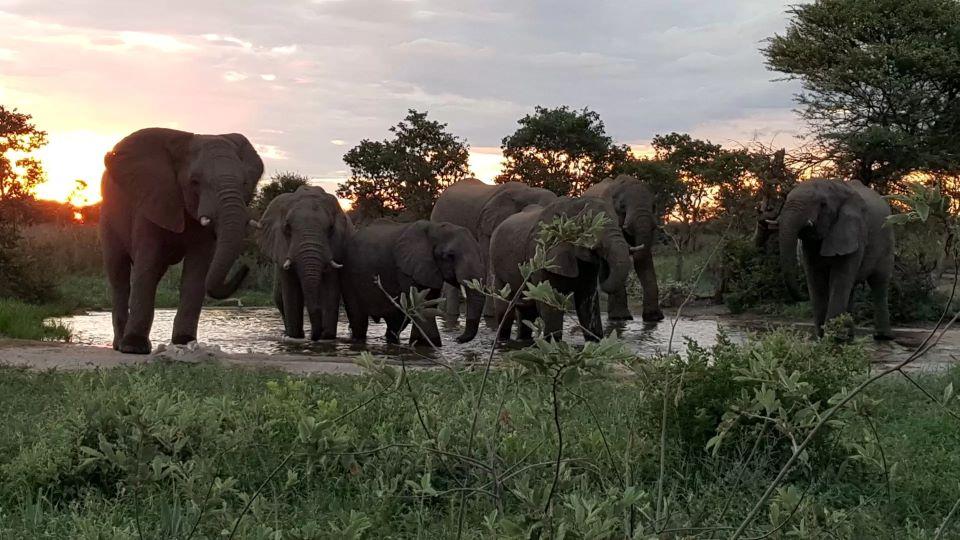
The hunting areas of the Caprivi Strip consist primarily of flat floodplains, riverine bush, reed-lined waterways, and dense woodland bordering the Chobe and Zambezi river systems. Seasonal wetlands, sandy tracks, and thick vegetation create ideal habitat for free-range Elephant and other dangerous game species while providing excellent conditions for traditional tracking safaris on foot.
| Fence Type: | Free-range |
| Transfer From Airport: | Yes |
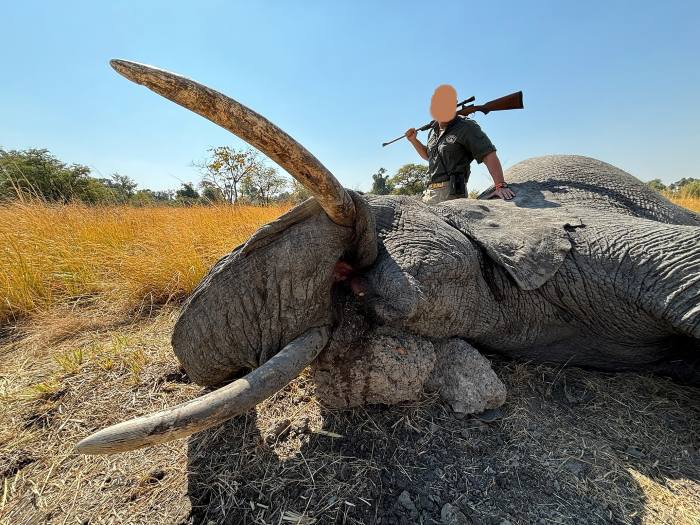
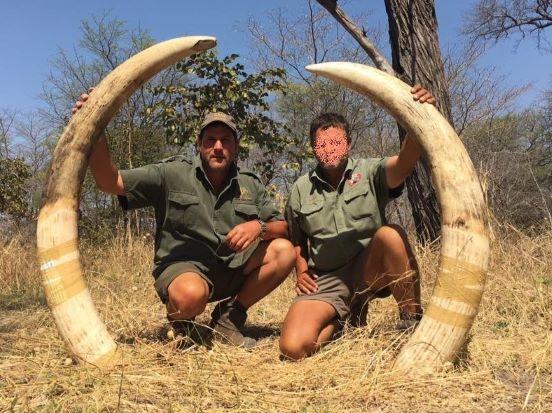
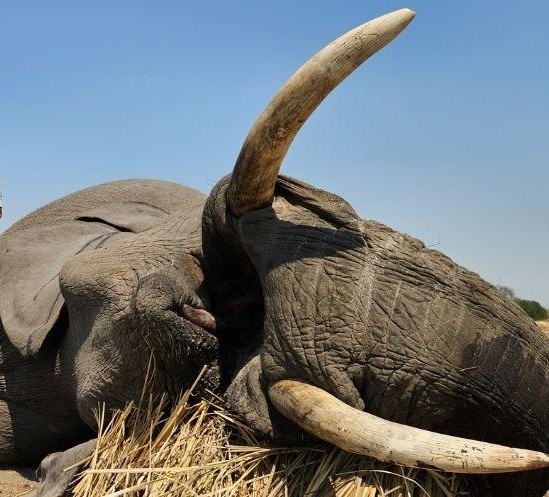
Experience authentic free-range elephant hunts in the remote wilderness of Namibia’s Caprivi Strip, where vast floodplains, river systems, and unfenced conservancies provide one of Africa’s last truly wild dangerous game hunting environments. Conducted by experienced professional hunters and trackers, this safari focuses on traditional fair-chase hunting methods and close-range encounters with mature bulls in thick riverine habitat.
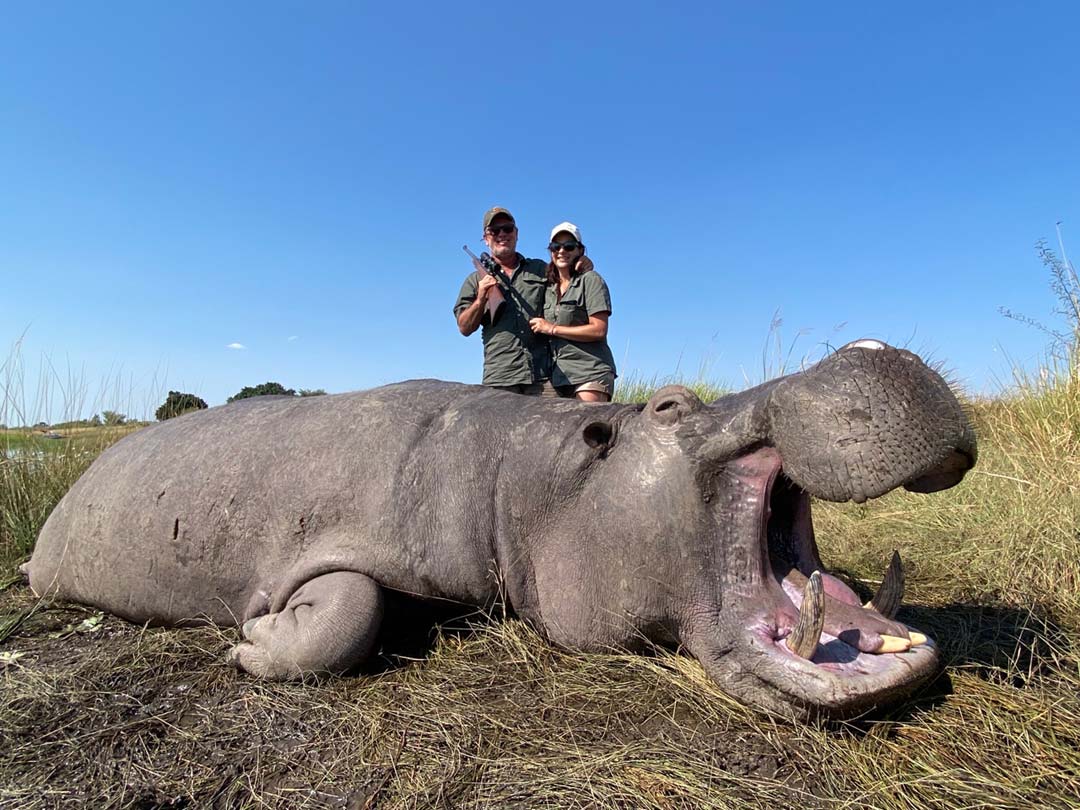
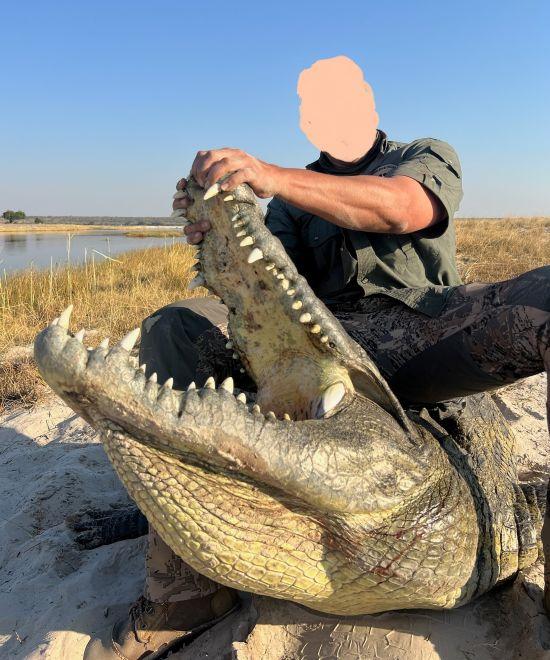
For hunters researching hunting in Namibia, the Caprivi region offers exceptional dangerous game opportunities together with healthy populations of Cape Buffalo, Hippo, and Nile Crocodile. Hunters interested in learning more about regional safaris can also explore our dedicated guide to hunting elephant in Namibia before planning their adventure.
US$18,600 All-Inclusive
The Caprivi Strip - Namibia's Elephant Hunting Wilderness
For many dangerous game hunters, pursuing a free-range Elephant on foot remains one of Africa’s dangerous game hunting experiences. Hunting mature bulls at close range in the floodplains and riverine bush of the Caprivi Strip offers a level of intensity, challenge, and adrenaline few other safaris can match.
While this is a non-export Elephant safari, hunters benefit from avoiding many of the additional costs typically associated with trophy exportation, including Dip & Pack, international shipping, taxidermy, and export permits. These limited permits are tightly controlled through Namibia’s conservation authorities, making opportunities such as this increasingly rare and highly sought after among experienced dangerous game hunters.
This safari focuses on the challenge, discipline, and excitement of traditional fair-chase Elephant hunting in one of Africa’s last true wilderness regions. While the trophy remains in Namibia under the terms of the permit, hunters will experience the intensity of tracking mature bulls at close range in remote unfenced conservancies.
Issued under Namibia’s sustainable conservation and community utilization programs, these hunts directly benefit local communities throughout the region. Meat from the harvested Elephant is distributed within surrounding villages, contributing valuable food resources and reinforcing the importance of responsible wildlife management and conservation.
For many hunters, tracking a mature Elephant bull on foot through the floodplains and river systems of the Caprivi remains one of Africa's most memorable hunting experiences.
These Elephant hunts operate under Namibia’s sustainable conservation and community utilization programs, where local communities directly benefit from regulated hunting activities and wildlife management. Meat from the harvested Elephant is distributed within surrounding villages, providing an important source of food and supporting local livelihoods throughout the region.
The dry winter months are the preferred for a big game hunt in Namibia and run from May to September. Temperatures during the dry season are more pleasant, with lower levels of humidity and a reduced risk of dehydration. In the hotter and wetter summer months, other critters such as ticks, spiders and insects are more active which can make an Elephant hunt most unpleasant.
The Caprivi Strip is classified as a “Malaria Area”, so speak with your medical practitioner re obtaining a script for Chloroquine or Doxycycline before commencement of the hunting safari.
Free-Range Elephant Hunting
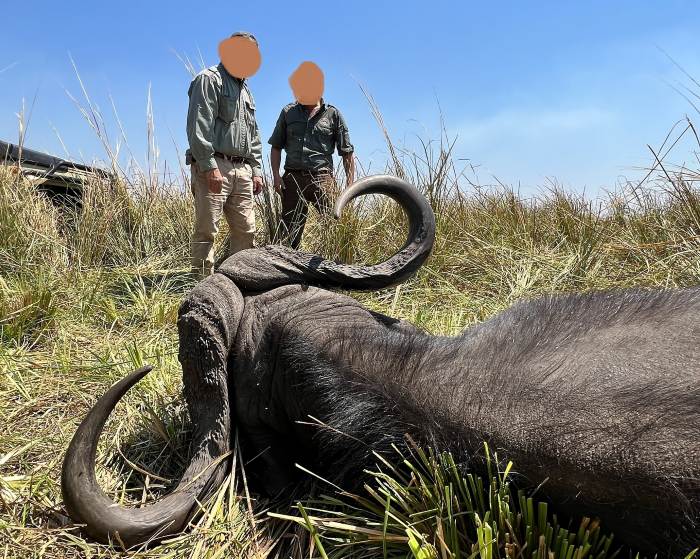
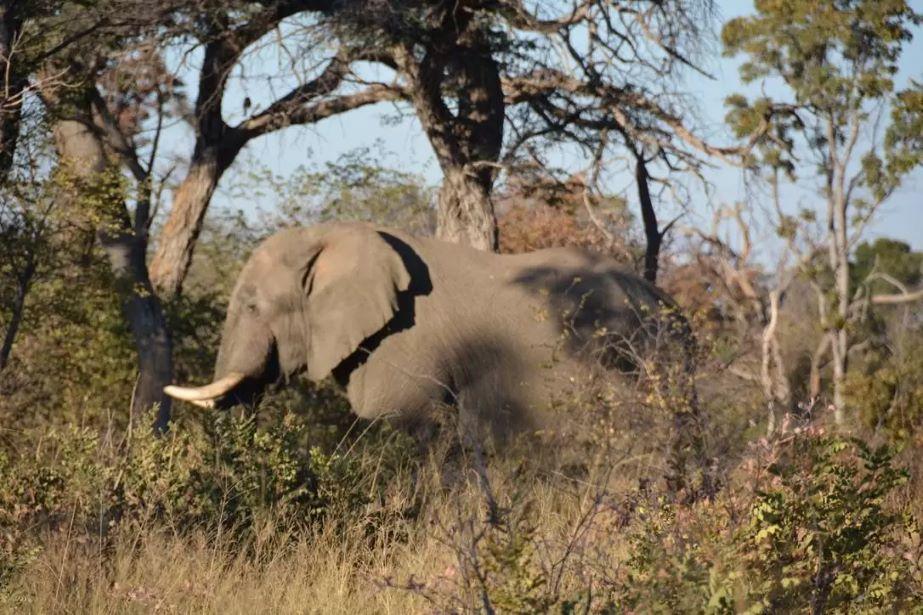
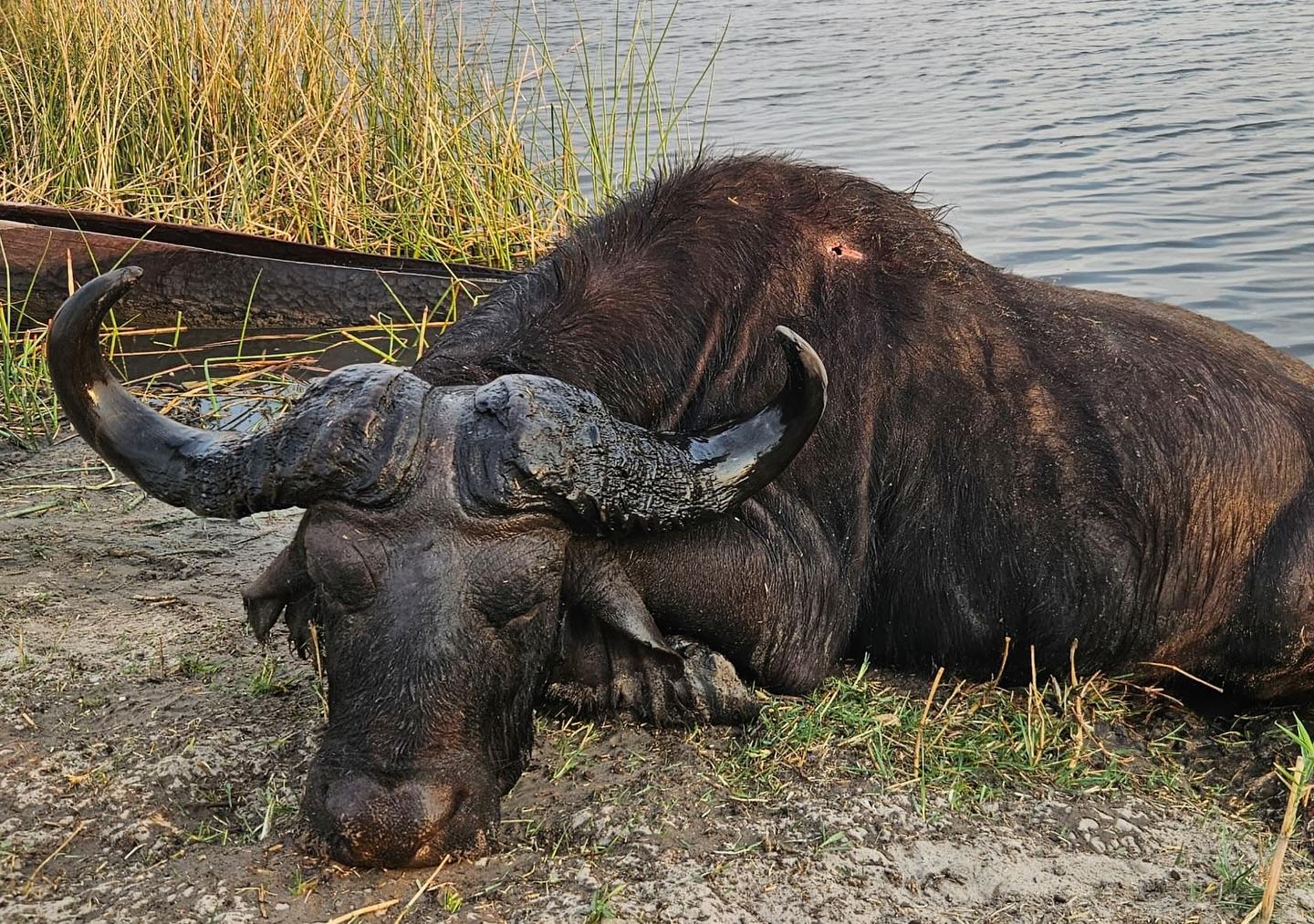
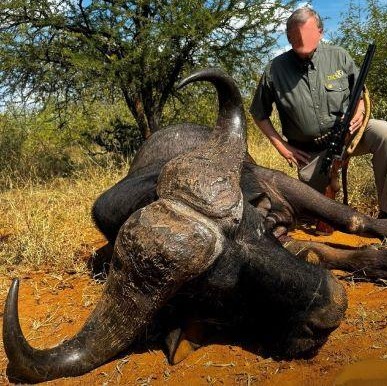
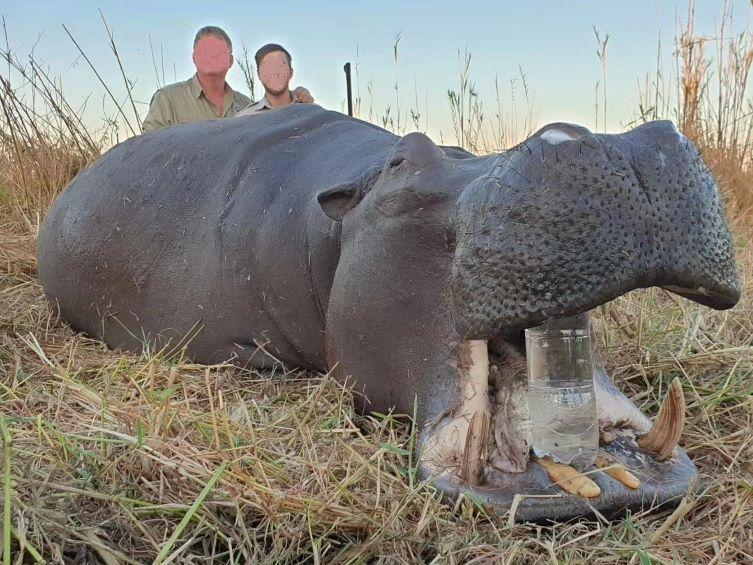
The Caprivi Strip supports healthy populations of free-range Elephant throughout its floodplains, river systems, and dense riverine bush, offering hunters an authentic safari in one of Africa’s last true wilderness regions. In addition to exceptional Elephant hunting, the area is also well known for outstanding cape buffalo hunts, together with healthy populations of Hippo and Nile Crocodile along the waterways of the Zambezi region.
While both Black and White Rhino occur elsewhere in Namibia, Rhino hunting is conducted in central and northern parts of the country and not within the Caprivi Strip itself.
The challenge of this safari lies in tracking mature bulls on foot through thick vegetation, floodplain habitat, and riverine bush before carefully stalking into shooting range at close quarters. Hunters interested in other dangerous game opportunities in the region can also explore our dedicated hippo hunts across Africa.

This is a true free-range, fair-chase Elephant hunt conducted in the remote wilderness of Namibia’s Caprivi Strip. Days typically begin early, with trackers and professional hunters searching for fresh sign along river systems, floodplains, and dense riverine bush before beginning the stalk on foot.
Hunting methods vary according to seasonal flood levels and terrain conditions, with hunters covering embankments, floodplains, and waterways either on foot or by traditional Makoro through sections of the swamp systems. While the terrain is generally flat and manageable, conditions can quickly become challenging when tracking through wet floodplain areas and thick vegetation.
Once fresh spoor or a suitable bull has been located, the final stalk becomes a test of patience, composure, and accurate shooting at close range. Hunters preparing for the safari are encouraged to review our professional guide to Elephant Shot Placement, as shot angles and anatomy can vary considerably depending on distance and the position of the bull.
Observers on Safari
The Caprivi Strip is an excellent destination for hunters traveling with a spouse, partner, or observer. Comfortable tented accommodation, quality dining, and the scenic river systems of the region create a relaxed and enjoyable safari atmosphere for both hunters and non-hunters alike.
Beyond the hunt itself, the region offers exceptional wildlife viewing, birdlife, river scenery, and opportunities to experience the remote wilderness and cultural character of this unique part of Southern Africa.

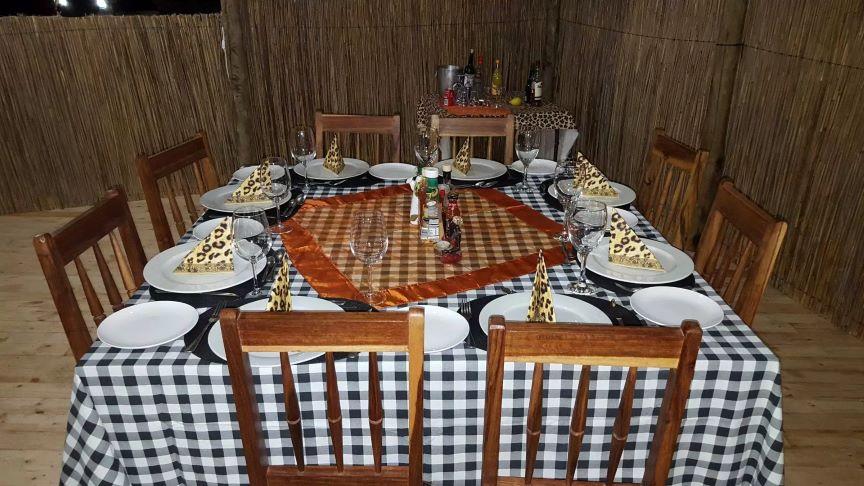
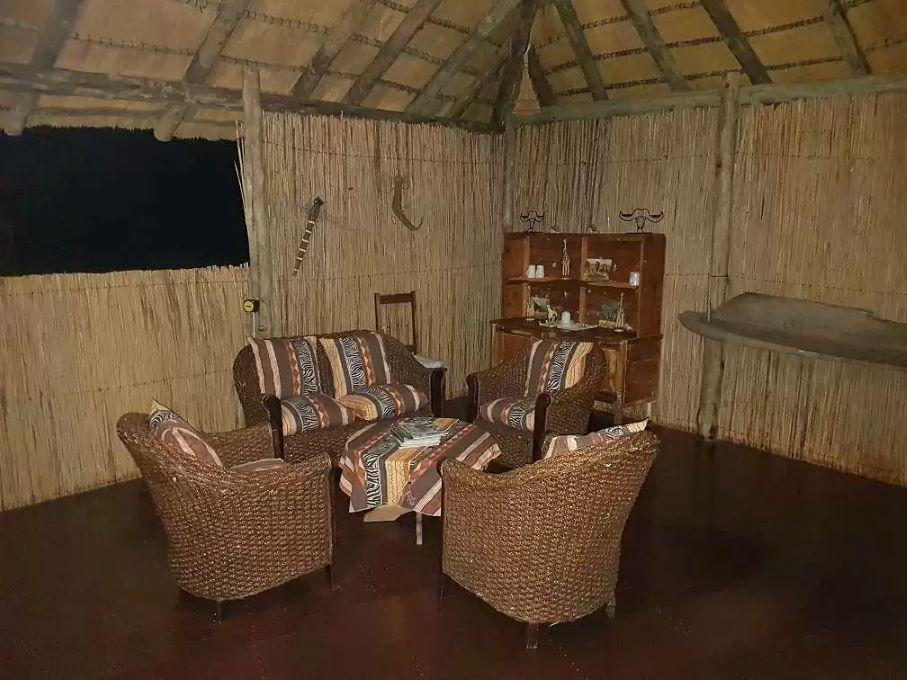
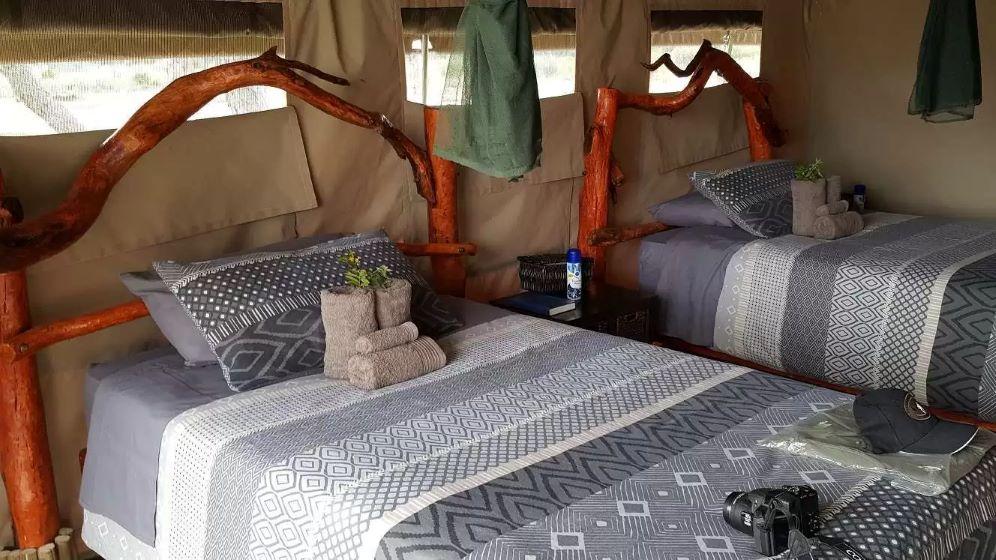
Accommodation is provided in a classic luxury tented safari camp situated on the banks of the Chobe River. The camp features comfortable en-suite tents, generated electricity, private patios, fire-pit areas, and traditional lapa facilities, creating a relaxed and authentic African safari atmosphere.
Each tent is spacious and comfortably furnished, with excellent views over the surrounding wilderness and river systems. Guests can enjoy quality meals prepared by experienced camp staff together with attentive service throughout the safari. After a day in the bush, the camp provides the ideal setting to relax and enjoy the sights and sounds of wild Africa.
The African Outfitter hosting the Hunt
Pieter and his experienced team have been conducting dangerous and plains game safaris throughout Africa for years, operating in renowned hunting destinations including Namibia, South Africa, Cameroon, and Angola. Pieter has been hunting the Caprivi region since 2010 and is widely respected for his professionalism, dangerous game experience, and well-managed safari operations.
In recognition of his contribution to the hunting industry, Pieter was awarded “Outfitter of the Year” by the Dallas Safari Club and also received the prestigious “International Professional Hunter of the Year” award from Safari Club International.
Hunters can expect professionally run safaris, experienced trackers and camp staff, excellent hospitality, and the high standards associated with a premium African dangerous game safari operation.
Hunters have two primary travel options when visiting the Zambezi Region for this safari. The first is to arrive via Hosea Kutako International Airport in Windhoek before taking a domestic flight to Katima Mulilo, where the outfitter will meet you for the short transfer to camp.
The second option is to fly into Kasane International Airport in Botswana, where hunters are collected before transferring into Namibia and onward to the concession area along the Chobe River system.
For hunters wishing to extend their stay in Southern Africa, additional visits to Victoria Falls, Etosha National Park, or the Chobe region can easily be arranged before or after the safari.
If you would like additional information about this non-export elephant safari, current availability, or travel planning, please contact the team at Game Hunting Safaris.
Please note that terms, conditions and price are subject to change without notice and rates at the time of the hunt will apply
Needing assistance with firearm permits and international travel services, or good taxidermists? View our affiliated companies
View Affiliated Services