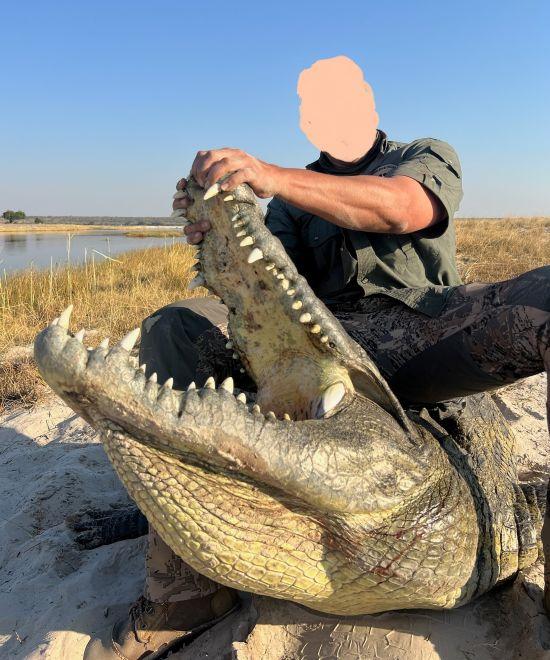
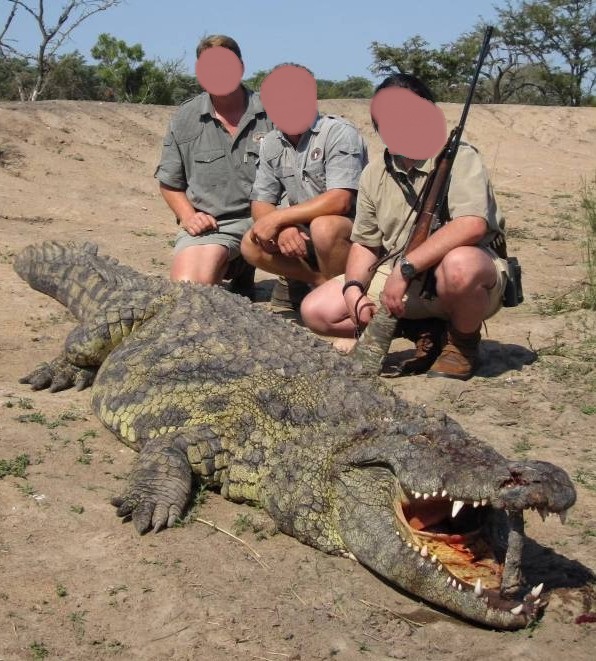
Non-Exportable Crocodile Hunt in Namibia’s Caprivi Strip
Booking Season: 2026
Hunt Difficulty: Moderate, Difficult

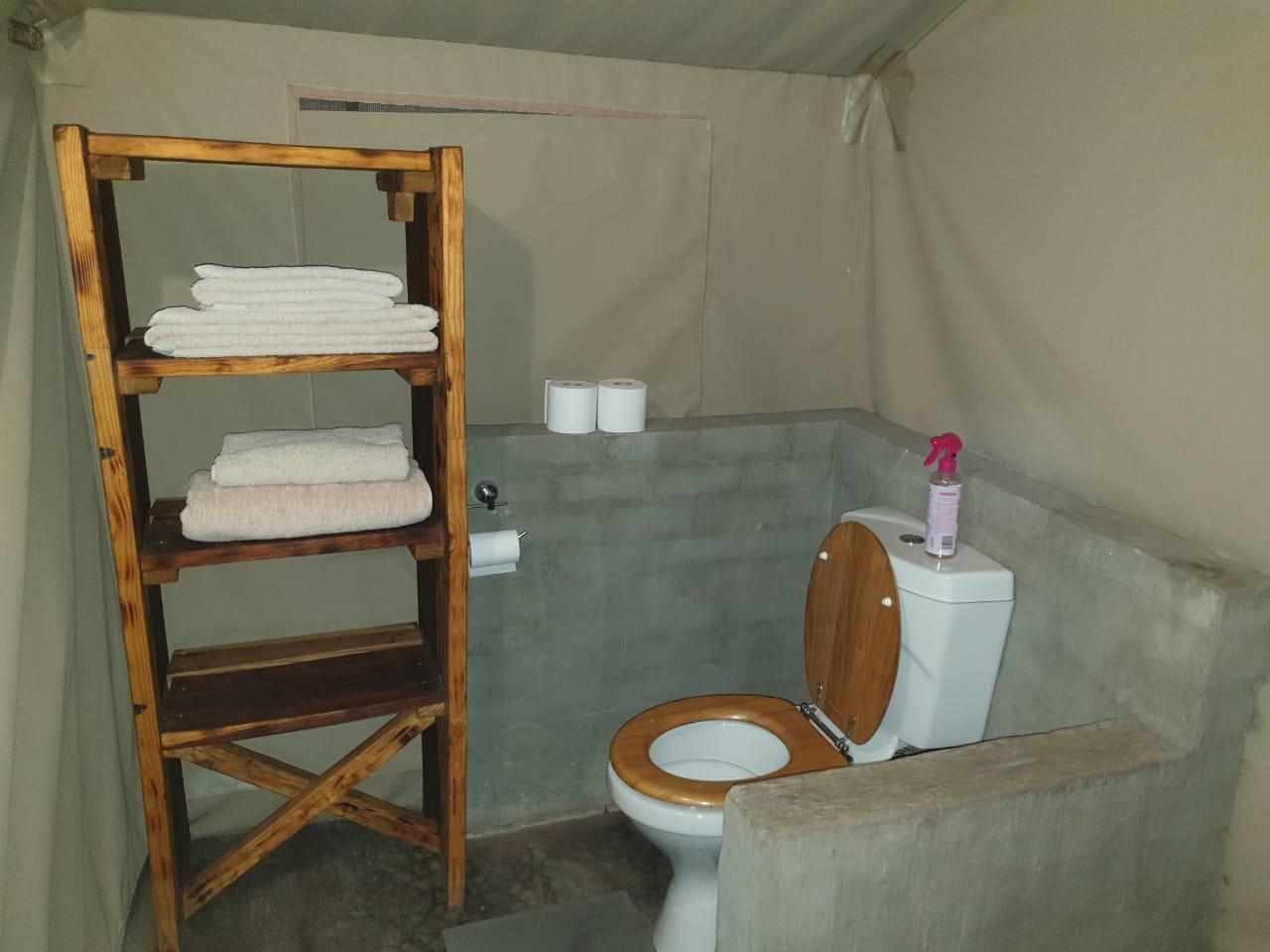
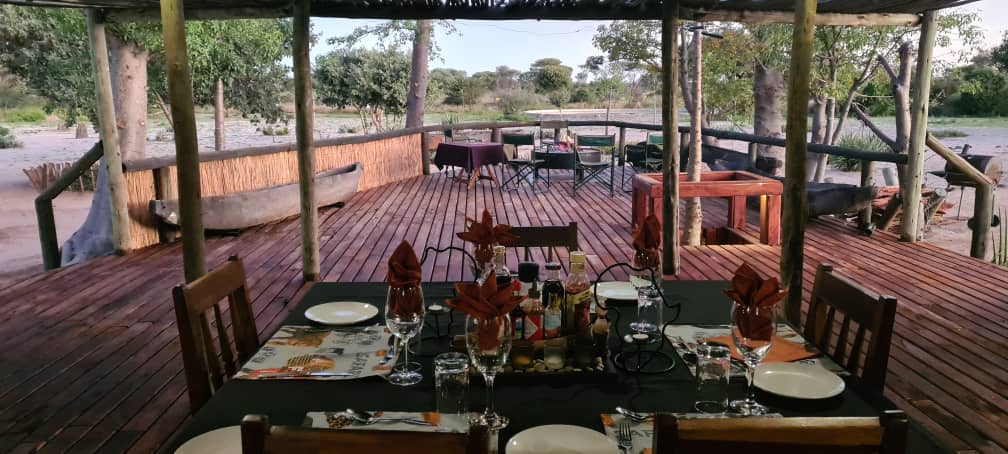
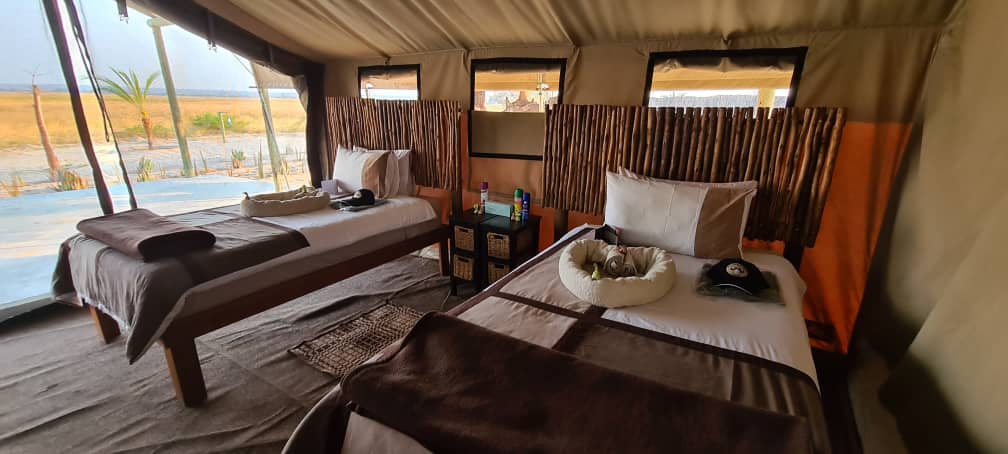
Accommodation is provided in a comfortable tented safari camp overlooking the Chobe River, offering the perfect balance between wilderness and modern convenience. Spacious safari tents feature comfortable beds, private en-suite bathrooms with hot showers, and all the amenities needed to relax and recharge after a rewarding day in buffalo country.
The terrain is typical of Namibia's Zambezi Region, consisting of flat floodplains, river channels, reedbeds, wetlands, open grasslands, and pockets of riverine woodland. Shaped by the Chobe, Zambezi, and surrounding waterways, the landscape creates ideal buffalo habitat while offering hunters a diverse and constantly changing environment in which to track game.
| Fence Type: | Free-range |
| Nearest Airport Name: | International Arrival: Hosea Kutako International Airport (Windhoek, Namibia) ➡️ Domestic Flight: Windhoek to Katima Mulilo Airport |
| Transfer From Airport: | Yes |
Few destinations in southern Africa offer the combination of free-range buffalo hunting, vast wilderness, and exceptional wildlife found in Namibia's Zambezi Region. Formerly known as the Caprivi Strip, this remote corner of Namibia supports thousands of buffalo moving freely between Namibia, Botswana, Zambia, and Angola.
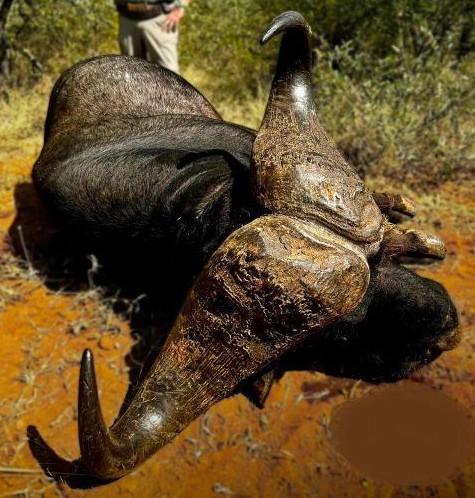
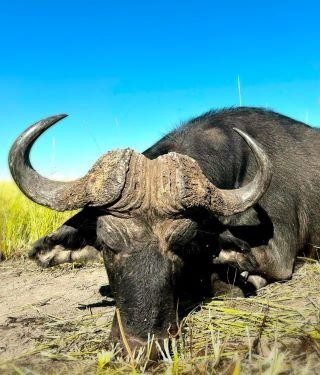
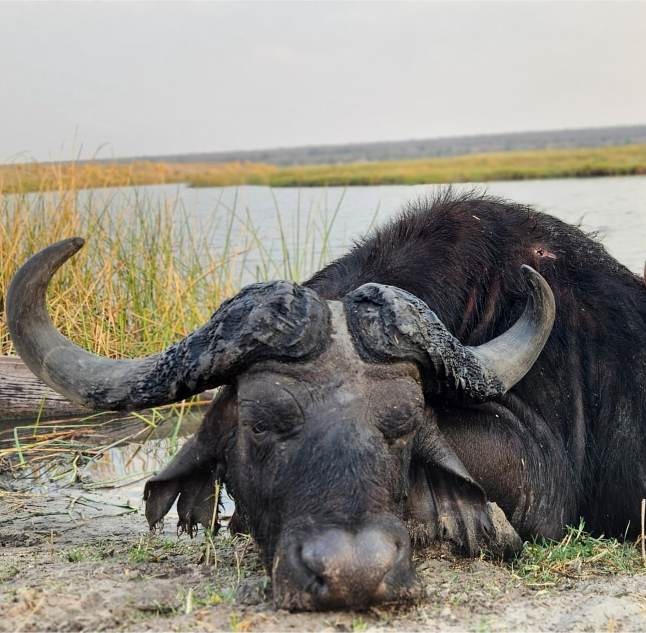
For American and international hunters seeking authentic Buffalo Hunting in Namibia, this safari delivers a traditional dangerous game experience centred around tracking mature bulls through floodplains, river systems, reedbeds, and open woodland. Unlike fenced hunting areas elsewhere in Africa, buffalo here remain genuinely wild and highly mobile.
This 5-day safari includes one non-exportable Cape buffalo bull and offers exceptional value for hunters who prioritise the hunting experience itself over shipping trophies home.
Safari Price: US$7,750 All-In
Duration: 5 Full Days of Free-Range Cape Buffalo Hunting
Included Trophy: 1 × Non-Exportable (Own Use) Cape Buffalo Bull
Hunting Format: 1 Hunter × 1 Professional Hunter
Observer: 1 Observer Included
Kabulabula Conservancy and the Zambezi Region
Few buffalo hunting areas in southern Africa can match the diversity of habitat found within Namibia's Zambezi Region. Situated between the Chobe, Okavango, and Zambezi river systems, the Kabulabula Conservancy forms part of a vast wildlife landscape that stretches across several international borders and supports some of the largest free-ranging buffalo populations in the region.
The terrain changes constantly throughout the safari. Open floodplains merge into reedbeds, woodland, wetlands, river channels, and dense pockets of cover where buffalo can disappear surprisingly quickly. Seasonal flooding shapes both the landscape and the movement of wildlife, creating an environment that remains dynamic throughout the hunting season.
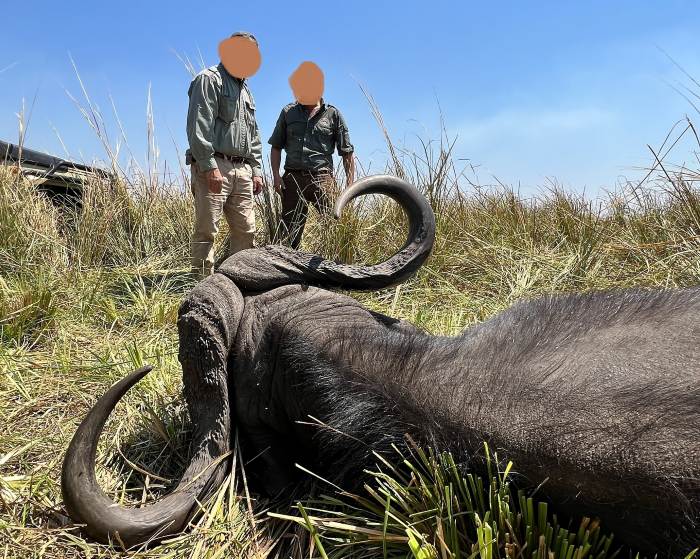
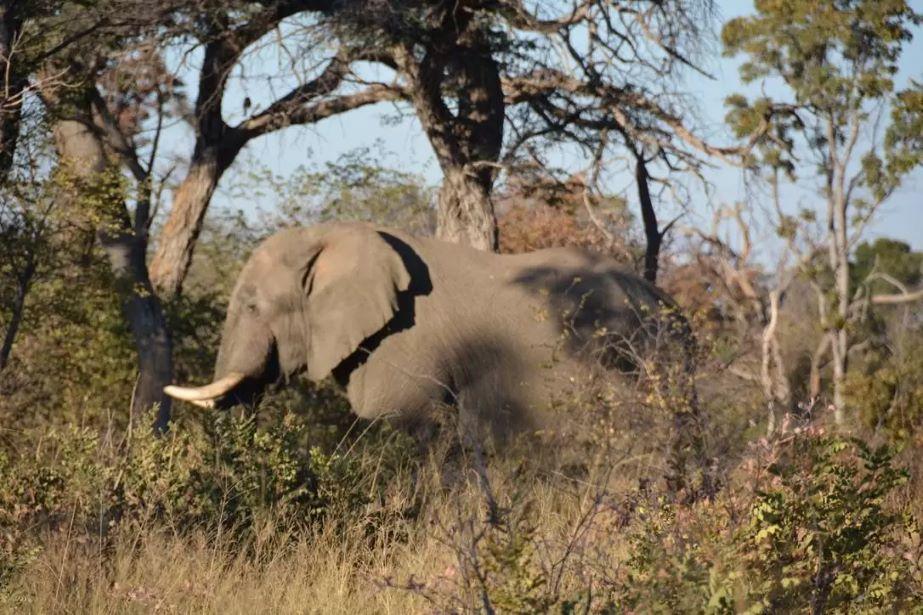
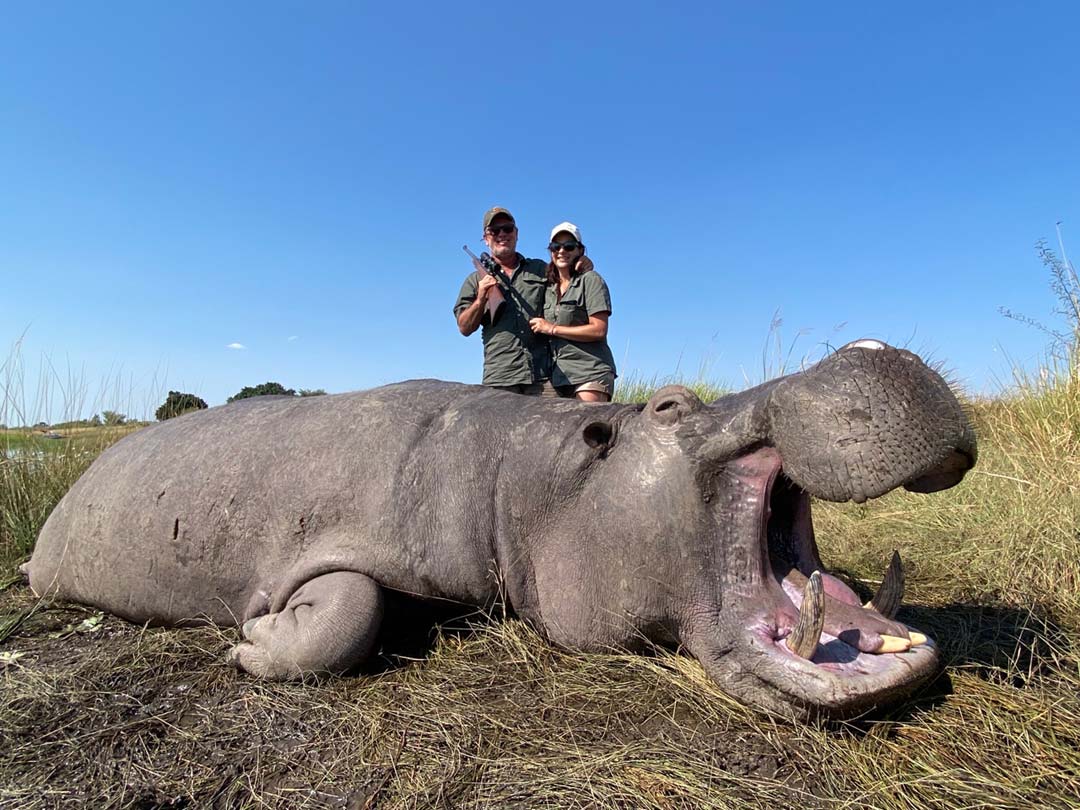
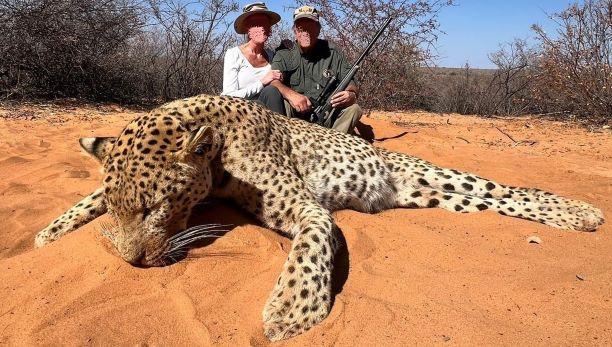
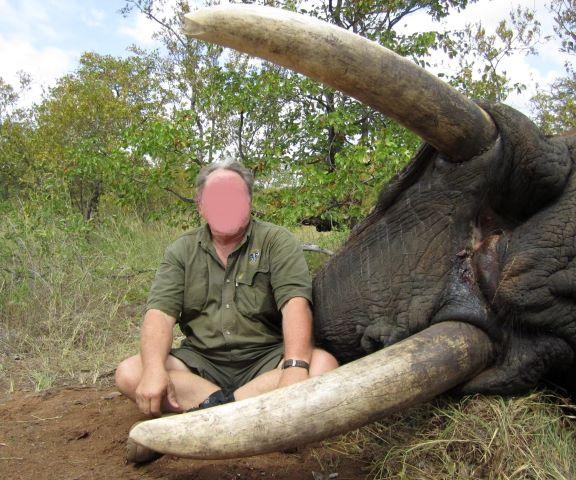
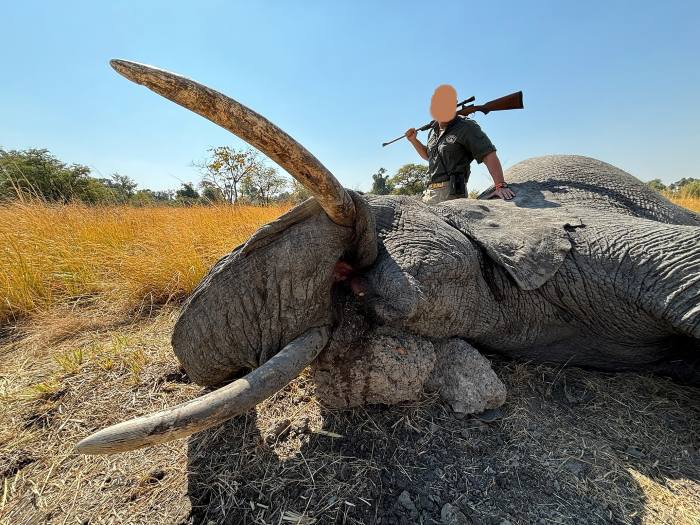
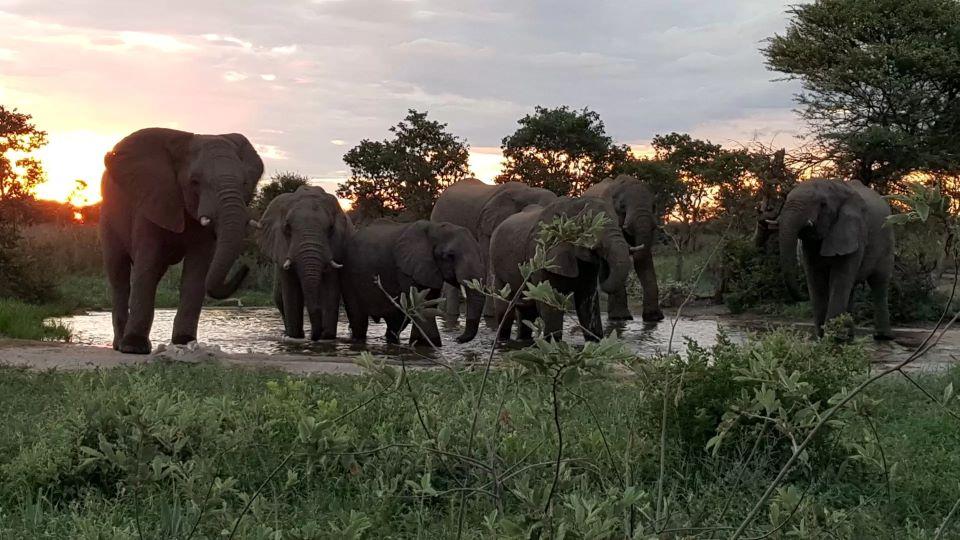
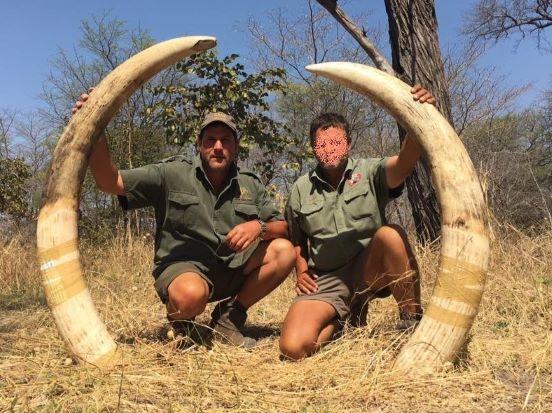
One of the most remarkable aspects of the area is the abundance of wildlife. Buffalo move freely through the conservancy in large numbers, while elephant, crocodile, hippo, and numerous plains game species are regularly encountered during the course of the hunt. It is not unusual to see multiple dangerous game species in a single day.
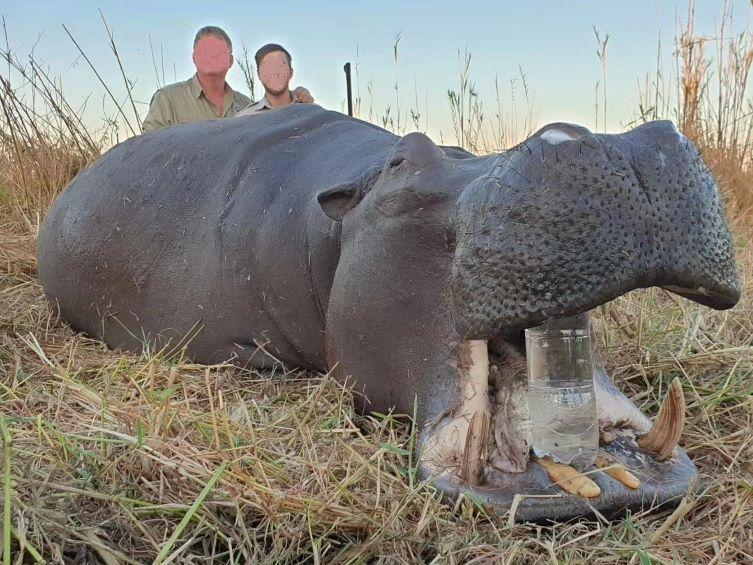
The river systems that make the Zambezi Region such exceptional buffalo habitat also support some of Namibia's best opportunities for Crocodile Hunts and Hippo Hunts. While this safari is focused on Cape buffalo, hunters quickly discover that the waterways, floodplains, and wetlands support a remarkable concentration of dangerous game.
As part of the broader experience of Hunting in Namibia, the Zambezi Region offers something increasingly difficult to find elsewhere in Africa: vast unfenced wilderness where wildlife still follows ancient migration routes and hunting remains a genuine free-range experience.
For hunters seeking authentic buffalo country, few destinations deliver the same combination of game abundance, wilderness, and traditional safari hunting found in Namibia's legendary Caprivi Strip.

Buffalo hunting in Namibia's Zambezi Region is shaped by water. During the summer rains, the floodplains fill like a giant bathtub as water spreads across the Chobe, Zambezi, and surrounding wetlands. This seasonal flooding supports the incredible abundance of wildlife found throughout the region and helps sustain some of southern Africa's largest free-ranging buffalo populations.
The preferred hunting season runs from May through September when water levels begin to recede, temperatures are cooler, and buffalo movements become more predictable. Conditions are generally more comfortable for hunters, while access to key hunting areas becomes significantly easier.
No two days are ever quite the same. One morning may involve glassing large herds feeding across open floodplains, while the next may require following the tracks of an old dagga boy disappearing into thick riverine cover.
The hunt usually begins at first light as professional hunters and trackers search roads, riverbanks, and crossing points for fresh spoor. Once a suitable track is located, the pace of the safari changes immediately. Every broken reed, fresh track, and patch of disturbed ground becomes part of the story being written by the buffalo ahead.
Depending on seasonal water levels, hunters may walk embankments, navigate waterways by boat, or use traditional mokoro canoes to access areas unreachable by vehicle. The constantly changing landscape is one of the reasons hunting in the Zambezi Region remains so exciting.
As the distance closes, the pace slows. Buffalo are highly aware of their surroundings and make full use of reedbeds, woodland, and river systems. The final approach often takes place at surprisingly close range, creating the type of authentic free-range dangerous game hunting experience that keeps hunters returning to Africa year after year.
A Cape buffalo safari has always been about far more than a set of horns on the wall. The real reward lies in the tracking, the stalk, the challenge of hunting one of Africa's most respected dangerous game animals, and the memories created in wild buffalo country.
This safari offers the opportunity to enjoy that experience at a fraction of the cost typically associated with traditional exportable buffalo hunts. While the trophy may not be exported, the hunt itself remains every bit as authentic. Hunters still pursue mature free-range buffalo on foot, work alongside experienced professional hunters and trackers, and experience the challenge that has made Cape Buffalo Hunts one of Africa's most sought-after dangerous game adventures.
The financial savings can also be significant. Taxidermy, dip and pack services, export permits, shipping, and freight costs can quickly exceed expectations. By removing those expenses, hunters are often able to invest more in the safari itself, extend their stay, or begin planning their next African adventure.
For sportsmen who place greater value on the experience than the export process, a non-exportable buffalo hunt offers exceptional value without compromising the quality of the hunt itself.
The value of this hunt extends far beyond the buffalo itself.
The Zambezi Region is one of Namibia's most successful conservation landscapes, where wildlife, local communities, and sustainable hunting all play an important role in maintaining the area's long-term future. Revenue generated through hunting helps fund conservation initiatives, maintain critical infrastructure, and create employment opportunities in remote areas where economic opportunities are often limited.
The benefits are visible throughout the conservancy. Hunting revenue contributes towards projects such as road maintenance, water infrastructure, habitat management, and community development programs identified by local residents. Local men and women are employed as trackers, skinners, camp staff, drivers, and support personnel, creating a direct link between wildlife conservation and community livelihoods.
The buffalo harvested during the safari also provides a valuable source of protein for local communities. Meat distribution forms an important part of the conservation model and helps ensure that wildlife remains a valued and protected resource throughout the region.
For visiting hunters, seeing these benefits firsthand becomes one of the most rewarding aspects of the safari. The connection between conservation, local communities, and sustainable hunting is not a theory here, it is something that can be seen throughout the Zambezi Region.
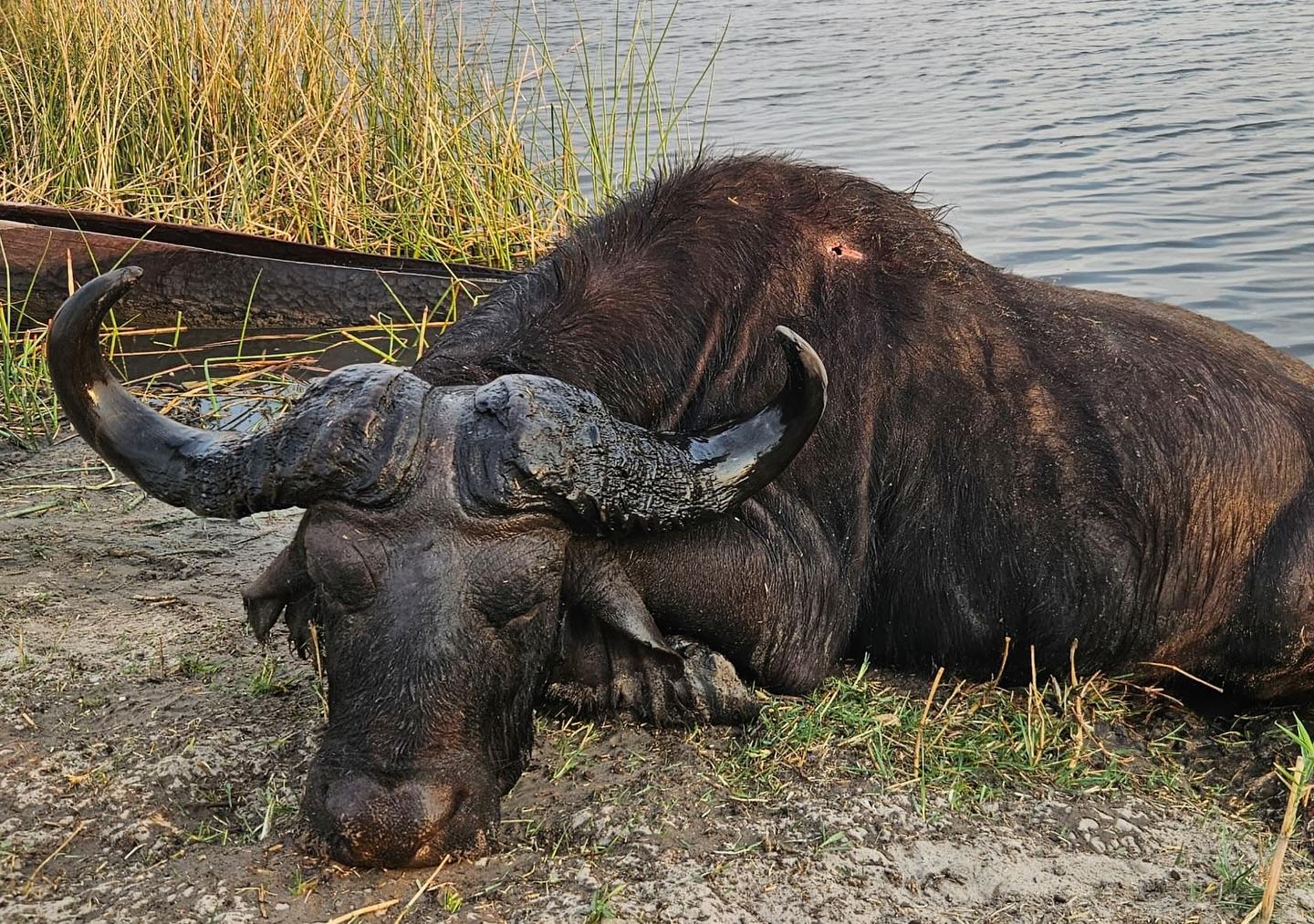
Buffalo hunting in the Zambezi Region presents challenges that extend beyond simply finding the right bull. The combination of floodplains, reedbeds, river channels, and dense riverine vegetation means that a poorly placed shot can quickly turn a straightforward hunt into a difficult recovery.
Unlike hunting in more open terrain, buffalo in this environment often have access to thick cover and water within a matter of seconds. A wounded bull may disappear into dense reeds, cross a river channel, or seek refuge in cover where visibility becomes extremely limited. Recovering a buffalo under these conditions requires patience, experience, and a disciplined approach from both hunter and professional hunter.
Careful shot selection and proper Buffalo Shot Placement are critical. Hunters are encouraged to wait for the highest-percentage opportunity rather than rushing a shot. A well-placed first bullet not only improves the chances of a quick recovery but also helps ensure a safe and ethical conclusion to the hunt.
Experienced buffalo hunters often say that the tracking may be the most enjoyable part of the safari, but the moment the trigger is pulled is where preparation, discipline, and good judgement matter most.
Hunters typically arrive via Katima Mulilo Airport in Namibia or Kasane Airport in neighbouring Botswana before transferring to the hunting area. Both routes provide convenient access to one of southern Africa's premier buffalo hunting destinations, with transfer arrangements confirmed prior to arrival.
Accommodation is provided in a comfortable tented safari camp overlooking the Chobe River. After a day spent tracking buffalo through floodplains and reedbeds, hunters can relax around the fire, enjoy excellent meals, and reflect on the day's events while listening to hippos, elephants, and other wildlife moving along the riverbanks.
While the Zambezi Region is best known for its dangerous game opportunities, hunters interested in adding a plains game trophy may occasionally have the opportunity to pursue Chapman's Zebra. Recognized as one of southern Africa's most attractive zebra subspecies, these animals provide an excellent addition to a buffalo safari. Hunters interested in combining their dangerous game adventure with additional Zebra Hunts or broader Plains Game Hunting opportunities should discuss available species and quota allocations with the outfitter before arrival.
The region also provides excellent opportunities to extend your stay. Victoria Falls, Chobe National Park, tiger fishing on the Zambezi River, and additional sightseeing options are all within easy reach, allowing hunters and observers to experience even more of this remarkable corner of southern Africa.
Some buffalo hunts are remembered for the trophy. Others are remembered for the places, the people, and the experience itself.
This safari offers the opportunity to hunt free-range Cape buffalo in one of southern Africa's most remarkable wilderness regions. From tracking fresh spoor through floodplains and reedbeds to watching wildlife move along the Chobe River at sunset, every day presents a new adventure in genuine buffalo country.
Combined with exceptional game densities, experienced professional hunters, comfortable accommodation, and the knowledge that your safari contributes directly to local conservation and community initiatives, this hunt delivers far more than a trophy alone.
To confirm availability for this non-exportable Namibia buffalo hunt, contact the Game Hunting Safaris team. Hunters comparing this package with exportable buffalo safaris and other available opportunities can explore our current African Hunting Trips.
Please note that terms, conditions and price are subject to change without notice and rates at the time of the hunt will apply
Needing assistance with firearm permits and international travel services, or good taxidermists? View our affiliated companies
View Affiliated Services