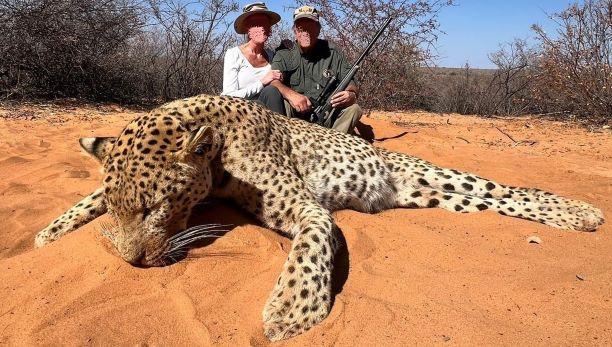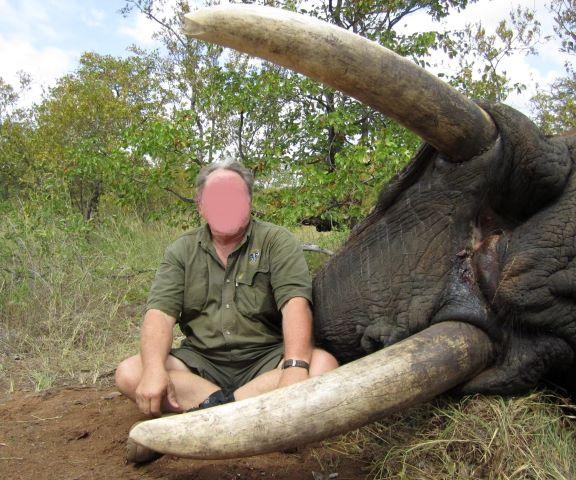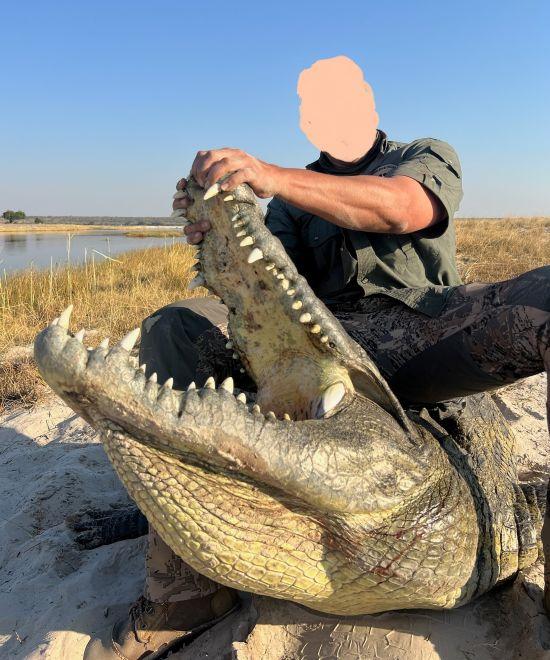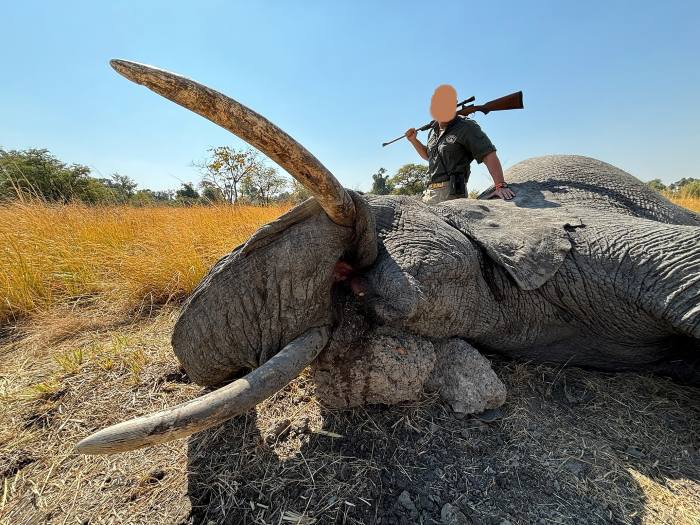
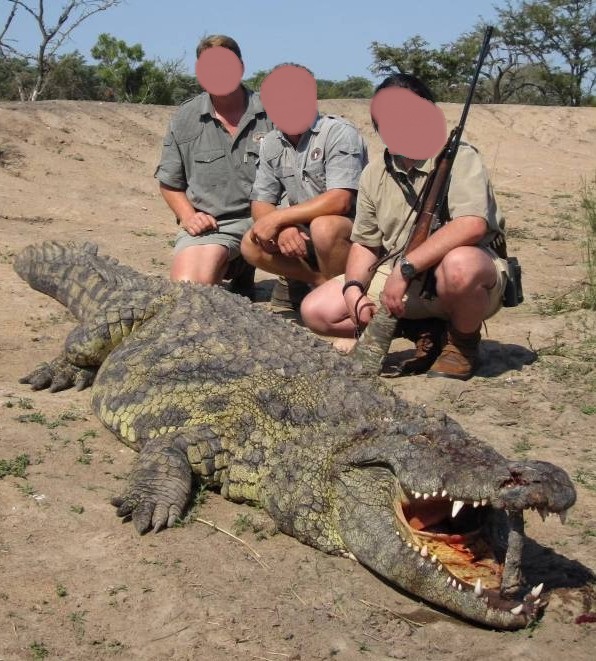
Non-Exportable Crocodile Hunt in Namibia’s Caprivi Strip
Booking Season: 2026
Hunt Difficulty: Moderate, Difficult


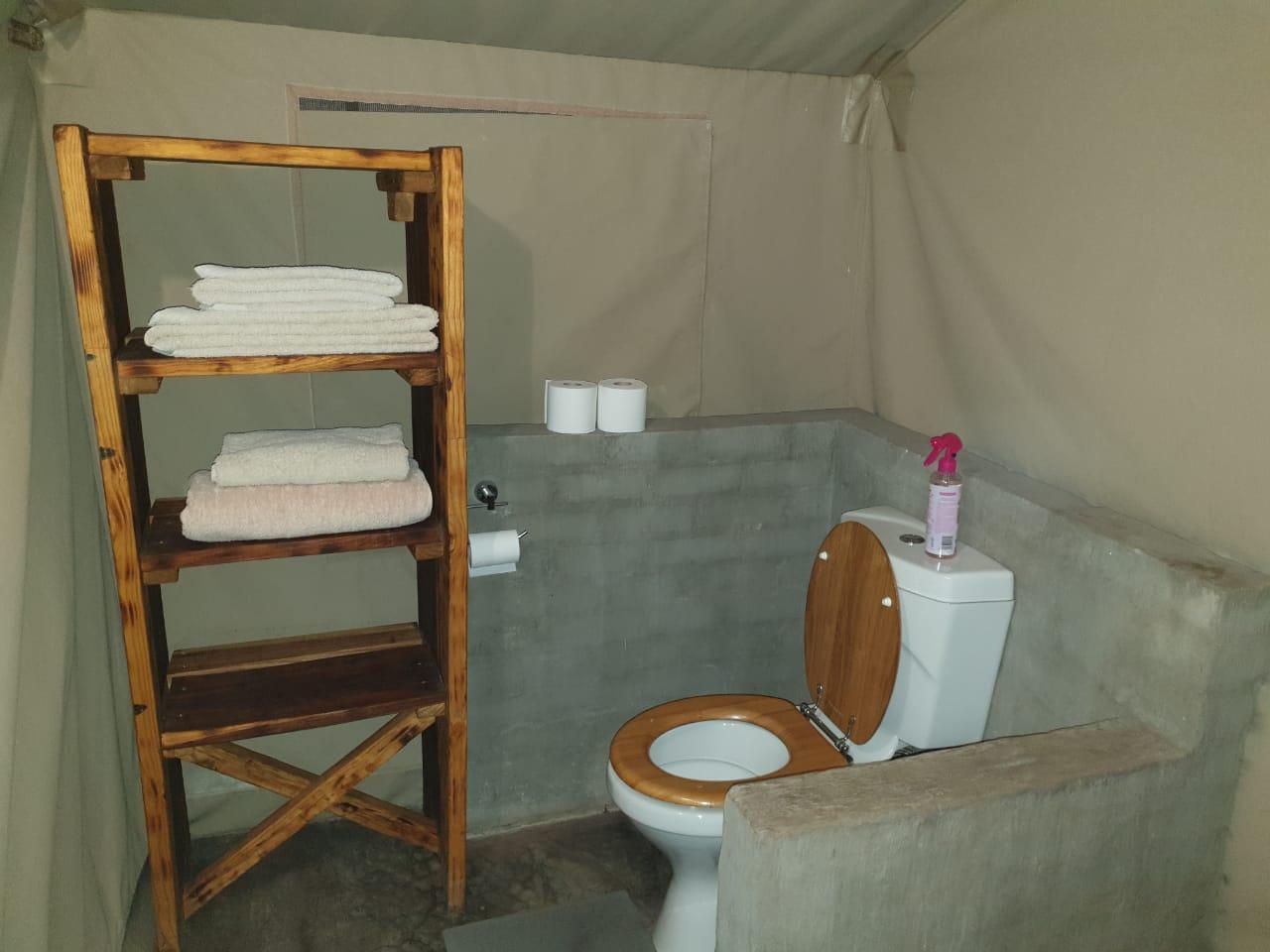
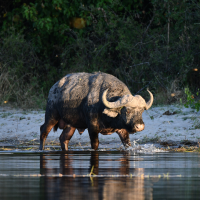
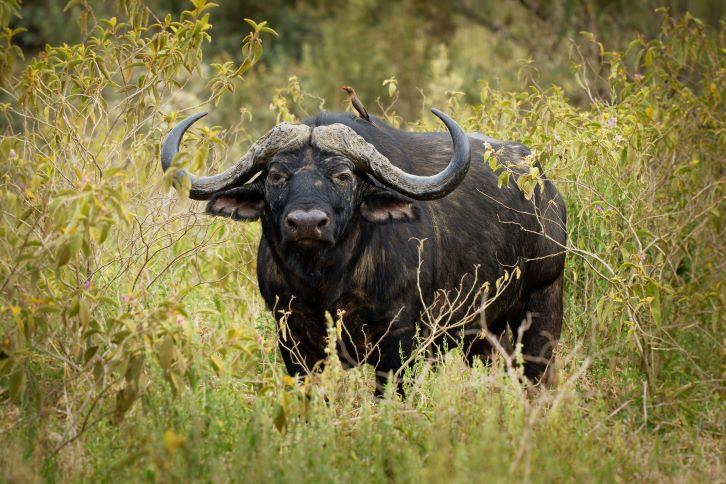
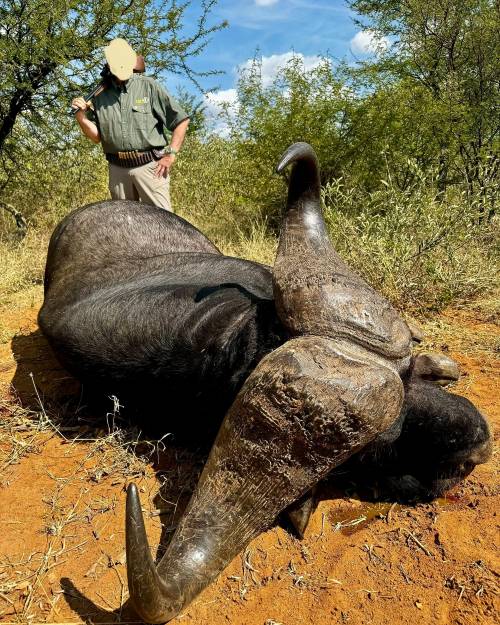
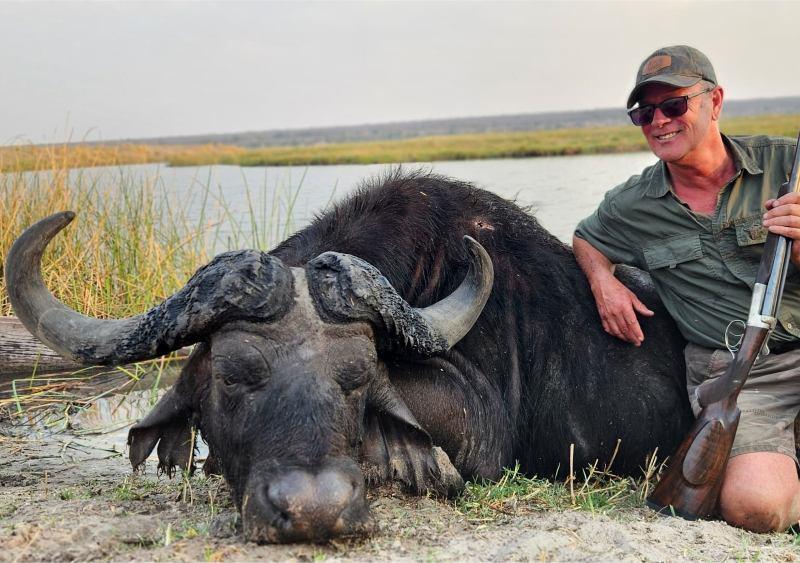
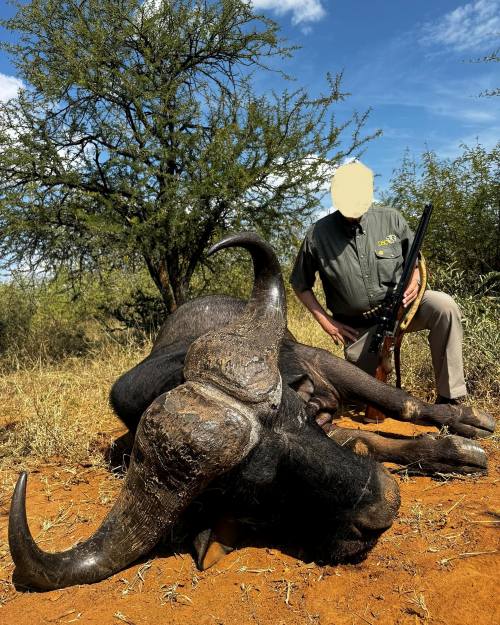
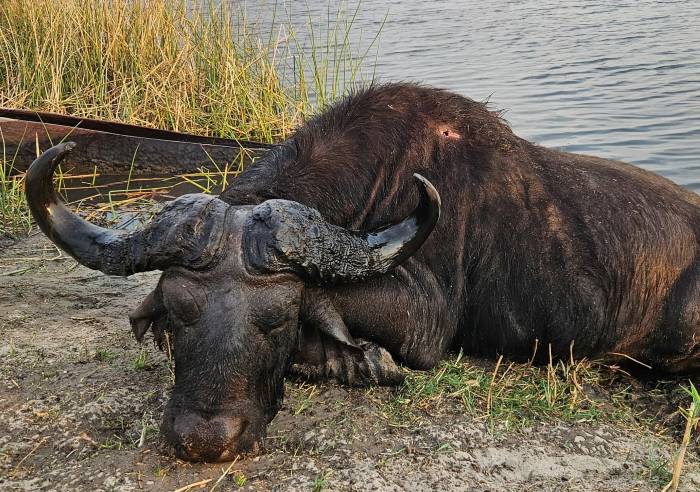
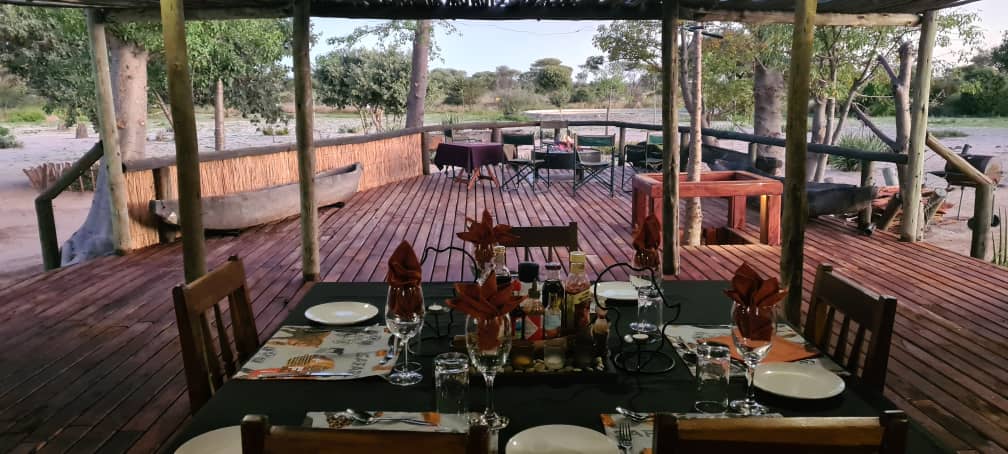
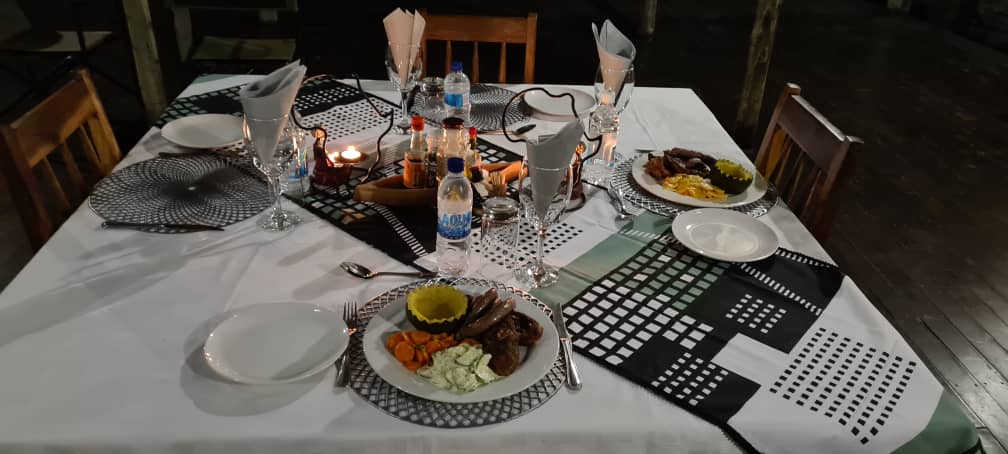
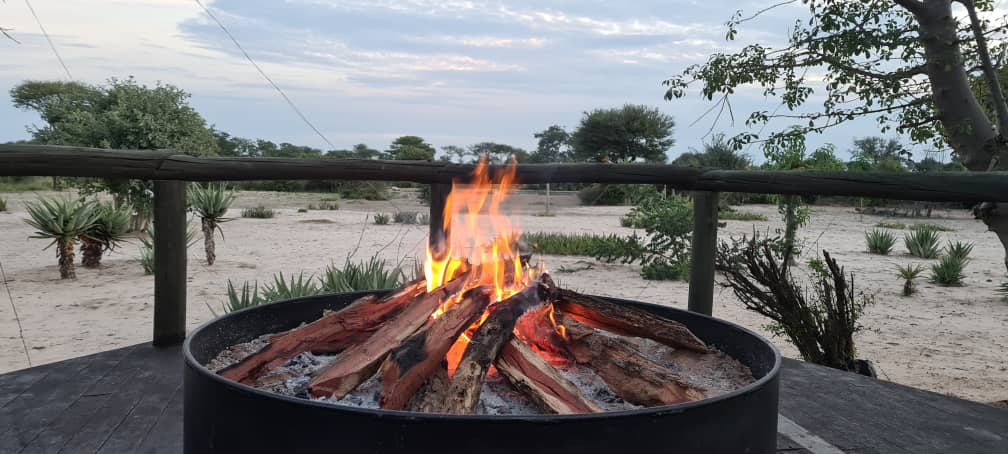
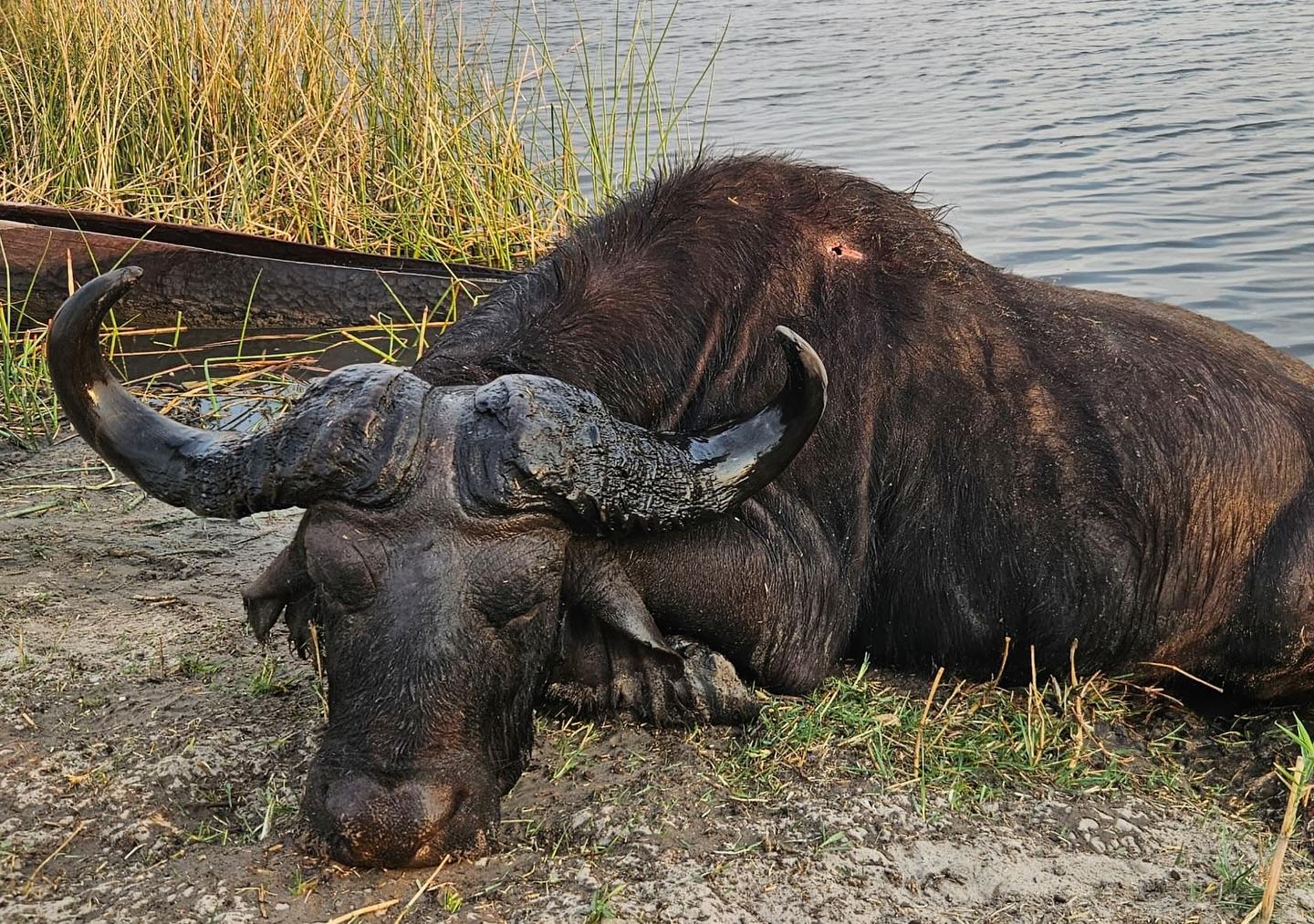
Stay in a comfortable four-star tented safari camp overlooking the waterways and floodplains of Namibia's Zambezi Region. Spacious en-suite safari tents, excellent meals prepared by a private chef, daily housekeeping, laundry service, Wi-Fi, and attentive camp staff provide everything needed after long days following buffalo through one of Africa's great free-range wilderness areas.
The hunting concession is a mixture of riverine woodland, open floodplains, papyrus reedbeds, mopane forest, and seasonal marshes shaped by the Zambezi and Chobe river systems. Thick cover around the waterways provides ideal habitat for old Dagga Boys, while more open grasslands allow experienced trackers to pick up fresh spoor before following buffalo into dense cover.
| Fence Type: | Free-range |
| Hunting Ground Size: | 240000 ha |
| Language Spoken By Staff: | English, Afrikaans, German |
| Nearest Airport Name: | Katima Mulilo Airport (MPA) |
| Nearest Airport Distance: | 2 hours road travel |
| Nearest Town Name: | Katima Mulilo Airport (MPA) |
| Nearest Town Distance: | 2 hours road travel |
| Transfer From Airport: | Yes |
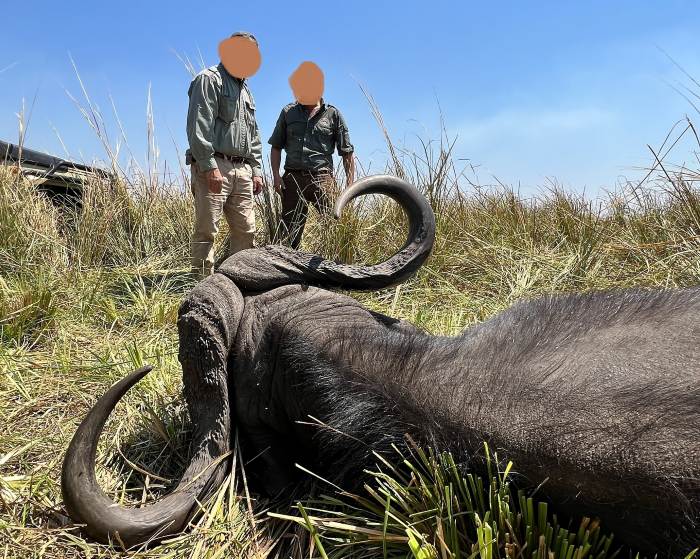
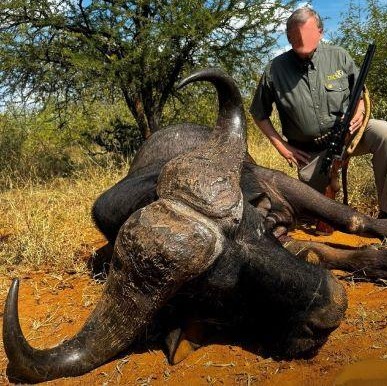
Cape Buffalo Hunting in Namibia reaches its finest expression in the remote Zambezi Region, formerly known as the Caprivi Strip. Here, enormous floodplains, winding river systems, and free-range conservancies create one of southern Africa's last truly wild buffalo hunting destinations, where thousands of Cape buffalo move naturally across an international wilderness shared with Botswana, Zambia, and Angola.
This 5-day safari is built around traditional Cape Buffalo Hunts, following fresh spoor through riverine woodland, floodplains, and thick cover where old Dagga Boys spend their days. The safari also places hunters in one of Africa's great Big Game Hunting ecosystems, where elephant, hippo, crocodile, and buffalo all share the same remarkable landscape.
If a Cape buffalo hunt is on your bucket list, this dangerous game safari is currently available at a discounted price of US$11,000 all-in, including the trophy fee. Only 4 tags are available, and the hunt must be completed by 30 November 2026. Hunters should confirm tag availability and suitable hunting dates before making travel arrangements.
Duration: 5 Full Hunting Days (6 Nights)
Hunter Ratio: 1 Hunter : 1 Professional Hunter (1×1)
Species: Trophy Cape Buffalo
Safari Price: US$11,00 All-In (Trophy Fee Included)
Observer: 1 Guest Included at No Additional Charge
Export Status: Cape Buffalo Trophy Exportable
Hunting Season: Available During Namibia's Buffalo Season
This all-inclusive safari covers your daily rates, trophy fee, dangerous game Professional Hunter, hunting licence, luxury tented camp accommodation, all meals, local beverages, daily laundry service, airport transfers from Katima Mulilo, hunting vehicles, trackers, skinners, camp staff, and field preparation of trophies. Hunters simply need to budget separately for international travel, rifle hire if required, gratuities, taxidermy, trophy shipping, and personal travel insurance.
Cape Buffalo hunting in Namibia's Zambezi Region remains one of southern Africa's most sought-after dangerous game safaris, and annual quota allocations are strictly controlled to protect this remarkable free-range buffalo population. Prime hunting dates, particularly during the peak dry season, are often reserved well in advance.
This Cape buffalo safari is available at the discounted price of US$11,000 all-in, including the trophy fee. Only four tags left at this discounted rate to experience Cape buffalo hunting in Namibia!
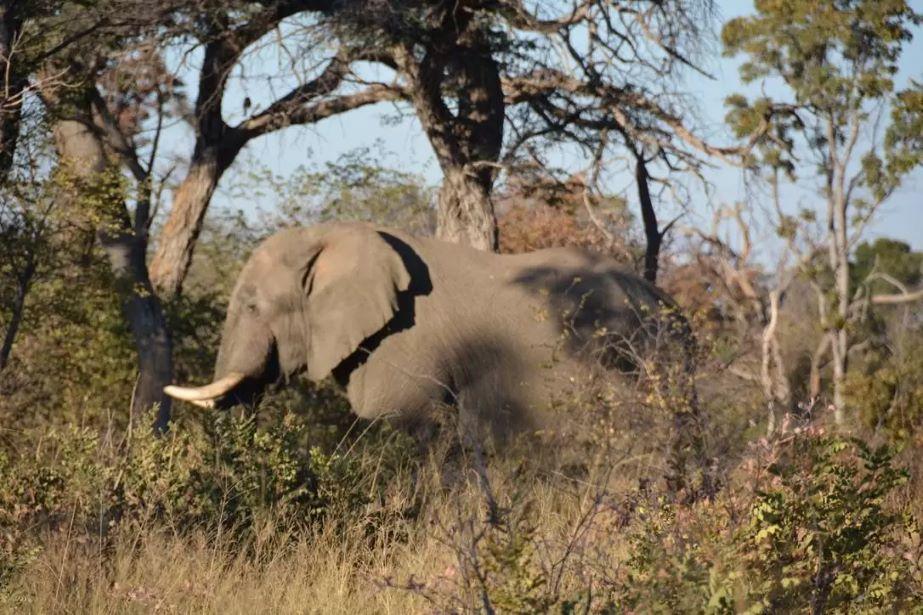
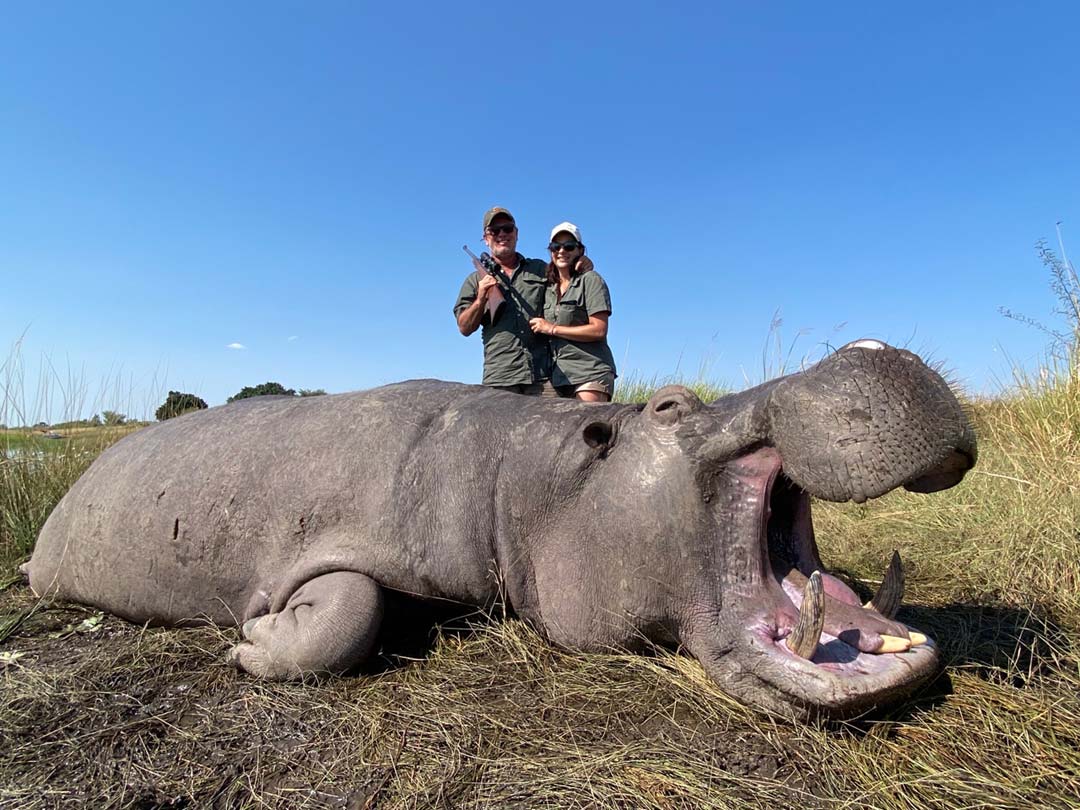
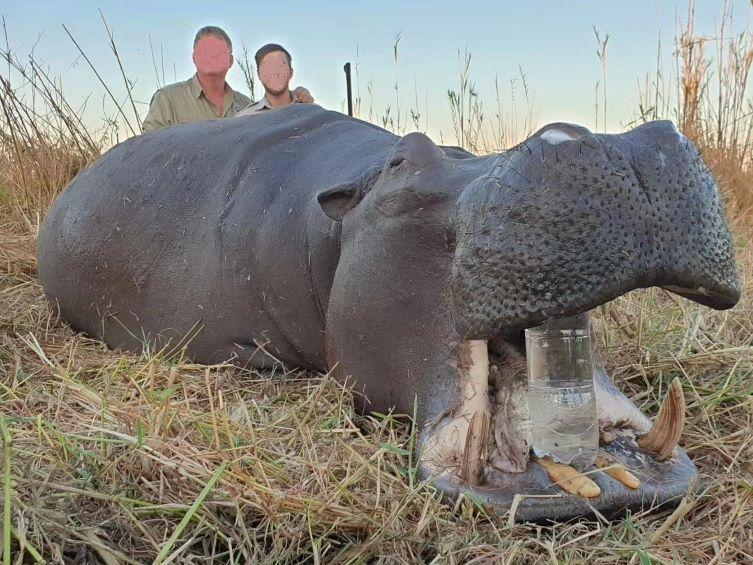
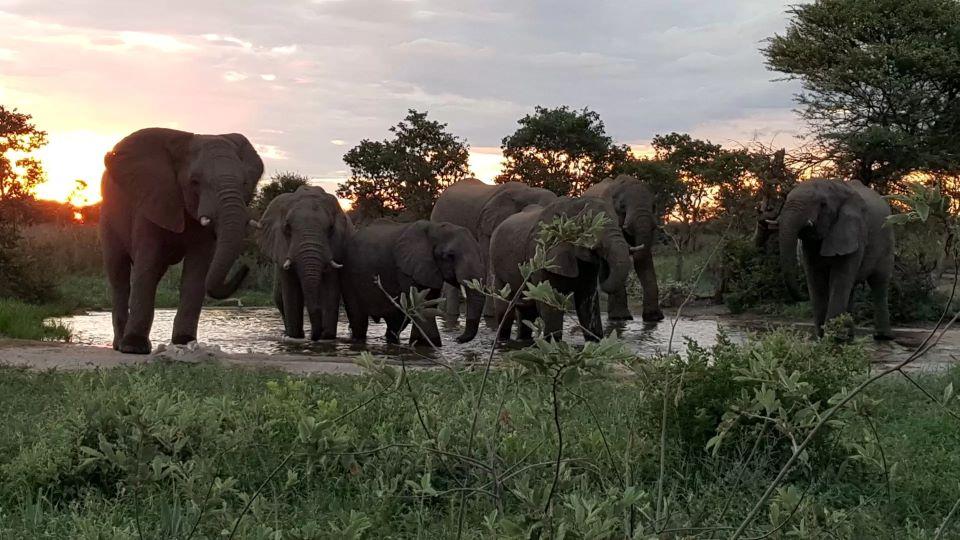
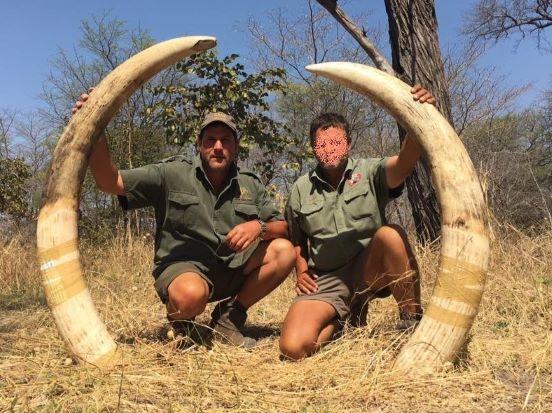
The Zambezi Region is unlike anywhere else in Namibia. Shaped by the mighty Zambezi and Chobe Rivers, the landscape changes with the seasons as floodplains, reedbeds, riverine forests, and open grasslands create one of southern Africa's richest wildlife ecosystems. It is no surprise this remarkable region is also renowned for outstanding Elephant Hunts, together with exceptional Hippo Hunting and Crocodile Hunting, all taking place within the same vast free-range wilderness.
Cape buffalo are drawn to this abundance of water and grazing. As the floodwaters begin to recede during the dry season, thousands of buffalo move naturally between Botswana's Chobe National Park and Namibia's conservancies. Under the cover of darkness they often cross the Chobe River to feed on the rich floodplains before quietly returning towards the river systems by first light.
The old Dagga Boys tell a different story.
Having left the breeding herds years before, these solitary old bulls spend much of their time in thick reedbeds, muddy backwaters, and dense riverine cover where the shade is cooler and the insects fewer. Finding them is rarely easy. It means reading fresh spoor, trusting experienced trackers, and following a trail into country where visibility can shrink to only a few yards.
That constant movement between water, floodplain, woodland, and thick cover is what makes buffalo hunting in the Zambezi Region so special. The rivers don't simply shape the landscape, they shape the hunt itself.
One of the biggest differences between buffalo hunting in Namibia's Zambezi Region and many other dangerous game destinations is that these buffalo have never needed a fence to tell them where to live.
The herds move according to water, grazing, breeding, and the changing seasons, often crossing international boundaries between Namibia and Botswana without the slightest concern for the lines shown on a map. They belong to a vast free-range ecosystem that has functioned this way for generations, and that freedom changes the hunt.
Every track tells a new story because there is no guarantee the buffalo you followed yesterday will still be there tomorrow. A herd may have crossed the Chobe River during the night, while an old Dagga Boy may have settled deep into the reedbeds where he intends to spend the entire day. Every morning begins with fresh spoor, fresh decisions, and a new puzzle to solve.
It is this unpredictability that continues to attract hunters from around the world. In the Zambezi Region, success isn't measured by how many buffalo there are, it's measured by finding the right one.
There are places in Africa where hunting has changed very little over the past century, and the Zambezi Region is one of them.
Outside the small towns and villages, the rivers still dictate the rhythm of life. Buffalo leave fresh tracks in the sand overnight, elephants reshape the landscape by pushing over trees, hippo carve channels through the floodplains, and lions announce themselves long before sunrise. It is an ecosystem where people remain visitors and wildlife still sets the rules.
That feeling becomes part of the safari. Some mornings begin by following buffalo spoor through dew-covered grass. Others may require crossing a narrow channel by boat before the track continues on the opposite bank. Throughout the hunt there is a constant awareness that this is not simply buffalo country, it is one of Africa's last great dangerous game ecosystems, where every day in the field has the potential to produce something completely unexpected.
Long after the measurements have been taken and the photographs packed away, many hunters remember something else entirely. They remember standing beside the Chobe River at first light, watching buffalo emerge from the mist while fish eagles call overhead, knowing there are still a few places in Africa where nature, not people, decides what happens next.
Reaching Namibia's Zambezi Region is surprisingly straightforward, although a little planning is recommended. Most international hunters arrive at Hosea Kutako International Airport (WDH) in Windhoek before connecting to Katima Mulilo Airport (MPA). Domestic flights between Windhoek and Katima Mulilo currently operate three times per week—Wednesdays, Fridays, and Sundays—so international travel should be planned accordingly. On arrival, your outfitter will meet you for the scenic two-hour road transfer to camp.
An alternative route is to fly into Kasane, Botswana, before transferring across the border into Namibia. Hunters choosing this option often find it easier to hire one of the outfitter's rifles rather than transport firearms through multiple countries. One of the highlights of this route is the final transfer by motorboat along the famous Chobe River, providing an unforgettable introduction to one of Africa's greatest wilderness regions.
Accommodation is provided in a comfortable four-star tented safari camp designed to blend authentic African atmosphere with modern comforts. Spacious en-suite safari tents, reliable generator power, daily housekeeping, laundry service, Wi-Fi, and excellent camp facilities ensure hunters can relax after long days following buffalo through the floodplains and riverine bush.
The camp itself is part of the safari. Evenings are spent around the firepit sharing stories from the day's hunt while enjoying outstanding cuisine prepared by the camp's private chef, whose reputation is well deserved. Surrounded by the sounds of the African wilderness, it is the perfect setting to prepare for another day in one of Namibia's finest free-range buffalo hunting concessions.
Some buffalo are remembered for enormous bosses, some for the track that seemed to go on forever.
Others for disappearing into the reeds just when you thought the hunt was over, only to leave you wondering where several thousand pounds of buffalo could possibly have vanished.
The trophy may eventually find its place on the wall, but that's rarely the story hunters tell first. They talk about the floodplains at first light, the quiet conversations between trackers reading fresh spoor, the sound of buffalo moving unseen through the reeds, and the moment an old Dagga Boy finally stepped into view after hours of patient tracking.
For hunters comparing African Hunting Trips, the Zambezi Region offers something increasingly difficult to find, an authentic free-range buffalo hunt shaped by rivers, wildlife, and wilderness rather than fences. If you're still weighing destinations, our guide to African Hunting Safari Prices explains how different countries, hunting areas, and safari styles compare.
The buffalo will write the final chapter, the only question is whether you'll be there when the story begins.
Please note that terms, conditions and price are subject to change without notice and rates at the time of the hunt will apply
You can speak directly with the outfitter before booking. GHS remains available throughout the process.
Needing assistance with firearm permits and international travel services, or good taxidermists? View our affiliated companies
View Affiliated Services