Non-Exportable Crocodile Hunt in Namibia’s Caprivi Strip
Booking Season: 2026
Hunt Difficulty: Moderate, Difficult


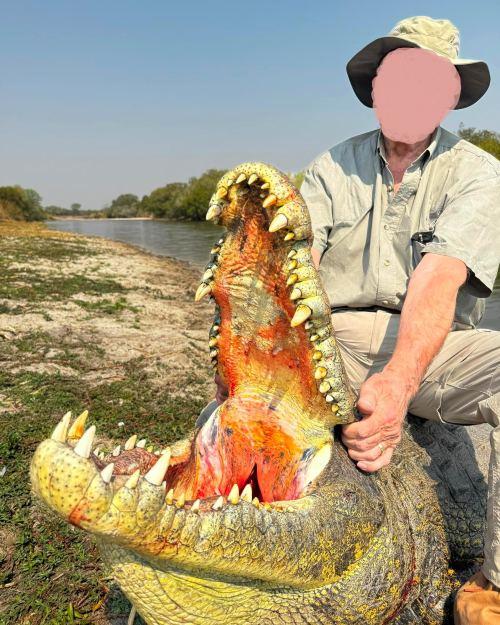
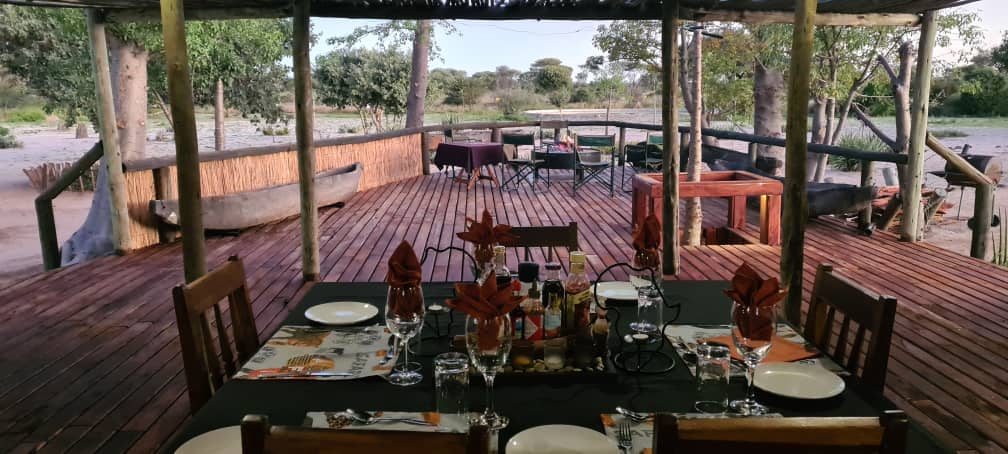
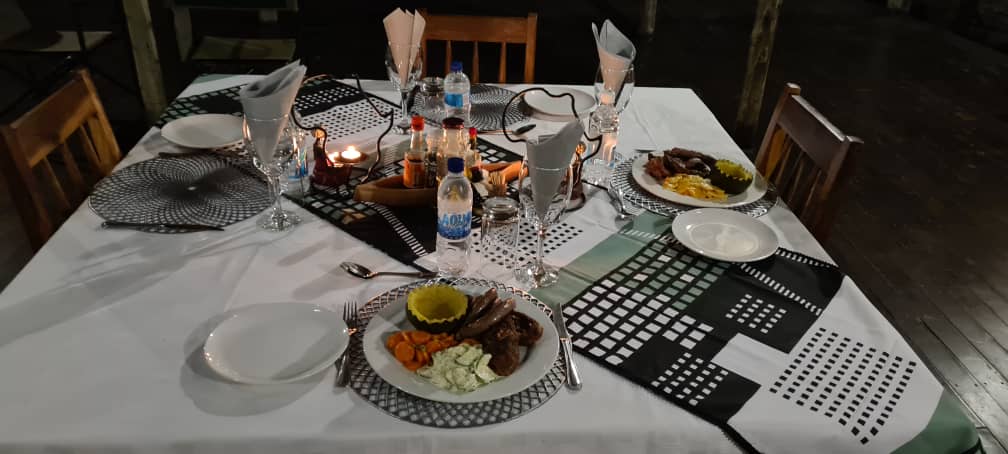
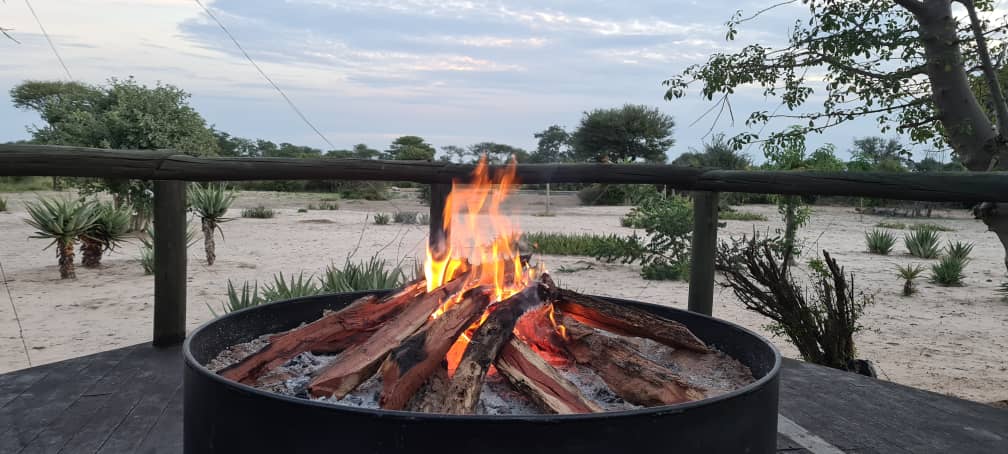
Stay in a luxury riverside safari camp overlooking the Chobe River, with spacious en-suite tented accommodation, private verandas, excellent cuisine and comfortable facilities designed for hunters after a rewarding day on the water.
The hunt takes place across the rivers, floodplains, reed beds and sandbanks of Namibia's Zambezi Region. Changing water levels, extensive waterways and abundant wildlife create one of Africa's most dynamic environments for Nile crocodile hunting.
| Fence Type: | Free-range |
| Hunting Ground Size: | 240000 ha |
| Nearest Airport Name: | Katima Mulilo Airport |
| Transfer From Airport: | Yes |
Few Crocodile Hunts in Africa take place in surroundings quite like Namibia's famous Zambezi Region, formerly known as the Caprivi Strip. This seven-day safari unfolds along one of Africa's great river systems, where winding channels, floodplains and reed-lined waterways provide ideal habitat for giant Nile crocodiles. It is a landscape shaped by water, where every day's hunting strategy is influenced by changing river conditions and the movements of one of Africa's oldest predators.
Unlike many dangerous game safaris that focus on covering vast distances, success here depends on patience, observation and careful planning. A mature crocodile may spend hours basking on a sandbank before slipping silently into the water at the slightest sign of danger. Every stalk demands precise timing, steady nerves and an understanding of how these remarkable reptiles use the river to their advantage.
Designed for hunters pursuing a fully exportable trophy, this safari combines experienced professional hunters, luxury tented accommodation and exceptional crocodile habitat into one well-structured package while showcasing the remarkable wilderness that makes Hunting in Namibia so memorable.
Price: US$16,550 per hunter (All Inclusive)
Duration: 5 Hunting Days / 7 Nights
Hunter Ratio: 1 Hunter : 1 Professional Hunter
Observer: One observer included
Arrival Options: Katima Mulilo Airport (Namibia) or Kasane International Airport (Botswana)
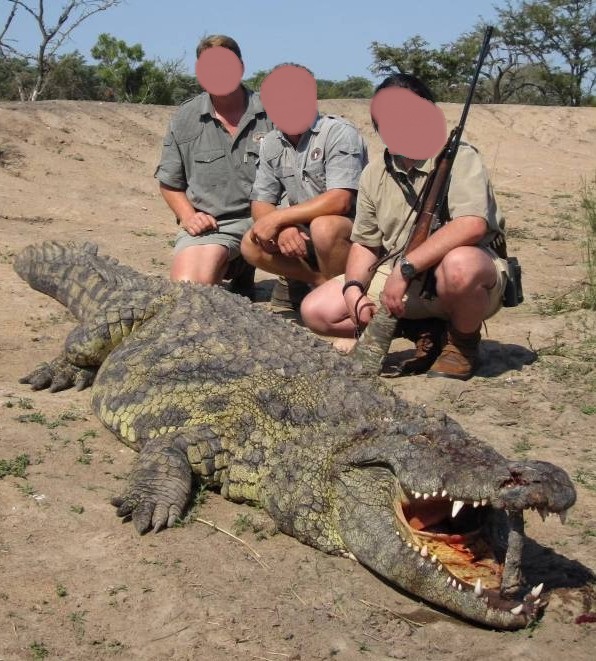
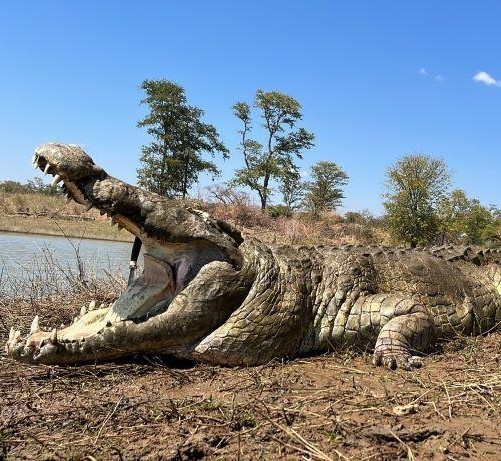
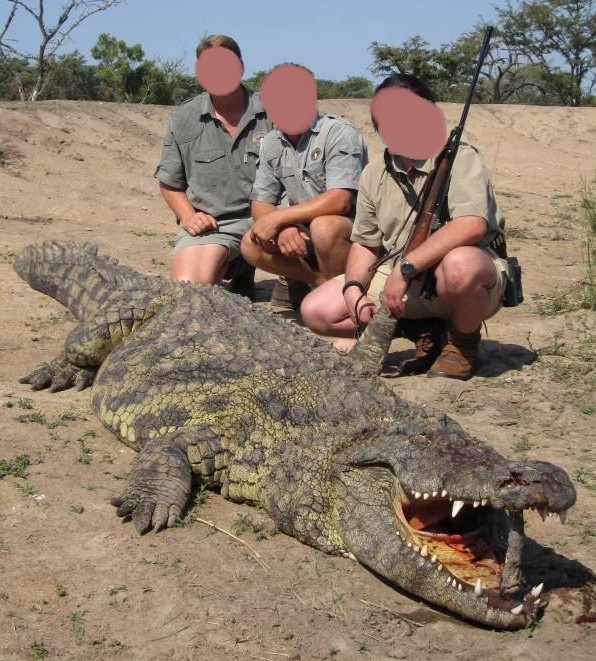
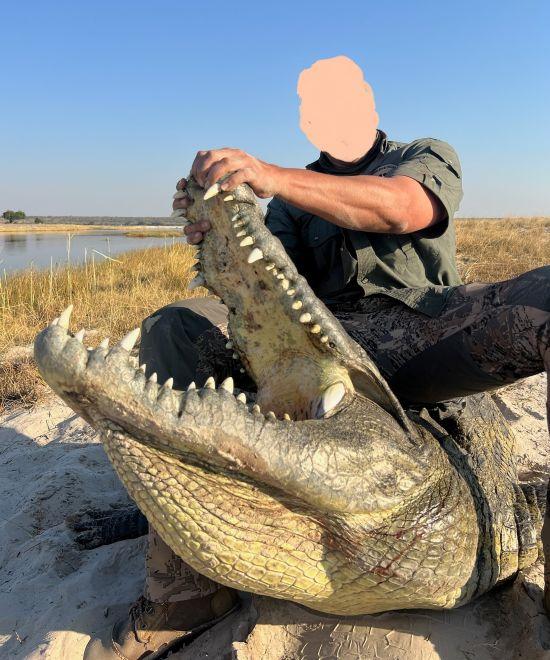
Namibia's Zambezi Region has earned a reputation for producing exceptional Nile crocodiles, with mature bulls exceeding fifteen feet taken regularly from these waters. The combination of healthy crocodile populations, experienced professional hunters and an extensive network of rivers, floodplains and reed-lined channels creates outstanding conditions for Crocodile Hunting in Namibia.
Unlike many dangerous game safaris, this hunt revolves around patience rather than distance. Every day is influenced by changing water levels, river conditions and the behaviour of these ancient predators, making each successful trophy the result of careful planning rather than chance.
Unlike many dangerous game safaris where the terrain remains much the same throughout the season, crocodile hunting in Namibia's Zambezi Region is heavily influenced by the river itself. Water levels rise and fall throughout the year, constantly reshaping the floodplains, exposing new sandbanks and changing where crocodiles spend their time.
During the rainy season, the Zambezi expands dramatically as floodwaters spread across the surrounding floodplains. Areas that were dry only weeks earlier become shallow wetlands, allowing crocodiles to disperse across a much larger network of channels, lagoons and backwaters. As the water recedes during the dry months, those same crocodiles gradually return to the main river systems, where exposed banks and shrinking waterways make them easier to locate and carefully observe.
Experienced professional hunters adjust their strategy to match these changing conditions. Some days are best spent quietly walking riverbanks and glassing exposed sandbars, while others call for exploring reed-lined channels by boat or traditional mokoro before beginning the final stalk on foot. Rather than following a fixed routine, every hunting day is shaped by the river itself.
It is this ever-changing environment that makes the Zambezi Region one of Africa's most rewarding destinations for Big Game Hunting. Success depends not only on understanding crocodiles, but also on reading the river that has shaped their behaviour for generations.
No two mornings on the Zambezi begin in exactly the same way. Overnight water levels, crocodile activity and weather conditions all influence how the day's hunt will unfold. Rather than following a fixed routine, the professional hunter decides each morning which approach offers the greatest chance of success.
Some days begin by quietly walking riverbanks and scanning exposed sandbanks where mature crocodiles bask in the early sun. On other occasions, the team may use a boat or traditional mokoro to reach remote reed-lined channels before continuing the stalk on foot. Where access allows, a vehicle can also be used to cover greater distances before the final approach begins, allowing hunters to explore different sections of this remarkable river system.
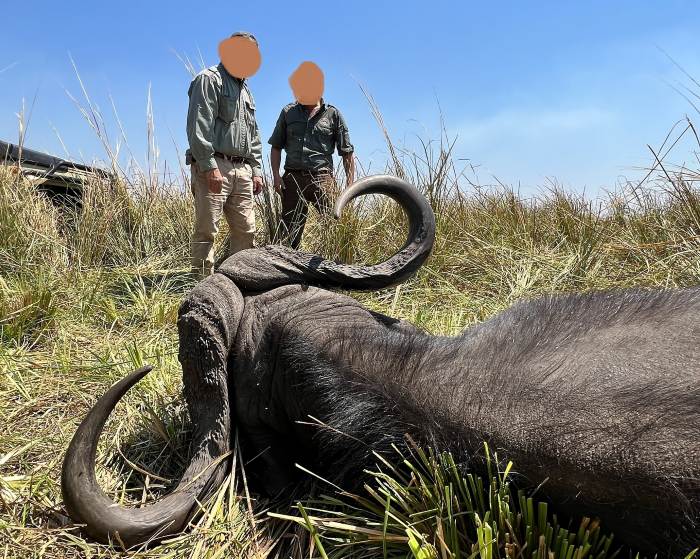
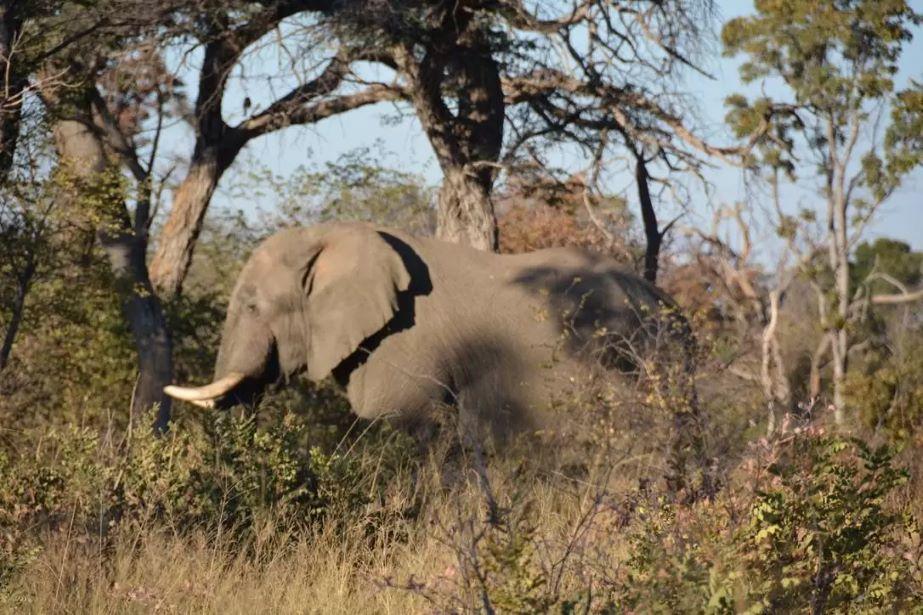
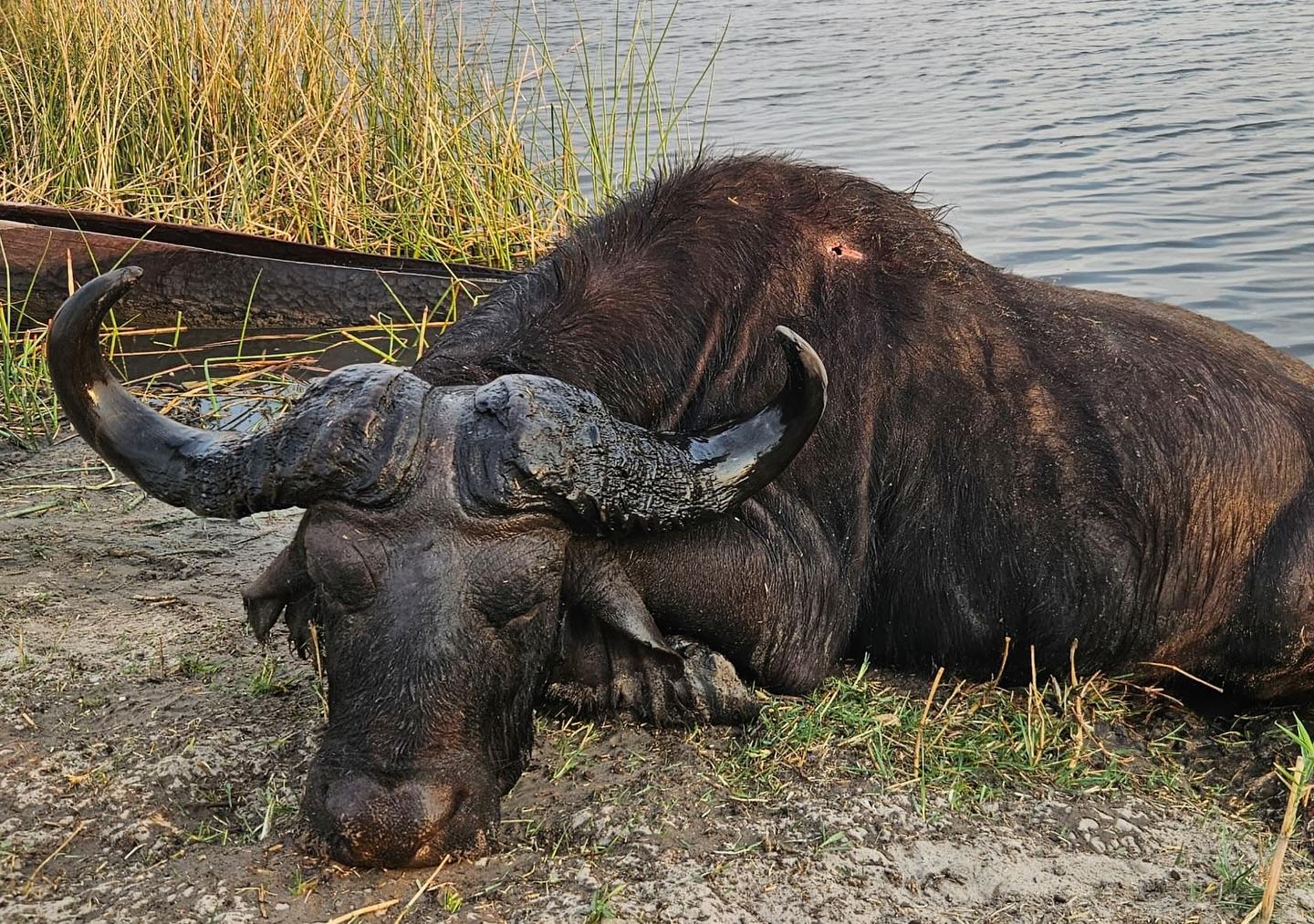
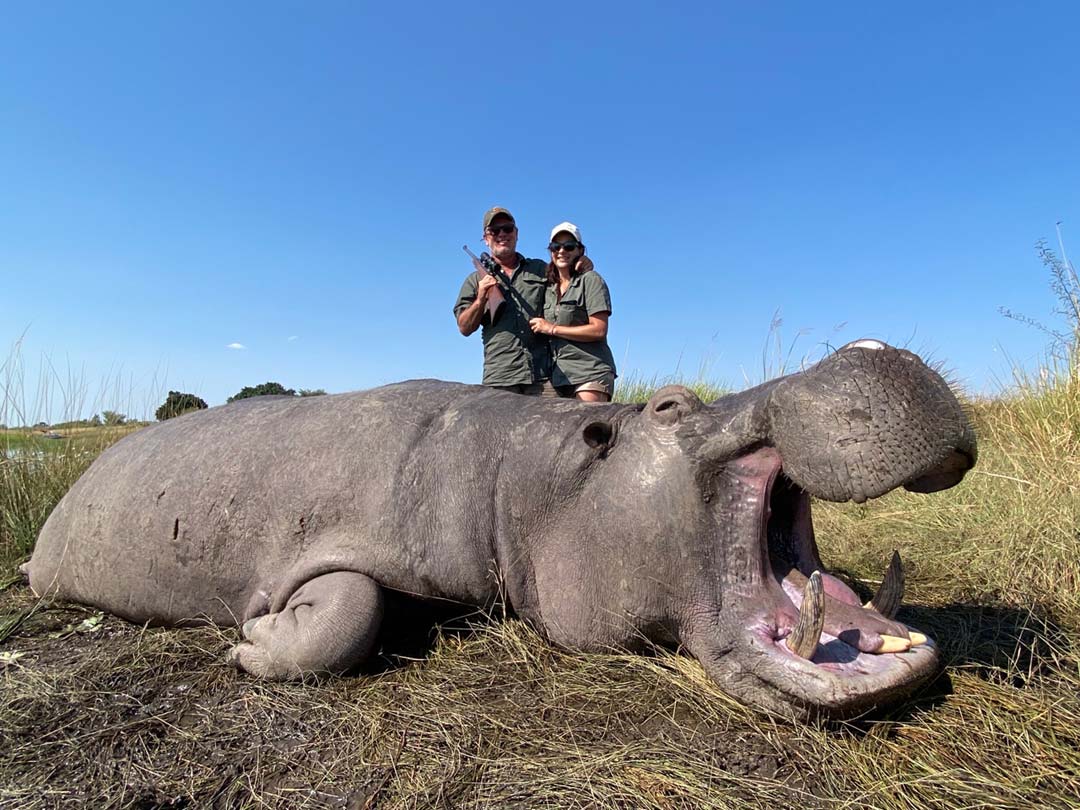
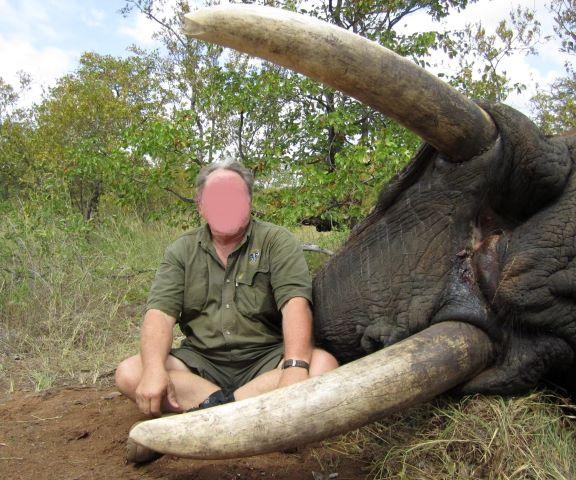
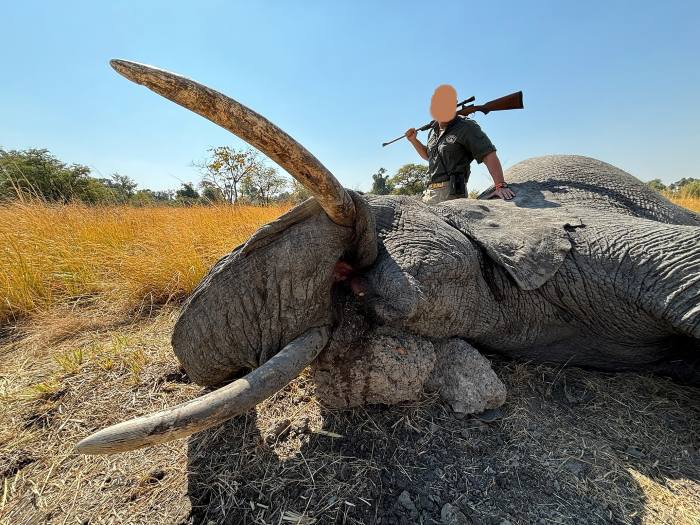
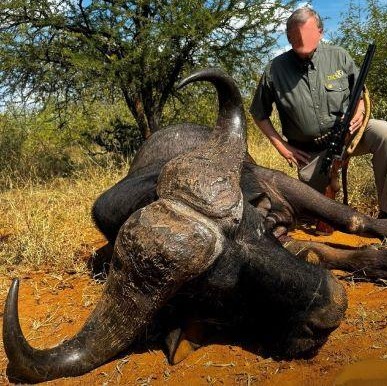
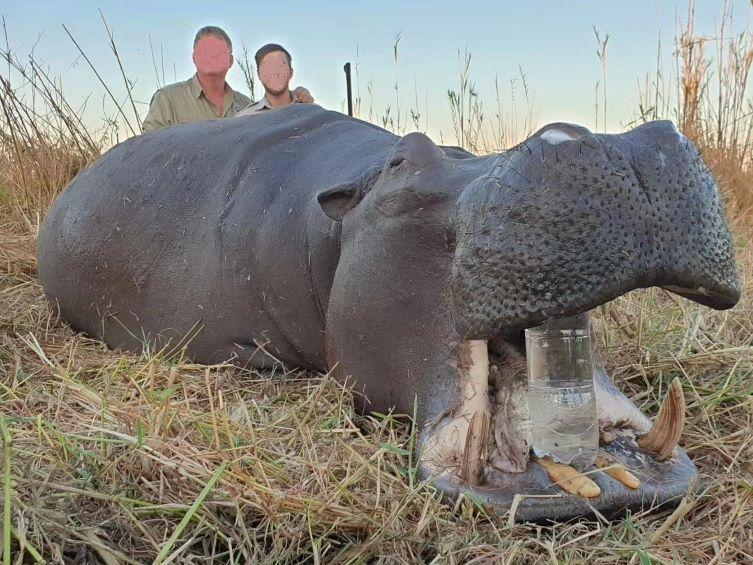
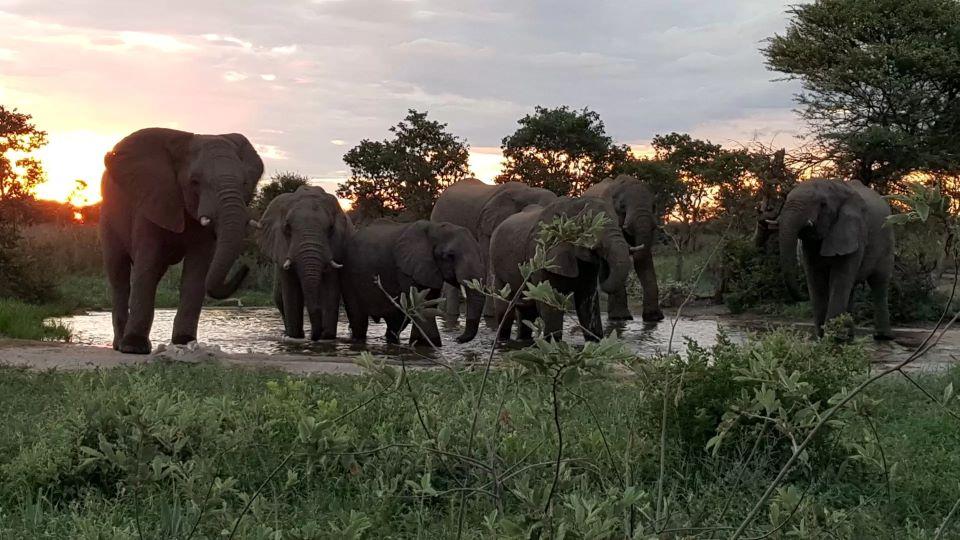
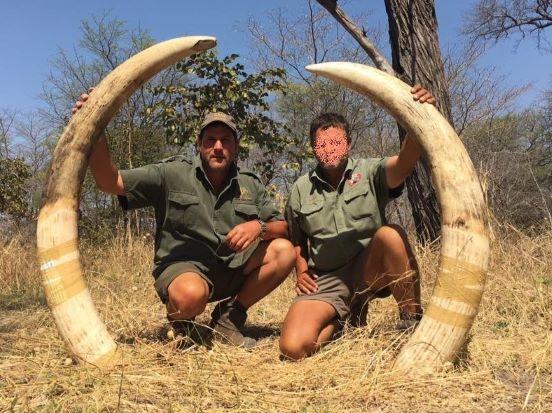
The Zambezi Region is about far more than crocodiles alone. While searching the waterways, it is common to encounter pods of hippo, large herds of Cape buffalo and impressive numbers of elephant moving between Botswana and Namibia as they cross the Chobe River in search of fresh grazing. The abundance of wildlife serves as a constant reminder that this is one of southern Africa's great wilderness areas and one of the finest destinations for Elephant Hunting in Namibia, where healthy elephant populations continue to roam vast unfenced landscapes.
This variety makes every day in the field memorable. Every hunting method has the same objective, locating a mature crocodile without being detected, but the constantly changing scenery, exceptional wildlife encounters and ever-changing river conditions ensure that no two hunting days unfold in quite the same way.
One of the biggest surprises for first-time crocodile hunters is that locating a mature bull is often only half the challenge. The real test begins once a suitable crocodile has been identified. Unlike many dangerous game animals that may continue feeding or moving naturally, an old Nile crocodile notices the smallest disturbance. A careless movement, shifting shadow or unexpected sound is often enough for the reptile to slip silently beneath the surface, sometimes disappearing for the rest of the day.
The final approach demands complete concentration. Every step is carefully considered as the professional hunter studies the wind, surrounding cover and the crocodile's position on the bank. Patience is essential. Waiting several minutes for the animal to settle or expose a slightly better angle is often makes the difference between success and watching an exceptional trophy disappear beneath the surface.
In the Zambezi Region, the challenge is even greater because the river forms international boundaries. Experienced professional hunters work closely with government game scouts, who ensure the hunt remains within the correct hunting area and legal jurisdiction. Once a wounded crocodile slips back into the water, there is every possibility that it may cross into another country's waters or disappear into the vast river system altogether, making recovery extremely difficult and, in some cases, impossible.
That is why there is rarely room for error when the opportunity finally presents itself. A mature crocodile offers a relatively small vital target, making accurate Crocodile Shot Placement one of the most important skills of the entire safari. Success depends on remaining calm, trusting the guidance of the professional hunter and placing the shot exactly where it belongs.
A successful crocodile hunt leaves a lasting impression long after the trophy has been measured. While hunters come to the Zambezi Region for its exceptional crocodile hunting, their safari also contributes to the long-term conservation of the area and the communities that share this remarkable river system.
Revenue generated through legal, regulated hunting helps maintain roads, improve water infrastructure, install solar-powered systems and create meaningful employment for local residents. Trackers, skinners, camp staff, chefs and game scouts all play an important role in the success of every safari, ensuring that local communities benefit directly from sustainable wildlife management.
For hunters who choose to visit one of the nearby villages during their stay, the impact becomes even more tangible. Seeing schools, community projects and local employment supported through conservation hunting offers valuable perspective on how wildlife and rural communities can thrive together. It is a reminder that responsible hunting contributes far more than a trophy, it helps create lasting value for both people and wildlife.
Your base for the safari is a comfortable luxury tented camp overlooking the Chobe River, placing hunters within easy reach of some of Namibia's finest crocodile habitat. Spacious en-suite safari tents, private verandas and traditional camp facilities provide the perfect balance between authentic African atmosphere and modern comfort, while evenings around the fire pit offer the opportunity to relive the day's events beneath a sky filled with stars.
After long hours spent along the river, hearty meals prepared by the camp chef, friendly hospitality and comfortable accommodation provide a welcome opportunity to relax before the next day's hunt. Falling asleep to the sounds of hippo, fish eagles and the African bush is all part of the experience, reminding hunters that they are staying in one of southern Africa's great wilderness areas.
International hunters have two convenient options for reaching camp. Many choose to fly via Windhoek before connecting to Katima Mulilo, where a short road transfer completes the journey to the concession. Others arrive through Kasane, Botswana, before crossing the Chobe River by boat into Namibia, creating a memorable start to the safari long before the hunting begins.
The dry season, generally from May through October, offers the most consistent crocodile hunting conditions. Falling water levels expose more sandbanks, concentrate crocodiles along the main river channels and create ideal opportunities for careful observation and well-planned stalks.
For hunters with additional time available, the safari also combines perfectly with visits to Victoria Falls, Etosha National Park or Chobe National Park, allowing an already memorable crocodile hunt to become part of a broader African adventure.
Long after the trophy has been measured and the safari has ended, many hunters remember far more than the crocodile itself. They remember the quiet mornings watching mist rise from the river, the patience required to outwit one of Africa's oldest predators and the constant anticipation of never knowing what might appear around the next bend. In the Zambezi Region, the river shapes every part of the safari, and every successful hunt tells a different story.
For hunters looking to pursue a truly unique African adventure, this safari offers far more than an exceptional crocodile trophy. It combines outstanding dangerous game hunting, remarkable wildlife encounters and one of the continent's most spectacular river systems into a single unforgettable journey. It is one of those rare Hunting Trips where the destination becomes just as memorable as the trophy itself.
Whether this is your first crocodile safari or another chapter in a lifetime of African hunting, the Zambezi Region offers something few places can match. Here, every bend in the river holds possibility, every day unfolds differently, and the memories continue long after the journey home.
Please note that terms, conditions and price are subject to change without notice and rates at the time of the hunt will apply
You can speak directly with the outfitter before booking. GHS remains available throughout the process.
Needing assistance with firearm permits and international travel services, or good taxidermists? View our affiliated companies
View Affiliated Services