Non-Exportable Crocodile Hunt in Namibia’s Caprivi Strip
Booking Season: 2026
Hunt Difficulty: Moderate, Difficult

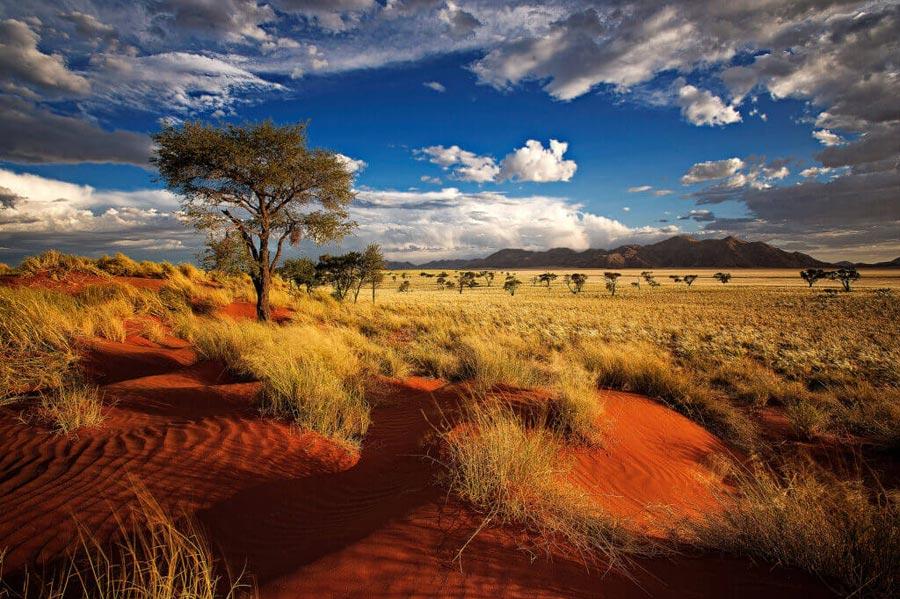
Hunting in Namibia offers far more than the plains game and dry landscapes for which the country is best known. In the northeastern Zambezi Region, hunters also have access to dangerous game including Cape buffalo, lion, hippo and the formidable Nile crocodile.
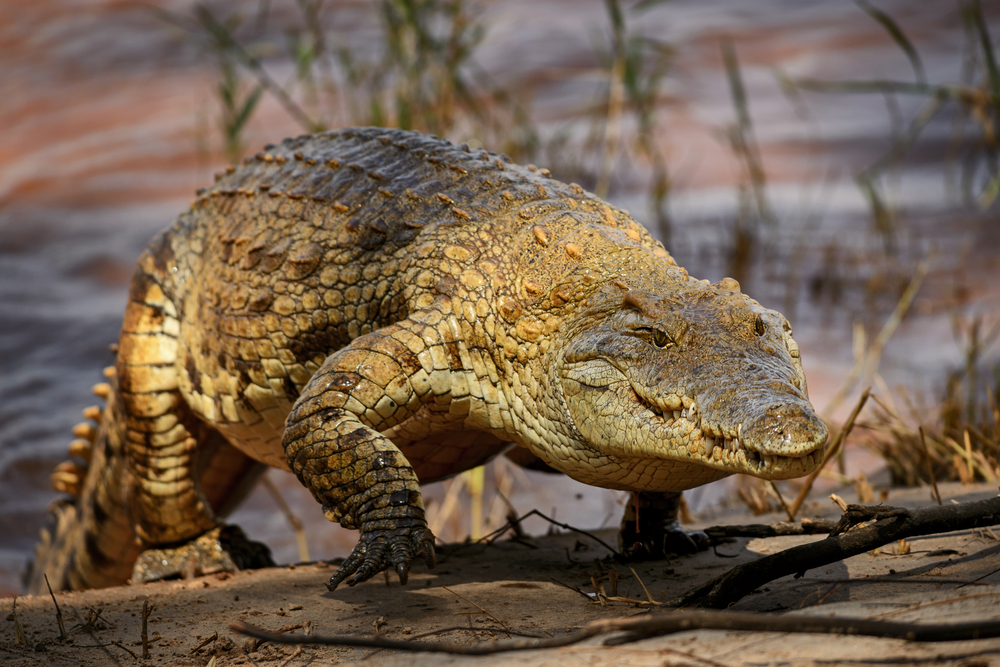
Found throughout much of sub-Saharan Africa, the Nile crocodile (Crocodylus niloticus) remains one of the most respected trophies in African crocodile hunts. Known for its aggressive nature, strength, and ability to disappear silently into the water, the species is considered one of Africa’s most dangerous reptiles and forms part of the infamous Dangerous 7.
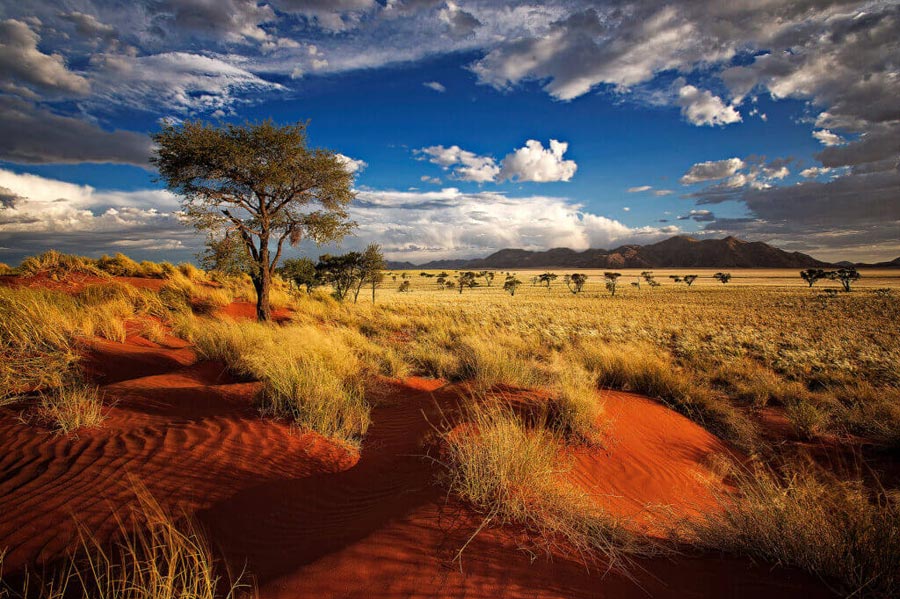
While Namibia is often associated with desert landscapes and open plains, the country’s northeastern Zambezi region, formerly known as the Caprivi Strip, offers a completely different environment. This lush river system, filled with waterways, swamps, floodplains, and dense vegetation, creates ideal habitat for large crocodile populations. It is here that hunters from around the world pursue crocodile hunting in Namibia, typically along riverbanks and remote waterways where mature trophy specimens are most commonly found.
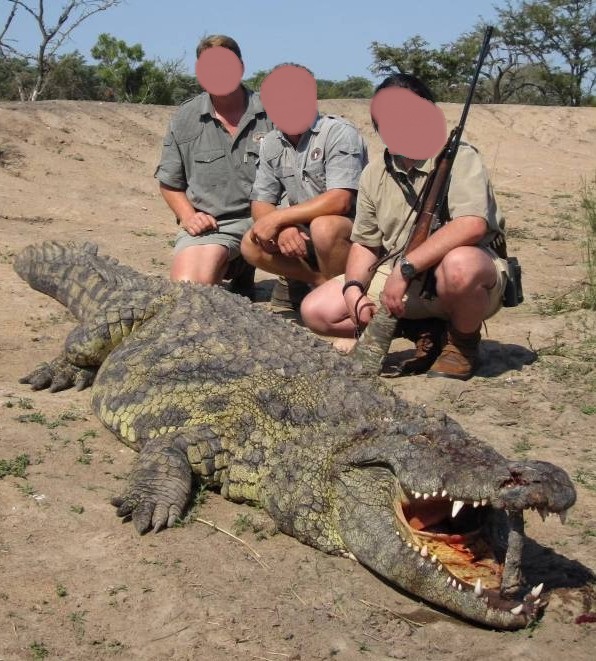
A mature Nile crocodile is an incredibly powerful reptile, with large bulls capable of weighing close to 2,000 pounds and reaching lengths of up to 18 feet. Their natural habitat includes rivers, estuaries, swamps, and shallow waterways where abundant prey and cover allow them to thrive.
The IUCN currently classifies the Nile crocodile as a species of “Least Concern,” although all hunts remain tightly regulated and require the appropriate CITES documentation and export permits before a trophy may legally leave the country.
Available African Crocodile Hunts
Non-Exportable Crocodile Hunt in Namibia’s Caprivi Strip
Booking Season: 2026
Hunt Difficulty: Moderate, Difficult

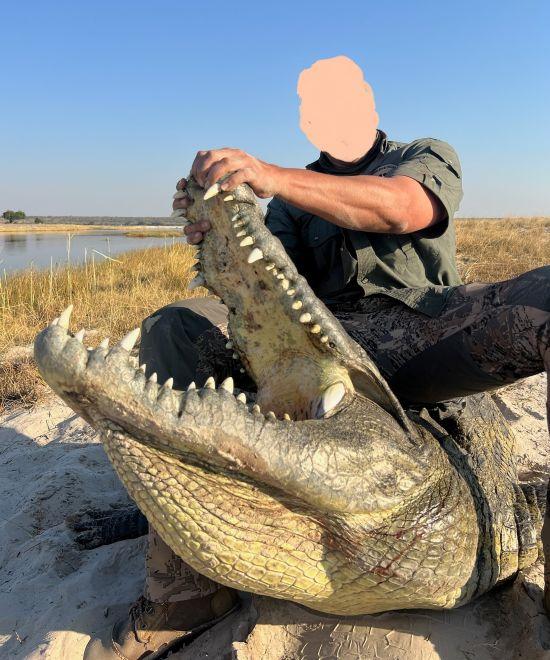
7-Day Nile Crocodile Hunting Safari in Namibia's Zambezi Region
Booking Season: 2026
Hunt Difficulty: Difficult
7-Day Crocodile Hunting Safari in Namibia
Booking Season: 2026
Hunt Difficulty: Difficult, Extreme
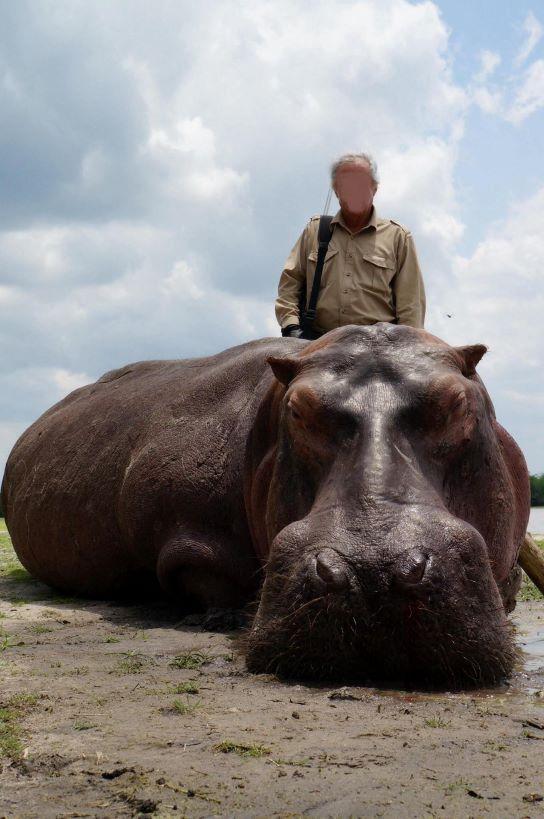
Hunt Giant Crocodile Hippo in Namibia 7 x Days in Caprivi
Booking Season: 2026
Hunt Difficulty: Difficult
Shot Placement while Crocodile Hunting in Namibia
When crocodile hunting in Namibia, the hunter can decide on two main hunting methods. Firstly, he has the option to bait the crocodile using rotting meat and then hunt the crocodile from a temporary blind. Alternatively, he can engage in a walk-and-stalk hunting safari, by targeting this vicious reptile from the riverbanks. The walk-and-stalk approach is by far the more challenging of the two hunts, as not only do crocodiles have exceptional hearing, but they can also sense vibrations on land and in the water, through sensory organs called DPRs (Dermal Pressure Receptors). Hunters engaged in this hunting adventure will require the utmost patience and be prepared to take their time, not rushing the approach at all.
Shot placement for all African hunts remains the most important part of the hunt itself. This sense of urgency increases tenfold when you are dealing with a member of the Dangerous 7. Incorrect shot placement can have major consequences, including losing your hunting trophy in the deep, murky depths of water, never to be seen again. There are a couple of options available for shot placement while crocodile hunting in Namibia. The option chosen will depend on the hunter, the way the crocodile is presenting itself, and conditions, among other considerations.
Popular shot placement options for this African hunt include: A frontal brain shot, which is the most likely option that your PH will recommend. It will result in a quick and humane death for the reptile. The heart broadside shot sees the crocodile lying broadside, with the heart and lungs exposed. The hunter must consider the position of the reptile’s front leg when contemplating this shot, as the heart is not always in the same position.
The quartering away brain shot is the most difficult shot and should only be considered when you are absolutely certain that you have your shot placement correct. Regardless of which shot option was considered, the second and third shots should be fired in quick succession, to both ensure a humane death as well as to stop the crocodile heading towards the water, which is a real consideration.
What Caliber Rifle is Used for Crocodile Hunting in Namibia?
No dangerous game species may be hunted using a bow in Namibia, meaning your crocodile hunting safari will require the use of a suitable rifle setup. The Nile crocodile is an incredibly tough reptile, protected by a thick skull, heavy vertebrae, and dense skin covering its vital organs. Because of this, accurate shot placement is absolutely critical during the hunt.
Hunters should choose a rifle they are comfortable shooting confidently and accurately under field conditions. While precise crocodile shot placement remains the most important factor, calibers such as the 7mm, .300 Winchester Magnum, and .375 are all commonly used options capable of handling this dangerous game species effectively when paired with proper shot execution.
Crocodile hunting in Namibia is concentrated in the far northeast of the country, particularly in the Zambezi Region, historically known as the Caprivi Strip. This part of Namibia looks very different from the dry mountains, thornveld and open plains found across much of the country.
The landscape is shaped by the Zambezi and Chobe river systems, with floodplains, channels, reedbeds and riverine vegetation providing suitable habitat for Nile crocodiles. The same waterways also support hippo, buffalo, elephant and other wildlife associated with this wetter part of Namibia.
Hunting here revolves around the water. A Professional Hunter may spend considerable time glassing riverbanks, sandbars and likely basking areas looking for a mature crocodile. Boats can also be used to move through the river system and locate animals before planning an approach.
Once a good crocodile is located, there may still be a long wait before the right opportunity develops. An animal lying close to deep water can disappear within seconds, while another may remain partly submerged or simply refuse to present a suitable shot.
That combination of rivers, floodplains and dangerous game makes crocodile hunting in the Zambezi very different from the plains and mountain country associated with much of Hunting in Namibia.
The cost of crocodile hunting in Namibia depends on the hunting area, length of the safari and whether the crocodile is the primary trophy or forms part of a broader dangerous game safari.
Crocodile can be combined with other species available in Namibia's Zambezi Region, making it possible to build a safari around several animals rather than travelling to Africa solely for a crocodile. Hunters planning a broader Big Game Hunting in Namibia safari may also consider species such as buffalo, hippo or elephant where permits, quotas and the hunting area allow.
Trophy fees, daily rates, transfers, permits and other safari costs all influence the final price. Longer safaris, remote river camps and additional dangerous game can increase the overall cost considerably, so comparing the full package is more useful than looking at a single trophy fee in isolation.
Our African Hunting Safari Prices guide provides a broader breakdown of the costs hunters should consider when planning and comparing hunts in Africa.
Most crocodile hunting in Namibia takes place in the northeastern Zambezi Region, formerly known as the Caprivi Strip. The Zambezi and Chobe river systems provide suitable habitat for Nile crocodiles and are very different from the dry landscapes associated with much of Namibia.
Crocodiles may be hunted by locating and stalking animals along rivers and exposed banks or by using bait where appropriate. Much of the hunt involves glassing, identifying a mature crocodile and waiting for the animal to present a suitable opportunity away from deep water.
Accuracy is more important than simply choosing the largest rifle. Common choices include 7mm and .300-class rifles as well as the .375, provided the hunter can shoot the rifle accurately and use suitable ammunition. Precise shot placement is particularly important because a wounded crocodile can quickly disappear into deep water.
Yes. Crocodile hunts in Namibia's Zambezi Region can be combined with other available species depending on the hunting area, quotas and permits. Buffalo, hippo, elephant and plains game may form part of a broader safari, allowing the hunter to build the trip around more than one species.
Search from our range of Hunts across various popular destinations in Africa.

Book Your Hunt