• Designed by Hunters, for Hunters

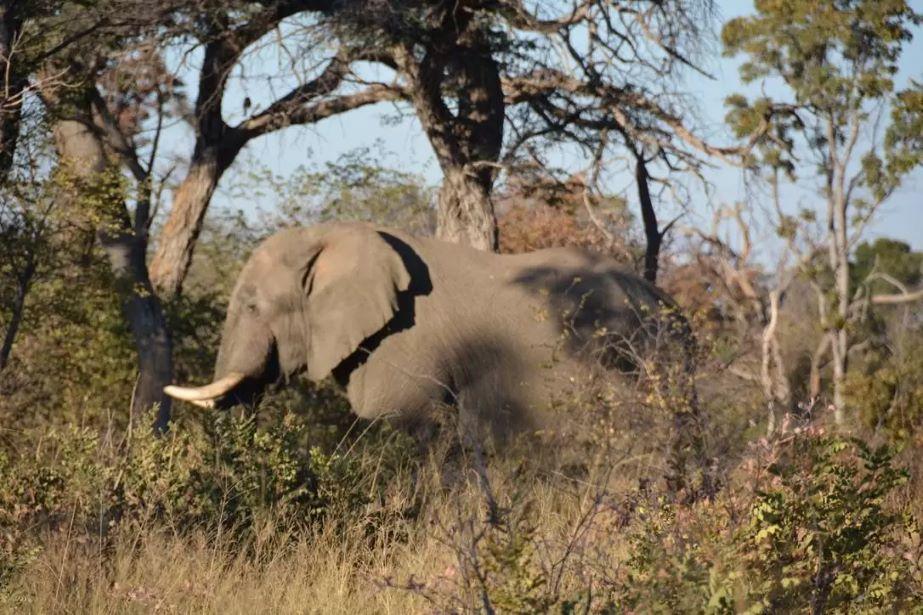
    Hunting Elephant in Namibia
    Hunting Elephant in Namibia

    Hunting Elephant in Namibia

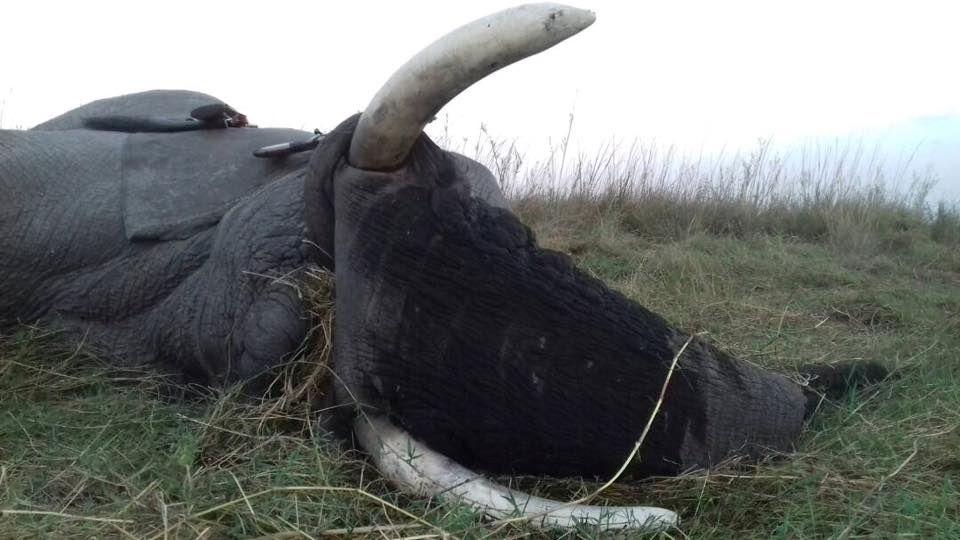
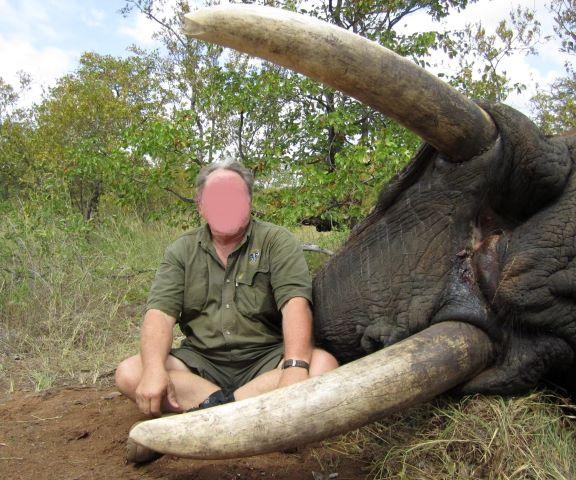
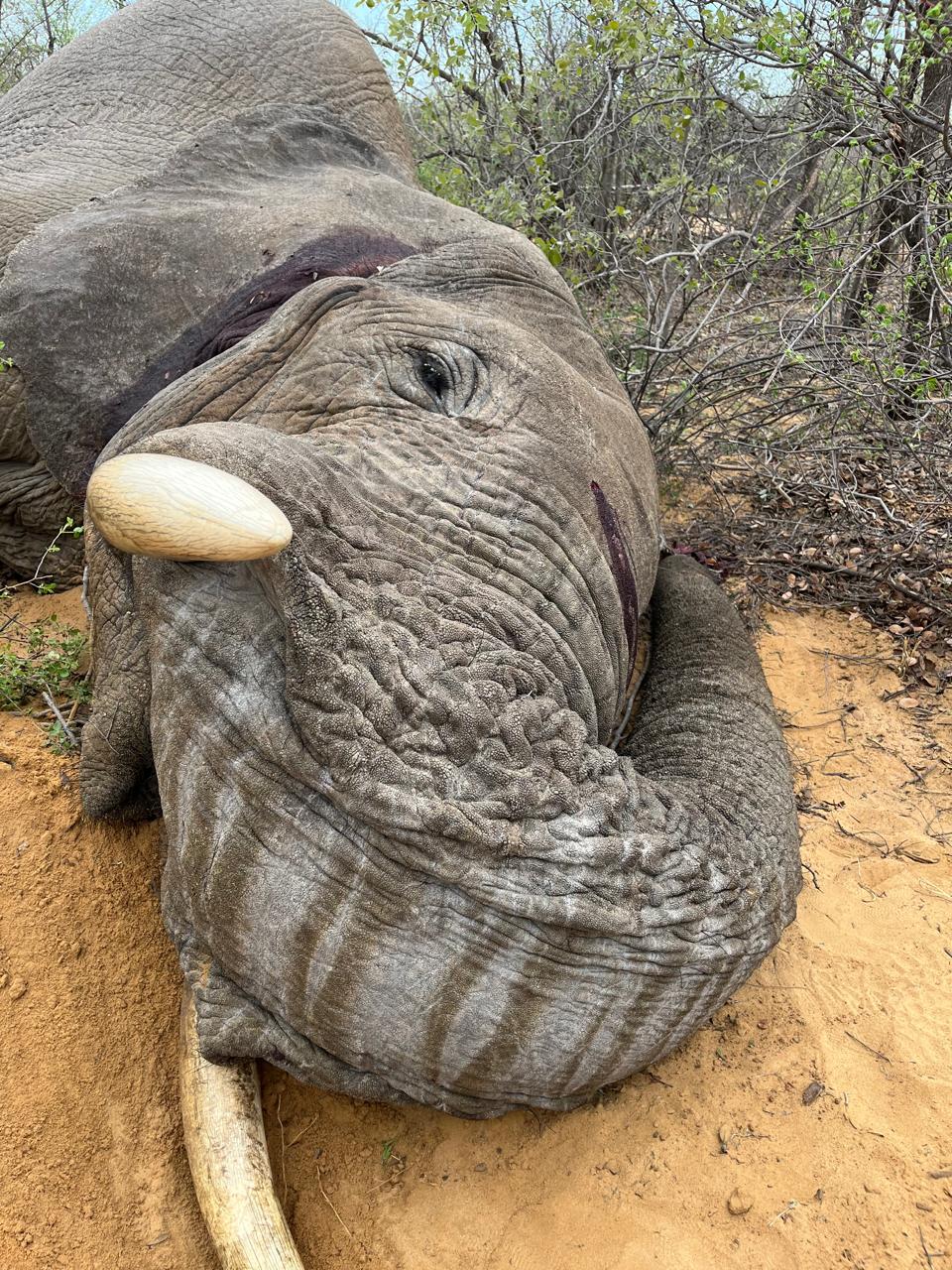
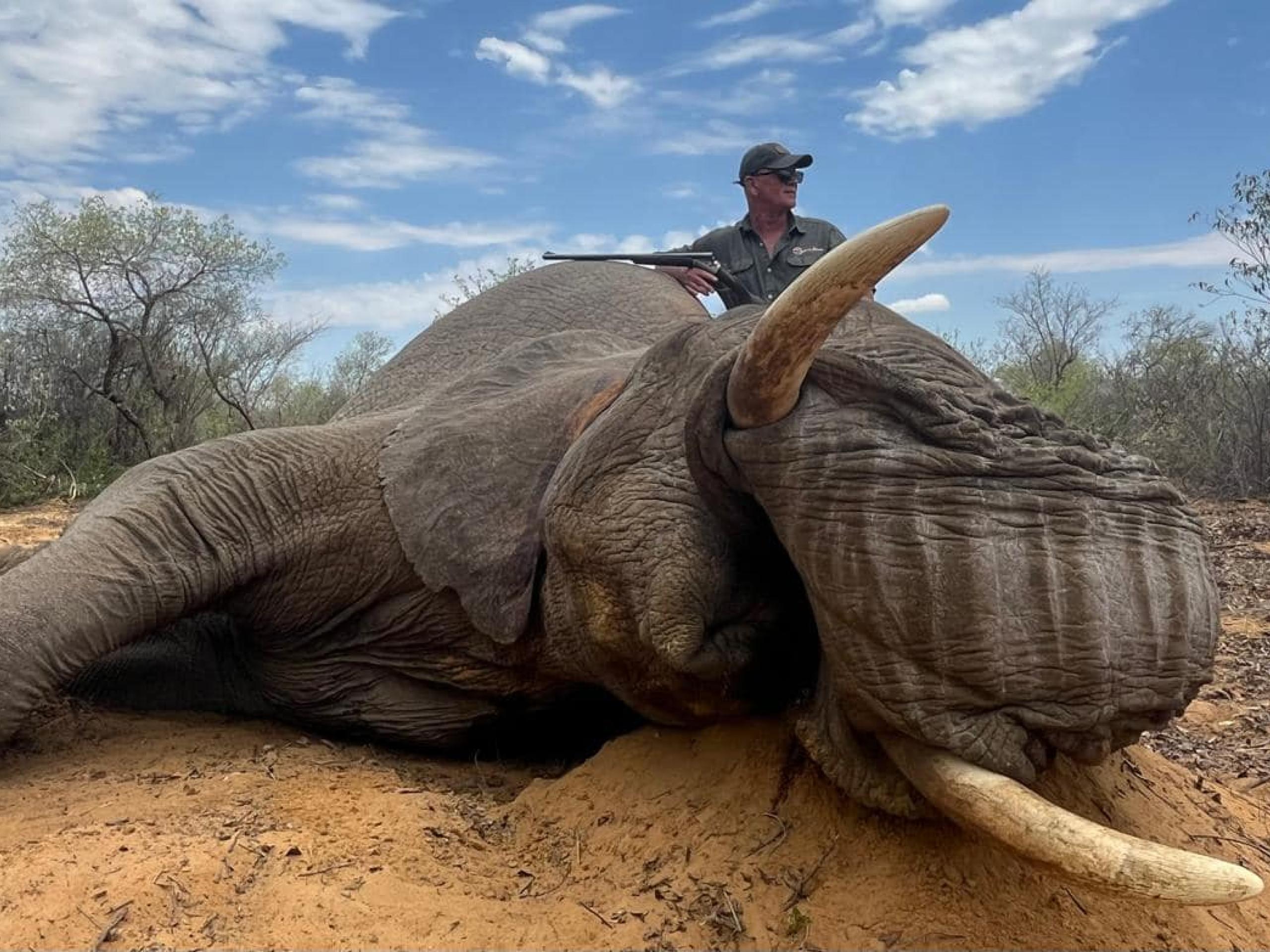
    Elephant hunting in Namibia operates on a quota-based conservancy system where availability, timing, and access define the hunt. Understanding how this system works is critical before booking.

    Elephant Hunting in Namibia: What Most Hunters Get Wrong

    If you're looking at elephant hunts in Africa, Namibia is probably not what you think.

    Most hunters start by comparing it to places like Zimbabwe or Botswana and assume it works the same way. That’s usually the first mistake.

    On the surface, Namibia looks straightforward. It offers free-range elephant hunting across large, unfenced conservancies, supported by a well-known and respected conservation model. It checks all the boxes most hunters are looking for.

    But once you move past the surface, the reality is very different.

    Hunting in Namibia is not built around volume, and it doesn’t operate on easy availability. It is not a destination where you simply pick a hunt, book it, and go. The entire system works differently.

    In countries like Zimbabwe, you can usually start with the hunt you want and then find availability to match. In Namibia, that process is reversed. You are working within a structure defined by conservancy-level quota, limited annual allocation, and area-specific availability.

    You don’t start with the hunt—you start with what’s actually available.

    That shift is where most hunters get caught out. They tend to focus on elephant numbers, price comparisons, or package structure, assuming those are the key decision points. They’re not.

    Available Elephant Hunts

    More About Namibia Elephant Hunting

    What matters in Namibia is access—how quota is allocated, where elephants are moving, and what type of hunt is actually being offered at that moment.

    Miss that, and it’s very easy to book something that doesn’t match your expectations.

    Get it right, and Namibia becomes a completely different kind of hunting experience.

    For a broader overview of how elephant hunting works across the continent, see our guide to elephant hunts in Africa.

    Why Namibia Is Different 

    To understand elephant hunting in Namibia, you need to understand the system behind it.

    Namibia does not operate like a traditional outfitter-driven model. Instead, it runs on a community conservancy system, where wildlife is managed at a local level and elephant quota is allocated to specific conservancies. The revenue generated from hunting flows back into those communities, which is a big part of why the system has gained international recognition.

    From a conservation perspective, it’s one of the most respected models in Africa.

    From a hunting perspective, it comes with real limitations.

    Elephant hunting in Namibia is controlled, limited, and ultimately dependent on quota allocation rather than demand. That means availability is never guaranteed in the way many hunters expect.

    Not every outfitter has access to elephant quota in a given year. Not every area offers hunts every season. And availability can shift from one year to the next depending on how quota is distributed.

    This is where Namibia works differently. In most countries, you start by choosing the hunt you want and then look for availability to match. In Namibia, that process is reversed.

    You start with what quota is available—then build the hunt around it. Understanding that shift early is what prevents most of the common mistakes hunters make here.

    For a full breakdown of how hunting in Namibia works across species and regions, see our guide to hunting in Namibia.

    Where Elephant Hunting Happens in Namibia

    Elephant hunting in Namibia is not uniform—and this is one of the most important things to understand before choosing a hunt.

    Unlike some destinations where elephant hunting follows a more consistent structure, Namibia varies significantly from one region to another. The terrain, elephant density, movement patterns, and even the style of hunting can change completely depending on where you are.

    In practical terms, the area you choose will shape:

    How often you see elephants 

    How you hunt them 

    What kind of bulls you are likely to encounter 

    And ultimately, how the entire safari unfolds 

    This is not a small detail—it is the foundation of the experience.

    Zambezi Region (Caprivi)

    The Zambezi Region, often still referred to as Caprivi, is one of the most established elephant hunting areas in Namibia.

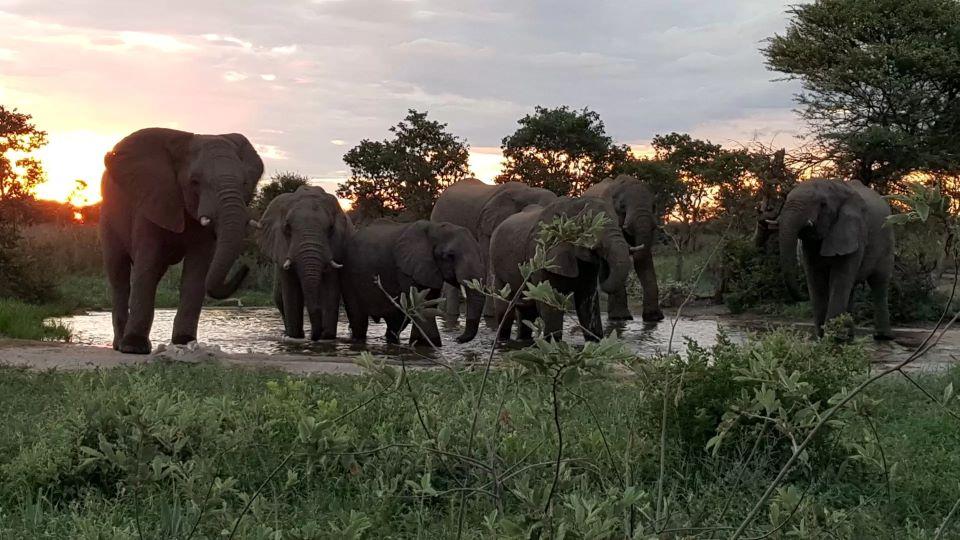
    It is shaped by river systems, floodplains, and consistent access to water, which support higher elephant densities and a more stable year-round presence of animals. Because of this, hunts in the region tend to feel more active, with more frequent sightings and a greater likelihood of encountering multiple bulls over the course of a safari.

    For many hunters, this creates a sense of momentum. There are often more opportunities, more movement, and more chances to evaluate different animals before making a decision. However, higher density does not necessarily make the hunt easier.

    In practice, it often means spending more time assessing bulls, making decisions in the field, and passing on animals in order to find the right one. The challenge shifts from locating elephants to selecting them carefully, which can require patience and discipline over the course of the hunt.

    Bushmanland

    Bushmanland sits on the opposite end of the spectrum.

    This is a far more remote and expansive environment, where elephant densities are lower and animals move across large, less pressured areas. It is not a place where you expect daily encounters, and the pace of the hunt reflects that.

    Hunting here is more dependent on reading conditions—tracking movement, interpreting sign, and understanding how rainfall and water availability are influencing where elephants are at any given time. Days may be spent covering ground and working to locate animals that are not always predictable.

    That uncertainty is part of what defines the experience.

    When encounters do happen, they tend to be more deliberate and more hard-earned. There is often a stronger sense of build-up, and the moment itself can feel more intense because of the effort required to get there.

    For many hunters, that is exactly the appeal.

    Other Conservancies

    Beyond the main regions, elephant hunting in Namibia also takes place across a range of community-managed conservancies.

    These areas operate under the same quota-based system, but they vary significantly in terms of terrain, size, and elephant presence. Conditions can differ from one conservancy to another, and movement patterns are often influenced by local factors that are not always obvious from the outside.

    Because of this, these areas are not interchangeable.

    A hunt in one conservancy can feel completely different from a hunt in another, even within the same country. Understanding how quota is allocated, how elephants move through that specific area, and what type of hunt is actually being offered is critical before making a decision.

    Without that understanding, it is easy to assume a level of consistency that simply doesn’t exist.

    What This Means

    The key takeaway is simple, but often overlooked. Two elephant hunts in Namibia can feel like completely different safaris.

    The difference is shaped by the area you are hunting, the timing of the hunt, and how elephants are moving during that specific period. These factors do not just influence the outcome—they define the entire experience.

    Understanding that upfront is what allows you to choose the right hunt, rather than assuming all options will deliver the same result.

    Hunting Style Differences: Caprivi vs Bushmanland

    One of the most overlooked aspects of elephant hunting in Namibia is not just where you hunt—but how you hunt.

    The Zambezi Region and Bushmanland do not just produce different outcomes—they require completely different approaches in the field.

    Zambezi Region (Caprivi)

    Hunting in the Zambezi Region is often conducted in more open terrain, shaped by floodplains, river systems, and areas where visibility is generally better. These conditions naturally influence how the hunt unfolds from the outset.

    In practice, more time is spent glassing and locating elephants from a distance, with stalks planned and executed around positioning rather than immediate proximity. Shot opportunities often present themselves at slightly longer or more controlled distances, allowing for a more measured approach in how situations develop.

    This is not always the close-quarters, thick-bush experience that many hunters expect when they first think about elephant hunting.

    For those arriving with the assumption of constant, up-close encounters, it can come as a surprise. The environment simply does not always allow for that style of hunting, and understanding that upfront helps align expectations with reality.

    Bushmanland

    Bushmanland offers a very different kind of elephant hunt—one that is shaped more by space, movement, and uncertainty than by consistent opportunity.

    This is a remote, expansive environment where elephants move across large areas and are not always easy to locate. The terrain is more varied, and in many places thicker, which naturally reduces visibility and changes how the hunt unfolds from the very start. In this kind of setting, hunting becomes far more grounded in tracking.

    Rather than relying on regular sightings, the day often begins by cutting for fresh tracks and working to understand where elephants have moved during the night or early morning. From there, the hunt builds slowly—following sign across changing terrain, adjusting to conditions, and gradually closing distance over time.

    It is not a fast process.

    Progress can be steady but demanding, requiring patience, physical effort, and a constant awareness of how the situation is developing. You are not simply moving toward elephants—you are working to interpret them.

    When encounters do happen, they tend to unfold very differently from more open environments.

    Distances are often shorter. Situations can develop quickly. And the moment itself can feel more reactive, with less time to adjust once everything comes together. This is where elephant hunting becomes more traditional in nature—closer, more physical, and more dependent on composure under pressure.

    For many hunters, this is what defines the appeal of Bushmanland. It is not about how many elephants you see. It is about how the hunt is experienced when it all comes together.

    What This Means

    These differences are not minor—they shape the entire character of the hunt.

    In the Zambezi Region, the experience is often defined by more consistent encounters, more open conditions, and a style of hunting that allows for greater control in how situations develop. There is usually more opportunity to see animals, evaluate bulls, and work through decisions over time.

    In Bushmanland, the dynamic shifts.

    Encounters are less frequent, the process is more tracking-driven, and the hunt carries a different kind of intensity. Progress can be slower, outcomes less predictable, and when opportunities do come, they often unfold more quickly and with less room for adjustment.

    These are not small variations—they are fundamentally different hunting experiences.

    Choosing between them is not simply a matter of price or trophy potential. It is about how you want to hunt, what kind of experience you are looking for, and how comfortable you are with different levels of difficulty and uncertainty.

    Getting that choice right is what shapes the entire safari.

    Why Bushmanland Bulls Are Often Larger (And What That Means)

    Not all elephant populations in Namibia produce the same type of bulls, and this becomes especially noticeable when comparing regions like Bushmanland and the Zambezi Region.

    In Bushmanland, elephant density is lower and animals tend to move across much larger areas. Because of this, the bulls encountered are often older individuals that have adapted to covering distance and surviving in more demanding conditions.

    As a result, some of these bulls appear noticeably different. They can be larger-bodied, carry more overall mass, and reflect the kind of physical development that comes from living in a harsher, less predictable environment over time.

    This is not driven by a single factor, but rather a combination of influences working together.

    Lower hunting pressure in certain areas allows bulls to reach older age classes. Wider movement patterns mean animals are not confined to smaller, more pressured zones. Cross-border movement from Botswana also plays a role, with elephants moving through broader landscapes rather than remaining in one defined area. On top of that, environmental conditions favor endurance and range, which further shapes how these animals develop.

    By contrast, the Zambezi Region presents a different picture.

    Here, elephant densities are higher and encounters are more frequent, which naturally creates a broader mix of bull ages and sizes. Hunters are likely to see more elephants overall, but that often comes with the need to spend more time selecting the right animal rather than simply finding one.

    The Trade-Off

    This creates a clear and important trade-off:

    Bushmanland → fewer encounters, but potential for older, larger-bodied bulls 

    Zambezi → more encounters, but more selection required to find the right bull 

    This difference is one of the main reasons why pricing varies between areas.

    It is not just about location—it is about what that environment consistently produces over time.

    Types of Elephant Hunts in Namibia

    This is where most of the confusion around elephant hunting in Namibia comes from.

    When hunters start researching options, they often see a wide range of prices and packages—and assume they are all variations of the same hunt. They’re not. Namibia offers different types of elephant hunts, each built on a different structure, with different outcomes.

    If you don’t understand the difference upfront, it’s very easy to book the wrong hunt for your expectations.

    Trophy Elephant Hunts (Exportable)

    These are what most hunters picture when they think about elephant hunting.

    In Namibia, trophy hunts are structured around a formal quota system and take place in approved conservancies or designated hunting areas. They are designed to meet both legal and conservation requirements, while allowing for the possibility of exporting ivory—subject to current regulations.

    Because of how the system is built, these hunts operate under tighter control than many hunters expect. Quota is strictly allocated, and in many cases there is government oversight involved to ensure that the correct animal is taken and that all requirements are met.

    This creates a hunting environment that is more regulated, but also more limited.

    Availability is restricted by quota, not demand. As a result, trophy hunts are often more expensive and typically need to be secured well in advance, particularly in areas with a strong reputation for consistent bull quality.

    For international hunters—especially those traveling from the United States—this is the only type of hunt that offers the possibility of legally exporting ivory. But that possibility is not guaranteed.

    Export depends on multiple layers of approval, including Namibian export permits, compliance with CITES regulations, and import authorization in the hunter’s home country. Even when a hunt is conducted legally, those approvals still need to be in place before export can happen.

    That uncertainty is something every hunter needs to understand upfront.

    Non-Exportable Bull Hunts

    This is one of the most misunderstood options in Namibia—and one of the most important to get right.

    Non-exportable hunts follow the same basic hunting process as trophy hunts. They take place in similar areas, involve the same tracking methods, and often target mature bulls under real hunting conditions.

    In the field, very little changes. The terrain is the same. The tracking is the same. The level of effort and difficulty is often the same. The difference comes after the hunt.

    In a non-exportable hunt, the ivory remains in Namibia and is not shipped to the hunter. There is no export process, no permit chain to navigate, and no dependency on international approval. That single difference has a significant impact on pricing.

    Because these hunts are not tied to exportable quota in the same way, they are often more affordable and, in some cases, more accessible. Yet they are frequently overlooked by hunters who are focused only on bringing ivory home. For the right hunter—someone who values the experience of the hunt itself—this option can represent strong value.

    But it requires a clear understanding of what you are, and are not, getting.

    Own-Use / Management / PAC Hunts

    This is where elephant hunting in Namibia becomes more complex—and where many hunters misunderstand what is actually being offered.

    These hunts are not built around traditional trophy hunting. Instead, they form part of Namibia’s broader wildlife management system, where elephant populations are managed in relation to community needs, land use, and human-wildlife conflict.

    In practical terms, this can include own-use quota animals allocated to conservancies, Problem Animal Control (PAC) situations, management bulls, and tuskless elephants, all of which fall under Namibia’s broader wildlife management framework rather than traditional trophy hunting.

    Because of this, these hunts operate differently, with structure and intent shaped by management objectives rather than trophy demand.

    The focus is not always on selecting a trophy animal in the traditional sense. In some cases, the animal may already be identified based on its impact on local communities or its role within the population. In others, the hunt may be shaped by specific management requirements rather than open-ended selection.

    This also affects how the hunt is structured.

    Logistics can vary depending on the area, the nature of the quota, and the specific circumstances around the animal being hunted. Some hunts may feel similar to traditional safaris, while others may operate under more defined parameters.

    From a pricing perspective, these hunts are often more affordable and, in certain situations, more available than exportable trophy hunts.

    But that accessibility comes with a different set of expectations.

    They are not always trophy-focused. They are not always flexible in terms of animal selection. And they are not always clearly understood—especially by international hunters who are more familiar with traditional safari structures.

    What This Means

    Not all elephant hunts in Namibia are the same—and treating them as if they are is where most mistakes happen.

    On paper, two hunts may look similar. They may be offered in the same country, at similar times of year, and even at comparable price points.

    But in reality, they can be built on completely different foundations. The differences come down to whether the ivory can be exported, how the hunt is structured under quota, the level of flexibility available in the field, and what happens after the hunt is completed. 

    This leads to a simple but critical point. Two hunts may look similar at first glance—but deliver completely different outcomes.

    Understanding those differences upfront is what allows you to choose the right hunt for your expectations, rather than just the most appealing option on paper.

    The Real Decision

    When choosing an elephant hunt in Namibia, the question is not just what it costs.

    That’s usually where most hunters start—but it’s rarely what determines whether the hunt is a good fit. The real decision sits a level deeper.

    It comes down to understanding what you actually want from the hunt. Whether the goal is to export ivory or to focus purely on the experience in the field. Whether the structure of the hunt—how quota is allocated, how animals are selected, and how the safari is conducted—matches your expectations.

    These are not small details. They define the outcome. A hunt that looks right on paper can feel completely different once you are in the field if those factors are not aligned. That’s why the most important step is not comparing prices or packages—it is understanding how the hunt is built, and whether that structure matches what you are looking for.

    When that alignment is there, Namibia can offer a highly rewarding experience.

    When it isn’t, it’s easy to end up with a hunt that doesn’t deliver what you expected.

    Quota, Availability & Why Hunts Are Limited

    Elephant hunting in Namibia is defined by quota—and more than anything else, that is what controls access.

    This is not a system driven by demand. It does not expand because more hunters want to come. Instead, it operates within a fixed framework where only a limited number of elephants are allocated each year. That allocation happens at the conservancy level.

    Each year, a set number of elephants is assigned to specific conservancies, and from there, that quota is made available to operators who hold rights within those areas. The result is a system where access is tied directly to location and timing, not just to the outfitter.

    Because of this, availability is never consistent.

    Some areas receive elephant quota regularly, while others may not have quota in a given year at all. An outfitter who offers elephant hunts one season may not have access the next. Even in well-established areas, availability can shift depending on how quota is distributed. This is a deliberate structure.

    Namibia does not operate as a high-volume hunting destination. It is intentionally limited, with access controlled in a way that prioritizes conservation, community involvement, and long-term sustainability.

    What This Means in Practice

    For hunters, this creates a very different kind of booking environment. You cannot assume availability, even with reputable operators. You cannot always choose your preferred area freely. And in many cases, you cannot simply decide to hunt and expect to find a suitable option immediately.

    Instead, hunts are often secured when quota becomes available—not when a hunter decides they are ready to go. That shift is important. It means planning matters. Timing matters. And flexibility—both in terms of area and schedule—can make a significant difference in what options are available to you.

    Government Oversight and Hunt Structure

    Elephant hunting in Namibia also operates within a regulated system that goes beyond the outfitter and the hunter.

    In many cases, particularly with trophy hunts, there is direct government involvement. Hunts are conducted under oversight, and compliance is monitored throughout the process. A government-appointed official may be present or involved to ensure that the correct animal is taken under quota and that all legal requirements are followed.

    This includes oversight of documentation required for export under CITES, as well as verification that the hunt aligns with the quota allocated to that specific conservancy.

    For many hunters, this is a different experience. It introduces a level of structure that is not always present in other countries. Decisions in the field are not made in isolation—they are made within the boundaries of a regulated system.

    That can mean less flexibility in certain situations, but it also reflects how tightly controlled elephant hunting is in Namibia.

    This Means for Hunters, hunts in Namibia need to be planned, not rushed. Availability can change from one year to the next, and being flexible with both timing and area can significantly improve your chances of securing the right hunt.

    Most importantly, you are not just booking a safari. You are operating inside a regulated system where quota, oversight, and structure all play a role in how the hunt unfolds. Understanding that upfront is what prevents most of the common mistakes hunters make when approaching Namibia.

    Movement, Timing & What Affects Your Hunt

    One of the biggest misconceptions about elephant hunting in Namibia is that elephant presence is consistent within a given area. It’s not.

    Elephants are highly mobile animals, and their movement is influenced by a combination of environmental and human factors that can change quickly, even within the same season.

    Water availability plays a major role. In drier areas, elephants will shift their movement patterns based on access to reliable water sources, often covering large distances to reach rivers, pans, or seasonal water. Rainfall has a direct impact as well. A good rain season can spread animals out over a wider area, while drier conditions tend to concentrate them around limited water.

    Human pressure also matters. Areas with more activity—whether from local communities, livestock, or other disturbances—can push elephants into less pressured zones, sometimes across significant distances.

    All of this means that elephant movement in Namibia is not fixed or predictable.

    You can be in a good area at the wrong time and see very little movement, or be in a marginal area during the right conditions and have excellent opportunities. That variability is part of what defines elephant hunting here—and part of what makes planning, timing, and local knowledge so important.

    Cross-Border Movement and Seasonal Influence

    In regions like Bushmanland, elephant movement is not confined to Namibia alone.

    There is natural movement between Namibia and neighboring Botswana, particularly across the broader Kalahari systems where elephants are not restricted by fences in many areas.

    This movement is not structured like a defined migration. It does not follow a fixed calendar, and it does not happen the same way every year. Instead, it is driven by conditions.

    Rainfall patterns, water availability, and pressure all influence when and how elephants move between these regions. In some seasons, animals may remain within one area for extended periods. In others, they may move more freely across the landscape, shifting between Namibia and Botswana depending on where conditions are more favorable.

    In practical terms, this creates an important reality for hunters. Not all elephants encountered in Bushmanland are resident animals. Some of the bulls—especially larger, older individuals—may be moving through these areas rather than living there permanently.

    This can directly influence both the type of bulls encountered and the consistency of sightings throughout the hunt. It also reinforces a key point about Namibia: This is not a system built around predictability.

    It is built around conditions—and those conditions can change.

    Namibia vs Other Countries 

    For most international hunters—especially those traveling from the United States or Canada—the real decision is not whether to hunt elephant, but where to do it.

    Namibia is often grouped together with other well-known destinations in Africa, but that comparison can be misleading. While the end goal may be the same, the way each country operates is very different.

    Understanding those differences is what allows you to choose the right hunt—not just an available one.

    Zimbabwe — The Most Accessible

    Zimbabwe is often the most straightforward place to begin.

    It offers a combination of availability, flexibility, and variety that is hard to match elsewhere. Quota is more widely distributed, and there are multiple established hunting areas with consistent elephant populations.

    In practical terms, this means hunters can usually find availability without long lead times, compare different areas and outfitters, and build a hunt around their schedule rather than waiting on quota. This accessibility is what makes Zimbabwe such a common starting point. It allows hunters to enter the elephant hunting space without needing to navigate a highly restrictive system.

    That doesn’t mean the hunting is easy—but the process of getting there is.

    Botswana — The Most Exclusive

    Botswana represents a very different model.

    Here, elephant hunting is tightly controlled, with limited quota and a strong emphasis on selectivity. Hunts are fewer, more expensive, and often tied to specific concessions with established reputations.

    The experience in Botswana is often shaped by low hunting pressure, expansive open wilderness, and a more deliberate, less crowded style of hunting. But that comes with trade-offs. Availability is limited, and opportunities to hunt are far less frequent. For many hunters, Botswana becomes something you plan around rather than something you can easily access.

    It is not a volume destination—it is a selective one.

    Tanzania — The Most Structured

    Tanzania operates under one of the most formal hunting systems in Africa.

    Elephant hunts here are typically part of longer safaris, often spanning several weeks and including multiple species. The country is divided into large concession blocks, each operating under a structured, government-controlled framework.

    This creates a system that is highly organized, consistent in execution, and built around longer-term safari planning. But that structure comes at a cost, requiring a significant time commitment, a higher overall investment, and early planning. Tanzania is not designed for short, flexible hunts. It is built for hunters who are committing to a full safari experience.

    Namibia — The Most Misunderstood

    Namibia doesn’t fit neatly into any of these models—and that is where most of the confusion comes from. It is not as accessible as Zimbabwe. It is not as exclusive as Botswana.

    It is not as formally structured as Tanzania.

    nstead, Namibia operates through a system that is less obvious at first glance. It is driven by conservancy-level quota, dependent on when and where that quota becomes available, and heavily influenced by movement, conditions, and local factors.

    This creates a hunting environment that is more variable than most hunters expect. Two hunts in Namibia can differ significantly—not just in outcome, but in how they are planned, accessed, and experienced. This Means in Practice choosing Namibia is not simply about choosing a destination—it is choosing to work within a system.

    That system is shaped by how quota is allocated at the conservancy level, how elephants are moving during that season, the specific conditions in the area you are hunting, and the level of government oversight involved.

    Because of this, Namibia does not always offer the same predictability as other countries. Availability can change. Conditions can shift. Outcomes can vary. And that is exactly why it is often misunderstood.

    The Bottom Line is each country offers a valid path to an elephant hunt—but they are not interchangeable. Zimbabwe offers accessibility and flexibility. Botswana offers exclusivity and limited pressure. Tanzania offers structure and long-form safari hunting.

    Namibia offers something different.

    It offers a system that rewards understanding. For hunters who take the time to understand how it works—and choose the right type of hunt within it—Namibia can be an exceptional destination.

    But without that understanding, it is easy to choose a hunt that doesn’t match your expectations.

    Who Namibia Is Right For 

    Elephant hunting in Namibia is not one single type of experience—and because of that, it can suit a wider range of hunters than many people assume.

    The key is matching the right hunter to the right area and the right type of hunt.

    Where Namibia Works Well

    Elephant hunting in Namibia tends to suit a very specific type of hunter—one who is comfortable with structure and understands that this is not a volume-driven destination.

    This is a system built around regulation and quota, where access is controlled and availability is not always immediate. Hunters who do well here are those who are willing to work within that framework, rather than expecting the flexibility found in some other countries.

    It also rewards those who recognize that not all areas offer the same experience. Conditions can vary significantly depending on where you hunt, and understanding those differences is an important part of making the right decision. More than anything, Namibia suits hunters who value the process of the hunt itself.

    This is often a more deliberate, less commercial experience. It is not about constant opportunity or high numbers, but about working through the conditions, understanding the system, and approaching the hunt with the right expectations.

    For those who see it that way, Namibia can offer a more considered and ultimately more rewarding experience than many other destinations.

    First-Time Elephant Hunters — It Depends on the Area

    Namibia is not automatically a bad choice for a first elephant hunt—but it depends heavily on where you go, and what kind of experience you are expecting.

    This is where many hunters make a mistake. They treat Namibia as a single type of destination, when in reality the conditions can vary significantly between regions.

    In areas like the Zambezi Region, the hunting environment is generally more forgiving. The terrain tends to be more open, with river systems and floodplains creating better visibility. Elephant densities are higher, and encounters are often more consistent over the course of a safari. This means hunters are more likely to see multiple animals and have time to evaluate different opportunities.

    In these conditions, shot opportunities can come at more controlled distances, and the pace of the hunt can feel more manageable—especially for someone new to elephant hunting. There is more time to assess the situation, position correctly, and make decisions without the same level of pressure that comes with close-quarters encounters.

    By contrast, areas like Bushmanland offer a very different experience. Here, the hunt is more dependent on tracking, movement, and patience. Elephant densities are lower, and animals are often covering larger areas. Days can be spent following sign, working through terrain that is more varied and, in many cases, thicker.

    When encounters do happen, they are often closer, faster, and far less predictable than many hunters expect.

    That changes the dynamic completely. Shot opportunities may come quickly, and decision-making needs to happen under more pressure. For a first-time hunter, that can be a much more demanding environment—both physically and mentally.

    None of this makes Bushmanland a poor choice. But it does make it a different kind of hunt—one that typically suits hunters who are more comfortable with uncertainty, slower progress, and higher-intensity encounters when they do occur.

    Where Namibia Is a Strong Fit

    Namibia tends to suit hunters who are comfortable with the idea that a hunt will not always unfold in a predictable way.

    This is not a destination where everything follows a set pattern. Conditions change, movement shifts, and availability is tied to quota rather than convenience. Hunters who do well here are the ones who understand that going in—and are willing to adapt.

    That includes being flexible with timing, open to different areas, and in some cases willing to adjust the type of hunt itself.

    It also tends to suit hunters who value the experience as much as the outcome. Elephant hunting in Namibia is often more deliberate and less volume-driven than in other countries. There can be long periods of tracking, time spent working to locate animals, and situations where patience matters more than opportunity. For hunters who appreciate that process, Namibia can be highly rewarding.

    This is especially true for those who have prior African hunting experience, where expectations are already aligned with how these safaris unfold. But it can work just as well for first-time elephant hunters—provided the right area is chosen and expectations are realistic from the start.

    Where Mismatches Happen

    Most problems with elephant hunting in Namibia don’t come from the hunting itself—they come from mismatched expectations before the hunt even begins.

    This usually happens when decisions are made on the wrong criteria.

    Focusing only on price, without understanding the type of hunt being offered, can lead to completely different outcomes than expected. The same applies when hunters assume that all areas operate in a similar way, or that daily encounters will be consistent regardless of conditions.

    In Namibia, those assumptions don’t hold. Each area behaves differently, movement is not predictable, and the structure behind the hunt plays a major role in how everything unfolds. When those factors are overlooked, even a well-run hunt can feel like the wrong fit. This is why understanding the system matters as much as choosing the destination itself.

    The Bottom Line

    Elephant hunting in Namibia can work for both first-time and experienced hunters—but only when the hunt is matched correctly to the individual.

    In the Zambezi Region, the experience is generally more accessible, with more consistent encounters and conditions that tend to be more forgiving. For many hunters, this makes it a more manageable introduction to elephant hunting.

    Bushmanland offers a different path. It is more demanding, less predictable, and built around tracking, patience, and adapting to changing conditions. It tends to suit hunters who are comfortable with a harder, more variable experience.

    The decision is not really about experience level alone. It is about understanding what kind of hunt you are stepping into—and choosing the one that aligns with how you want that experience to unfold.

    The Real Cost 

    The advertised price of an elephant hunt in Namibia is only part of the total investment.

    This is another area where many hunters get caught off guard—especially when comparing hunts based purely on headline pricing. In reality, the full cost of the safari often includes several additional components that can add up quickly depending on the type of hunt and location.

    Travel is the first factor. International flights, and in many cases additional charter or long-distance road transfers to remote areas, can significantly increase the total cost—especially for regions like Bushmanland. Permits and government-related costs are also part of the equation. These can include conservation fees, documentation, and other regulatory requirements tied to the quota system and, where applicable, export processes.

    Logistics in Namibia can vary widely depending on how remote the hunting area is. More isolated concessions require more infrastructure, support, and planning, which is often reflected in the overall cost of the hunt.

    Then there is trophy handling. For exportable hunts, this includes preparation, crating, shipping, and the coordination of permits—costs that are not always fully visible in the initial quote.

    What This Means in Practice

    Comparing hunts based only on the advertised price is one of the fastest ways to misunderstand what you are actually getting.

    Two hunts may appear similar at first glance, but once you factor in the type of hunt, the area, the logistics involved, and the export requirements, the total cost—and the overall value—can look very different.

    The total cost—and the overall value—can look very different. The better approach is to evaluate the hunt as a complete package, not just a number.

    Adding Plains Game to Your Elephant Hunt

    One of the key advantages of hunting in Namibia is the ability to combine an elephant hunt with a wide variety of plains game species.

    For many international hunters—particularly those traveling from the United States or Canada—this is not just an added option, but a practical way to maximize both time and overall value.

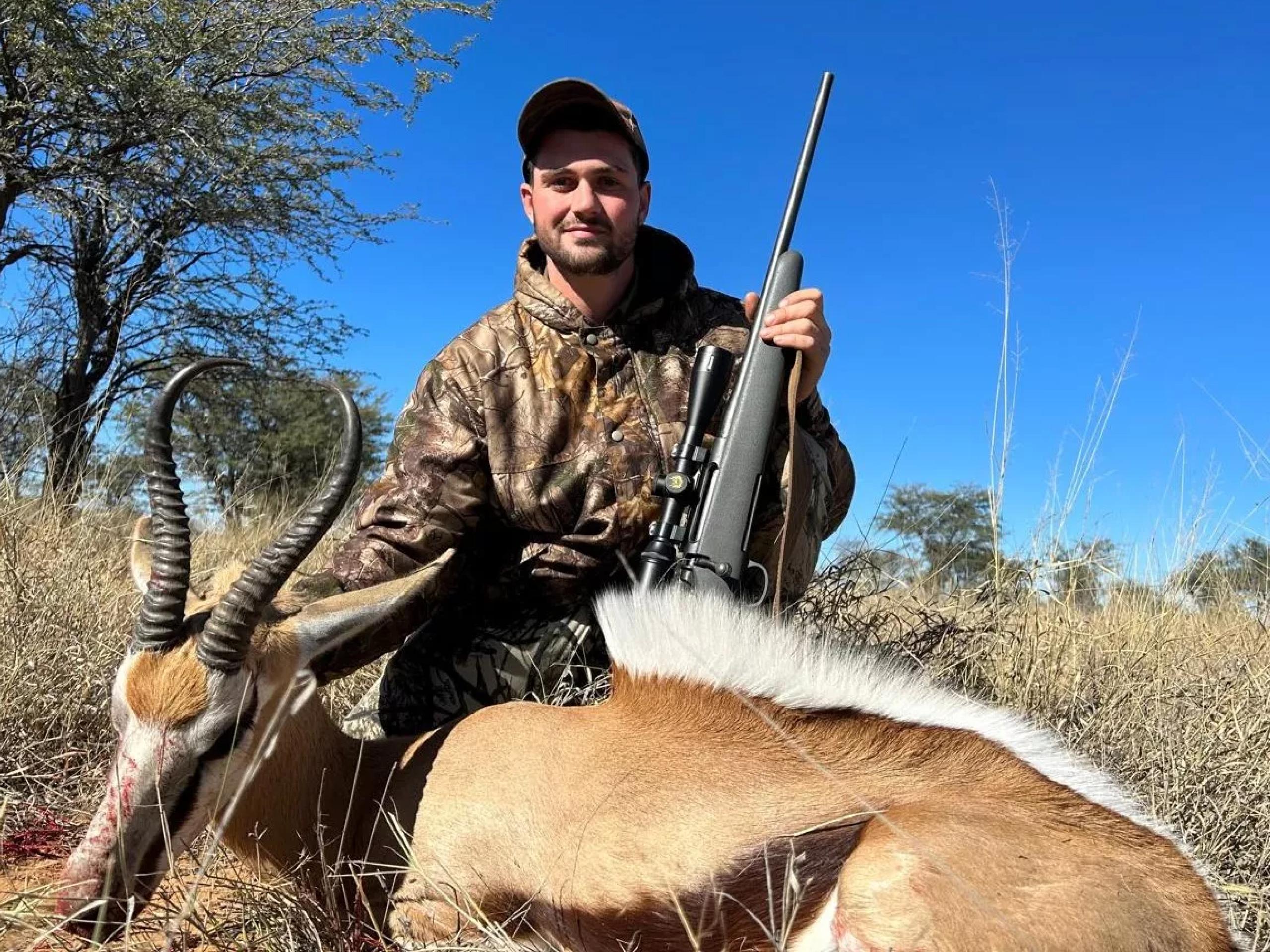
    Namibia offers one of the most diverse and accessible plains game environments in Africa. Depending on the area, hunters may encounter species such as kudu, oryx (gemsbok), springbok, warthog, and Hartmann’s mountain zebra.

    In regions like the Zambezi, plains game opportunities can be more limited due to the focus on dangerous game and habitat type.However, in many other parts of Namibia—and particularly when hunts are structured across multiple areas—plains game can be incorporated effectively into the safari.  See our guide to plains game hunts.

    Why This Matters

    Adding plains game to an elephant hunt is not just about taking additional animals—it’s about making better use of the overall safari.

    In practice, it allows hunters to make productive use of days between tracking opportunities, provides additional shooting opportunities during slower periods, and increases the overall value of the trip without fundamentally changing its purpose.

    It also changes the pace of the safari. Elephant hunting can be physically demanding and mentally intense, often requiring long hours of tracking and sustained focus. Mixing in plains game introduces a different rhythm, creating a more balanced and varied experience—especially on longer hunts.

    A Practical Consideration

    Not all elephant hunting areas are equally suited to plains game hunting.

    Before planning a combined hunt, it is important to understand what species are actually available in the area, whether the outfitter offers combination hunts, and how time will realistically be allocated between elephant and plains game.

    When structured correctly, a combination hunt can significantly enhance the overall safari without taking away from the primary objective. For a full breakdown of species and opportunities, see our guide to plains game hunts.

    Namibia Elephant Hunting: Worth It—If You Understand It

    Elephant hunting in Namibia is not defined by simplicity. It is structured, controlled, and influenced by factors that are not always obvious at the start.

    It is not the easiest destination to book, the cheapest option available, or the most predictable system to work within. But those same characteristics are exactly what set it apart. Namibia offers a type of elephant hunting that is less commercial, more system-driven, and often more deliberate in how hunts are conducted. It rewards understanding rather than impulse, and planning rather than convenience.

    For hunters who take the time to understand how it works—and who match the right area and hunt type to their expectations—it can be one of the most rewarding destinations in Africa.

    In Namibia, success is not just about finding elephants. It’s about understanding the system that governs how you hunt them, and making decisions that align with it.

    Register as an Outfitter - Game Hunting Safaris

    Custom Hunt

    Can't find what you're looking for? We can customize a hunt for you.

    Custom Hunt
    Hunting Broker Icons-Book Your Hunt in 3 Easy Steps

    Book Your Hunt

    Search from our range of Hunts across various popular destinations in Africa.

    Find A Hunt
    Hunting Broker Icons-Book Your Hunt in 3 Easy Steps

    List Your Hunts

    Register as an Outfitter Partner to list your African Hunts.

    Become An Outfitter