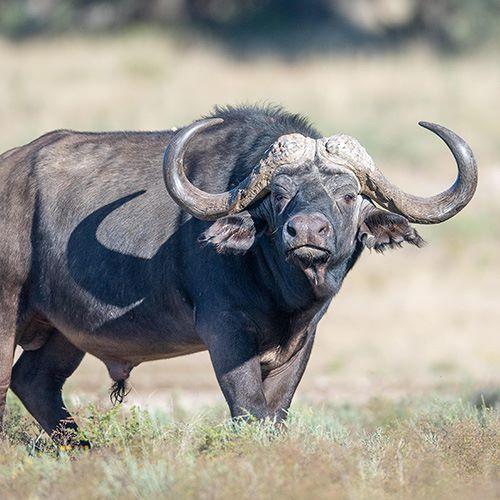
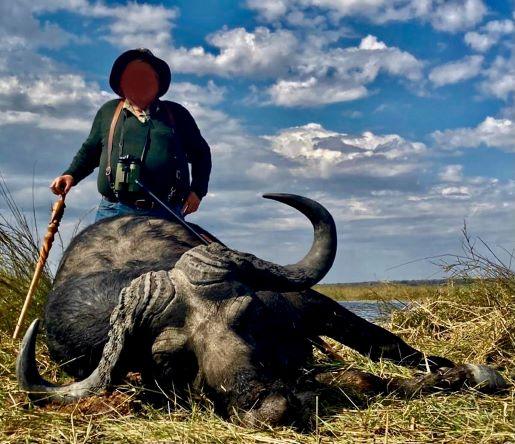
14-Day Free-Range Cape Buffalo Safari | Bushmanland, Botswana
Booking Season: 2026
Hunt Difficulty: Difficult

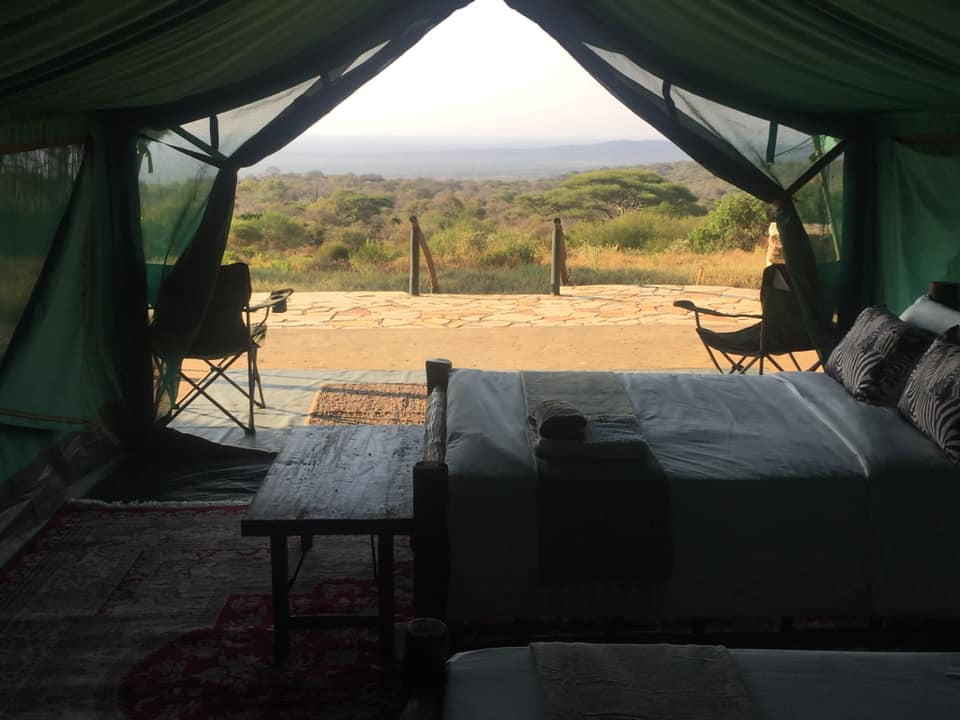
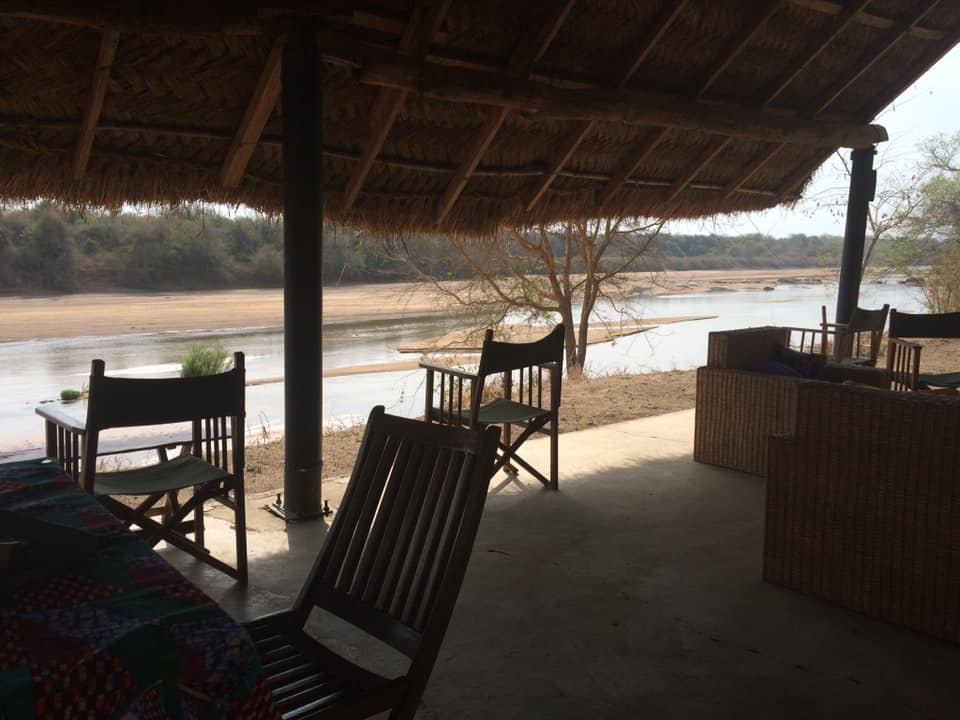
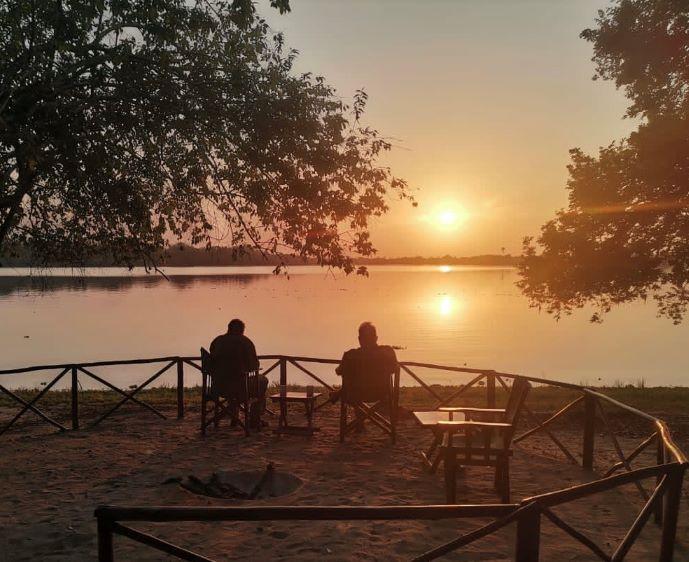
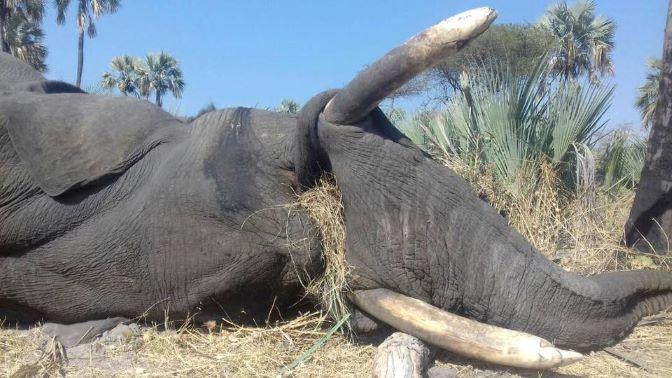
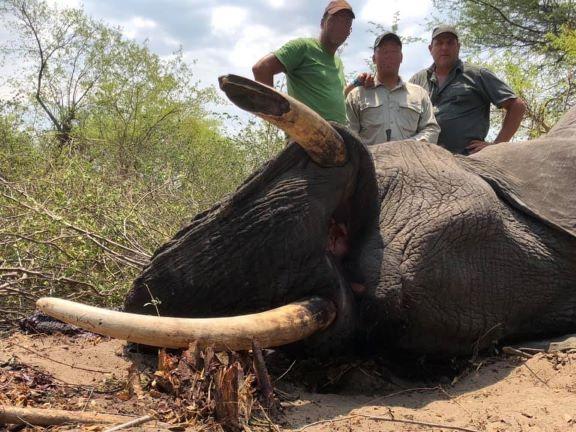
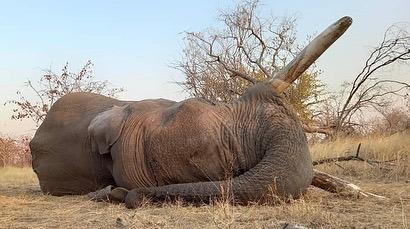
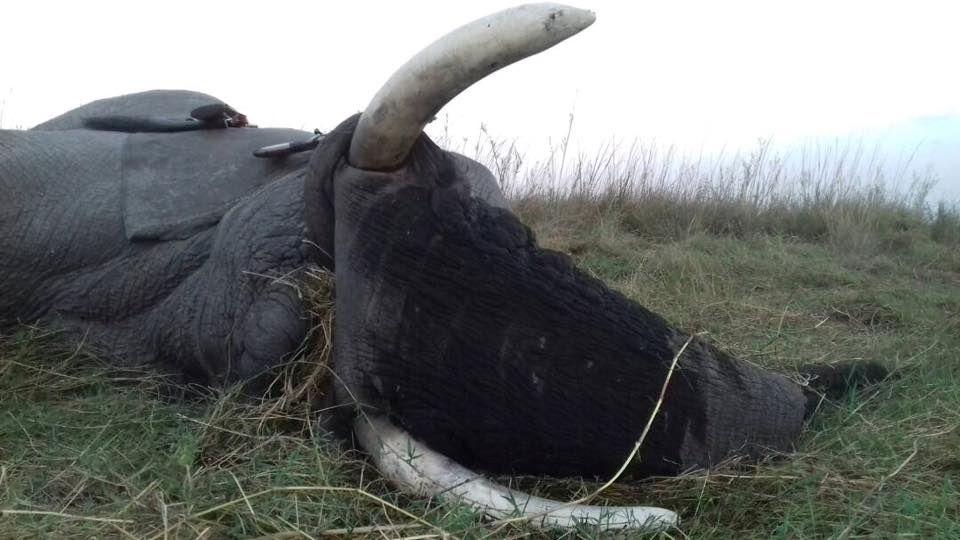
Accommodation in the Caprivi/Zambezi Region consists of authentic safari-style tented camps and African-style bungalows set in remote wilderness areas along the river systems. Camps offer comfortable en-suite accommodation, good meals, daily laundry service, electricity, refrigeration and WiFi access, while still keeping the traditional bush camp atmosphere expected on a proper free-range elephant safari.
Jaco operates across multiple free-range hunting concessions in the Caprivi/Zambezi Region along the Chobe River system. Habitat includes floodplains, mopane woodland, swamps, river systems and open plains, creating ideal terrain for elephant and dangerous game hunting in Namibia. These wilderness concessions support strong populations of elephant, buffalo, hippo and crocodile in a true free-range hunting environment.
| Fence Type: | Free-range |
| Nearest Airport Name: | Katima Mulilo Airport |
| Nearest Airport Distance: | Road transfer to concession |
| Nearest Town Name: | Katima Mulilo |
| Nearest Town Distance: | Varies by concession |
| Transfer From Airport: | Yes |
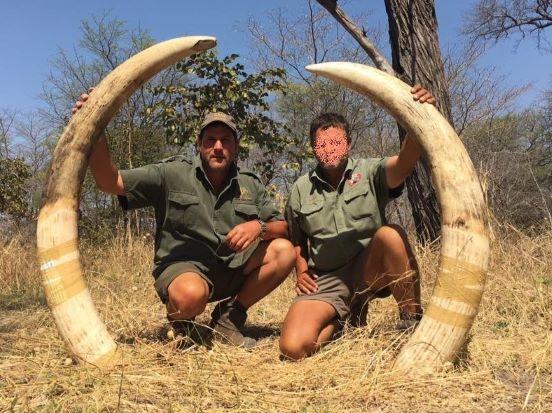
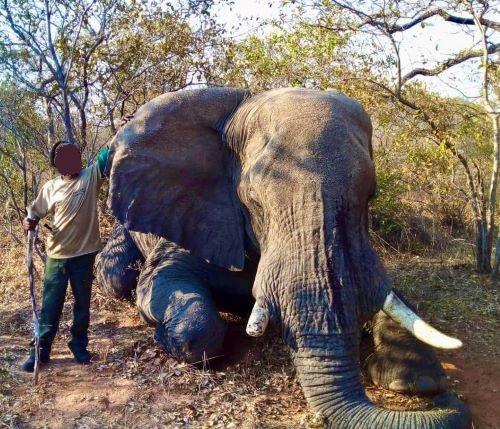
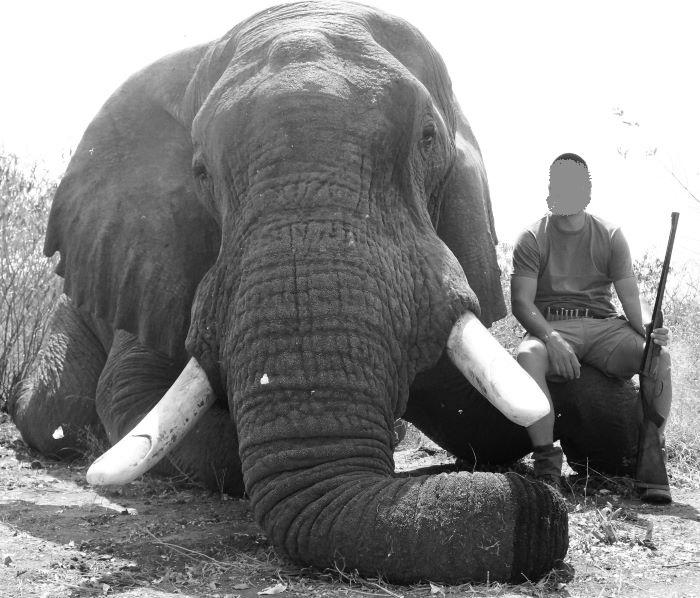
This 7-day non-exportable elephant hunt in Namibia's Caprivi (Zambezi) Region offers hunters the opportunity to pursue free-ranging bulls across approximately 350,000 acres of unfenced wilderness. Priced at US$19,100, the safari includes seven hunting days, eight nights and the services of a dedicated professional hunter. Hunters comparing exportable and non-exportable opportunities, hunting regions or trophy categories can explore our dedicated guide to elephant hunting in Namibia.
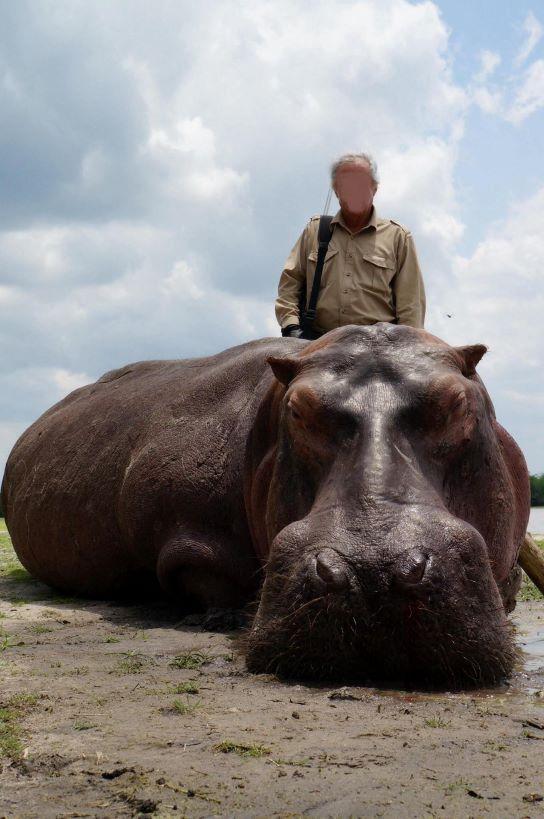
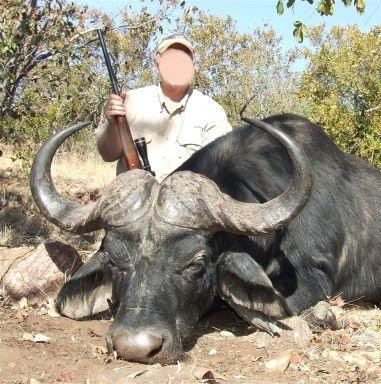
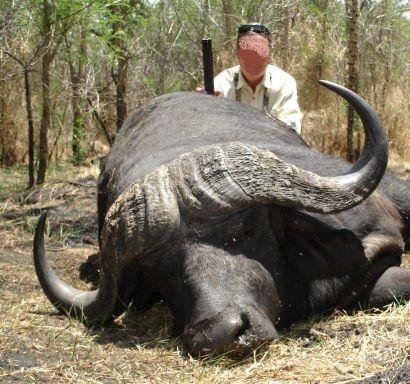
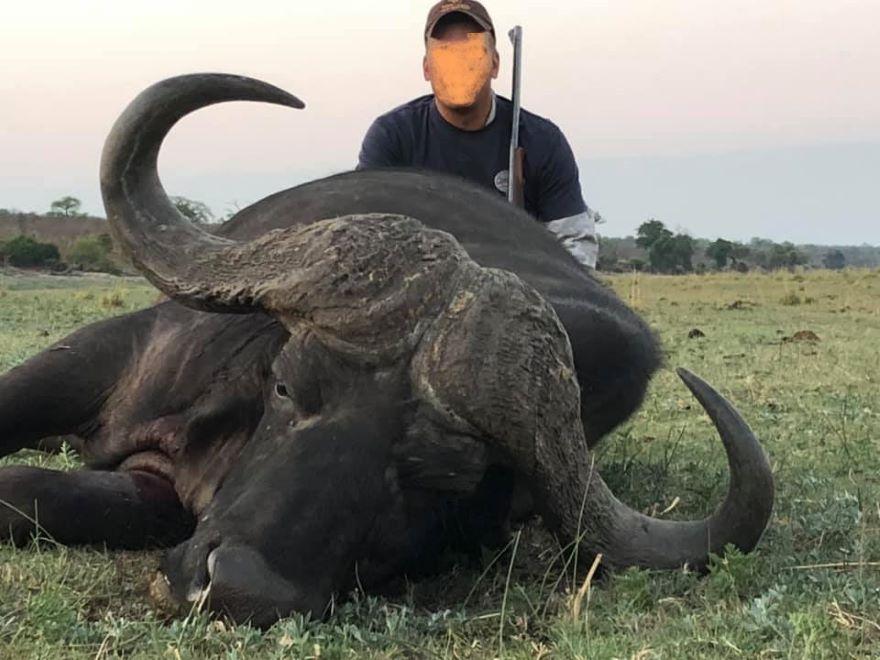
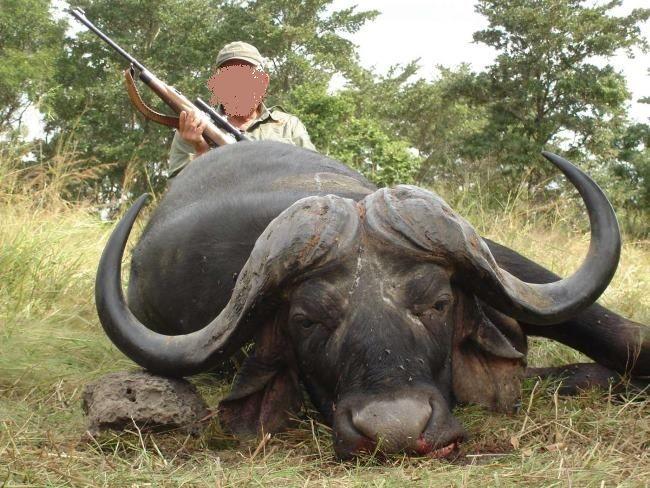
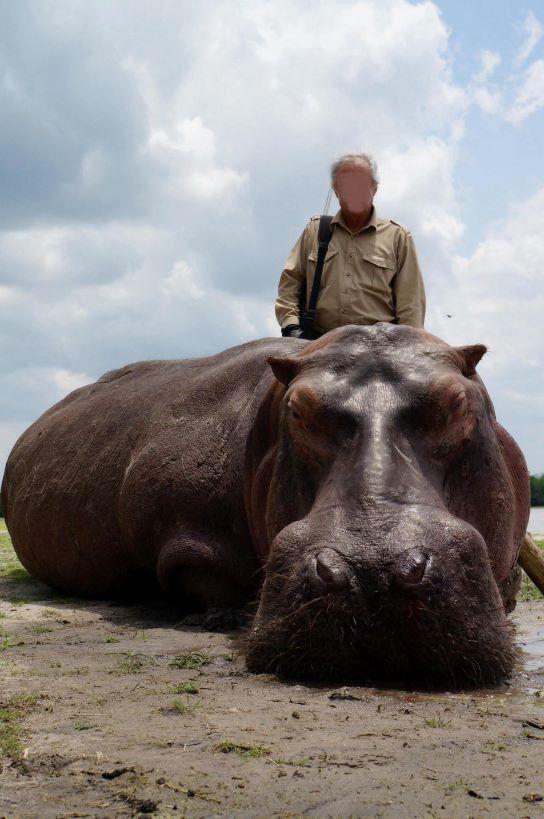
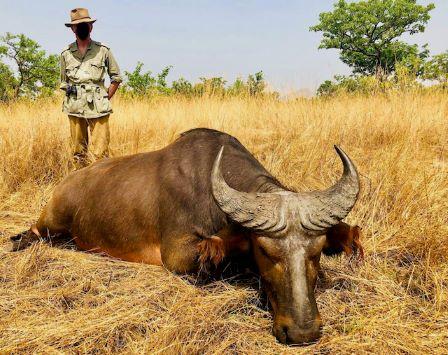
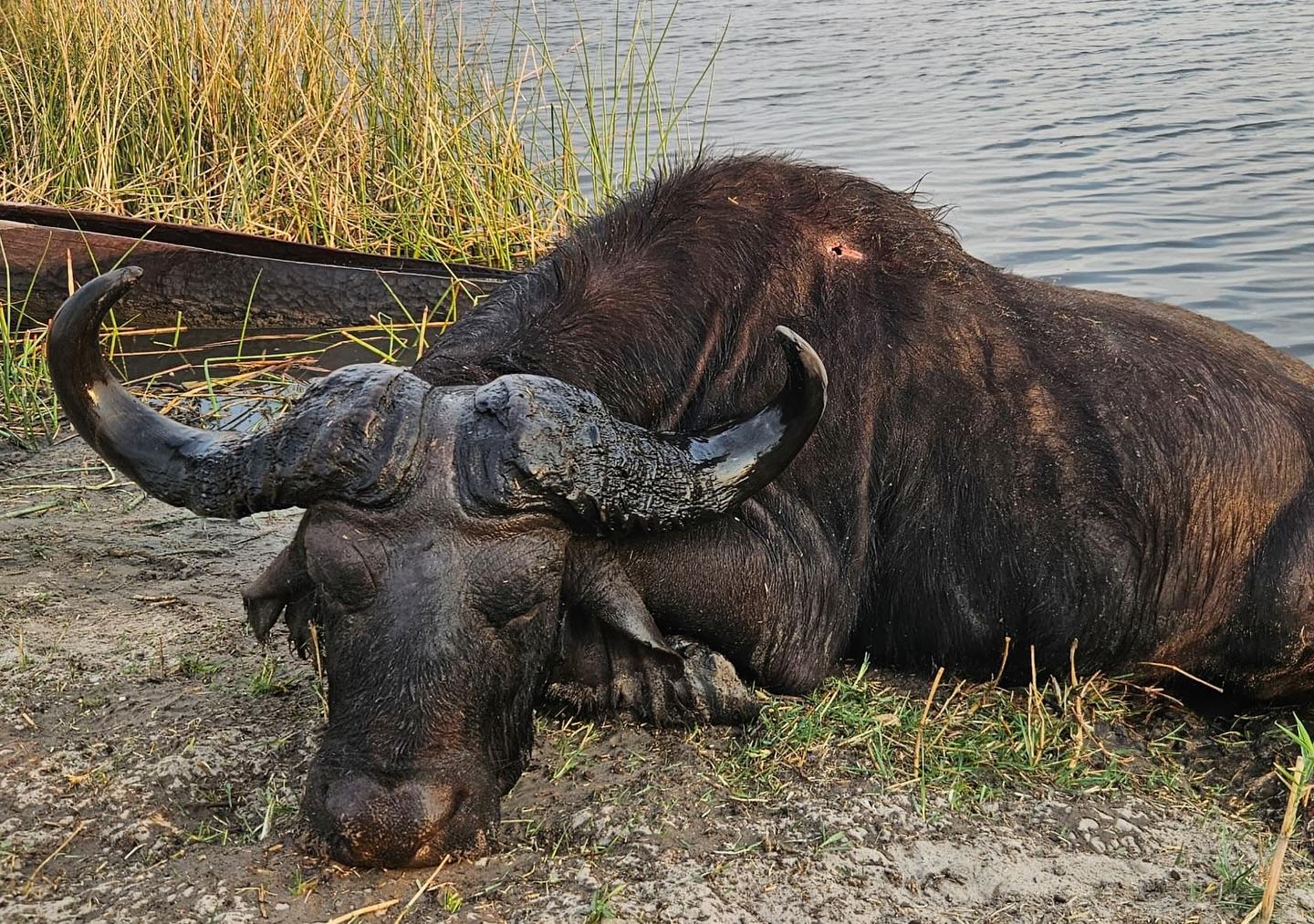
The hunt is conducted by Jaco and his experienced team in the Caprivi's riverine bush, floodplains and wilderness concessions along the Chobe River system. Additional opportunities include Cape buffalo, hippo and plains game, subject to availability. Hunters considering other species or extending their safari can explore the wider opportunities for hunting in Namibia.
Based on our firsthand experience hunting Cape Buffalo (non-exportable), Hippo in the Caprivi, and elephant in Bushmanland, we regard this as an outstanding opportunity for elephant hunting in Namibia, and one we recommend with confidence.*
Jaco is a respected name in the international hunting community and is endorsed by Craig Boddington. His team operates across multiple African hunting destinations including Namibia, Botswana, South Africa, Tanzania and Cameroon, offering a wide range of dangerous game and plains game safaris.
Their reputation has been built on years of successful safaris, professional service and ethical hunting practices. Jaco was awarded the Dallas Safari Club Outfitter of the Year Award in 2008, followed by the SCI Outstanding International Hunter of the Year Award in 2020. These concessions along the Chobe River system offer a proper Caprivi elephant hunting safari experience in wild unfenced terrain.
Jaco operates across several free-range hunting concessions in Namibia’s Caprivi/Zambezi Region, including areas along the Chobe River system known for excellent big game hunting. Each concession offers slightly different terrain and vegetation, allowing hunts to move across a varied wilderness landscape depending on game movement and conditions.
These hunting areas lie on the Namibian side of the Chobe River and include open plains, mopane woodland, river systems, swamps and floodplains. The terrain is mostly flat to gently undulating, creating a completely different hunting environment from the dry and rocky parts of central and southern Namibia.
This region supports excellent wildlife diversity and is well known for free-range hunting in the Caprivi, particularly for elephant, buffalo, hippo and crocodile in proper wilderness terrain.
The hunting safari starts with an international flight into Hosea Kutako International Airport (WDH) in Windhoek. From Windhoek, you will take a domestic/regional flight from Hosea Kutako to Katima Mulilo Airport. Regional flights take place at a frequency of three times per week, on Wednesdays, Fridays and Sundays. Spending a night or two in Windhoek, before or after the safari is suggested. The Hilton Hotel is rifle friendly and there are a variety of popular venues for fine dining and sampling a few local beers, such as “The Butchers Block”, or ” Joe’s Beer House”.
Windhoek is easy to navigate, and transport is affordable. Download the Yango App and make use of Windhoek’s version of Uber”.
If you’d rather soak in the country’s diverse scenery, an overland transfer via vehicle rental is also an option. Though it takes longer, this route allows you to truly experience Namibia’s ever-changing landscapes, making the journey just as memorable as the Cape Buffalo hunt itself. For hunters who have extra time in their schedule to enjoy this option, the landscapes are truly magnificent.
The authentic safari-style tented camps/African style bungalows of the wilderness areas in the Caprivi and others are especially devoured by guests, complimented by delicious meals and excellent wines. Facilities: Internet, Bathroom En-suite, Showers, Fridges, Laundry, Safe, Mobile network coverage, Electricity and Swimming Pool
Protective clothing should be manufactured from light cotton fabric, with colors matching the environment, such as olive, khaki and greens.
Temperatures, depending on the month of the hunting safari can vary by as much as 35 Fahrenheit, so jackets providing warmth and insulation are important, as well as gloves and “woolly hats”. While a four-by-four truck may be used to cover greater distances as the hunting concession is large. Departure and arrivals times may be in the early/late hours when temperatures are cool.
Pack a good quality and comfortable pair of walking boots, extra laces are always a good idea. Do not over pack as the lodge provides daily laundry services.
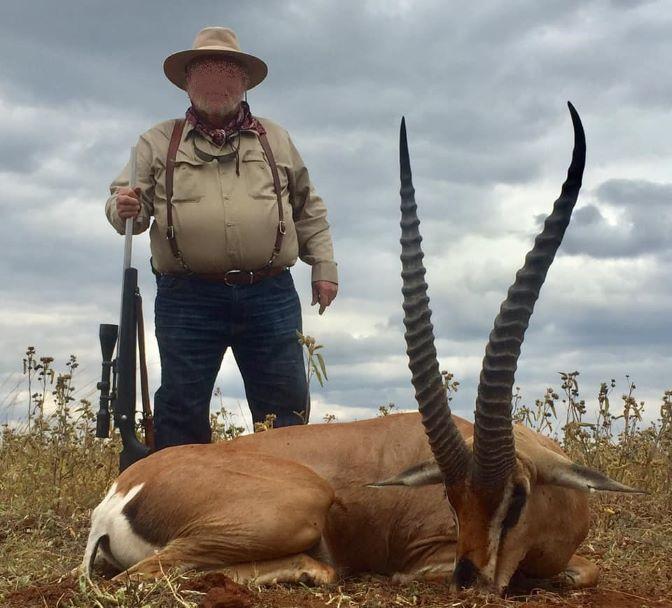
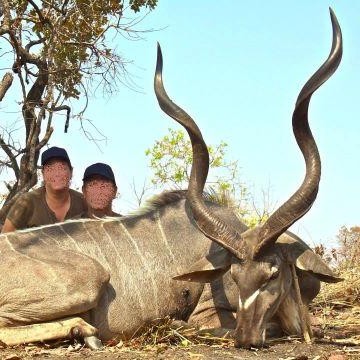
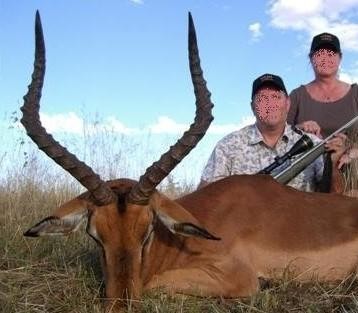
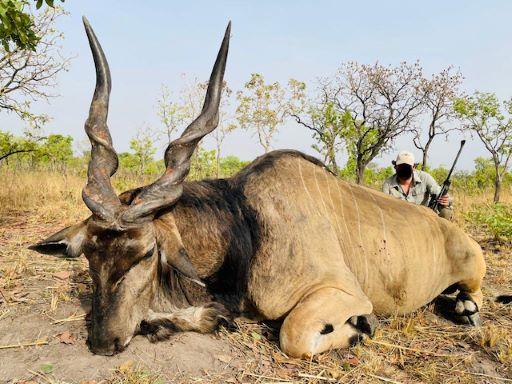
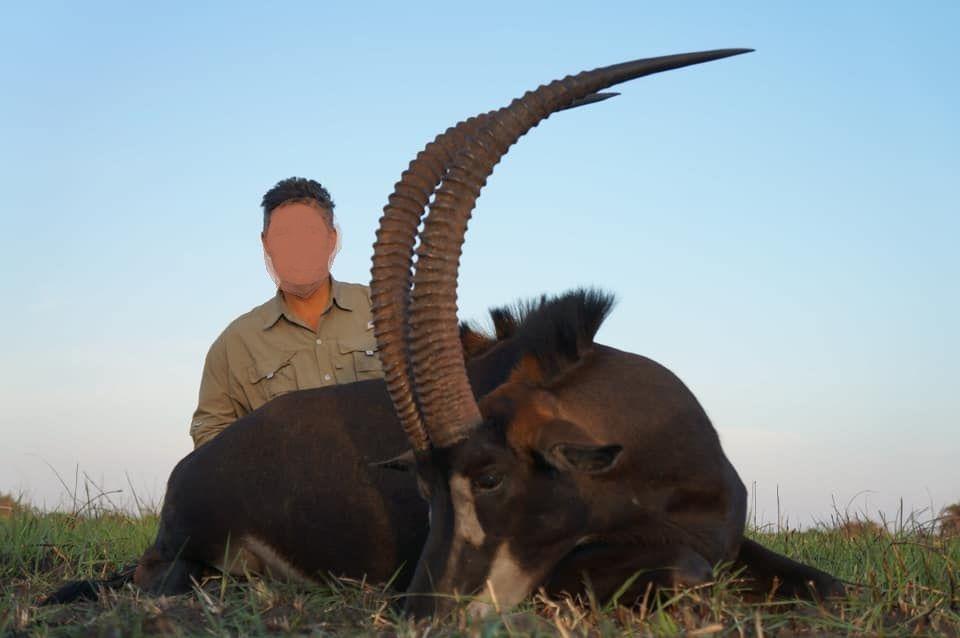
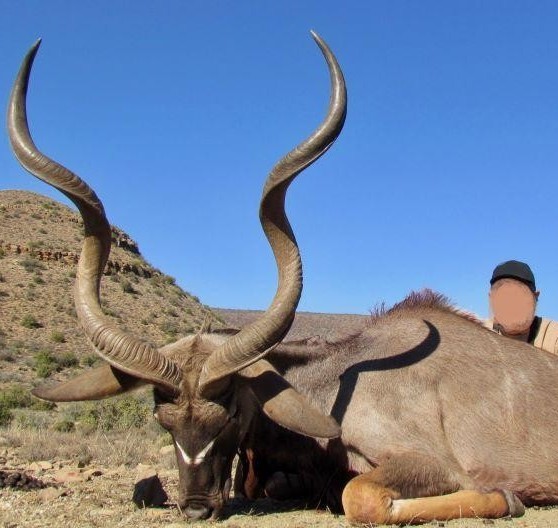
A variety of additional species may be added to the safari by paying only the relevant trophy fee. Besides dangerous game, the Caprivi also offers excellent opportunities for Plains Game hunts, with species such as sable, Livingstone eland, red lechwe, waterbuck and kudu available in this river and floodplain environment.
The region is especially well known for Caprivi plains game hunting, where species adapted to wetland and river systems create a different experience from the more arid parts of Namibia.
| Species | Trophy Fee US$ | Species | Trophy Fee US$ |
| Blue Wildebeest | 1500 | Chapmans Zebra | 1800 |
| Common Duiker | 550 | Common Reedbuck | 2800 |
| Nile Crocodile | 5500 | Hippo | 5500 |
| Impala | 700 | Kudu 50″ and below | 2500 |
| Livingston Eland | 3500 | Red Lechwe | 4900 |
| Sable | 5900 | Spotted Hyena | 2800 |
| Warthog | 720 | Waterbuck | 2700 |
The preferred time for Hunting Elephant in Caprivi is during the dry winter months from May through September. During this period, temperatures are cooler, humidity is lower and game becomes more concentrated around the river systems, floodplains and permanent water sources of the Caprivi/Zambezi Region.
The Caprivi is heavily influenced by seasonal flooding, with many low-lying areas filling during the rainy season. As water levels drop through winter, tracking conditions improve and movement through the concession becomes easier, creating ideal conditions for a traditional free-range elephant hunt in Namibia.
This is a genuine Old Africa safari, built around fair-chase hunting in unfenced wilderness terrain. Fresh spoor, wind direction, thick cover and patient stalking all play a role in getting close to a mature bull.
On a proper Elephant Hunting in Namibia safari, finding elephant is often only the beginning. The real challenge comes in closing the distance undetected and getting into a safe shooting position in thick bush or floodplain cover.

Elephant hunting methods in the Caprivi/Zambezi Region will vary depending on water levels and the condition of the floodplains. Hunts may involve walking embankments and glassing, traversing waterways by mokoro, or using a vehicle to cover larger sections of the concession before continuing on foot.
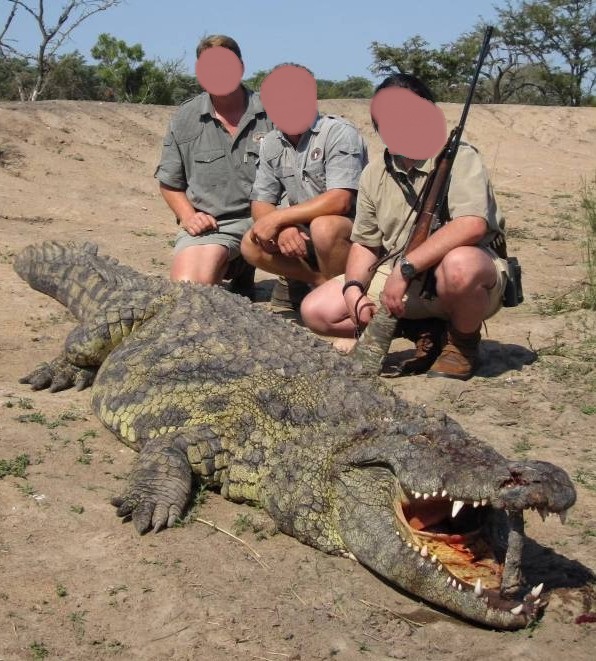
Although the terrain is mostly flat, the hunt can still be physically demanding due to heat, thick vegetation and long hours tracking through floodplain country. Hippo and Nile crocodile are common in the reed beds and river systems, so awareness in this terrain is important at all times.
Once fresh elephant spoor or a suitable bull is located, the stalk begins. A solid understanding of Elephant Shot Placement is critical, particularly on brain shots where angle and bullet path change constantly depending on the elephant’s position and distance from the hunter.
This safari is built around the challenge of tracking and pursuing free-range elephant in proper wilderness terrain. It also forms part of a broader community-based conservation in Namibia model, where wildlife and local communities benefit directly from sustainable hunting.
Meat from the elephant is distributed to nearby communities, while hunting revenue supports employment and training opportunities for trackers, skinners, camp staff and local support teams. Programmes linked to elephant conservation in Namibia give communities a real interest in protecting wildlife populations and preserving habitat across the Caprivi/Zambezi Region.
Namibia’s hunting season runs from 1 February to 30 November, with the cooler winter months generally being the most comfortable time to hunt in the Caprivi/Zambezi Region.
Pack light cotton clothing in neutral bush colours, together with proper sun protection, comfortable walking boots and spare laces. Early mornings can be surprisingly cold, so a warm jacket, gloves and a beanie are worth bringing along. Good binoculars are essential on a free-range elephant hunt in Namibia, especially when glassing floodplains and river systems.
A minimum calibre of .375 should be used, but most importantly it must be a rifle you shoot confidently and accurately. A soft rifle cover is also useful when moving through vehicles, mokoros or thick bush terrain. Carry small denomination foreign currency and consider buying a local Namibian SIM card or data package on arrival, as it is usually far more cost effective than international roaming.
Namibia is one of Africa’s best travel destinations and well worth extending your stay before or after the safari. The country offers a mix of wildlife, desert scenery, coastal towns and adventure activities, all within easy travelling distance.
Popular places to visit include Etosha National Park, the Namib Desert and Sossusvlei, Fish River Canyon, the Skeleton Coast, Damaraland and Spitzkoppe. Windhoek and Swakopmund are also popular stops, offering good restaurants, local breweries, shopping and easy access to coastal activities.
Visitors can enjoy nature and wildlife safaris, 4x4 desert tours, dune driving, whale watching, camel rides, catamaran trips, hot springs and coastal sightseeing. Namibia’s landscapes are incredibly varied, ranging from dry desert terrain to floodplains and river systems in the Caprivi/Zambezi Region.
Following a recent Elephant hunt in Namibia, we (GHS) rented a vehicle and travelled from Windhoek through Hentiesbaai, Swakopmund and Walvis Bay. The trip was excellent, with great food, good accommodation and some of the best road-tripping scenery Southern Africa has to offer.
Hunters interested in exploring other destinations, species or safari packages can browse our wider selection of African hunting trips.
Please note that terms, conditions and price are subject to change without notice and rates at the time of the hunt will apply
You can speak directly with the outfitter before booking. GHS remains available throughout the process.
Needing assistance with firearm permits and international travel services, or good taxidermists? View our affiliated companies
View Affiliated Services