
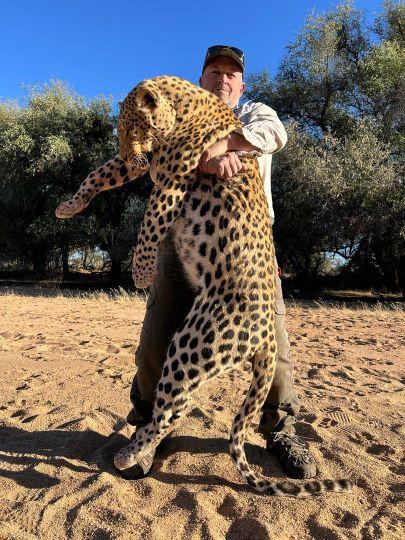
Namibia Leopard & Brown Hyena Cancelation Hunt
Booking Season: 2025
Hunt Difficulty: Difficult


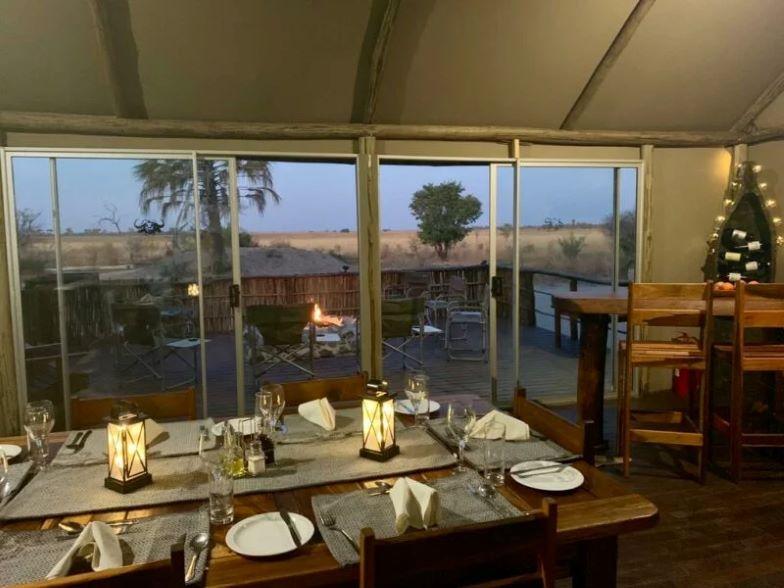
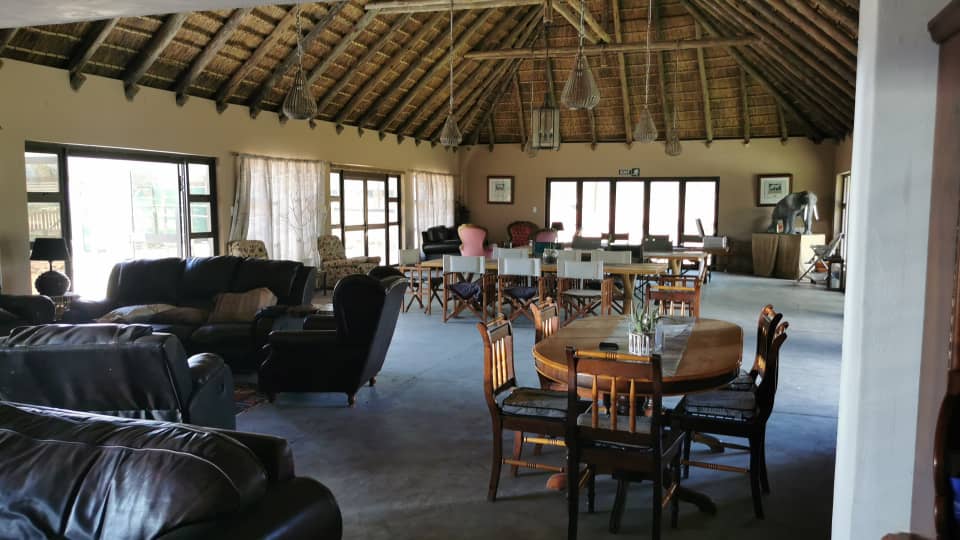
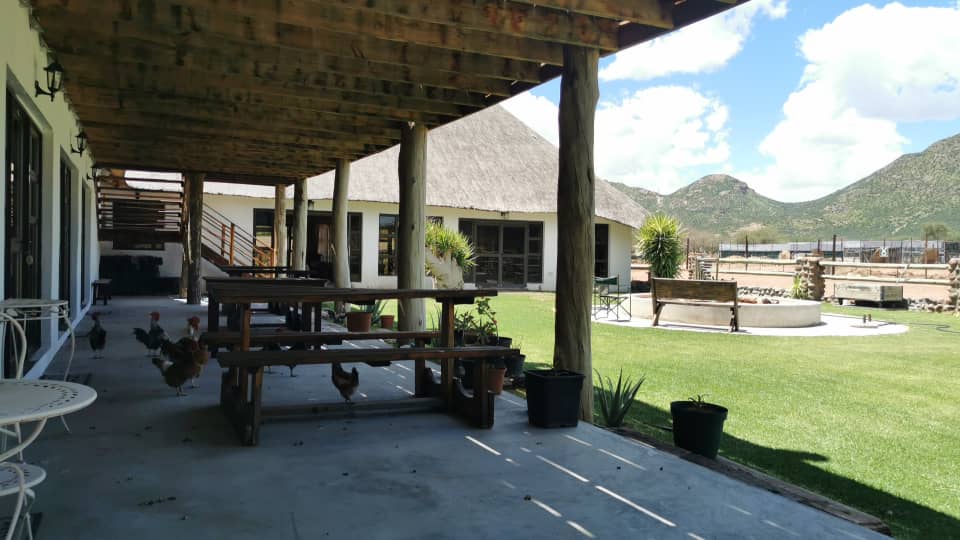
Accommodation in the Caprivi/Zambezi Region combines comfortable safari-style chalets and tented camp facilities set within remote wilderness terrain. Hunters can expect en-suite accommodation, good meals, cold drinks, daily laundry service and a relaxed camp atmosphere after long days tracking elephant in the floodplains and river systems. The camp keeps the feel of a traditional Namibia dangerous game safari while still offering the comforts needed during an extended hunt.
This safari takes place in free-range concessions within Namibia’s Caprivi/Zambezi Region along the Chobe River system. Habitat includes floodplains, reed beds, mopane woodland, river systems and open bushveld, creating ideal terrain for traditional elephant hunting on foot. These wilderness areas support healthy elephant populations and remain some of the last true free-range dangerous game hunting areas in Southern Africa.
| Fence Type: | Free-range |
| Nearest Airport Name: | Katima Mulilo Airport |
| Nearest Airport Distance: | Regional flight and road transfer to concession |
| Nearest Town Name: | Katima Mulilo |
| Nearest Town Distance: | Varies by concession location |
| Transfer From Airport: | Yes |
| Air Charter Available: | Yes |
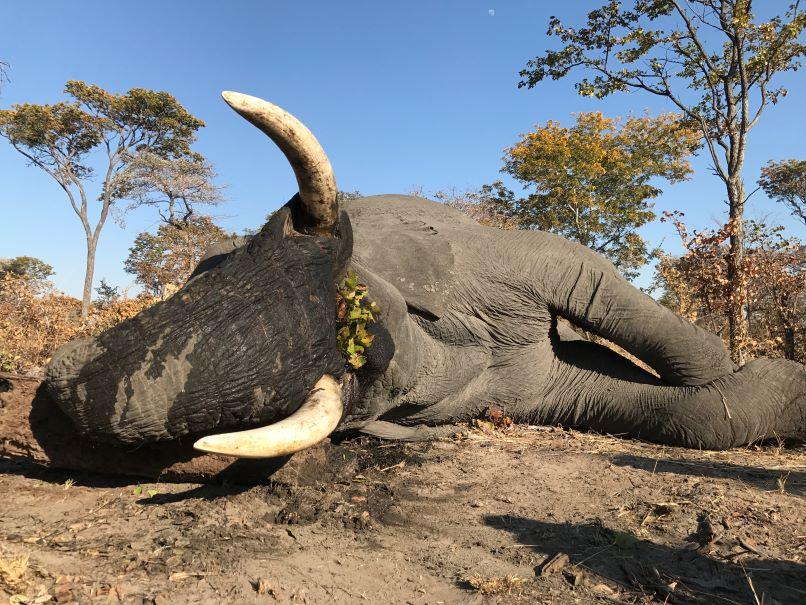
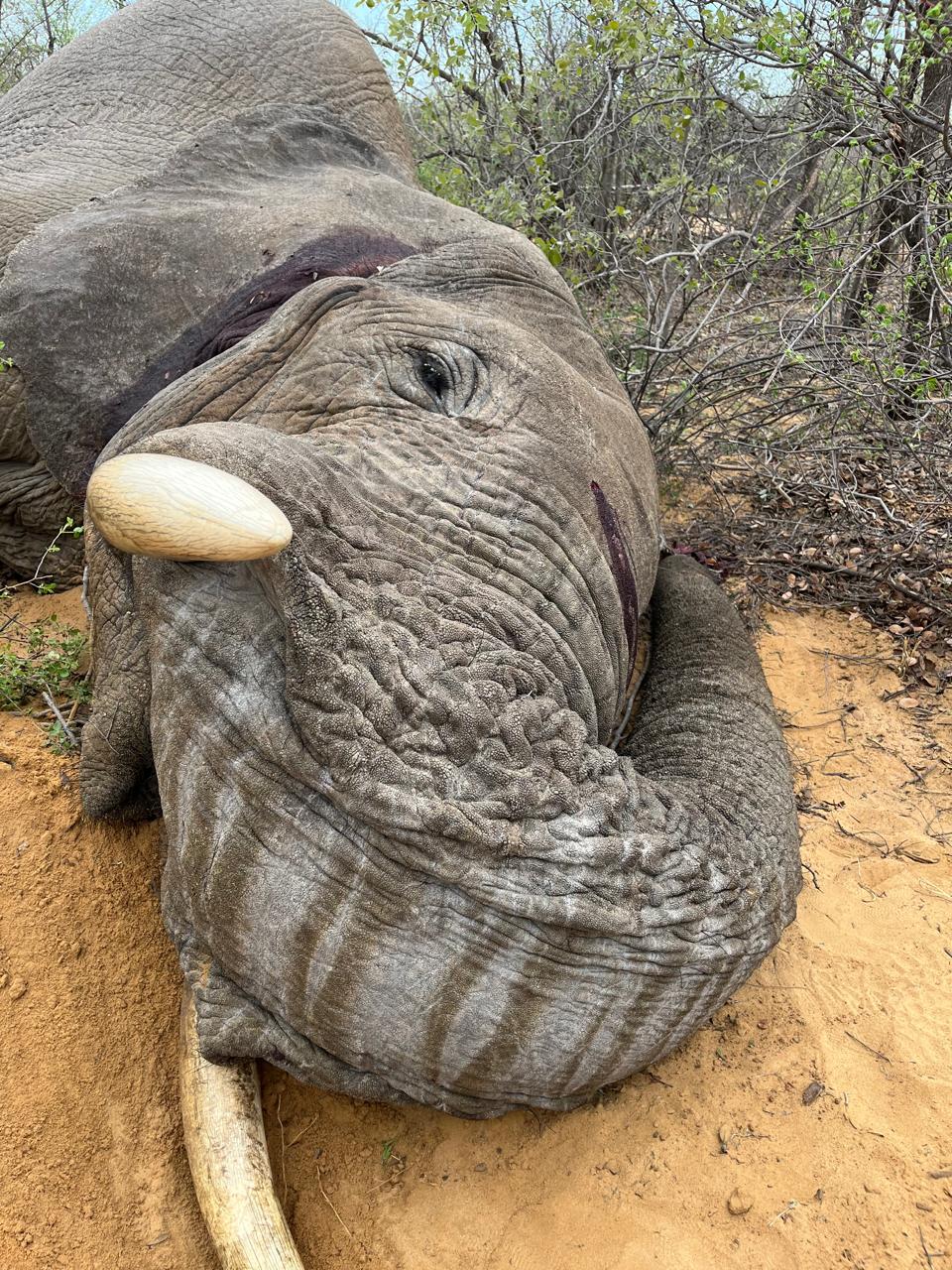
This 10-day exportable trophy elephant hunt in Namibia’s Caprivi (Zambezi) Region offers hunters the opportunity to pursue mature, free-ranging bulls across remote floodplains and unfenced wilderness concessions. Conducted along the Chobe River system, the safari combines traditional tracking on foot with experienced professional hunters and local trackers. Hunters comparing other regions, trophy options or safari packages can explore our dedicated guide to elephant hunting in Namibia.
The hunt is conducted by Nelson and his experienced team, who have extensive knowledge of elephant movements and hunting conditions throughout the Caprivi. This particular package includes 10 hunting days and 11 nights, with one exportable trophy elephant, professional hunting services, accommodation and meals.
The Caprivi offers a distinctive hunting experience, with permanent waterways, seasonal floodplains and thick riverine vegetation shaping each day in the field. Hunters considering additional species or extending their safari can also explore the wider opportunities for hunting in Namibia.
Safari Includes:
10 hunting days / 11 nights
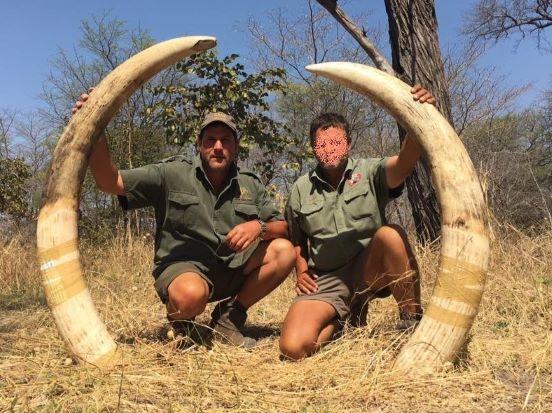
1 x exportable trophy elephant
1 x professional hunter
Trackers and camp staff
Accommodation and meals during the safari
Additional Options:
Observers welcome at US$ 250 per person/day
Rifle rental available at US$ 40 per day
Ammunition charged separately
Under CITES (Convention on International Trade in Endangered Species), trophy elephant hunted in Namibia’s Bushmanland and Caprivi/Zambezi Region may be legally exported. This makes Namibia one of the few remaining destinations offering legitimate exportable elephant safaris in free-range wilderness areas. The import of elephant trophies into the United States is regulated by the US Fish and Wildlife Service (USFWS), with applications reviewed on a case-by-case basis under the Endangered Species Act (ESA). Namibia maintains legislation and wildlife management programmes aligned with CITES requirements and international conservation standards.
Over recent years, the USFWS has updated its permit process to improve transparency around the international trade of elephant trophies. Professional organisations such as Conservation Force can assist hunters with the application process and permit guidance related to importing elephant trophies from Namibia.
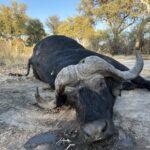
Nelson has spent more than twenty years guiding Dangerous Game hunts across Namibia, with extensive experience hunting elephant, buffalo, hippo, crocodile and leopard in true free-range areas. His focus has always been on traditional fair-chase safaris, experienced tracking teams and proper wilderness hunting.
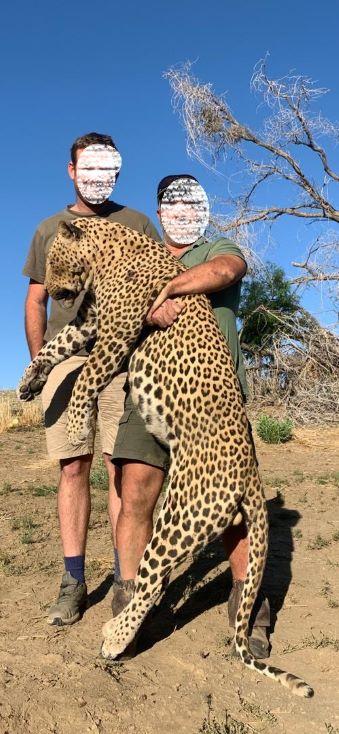
Elephant hunting in the Caprivi/Zambezi Region remains a major part of his operation, where he has built a strong reputation for consistent success on mature bulls. Leopard hunts are conducted in central Namibia, while dangerous game safaris for elephant, buffalo, hippo and crocodile take place in the Caprivi floodplains and river systems.
Nelson also encourages families and younger hunters to experience Africa together, with observers and children welcomed in camp as part of the safari experience.
The safari begins with an international flight into Hosea Kutako International Airport in Windhoek. From there, hunters will take a domestic flight to Katima Mulilo in Namibia’s Caprivi/Zambezi Region. Flights normally operate several times per week, and spending a night or two in Windhoek before or after the safari is recommended.
Windhoek is easy to navigate, rifle-friendly and a good place to relax before heading north into elephant country. Popular venues such as Joe’s Beerhouse and The Butcher Block are well known among visiting hunters, while apps like Yango offer an affordable and reliable way to move around the city.
Hunters with additional travel time may also consider driving through Namibia instead of flying north. A self-drive trip through the country offers excellent scenery and a chance to experience Namibia beyond the hunt itself, from open desert landscapes to the floodplains of the Caprivi. It is a worthwhile option for anyone combining their safari with a broader Hunting in Namibia or tourism experience.
The Caprivi remains one of our favourite dangerous game destinations at Game Hunting Safaris. We have hunted hippo and Cape buffalo in the region ourselves and rate it highly for its wildlife, free-range hunting terrain, good camps and overall safari experience. Few areas still deliver this kind of traditional free-range elephant hunting in Namibia atmosphere.

On arrival in camp, hunters are welcomed by the PH, trackers and camp staff before settling in for the safari.
Accommodation consists of comfortable en-suite chalets set within the wilderness areas of the Caprivi/Zambezi Region.
Camp offers a relaxed place to unwind after long days in the field, with good meals, cold drinks and the atmosphere of a traditional Namibia dangerous game safari.
How This 10-Day Caprivi Elephant Hunt Is Conducted
This is a true free-range, fair-chase elephant safari in Namibia’s Caprivi/Zambezi Region. Hunting methods will vary depending on water levels and seasonal conditions across the floodplains.
The hunt may involve walking embankments and glassing, moving quietly through channels by mokoro, or using a vehicle to cover larger areas before continuing the stalk on foot. Although the terrain is mostly flat, tracking elephant through sand, reeds and floodplain vegetation can still be demanding, especially in the heat.
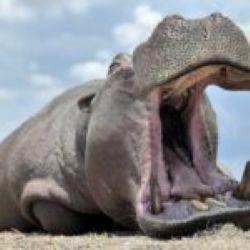
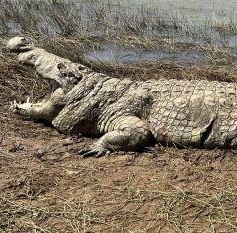
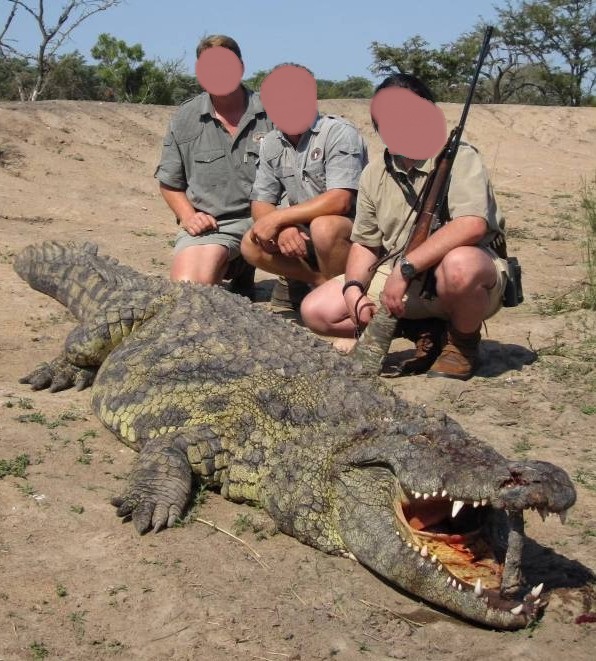
The reed beds and waterways are also home to hippo and large Nile crocodile, so paying attention to your surroundings is part of daily life on safari. The bush has a way of reminding hunters fairly quickly who is actually in charge out there. Once fresh spoor or a suitable bull is located, the walk-and-stalk begins. A good understanding of Elephant Shot Placement is essential, particularly on brain shots where angle, distance and head position constantly change during the approach.
At all times, listen carefully to your professional hunter. Elephant are intelligent, unpredictable and extremely dangerous animals when pressured, especially at close range in thick cover. This is one of the last areas in Southern Africa where a hunter can still experience traditional free-range elephant hunting in Namibia in proper wilderness terrain.
Namibia’s hunting season runs from February through November, although the cooler months from mid-April to the end of August are generally considered the best time for Elephant Hunting in Namibia. Temperatures are more comfortable, humidity is lower and tracking conditions across the Caprivi floodplains are far better than during the peak summer heat.
Late season hunts can still be productive, but temperatures rise quickly and dehydration becomes a real factor. We hunted elephant in Bushmanland during late November on a drought relief hunt and the conditions were brutally hot. Fortunately, the elephant were plentiful and the beer stayed cold.
Namibia remains one of the more straightforward African destinations when travelling with firearms for hunting purposes. Hunters bringing their own rifle will collect their firearm on arrival at Hosea Kutako International Airport before proceeding to the Namibian Police office outside international arrivals.
Once proof of ownership and the outfitter invitation letter are presented, the temporary rifle permit is normally issued without difficulty. For dangerous game and free-range elephant hunting in Namibia, the legal minimum calibre is .375, although many hunters prefer larger calibres for elephant.
Light cotton clothing in neutral bush colours such as olive, khaki and green works best in the Caprivi/Zambezi Region. Temperatures can change significantly between early mornings and midday heat, so warm jackets, gloves and a beanie are worth packing during winter hunts.
A comfortable pair of walking boots is essential, along with spare laces and quality binoculars. Because camps provide daily laundry service, there is no need to overpack. Soft rifle covers are also useful when moving through vehicles, mokoros and thick floodplain vegetation during a traditional Caprivi elephant hunting safari.

Always listen carefully to your professional hunter and trackers. Elephant are intelligent, dangerous animals and situations can change quickly at close range.
Be patient and only take the shot when you are completely confident in the angle and point of aim. Follow-up shots may be needed immediately, so stay focused after the first shot.
A traditional free-range elephant hunt in Namibia can involve long hours on foot through floodplains, sand and thick vegetation, so a reasonable level of fitness helps. Wind direction also matters constantly, as elephant rely heavily on their sense of smell.
Use a rifle you shoot confidently and accurately. The legal minimum calibre for elephant hunting in Namibia is .375, although many hunters prefer larger calibres for dangerous game.
Elephant do not always stand perfectly broadside, and brain shot angles change depending on head position and distance. Understanding shot placement beforehand makes a major difference once the stalk is underway.
Most importantly, enjoy the experience. Very few hunts still offer this kind of traditional elephant hunting in true wilderness terrain.
Namibia is one of Africa’s best travel destinations and well worth exploring before or after the safari. The country offers a mix of wildlife, desert landscapes, coastal towns and outdoor activities, all within relatively easy travelling distance.
Popular destinations include Etosha National Park, the Namib Desert and Sossusvlei, Fish River Canyon, the Skeleton Coast, Damaraland and Spitzkoppe. Windhoek and Swakopmund are also excellent places to spend a few extra days, with good restaurants, local breweries, sightseeing and coastal activities.
Visitors can enjoy wildlife safaris, 4x4 desert tours, dune driving, whale watching, catamaran cruises, camel rides, hot springs and fishing along the Atlantic coastline. Namibia’s scenery changes dramatically across the country, from the dry deserts of the south to the river systems and floodplains of the Caprivi/Zambezi Region.
Following a recent Elephant hunt in Namibia, we at Game Hunting Safaris rented a vehicle and travelled from Windhoek through Hentiesbaai, Swakopmund and Walvis Bay. It was worth every penny. The food, accommodation, facilities and overall experience were exceptional, and the road trip itself became a memorable part of the safari.
A free-range elephant taken in Namibia’s Caprivi/Zambezi Region is not a trophy that comes easily. It is the result of long hours tracking, careful stalking, good shooting and keeping your nerves together when several tons of elephant suddenly decide to pay attention to you. For many hunters, this is what dangerous game hunting is really about — wild terrain, experienced trackers, proper fair-chase hunting and memories that stay with you long after the safari ends. The ivory is only part of the story. The rest usually gets told around fires, in hunting camps, and occasionally with slightly exaggerated distances after a few cold beers.
Hunters interested in exploring other destinations, species or safari packages can also browse our wider selection of African hunting trips.
Please note that terms, conditions and price are subject to change without notice and rates at the time of the hunt will apply
You can speak directly with the outfitter before booking. GHS remains available throughout the process.
Needing assistance with firearm permits and international travel services, or good taxidermists? View our affiliated companies
View Affiliated Services