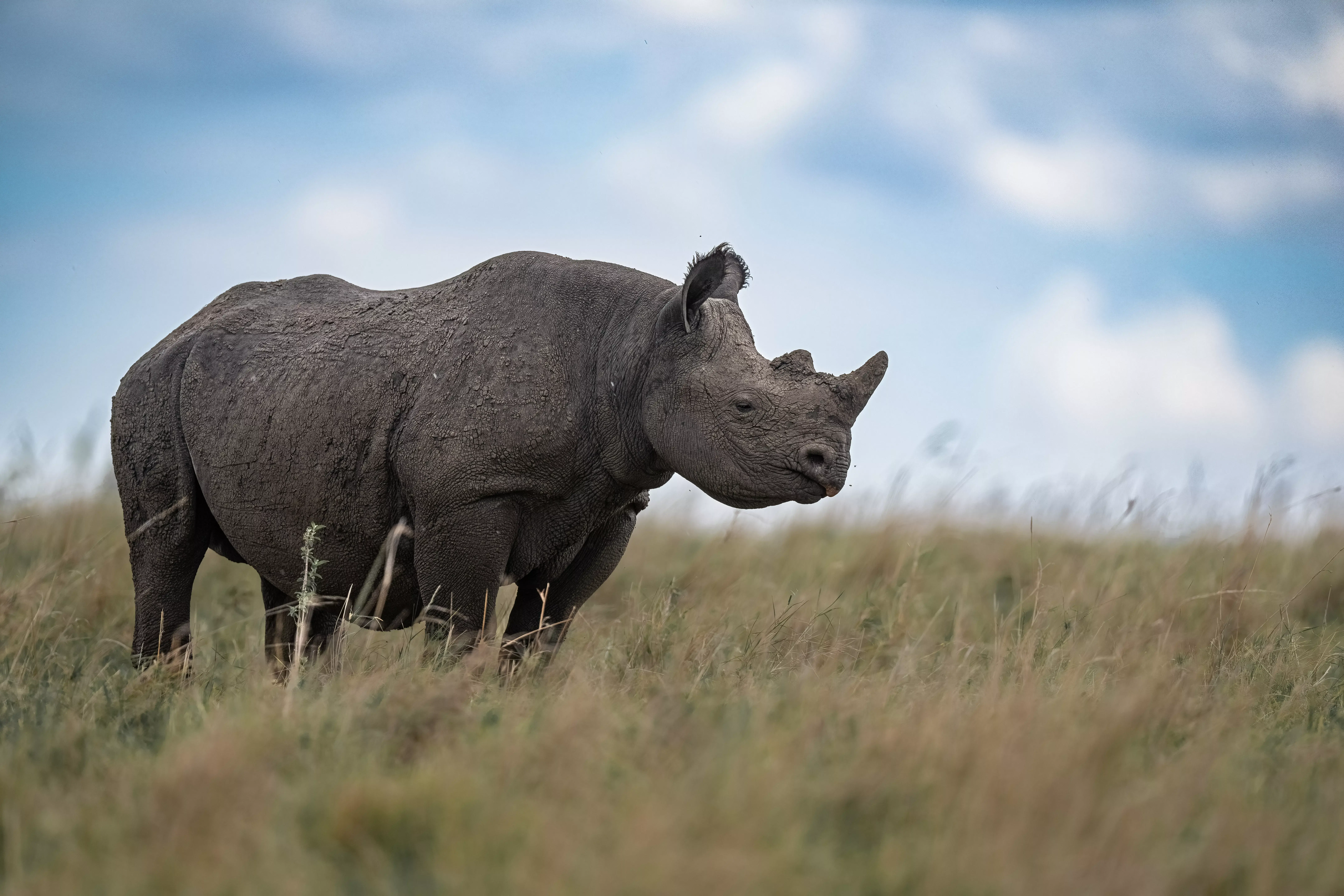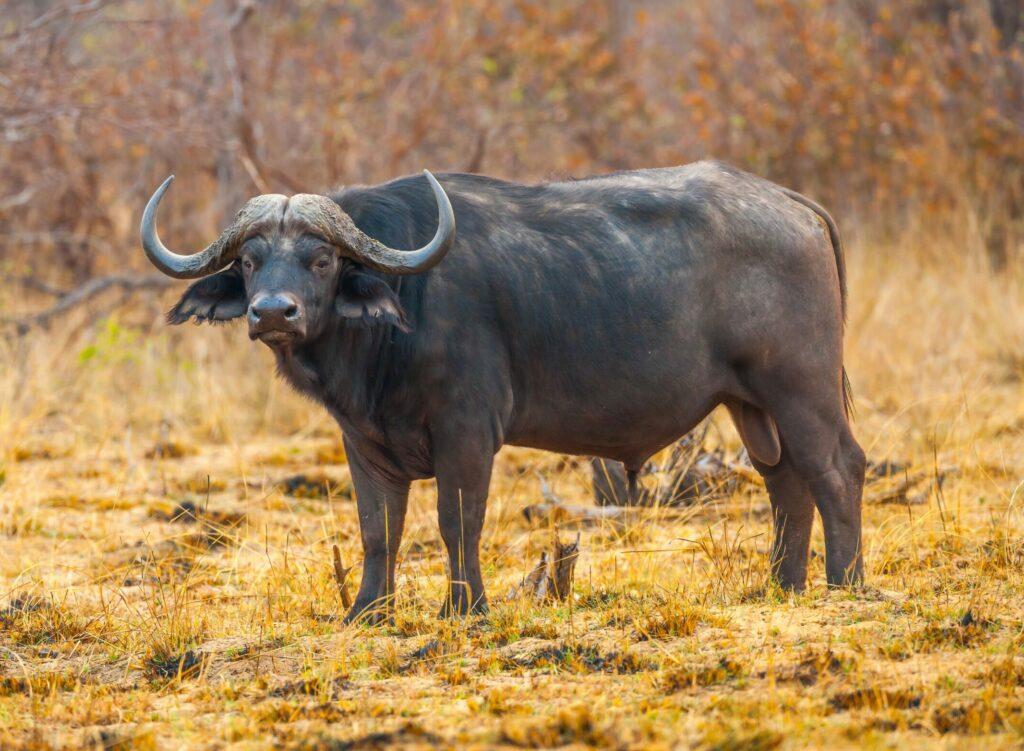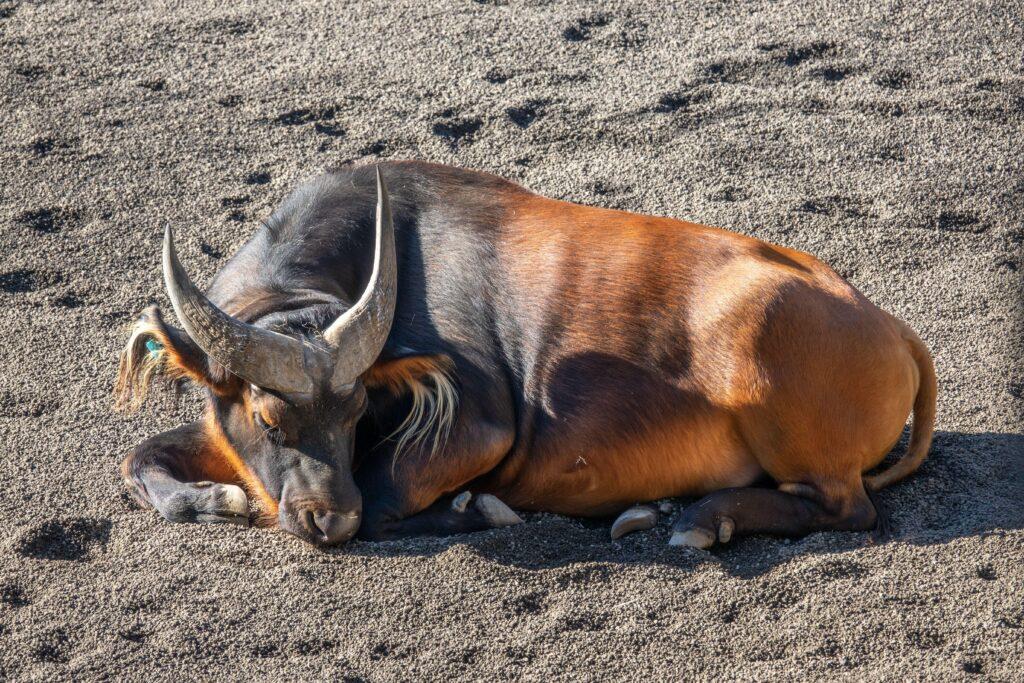
Three Icons of Africa: Rhino, Buffalo & Roan
Booking Season: 2026
Hunt Difficulty: Difficult

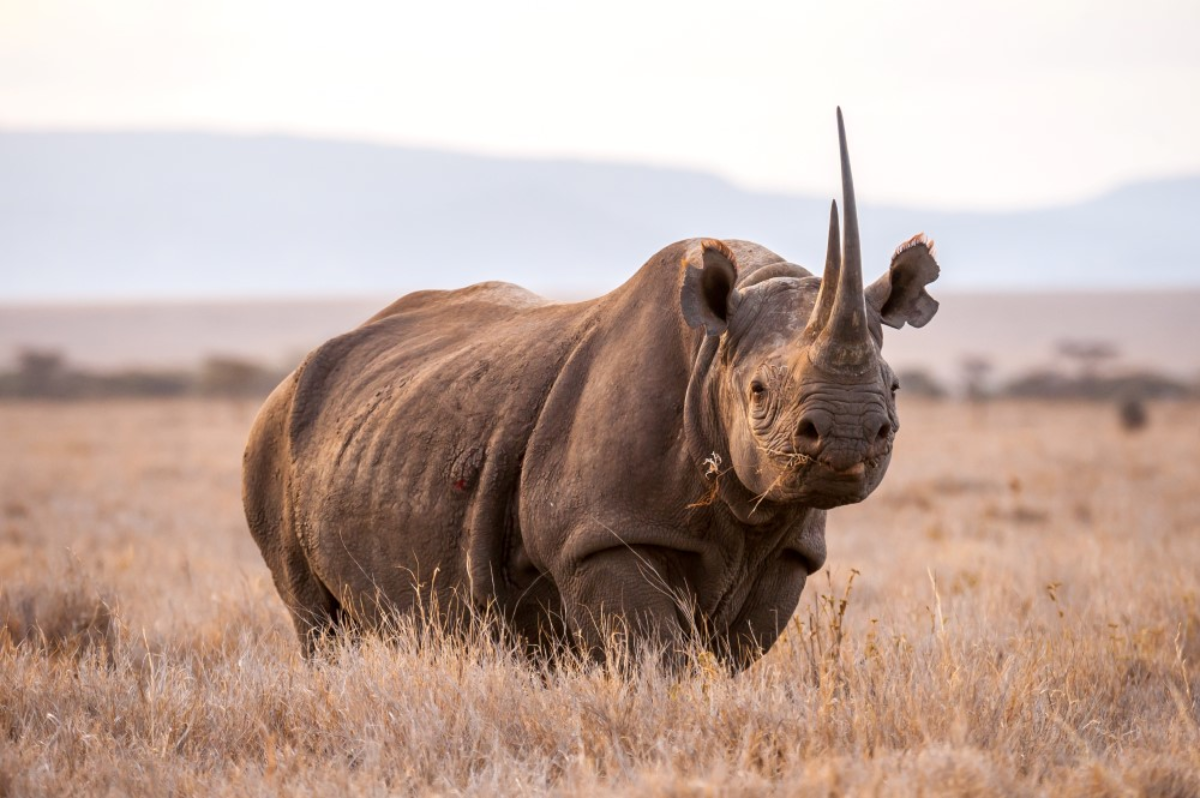
For experienced hunters planning Dangerous Game Hunts in Africa, pursuing a rhinoceros represents one of the continent’s rarest and most carefully controlled hunting opportunities.
Rhino hunting permits are extremely limited and may involve approval for a specifically identified animal. The species, location, conservation programme and trophy-import requirements must all be confirmed before a hunt can proceed.
For hunters pursuing the goal of Big Five Hunting, the rhino is often the final and most difficult animal to arrange. It also stands apart within Big Game Hunting in Africa, not because of the shot alone, but because of the access, planning and responsibility involved.
Most regularly available rhino hunting opportunities are concentrated in South Africa and Namibia. Availability depends on the species, the individual animal, current national regulations, CITES requirements and whether the resulting trophy may legally be imported into the hunter’s home country.
This guide explains where rhino hunting is available, what it costs, how the hunt works and what must be confirmed before committing to one of Africa’s most regulated hunting opportunities.
Available White Rhino Hunts
Three Icons of Africa: Rhino, Buffalo & Roan
Booking Season: 2026
Hunt Difficulty: Difficult
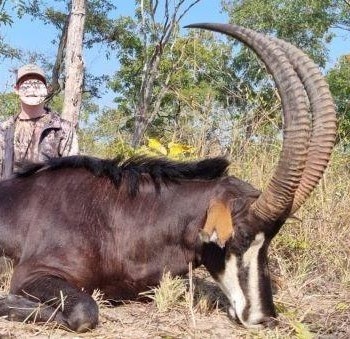
Rhino, Cape Buffalo & Sable Hunting Safari | South Africa
Booking Season: 2026
Hunt Difficulty: Difficult
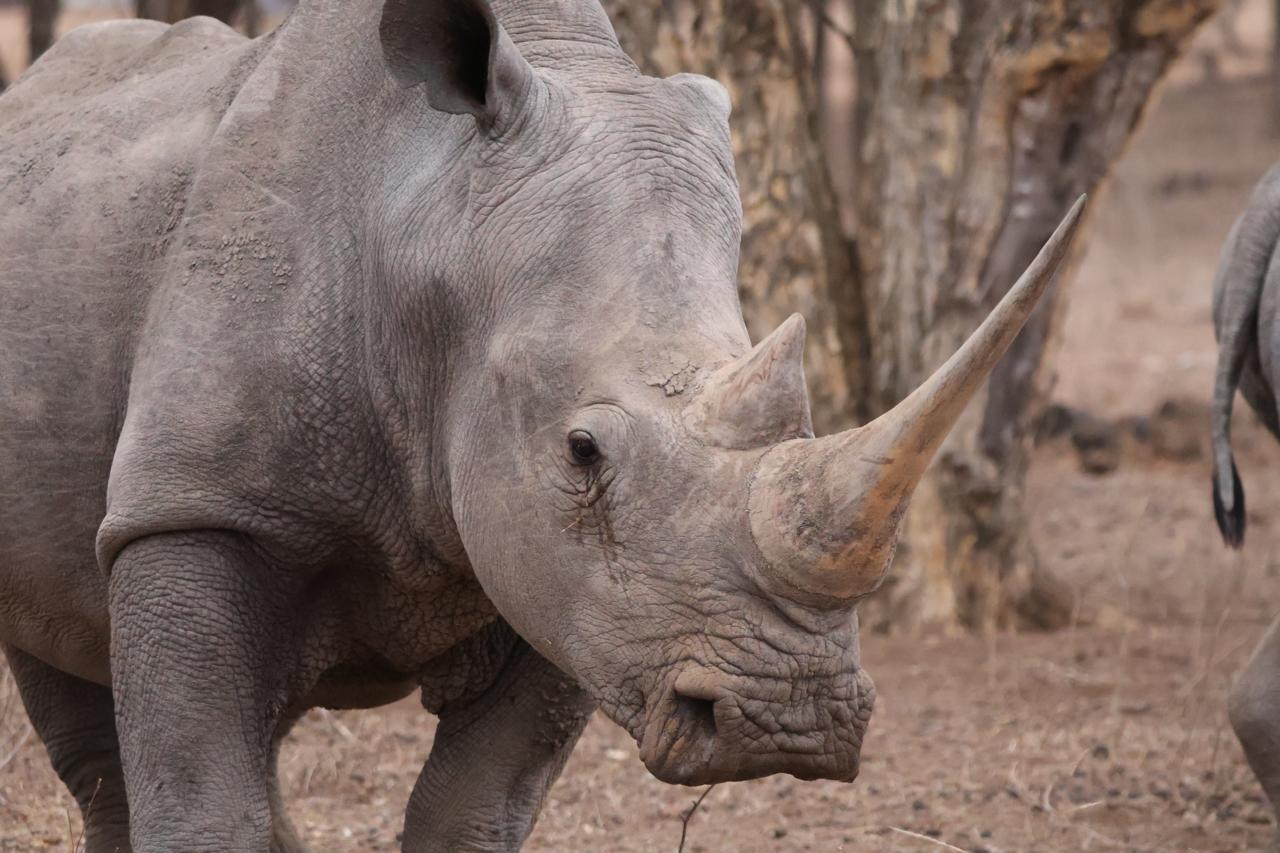
KwaZulu-Natal White Rhino Trophy Hunt
Booking Season: 2026
Hunt Difficulty: Difficult
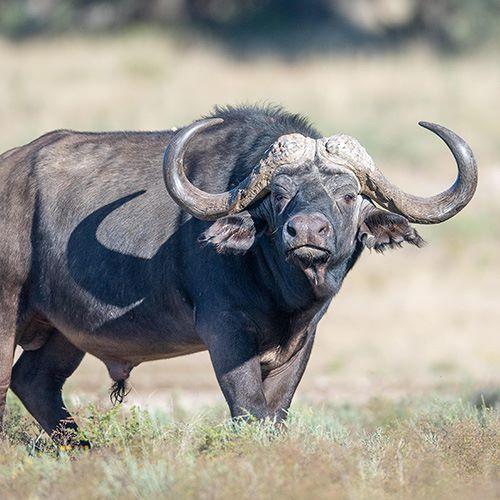
Luxury Cape Buffalo, Rhino Green Hunt & Premium Plains Game Safari
Booking Season: 2026
Hunt Difficulty: Difficult

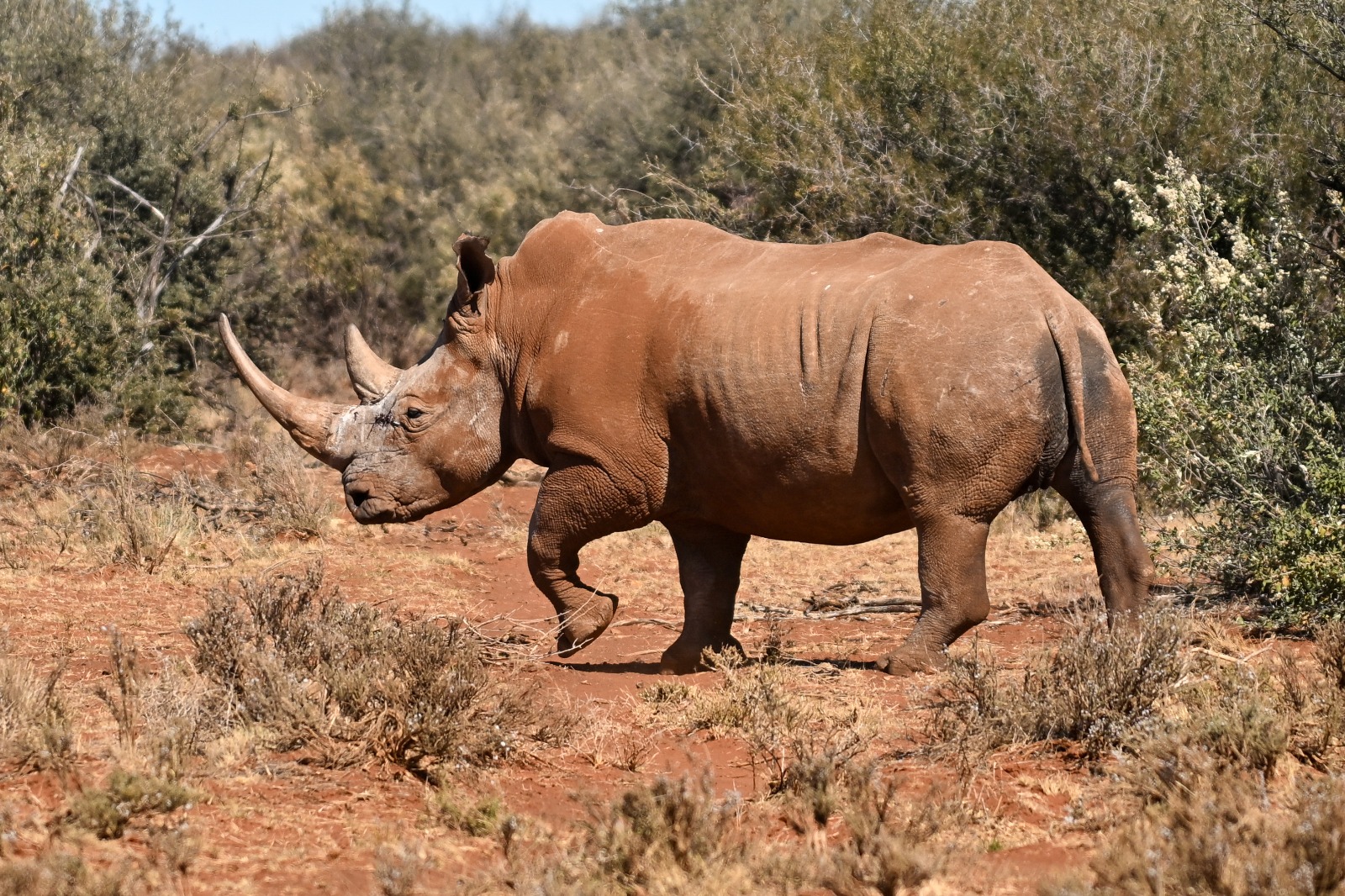
Rhino Dart, Buffalo & Plains Game Hunting in South Africa plus FREE Observer
Booking Season: 2026
Hunt Difficulty: Difficult
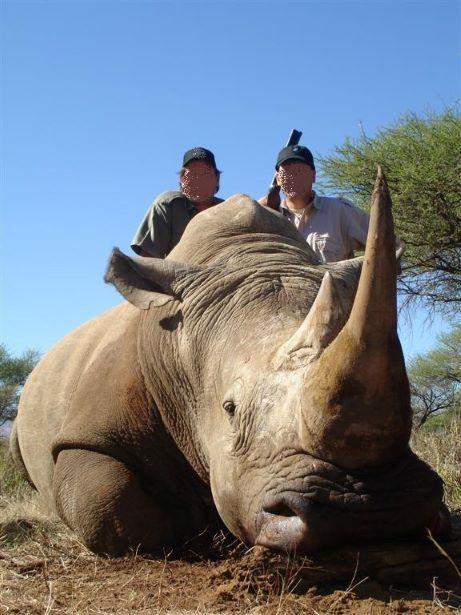
Exportable Southern White Rhino Trophy Safari
Booking Season: 2026
Hunt Difficulty: Difficult
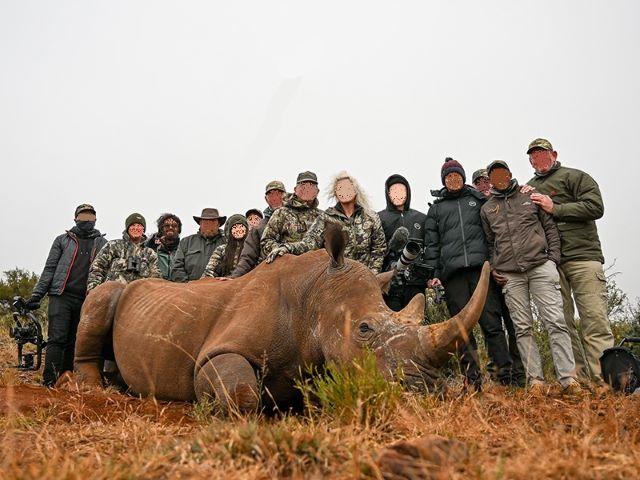
Hunt Cape Buffalo, Dart Rhino & Kudu in SA 2:1
Booking Season: 2026
Hunt Difficulty: Difficult
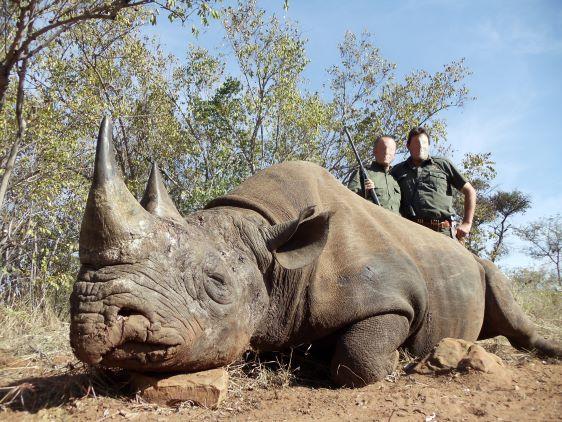
Northern Cape Rhino, Buffalo & Roan
Booking Season: 2026
Hunt Difficulty: Difficult
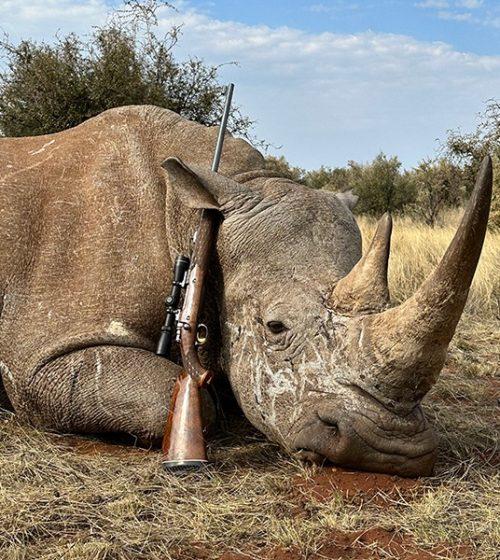
Hunt Cape Buffalo & Dart Rhino Northern Cape SA
Booking Season: 2026
Hunt Difficulty: Difficult
Cape Buffalo, Rhino & Premium Plains Game Safari in South Africa
Booking Season: 2026
Hunt Difficulty: Moderate, Difficult
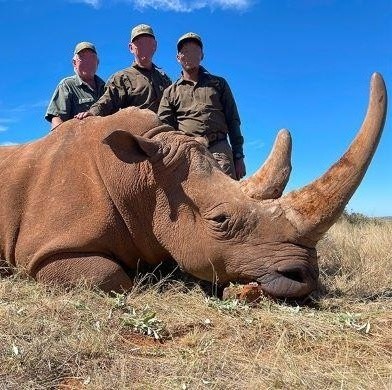
Rhino hunting is not a typical dangerous game hunt.
Most of it happens on foot, moving slowly through thick bush while tracking fresh spoor. It’s controlled, quiet, and deliberate.
Rhinos don’t rely much on eyesight, but their sense of smell and hearing are excellent. That makes wind direction the single most important factor. Get it wrong, and the opportunity is gone.
Shots are usually taken at close range, but that doesn’t make it easy. You still need to stay calm and place the shot correctly on a very large, very powerful animal.
This is not a fast-paced hunt. It’s methodical, physical, and requires focus the entire time.
Most hunters think rhino hunting is straightforward because of the animal’s size.
That’s not where the real challenge is.
The biggest issue is underestimating how sensitive rhinos are to wind. If the wind shifts or isn’t managed properly, the animal will pick you up long before you ever get into position. Another common mistake is moving too fast on the stalk. Rhino hunting is slow by nature. Rushing the approach usually ends the opportunity.
Hunters who adjust to the pace and stay disciplined consistently have better results.
A successful rhino hunt comes down to a few key factors.
First is Rhino shot placement. Even with an animal this size, placement matters if you want a clean, controlled result.
Second is wind. If the wind is wrong, nothing else matters. The stalk is over. Third is your Professional Hunter. Reading tracks, managing the approach and positioning you correctly is where real experience shows.
And finally, patience. Trying to force a situation is where most hunts fall apart.
A rhino hunt follows a structured and controlled process from start to finish. Most hunts begin early in the morning by locating fresh tracks and confirming the animal’s movement. From there, the hunt is conducted on foot, following spoor and adjusting constantly based on wind direction.
The approach is slow and deliberate. Closing the distance can take hours, depending on terrain and conditions.
Once in range, the professional hunter will position you for a clear and safe shot. Shot placement is discussed beforehand, and the opportunity is taken only when conditions are right. After the shot, follow-up procedures are handled carefully to ensure the animal is recovered properly.
This is not a fast or reactive hunt. It is structured, controlled and guided every step of the way.
A rhino is not just another trophy. It may represent the final step in completing Africa’s Big Five. But this hunt is different from anything else you’ll do.
It is one of the most regulated and controlled hunts in Africa. Permits are limited, the process is strict, and everything is managed closely by wildlife authorities.
It is also one of the most expensive hunts available. For hunters who understand the conservation role and are willing to commit to the process, it is one of the most rarest and meaningful hunts in Africa. If you’re looking for something casual or flexible, this isn’t the right hunt.
White and black rhino hunting opportunities differ substantially in availability, cost and the process through which an animal is selected.
White rhino hunts are more commonly associated with privately managed populations, particularly in South Africa. Availability may involve an older bull or another specifically identified animal selected according to the reserve’s population and management objectives.
Black rhino hunting is exceptionally limited. Opportunities generally involve individually selected, older post-reproductive bulls made available through government-controlled conservation programmes. Namibia’s wildlife ministry identifies the individual animals made available under its regulated programme, and authorised black-rhino hunts are accompanied by government representatives. Annual availability must be confirmed before a hunt is booked.
Hunters should never treat “rhino hunt” as a single interchangeable product. Before paying a deposit, confirm the species, sex and status of the animal; the authority under which it may be hunted; whether the trophy is exportable and importable; and exactly which permits are included.
Most regularly available rhino hunting opportunities are concentrated in South Africa and Namibia. Each opportunity remains subject to the species involved, the particular animal selected, current national regulations, CITES requirements and the import rules of the hunter’s home country.
South Africa supports the world’s largest remaining white rhino population and is the primary destination for exportable white rhino hunting opportunities.
Hunters considering Rhino Hunting in Namibia will encounter an especially controlled system in which availability depends on government approval, conservation objectives and the individual animal made available.
Rhino hunting in Africa is strictly regulated through national wildlife authorities and international agreements such as CITES. Each hunt requires government-issued permits, export documentation, and strict adherence to conservation regulations.
Only specific animals, typically older non-breeding bulls, are selected for hunting as part of wildlife population management programs.
Because these permits are extremely limited, rhino hunts must usually be arranged well in advance and require approval from the relevant wildlife authorities.
Import requirements depend on the rhino species and the country in which the animal was hunted. A US hunter should confirm importability before signing a contract or paying a non-refundable deposit.
US Fish and Wildlife Service guidance states that a specific import permit application is used for a Namibian southern white rhinoceros trophy, while the requirements differ for trophies originating in South Africa or Eswatini. Black rhino and other Appendix I situations may require additional CITES and Endangered Species Act findings.
Regulations and findings can change. The outfitter, exporting agent and US wildlife-import specialist should confirm the current requirements for the particular animal before the safari is booked.
Rhino hunts are often planned during the cooler, drier months, when shorter vegetation and concentrated water sources can make tracking and observation easier. However, the available animal, permit conditions, hunting area and local weather matter more than choosing a particular month in isolation.
Hunts normally begin early in the morning when temperatures are cooler and fresh spoor can be followed. The outfitter should confirm the legal hunting window and recommended dates for the specific animal before travel arrangements are finalised.
Exportable white rhino hunts may begin in the lower five-figure range and can exceed $100,000 depending on horn size, the individual animal, location, permit structure and what the package includes. Black rhino opportunities are considerably rarer and may cost several hundred thousand dollars when made available through government-controlled programmes.
The quoted price should clearly state whether it includes the trophy or conservation fee, daily rates, permits, government supervision, transfers, accommodation and field preparation. Hunters should also budget separately for taxidermy, dip-and-pack, international shipping and any import-agent costs.
Hunters comparing different dangerous game species can also explore our African Hunting Safari Prices guide to better understand how rhino hunts compare with other safaris across Africa.
A green rhino hunt, sometimes called a rhino darting experience, does not involve harvesting the animal. The rhino is chemically immobilised under the direction and supervision of a qualified wildlife veterinarian as part of an approved management procedure.
Once immobilised, the veterinary team may conduct health examinations, collect samples, fit identification equipment, treat injuries or perform other authorised conservation work. The animal is monitored throughout the procedure and revived once the work has been completed.
Rhino darting should not be presented as a conventional trophy hunt or as a guaranteed substitute for completing the Big Five. Regulations, veterinary involvement and the extent to which a visiting hunter may participate differ between jurisdictions and individual conservation programmes.
Rhino hunting in Africa is one of the most strictly regulated forms of wildlife utilization in the world. Hunting quotas are carefully issued by government wildlife authorities to ensure that only specific animals, usually older non-breeding males, are selected.
Revenue generated from these hunts can help fund anti-poaching operations, wildlife monitoring, habitat protection and conservation initiatives involving rural communities.
A rhino hunting safari will commonly include accommodation, meals, drinks, the services of a Professional Hunter, trackers and camp staff, transport within the hunting area and initial field preparation of the trophy. Exact inclusions differ between outfitters and should be confirmed in the written quotation.
All rhino hunts require the relevant permits and export documentation, and hunters must comply with both national wildlife laws and applicable CITES requirements.
Transfers from the hunter’s arrival point to the hunting concession and return, whether by road or private charter.
The contract should state whether the rhino trophy or conservation fee is included, when it becomes payable and whether any portion is refundable if the hunt is unsuccessful or approval is withheld.
Dip and pack of the trophy
Taxidermy and international shipping options
Planning a rhino hunt requires considerably more preparation than most African safaris. Permit availability, government approvals, conservation requirements, and choosing the right hunting area all need to be considered well before travel. Hunters comparing available Hunting Trips can explore safari options across Africa before deciding where to pursue one of the continent's most carefully regulated species.
Search from our range of Hunts across various popular destinations in Africa.

Book Your Hunt