Custom Namibia Hunting Safari | 2 Hunters & 2 Observers
Booking Season: 2026
Hunt Difficulty: Moderate

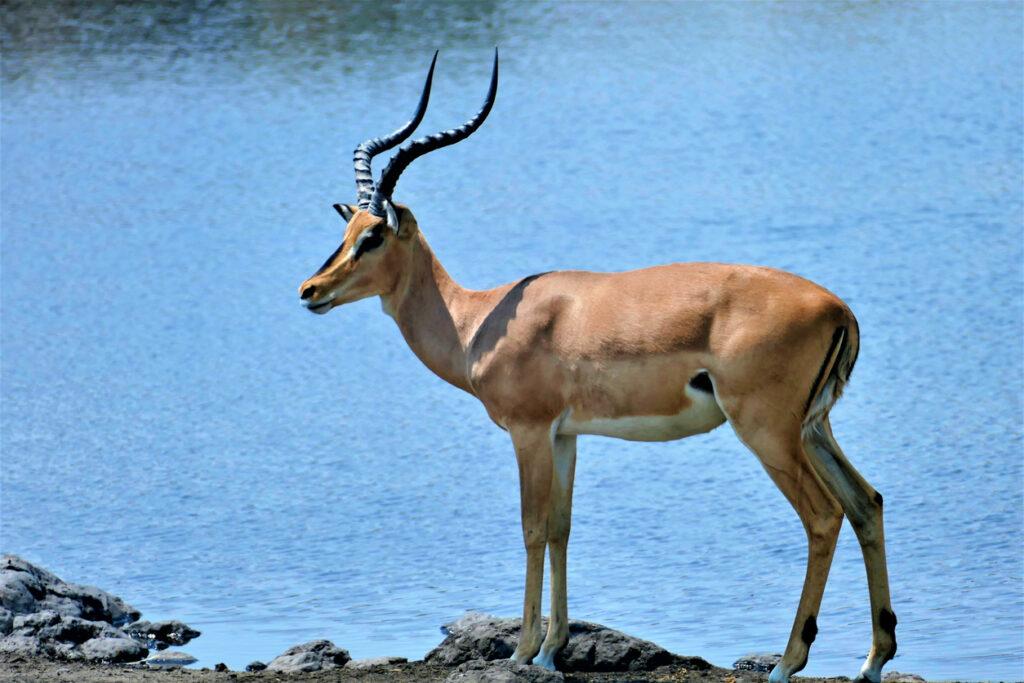
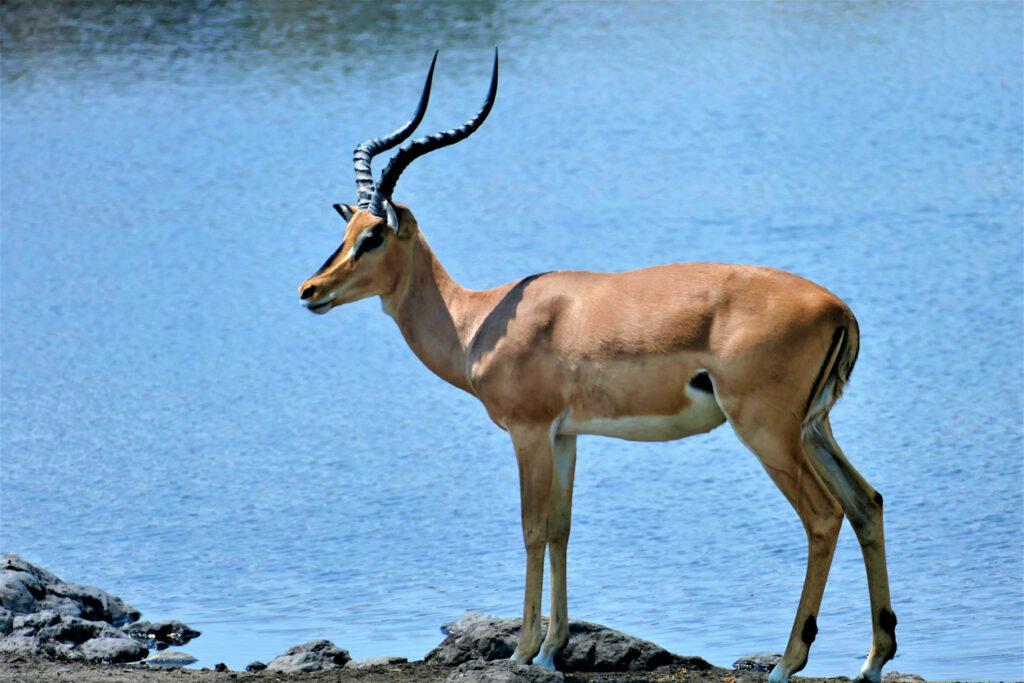
Black-faced impala hunting in Namibia offers the opportunity to pursue one of Africa's most distinctive collector's trophies. Naturally occurring only in northwestern Namibia and parts of southern Angola, this remarkable subspecies has become a genuine collector's animal for hunters looking beyond Africa's more familiar game species. Their striking facial markings, limited natural distribution and unique conservation story make them far more than simply another impala.
The black-faced impala is closely associated with Namibia's rugged landscapes and carefully managed wildlife populations. Its restricted natural range has helped establish it as one of the country's signature endemic species and one of the most rewarding trophies available during Impala Hunts.
Planning a safari Hunting in Namibia often involves deciding which trophies can only truly be hunted there. Black-faced impala stand firmly on that list. Pursuing one is about far more than adding another antelope to the trophy room. It is an opportunity to hunt a species that exists naturally in only a small part of Africa, making every successful stalk part of a distinctly Namibian safari.
Available Black-faced Impala Hunts
Custom Namibia Hunting Safari | 2 Hunters & 2 Observers
Booking Season: 2026
Hunt Difficulty: Moderate
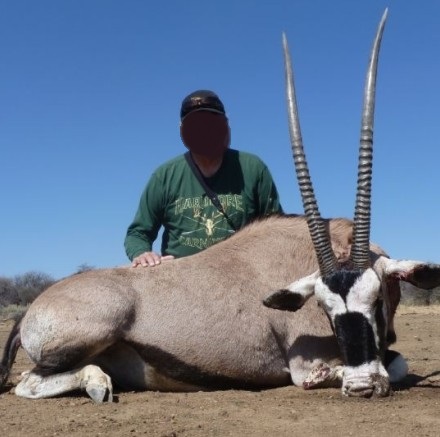
Hunt Gemsbok, Zebra, Impala & 2 More Species in Namibia
Booking Season: 2026
Hunt Difficulty: Moderate
The appeal of black-faced impala extends far beyond their distinctive appearance. Their greatest attraction is that they remain one of Africa's few truly regional trophies, occurring naturally only within a relatively small part of northwestern Namibia and southern Angola. That limited distribution has made them one of the continent's most desirable collector's animals.
Their restricted natural range has closely tied black-faced impala to Namibia itself. A safari built around this remarkable antelope is also a journey into one of Africa's most successful wildlife conservation stories, where carefully managed populations have helped protect one of the continent's rarest plains game subspecies.
Their unmistakable black facial blaze, darker overall colouration and elegant proportions distinguish them from the common impala, but appearance alone is not what attracts experienced hunters. The opportunity to pursue a naturally occurring subspecies that remains unique to this part of southern Africa is what gives the hunt its lasting appeal.
Collectors often view black-faced impala as far more than another antelope to add to the trophy room. Hunting one represents the opportunity to pursue a species that exists naturally in very few places, making it one of Namibia's most distinctive and rewarding endemic trophies.
Black-faced impala are one of Namibia's greatest wildlife conservation achievements. Once restricted to a relatively small natural range and vulnerable to population decline, careful wildlife management, protected areas and responsible hunting have helped secure the future of this remarkable subspecies while preserving its unique genetic identity.
Maintaining pure black-faced impala populations requires more than simply protecting habitat. Wildlife managers carefully manage breeding populations and work to prevent unnecessary hybridisation with common impala, ensuring future generations continue to represent one of Namibia's truly endemic plains game animals. That long-term commitment has helped make Namibia one of the few places where hunters can pursue black-faced impala with confidence that they are hunting a naturally occurring population.
The same conservation principles extend well beyond a single species. Namibia has earned an international reputation for sustainable wildlife management, creating healthy populations of numerous species that support some of Africa's finest Plains Game Hunts. Carefully managed quotas, private conservancies and long-term habitat protection have allowed wildlife and rural communities to benefit from the same conservation model.
This approach has transformed wildlife into a valuable resource worth protecting. Healthy game populations, well-managed hunting areas and responsible utilisation all contribute to maintaining Namibia's remarkable biodiversity while ensuring endemic species such as the black-faced impala continue to thrive in their natural environment.
Choosing to hunt black-faced impala is therefore about more than pursuing a distinctive trophy. It is also an opportunity to support a conservation model that has helped preserve one of Africa's most recognisable endemic antelope while contributing to the long-term sustainability of Namibia's wildlife.
A black-faced impala is seldom the only reason for travelling to Namibia, but it often becomes one of the defining trophies of the safari. Its limited natural range makes it an ideal centrepiece around which to build a hunt focused on Namibia's unique and regionally significant plains game species.
One of the most rewarding combinations is Hartmann's Mountain Zebra Hunting in Namibia. Although these two endemic trophies occupy different habitats, a carefully planned safari can showcase both while taking hunters from rugged mountain escarpments to open savannah and rolling hills. Pursuing both species during the same trip highlights the remarkable diversity that has made Namibia one of Africa's premier plains game destinations.
Gemsbok Hunts and Springbok Hunts also combine naturally with black-faced impala. These iconic species are closely associated with Namibia's hunting tradition and provide opportunities to experience very different styles of spot-and-stalk hunting across the country's varied landscapes.
Collectors looking for a truly distinctive safari may also choose to include Cheetah Hunting in Namibia where regulations and quotas allow. Namibia is internationally recognised as the principal destination for cheetah hunting, giving hunters the rare opportunity to pursue one of Africa's most iconic predators alongside some of its most distinctive endemic plains game species. Few destinations can offer a combination as unique.
Rather than measuring success by the number of animals taken, collectors often build their safari around species that can only truly be appreciated in Namibia. Combining black-faced impala with the country's other endemic and iconic game creates a hunting journey that reflects Namibia's unique wildlife heritage while making the most of everything the destination has to offer.
Planning a black-faced impala hunting safari begins with selecting the right hunting area. Because the species occurs naturally within a relatively limited range, choosing a concession that supports healthy, naturally occurring populations is one of the most important decisions made before booking.
Namibia's dry season generally provides the best hunting conditions. Cooler temperatures, thinner vegetation and improved visibility make spot-and-stalk hunting more effective while allowing hunters to comfortably cover the varied terrain where black-faced impala are found.
Allowing enough time is equally important. Although black-faced impala are often included as part of a broader plains game safari, building flexibility into the itinerary allows the hunting team to focus on locating mature animals without feeling pressured by a tight schedule.
Our carefully planned African Hunting Trips help hunters choose the right concession, safari duration and hunting season, ensuring every black-faced impala safari reflects the unique hunting traditions and remarkable wildlife that have made Namibia one of Africa's premier hunting destinations.
The black-faced impala is a distinct subspecies of impala naturally found only in northwestern Namibia and parts of southern Angola. It is recognised by its characteristic black facial markings and limited natural distribution, making it one of Africa's most sought-after collector's trophies.
Their appeal lies in their rarity rather than their size. Because naturally occurring populations are restricted to a relatively small part of southern Africa, many hunters regard black-faced impala as one of Namibia's signature endemic species.
Black-faced impala are primarily hunted in Namibia's northwestern regions, where carefully managed populations occur naturally. Hunting concessions within their native range provide the best opportunities to pursue mature animals.
Most hunters prefer Namibia's dry season, when cooler temperatures, thinner vegetation and improved visibility create excellent conditions for spot-and-stalk hunting across the country's varied landscapes.
Yes. Black-faced impala are commonly included as part of a broader Namibian plains game safari, allowing hunters to pursue several of the country's iconic and endemic species during the same trip.
Black-faced impala are alert, active antelope with excellent eyesight and hearing. Successful hunts depend on careful stalking, using the wind effectively and making the most of available cover to close the distance without being detected.
Most hunters include black-faced impala as part of a seven to ten-day plains game safari. This provides sufficient time to pursue multiple species while allowing flexibility to locate mature animals under favourable hunting conditions.
Experienced Professional Hunters generally look for mature rams with well-developed horns, strong body condition and the distinctive black facial markings that make this remarkable subspecies so recognisable.
Search from our range of Hunts across various popular destinations in Africa.

Book Your Hunt